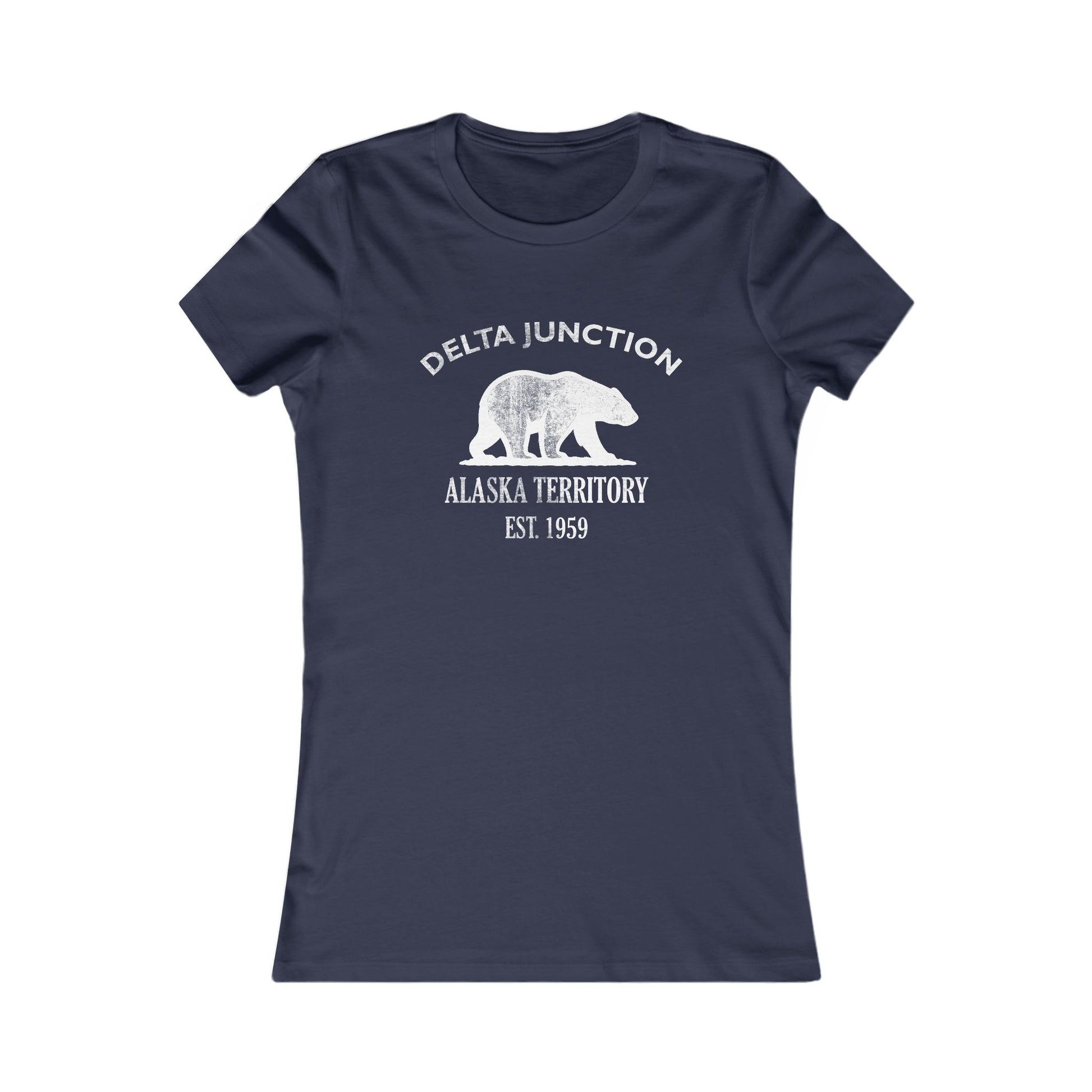
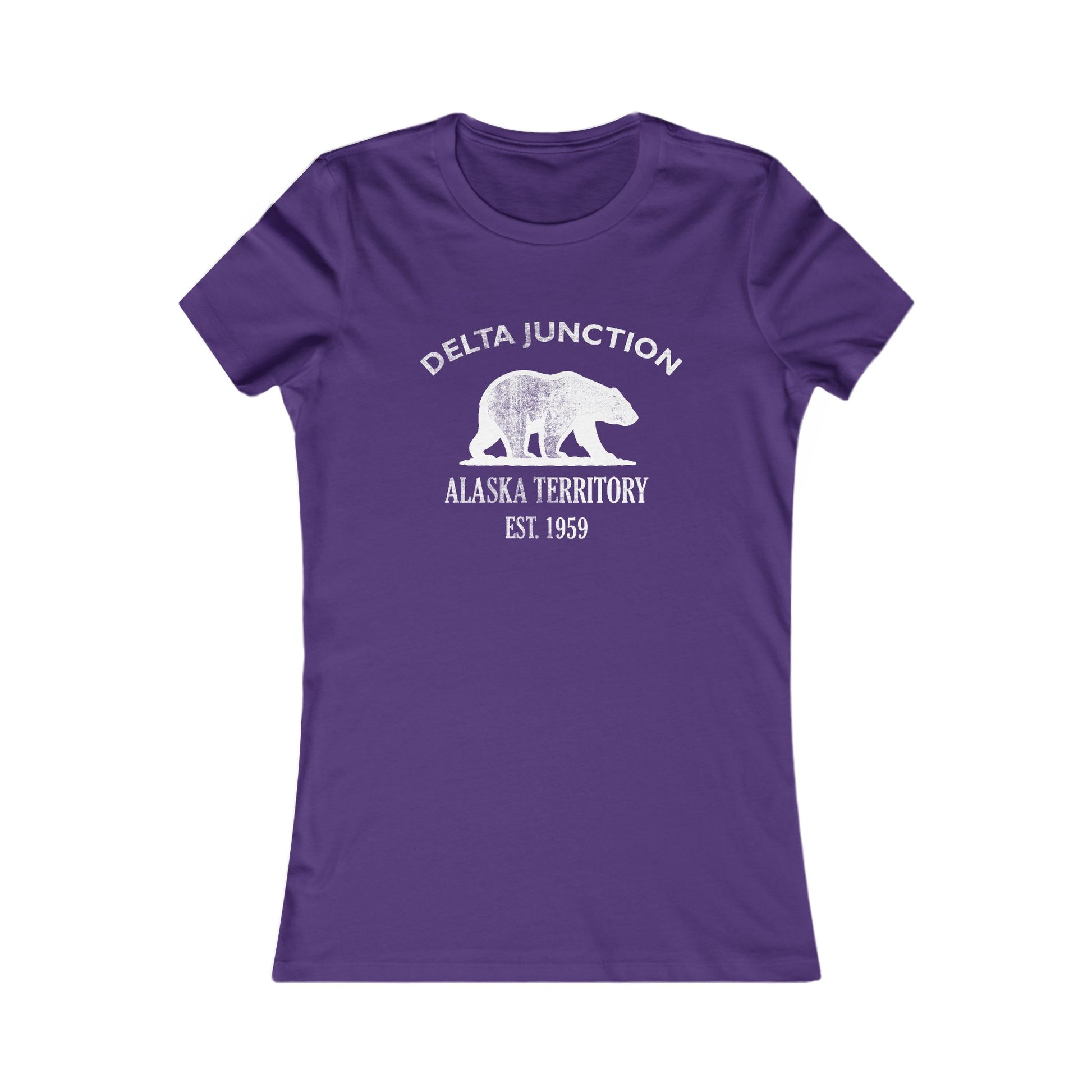
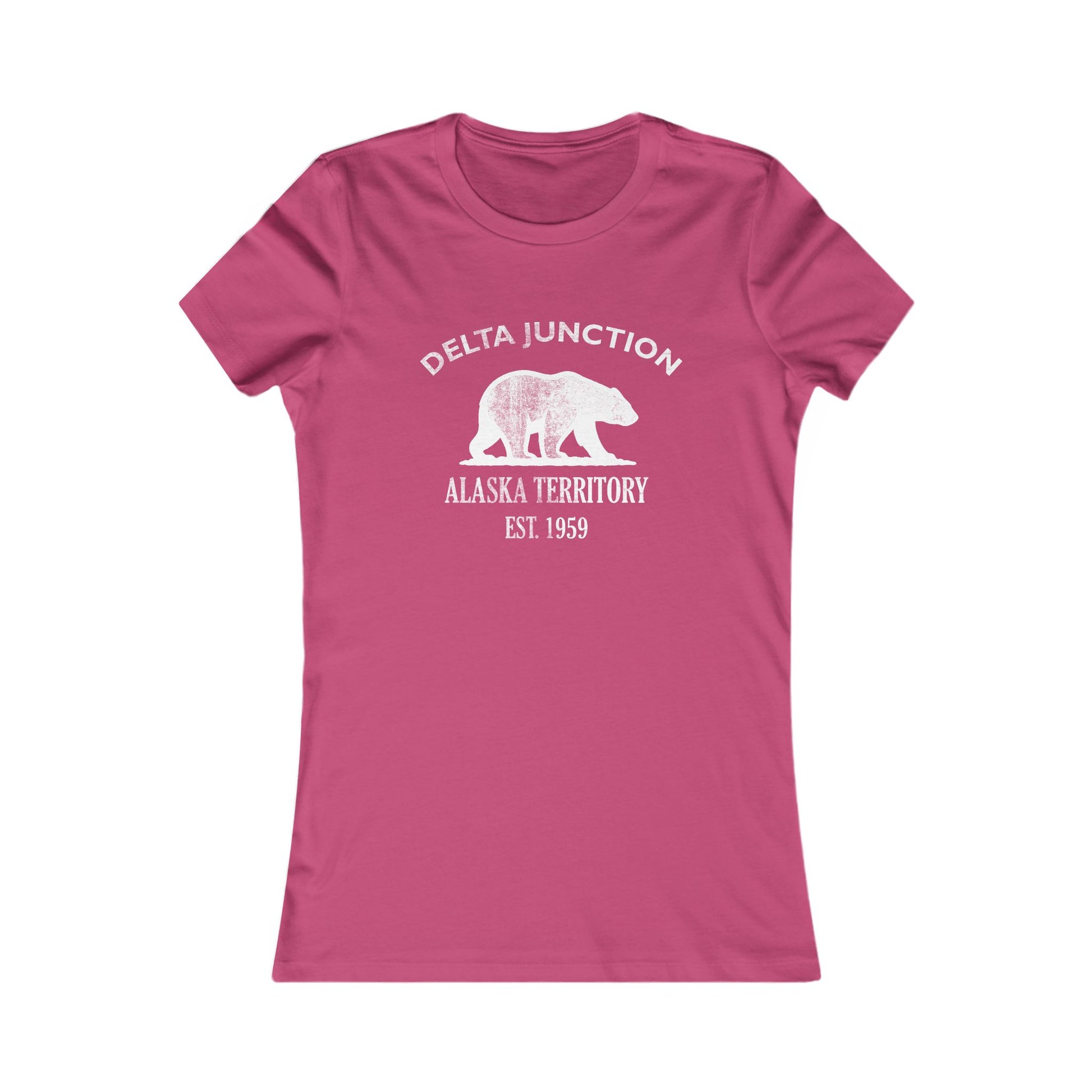
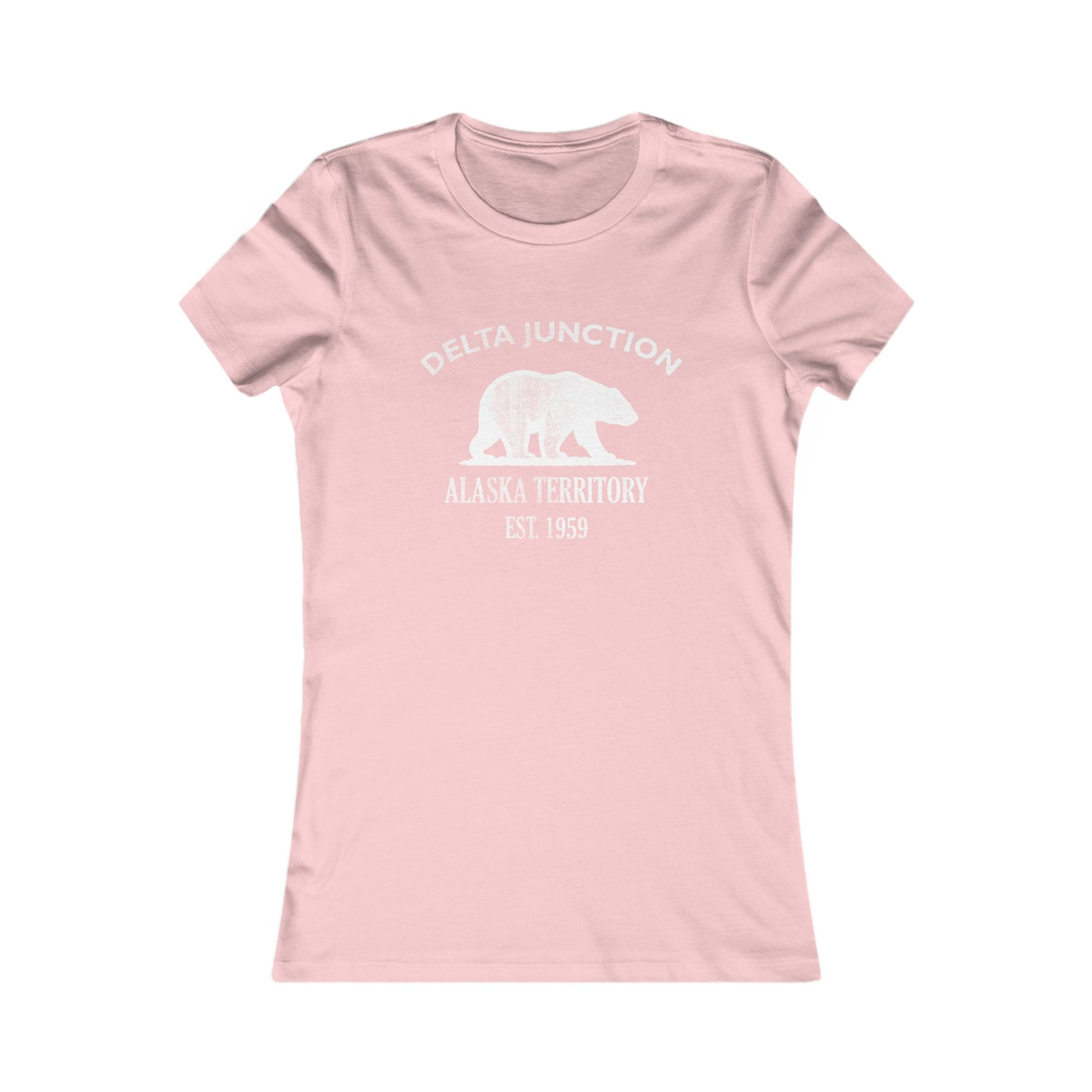
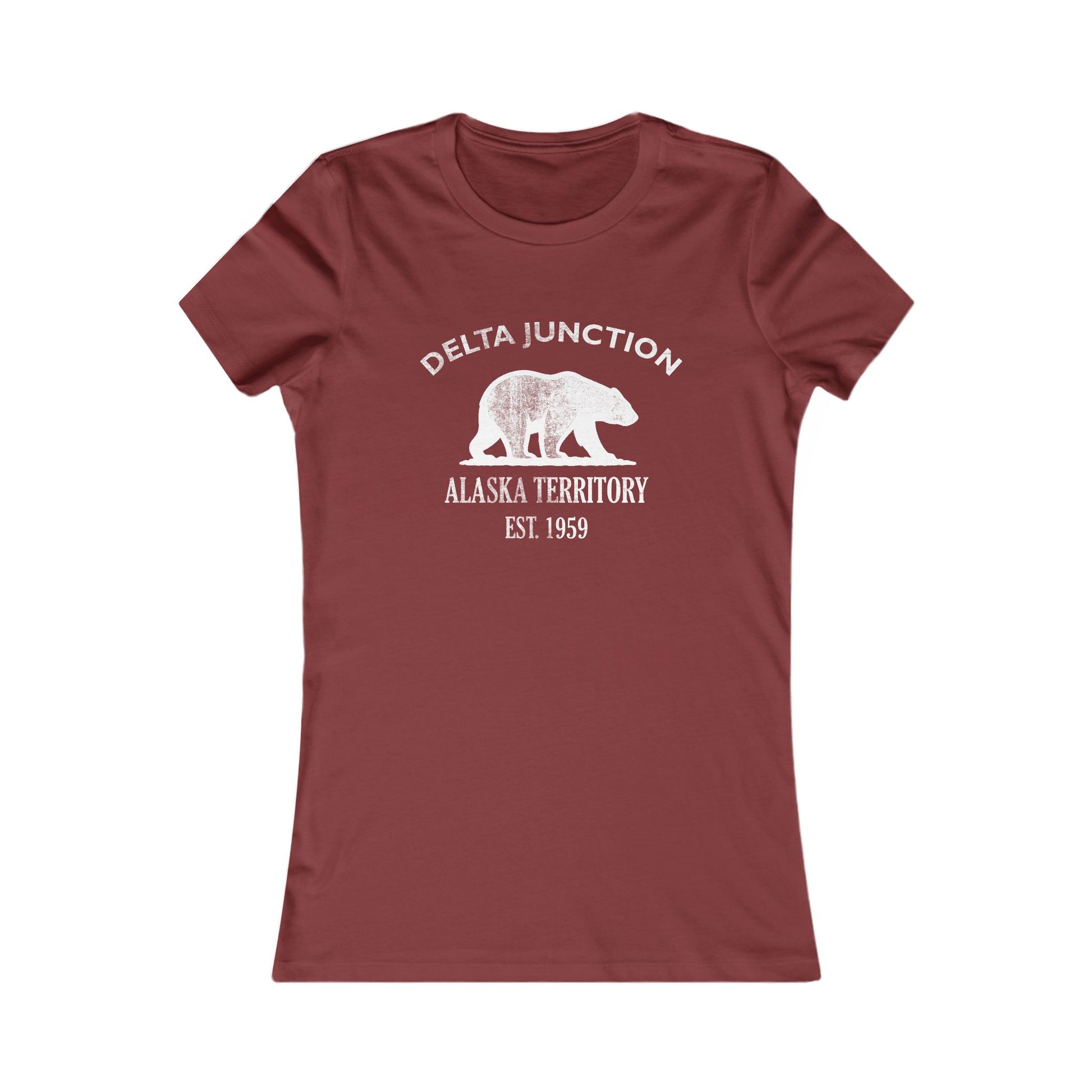
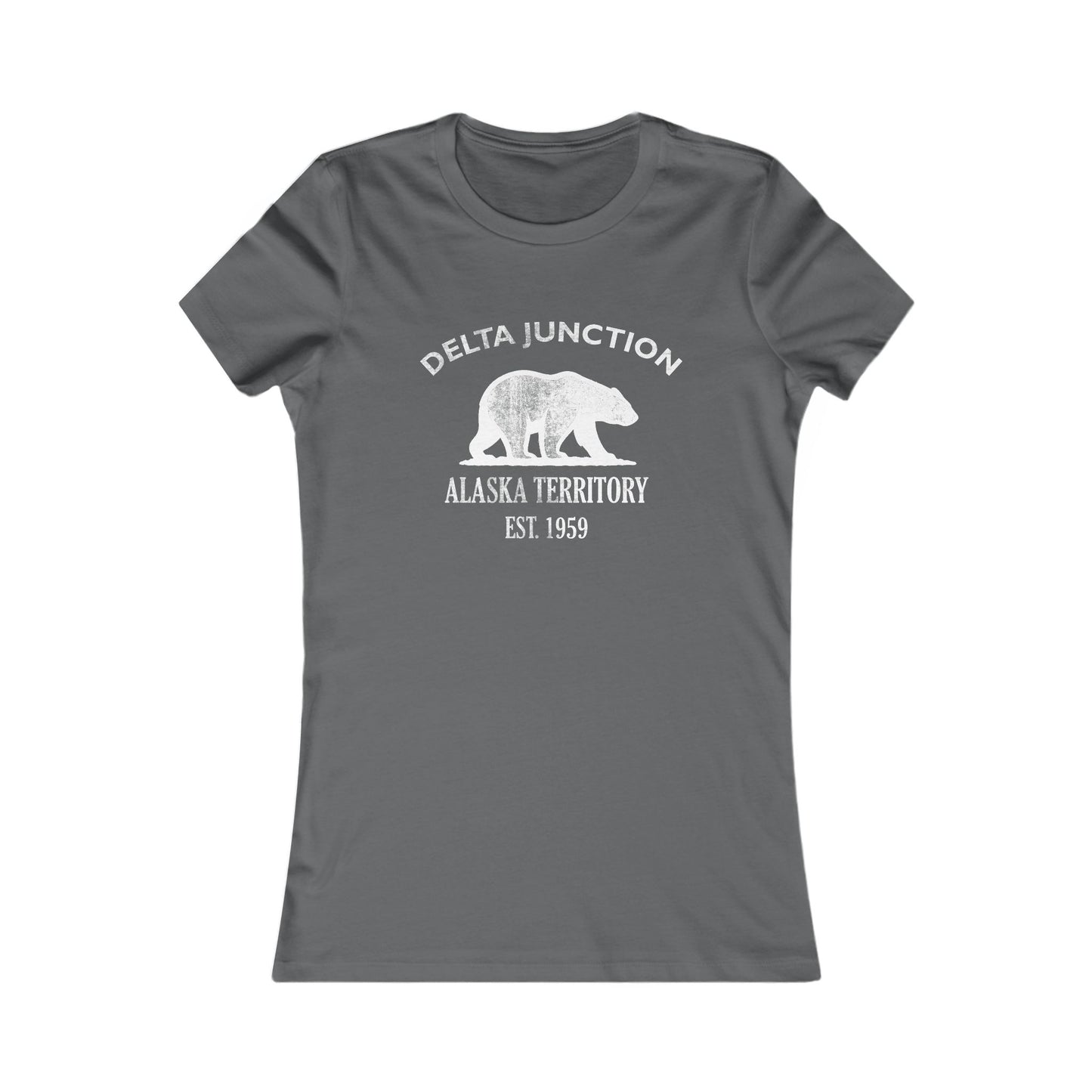
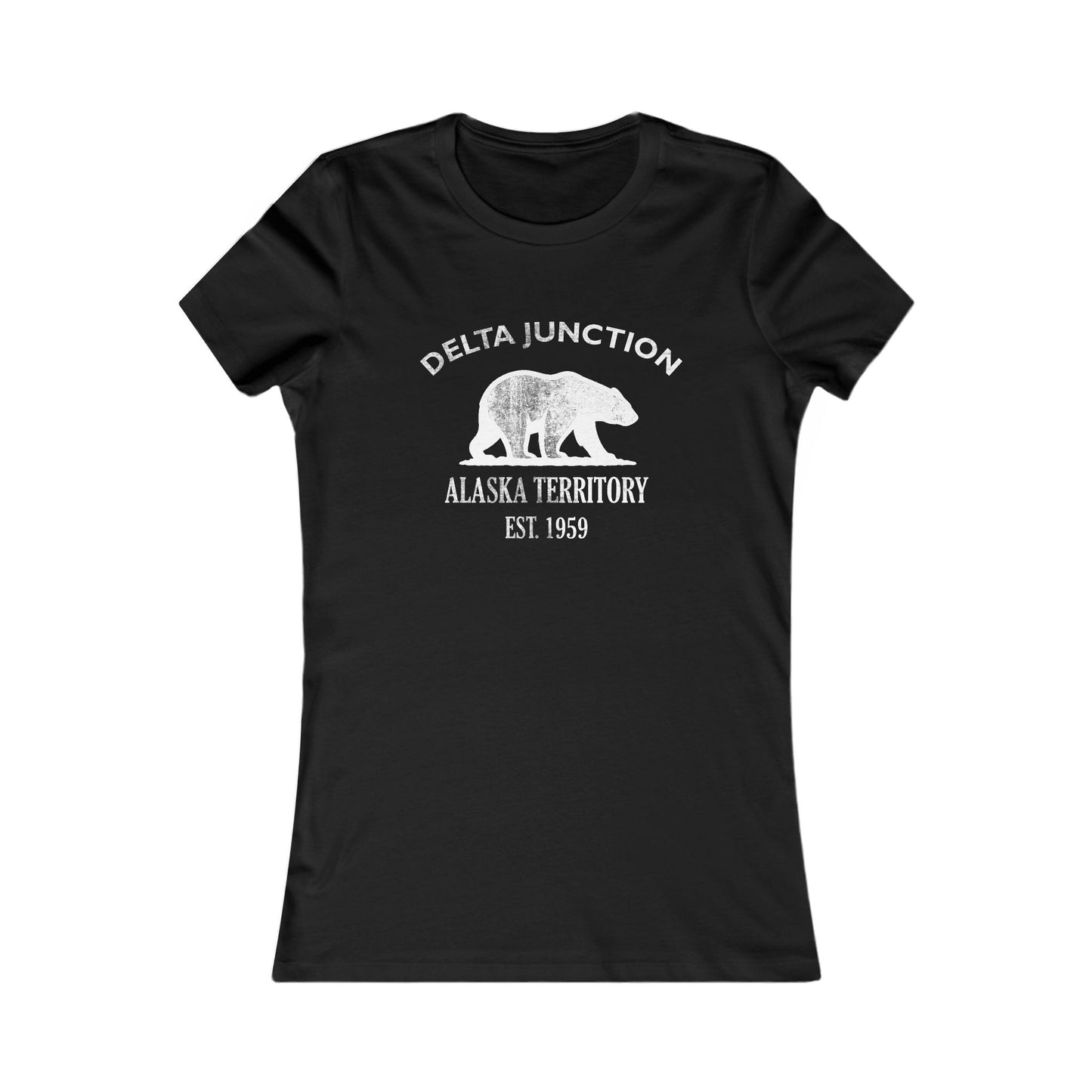
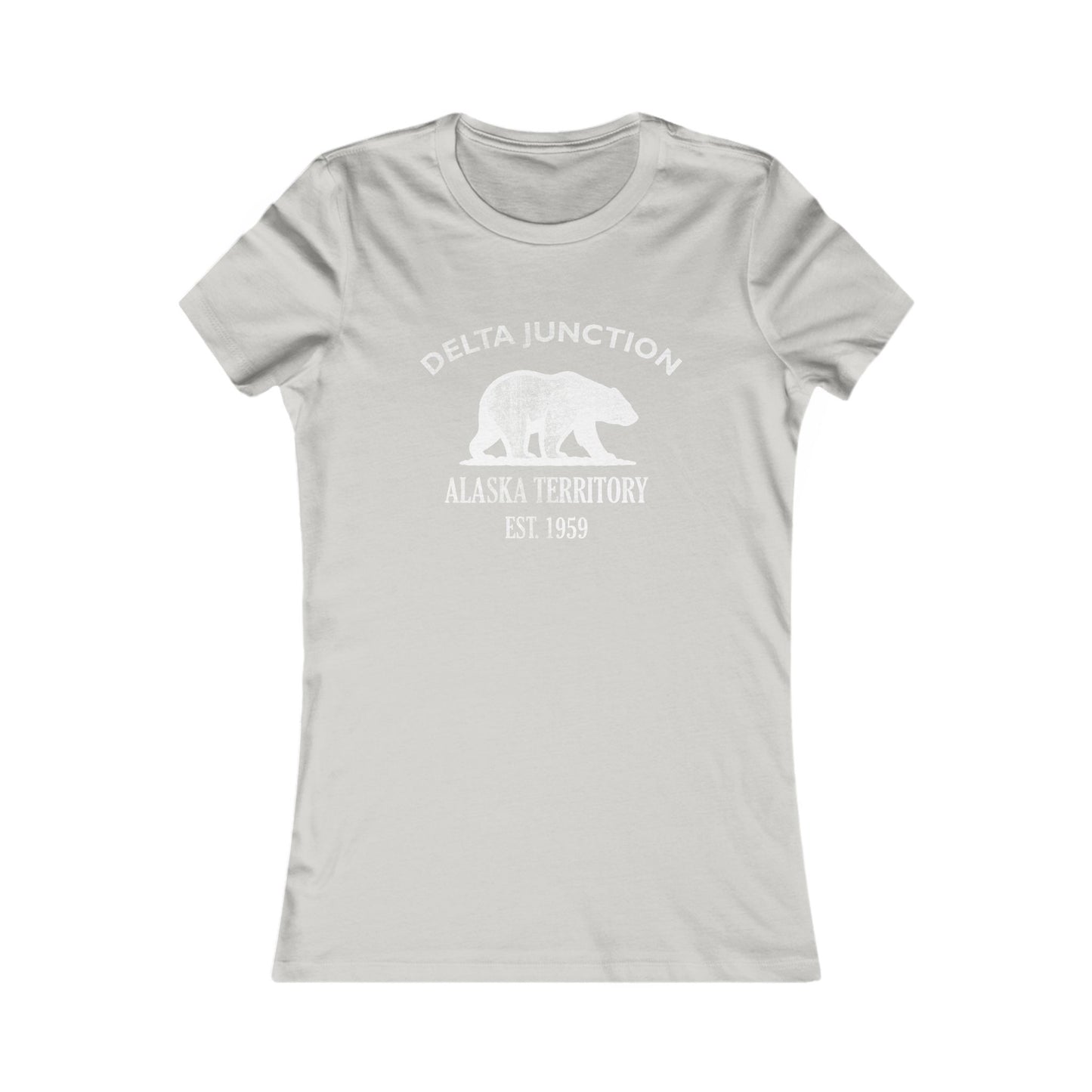
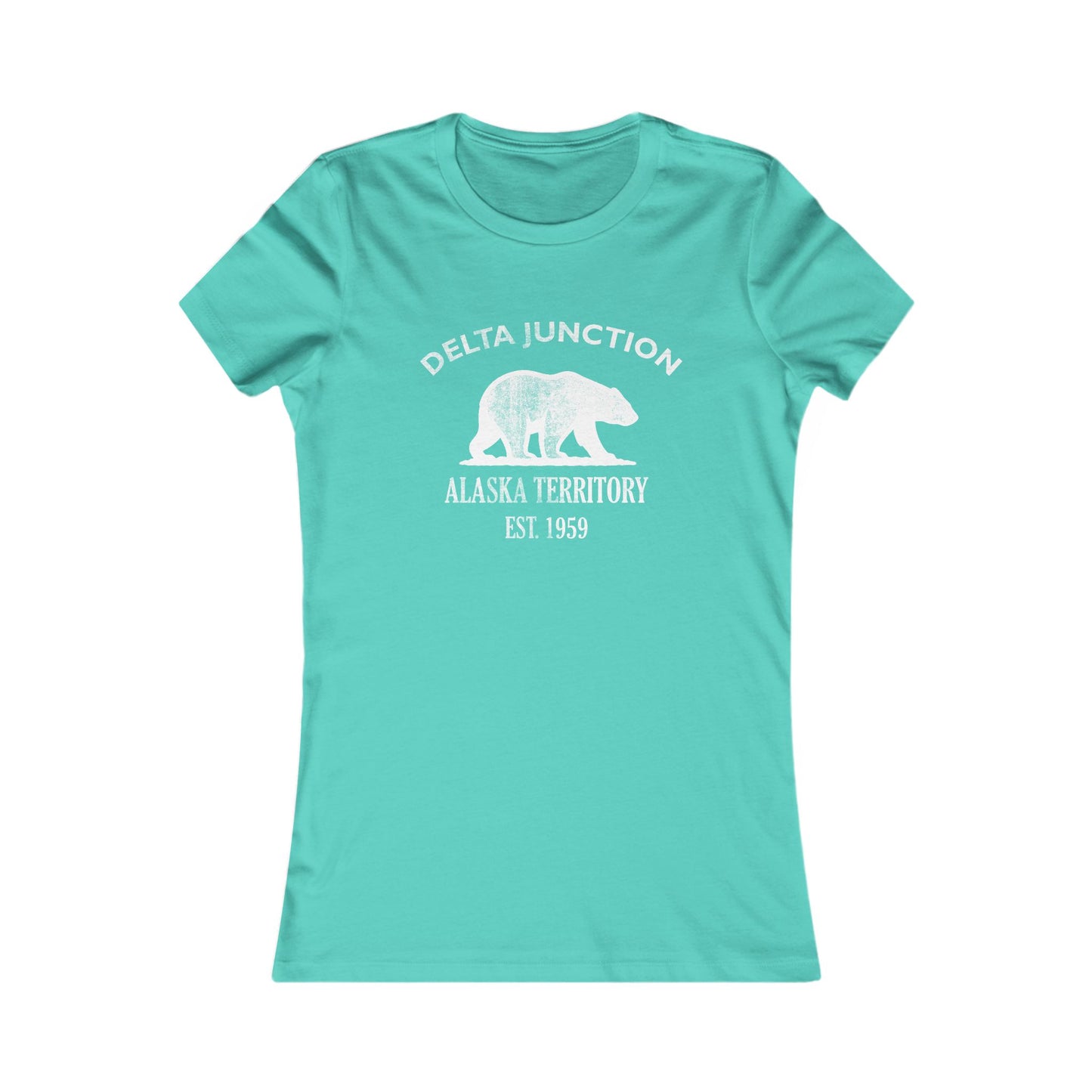
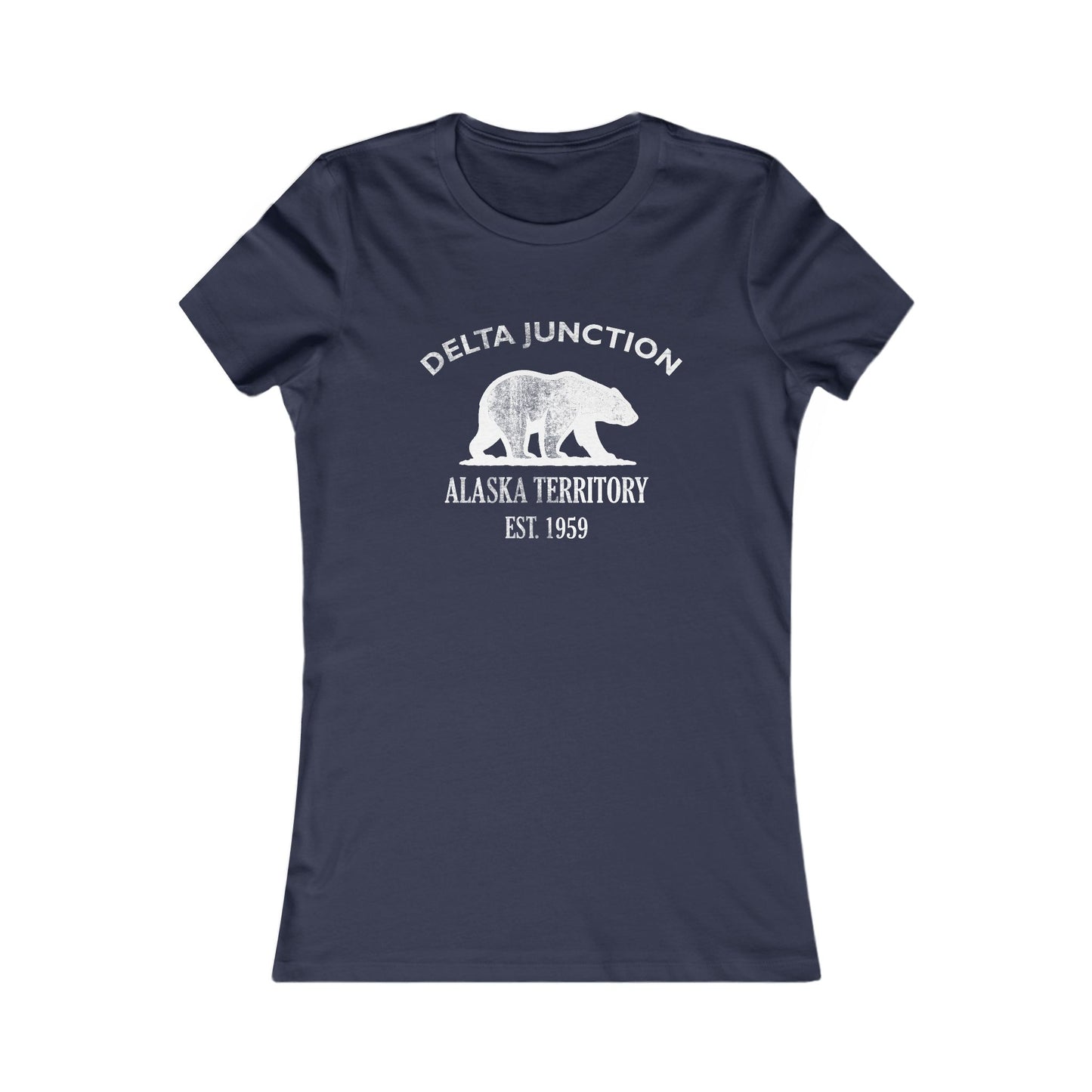
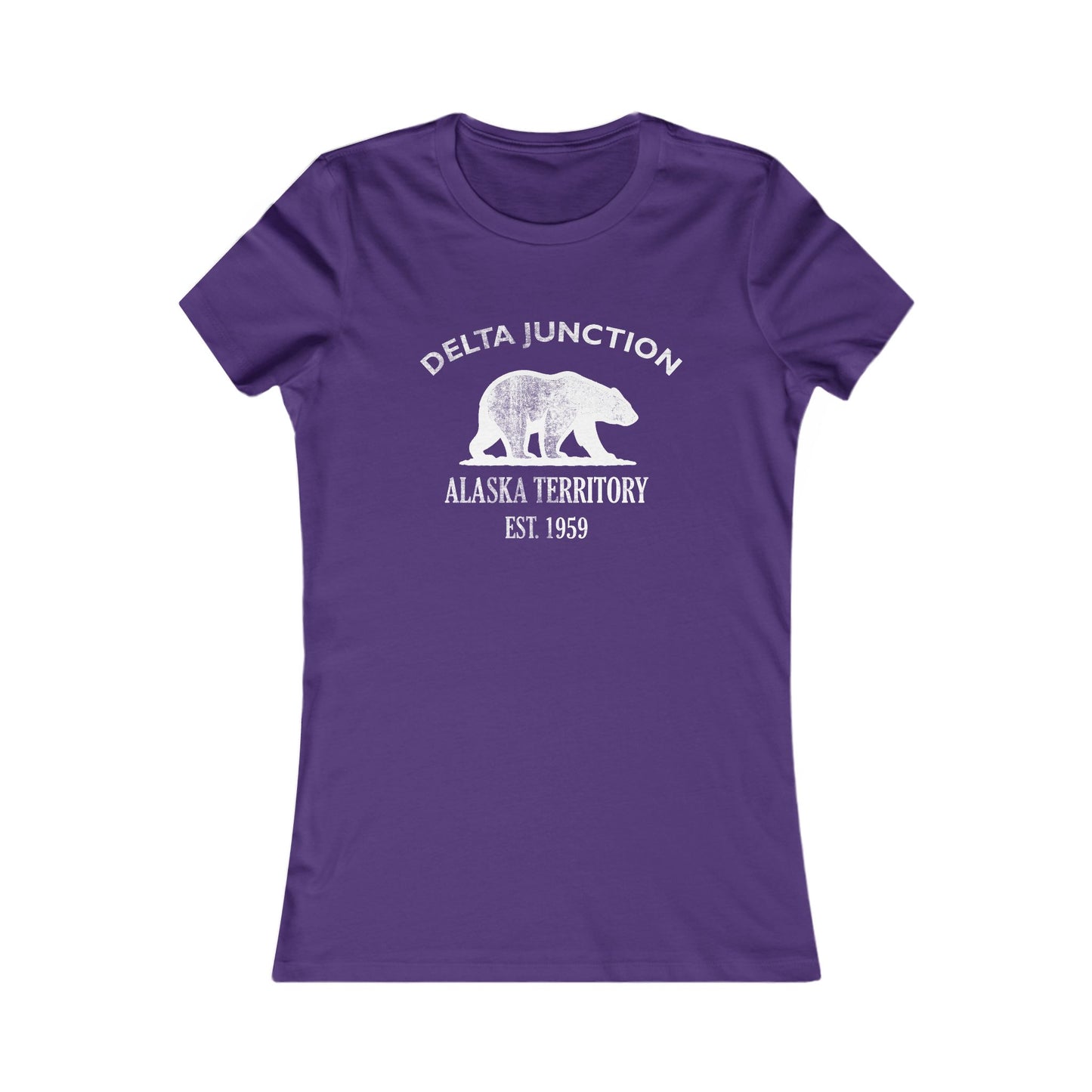
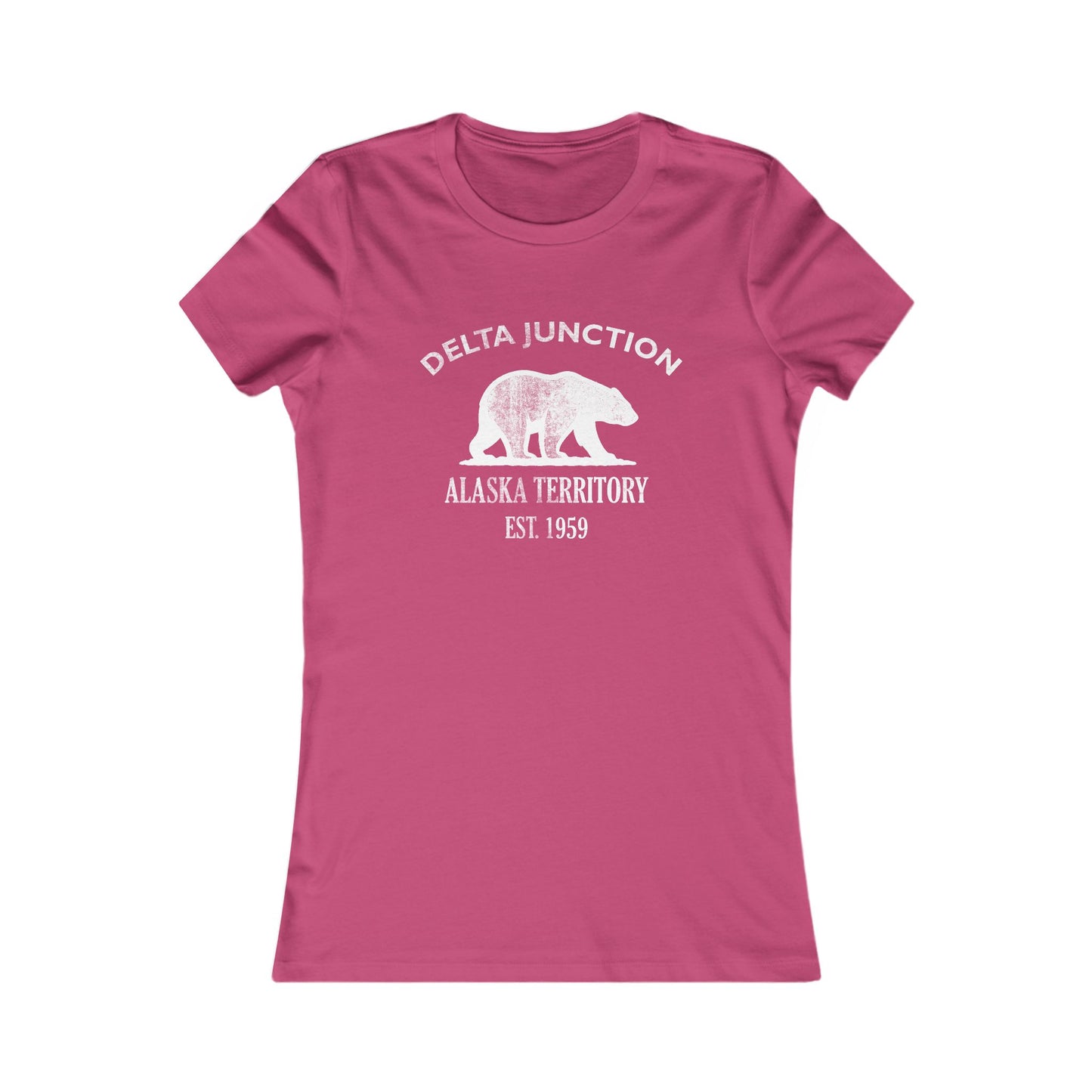
What made the town was the road. In 1942 the Alaska Highway was pushed through as a wartime supply route, and Delta Junction became its terminus — Milepost 1422, where the new highway met the older Richardson Highway running up from Valdez. A construction camp turned into a community; Fort Greely was established nearby in the 1950s; and the fertile valley grew into one of Alaska's few real farming districts, raising barley and hay alongside the bison. Delta Junction incorporated as a city in 1960. Today it's still the place where the Alaska Highway ends and the certificates get signed, a small Interior town that earns its travelers.
Today Delta Junction is the end-of-the-highway town, proud of its Milepost 1422, its free-roaming bison herd, its historic roadhouses, and its place in the Tanana Valley under the Alaska Range. Its story runs from the Athabascan valley and the 1904 telegraph station through the roadhouse-trail years, the 1920s buffalo experiment, and the 1942 highway that gave the town its name and its fame. Our Delta Junction designs gather that identity into wearable form — the milepost, the bison, the bear, the Last Frontier. Delta Junction — the end of the Alaska Highway, Milepost 1422.
Why People Visit Delta Junction Alaska
- Get your photo and certificate at the End of the Alaska Highway, Milepost 1422, at the Triangle.
- Visit Big Delta State Historical Park and Rika's Roadhouse (1909) on the Tanana River.
- Tour Sullivan Roadhouse, among the oldest in Interior Alaska, by the visitor center.
- Watch for the free-roaming Delta bison herd on the Delta Bison Range.
- Fish and camp at Quartz Lake, and catch the Deltana Fair in late July.
