


Winter brings the other thing Bethel is known for. The Kuskokwim 300 — the "K300" — has run nearly every January since 1980: a roughly three-hundred-mile sled-dog race that loops up the frozen river from Bethel to Aniak and back, commemorating the old mail trail that once tied the river villages to the outside world. It was founded just as snowmachines were replacing the dog teams locals had long relied on, and it is now widely regarded as one of the toughest mid-distance races in the sport, drawing top mushers north into some of the hardest weather anywhere. Around it has grown a whole winter calendar of delta races — the Bogus Creek 150, the Akiak Dash, and more. In Yukon-Kuskokwim country, where dog teams once did the work the snowmachine does now, the K300 keeps the tradition running.
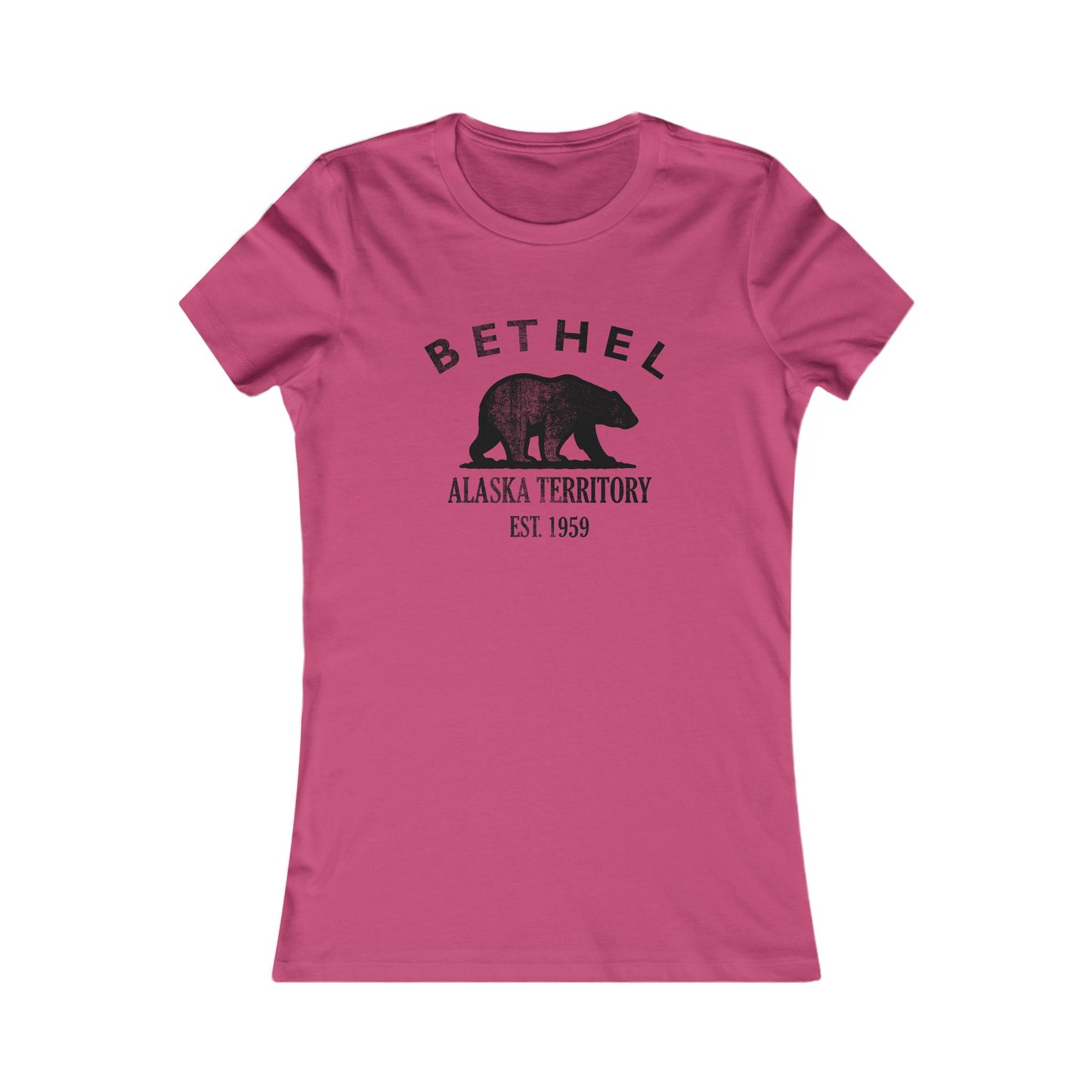
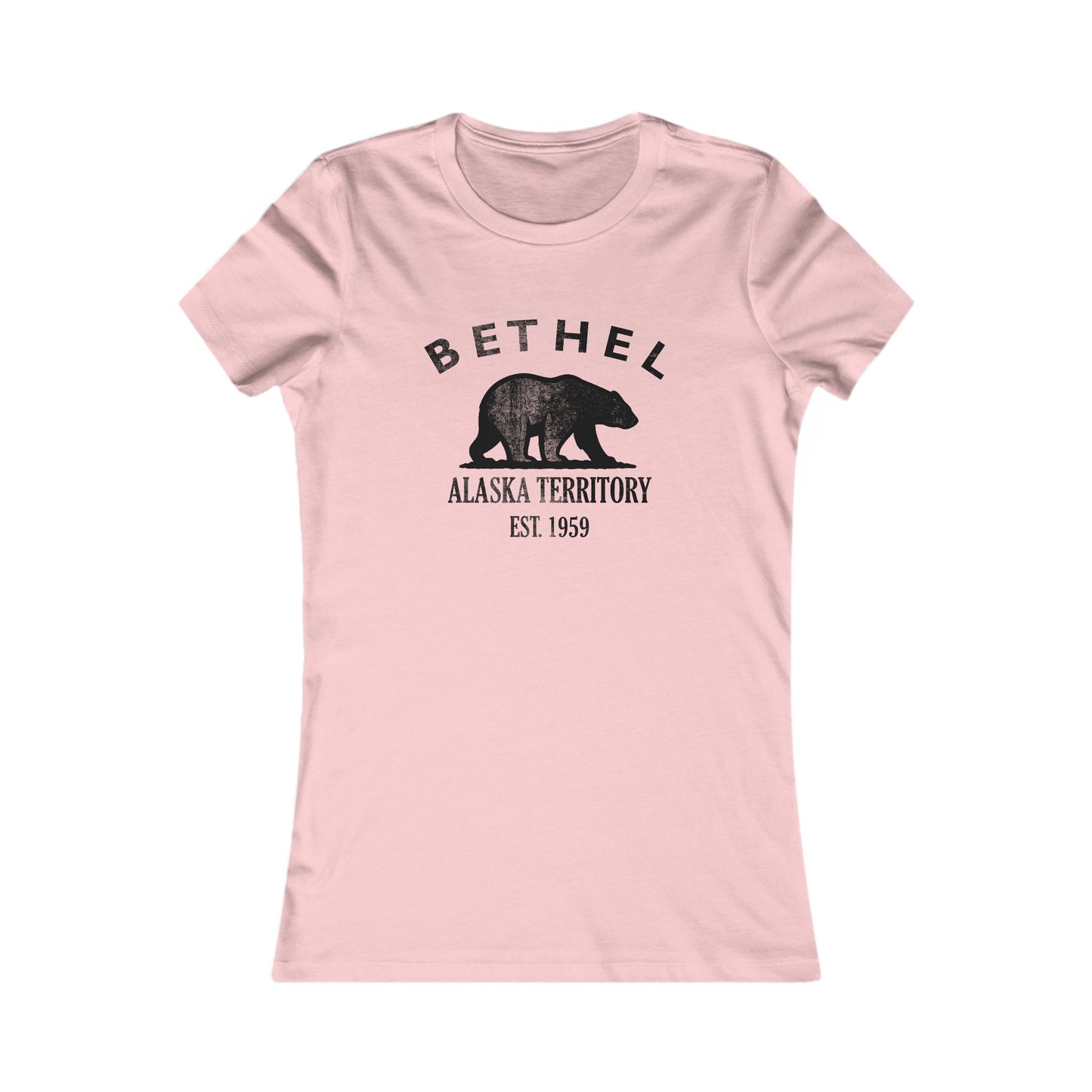
Our Bethel logo carries the distressed bear and the "Alaska Territory — Est. 1959" banner, the shared retro emblem of our Alaska towns; 1959 marks the year Alaska became a state — Alaska's birthday, not Bethel's, which began as a Yup'ik settlement long before and incorporated as a city in 1957. Rendered in worn black-and-white, like an old outfitter's stamp or a crate label, it ties Bethel to every other Alaska town we make. The bear is far-north wilderness, plain and rugged. What makes this one Bethel is the story behind it — the river, the delta, and the firsts the rest of the state learned from.
Why People Visit Bethel
People come to Bethel for the real thing: a remote, fly-in delta town that is the heart of Yup'ik western Alaska, where the Kuskokwim is the main road and the seasons set the pace. It rewards travelers who want the far north on its own terms — river, tundra, the long northern light, and a community that has lived well here for generations.
