

The railroad made Amarillo a cattle town, and by 1890 it was one of the busiest cattle-shipping points in the world — longhorns and Panhandle herds moving out by the trainload. That ranching heritage still runs deep: Amarillo is the home of the American Quarter Horse Association and its Hall of Fame, the registry of the quintessential Western working horse. Then, in 1926, came the road that made the city famous a second time. Route 66 — the Mother Road — ran straight through Amarillo, roughly halfway between Chicago and Santa Monica, and the Historic Sixth Street District filled with the diners, motels, and neon that still say "road trip" to the whole country.
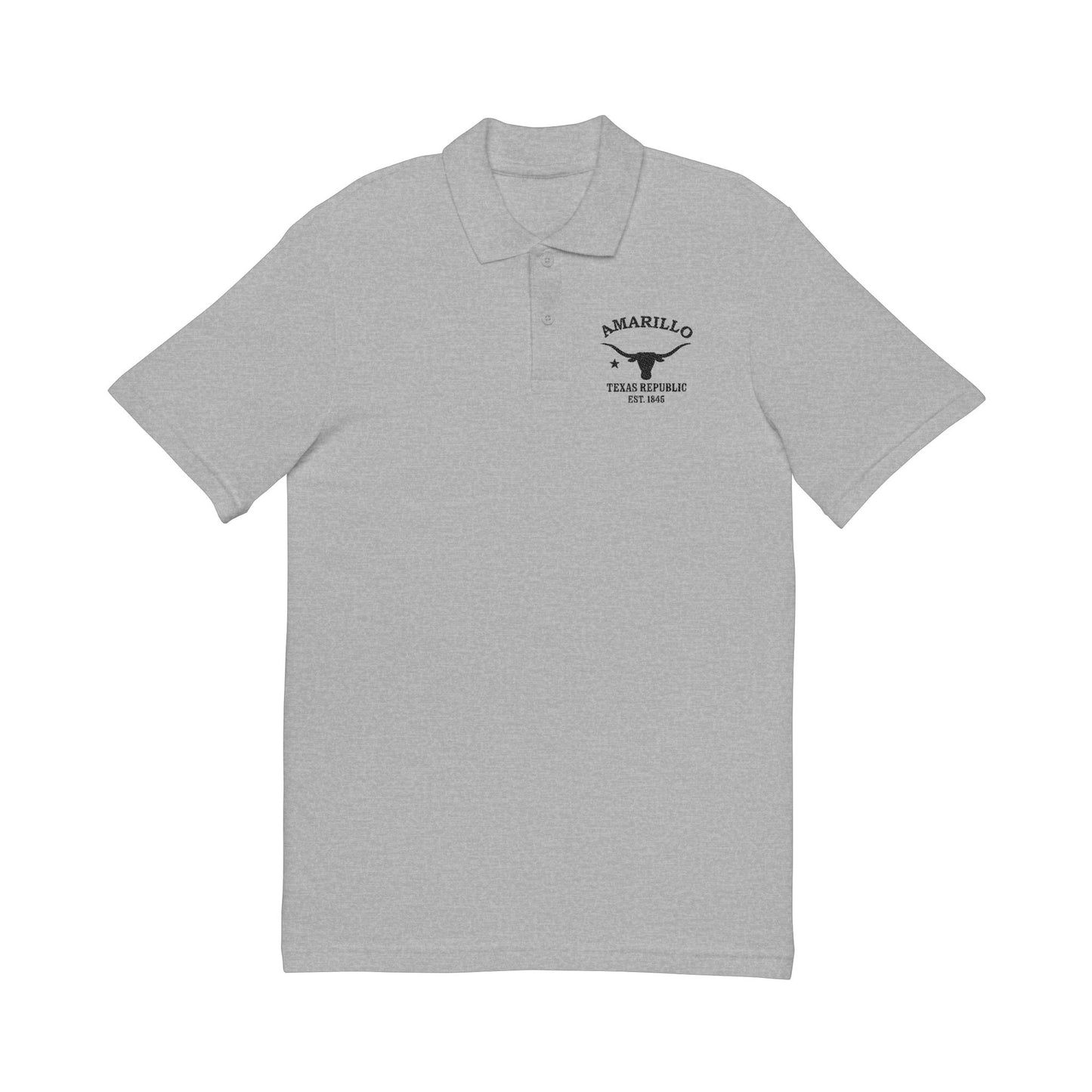
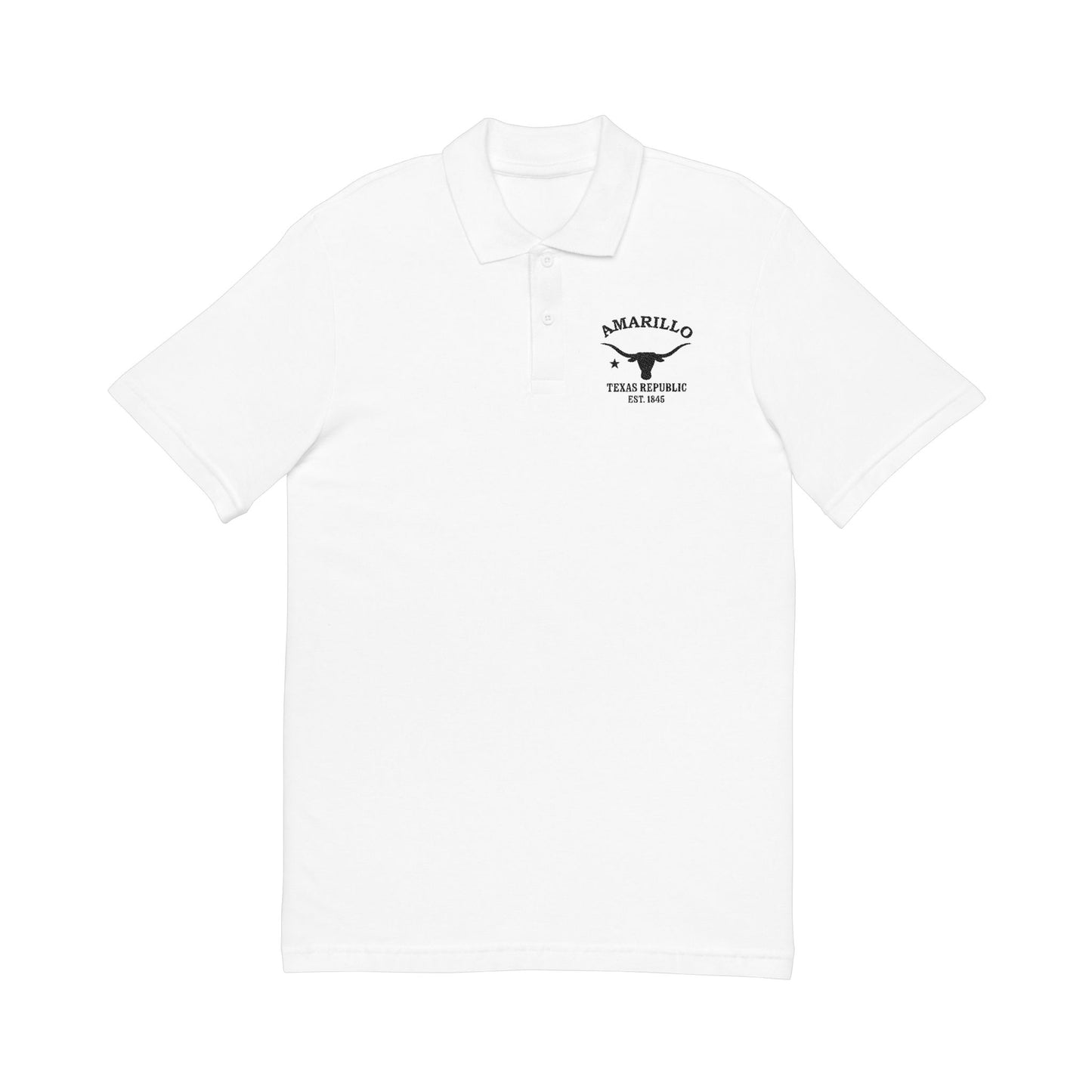
Our Amarillo logo carries a Texas longhorn — the cattle breed that built the open range — and a Lone Star over "1845," the year of statehood and the shared emblem of every Merlin Classics Texas place. Printed black-and-white with the worn look of a branding iron or an old highway shield, the longhorn and star read as Texas in shorthand: cattle country, the Lone Star, the wide Panhandle horizon. What makes this one Amarillo is the place behind it — the Yellow City, the cattle trains, the Quarter-Horse country, and the Mother Road running through the middle of it all.
Why People Visit Amarillo Texas
Amarillo draws visitors with a mix of Western heritage, natural wonder, and Mother Road Americana. Travelers find it both a marquee stop along historic Route 66 and the gateway to Palo Duro Canyon, with deep cattle-ranching and Quarter-Horse traditions and the wide, plainspoken character of the high plains. It is proud, practical, and unmistakably Texan.
