See our pressroom for recent national press. Items below are shown in single size/color — see also black logo and white logo options. Enjoy!
-
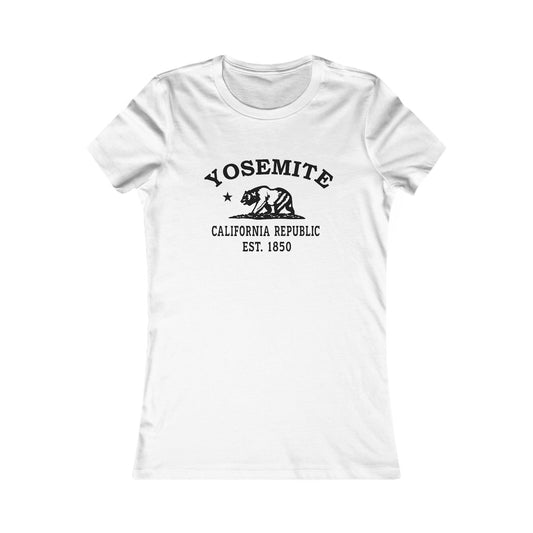
Yosemite California Vintage Retro Womens Fitted Ringspun Cotton Tee - Black Logo
Regular price $28.00 USDRegular price -
Nuzzle in Shallow Water - Tide & Light Series Giclée Unframed Art Print
Regular price From $34.00 USDRegular price -
Shoreline Trio - Tide & Light Series Framed Art Print
Regular price From $96.00 USDRegular price -
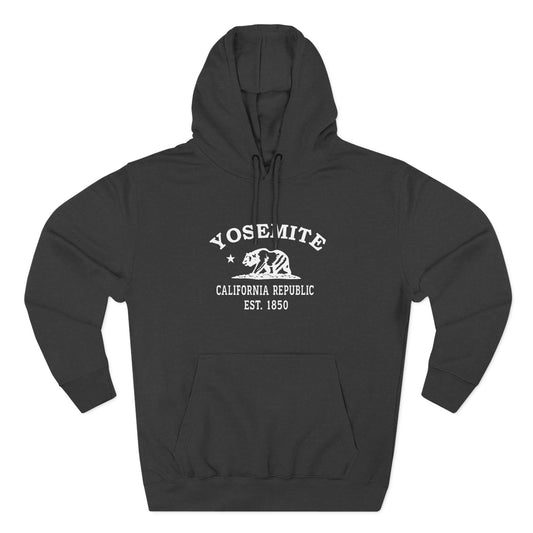
Yosemite California Vintage Retro Unisex Heavy Cotton Hoodie - White Logo
Regular price $48.00 USDRegular price -
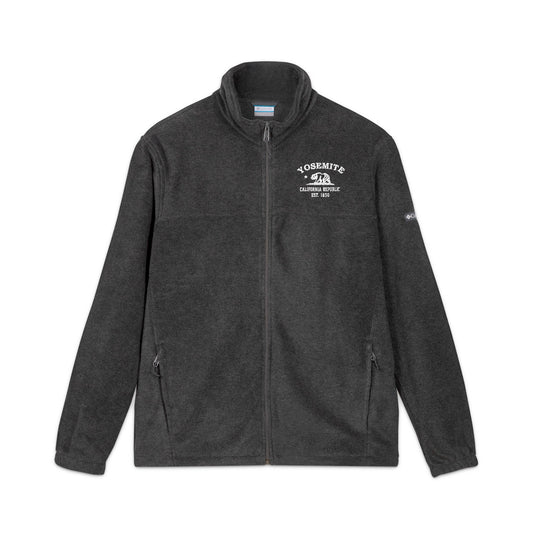
Yosemite California Vintage Retro Unisex Embroidered Fleece Jacket - White Logo
Regular price $98.00 USDRegular price -
Shoreline Trio II - Tide & Light Series Giclée Unframed Art Print
Regular price From $34.00 USDRegular price -
Yosemite California Vintage Retro Back Printed Art Series Cotton Tee - Black Logo
Regular price $32.00 USDRegular price -
Yosemite California Vintage Retro Giclée Print Art Series Poster
Regular price From $38.00 USDRegular price -
Mare and Foal - Tide & Light Series Framed Art Print
Regular price From $96.00 USDRegular price -
-
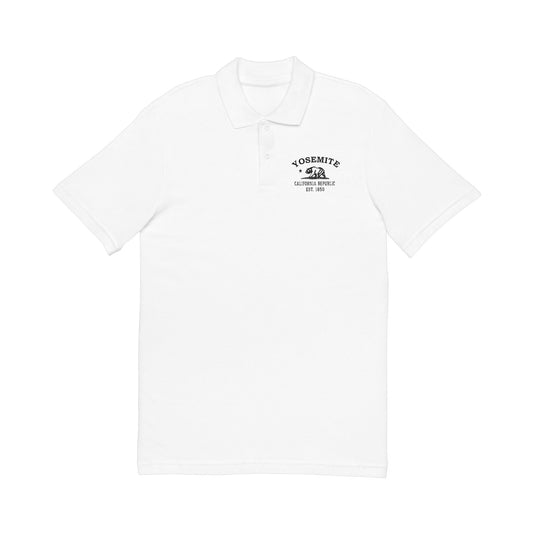
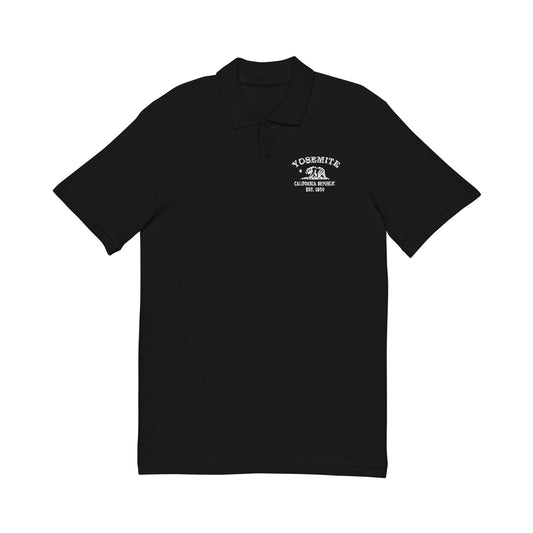
Yosemite California Vintage Retro Unisex Embroidered Cotton Polo - Black Logo
Regular price $48.00 USDRegular price -
Hand on the Mane - Tide & Light Series Giclée Unframed Art Print
Regular price From $34.00 USDRegular price -
Between Horse and Hound - Tide & Light Series Framed Art Print
Regular price From $96.00 USDRegular price -
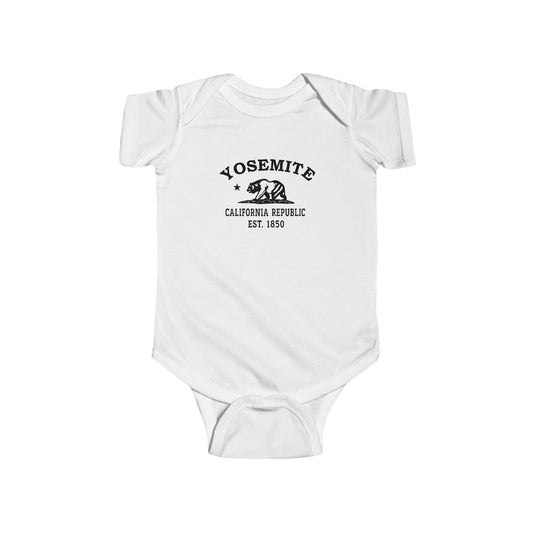
Yosemite California Vintage Retro Cotton Jersey Baby Bodysuit - Black Logo
Regular price $26.00 USDRegular price -
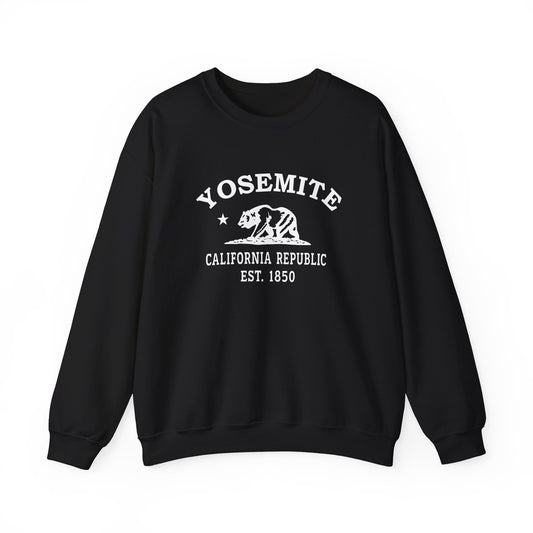
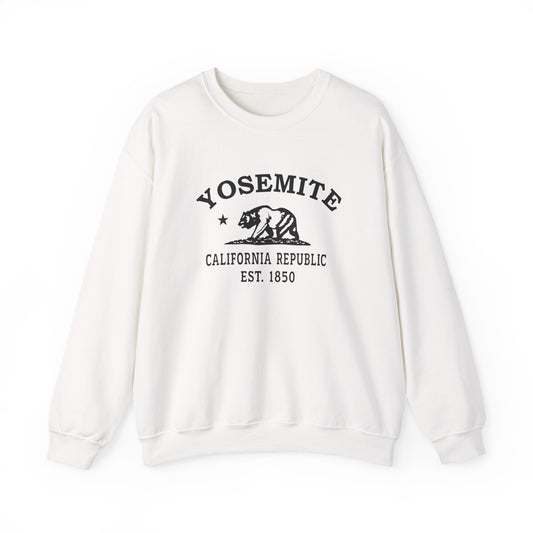
Yosemite California Vintage Retro Unisex Heavy Crewneck Sweatshirt - White Logo
Regular price $38.00 USDRegular price -
Shoreline Trio - Tide & Light Series Giclée Unframed Art Print
Regular price From $34.00 USDRegular price -
Kiss for the Hound - Tide & Light Series Framed Art Print
Regular price From $96.00 USDRegular price -
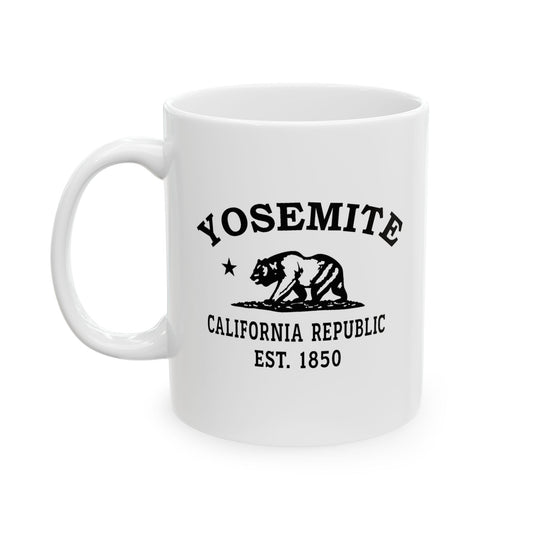
Yosemite California Vintage Retro Ceramic Mug - Black Logo
Regular price From $16.00 USDRegular price -
Yosemite California Vintage Retro Vinyl Sticker - Black Logo
Regular price From $6.00 USDRegular price -
Boy and Hound - Tide & Light Series Framed Art Print
Regular price From $96.00 USDRegular price -
Shoreline Conversation - Tide & Light Series Giclée Unframed Art Print
Regular price From $34.00 USDRegular price -
Yosemite California Vintage Retro Unisex Heavy Cotton Tee - Black Logo
Regular price $22.00 USDRegular price -
Yosemite California Vintage Retro Unisex Cotton Jersey Tank Top - Black Logo
Regular price $28.00 USDRegular price -
Between Horse and Hound - Tide & Light Series Giclée Unframed Art Print
Regular price From $34.00 USDRegular price -
Outstretched Hand - Tide & Light Series Framed Art Print
Regular price From $96.00 USDRegular price -
Yosemite California Vintage Retro Cotton Canvas Tote Bag - White Logo
Regular price $25.00 USDRegular price -
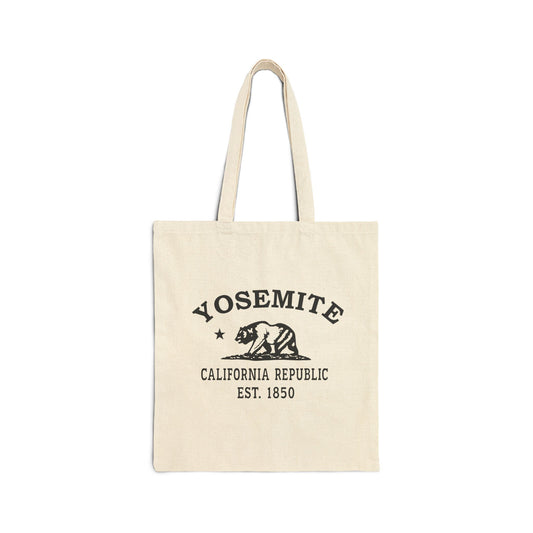
Yosemite California Vintage Retro Cotton Canvas Tote Bag - Black Logo
Regular price $25.00 USDRegular price -
Companion in Still Water - Tide & Light Series Giclée Unframed Art Print
Regular price From $34.00 USDRegular price -
Kiss at Low Tide - Tide & Light Series Framed Art Print
Regular price From $96.00 USDRegular price -
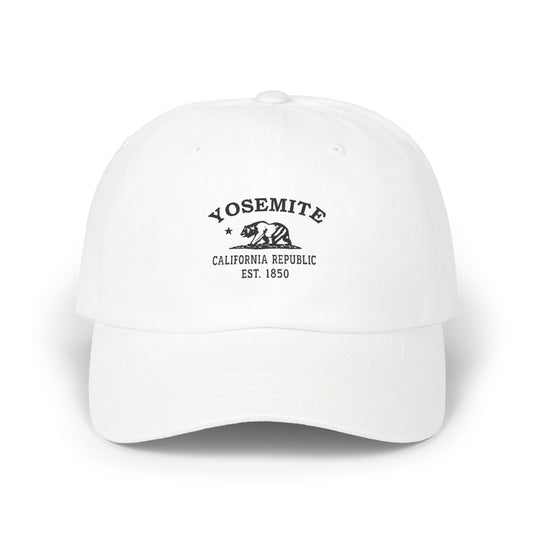
Yosemite California Vintage Retro Embroidered Cotton Cap - Black Logo
Regular price $32.00 USDRegular price -
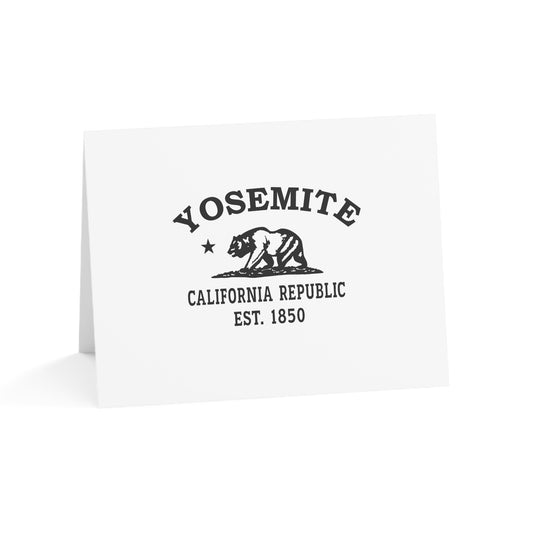
Yosemite California Vintage Retro Thank You Card Set - Black Logo
Regular price From $25.00 USDRegular price -
Outstretched Hand - Tide & Light Series Giclée Unframed Art Print
Regular price From $34.00 USDRegular price -
Whitewater Charge - Tide & Light Series Framed Art Print
Regular price From $96.00 USDRegular price -
Yosemite California Vintage Retro Unisex Heavy Crewneck Sweatshirt - Black Logo
Regular price $38.00 USDRegular price -
Horse at Low Tide - Tide & Light Series Giclée Unframed Art Print
Regular price From $34.00 USDRegular price

















Yosemite California — Retro Vintage History
What's with the man who walked up and never left? In 1868 a young Scottish-American named John Muir walked inland from San Francisco, climbed into the Sierra Nevada, and saw Yosemite Valley for the first time — and never really got over it. He took work as a shepherd and a sawyer just to stay, filled notebooks with the valley's light and water, and argued, against the experts of the day, that this colossal trench of granite had been carved not by some sudden catastrophe but by the slow grind of ancient glaciers. He was right. Muir's writing and his stubborn advocacy did as much as anything to make Yosemite a national park, and to plant the larger idea that wild land could belong to everyone. The valley pulled him in the way it still pulls millions — and he spent the rest of his life trying to keep it.
Wear the HistoryThe valley was a homeland long before it was a park. For thousands of years the Ahwahneechee, a Southern Sierra Miwok people, lived in the valley they called Ahwahnee, fishing the Merced River, tending oak groves, and burning the meadows to keep them open. That world was shattered in 1851, when the Mariposa Battalion — a state militia raised during the Gold Rush — entered the valley and forced the Ahwahneechee from their land, the first documented entry of non-Native people and the violent beginning of the valley's American chapter. The name Yosemite itself comes down from that era; the place name the people used for their home was Ahwahnee.
What the soldiers found, others soon came to see. Within a few years travelers, hoteliers, and photographers were making the hard trip into the valley, and word of its scale spread east. The granite here is on a scale that stops people cold: Half Dome rising nearly a vertical mile above the valley floor, El Capitan standing as the largest exposed granite monolith in the United States, and Yosemite Falls dropping 2,425 feet in three tiers — among the tallest waterfalls in North America. Add the giant sequoias of the Mariposa Grove, trees older than the republic, and it is easy to see why the valley unsettled the people who first tried to describe it.

Then the country did something it had never done before. In 1864, in the middle of the Civil War, President Abraham Lincoln signed the Yosemite Grant, ceding Yosemite Valley and the Mariposa Grove to the State of California on the condition that they be preserved, unspoiled, for public use — the first time the United States set aside scenic land purely for preservation. It predated Yellowstone and the national-park system itself; in a real sense the idea of the national park was born here. Galen Clark, the valley's first appointed Guardian, looked after the grant in those early years.
Muir's campaign carried it the rest of the way. On October 1, 1890, Congress established Yosemite National Park, wrapping federal protection around the high country surrounding the state-held valley; in 1906 the valley and grove were receded to the federal park, and in 1916 the new National Park Service took over its care. The U.S. Cavalry had patrolled the park in the years between, the first rangers in all but name. Step by step a Gold-Rush militia's valley had become a model that the rest of the country, and much of the world, would copy.
The park became a wellspring of American art and conservation. Its waterfalls and granite walls drew generations of painters and photographers who fixed Yosemite in the national imagination, and the preservation argument that began here helped build the modern conservation movement. Today Yosemite spreads across roughly 748,000 acres of the Sierra Nevada, a UNESCO World Heritage Site since 1984, and draws three to four million visitors a year to a valley that, in its essentials, looks much as it did when Muir first walked in.
Our Yosemite logo carries California's grizzly and lone star above “California Republic · Est. 1850,” the year of statehood — the shared retro emblem of every Merlin Classics California place. Printed in a worn black-and-white that recalls an old WPA park poster and a crate-label stamp, the bear is California in shorthand: wild, durable, and at home in big country. The bear is the through-line that links Yosemite to every other California place we make. What makes this one Yosemite is everything around it — the granite of Half Dome and El Capitan, the sequoias, the waterfalls, and the valley that taught America to save its wild places.
Today Yosemite is a crown jewel of the national parks — granite, giant sequoias, and the valley where, in 1864, America first decided some land was too beautiful to lose. Its story runs from the Ahwahneechee homeland and the 1851 displacement, through the 1864 Lincoln Grant and Muir's advocacy, to the 1890 park and a World Heritage Site visited by millions. Our Yosemite designs gather that identity into wearable form — the bear, the granite, and the sequoias. Yosemite, California: granite, giant sequoias, and the valley that taught America to save its wild places. Est. 1890.

Yosemite National Park, California — Travel Guide
Visiting Yosemite Today
Yosemite National Park sits on the central-western slopes of California's Sierra Nevada, about a four-hour drive from San Francisco. At its heart is the glacier-carved Yosemite Valley on the Merced River, ringed by the granite walls of Half Dome and El Capitan, with high country, giant-sequoia groves, and some of the tallest waterfalls in North America spread across roughly 748,000 acres.
Granite, Waterfalls & Giant Sequoias
For visitors looking for things to do in Yosemite National Park, California:
- Take in Tunnel View, the classic first look down Yosemite Valley to El Capitan, Half Dome, and Bridalveil Fall.
- Walk to the base of Yosemite Falls, which drops 2,425 feet in three tiers — among the tallest waterfalls in North America.
- Hike the Mist Trail past Vernal and Nevada Falls, or the longer cables route toward Half Dome for the ambitious.
- Stand among the giant sequoias of the Mariposa Grove, trees older than the United States.
- Drive or look up to Glacier Point for a sweeping overview of the valley and the high Sierra.
- In summer, continue to Tuolumne Meadows and Tioga Pass for the park's alpine high country.
Why People Visit Yosemite
Yosemite offers wilderness on a scale few places can match — a glacier-cut valley of granite cliffs and waterfalls, giant sequoias older than the country, and the high Sierra beyond, all carrying the founding story of the national-park idea. Visitors come for Half Dome, El Capitan, and the falls, and stay for the sequoias, the meadows, and the long Sierra light. From a valley stroll to the high country, it rewards a day or a week. It is timeless, humbling, and unmistakably California.
Wear the History

For deeper reading on the Yosemite history described here — the Ahwahneechee (Southern Sierra Miwok) homeland in the valley they called Ahwahnee, the 1851 Mariposa Battalion and the displacement that followed, the 1864 Yosemite Grant signed by President Lincoln, Galen Clark's role as first Guardian, John Muir's 1868 arrival and glacial-origin advocacy, the October 1, 1890 establishment of the national park, the 1906 recession and 1916 transfer to the National Park Service, and the 1984 World Heritage designation — it may be useful to consult (1) the National Park Service's Yosemite history resources and the Yosemite Research Library, (2) the State Library and Archives of California and the California Historical Society, (3) the published writings of John Muir and other public-domain accounts, (4) the Yosemite Conservancy, and (5) the Bancroft Library at the University of California. For travel and visitor information, it may be useful to contact (1) the National Park Service for current conditions, reservations, and entrance information, (2) Visit California and the state tourism office, (3) the park's gateway communities for lodging and services, (4) the Yosemite Conservancy for programs, and (5) the National Weather Service for Sierra Nevada road and weather forecasts.