Every design is set in hand-lettered vintage type for that old-school, crate-label look. One sample color shown — black and white logo options on every piece. Recently in the national press. Enjoy!
-
Shoreline Trio II - Silhouette Art Framed Art Print
Regular price From $96.00 USDRegular price -
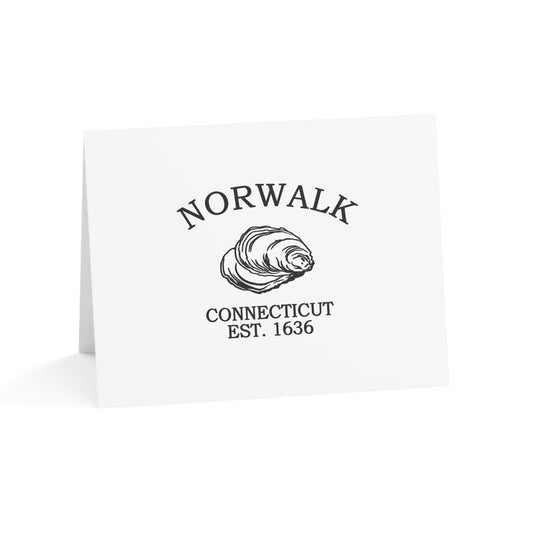
Norwalk Connecticut Vintage Retro Thank You Card Set - Black Logo
Regular price From $25.00 USDRegular price -
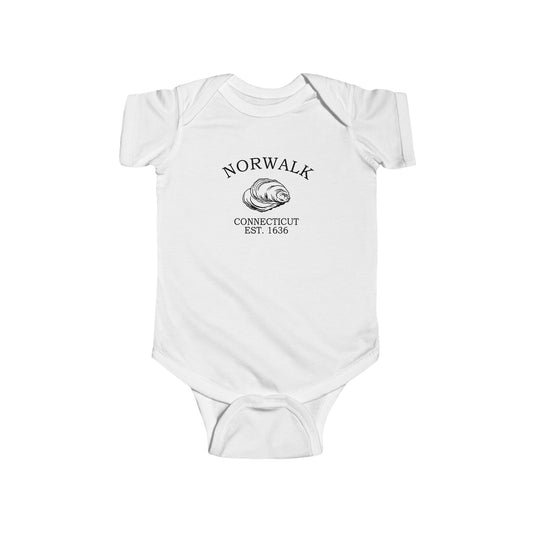
Norwalk Connecticut Vintage Retro Cotton Jersey Baby Bodysuit - Black Logo
Regular price $26.00 USDRegular price -
Small Steps - Silhouette Art Giclée Unframed Art Print
Regular price From $44.00 USDRegular price -
Whitewater Run - Silhouette Art Framed Art Print
Regular price From $96.00 USDRegular price -
Norwalk Connecticut Vintage Retro Back Printed Art Series Cotton Tee - Black Logo
Regular price $32.00 USDRegular price -
Norwalk Connecticut Vintage Retro Giclée Print Art Series Poster
Regular price From $38.00 USDRegular price -
Boy and Hound - Silhouette Art Giclée Unframed Art Print
Regular price From $34.00 USDRegular price -
Whitewater Charge - Silhouette Art Giclée Unframed Art Print
Regular price From $34.00 USDRegular price -
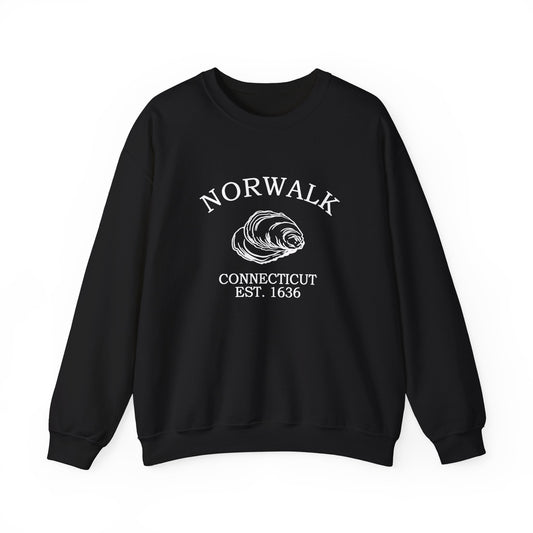
Norwalk Connecticut Vintage Retro Unisex Heavy Crewneck Sweatshirt - White Logo
Regular price $44.00 USDRegular price -
Norwalk Connecticut Vintage Retro Unisex Heavy Cotton Hoodie - Black Logo
Regular price $56.00 USDRegular price -
Whitewater Walk - Silhouette Art Framed Art Print
Regular price From $96.00 USDRegular price -
Boy and Hound Portrait - Silhouette Art Framed Art Print
Regular price From $112.00 USDRegular price -
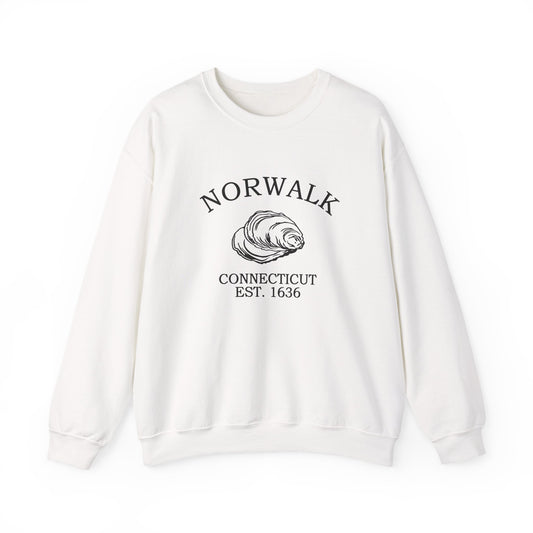
Norwalk Connecticut Vintage Retro Unisex Heavy Crewneck Sweatshirt - Black Logo
Regular price $44.00 USDRegular price -
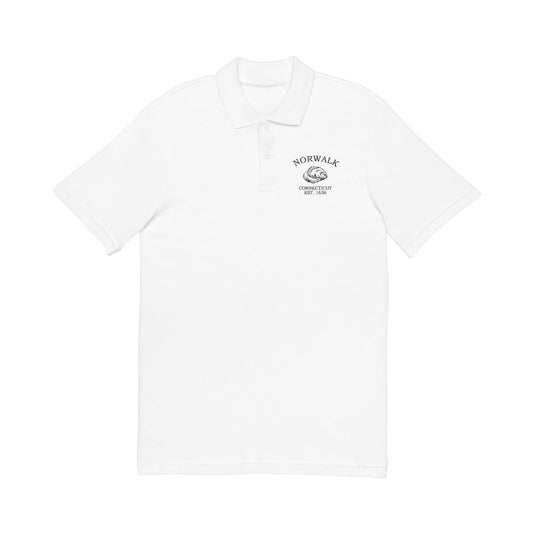
Norwalk Connecticut Vintage Retro Unisex Embroidered Cotton Polo - Black Logo
Regular price $48.00 USDRegular price -
Between Two Hounds Portrait - Silhouette Art Framed Art Print
Regular price From $112.00 USDRegular price -
Hand on the Mane - Silhouette Art Framed Art Print
Regular price From $96.00 USDRegular price







Norwalk Connecticut — Retro Vintage History
What’s with the Oysters? Norwalk’s official nickname is “Oyster Town,” and it was earned the hard way — pulled from the shallow natural beds around the Norwalk Islands, one dredge-haul at a time. By the 1880s the harbor held one of the great oyster fleets of the Atlantic coast, and Norwalk oysters fed New York by the boatload; oystering here was serious wealth — food, income, and status on the half shell. The trade fell on harder times in the twentieth century, but the beds and the boats never entirely left, and every September the Oyster Festival fills the harborfront to celebrate the town that made its name on the half shell.
Wear the HistoryWhere you’re from. Where you love. Where you explored. Where you belong.
Norwalk was settled on February 26, 1640, when Roger Ludlow — the same lawyer-founder who laid out Fairfield — and Captain Daniel Patrick purchased land along the river from Chief Mahackemo of the Norwaake people, an Algonquian-speaking community that had fished these waters and worked these shell beds for generations; like most colonial land deals of its era, it was an exchange weighted toward the newcomers, and that is an honest part of this story. The town’s name carries theirs — Norwaake, later folk-explained as “North walk” — and their descendants remain part of Connecticut today. Norwalk incorporated as a town on September 11, 1651.
QUICK FACTS — NORWALK, CT
Norwalk was settled on February 26, 1640, purchased by Roger Ludlow and Daniel Patrick from Chief Mahackemo of the Norwaake people.
The name Norwalk comes from Norwaake, the Algonquian name for this shore — later folk-explained as “North walk.”
British forces under General Tryon burned Norwalk on July 11, 1779 — four days after burning neighboring Fairfield.
Crofut & Knapp of South Norwalk made the first American-made derby hat in 1860; Norwalk grew to more than thirty hat factories.
Norwalk’s official nickname is Oyster Town — in the 1880s its fleet supplied New York with oysters by the boatload.
The Lockwood-Mathews Mansion (1864–68) is one of America’s earliest Second Empire country houses, predating the Vanderbilt era.
Sheffield Island Lighthouse has marked Norwalk Harbor since 1868, joined by the Peck Ledge and Greens Ledge lights.
South Norwalk — SoNo — began as “Old Well,” was its own city 1870–1913, and was reborn as a waterfront district in the 1980s.
The colonial town lived on farming, shipbuilding, coastal trade — and always the oyster beds. On July 11, 1779, four days after burning Fairfield, British forces under General William Tryon landed at Calf Pasture and burned Norwalk — houses, mills, churches, and barns were destroyed in a single day of fighting that swept up Grumman’s Hill, and the town rebuilt itself through the Federal era around its green, which still anchors the historic district today.

The nineteenth century made Norwalk an industrial force twice over. In 1860, at the corner of North Main and Union Streets in South Norwalk, the firm of Crofut & Knapp produced the first American-made derby hat — and Norwalk grew into one of the nation’s great hat-making centers, more than thirty factories at the peak, crowning America in derbies and straw boaters. The same era’s fortunes built landmarks: LeGrand Lockwood, a Wall Street banker, raised the Lockwood-Mathews Mansion in 1864–68 — one of the earliest and finest Second Empire country houses in America, a National Historic Landmark that predates the Vanderbilt palaces by a generation.
Offshore, the low string of the Norwalk Islands — Sheffield, Chimon, Cockenoe and their neighbors — shelters the harbor, and Sheffield Island Lighthouse has stood at the entrance since 1868, joined later by the Peck Ledge and Greens Ledge lights — three lighthouses for one harbor; a seasonal ferry still runs out to Sheffield Island, past the working oyster boats and the summer moorings.
South Norwalk — first known as Old Well, for the 1738 well where sailing ships filled their casks, then a city in its own right from 1870 until the 1913 consolidation — spent the twentieth century as hard-working brick and lost industry, then came back to life: the SoNo district’s nineteenth-century blocks were reborn as a waterfront destination in the 1980s, the Maritime Aquarium opened on the river in 1988, and Metro-North carries the city’s commuters to New York. Norwalk has stayed what it always was — a city that works for a living, with a harbor at the middle of it.
Our Norwalk retro logo uses the Connecticut shoreline oyster shell motif, symbolizing resilience, abundance, and shoreline pride. The oyster reflects maritime identity and Norwalk's long history of supplying the New York oyster trade, while "1640" ties the design to the colonial founding of Norwalk on the harbor. Its black-and-white styling is retro, resembling oyster crate labels and seaside signage. The motif bridges Norwalk's dual identity: colonial maritime hub and suburban community. On merchandise, it conveys authenticity and resilience, retro vintage in tone. The oyster shell emblem honors Norwalk's layered heritage, making it a vintage symbol of Connecticut shoreline pride. Retro in style, it reflects resilience, heritage, and authenticity, perfectly suited for cultural tradition.
So Norwalk gathers a 1640 purchase and an honest name, a burned and rebuilt green, the first American derby, a pre-Vanderbilt mansion, three lighthouses, a string of islands, and the oyster beds that fed New York — and our Norwalk designs gather that into wearable form. Whether Norwalk is your hometown, your harbor, your SoNo years, or the town you still come back to, wear the history. On the half shell from the beginning — on Norwalk Harbor since 1640.

Norwalk Connecticut — Travel Guide
Visiting Norwalk Connecticut Today
Norwalk is a coastal Connecticut city on Long Island Sound about fifty miles from New York, anchored by Norwalk Harbor, the South Norwalk (SoNo) historic district, and an offshore chain of small islands. Aquariums, lighthouses, preserved nineteenth-century mansions, harbor walks, and one of the largest oyster festivals on the East Coast define the experience. Spring through early fall is the prime travel window; the Sound-front beaches and the ferry season run roughly Memorial Day through Labor Day.
Hats, Oysters, and the Sound in Norwalk Connecticut
For visitors searching for things to do in Norwalk Connecticut:
- Tour the Maritime Aquarium at Norwalk, exhibits on Long Island Sound habitats, IMAX films, and harbor seal and shark tanks set inside the repurposed nineteenth-century Norwalk Iron Works buildings on the South Norwalk waterfront.
- Tour the Lockwood-Mathews Mansion Museum, the sixty-two-room 1864-1868 Second Empire country house built by banker LeGrand Lockwood, a National Historic Landmark with ornate inlaid woodwork, frescoed ceilings, and rotating exhibits including the periodic exhibit on the history of the American hat.
- Ride the seasonal ferry to Sheffield Island Lighthouse, the 1868 stone lighthouse at the mouth of Norwalk Harbor, with island trails and views back across the Norwalk Islands toward the Sound.
- Walk Washington Street and the SoNo historic district, brick nineteenth-century commercial blocks now lined with galleries, restaurants, and public art.
- Relax in Oyster Shell Park, riverfront lawns and walking paths along the Norwalk River with views toward the SoNo skyline.
- Walk Calf Pasture Beach, the city's public Sound-front beach with boardwalks, picnic groves, and clear views to the Norwalk Islands.
- Walk Cranbury Park, the inland 227-acre municipal park with hiking trails, gardens, and a historic 1922 estate house.
- Visit Mill Hill Historic Park, the original 1740s burial ground and historic district preserved by the Norwalk Historical Society.
- Attend the Norwalk Oyster Festival, the city's signature annual event held every September at Veterans Memorial Park since 1978 — oyster shucking competitions, tall ships, music, and harbor pageantry.
- Explore the Norwalk Islands by kayak from the public launches, the small low-lying island chain of Sheffield, Chimon, Cockenoe, and others stretching east across Norwalk Harbor.
Why People Visit Norwalk Connecticut
Norwalk offers an authentic working harbor, one of America's earliest Gilded Age mansions, a major aquarium, an annual oyster festival, an offshore island ferry to an 1868 lighthouse, and a nineteenth-century industrial waterfront reborn as a historic district. Visitors come for the SoNo galleries and restaurants, the Maritime Aquarium with its harbor seals and Sound-habitat exhibits, the Lockwood-Mathews Mansion and its preserved Second Empire interiors, the September Oyster Festival, the Sheffield Island ferry, and the simple shoreline pleasures of Calf Pasture Beach. It is a Connecticut shoreline city built on the harbor, the hat, and the oyster, with all three still visible if you know where to look.
Wear the History
Where you’re from. Where you love. Where you explored. Where you belong.
Kindred Cities
We're glad to welcome visitors from Cowes, England and La Rochelle, France (bienvenue) — kindred harbour towns of oysters, sails and salt water.
Norwalk made its name on the half-shell, and Cowes and La Rochelle would feel the kinship. Cowes, on the Isle of Wight, is Britain's yachting capital; La Rochelle guards its old Atlantic harbour behind medieval towers and keeps a great aquarium; Norwalk was once the oyster capital of the Sound, still works its beds and its scatter of islands, and shows off the deep at the Maritime Aquarium in South Norwalk. Boats, bivalves and a working waterfront.
Norwalk is made for anyone at home by a working harbour: oyster boats on the Sound, a string of low islands to explore by kayak, a maritime aquarium in the old SoNo district, and an oyster festival when the season turns. Come and visit us soon.
When you plan the trip, the City of Norwalk and the Connecticut Office of Tourism are the place to start.
Wear the History
Where you’re from. Where you love. Where you explored. Where you belong.

For deeper reading on Norwalk, Connecticut history — the February 26, 1640 purchase from Chief Mahackemo of the Norwaake people by Roger Ludlow and Daniel Patrick; the September 11, 1651 incorporation; the burning of Norwalk by British forces on July 11, 1779 and the Federal-era rebuild; the rise of the hat industry from Crofut & Knapp’s first American-made derby of 1860; the oyster fleet that supplied New York in the 1880s and 1890s; the Lockwood-Mathews Mansion of 1864–68; Sheffield Island Lighthouse (1868); and the story of Old Well, the city of South Norwalk, and the 1913 consolidation — it may be useful to consult the Norwalk Historical Society, the Lockwood-Mathews Mansion Museum archives, the Norwalk Public Library’s local history room, and the Connecticut Historical Society. For travel and visitor information, the City of Norwalk and the Connecticut Office of Tourism are the places to start.