


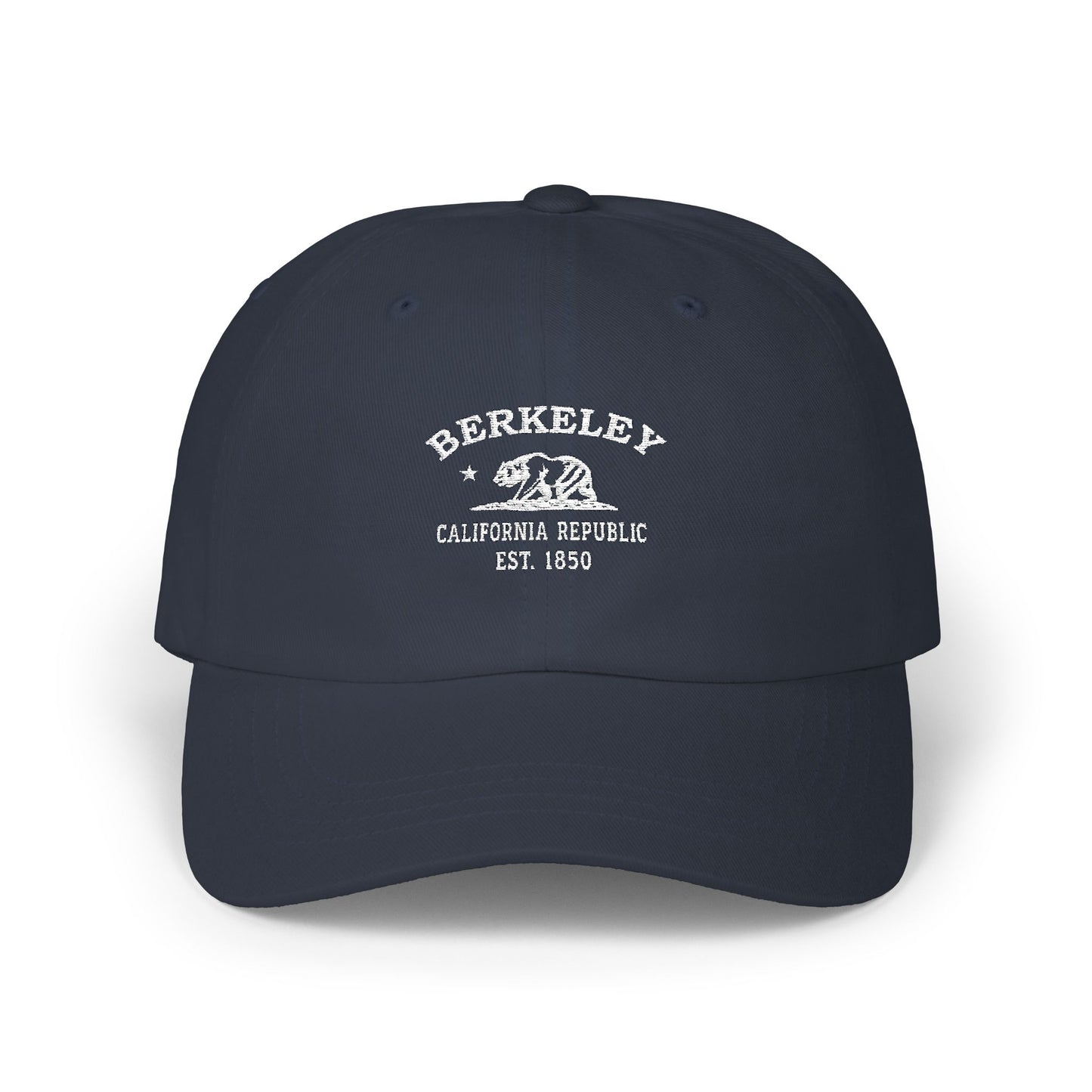
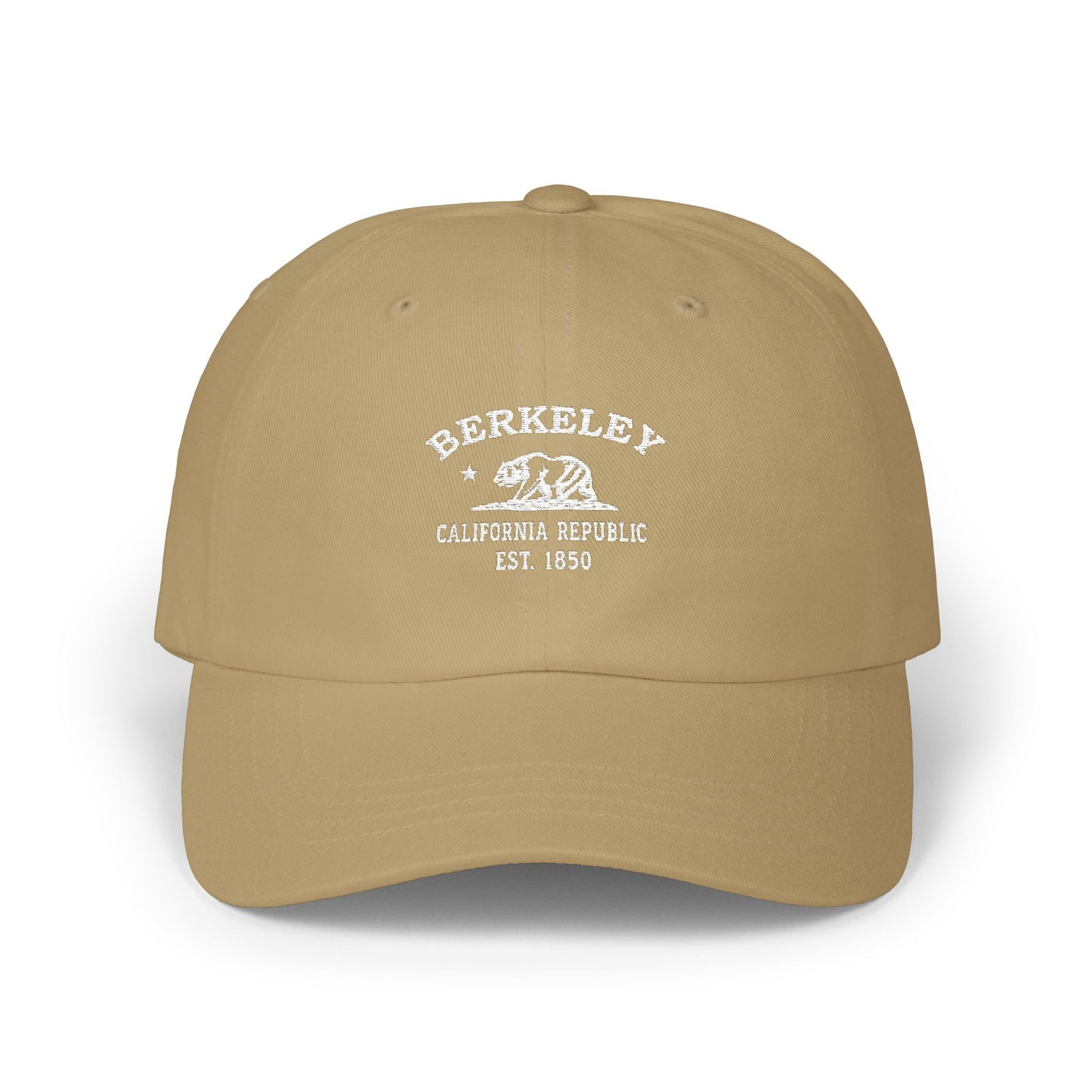
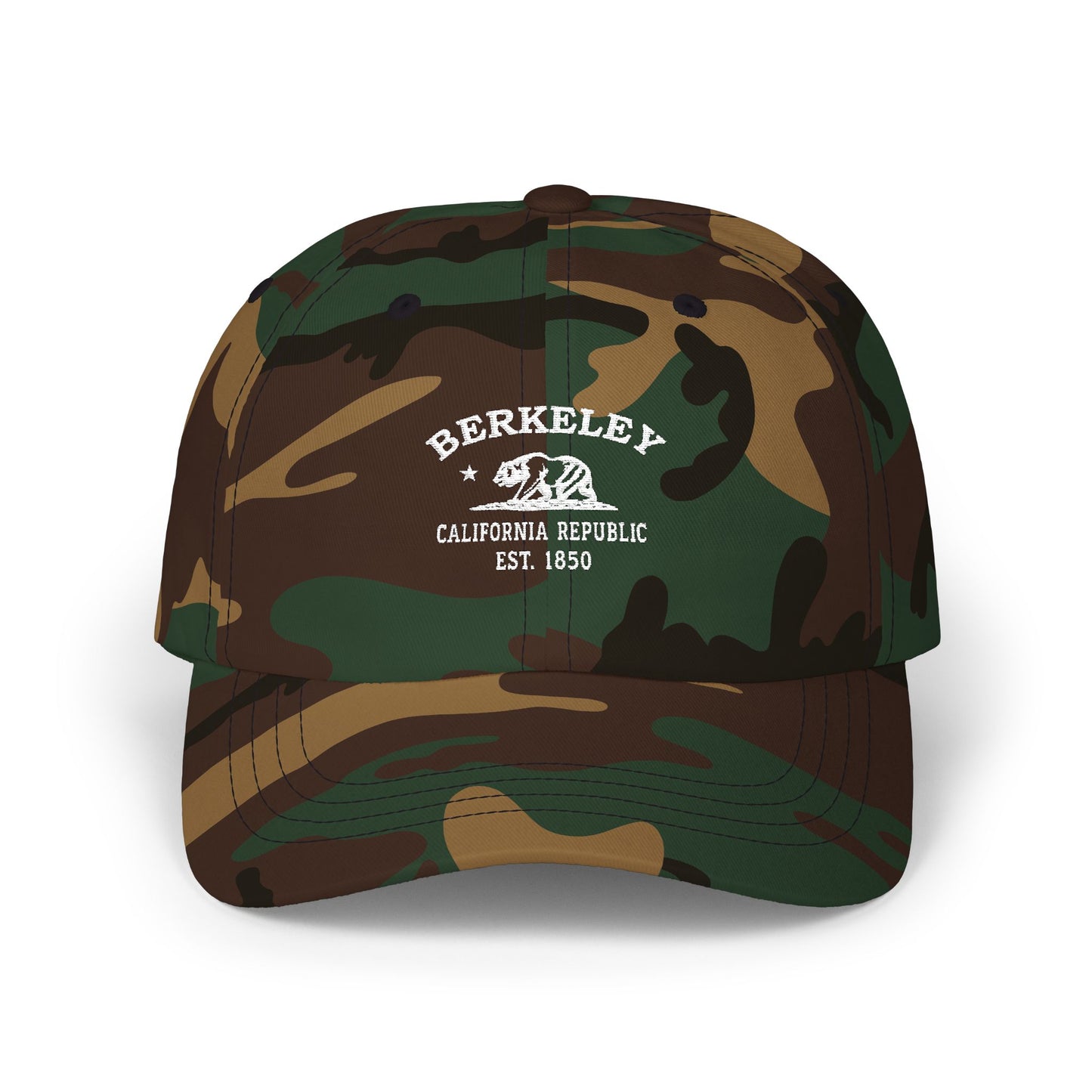
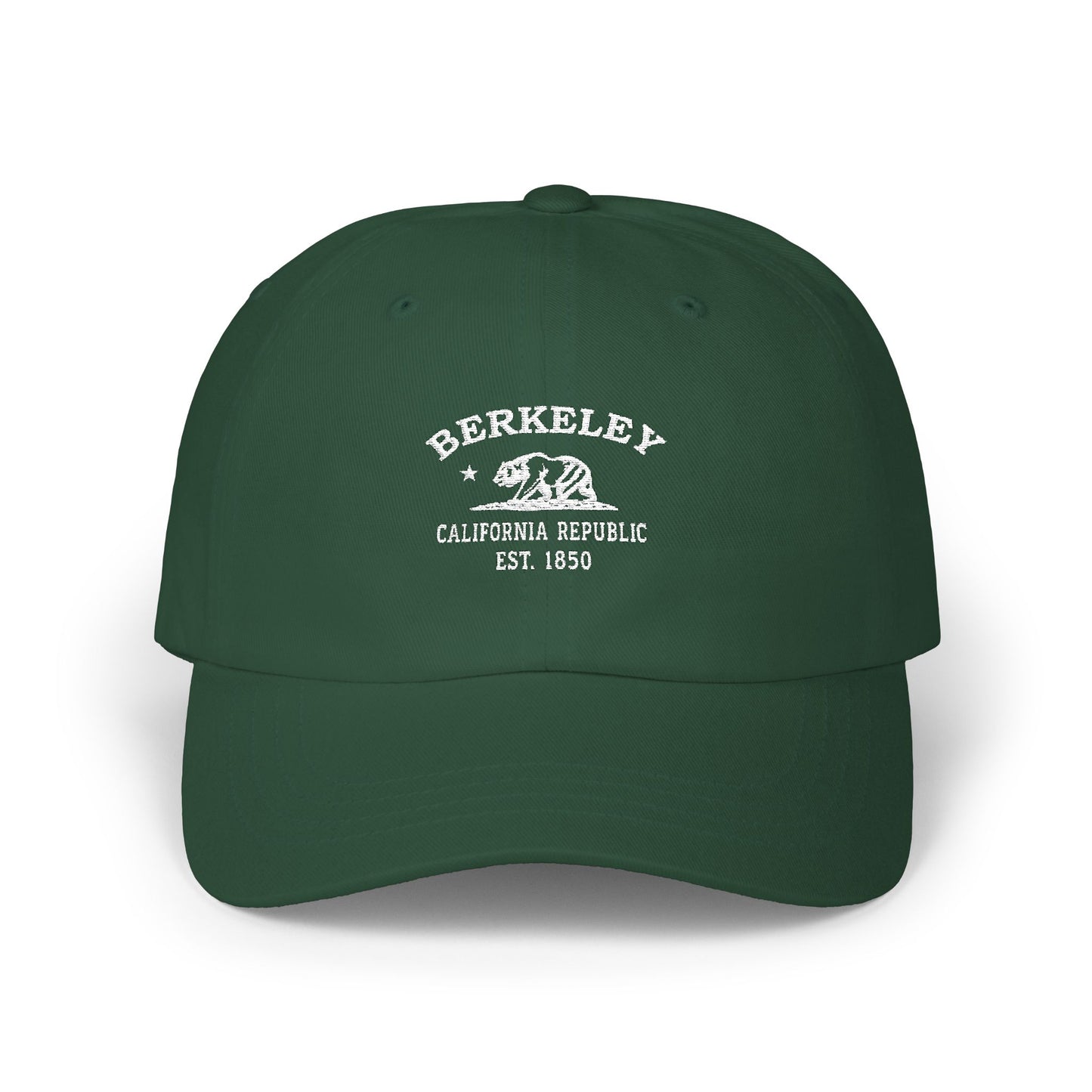
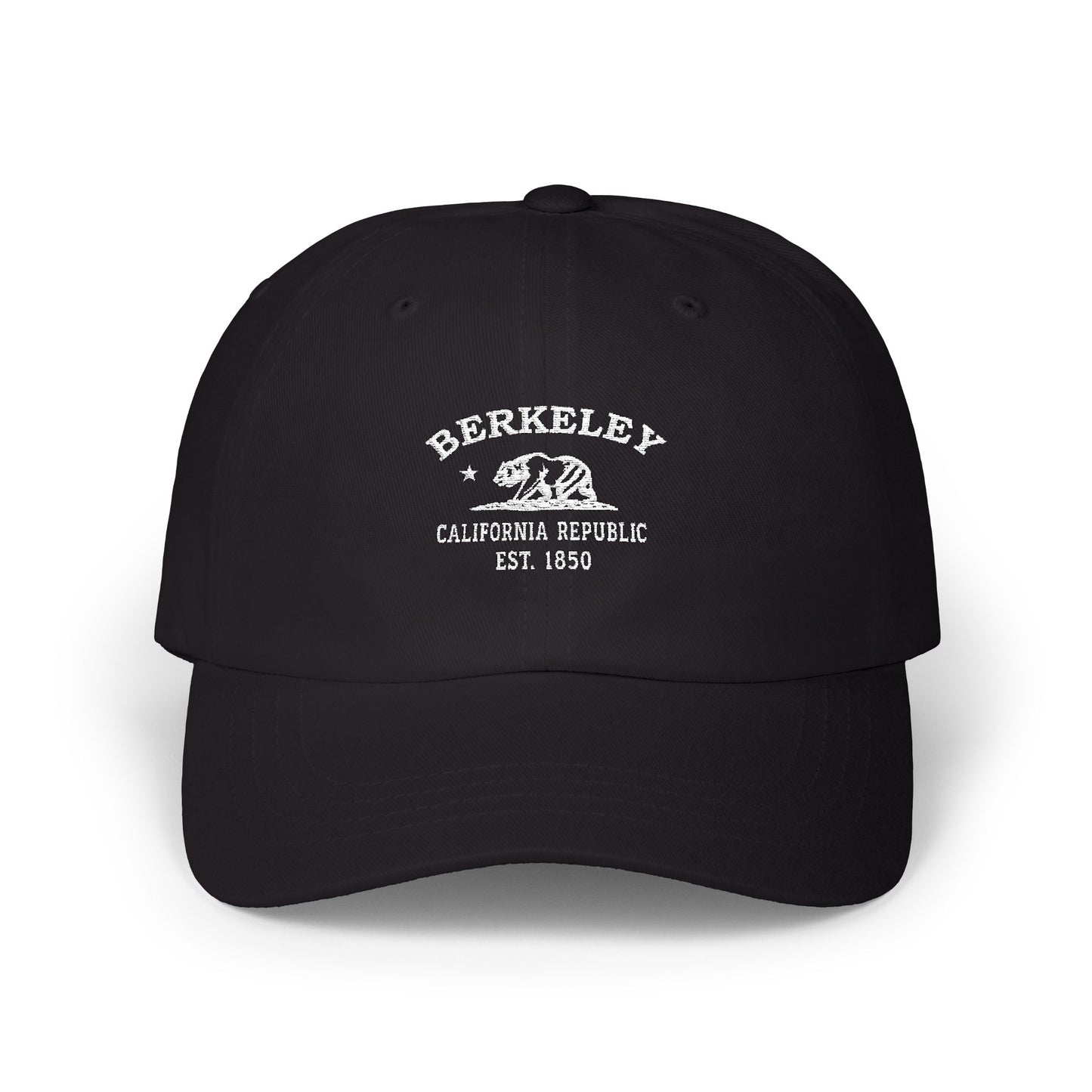
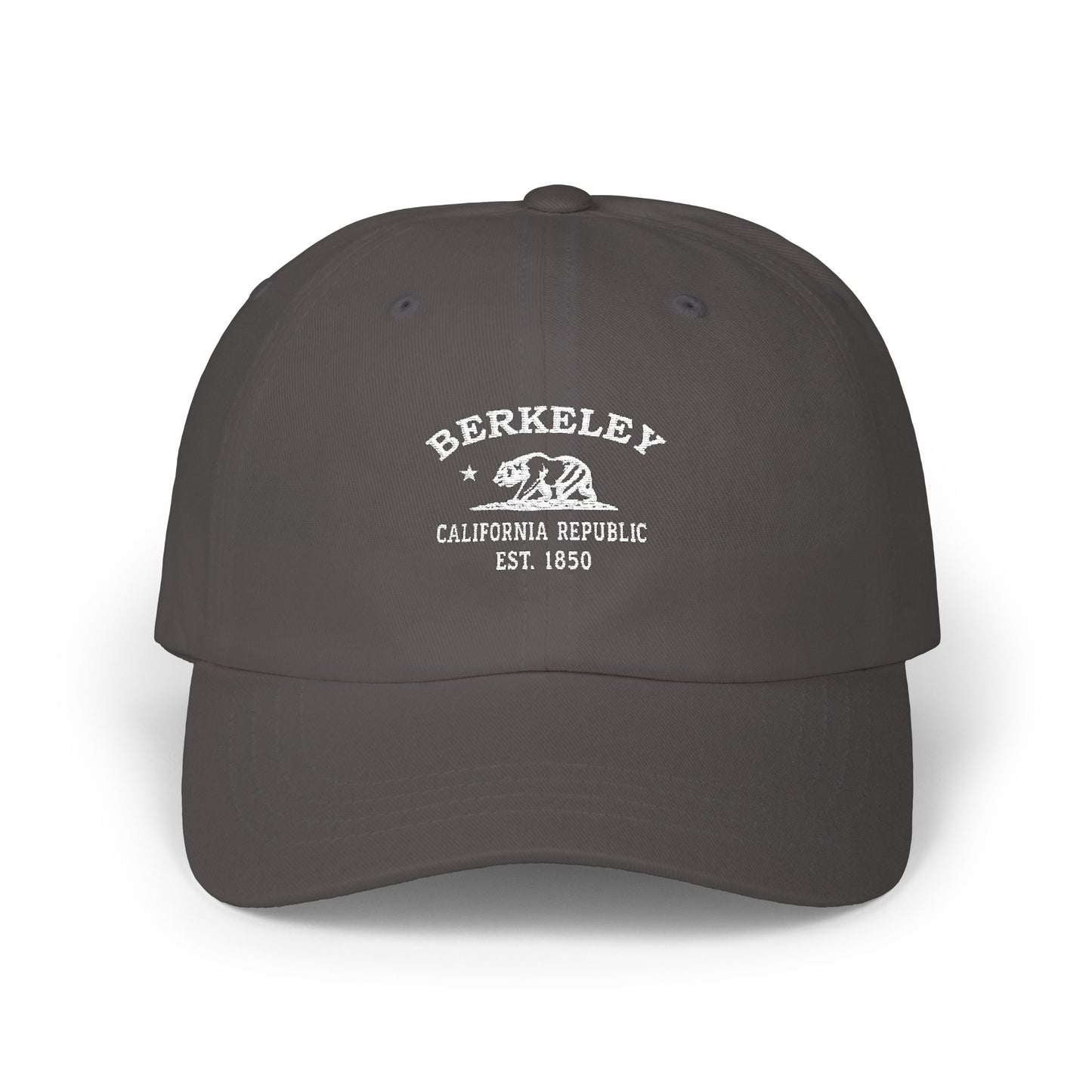
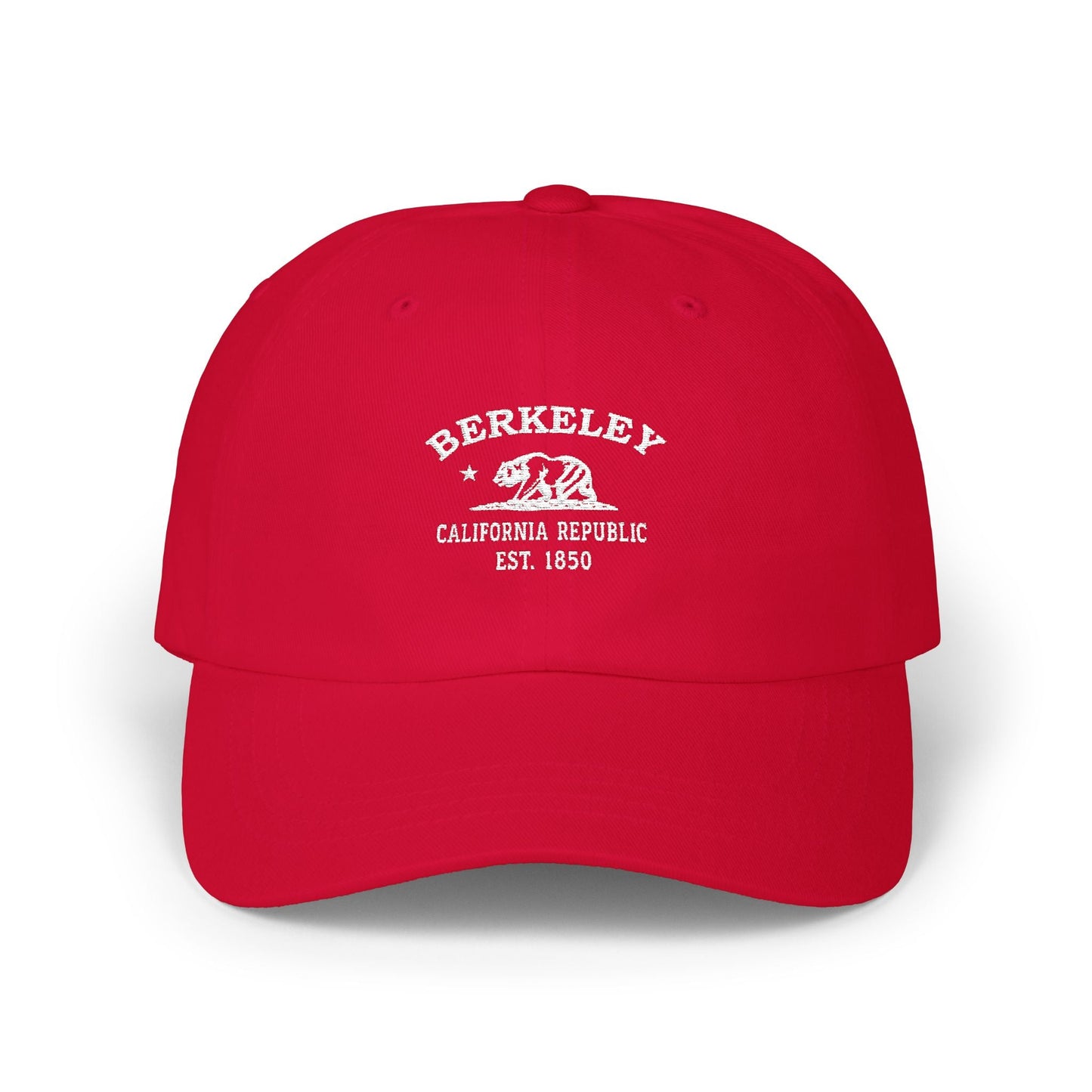
Berkeley's other revolution happened at the table. In 1966 Alfred Peet opened a small coffee shop at Walnut and Vine and taught America to take its coffee seriously; in 1971 Alice Waters opened Chez Panisse a few blocks away and invented what the world now calls California cuisine — cooking built on fresh, local, seasonal ingredients and direct ties to nearby farms. The stretch of North Shattuck around them earned the nickname the Gourmet Ghetto, and farm-to-table spread from these few blocks to the whole country. Wear local; feed local; it started here.
And then there are the hills. Berkeley climbs from the Marina, with its kite fields and Golden Gate views, up through the flats to the Berkeley Hills and Tilden Regional Park — Lake Anza, the botanic garden, a vintage steam train, and the sunset view from Indian Rock. The terraced Berkeley Rose Garden, a WPA amphitheater from 1937, looks straight at the Bay. The Hayward Fault runs right under the city, a reminder that all this sits on living ground. Even the curb cut for wheelchairs was pioneered on these streets, in 1972.
Why People Visit Berkeley
Berkeley balances learning with the outdoors. Visitors mix landmark architecture and famous kitchens with regional parks, rose terraces, and waterfront breezes. It is curious, green, and welcoming, with year-round appeal in its parks, paths, and public spaces. History and everyday culture sit side by side here in a welcoming way, from the Little Castle to the cafes of the Gourmet Ghetto and the trails of the hills above the Bay.
