


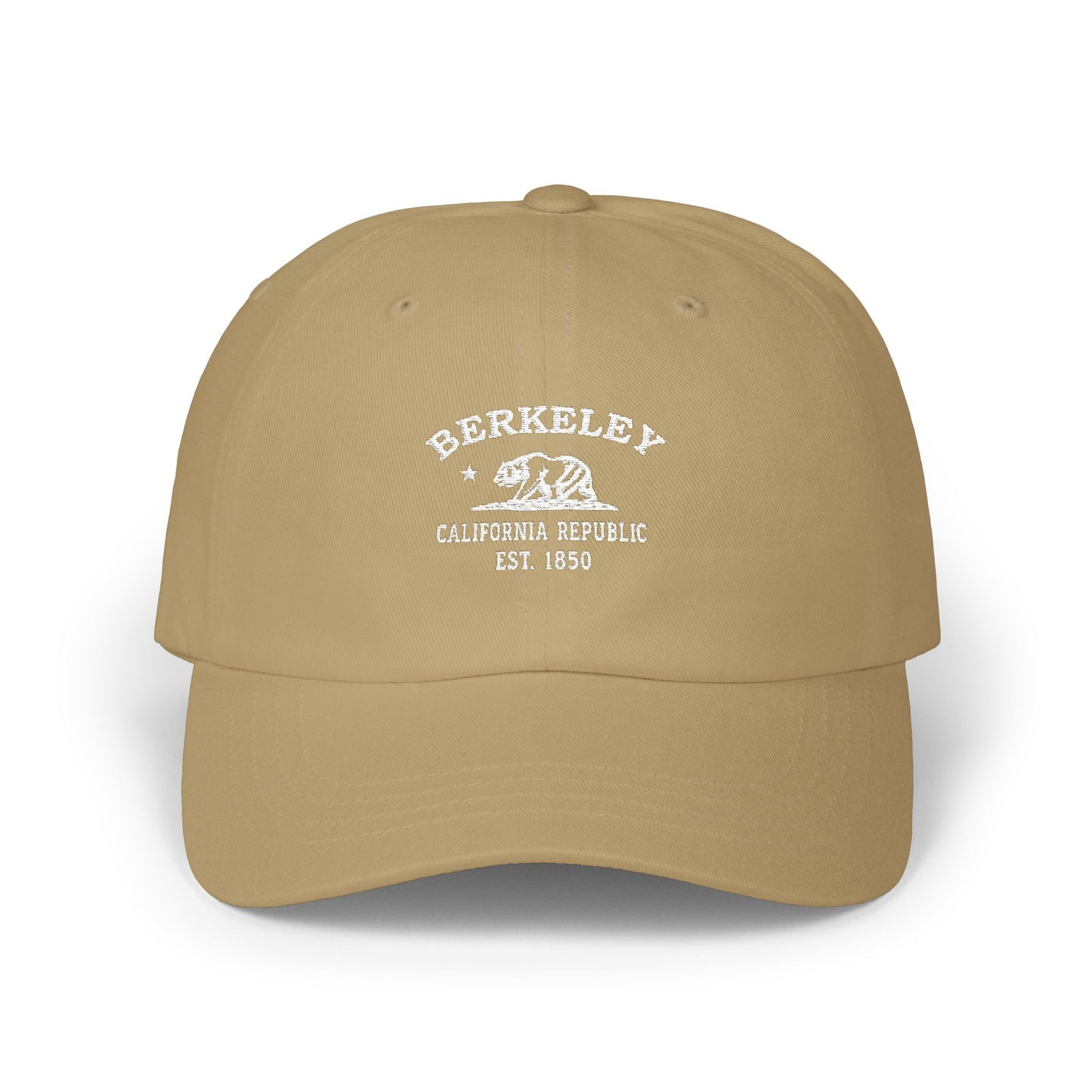
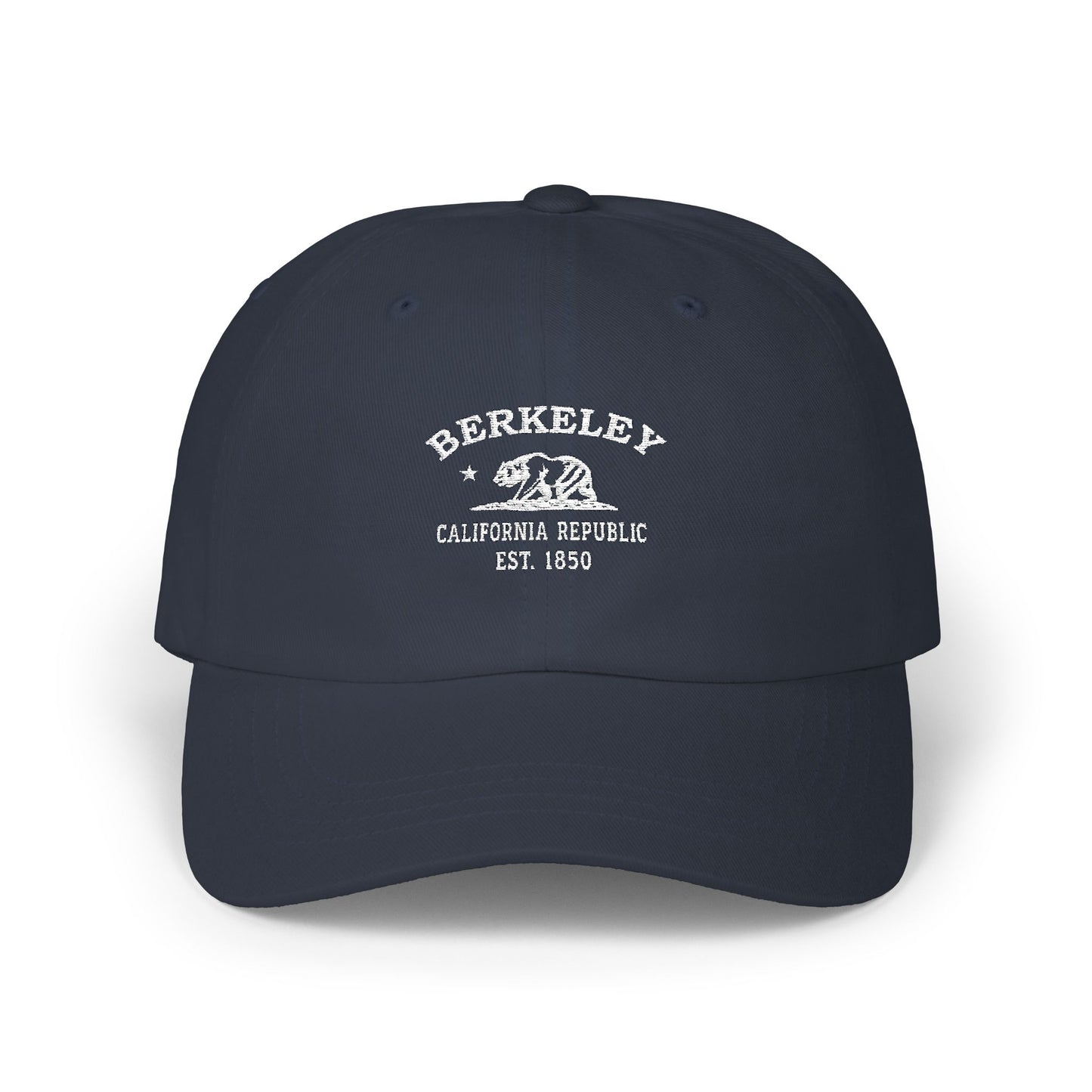
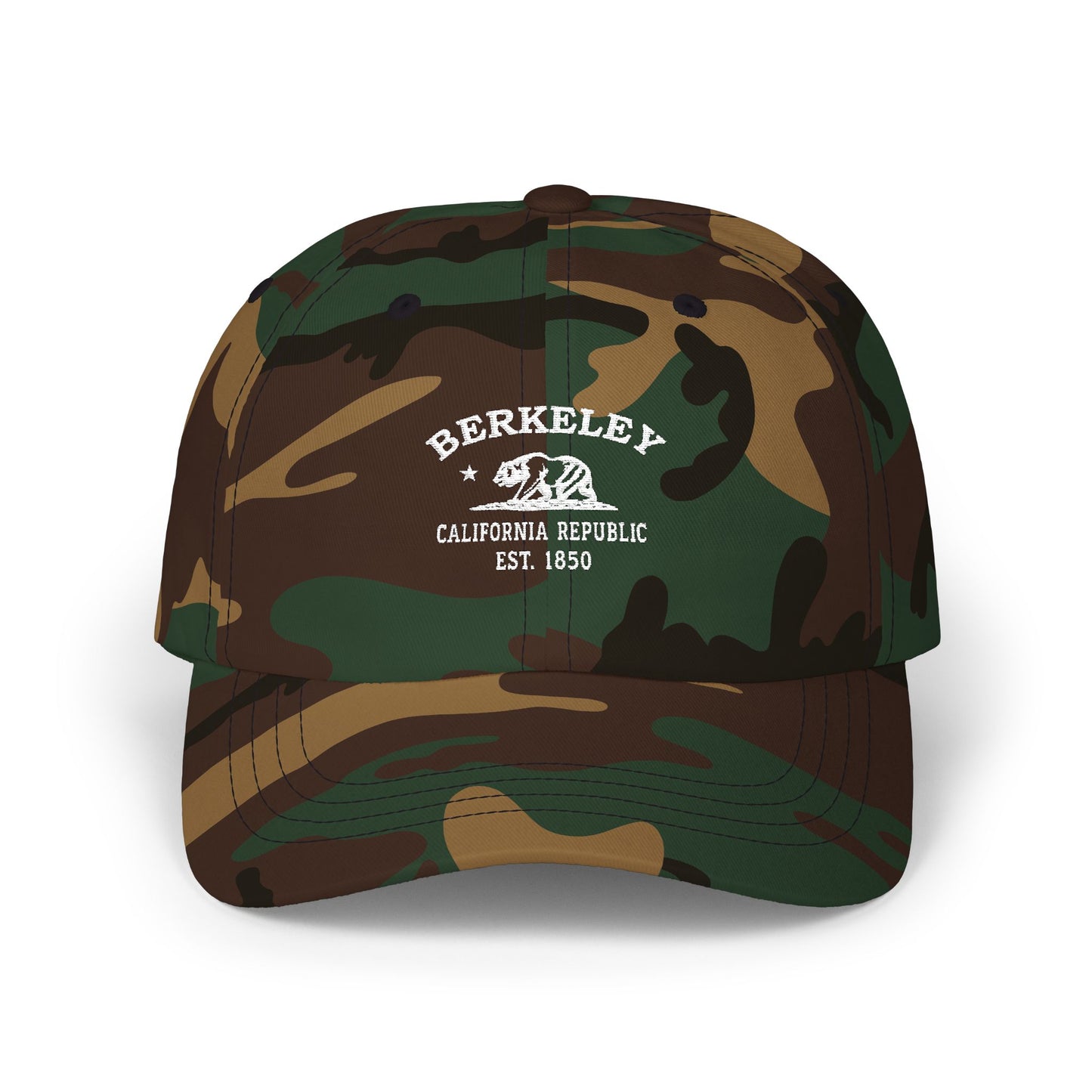
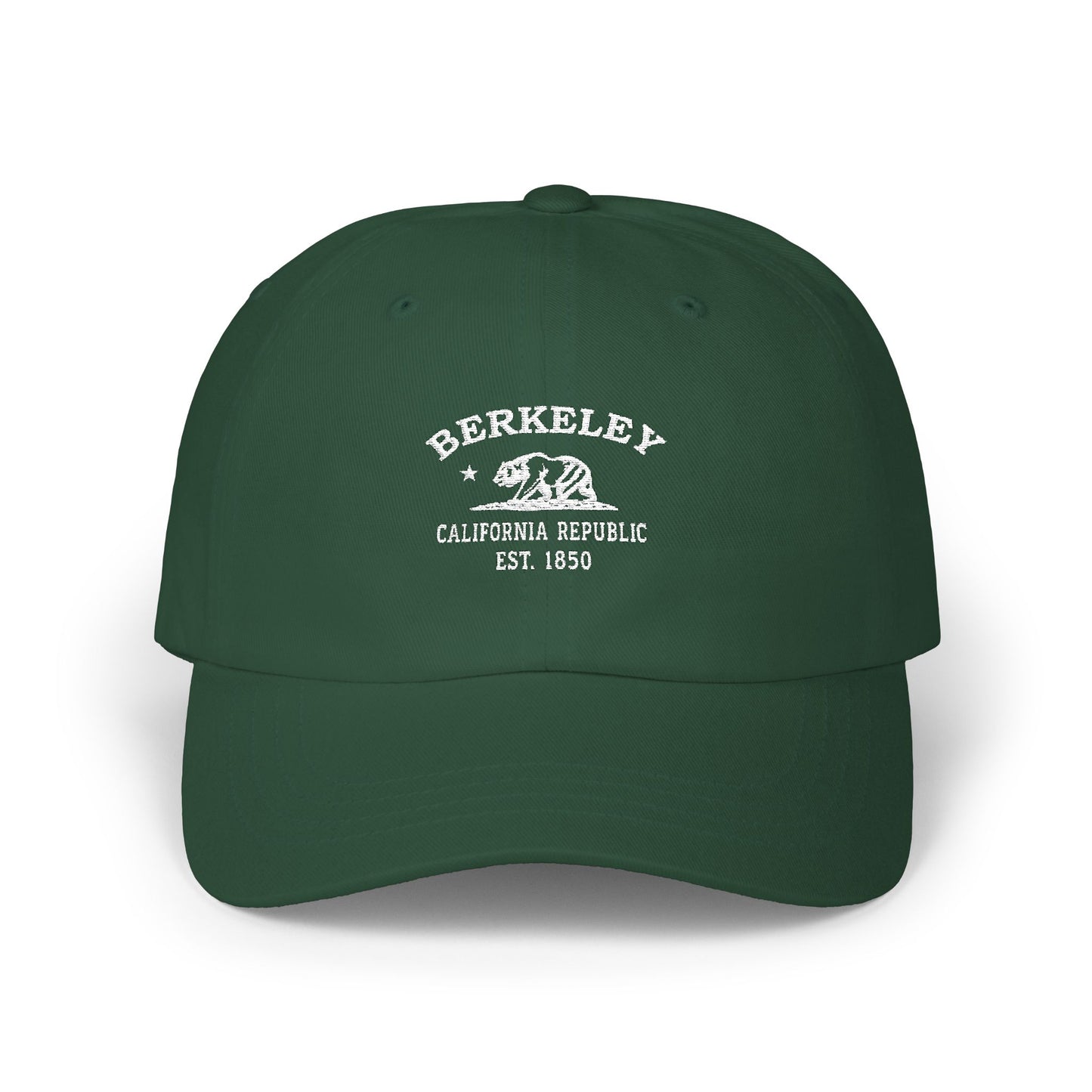
The name itself is a small piece of poetry. In 1866 the trustees of the College of California stood on a rocky outcrop above the new townsite — still called Founders' Rock — looked out through the Golden Gate, and decided to name the place for the Anglo-Irish philosopher George Berkeley, remembering his line, ‘Westward the course of empire takes its way.’ The land was Ohlone homeland for thousands of years, then a piece of the Peralta family's Rancho San Antonio, then a Gold-Rush settlement called Ocean View; in 1878 the campus town and the waterfront village merged and incorporated as Berkeley.
For a generation it was called the Athens of the West, and it built like it. Between about 1910 and 1930, Berkeley's architects gave it a golden age: Bernard Maybeck's serene First Church of Christ, Scientist (1910), a landmark of Bay Area Arts and Crafts; John Galen Howard's bell tower, the Campanile, rising over the campus in 1914; and Julia Morgan's Little Castle in 1929. In the hills above, the brown-shingle houses of the First Bay Tradition tucked themselves among the oaks and the fog.
Why People Visit Berkeley
Berkeley balances learning with the outdoors. Visitors mix landmark architecture and famous kitchens with regional parks, rose terraces, and waterfront breezes. It is curious, green, and welcoming, with year-round appeal in its parks, paths, and public spaces. History and everyday culture sit side by side here in a welcoming way, from the Little Castle to the cafes of the Gourmet Ghetto and the trails of the hills above the Bay.
