


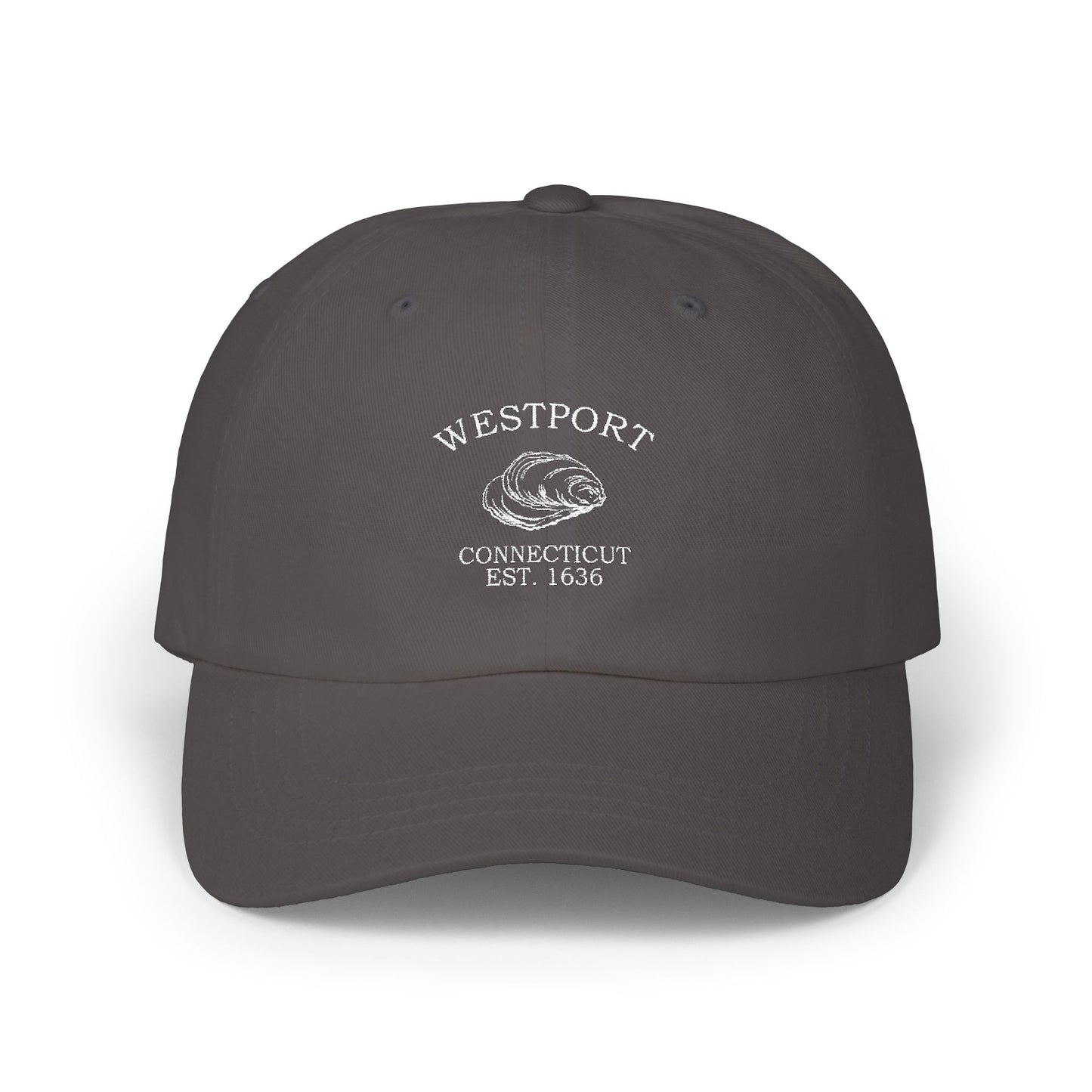
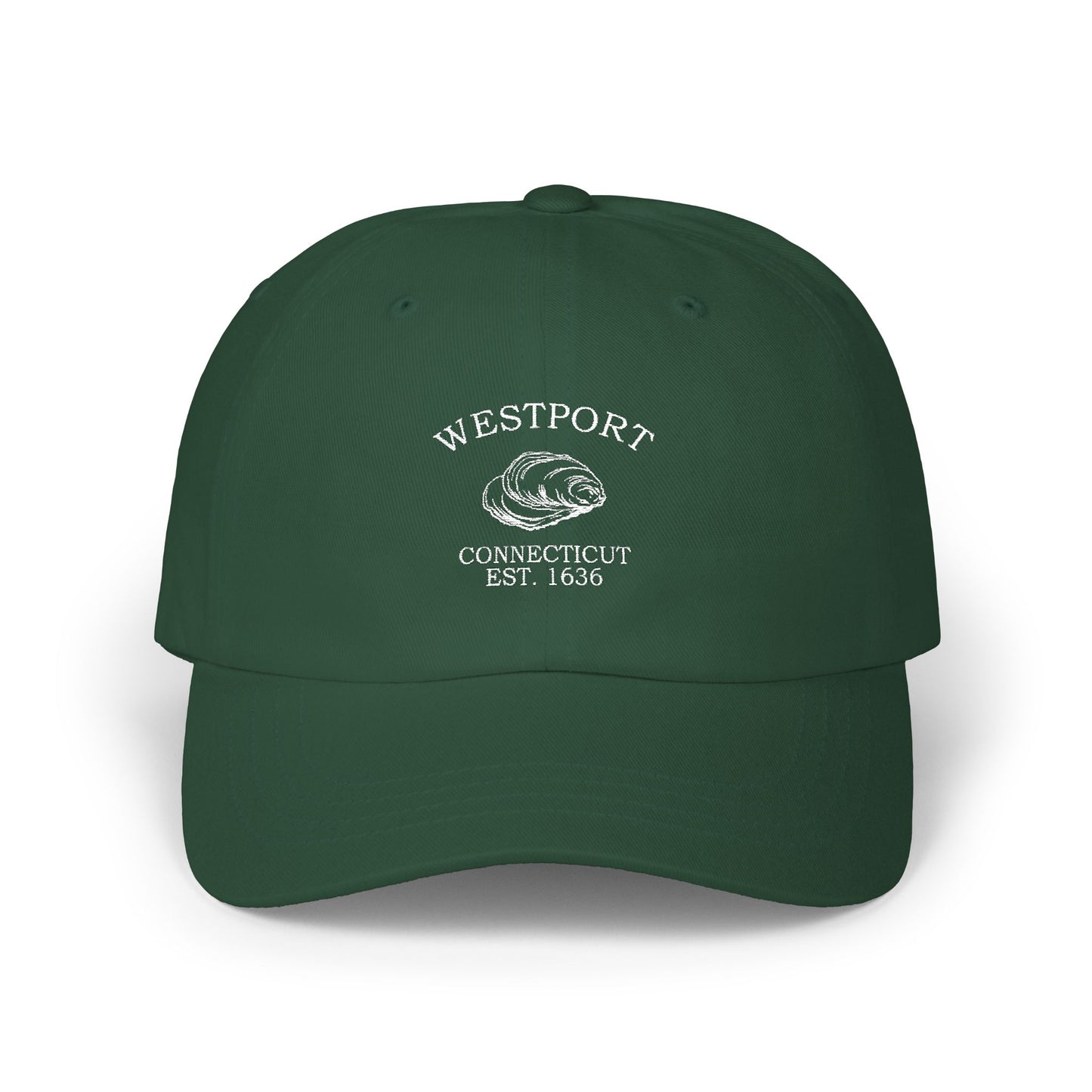
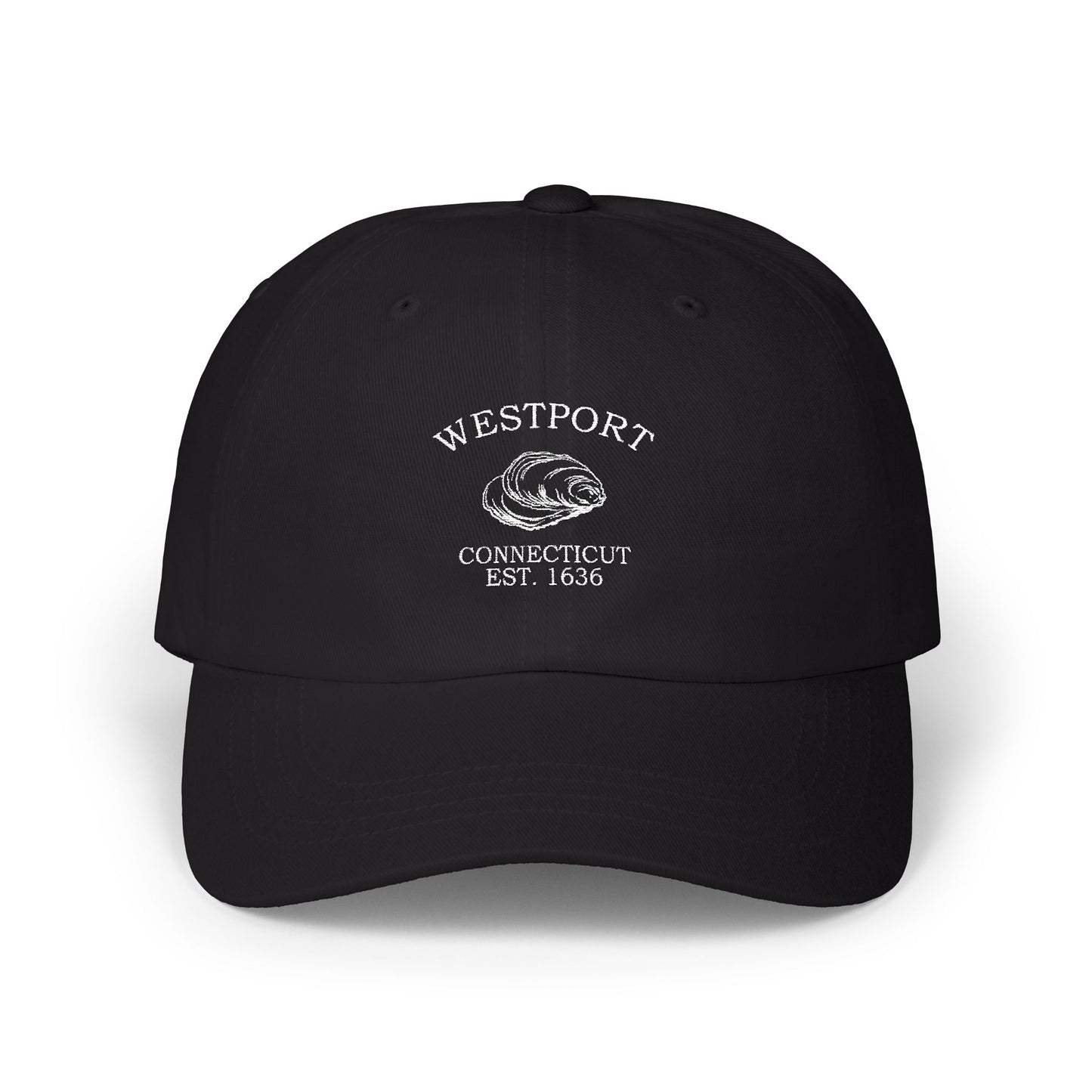
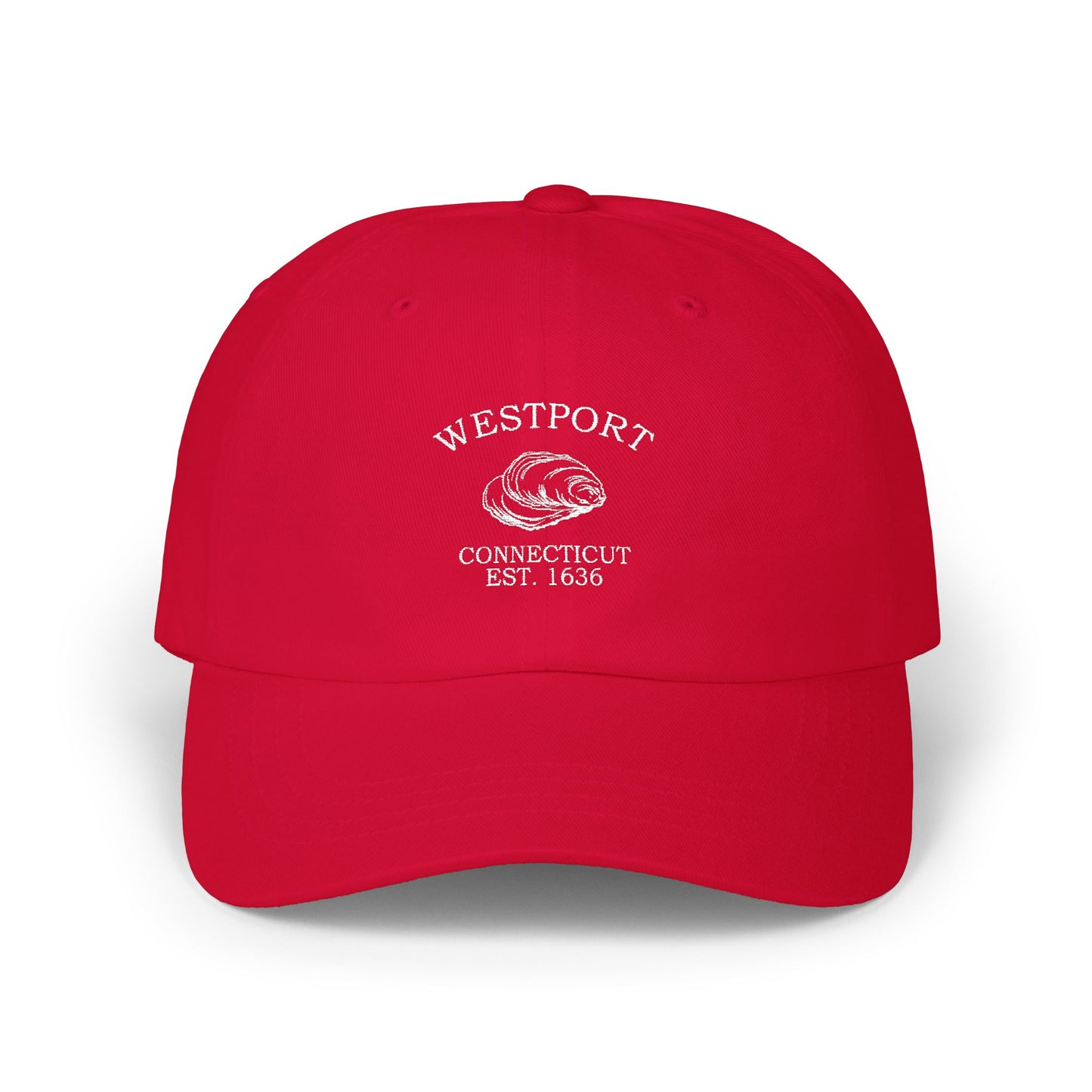
Today Westport is known for its beaches, its theater, and a shoreline elegance that has never lost its Revolutionary bones. Its story blends a colonial shipping village, the 1777 landing at Compo, an 1835 town, an onion-farming past, and an arts colony that drew the country's illustrators and players. Our Westport designs gather that identity into wearable form — Compo Beach, the Minute Man, the Saugatuck, the Sound. Explore the collection and carry a little of the Westport shore with you.
Through the nineteenth century Westport became famous for a humble crop — it was a noted onion-farming center, an "Onion Capital" whose fields and the Saugatuck wharves shipped produce out along the Sound. The railroad and the mills came, and then, around 1910, something unexpected: artists. Westport became one of America's great arts colonies, home to the Famous Artists School and, from 1931, the Westport Country Playhouse in a converted 1835 tannery. By the mid-twentieth century it had become an affluent New York commuter town — but the Sound, the Saugatuck, and the Minute Man were still right where they had always been.
Why People Visit Westport Connecticut
Westport draws people who love the shore, the arts, and a good story. It is a Revolutionary-War landing site with a Minute Man on the beach, a colonial shipping village turned arts colony, and a Long Island Sound shoreline of beaches, river, and marsh. Visitors come for the rare mix — history you can stand on at Compo, theater and music in the summer, and a refined New England coast an easy train ride from New York.
