


More From Wailea Hawaiʻi
-
Wailea Hawaii Vintage Retro Giclée Print Art Series Poster
Regular price From $38.00 USDRegular price -
Wailea Hawaii Vintage Retro Back Printed Art Series Cotton Tee - Black Logo
Regular price $32.00 USDRegular price -
Wailea Hawaii Vintage Retro Vinyl Sticker - Black Logo
Regular price From $6.00 USDRegular price -
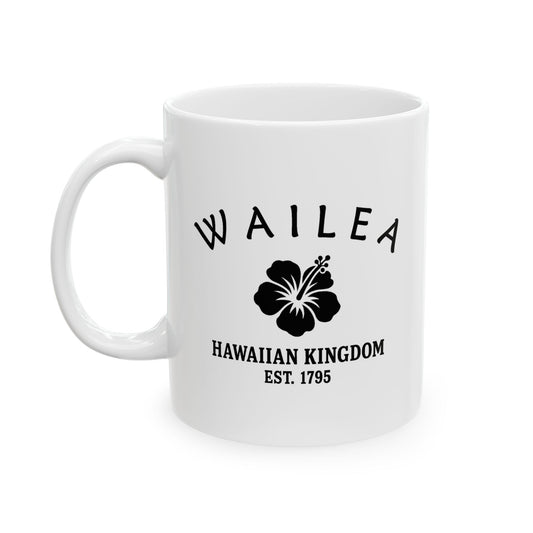
Wailea Hawaii Vintage Retro Ceramic Mug - Black Logo
Regular price From $16.00 USDRegular price



Wailea sits on the sunny, dry side of Maui, in the old land district of Honuaʻula — “red earth” — that runs from the high slopes of Haleakalā down to the sea. Hawaiians here lived mostly mauka, upslope, where they grew sweet potato and dryland taro in the cooler ground, and came makai, down to the coast, to fish. The ahupuaʻa, the wedge-shaped land divisions, stitched mountain to reef so that one community held forest, field, and fishing ground together — a whole working coast, not just a beach.
Then, for a few years, the quiet coast became a drill ground. During the Second World War the Marines trained along this shore for the island campaigns of the Pacific, and they gave Ulua Beach a grim nickname: “Little Tarawa,” after the atoll where they would make one of the war’s bloodiest amphibious landings. Men who rehearsed in this gentle surf carried its lessons to the far side of the ocean. Today the beach is back to umbrellas and snorkels, the name remembered mostly by those who go looking for it.
Why People Visit Wailea, Hawaiʻi
Wailea offers a seamless beach-and-path experience: swimming, snorkeling, strolling, and light shopping between coves. It is sunny, refined, and family friendly, with year-round appeal in its beaches, walkways, and public access. Natural beauty and easy comfort sit side by side, and a deep Hawaiian past — the goddess Lea, the fishing shore of Kahamanini, the Marines’ “Little Tarawa” — runs quietly beneath the polish.
