


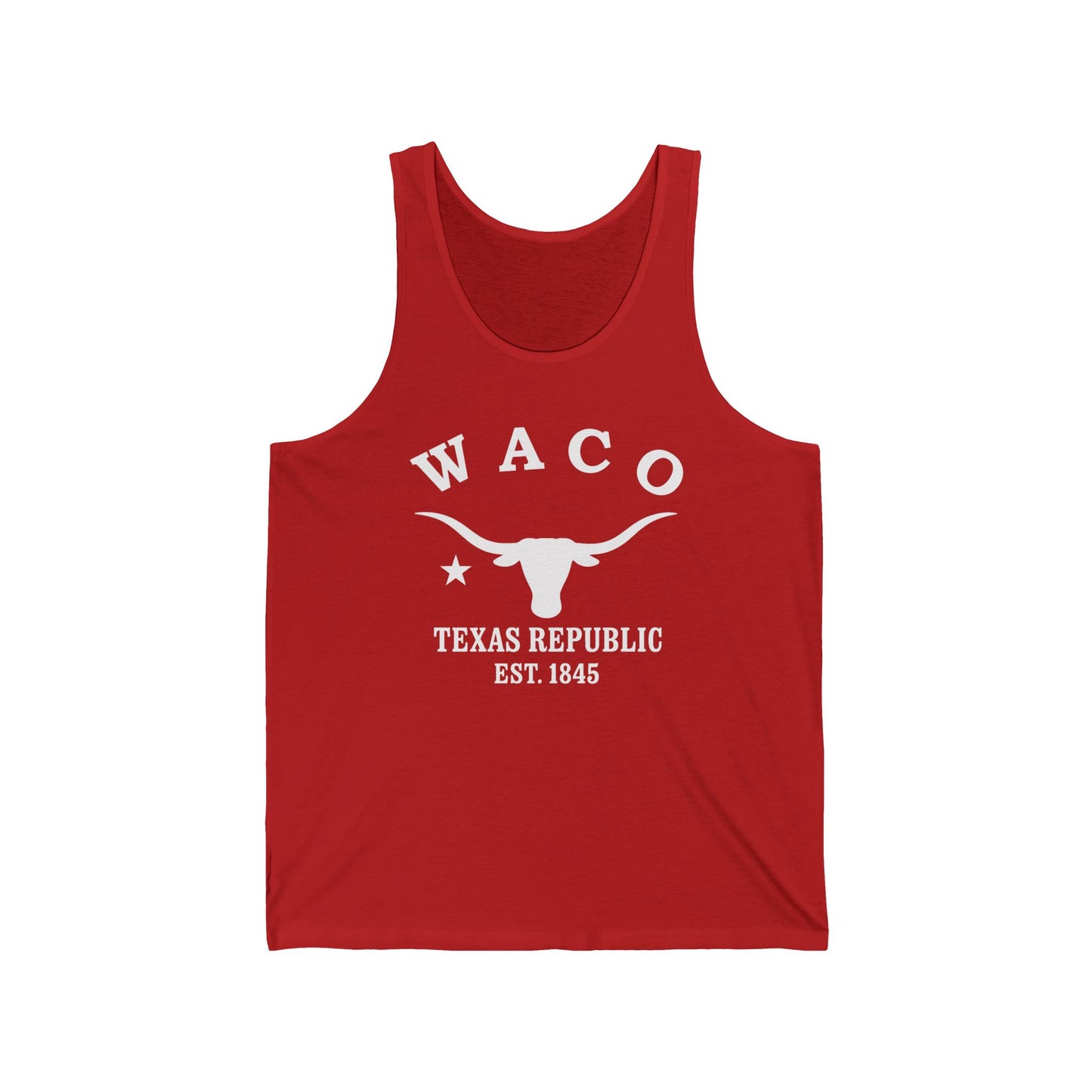
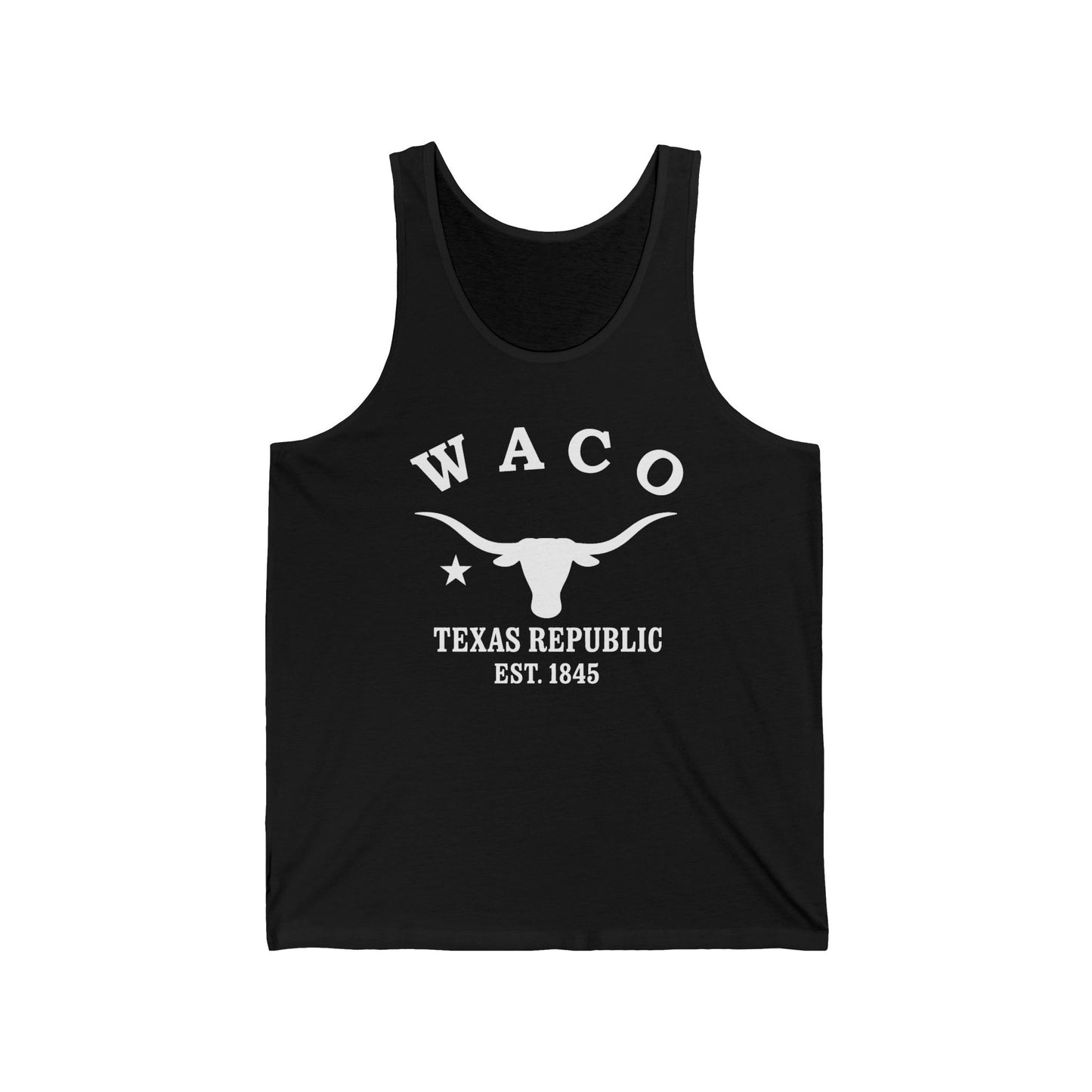
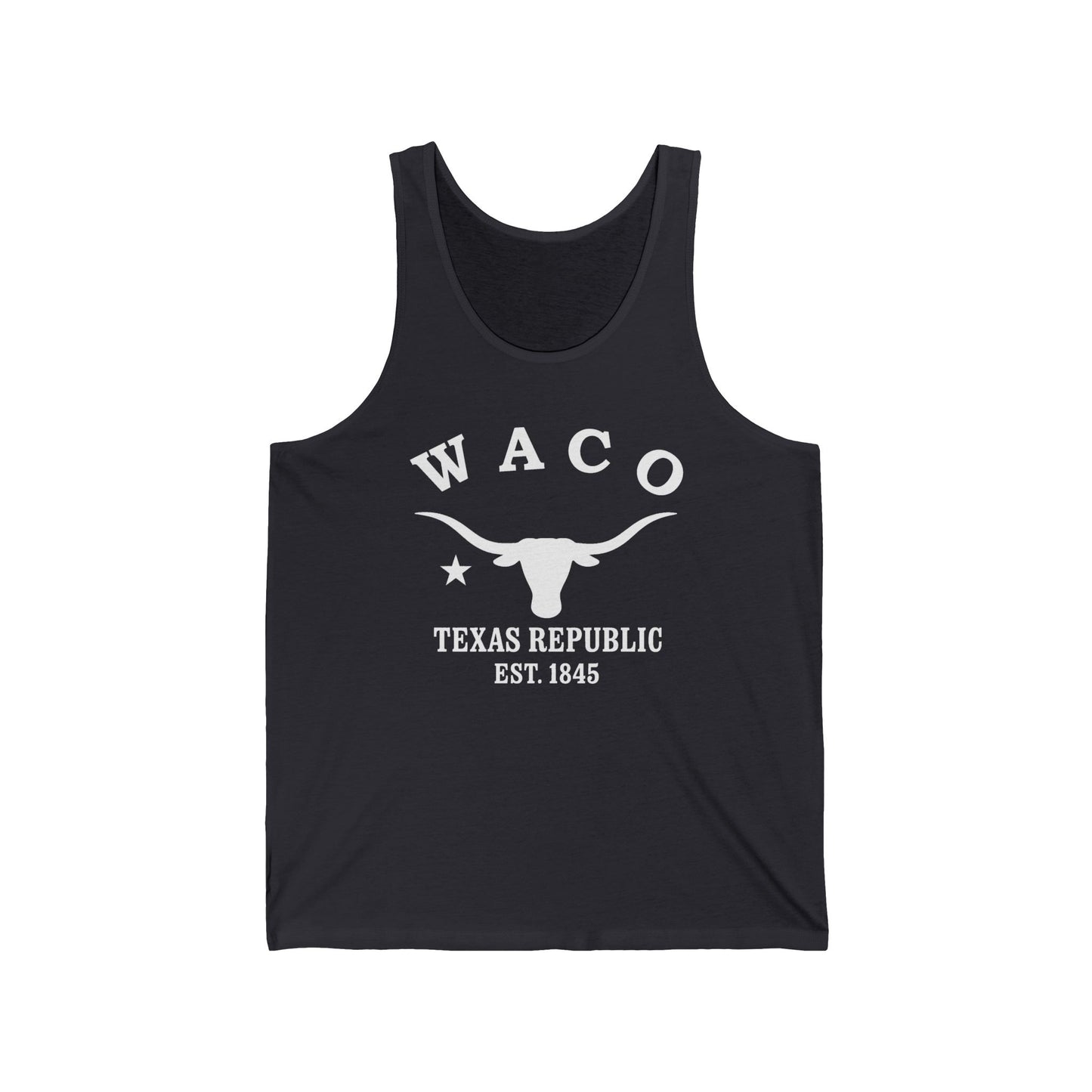
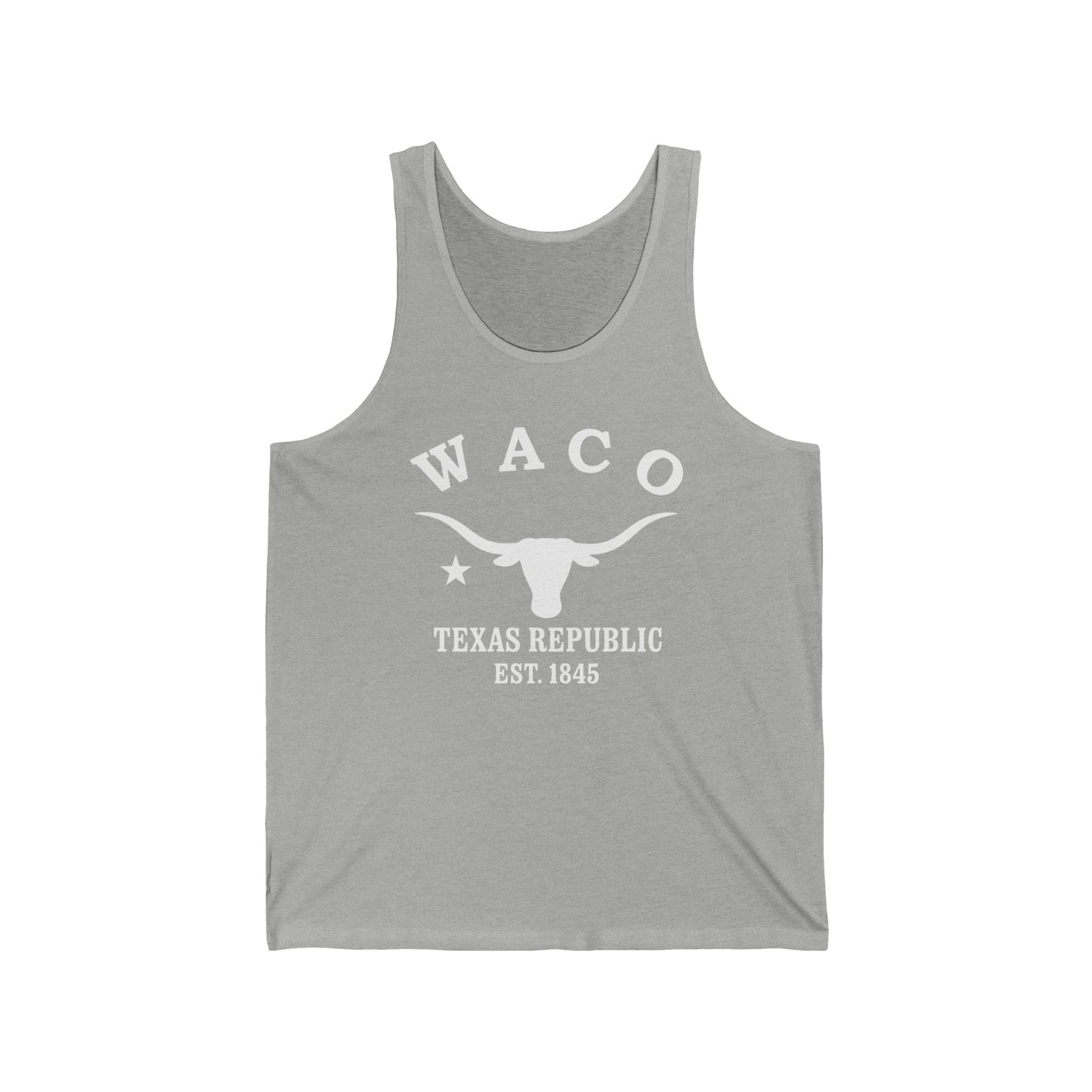
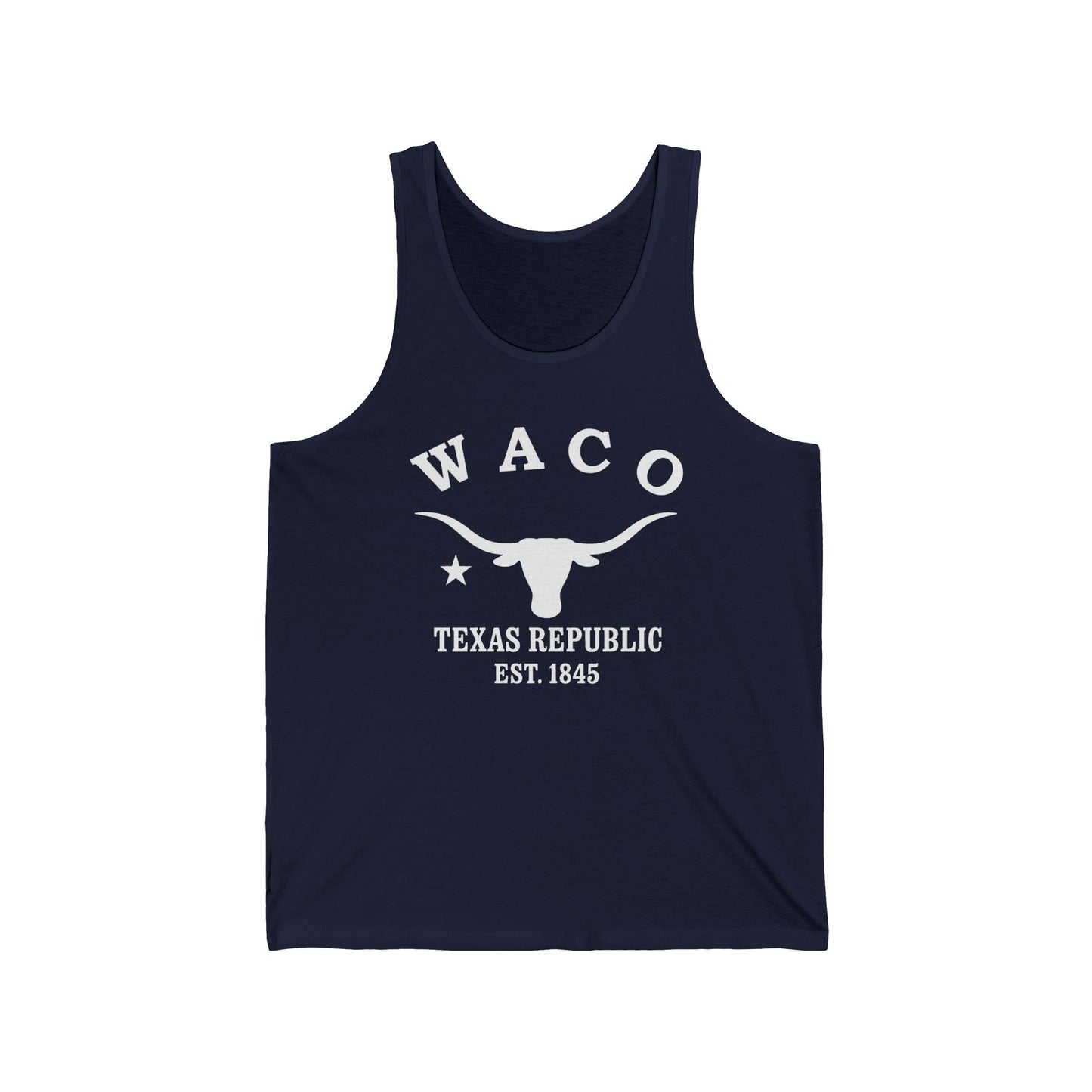
So Waco stacks Ice Age giants, a Wichita namesake, a Chisholm-Trail bridge, and an 1885 soda fountain onto a single bend of the Brazos. Our Waco designs gather that into wearable form. Wear the history. Born on the Brazos, on the old Chisholm Trail.
Learning and law came too. Baylor University moved to Waco in 1886 — the oldest continuously operating university in Texas — and made the city a college town along the river. On the Brazos bank the Texas Ranger Hall of Fame and Museum keeps the story of the frontier lawmen who policed early Texas, and Wacoans like to point out that their city has produced more Texas governors than any other. For a mid-sized city, it carries an outsized share of the state's history.
Why People Visit Waco
Waco balances discovery with simple outdoor time. Visitors mix fossils, the historic bridge, and museums with shaded riverfront parks and an easy downtown. It is friendly, curious, and easy to navigate, with year-round appeal in its parks, paths, and public spaces. Frontier Texas and Ice Age deep time sit side by side here — history and everyday culture together in a welcoming way, with relaxed mornings and unhurried afternoons.
