


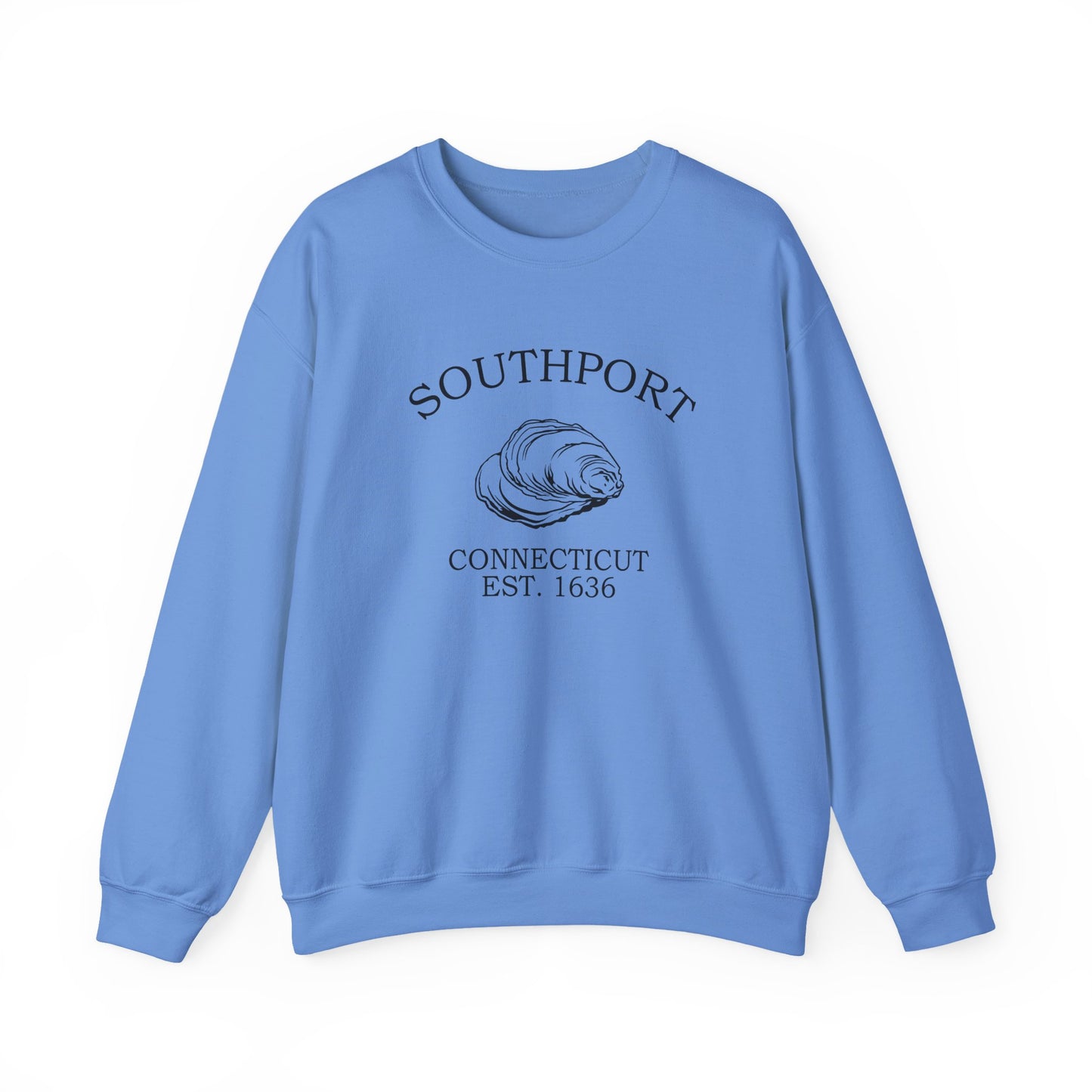
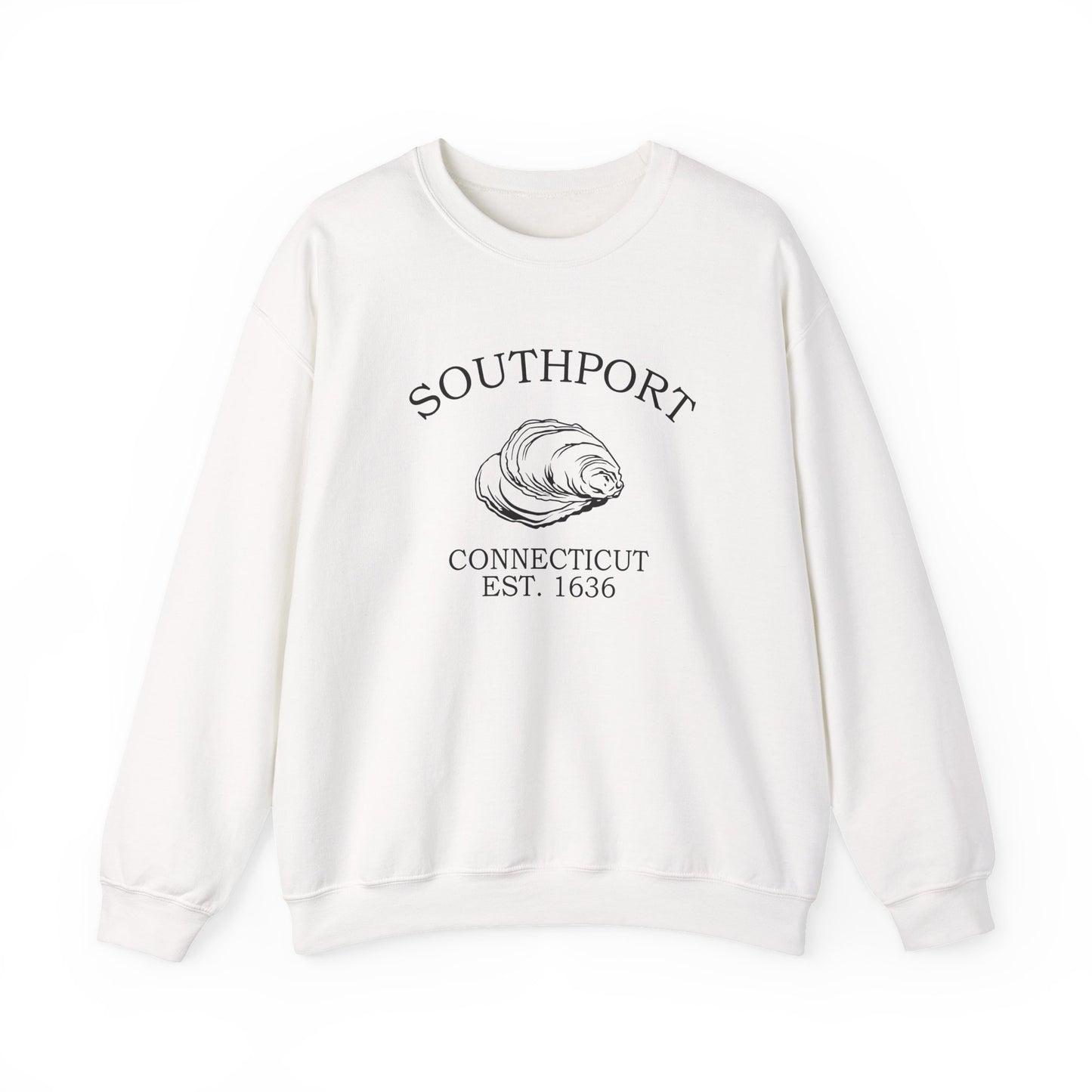
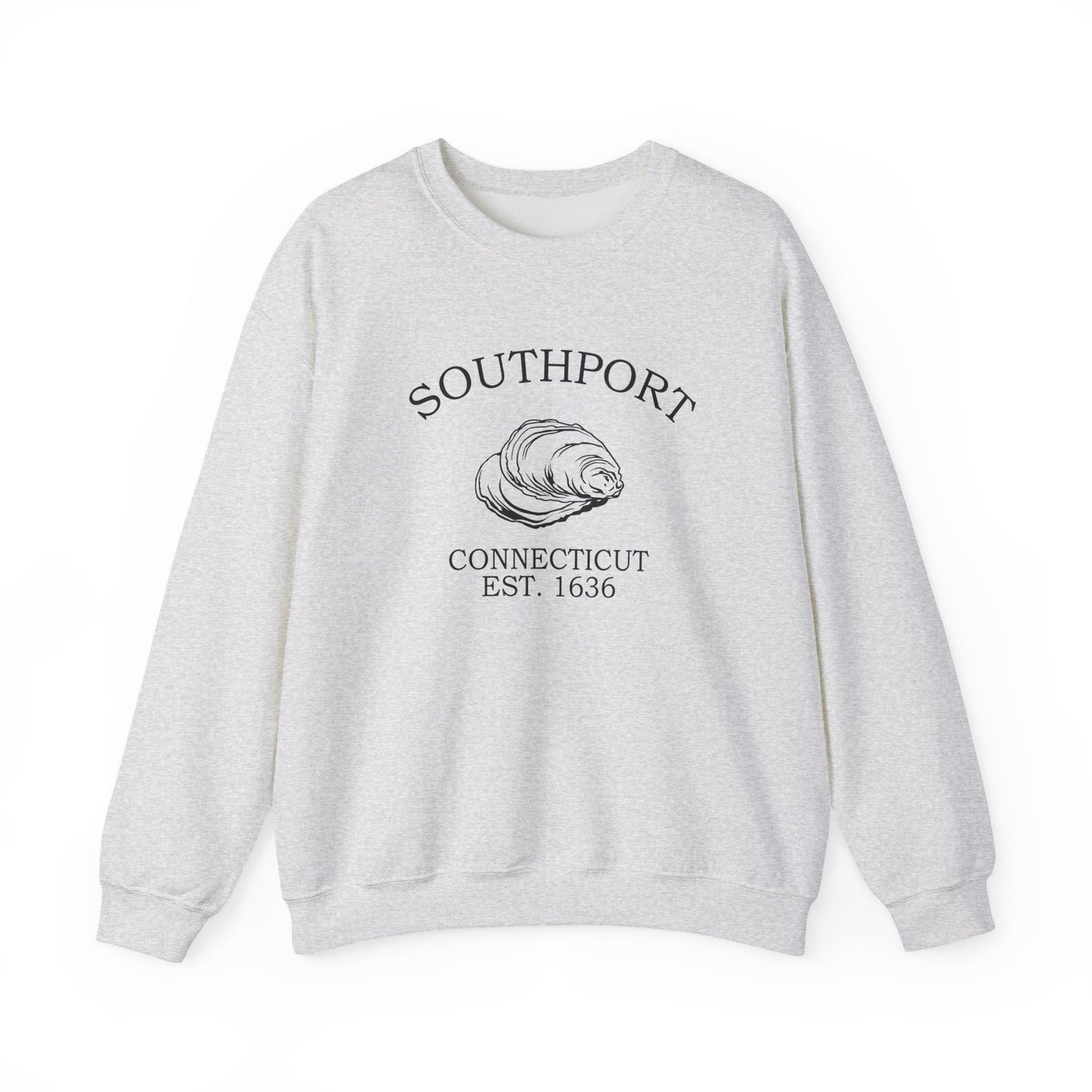
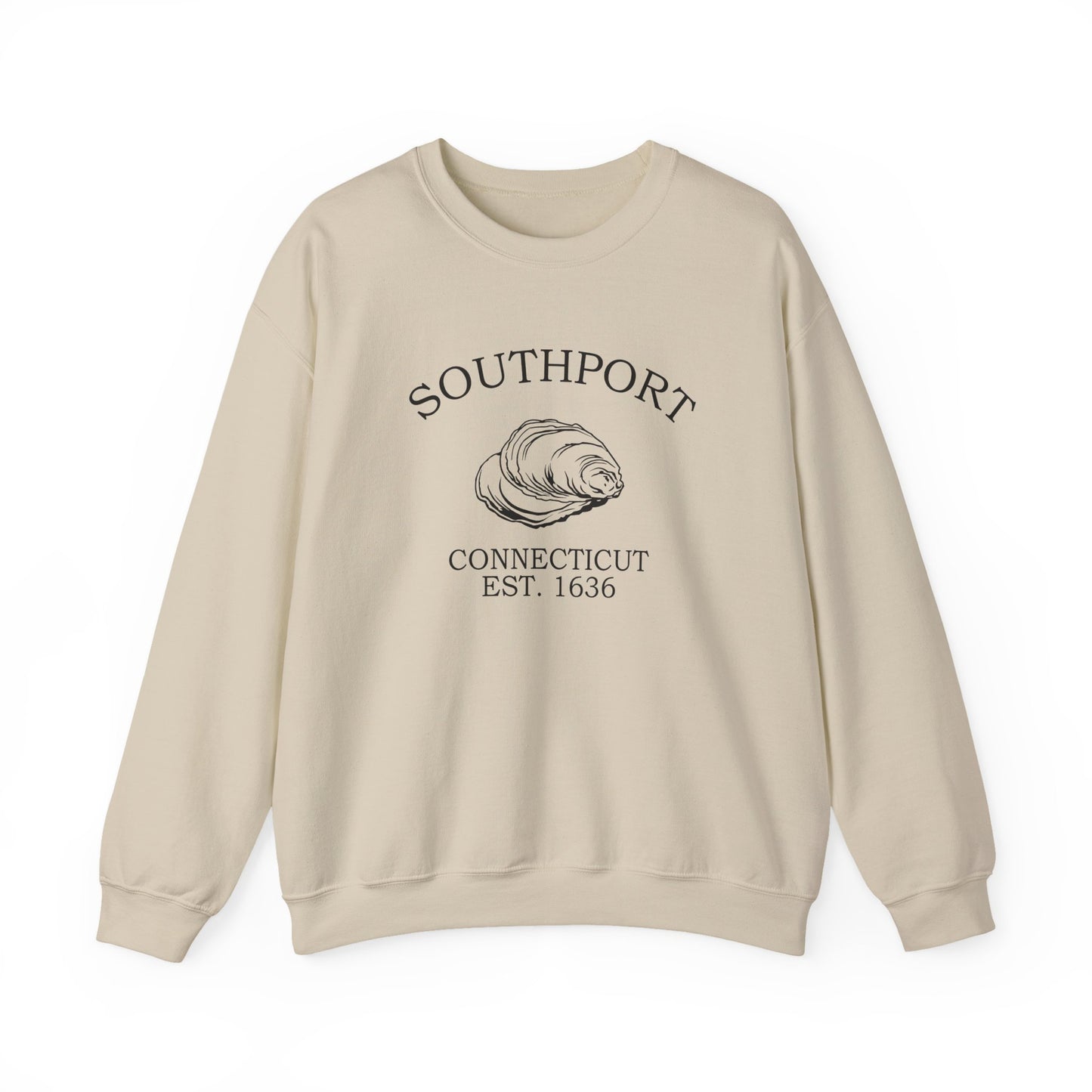
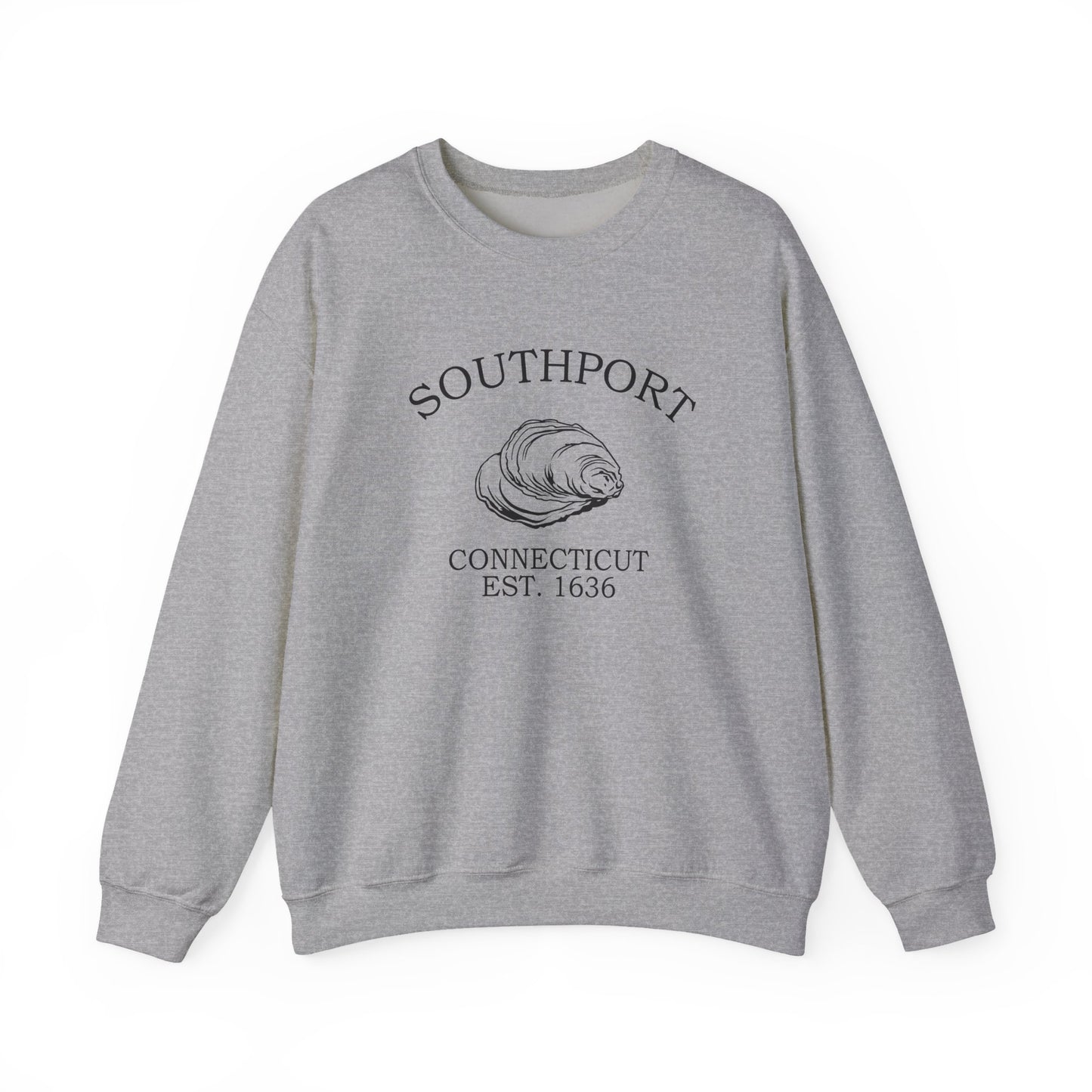
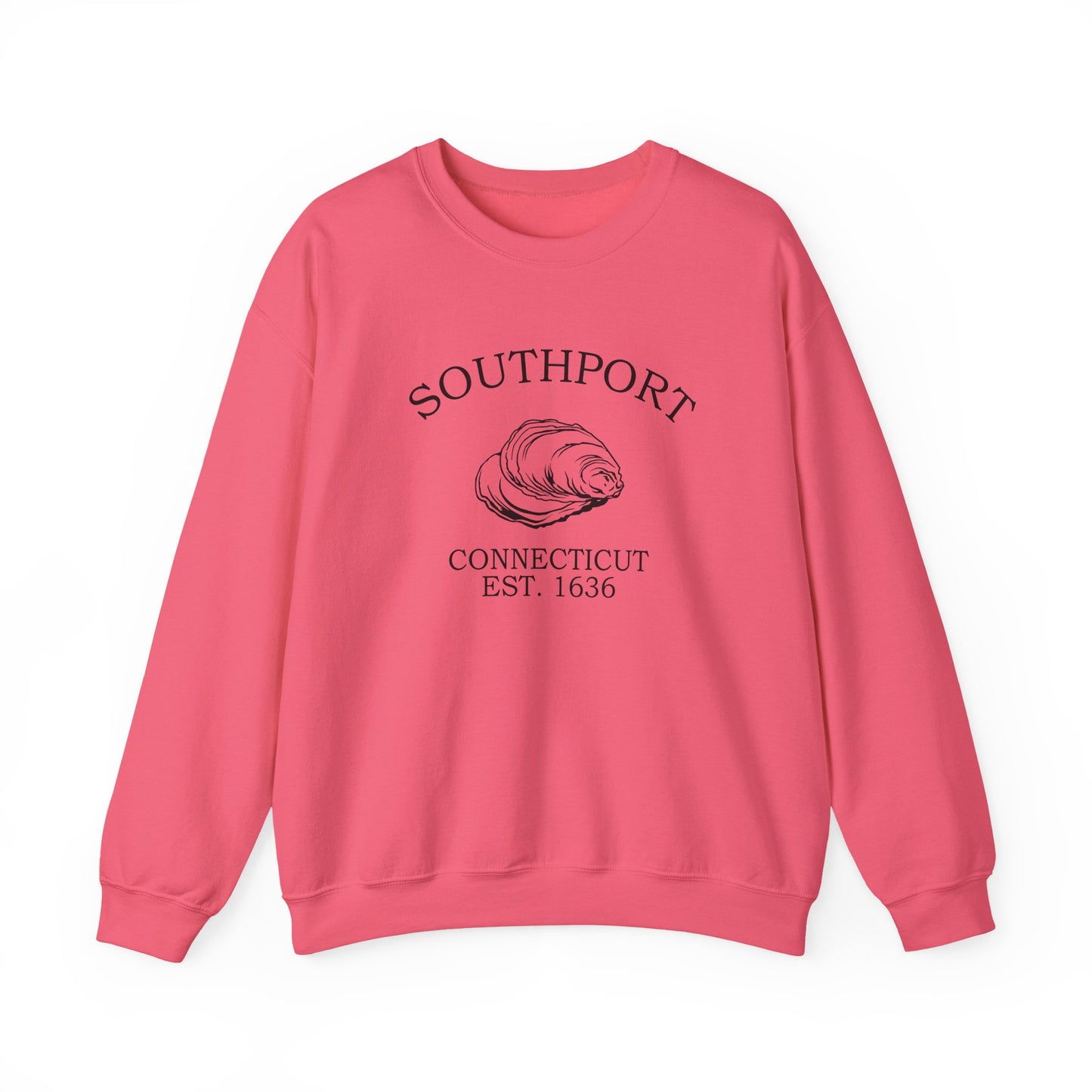
Our Southport logo carries an oyster over "Connecticut · Est. 1636" — the shared shoreline emblem of every Merlin Classics Connecticut town, marking the founding of the Connecticut Colony. Printed black-and-white with the worn look of an old oyster-crate label or shoreline signage, the oyster reads as the Connecticut shore in shorthand: the Sound, the harbors, the shellfish beds. It suits Southport especially well — this was a working harbor that shipped oysters right alongside its famous onions.
It rose from the ashes. In July 1779 British and Hessian troops burned this little harbor village to the ground. The people rebuilt it house by house — and the Greek Revival captain's homes they raised still line Harbor Road today. By the 1890s their rebuilt harbor was shipping a hundred thousand barrels of onions a year to New York and the southern ports. A burned village, an onion port, and one of the most intact streetscapes on the Connecticut shore — this is Southport, the harbor village of Fairfield, and this page tells its story.
Why People Visit Southport Connecticut
People come to Southport for one of the best-preserved harbor villages on the Connecticut shore: Greek Revival houses built by shipping and banking wealth, a stone library, and a quiet yacht harbor on Long Island Sound. It's small, refined, and walkable — a village that rebuilt itself after 1779 and has kept its 19th-century streetscape intact ever since.
