








Then came the war. In July 1779, the day after British forces burned Fairfield, they put Mill River to the torch as well — a raid carried out by British regulars, Hessian jägers, and Loyalist troops that left almost nothing standing. Only one house, the Meeker House of about 1766, survived. What makes Southport remarkable is what happened next: instead of fading, the village rebuilt itself from the waterline up, in the crisp Greek Revival and Federal styles of the new republic. The district you can walk today is almost entirely a post-1779 creation — a town that turned its own destruction into one of the finest harbor-village streetscapes in Connecticut.
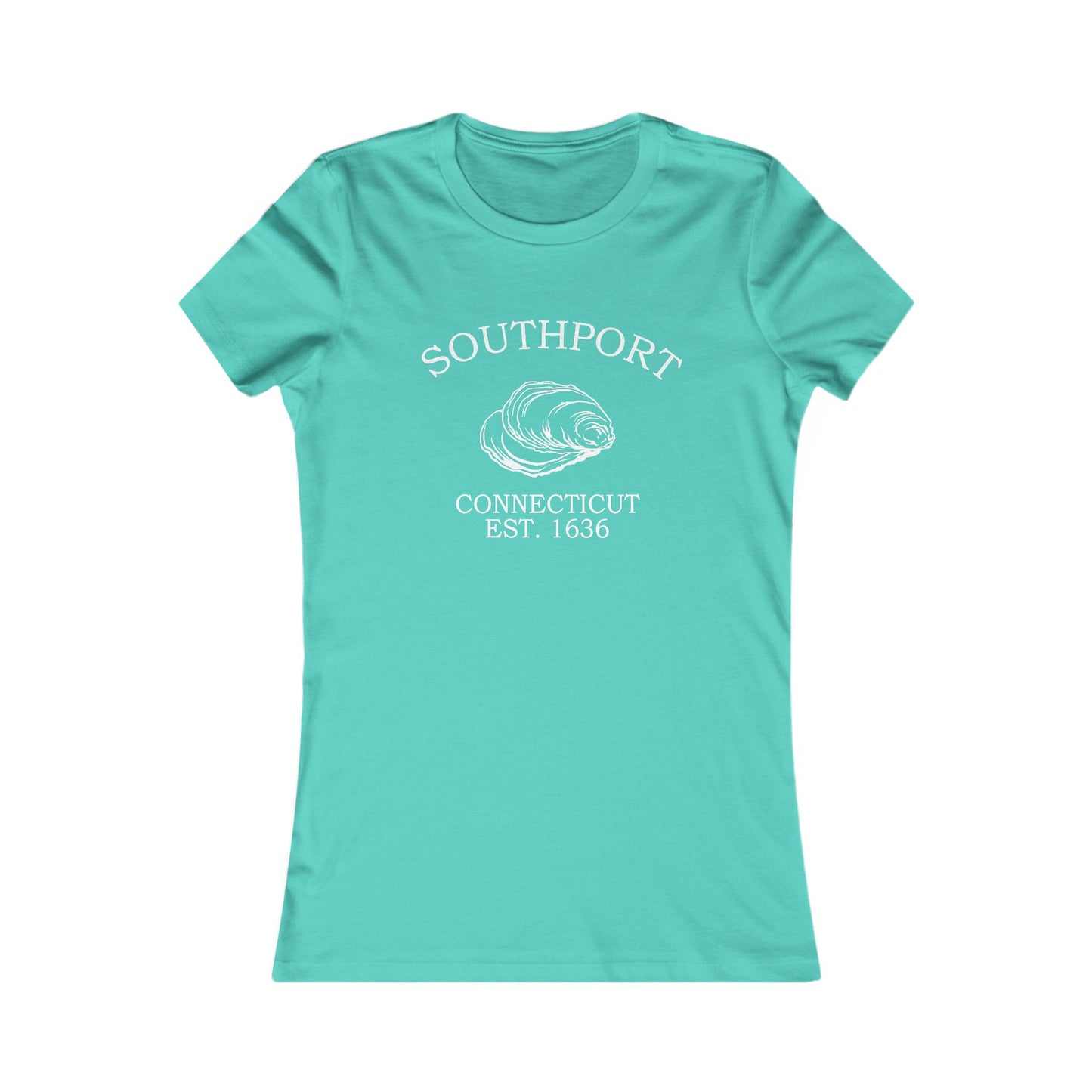
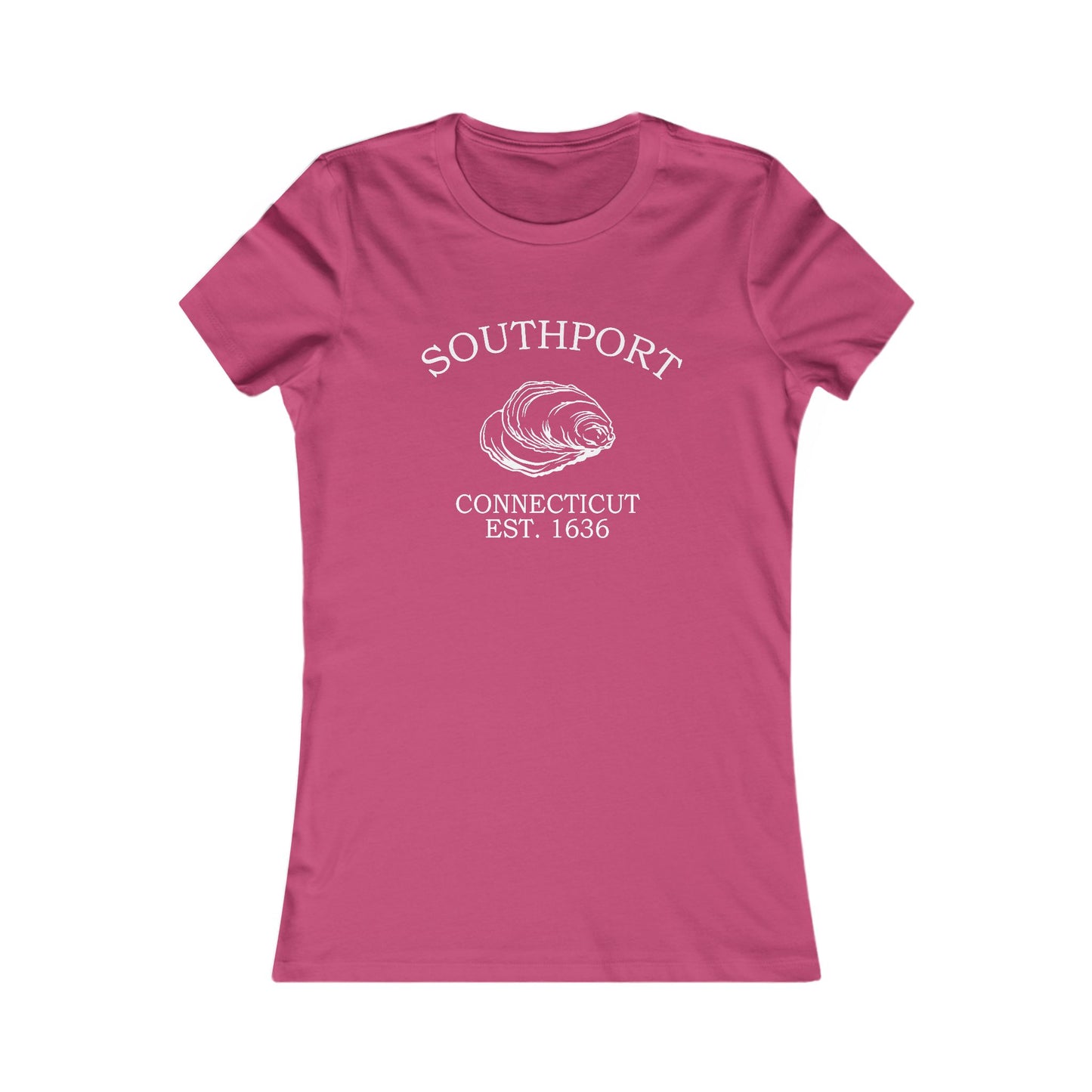
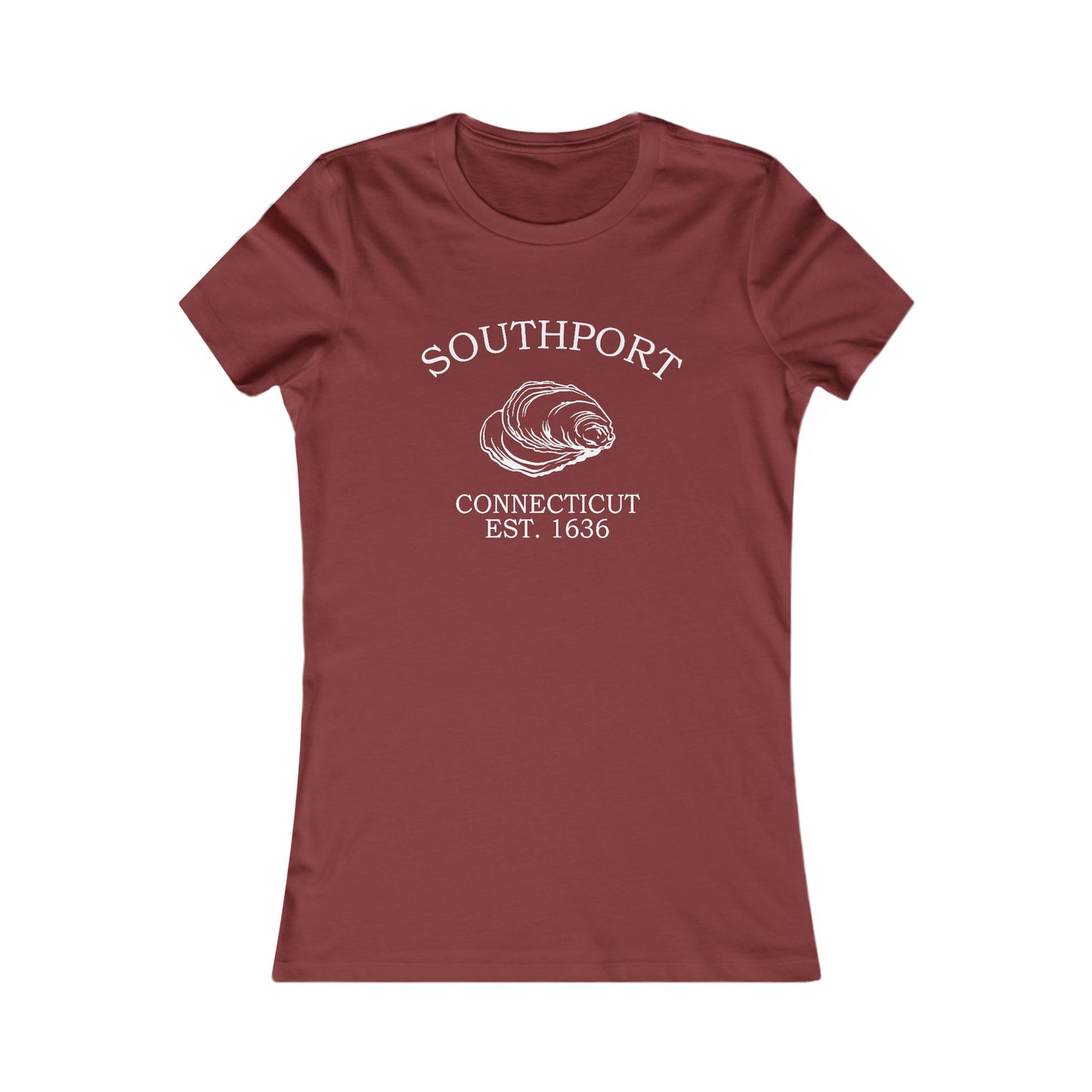
Today Southport is one of the most beautiful intact village streetscapes on the Connecticut shore — a small, refined harbor village of Fairfield on the Gold Coast, its Greek Revival houses and stone library looking out over the same Long Island Sound that built it. Our Southport designs gather that quiet heritage into wearable form — the harbor, the onion port, the rebuilt village, the oyster-and-1636 emblem. From the burned village of 1779 to the masts at the yacht club — wear a little of the Connecticut shore.
Why People Visit Southport Connecticut
- Walk the Southport Historic District along Harbor Road and Pequot Avenue, lined with post-1779 Greek Revival and Federal captain's houses.
- Visit the Pequot Library (1894), a stone Richardsonian-Romanesque landmark with reading rooms and cultural programming.
- Look out over Southport Harbor at the mouth of the Mill River, with sailboats and the Pequot Yacht Club.
- Relax at Southport Beach, a small cove looking toward the harbor mouth on Long Island Sound.
- Find the Meeker House (about 1766), the lone survivor of the 1779 burning.
