For such a young town, Soldotna takes good care of its history. The Soldotna Homestead Museum, in Centennial Park, gathers original pioneer cabins, the last Alaskan Territorial Schoolhouse, and a replica of the 1867 check that bought Alaska. The town's First Post Office is on the National Register of Historic Places, and the famous 'Plane on a Pole' still marks the highway. A short history, kept sharp.
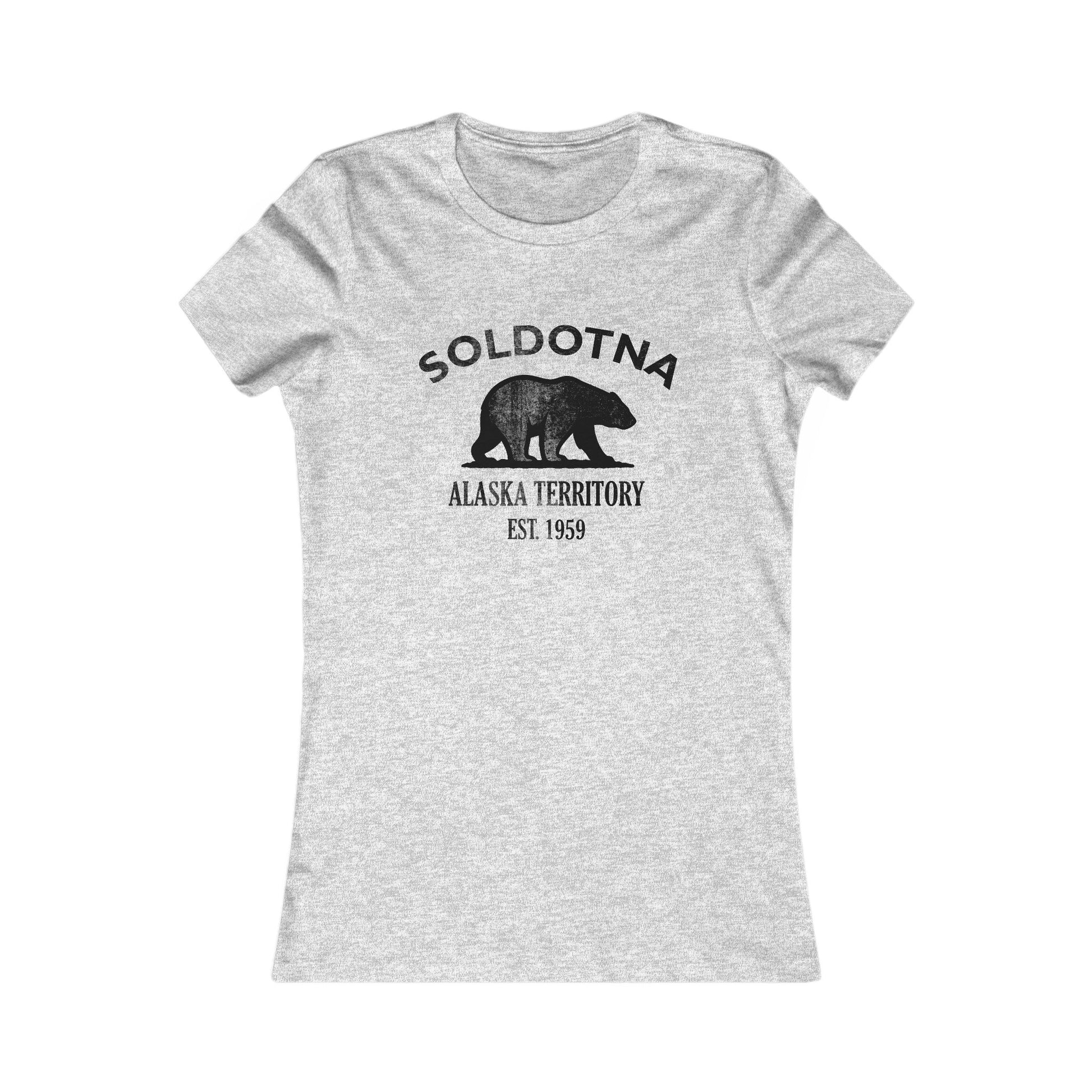
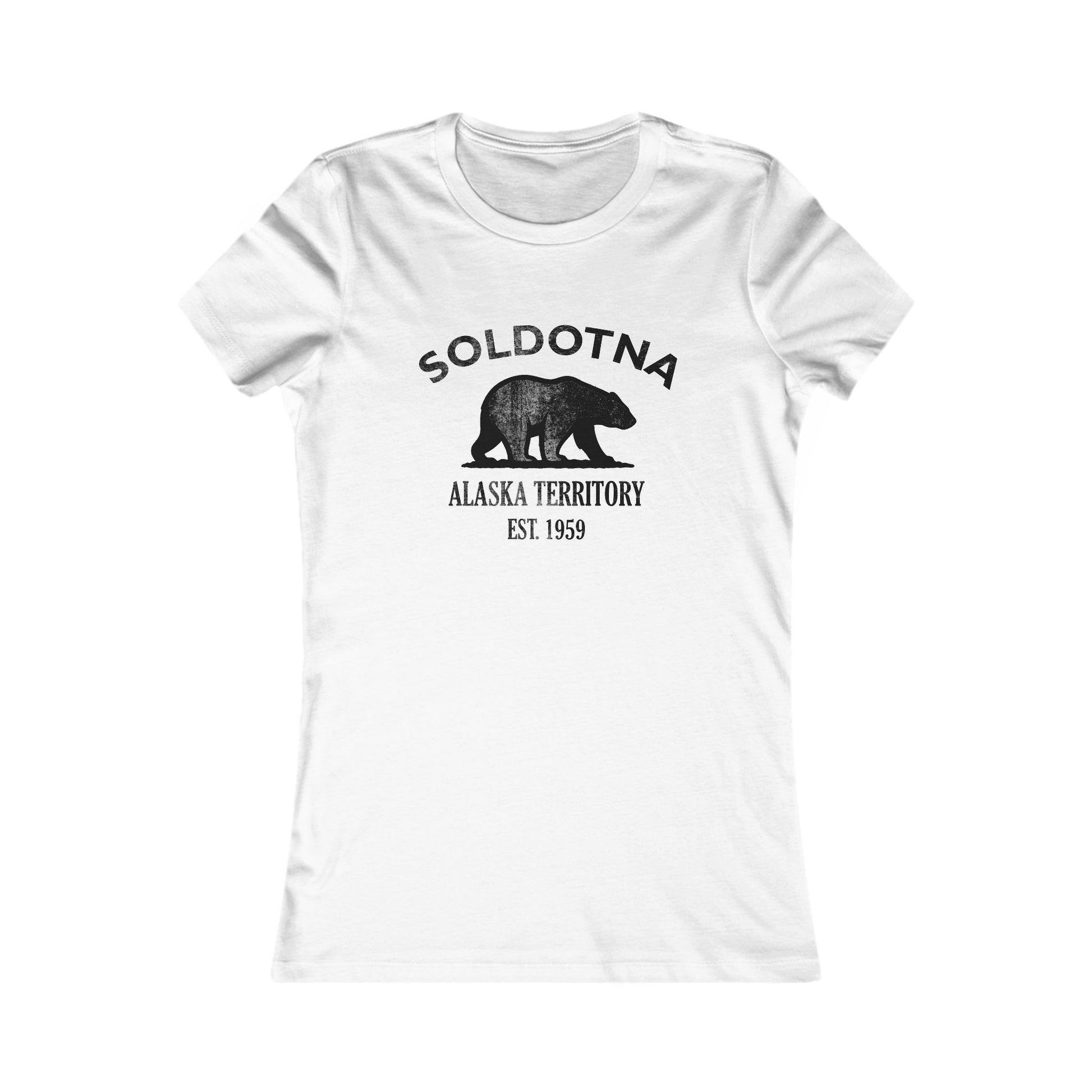
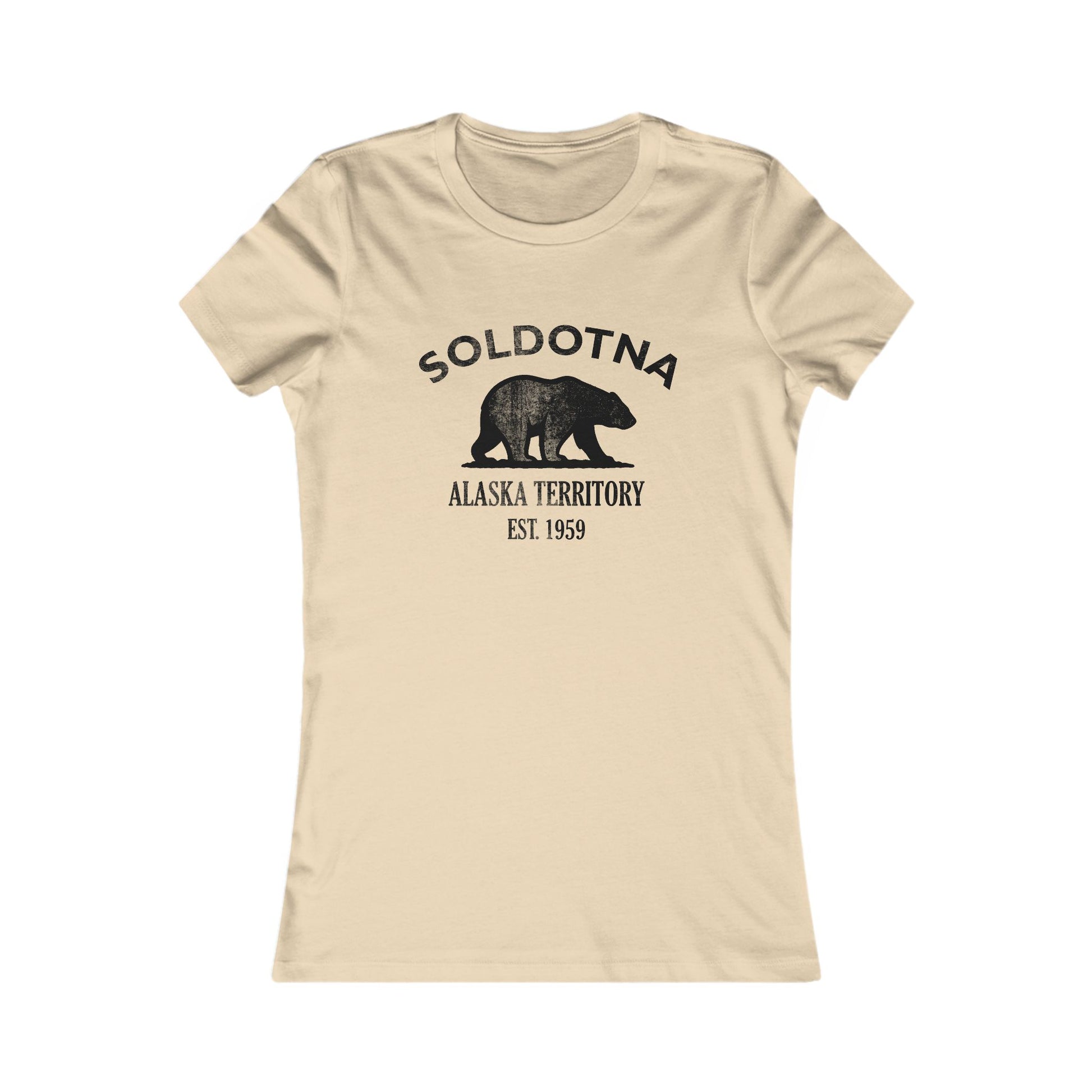
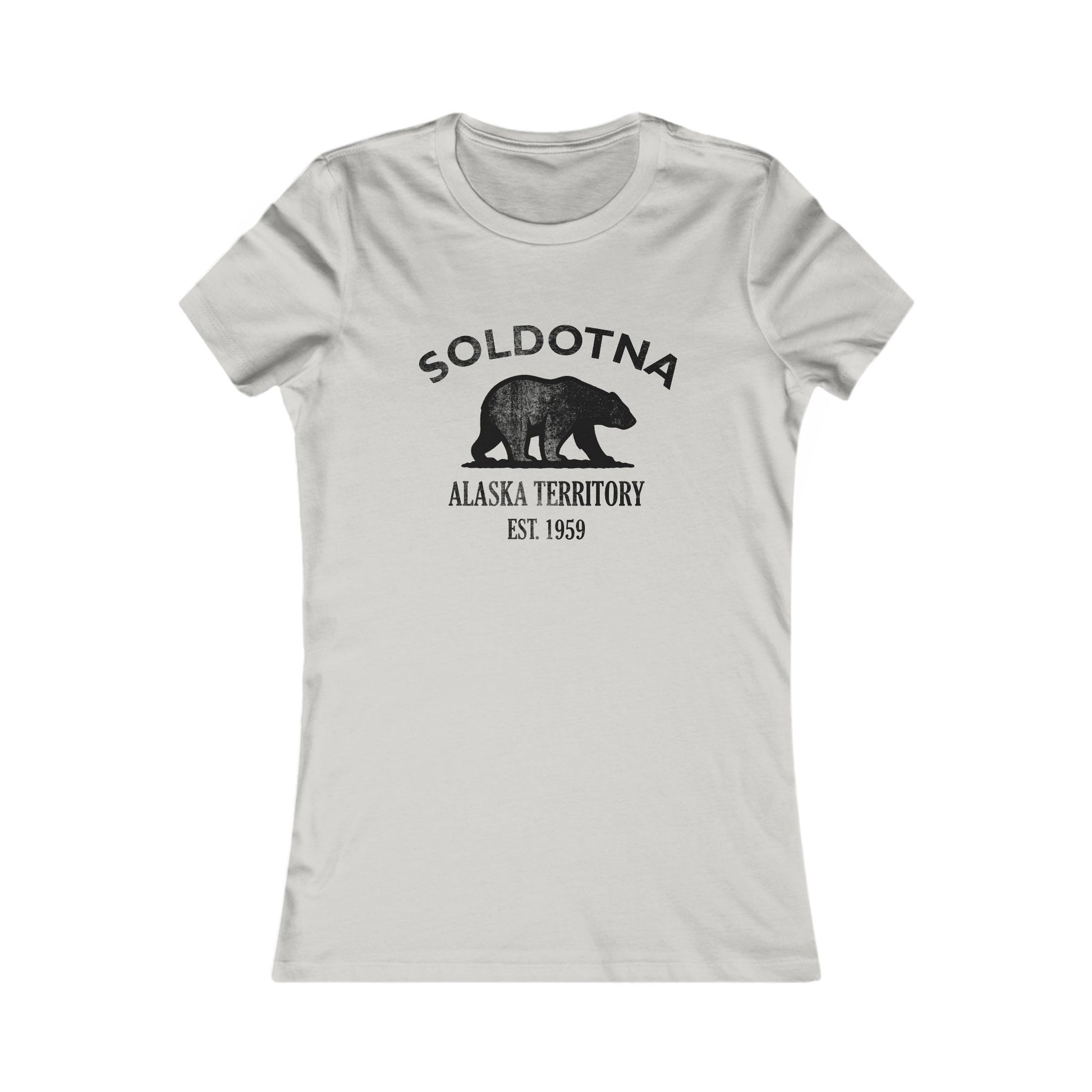
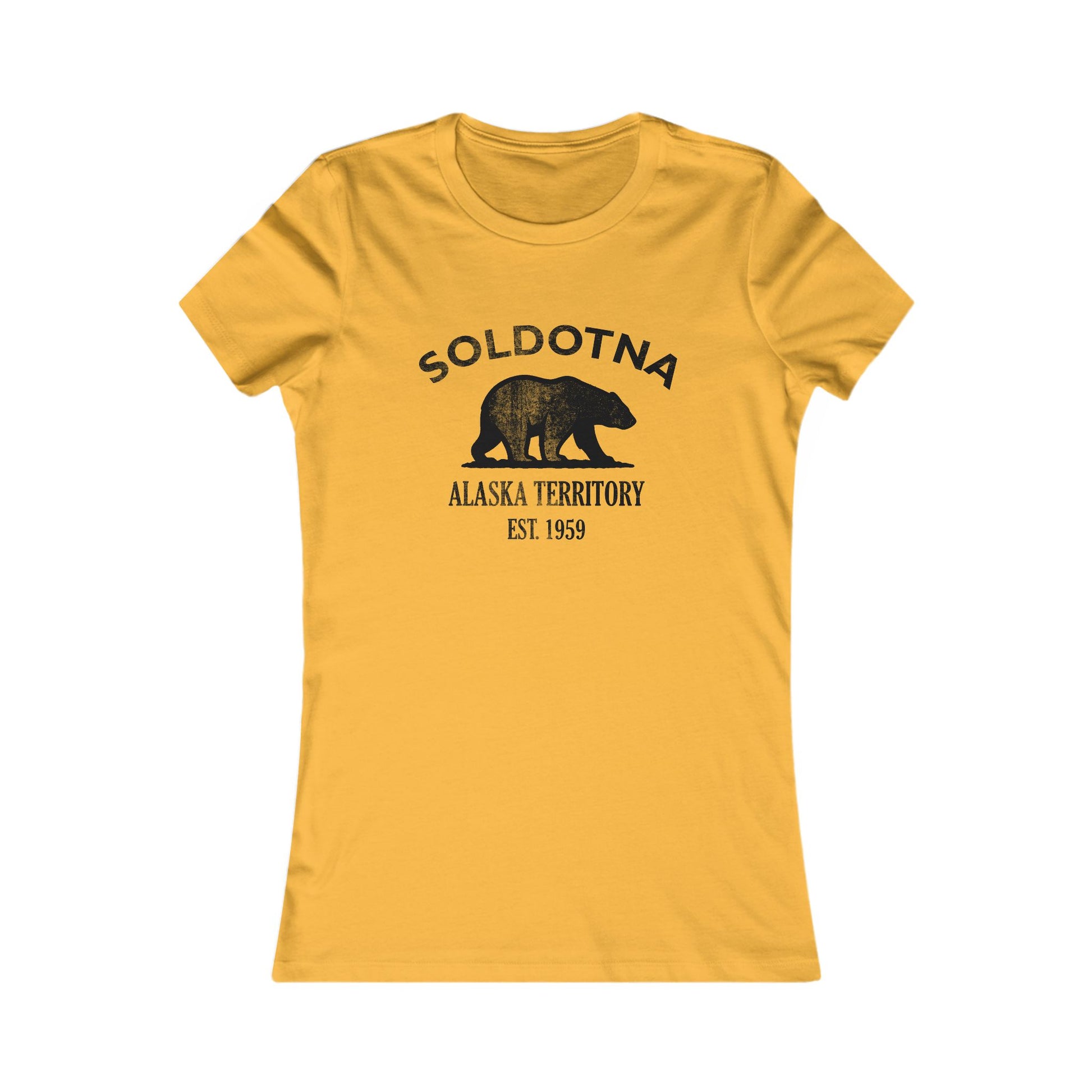
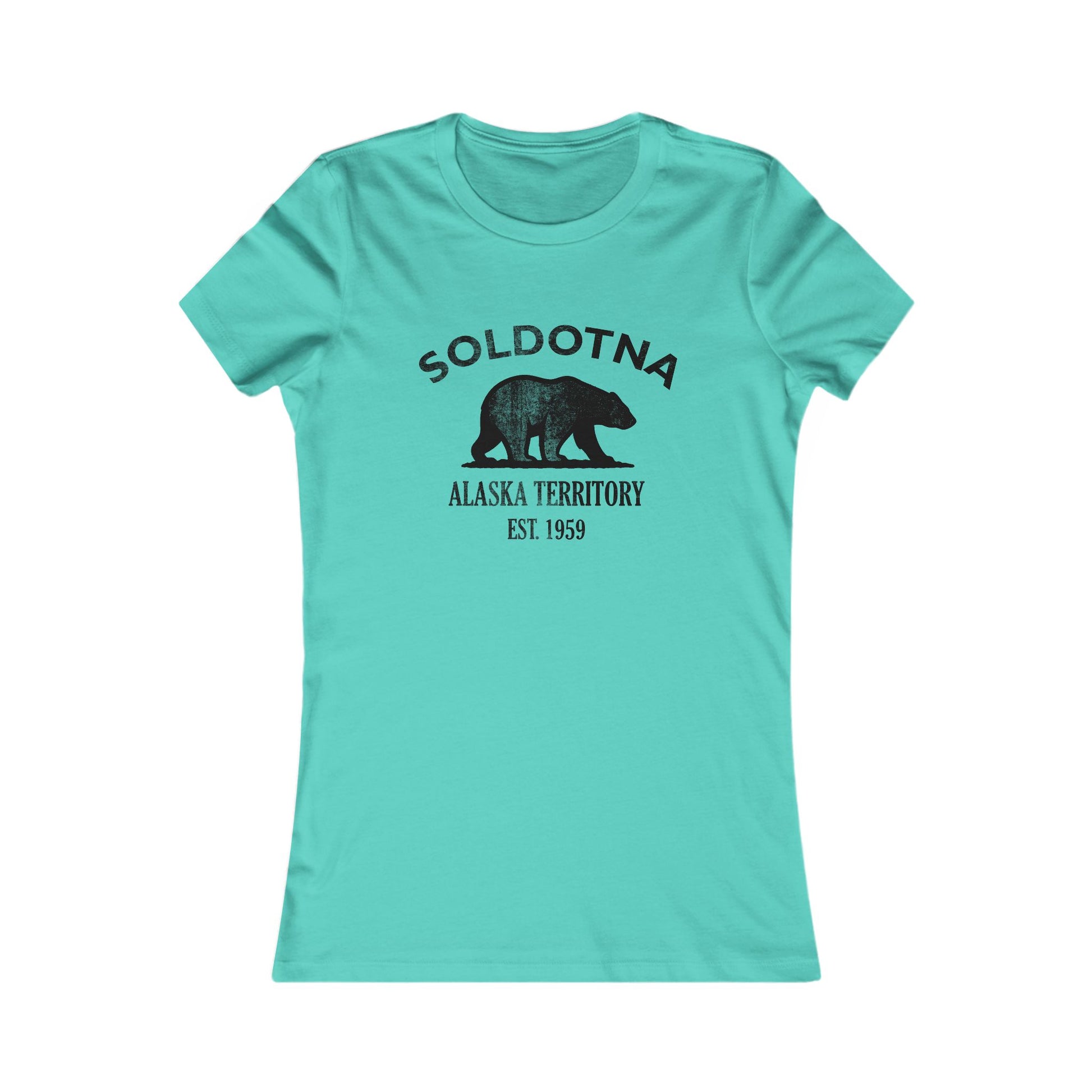
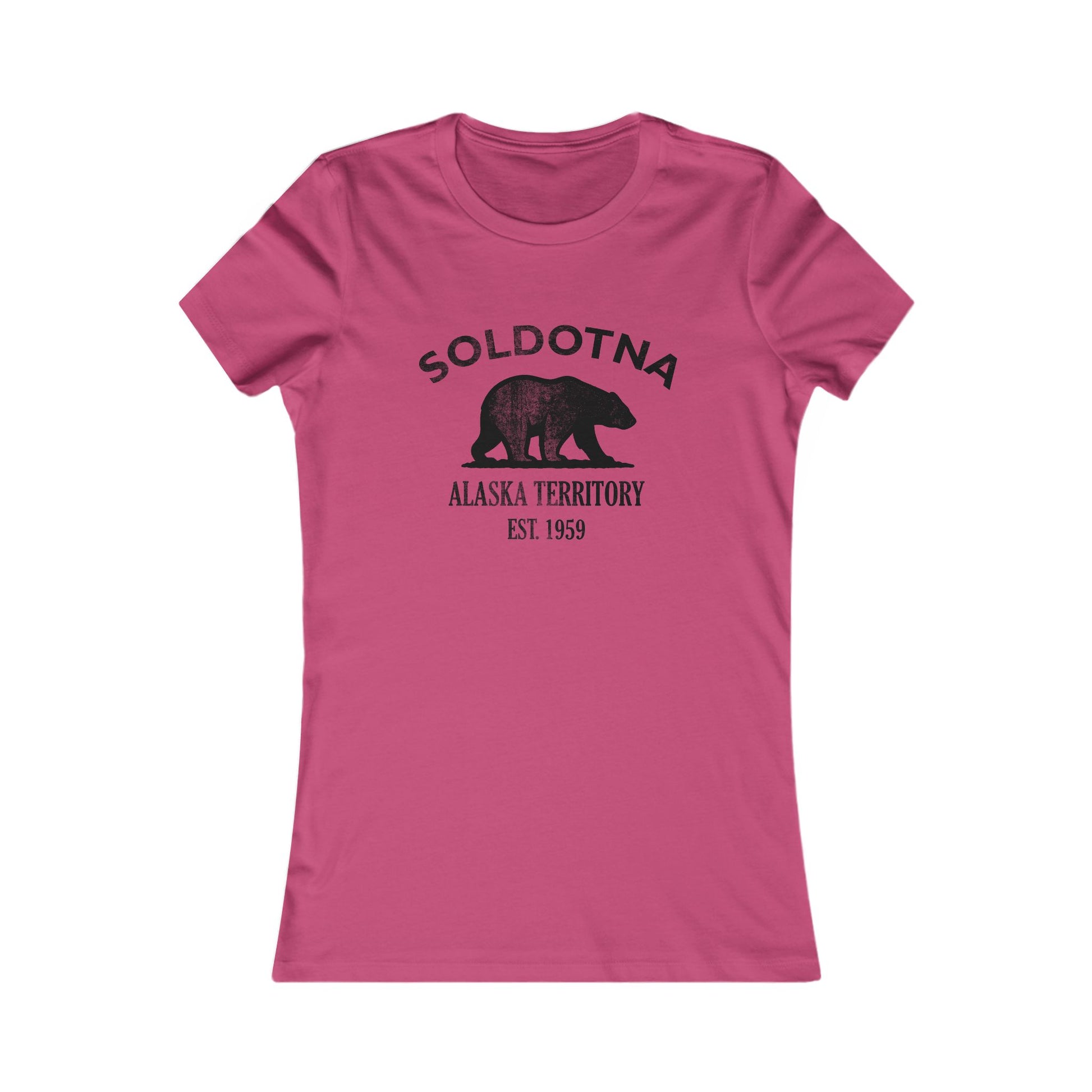
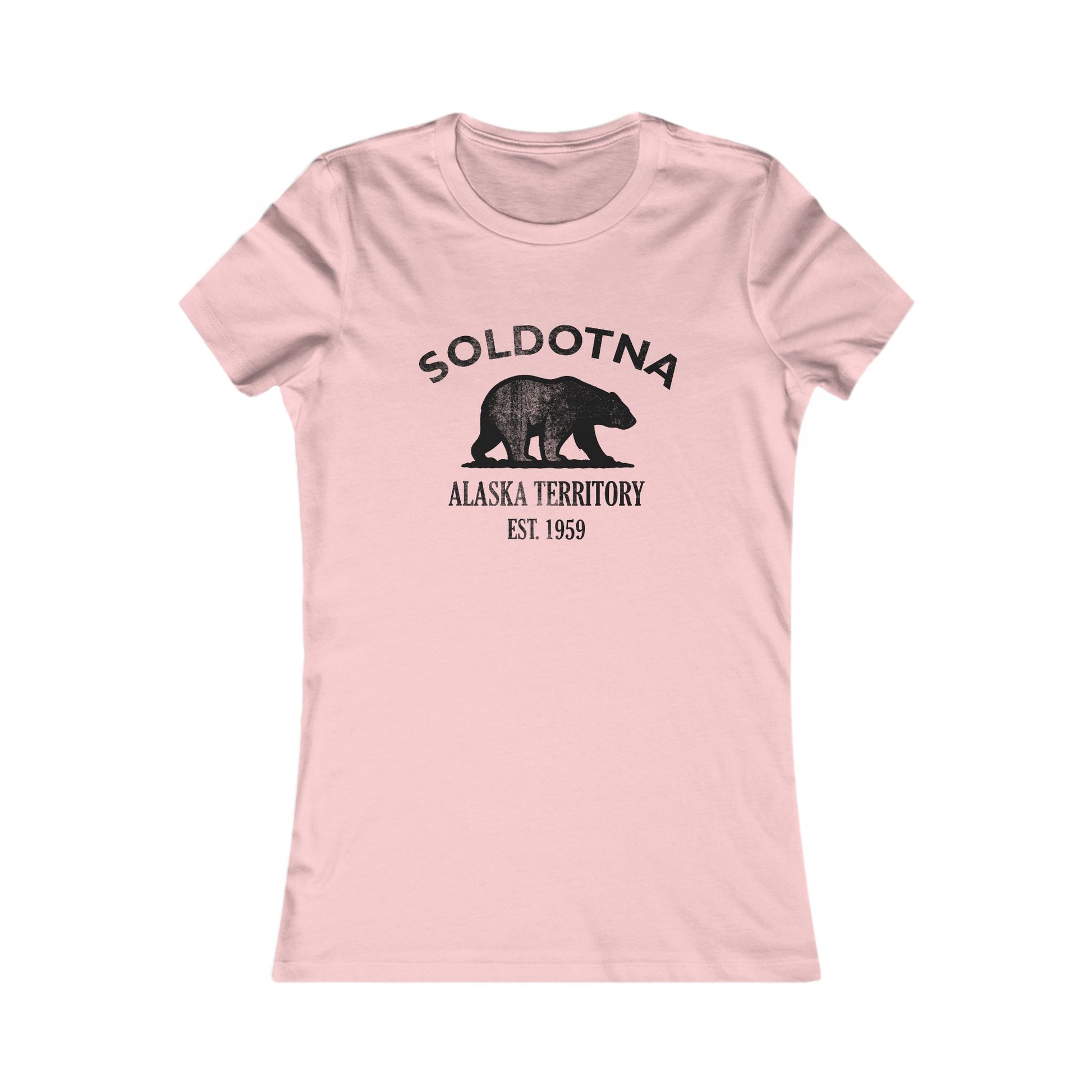
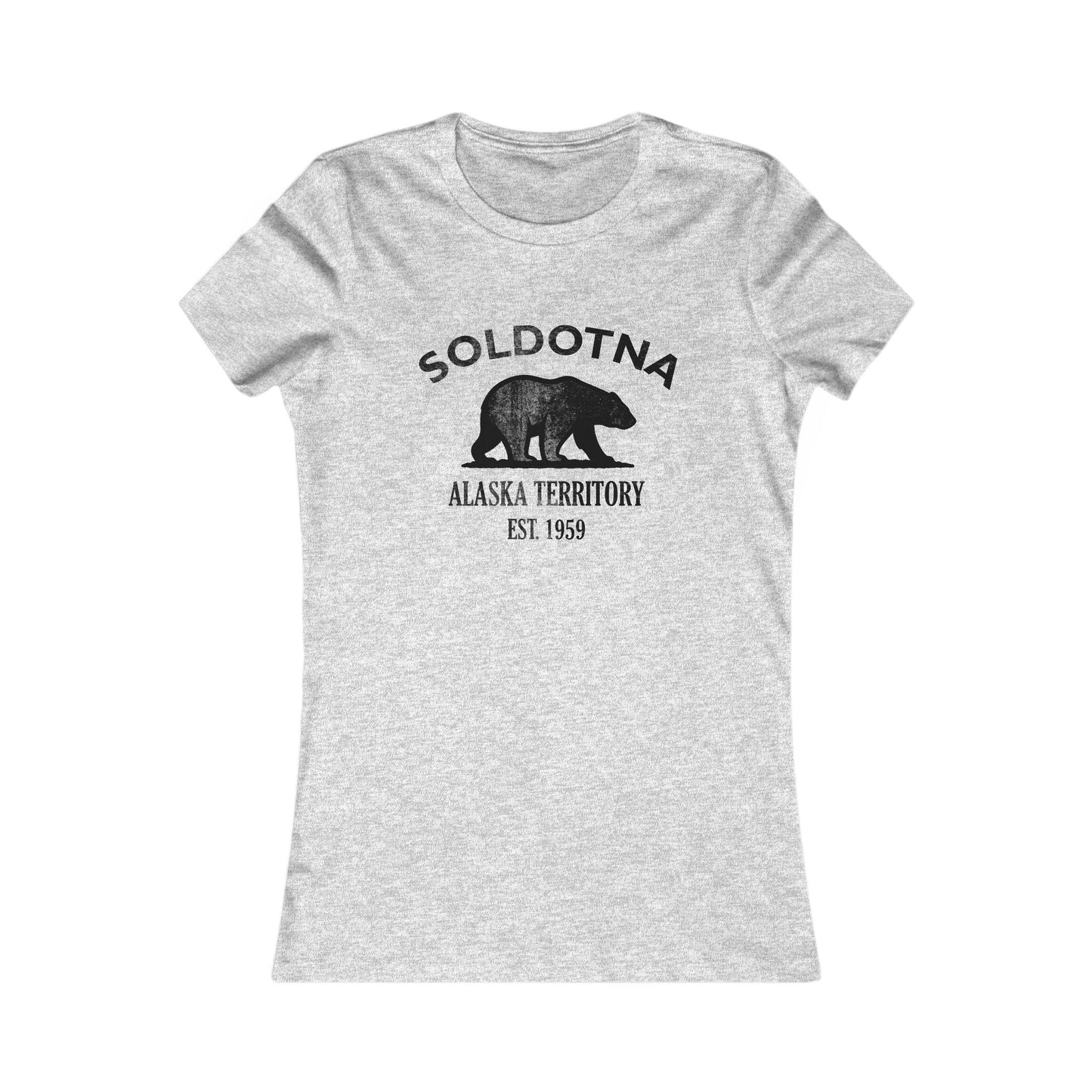
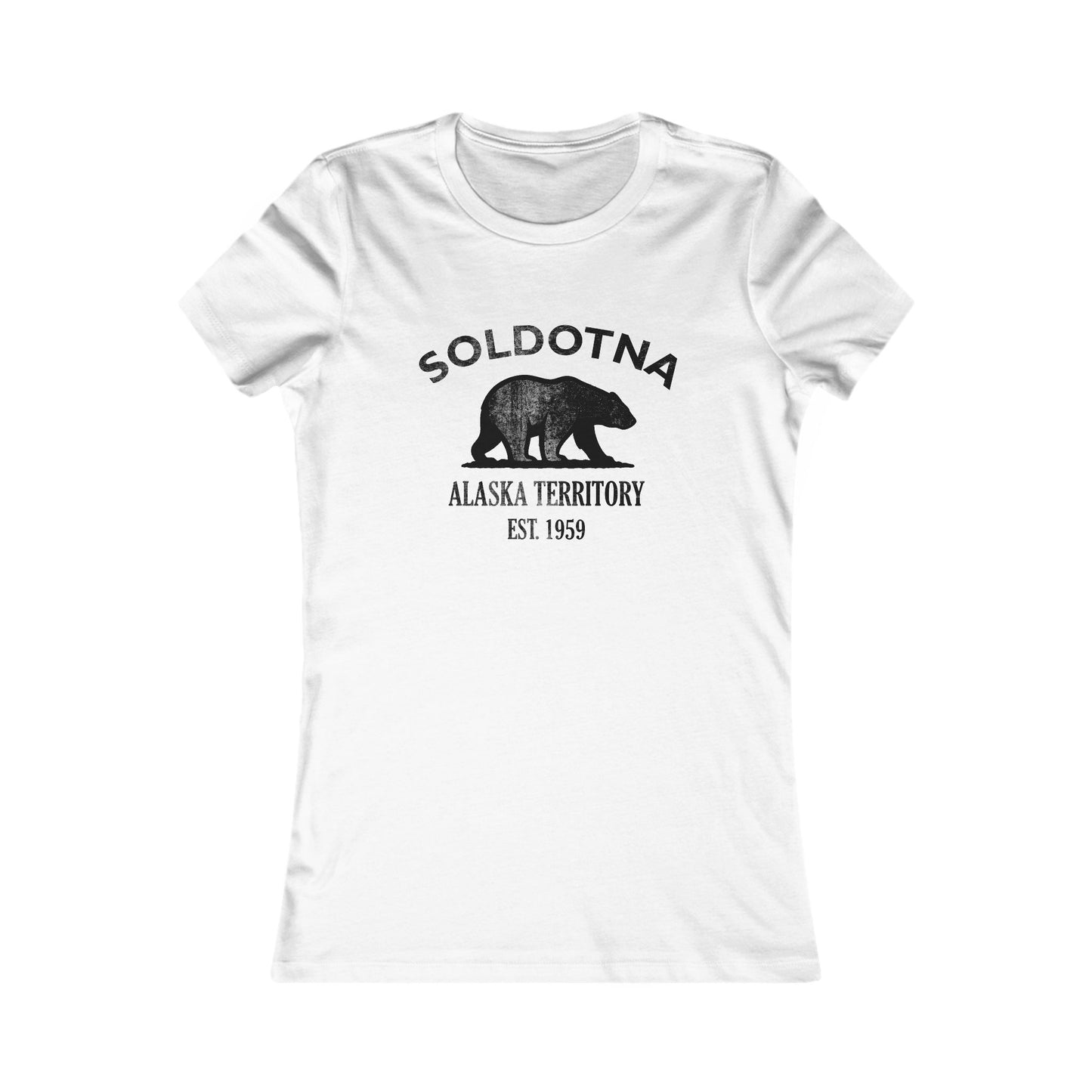
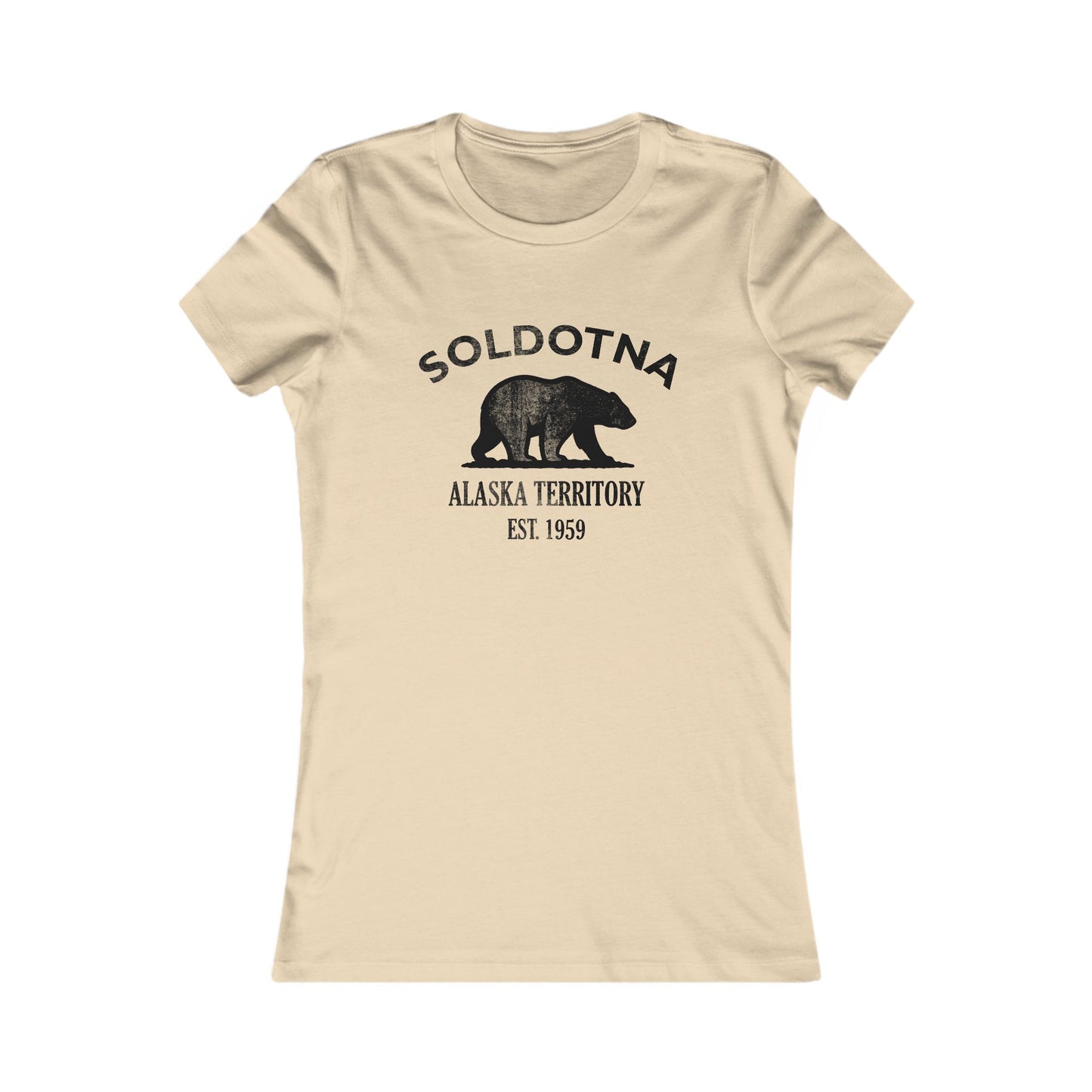
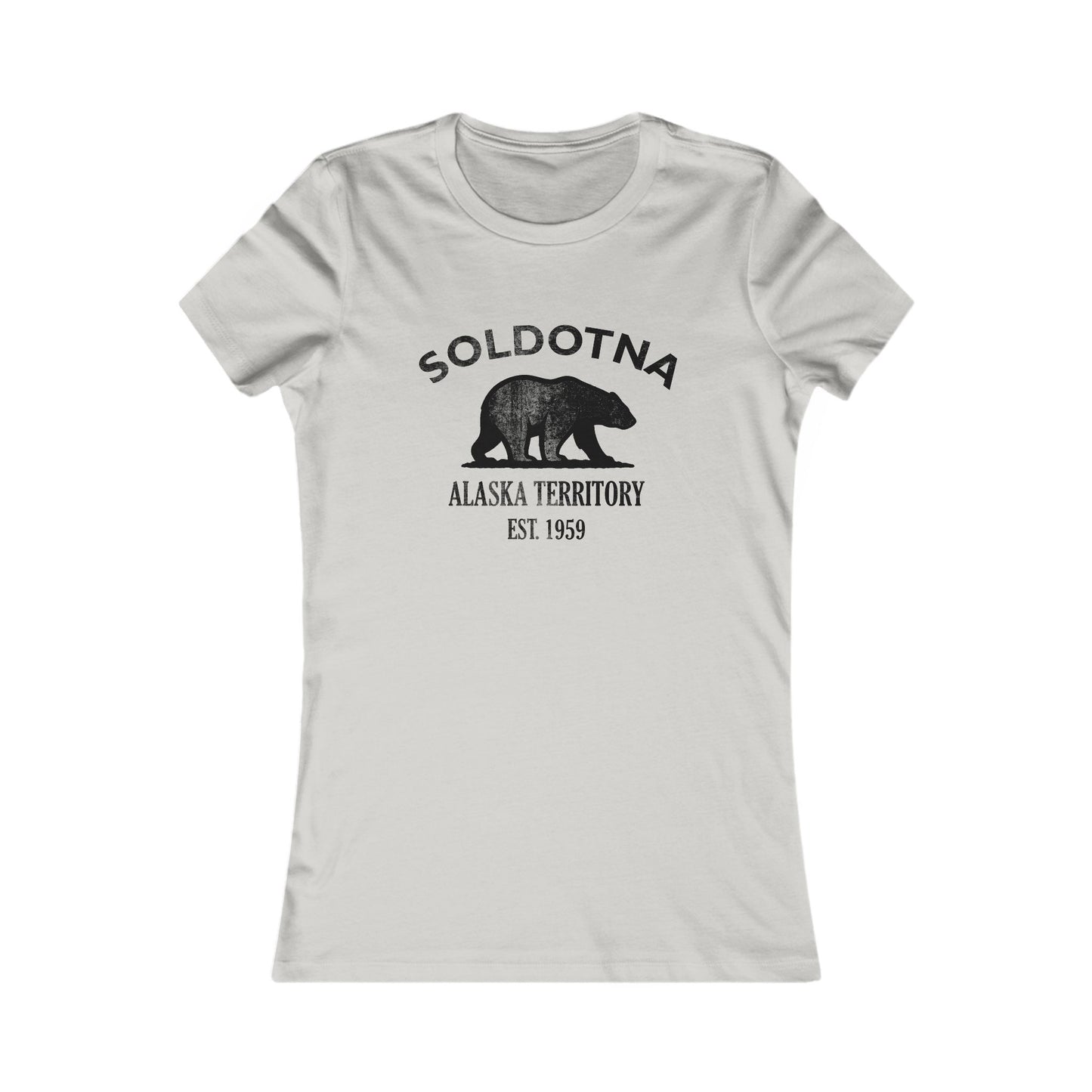
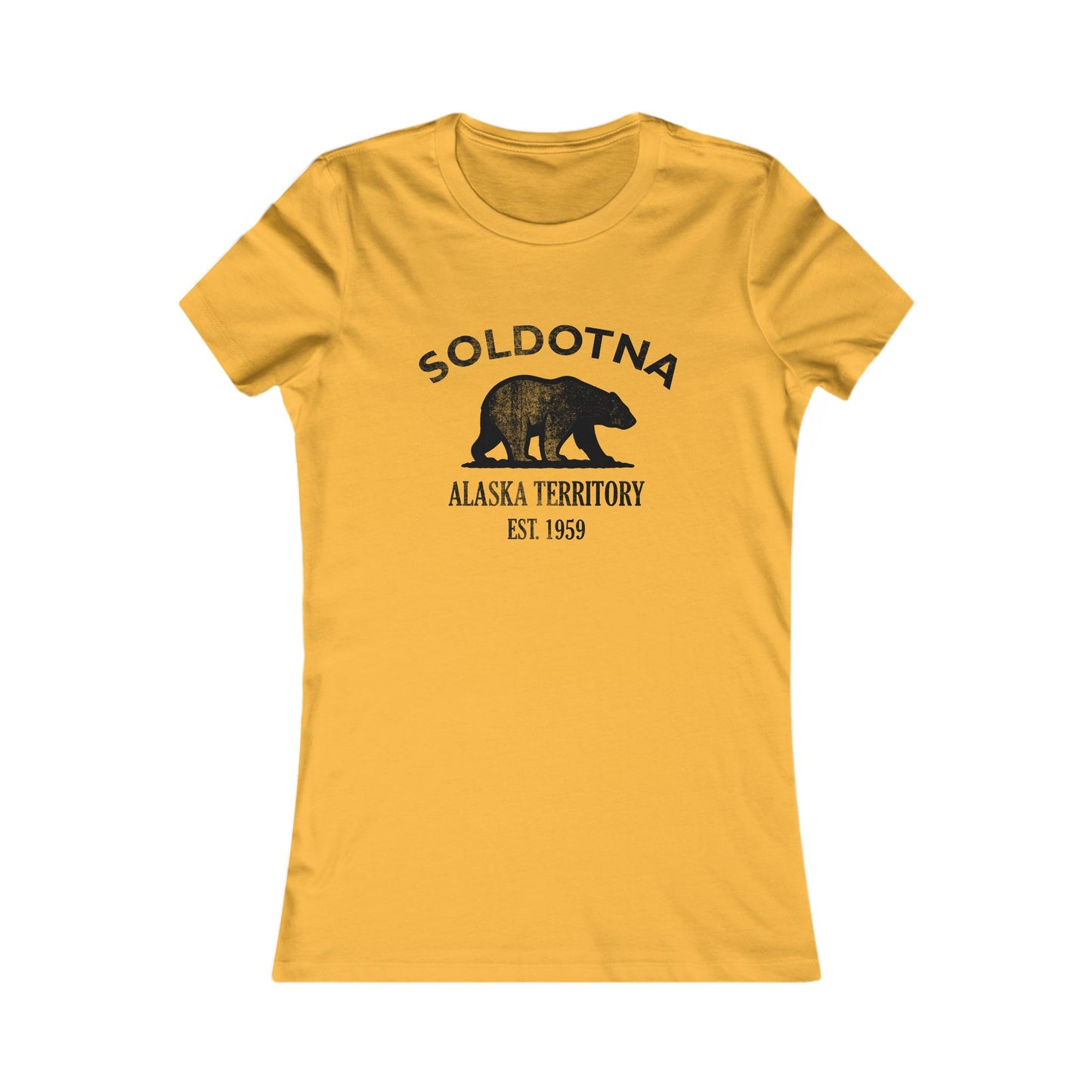
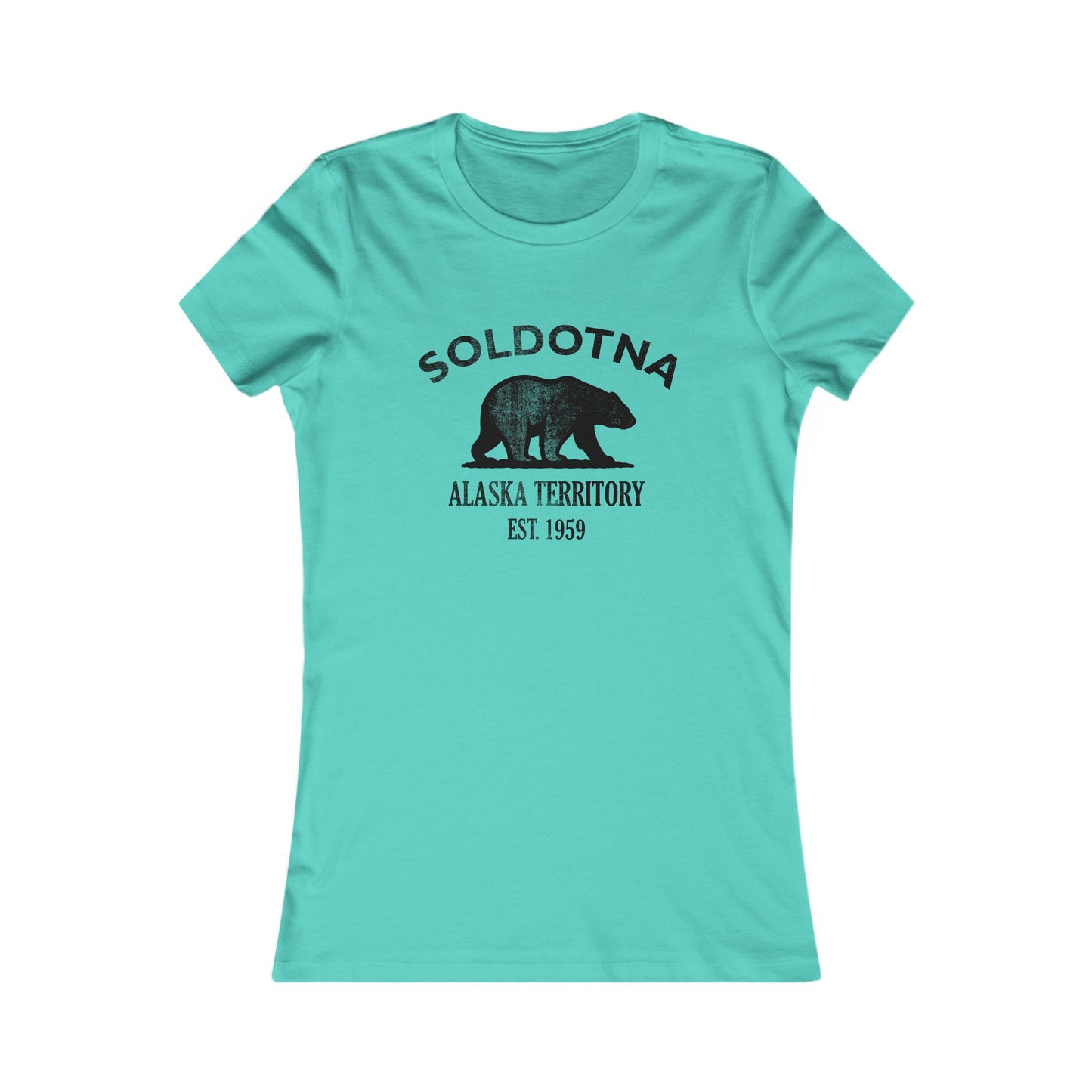
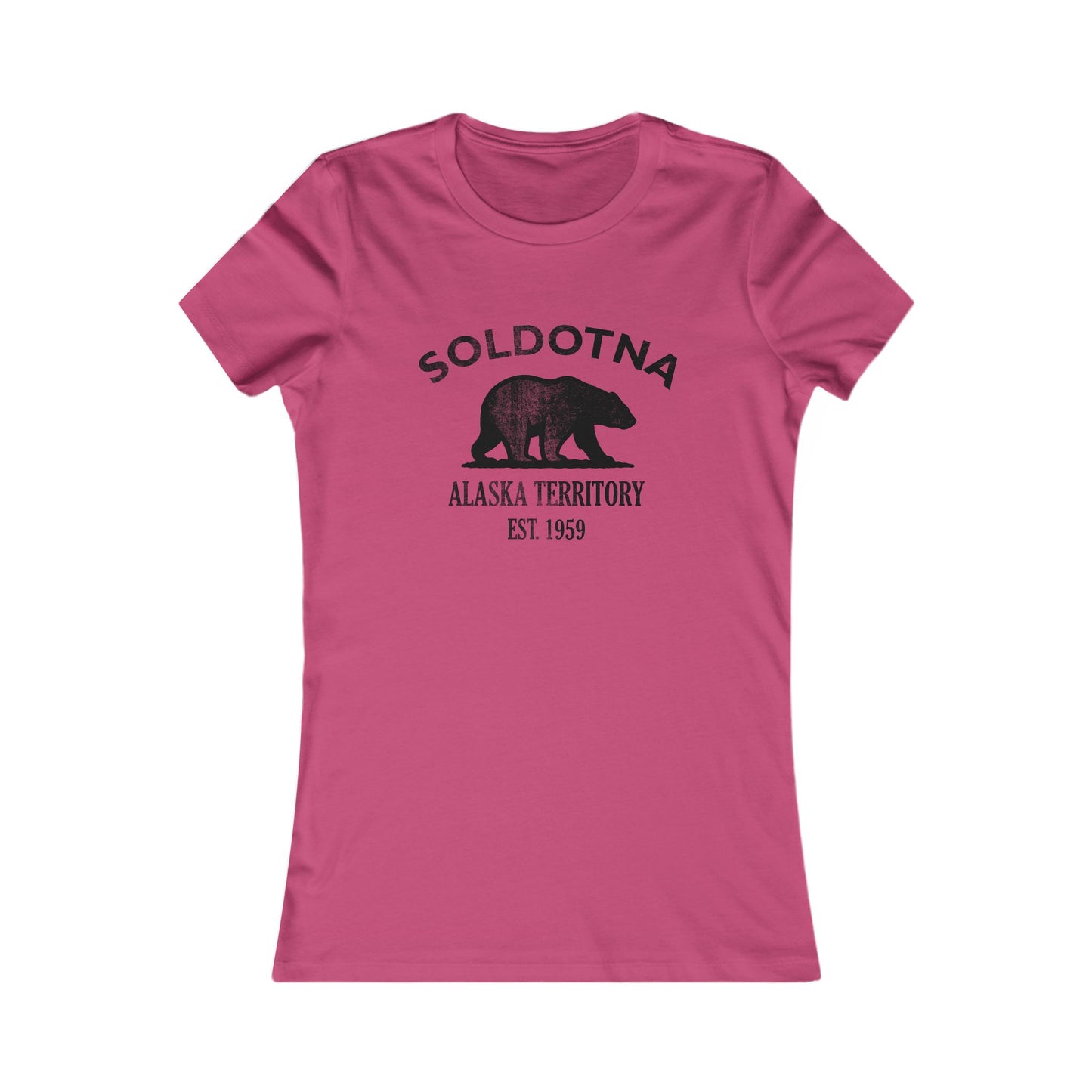
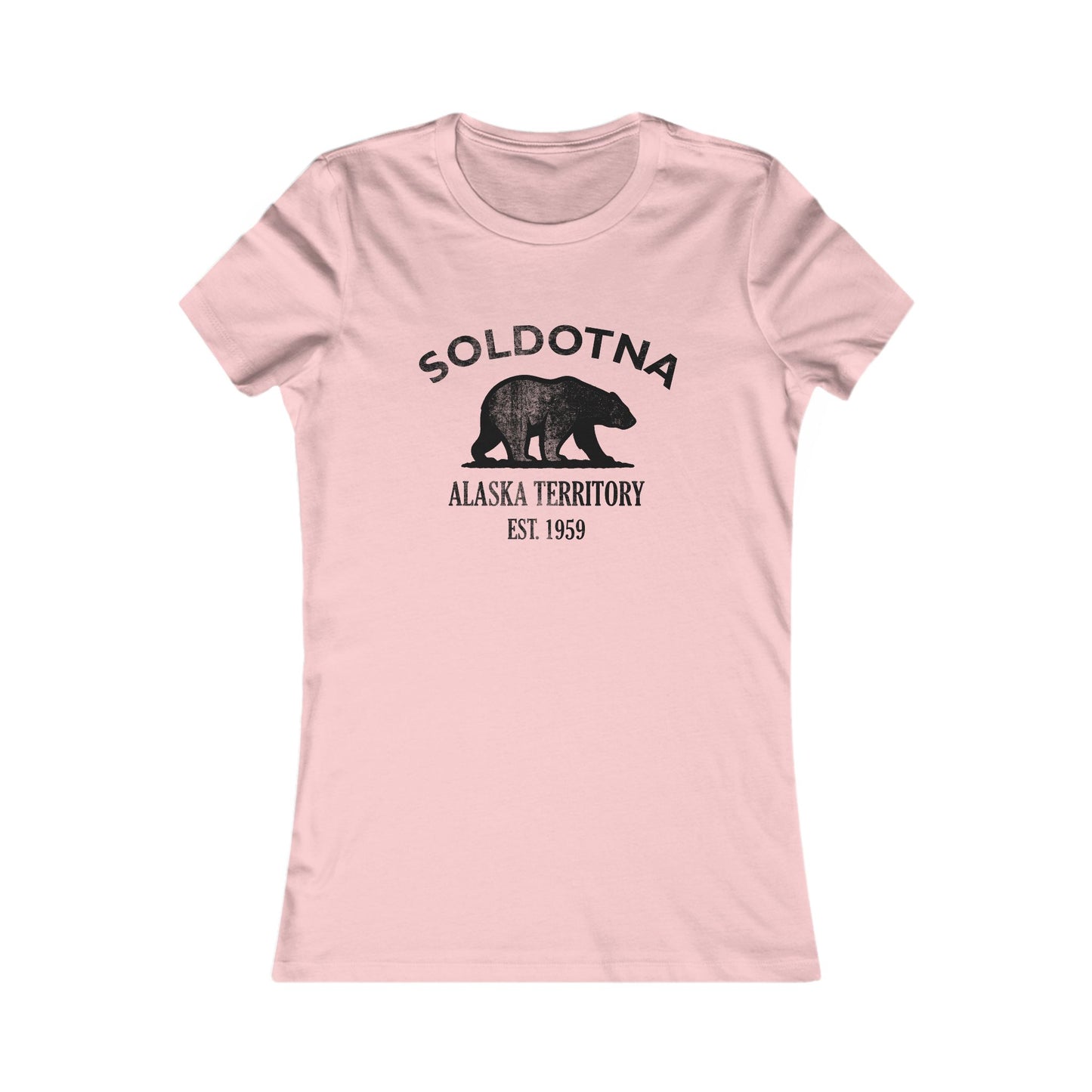
Our Soldotna logo carries the Alaska bear above ‘Alaska Territory — Est. 1959,’ the shared retro emblem of our Alaska towns; the bear stands for the wild country pressing right up to the edge of town, and 1959 marks the year Alaska became a state. Rendered distressed in black-and-white, like a crate stamp or an outfitter's brand, it ties Soldotna to every other Alaska town we make. What makes this one Soldotna is the town behind the brand — the homesteaders, the Kenai River, and the world-record king.
Why People Visit Soldotna
Visitors come to Soldotna for the Kenai River and stay for everything around it — the salmon runs, the wildlife refuge, the homestead history, and an easy, river-centered pace. It is the natural base for the whole central Peninsula, with drift boats and fish camps along the water in summer and the northern lights overhead in winter. Active, welcoming, and built around its river, Soldotna rewards anyone drawn to the great Alaska outdoors in any season.
