




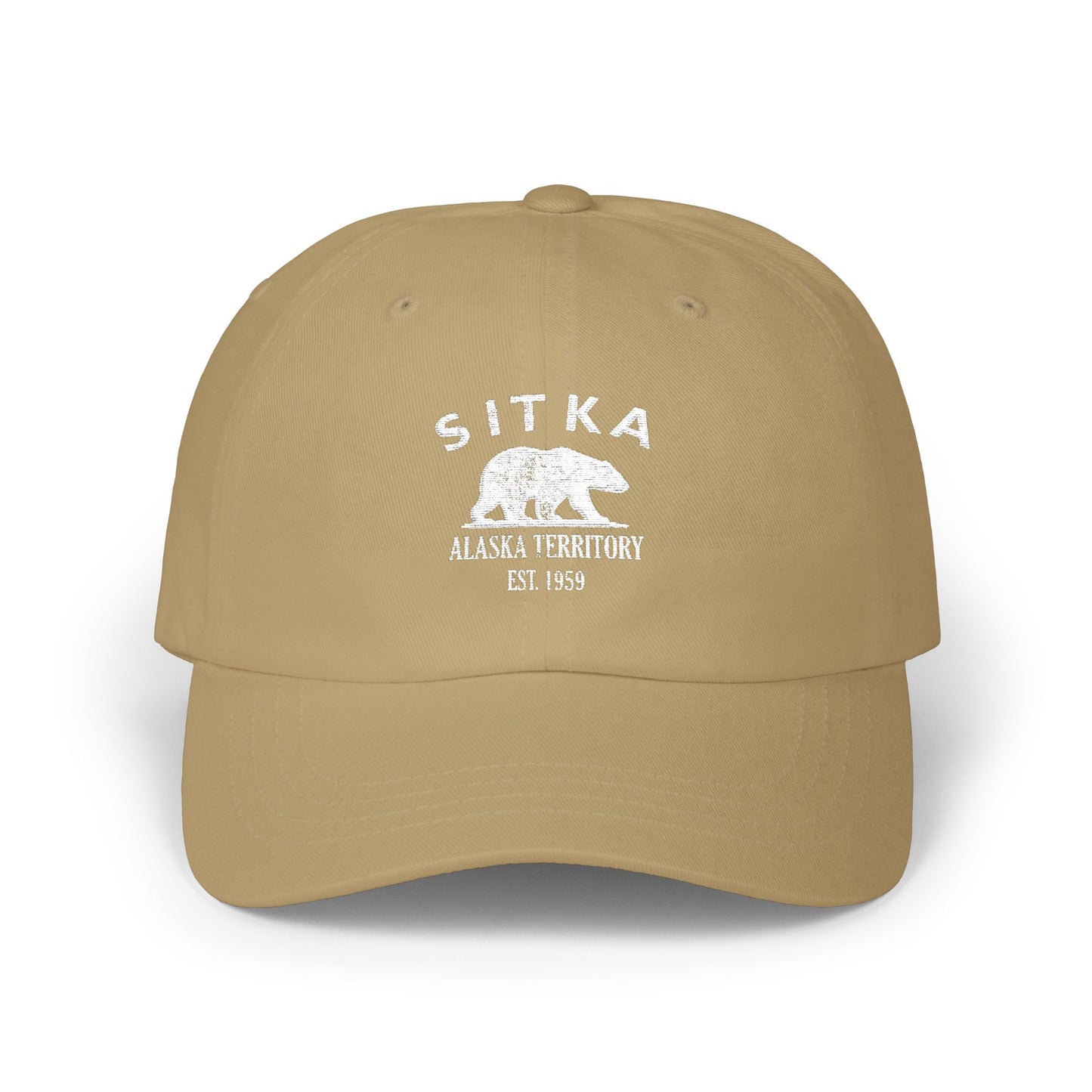
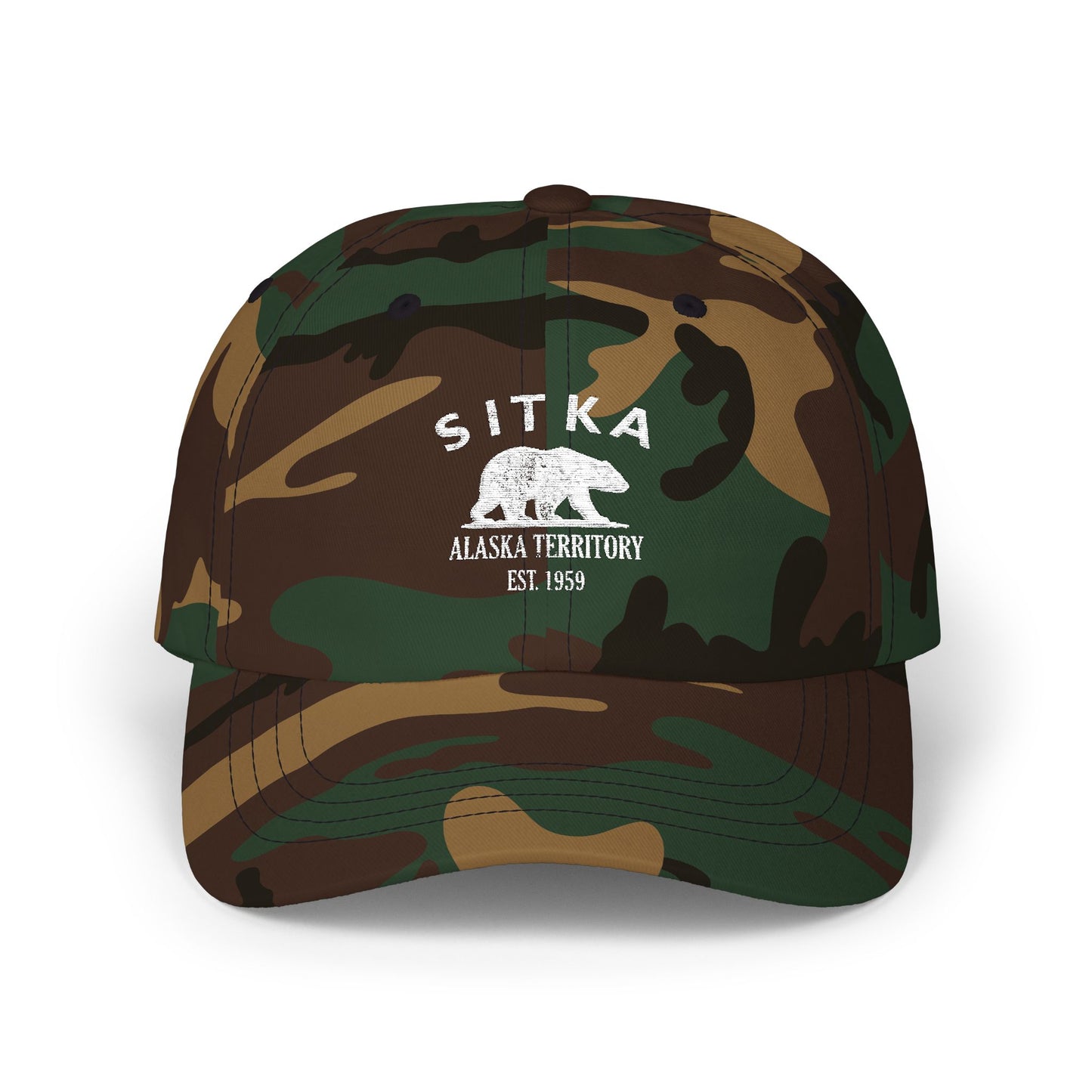
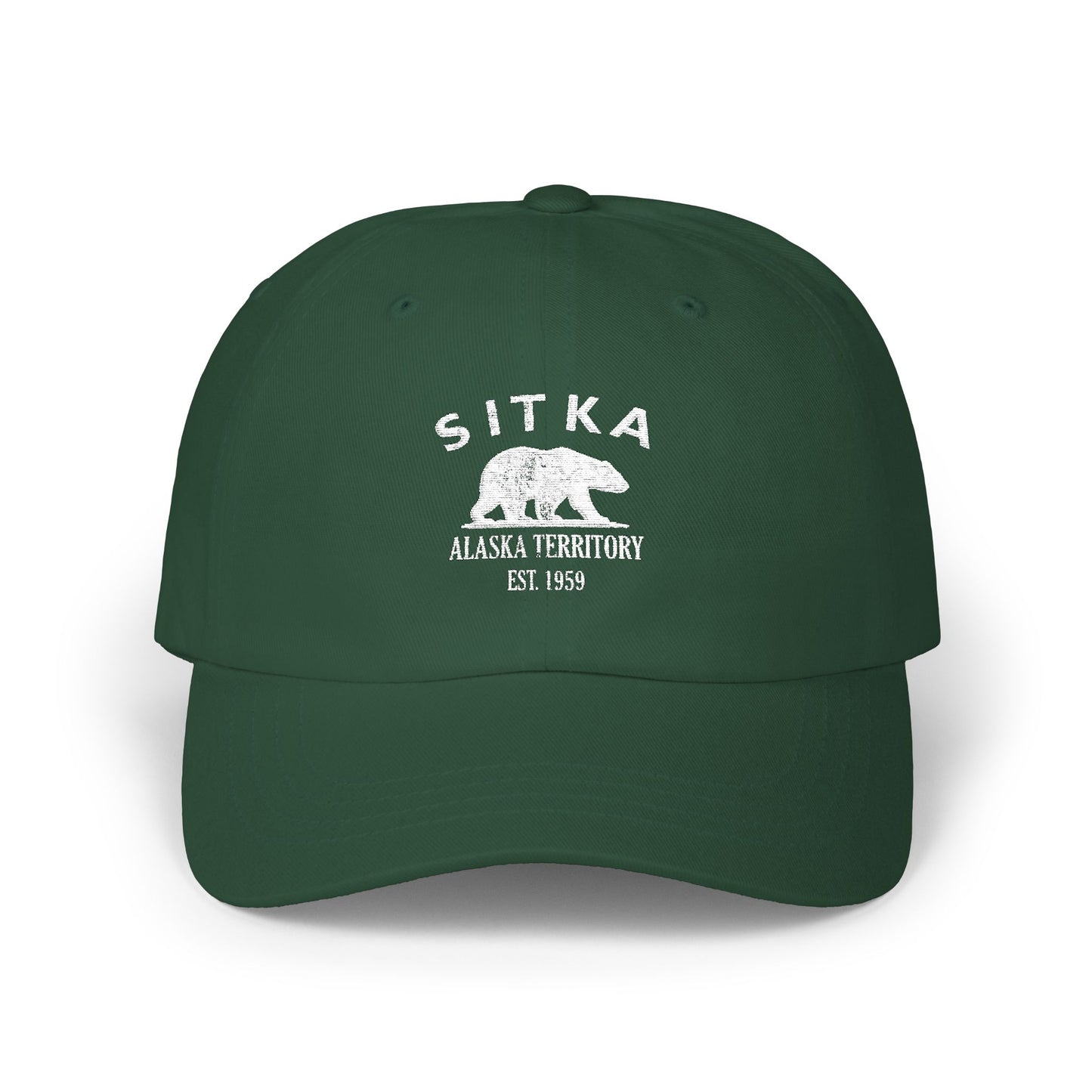

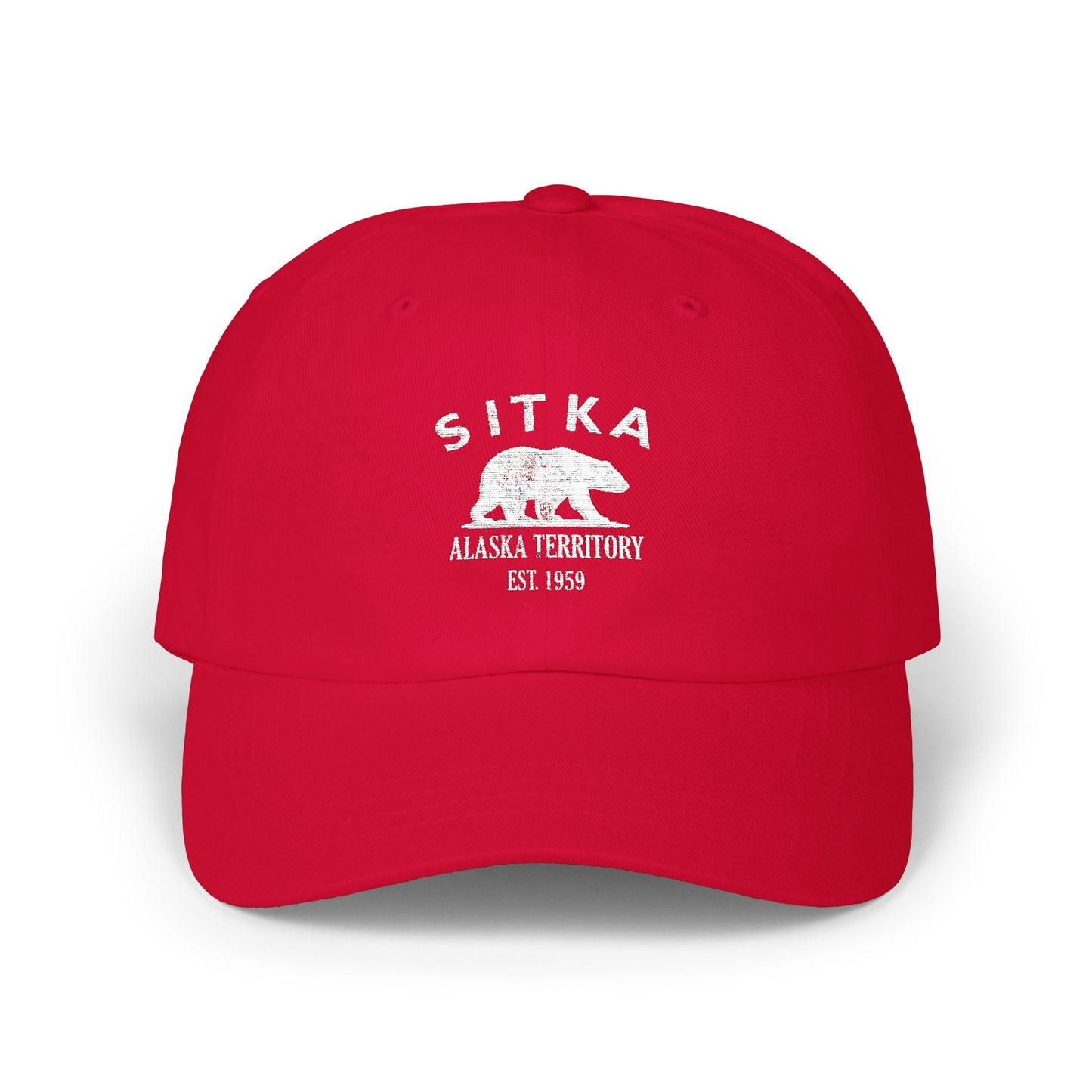
Today Sitka is celebrated for its cultural diversity, Russian churches, and Indigenous traditions. Its story reflects Native heritage, colonial roots, and American growth. Our Sitka designs embody this layered identity, pairing the bear motif with vintage styling. They invite you to explore the Sitka collection and carry forward a reminder of Alaska's resilience. Retro in tone, the logo reflects authenticity and cultural pride. Sitka's emblem honors both heritage and modern growth, making it a vintage symbol of Alaska's identity. Explore the collection and share in Sitka's story of resilience, heritage, and cultural continuity.
In the nineteenth century, Sitka thrived as a colonial capital. After 1867, it became an American trading hub. Fishing and logging supported its economy. By the 1950s and 1960s, Sitka expanded with schools, churches, and cultural festivals. Suburban neighborhoods balanced with fishing traditions. Its timeline reflects Alaska's adaptability: colonial capital transformed into modern community. Sitka's mid-century decades highlighted continuity and cultural pride, blending Russian heritage, Indigenous traditions, and suburban optimism. The town demonstrated resilience, showing how layered identities endured even as modern development grew. Sitka's story reflects Alaska's broader narrative of cultural continuity and endurance.
Why People Visit Sitka Alaska
Sitka offers world-historical depth in a working Alaska fishing town — Tlingit heritage, Russian Imperial architecture, the birthplace of Alaska Day, old-growth coastal rainforest, totem poles, and a working harbor — all within a walkable downtown along the outer Pacific. Visitors combine cathedral and museum stops with rainforest trails, whale-watching, raptor rehabilitation tours, and the simple pleasure of standing on the hill where the flags changed in 1867. It is photogenic, walkable, and unlike any other town on the Alaska coast.
