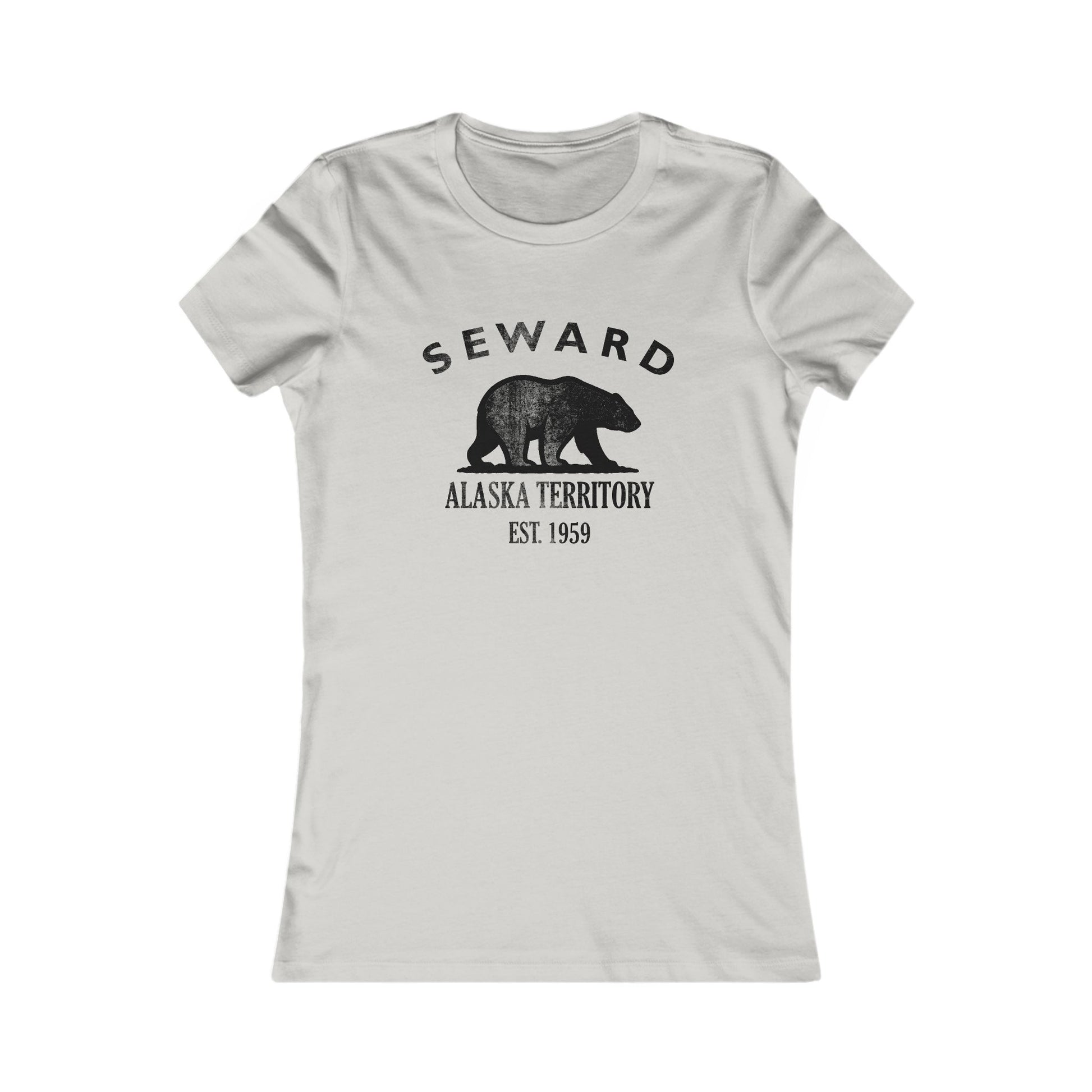
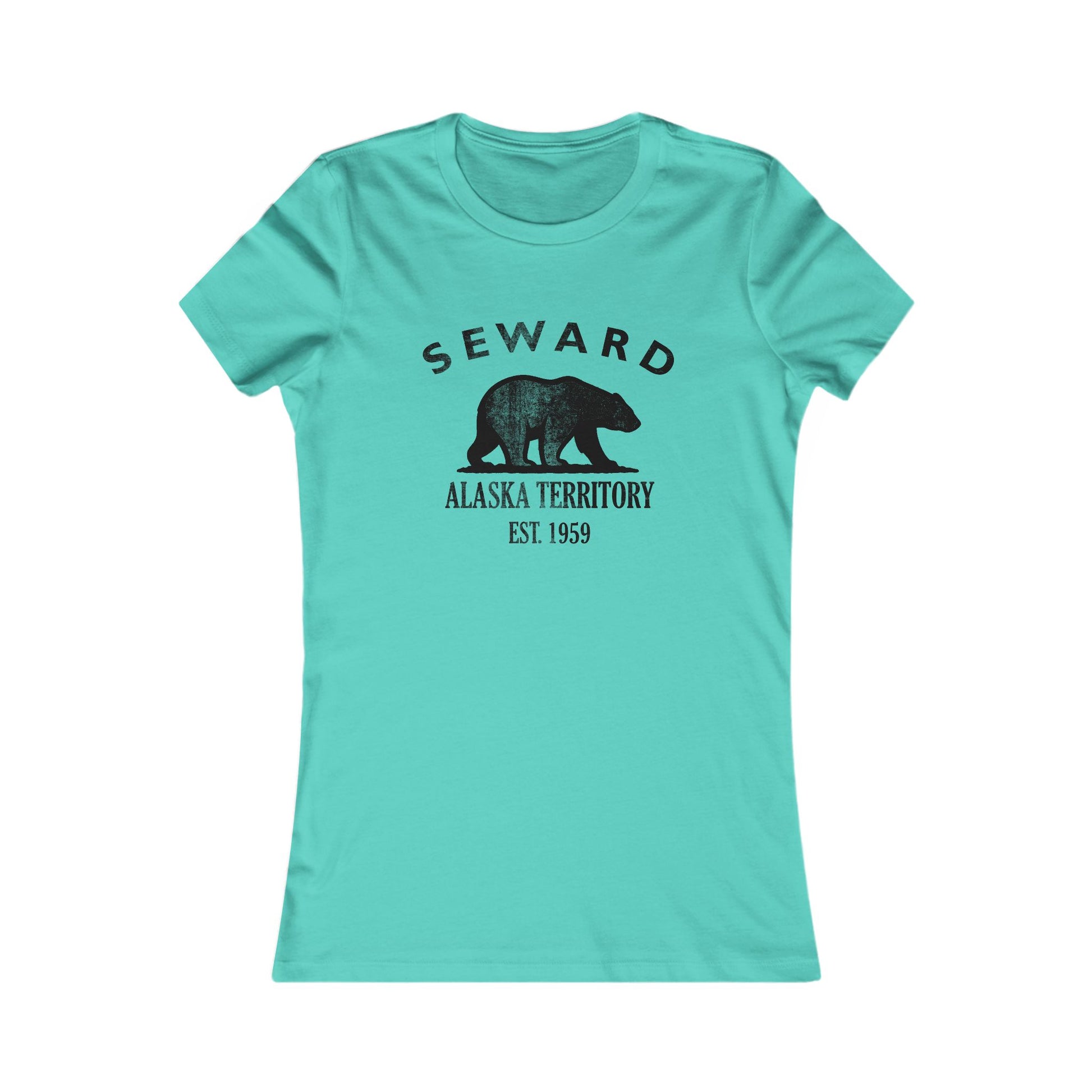
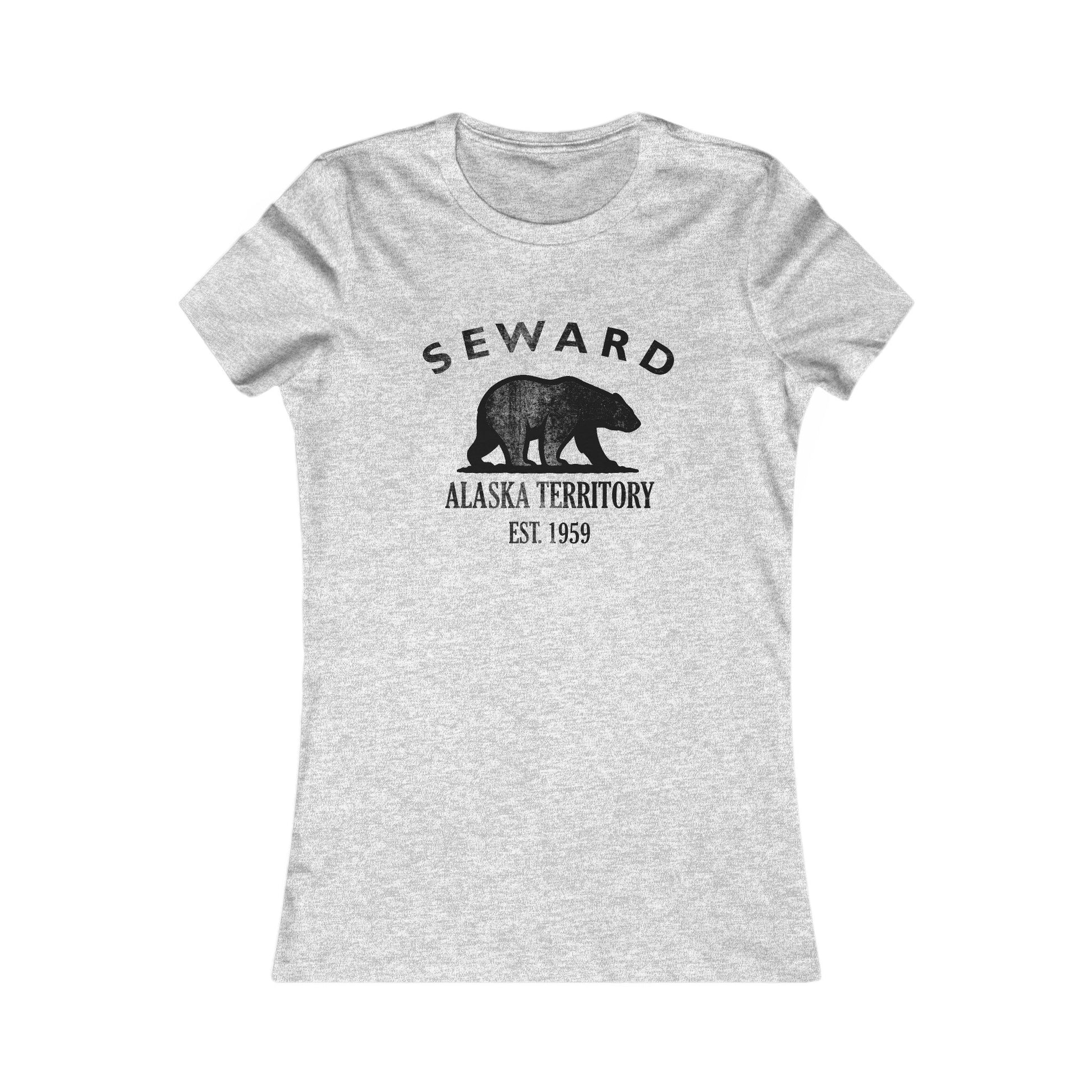
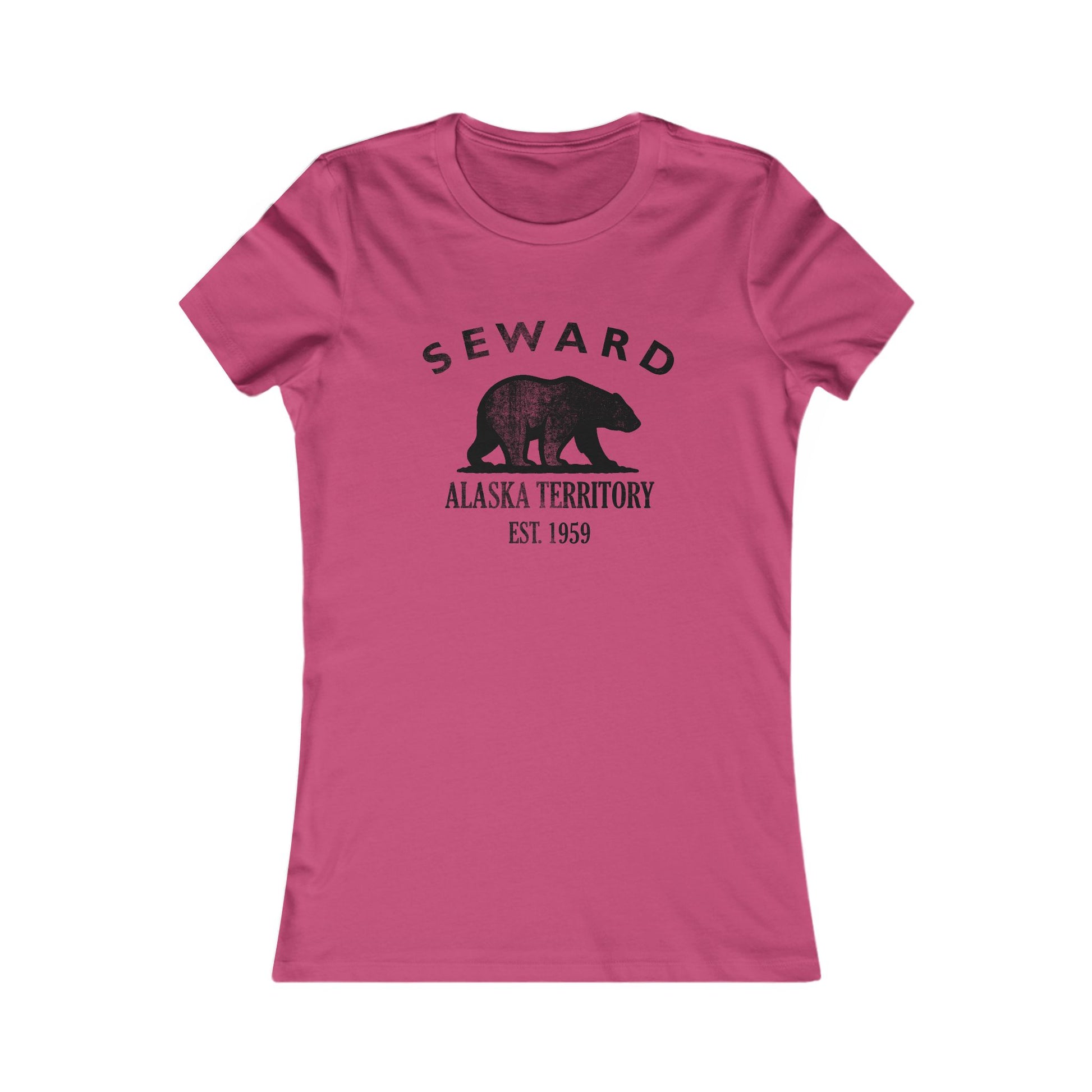
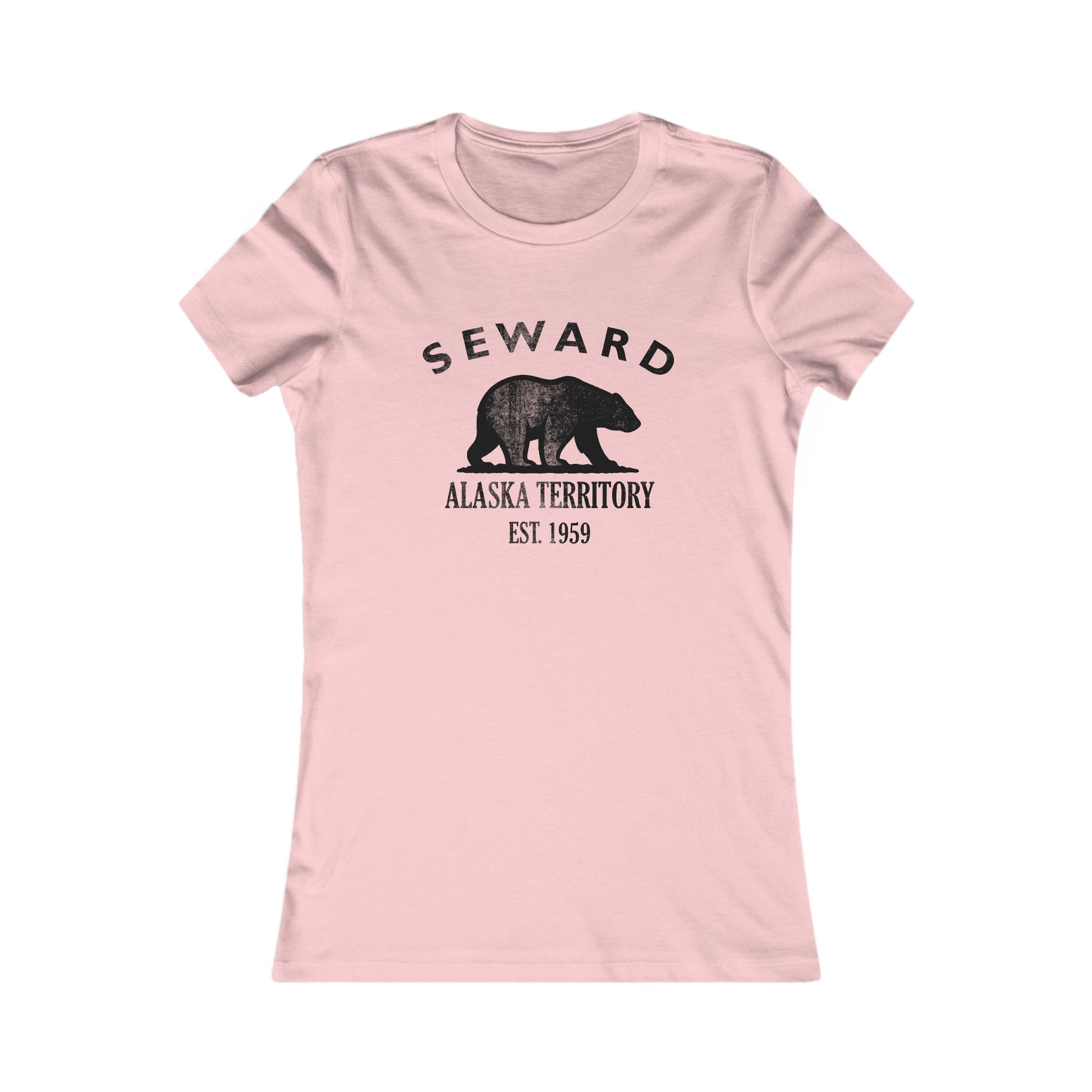
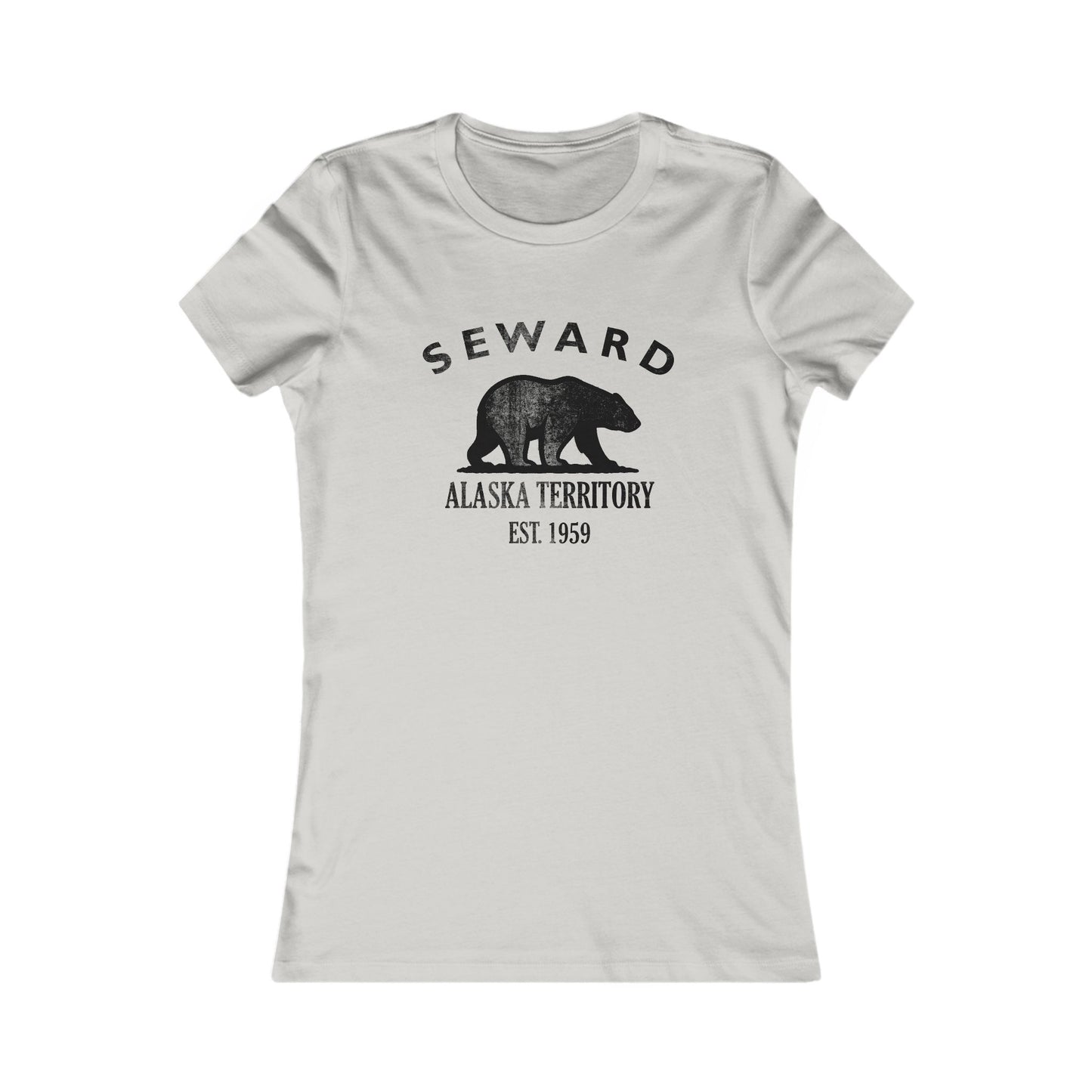
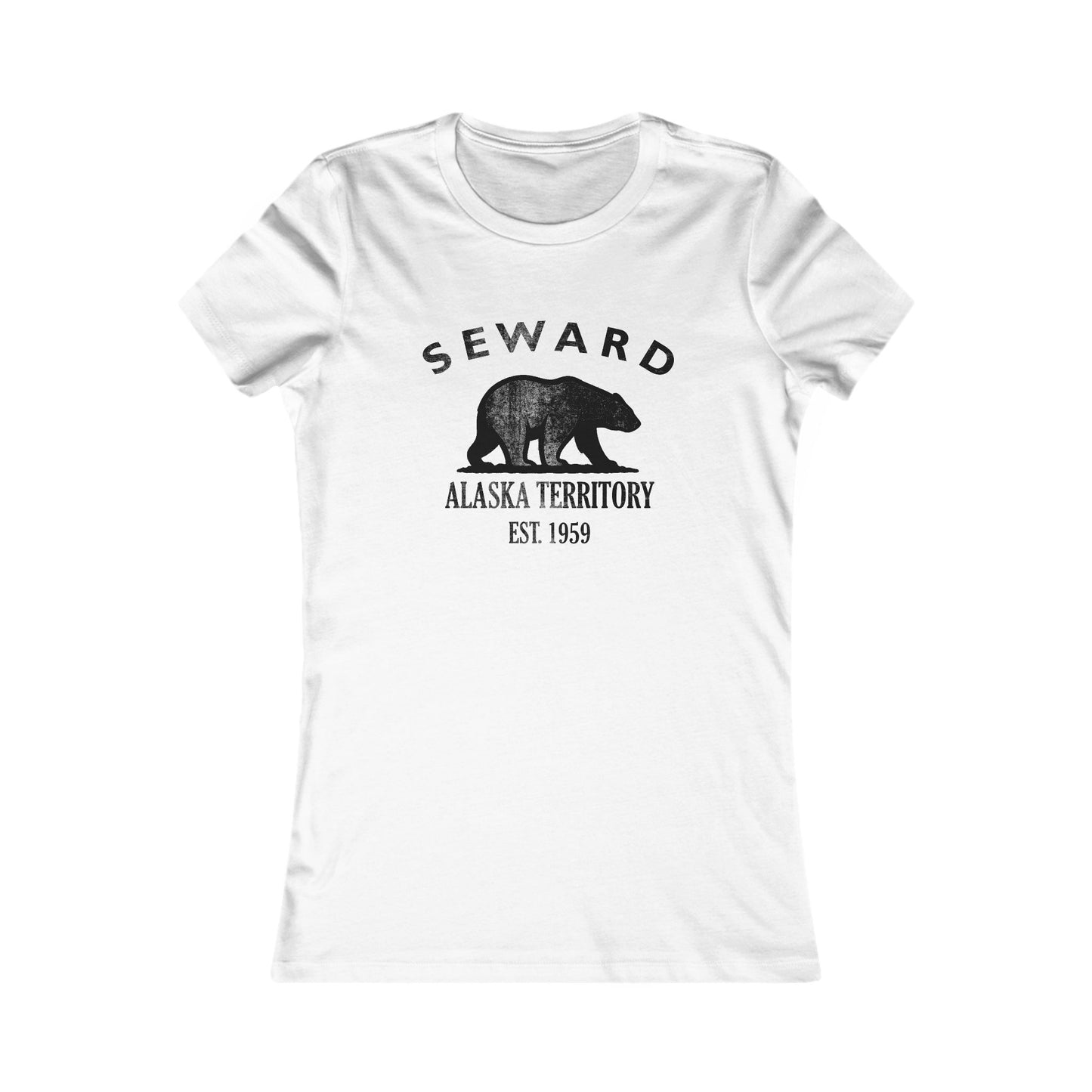
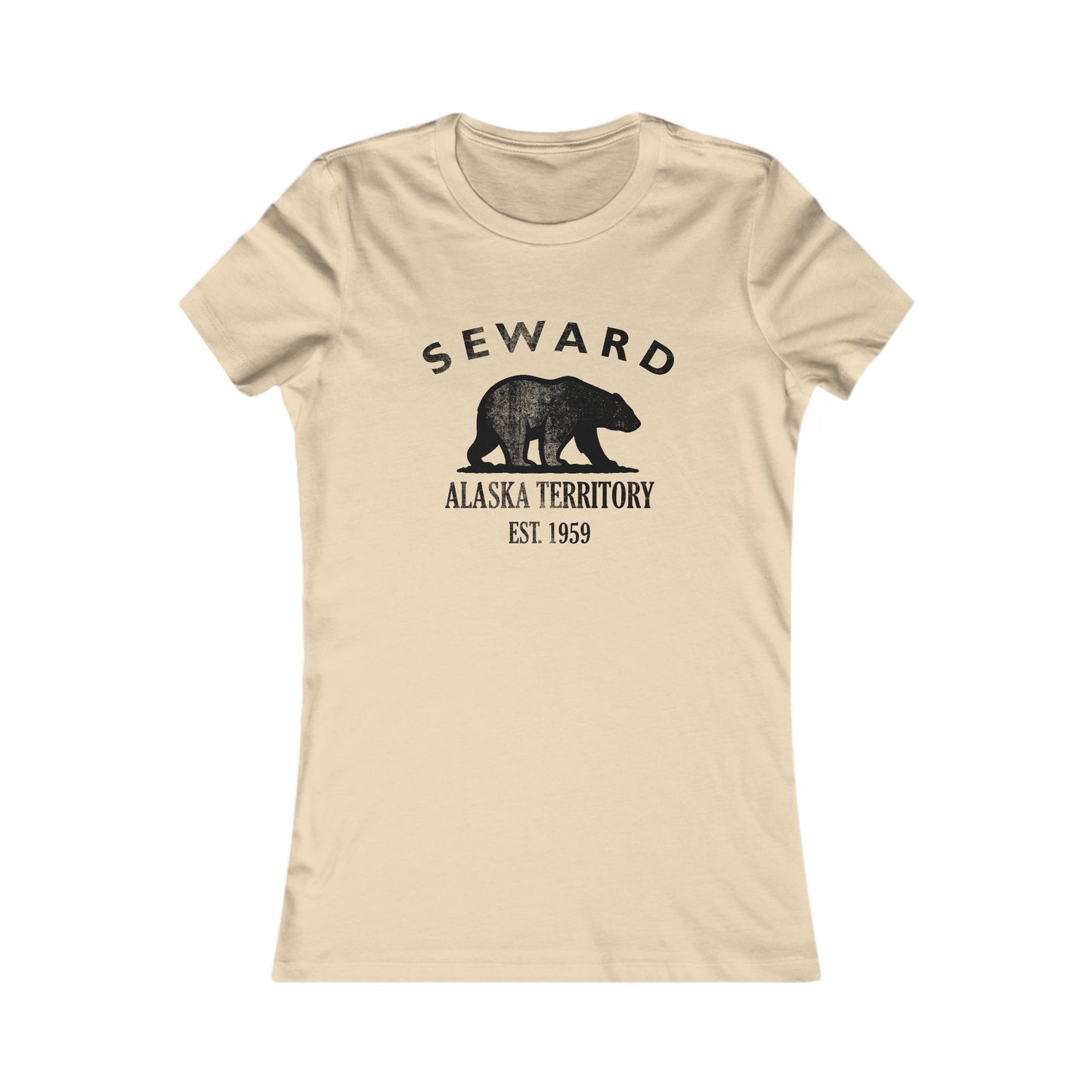
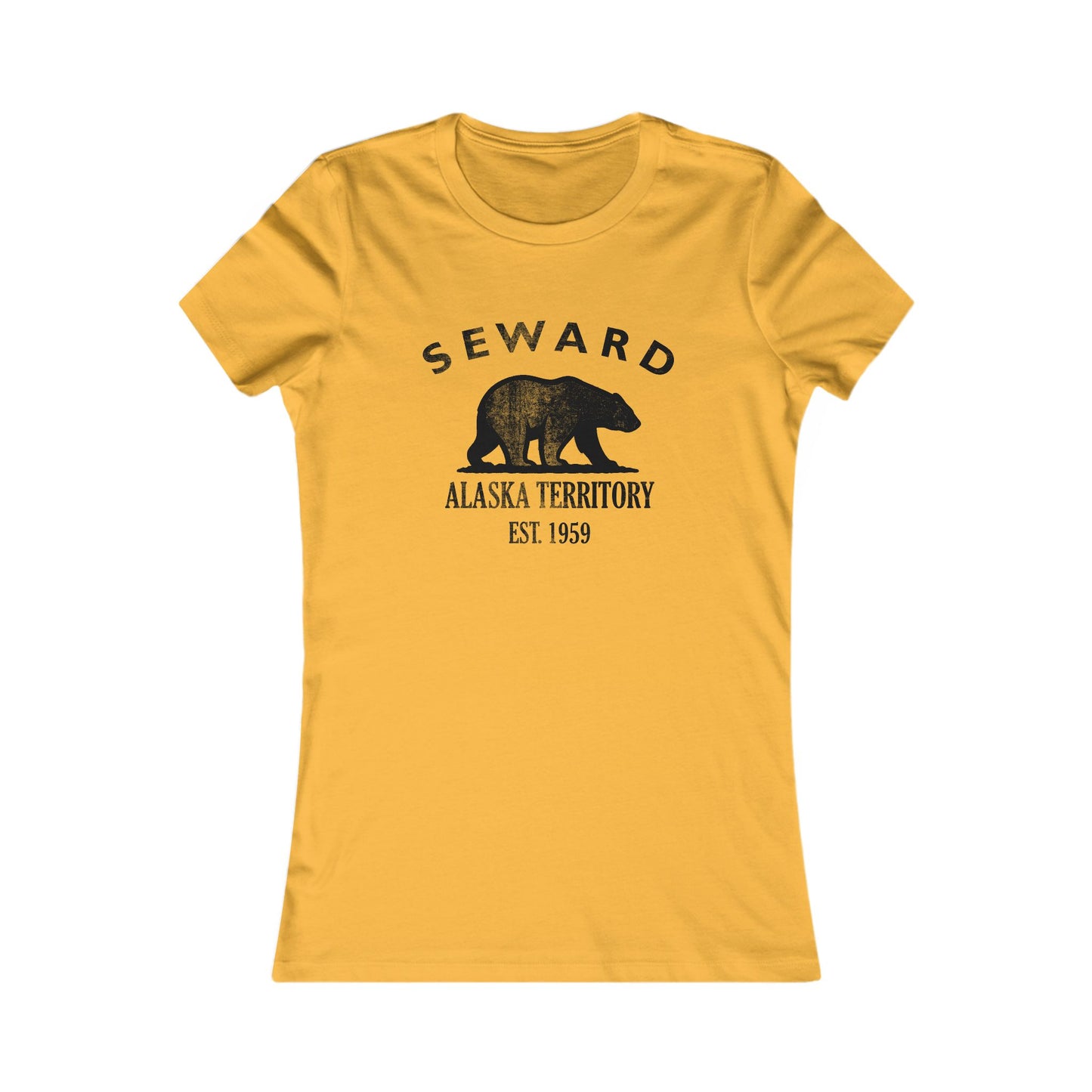
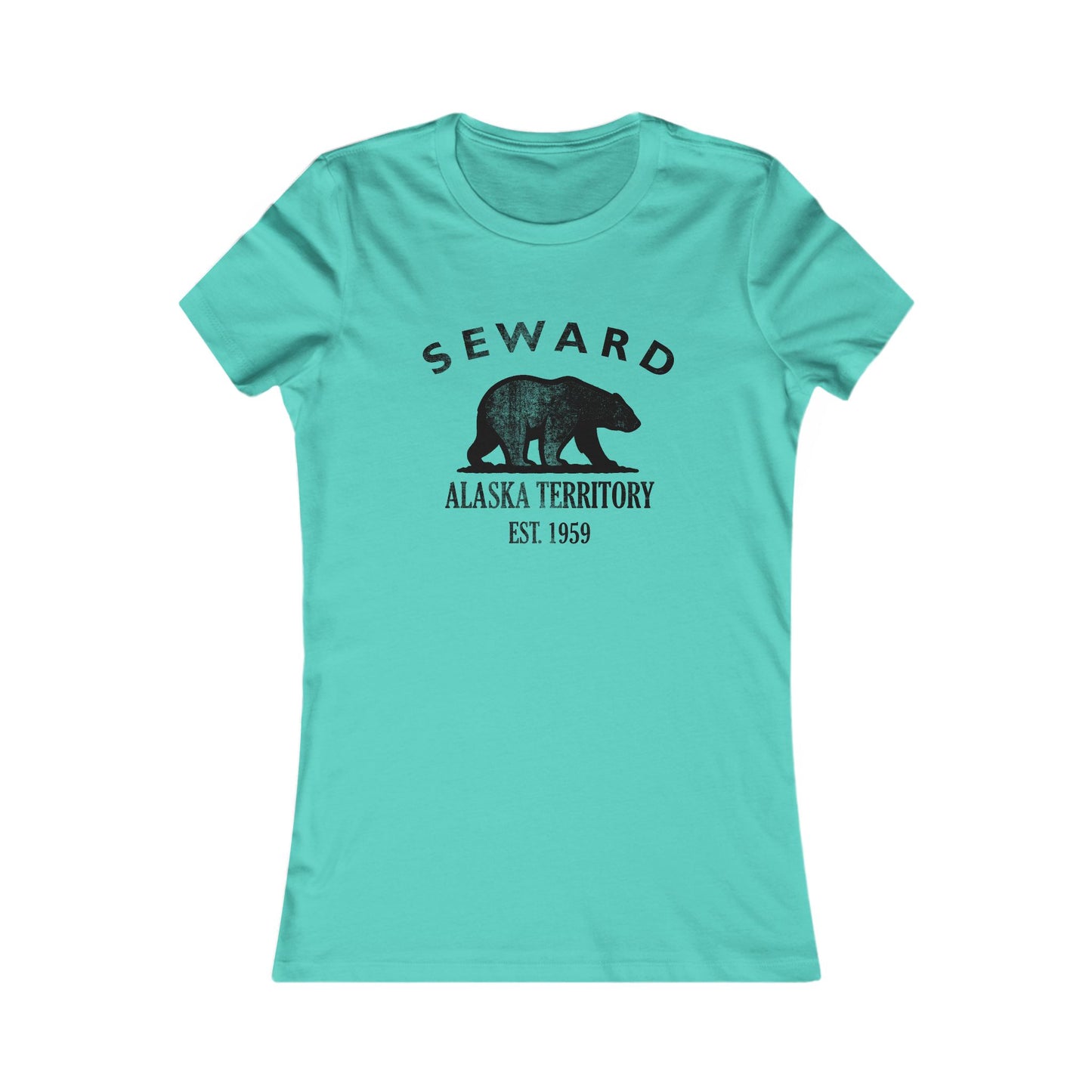
Seward has been tested as hard as any town in Alaska. On Good Friday in 1964, the great earthquake and the tsunami that followed tore through the waterfront, wrecking the harbor and the rail terminal and burning the fuel tanks along the shore; a large share of the town was lost. Seward rebuilt, as it always has, and was named an All-America City three times over. The harbor you see today was raised from that wreckage.
So Seward gathers a Russian-named bay, the end of the rails, Mile 0 of a gold-rush trail, and the flag of Alaska itself onto one deep, ice-free harbor. Our Seward designs gather that into wearable form. Wear the history. Mile 0, on Resurrection Bay.
Why People Visit Seward
Seward blends marine science with glacier access and harbor life. Visitors mix easy waterfront walks with boat tours, public art, and museums, all beneath the mountains. It is dramatic, friendly, and photogenic, with year-round appeal in its parks, paths, and public spaces. Frontier railroad history and the wild coast sit side by side here — history and everyday Alaska life together in a welcoming way.
