The confluence of the Sacramento and American Rivers had been Nisenan (Maidu) homeland for thousands of years. In 1839 a Swiss emigrant, John Sutter, built a fort he called New Helvetia near the rivers and ran a private agricultural colony on Nisenan land — the settlement that became Sacramento began at his gate. The Gold Rush that followed brought enormous wealth and, for the Nisenan and other Native peoples of the valley, displacement, disease, and violence; the fort still stands as a state historic park, a record of where the city started and at what cost.
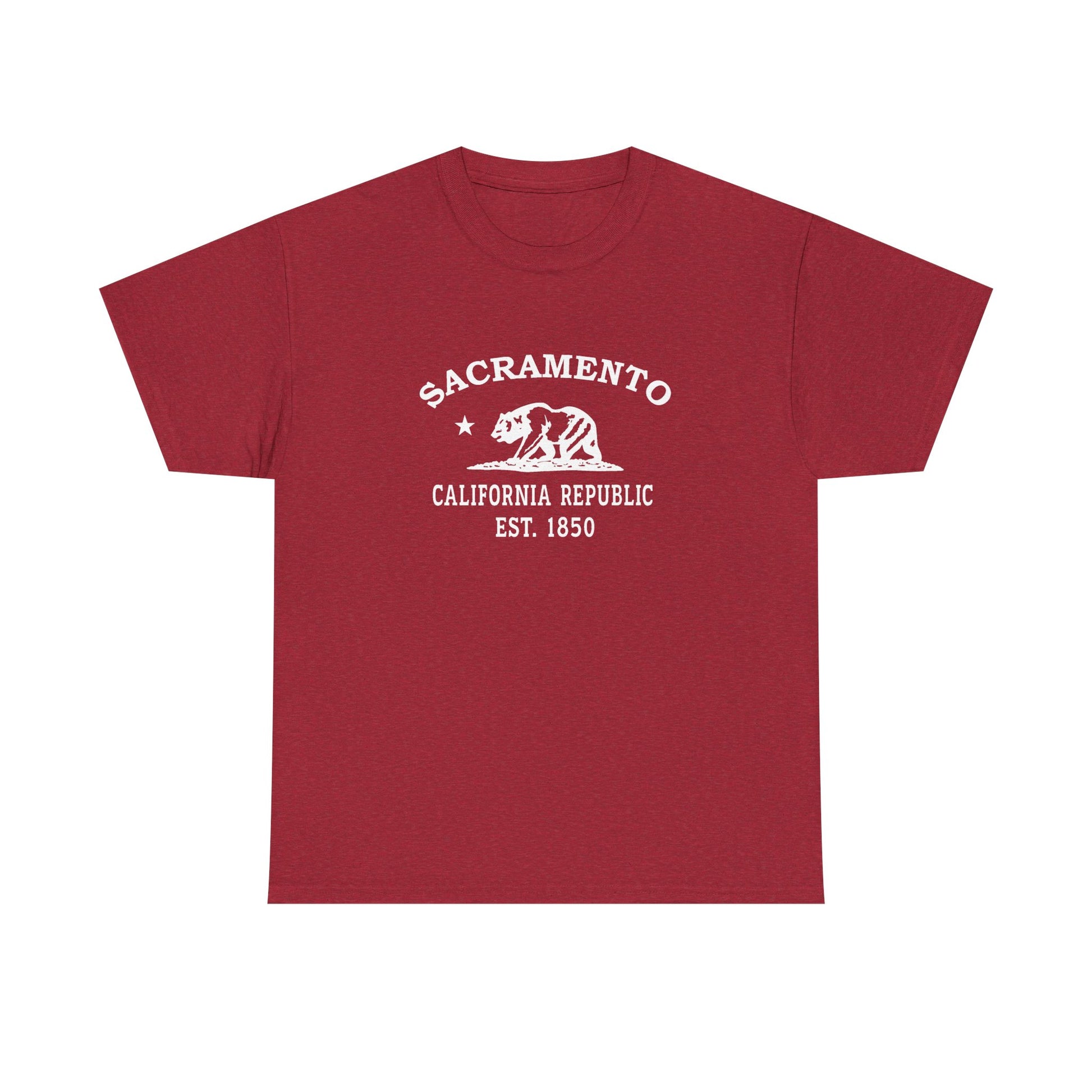
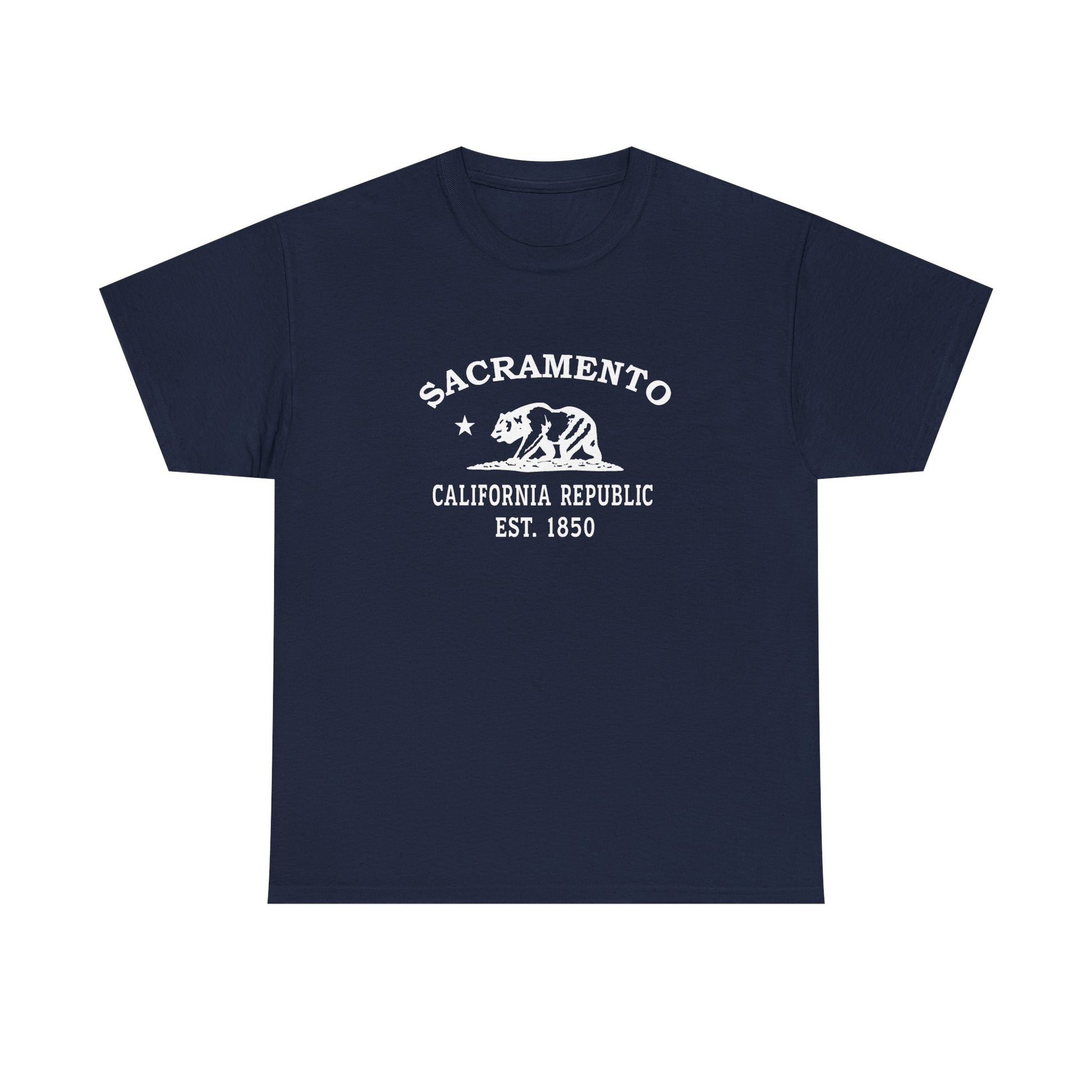
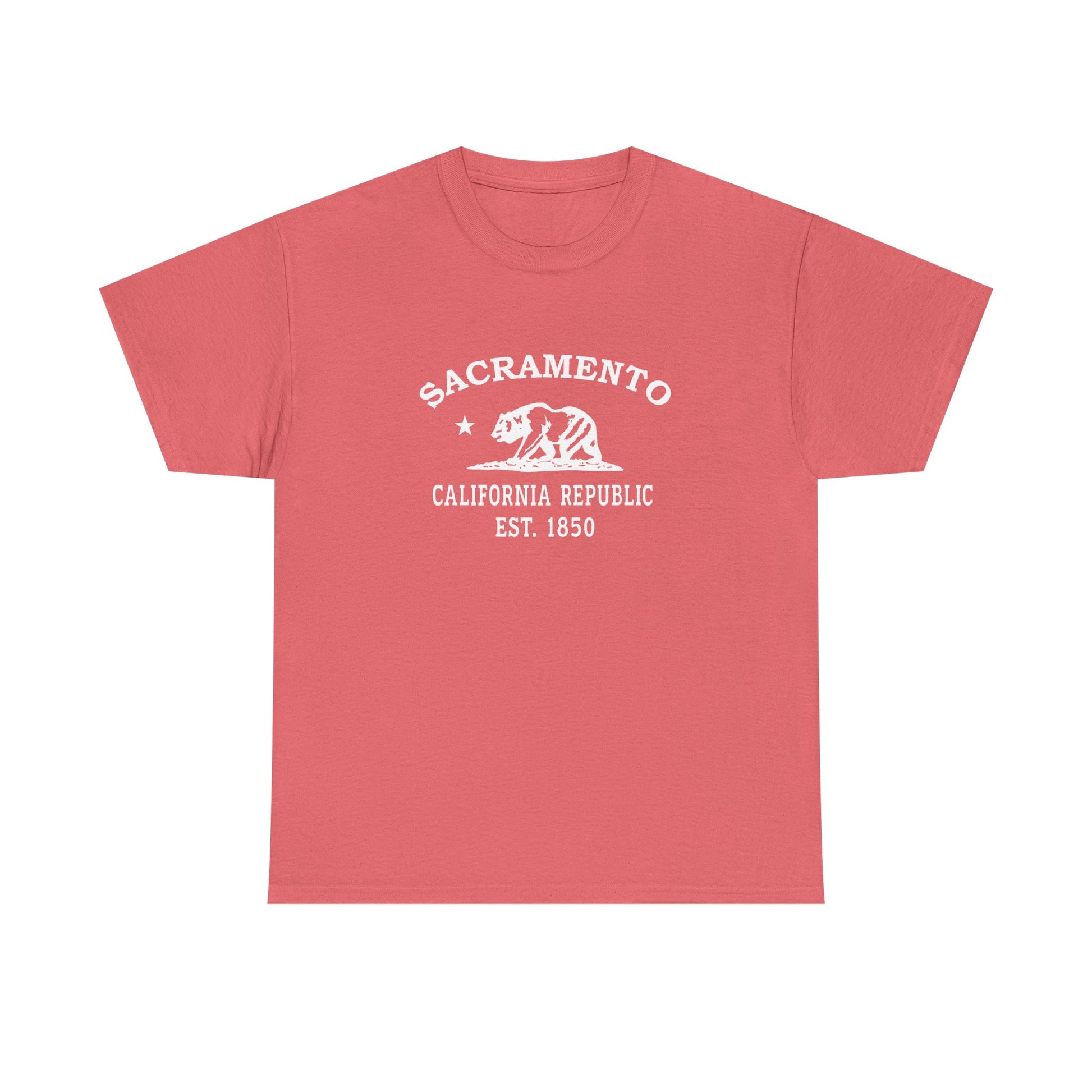
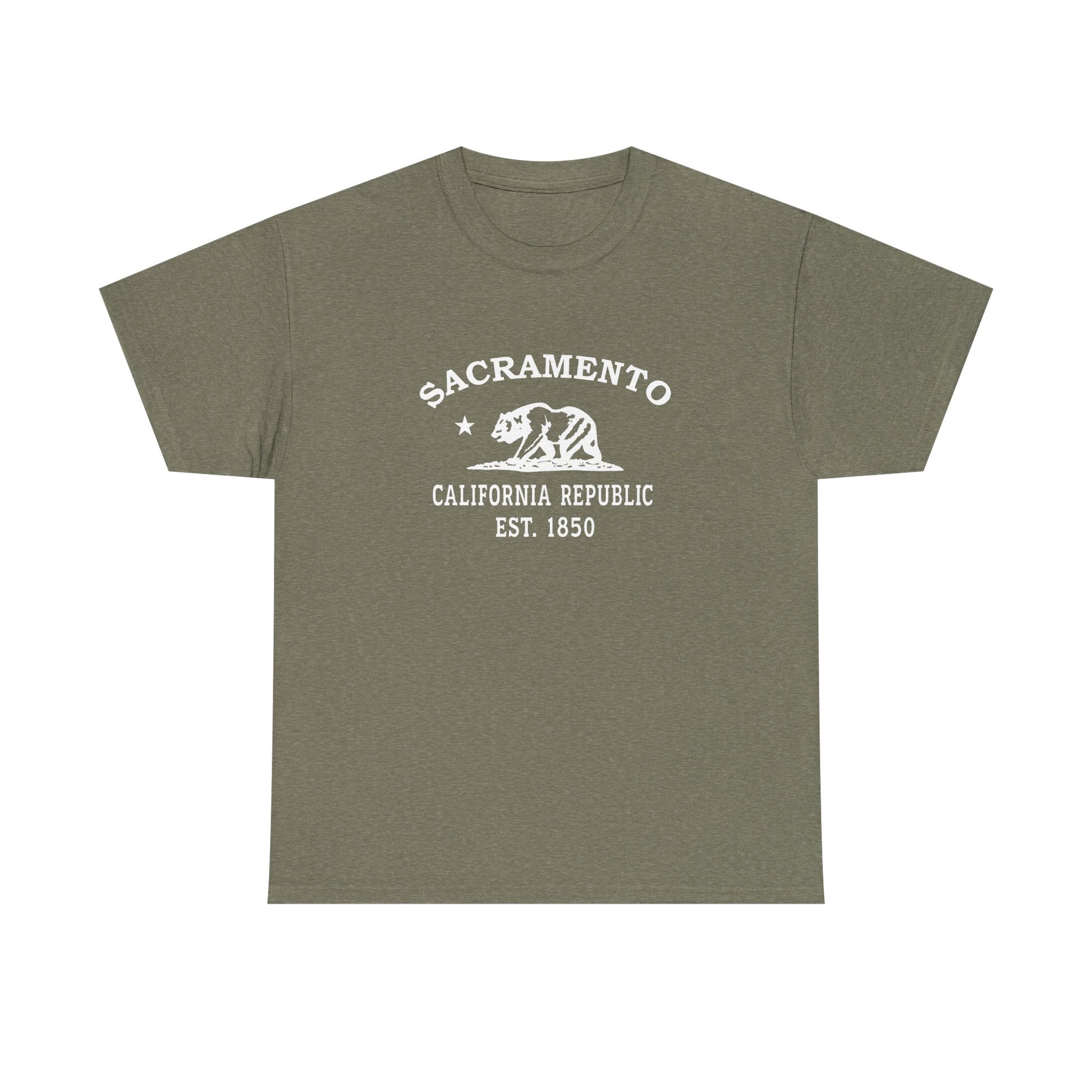
Sacramento is the End of the Line and the start of the next one — the Gold Rush's supply town, the Pony Express finish, the place the transcontinental railroad began, California's capital under a canopy of trees at the meeting of two rivers. Our Sacramento designs gather that into wearable form. Wear the Gold Rush capital. Wear the City of Trees. City of Trees. Capital since 1854.
Why People Visit Sacramento
Sacramento rewards travelers who want history, rivers, and shade rather than a beach — the Gold-Rush waterfront, the railroad that started here, the capitol, and a walkable grid under a famous tree canopy. People come for Old Sacramento and the Railroad Museum, for the Capitol and the gold bridge, and for an easy California day where frontier history and a leafy capital city sit side by side at the meeting of two rivers.
