
European settlement came by way of Norwalk, founded in 1651, and the western shore where the Five Mile River met the Sound became a village of rocky farms and small wharves. For two hundred years it was known simply as Five Mile River, a working hamlet of farmers and watermen on the edge of the larger town. Only around the middle of the nineteenth century, as the railroad and the steamboats reached the shore, did the village take the name it carries today — Rowayton — and begin its turn from a farming-and-fishing settlement toward something more.
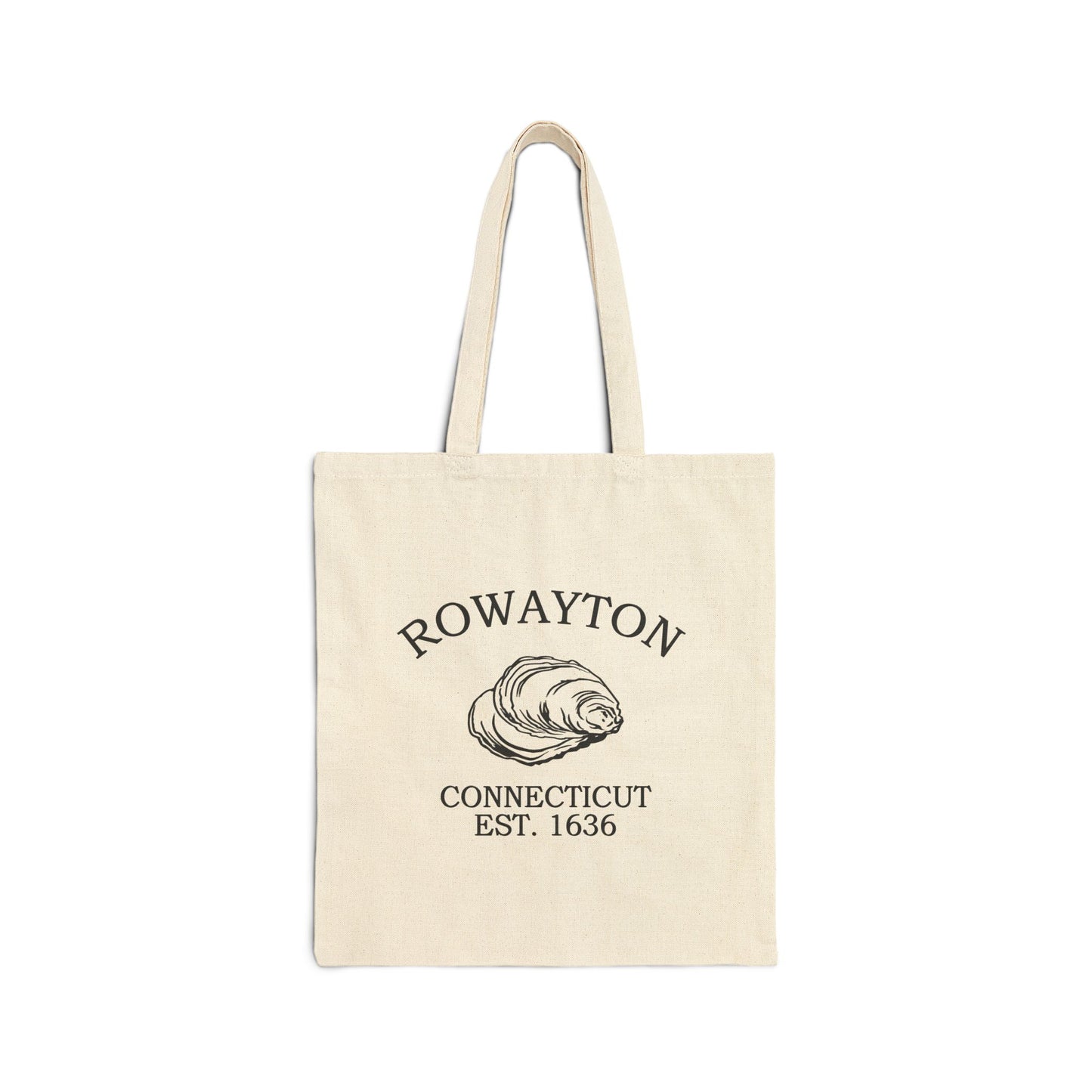
Our Rowayton logo carries the same emblem every Merlin Classics Connecticut place wears — a Long Island Sound oyster, above "Connecticut · Est. 1636," the colony's founding year, printed in a worn, hand-pressed black and white. The oyster is Connecticut's shoreline mark, the through-line that ties Rowayton to every other Connecticut place we make — a nod to the Sound that built these towns. What makes this one Rowayton is everything around it: the Five Mile River, the lost grandeur of Roton Point, and the oyster beds that gave the village its living.
Why People Visit Rowayton
Rowayton offers the Connecticut shore at its most relaxed and characterful — sailing, art, and quiet beaches in a village that has kept its scale and its salt-water soul. Visitors come for the harbor and the shore parks and stay for the unhurried, distinctly New England feel. From the oyster sloops that once worked the Five Mile River to the regatta sails of today, the harbor still sets the village's rhythm. It is welcoming, walkable, and beautiful in every season on the Sound.
