


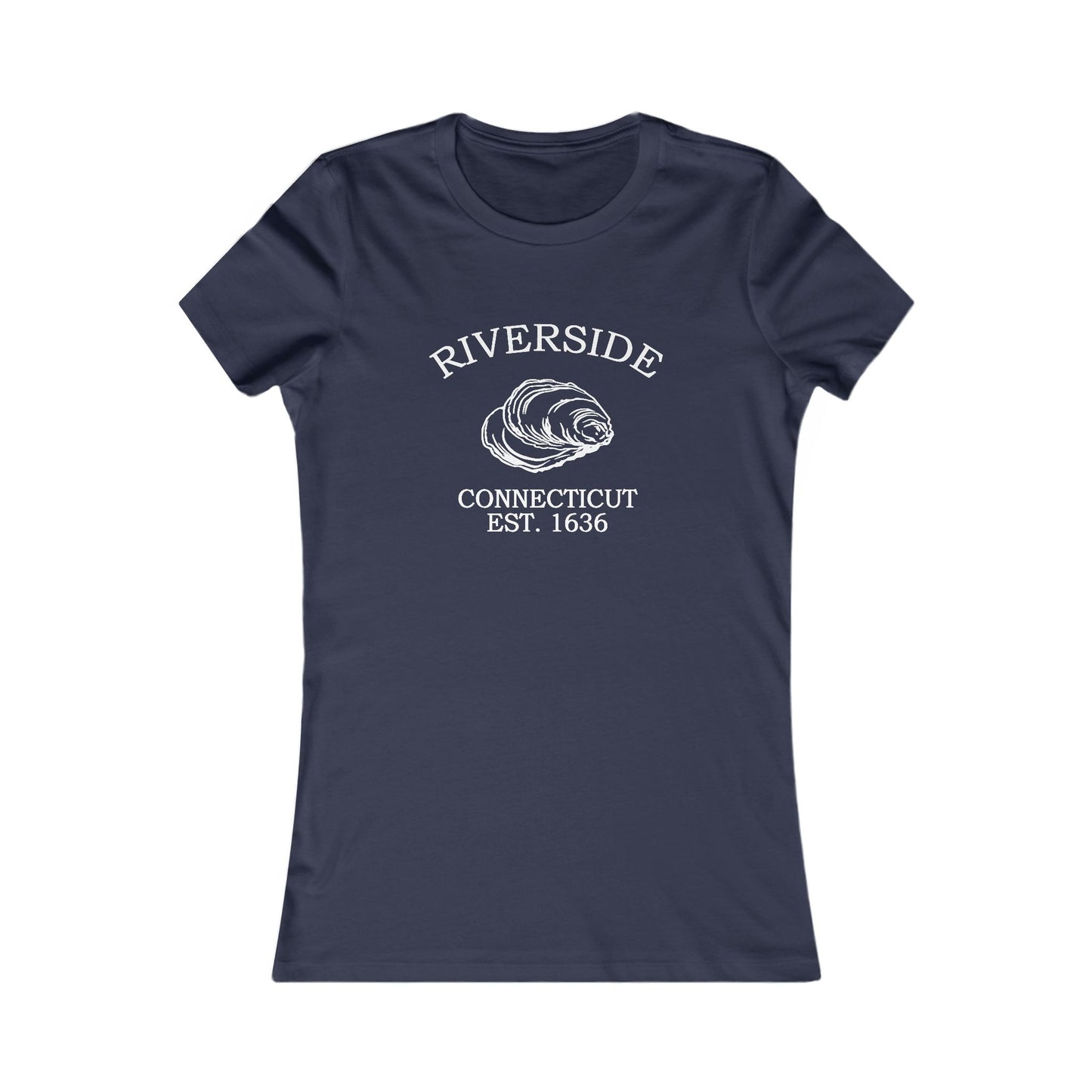
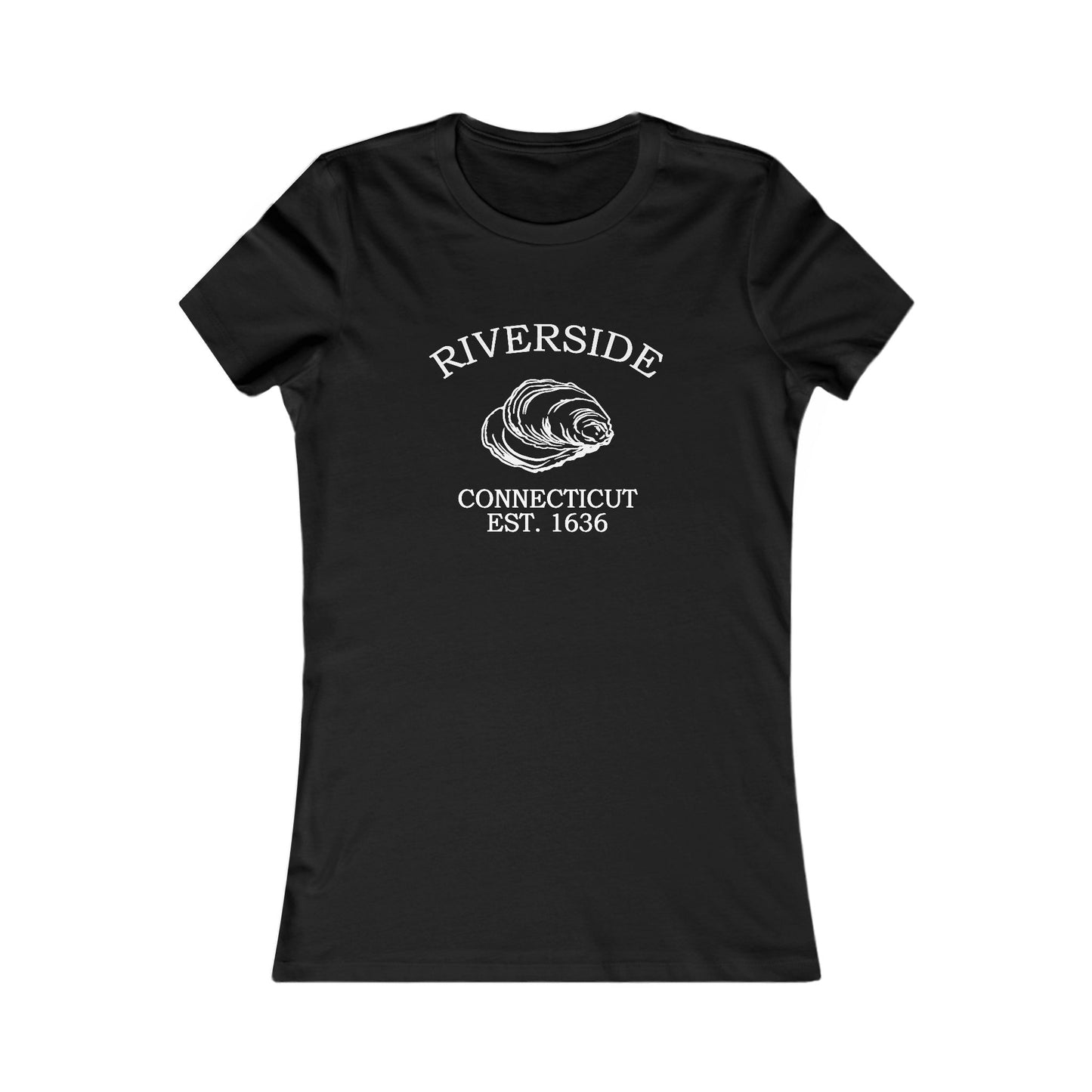


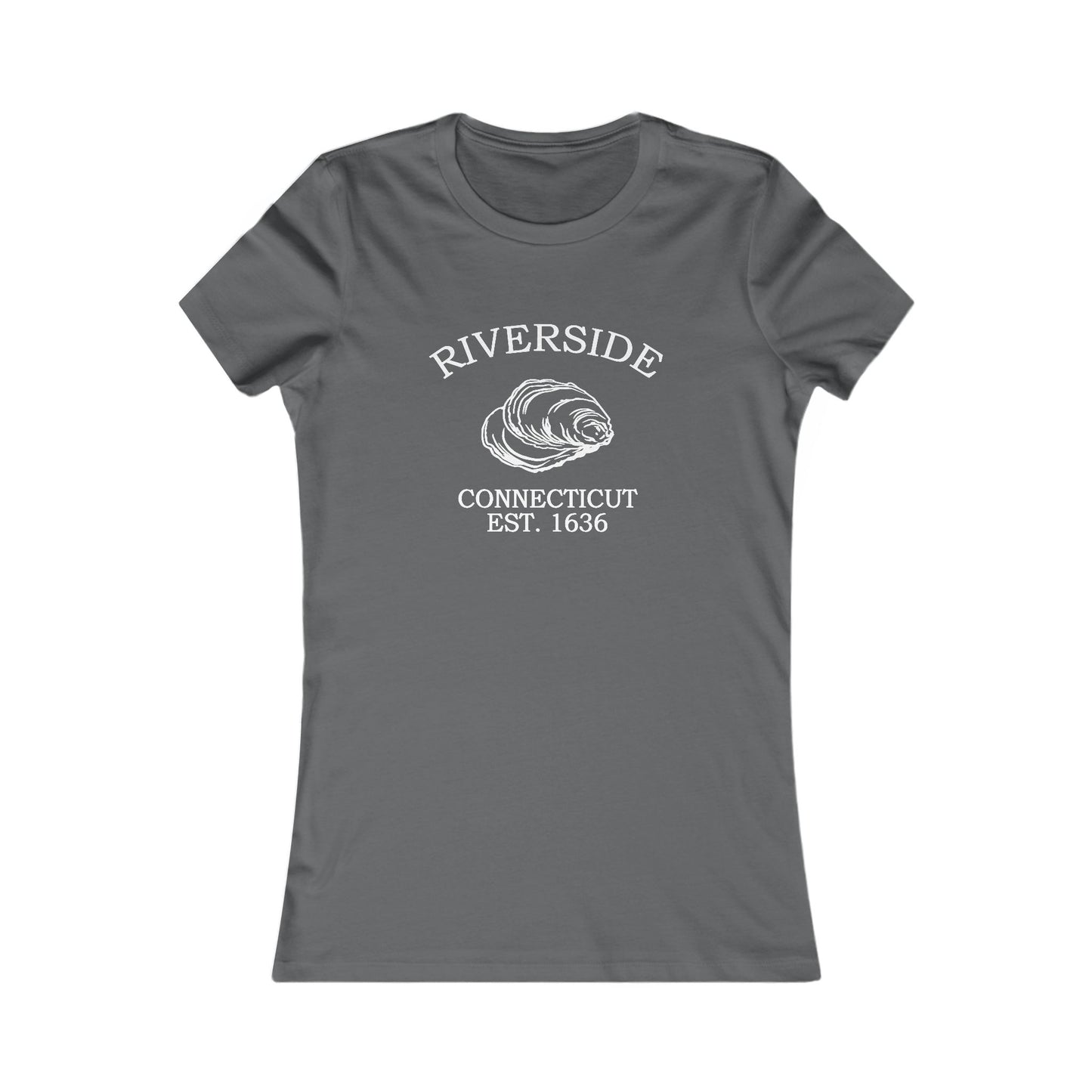


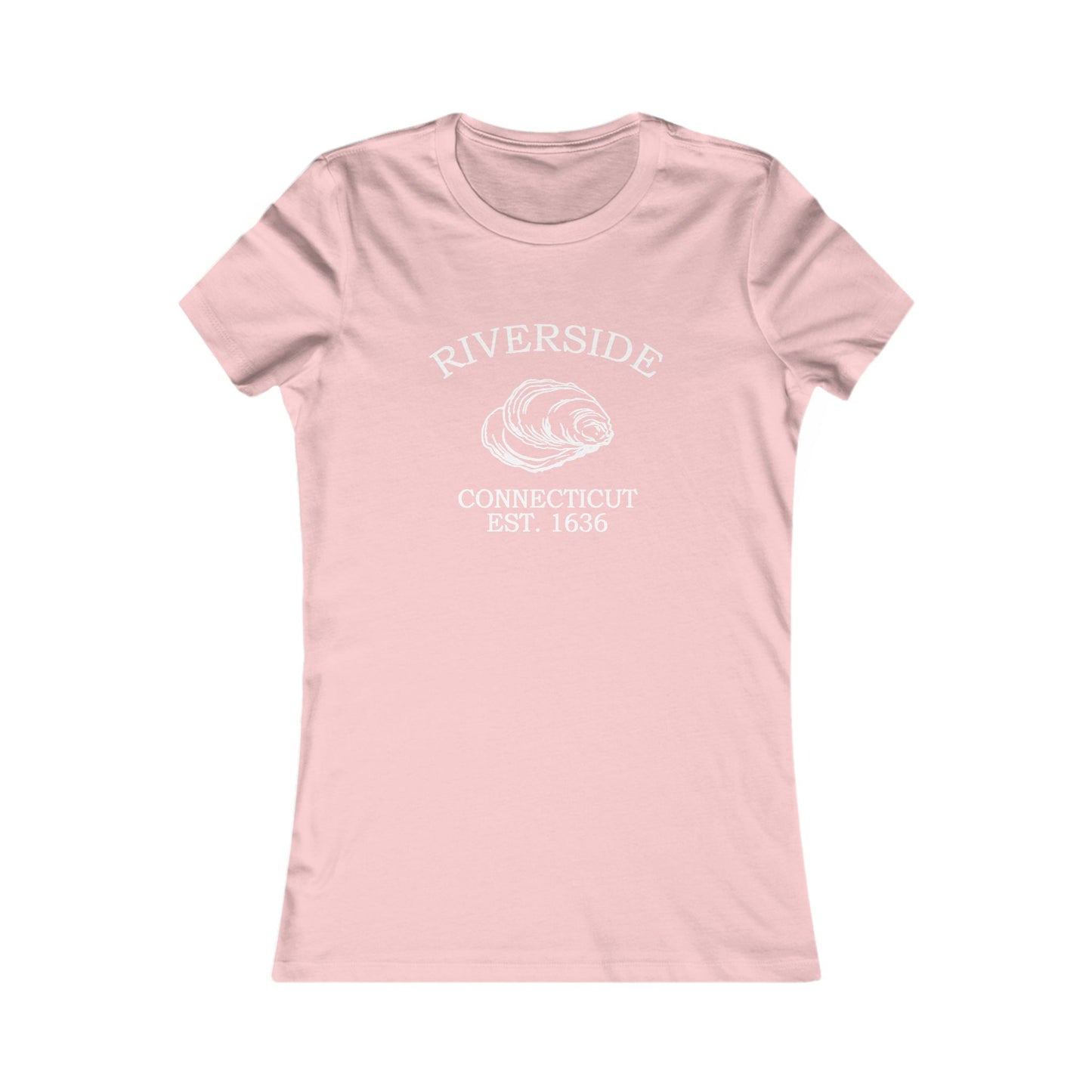

Our Riverside logo carries the Connecticut oyster over “Connecticut · Est. 1636,” the founding era of the colony — the shared emblem of every Merlin Classics Connecticut town. Printed in clean retro black-and-white that reads like an old oyster-crate label, the oyster stands for the whole Long Island Sound shellfish coast; what makes this one Riverside is everything behind it — Mianus Neck and the Mianus River, the cast-iron bridge, the 1888 yacht club, and the leafy Greenwich shore.
Today Riverside is a leafy, watery corner of Greenwich where an oystering neck became a genteel railroad suburb. Our Riverside designs gather that identity — the oyster emblem, the Mianus River, the quiet Sound-side shore — into wearable form. Riverside — where the Mianus River meets the Sound, and old Greenwich keeps its quiet.
Why People Visit Riverside
Riverside rewards visitors who like the quiet, watery side of the Gold Coast: sailboats on the Mianus, shaded streets, and a handful of real landmarks close together. Add the Sound-side parks and the easy ride to the city, and the genteel calm makes its own case.
