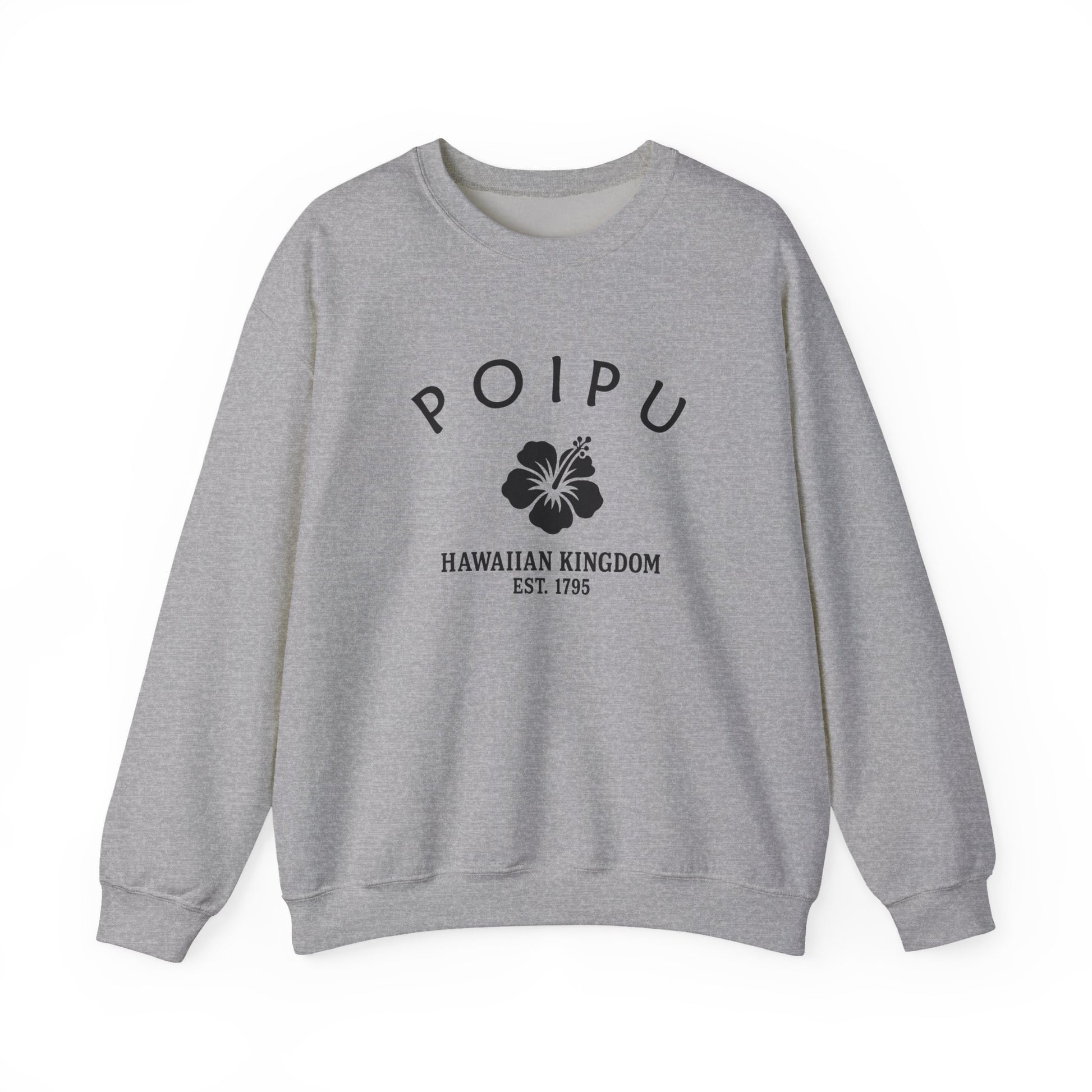
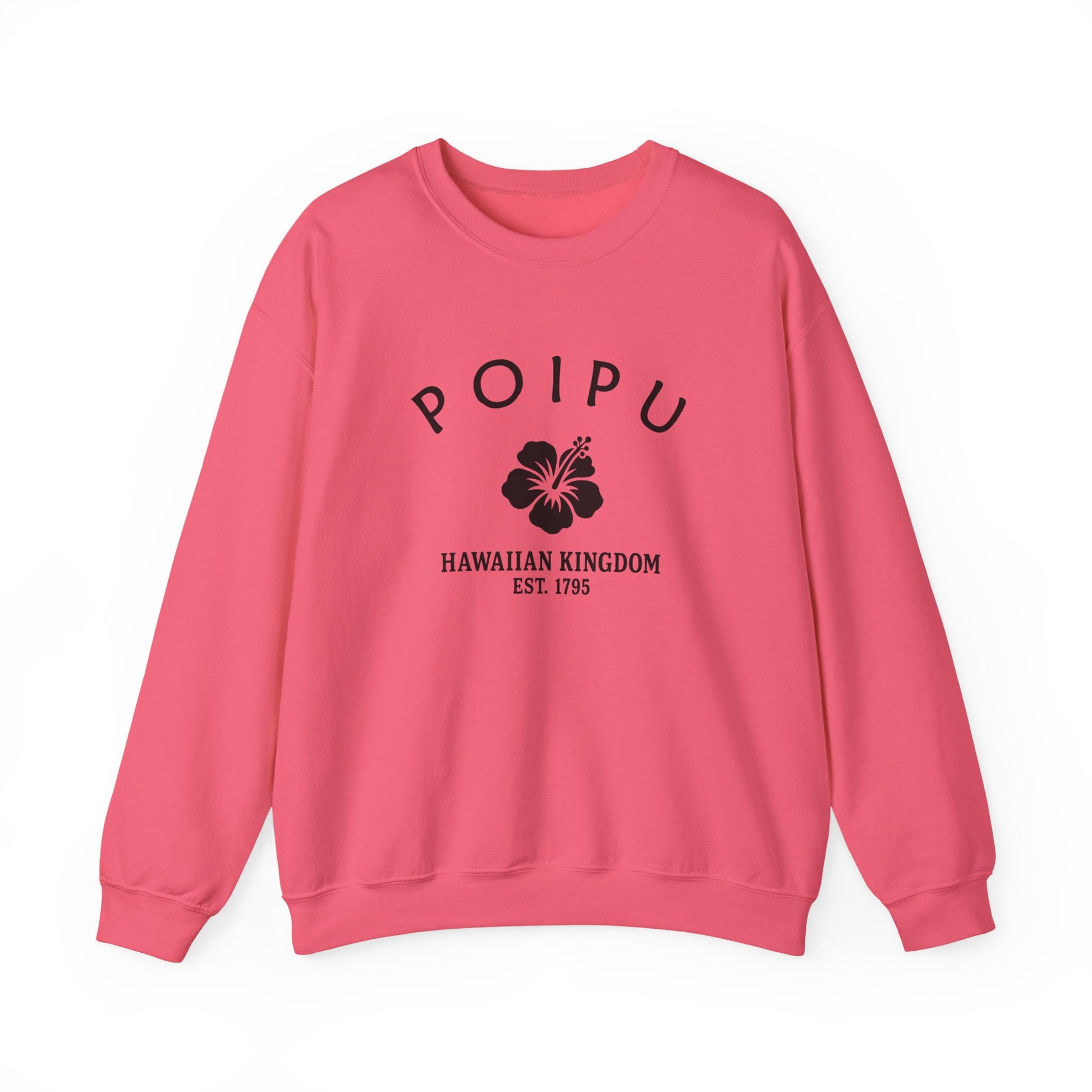
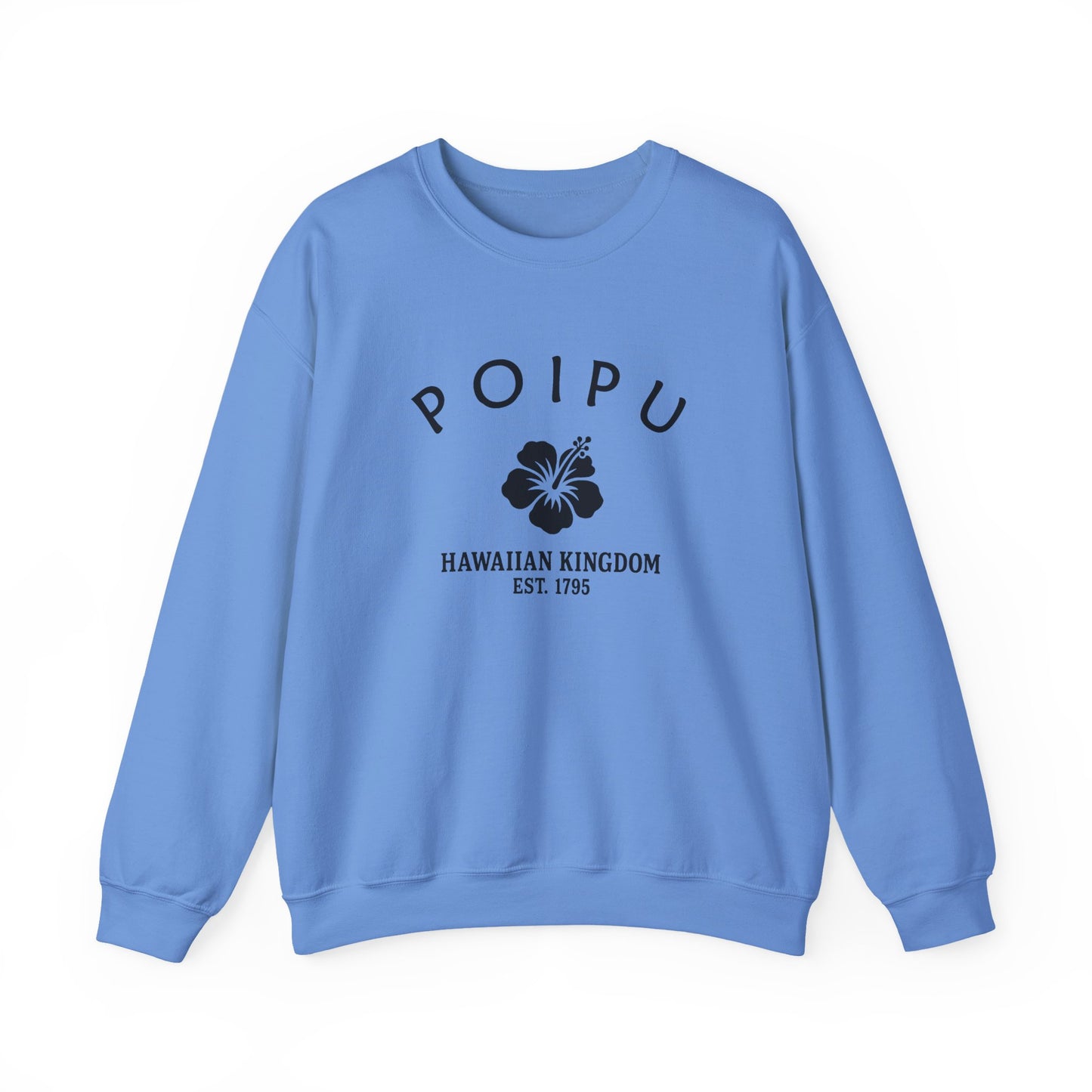
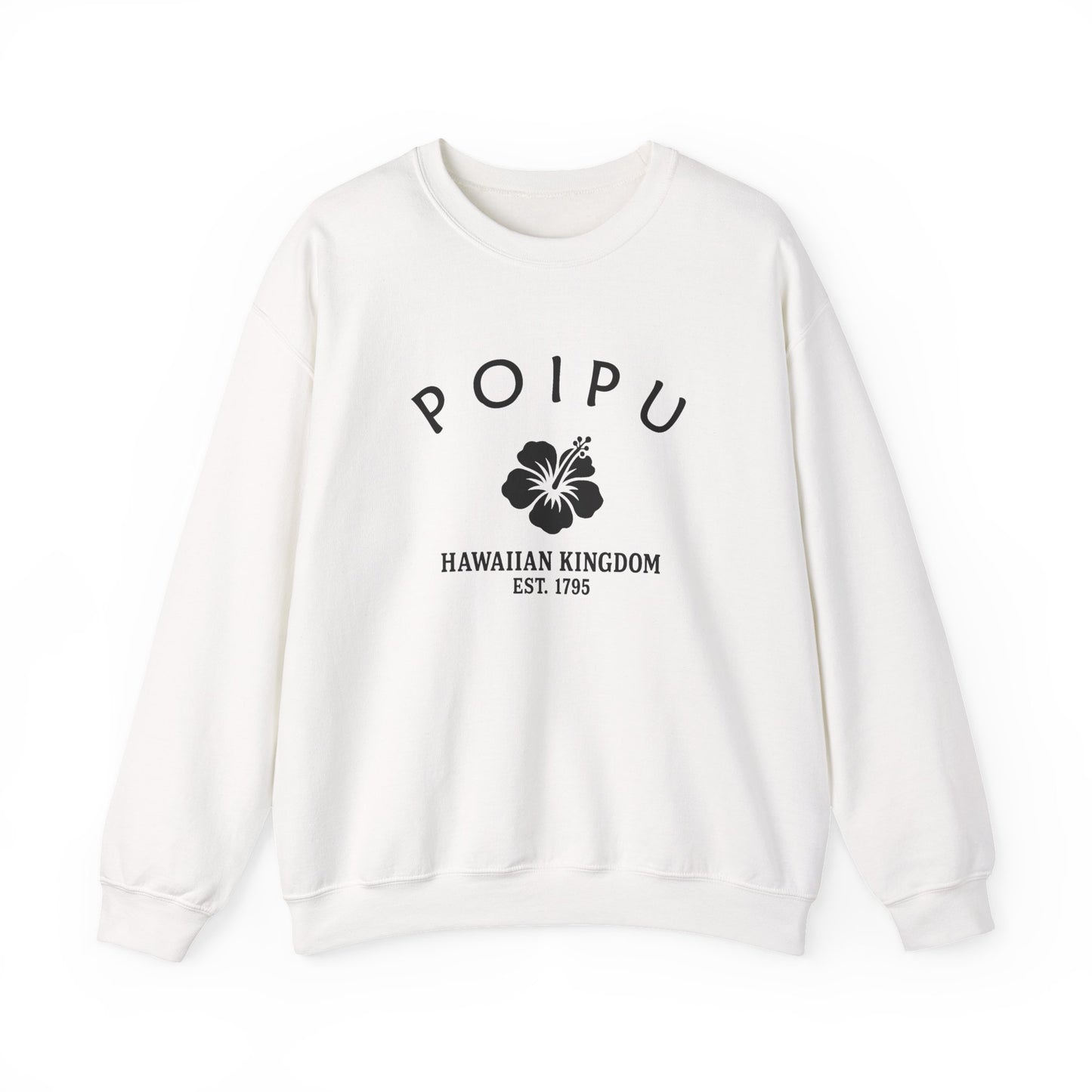
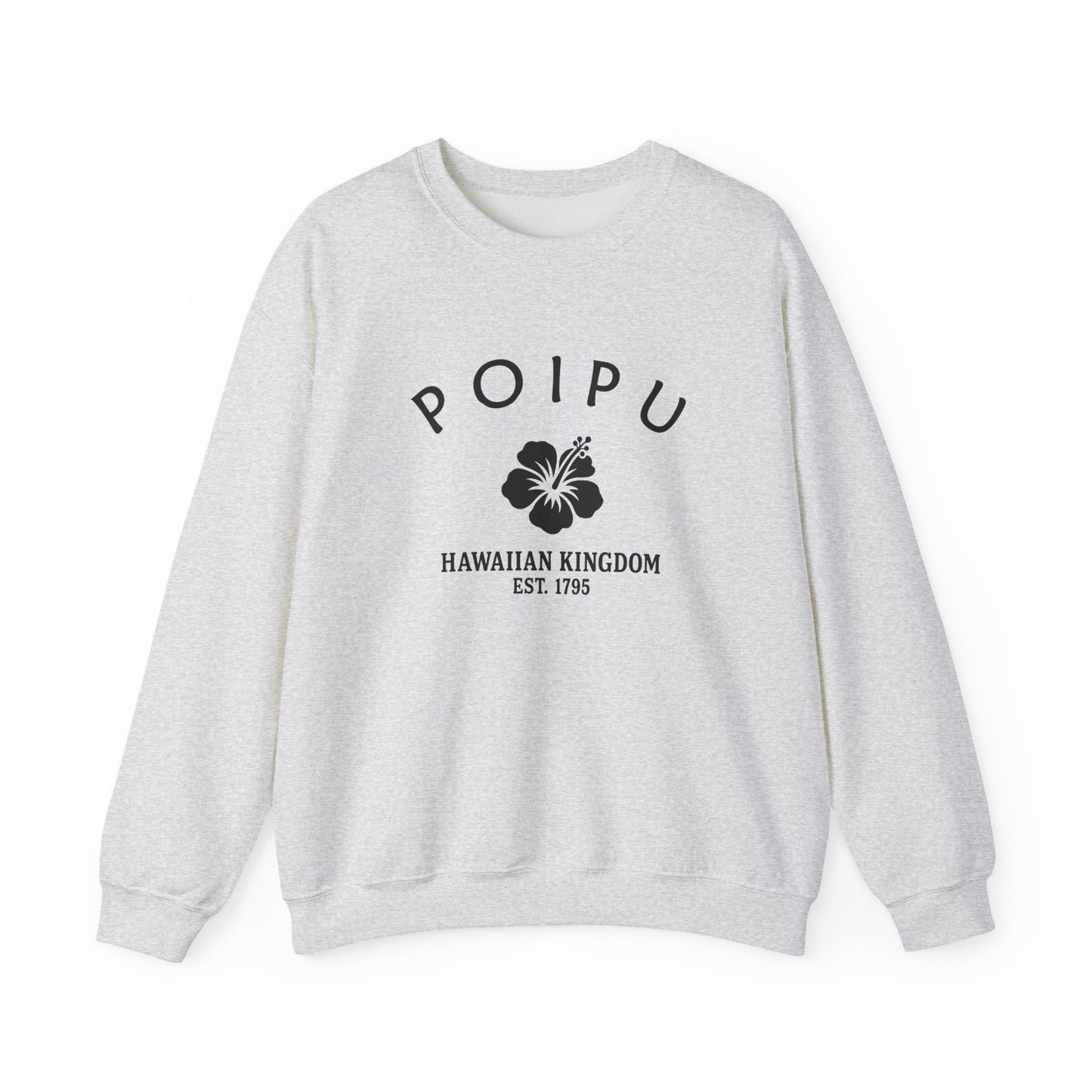
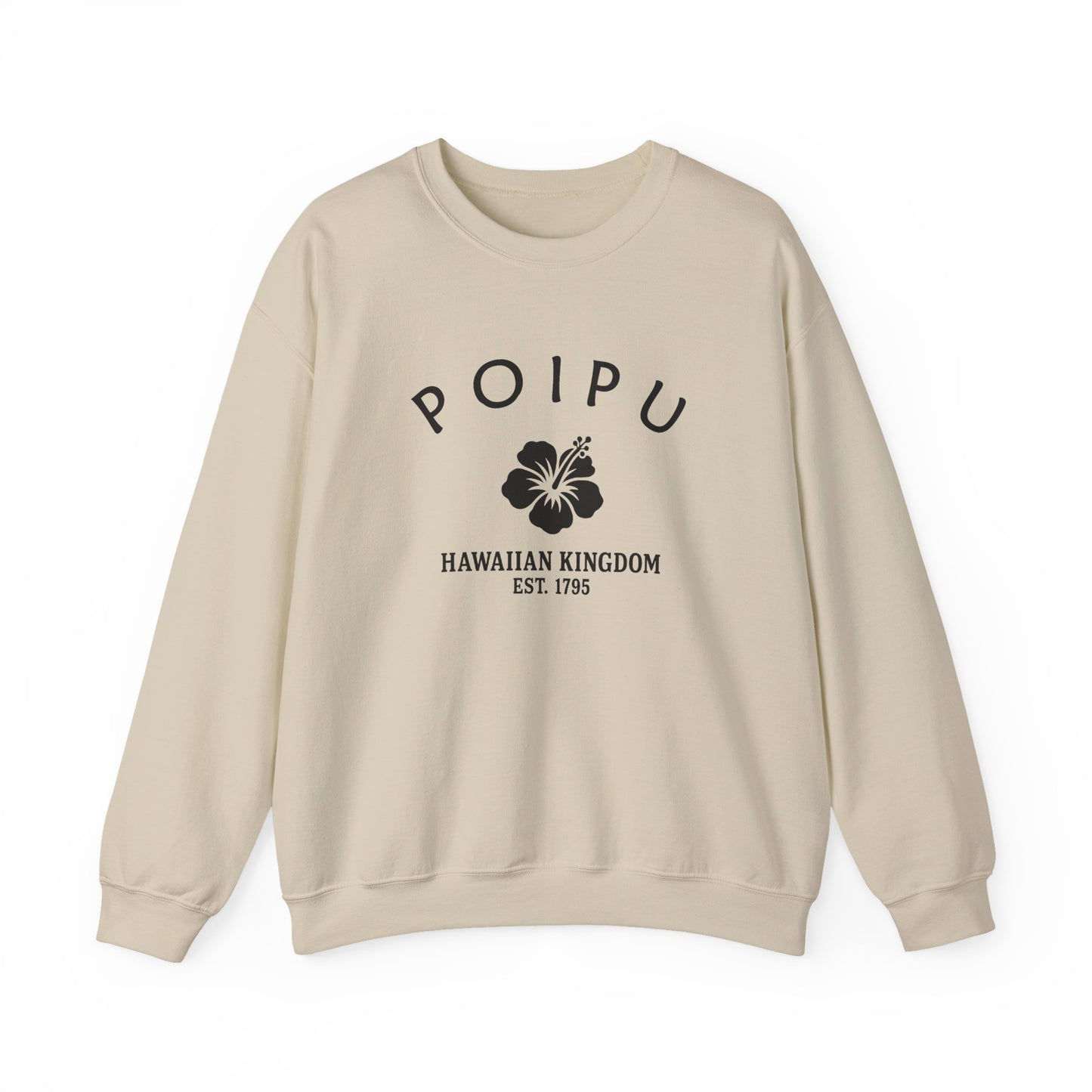
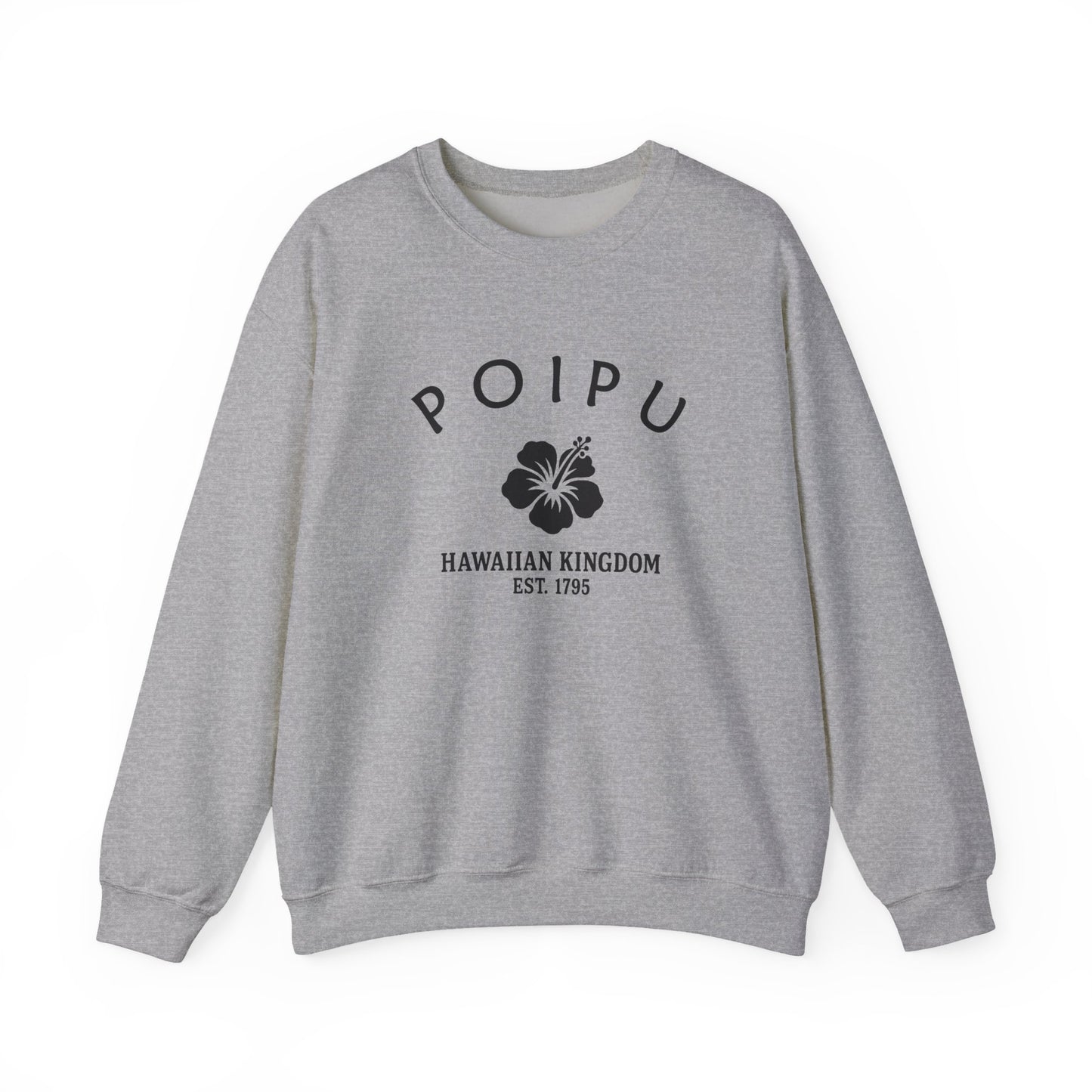
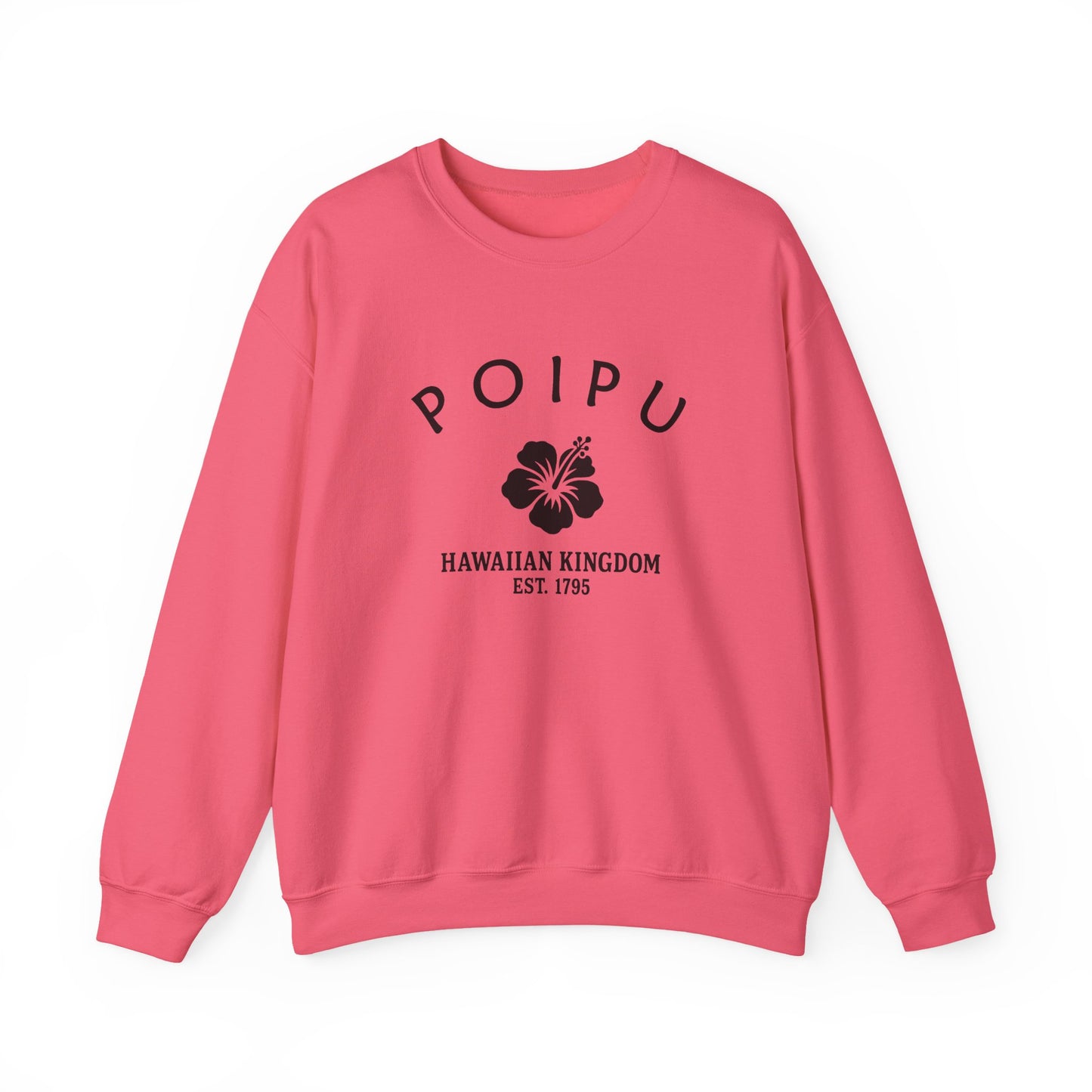
The beaches here are shared. Hawaiian green sea turtles — honu — haul out on the warm sand at Poʻipū, watched over by volunteers and given a wide, respectful berth; endangered Hawaiian monk seals do the same, each one roped off and left to sleep. In Hawaiian tradition the honu is an ʻaumakua, a family guardian — a fitting emblem for a coast that has learned to look after what it has.
The modern south shore began a mile inland. At Kōloa in 1835, Ladd & Company opened Hawaiʻi's first commercially successful sugar plantation, and everything that defines old Hawaiʻi's economy followed from that mill: workers arrived from China, Japan, Korea, the Philippines, Portugal, and Puerto Rico, and their descendants built the multicultural Kauaʻi of today. The stone chimney of the old mill still stands beside the Kōloa road, ringed by a bronze sculpture circle honoring the plantation peoples, and every July, Kōloa Plantation Days — the south shore's signature festival, running since 1985 — celebrates exactly that inheritance with a parade, a rodeo, and a week of open history.
Why People Visit Poʻipū
Because it is Hawaiʻi at its sunniest and most easygoing — a warm, protected coast where the turtles share the sand, the blowhole keeps time, and the Garden Isle's plantation past sits a mile inland under a monkeypod tree. Beach by day, Kōloa by golden hour.
