

Then the water changed everything. In 1914 the Houston Ship Channel opened, turning the bayou into one of the busiest seaports in the world, and refineries and petrochemical plants rose along Pasadena's northern edge. Farm fields gave way to tank farms and pipe racks; the children of strawberry pickers went to work on refinery row. Through the mid-century the town boomed as a working-class industrial city, its population multiplying, its skyline a low line of stacks and flares against the Gulf sky. Pasadena had traded the berry crate for the hard hat.
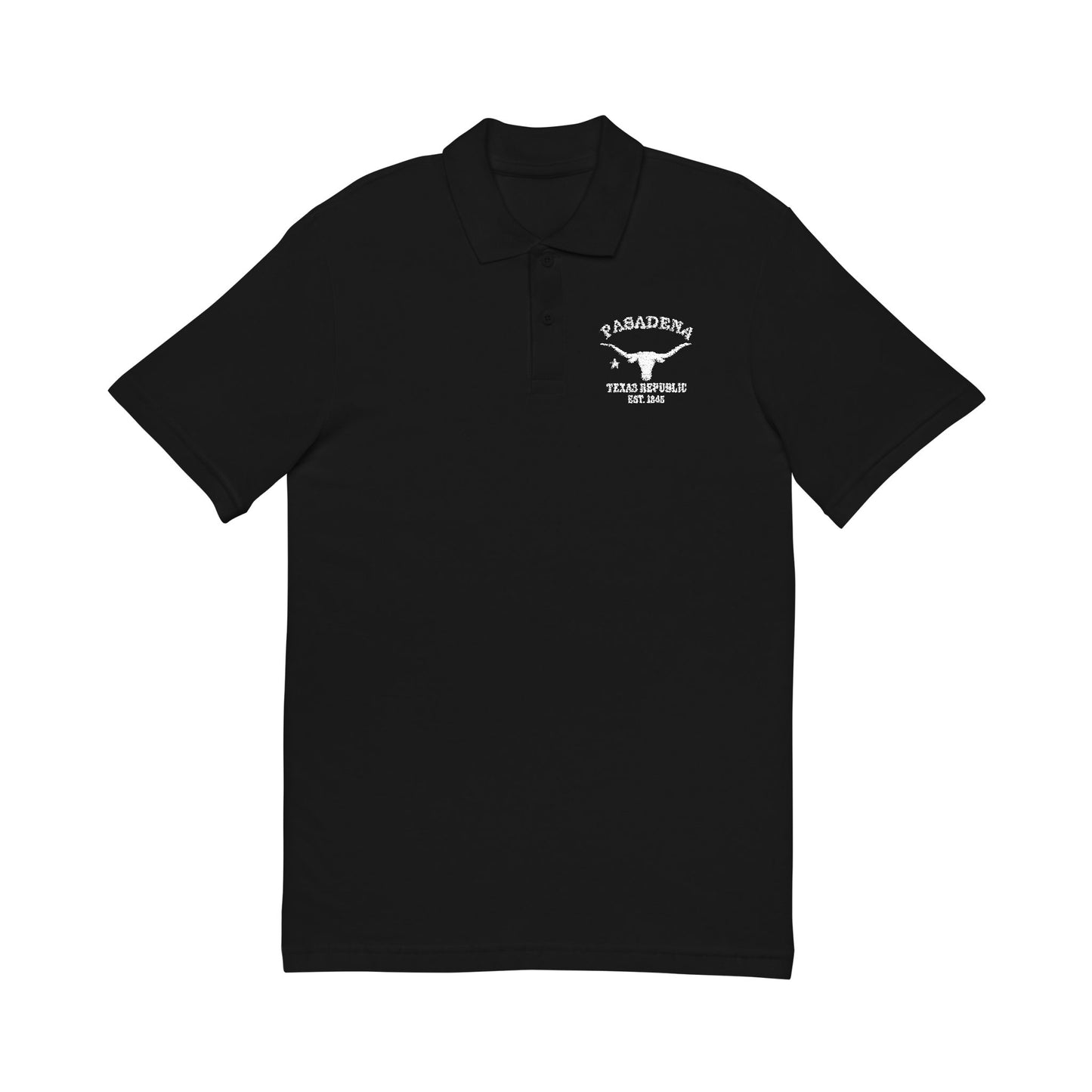
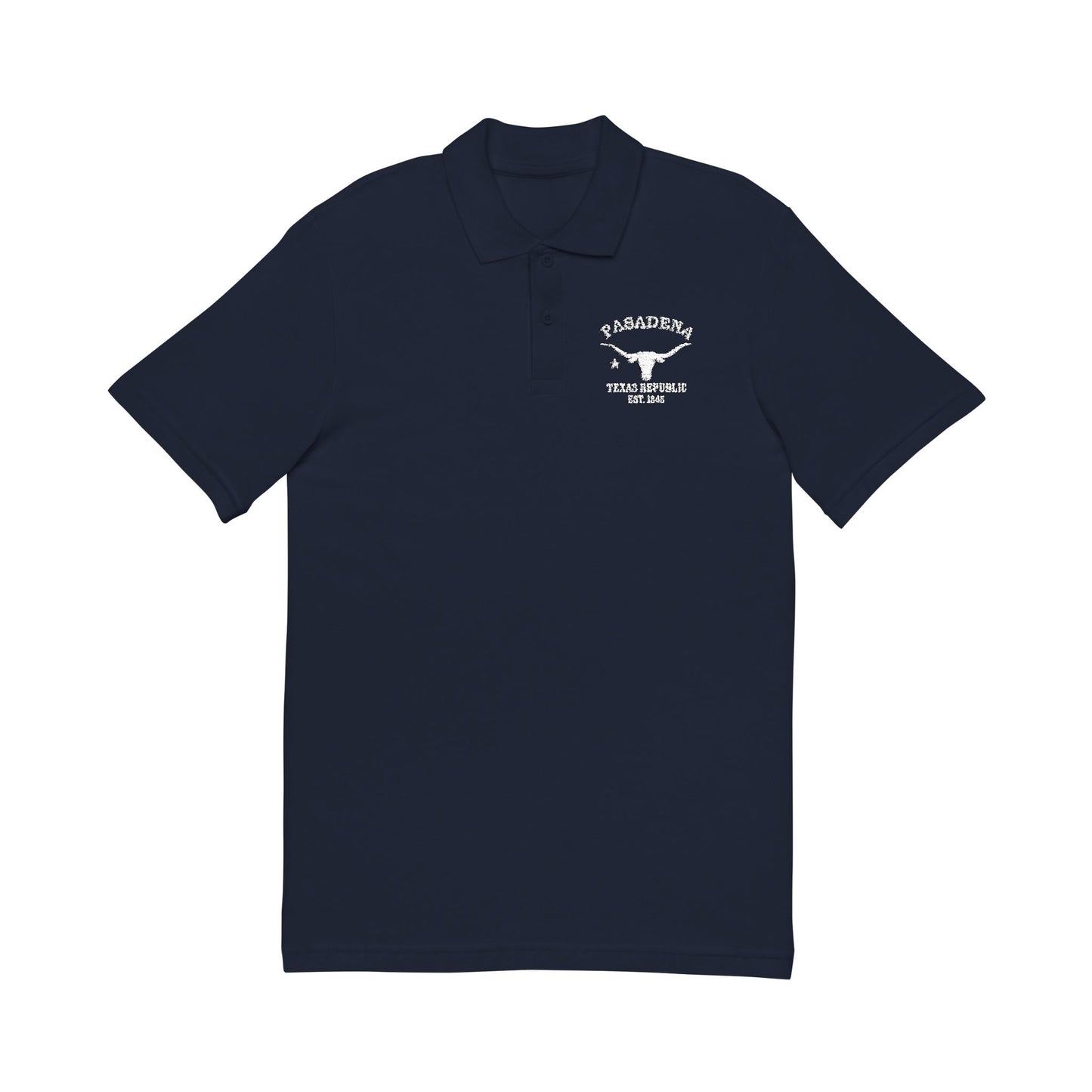
Our Pasadena logo carries Texas's longhorn and Lone Star above ‘Texas Republic — Est. 1845,’ the shared retro emblem of our Texas towns. The longhorn stands for ranching toughness and the star for the Lone Star State, and the 1845 date marks Texas statehood; the emblem is the through-line that links Pasadena to every other Texas town we make. It suits this one well — the same Western spirit that filled the Gilley's dance floor, stamped over a town that has always worn its boots and its grit with pride. What makes this one Pasadena is the strawberry sweetness underneath the swagger.
Why People Visit Pasadena
Pasadena balances big-city access with Gulf-coast ease. Visitors pair the strawberry and Western heritage with bayou boardwalks, festival weekends, and a short hop to Houston, the Space Center nearby, or the beach. It is friendly, unpretentious, and family-oriented, with year-round appeal in its parks, trails, and public spaces. History and everyday culture sit side by side here in a welcoming way.
