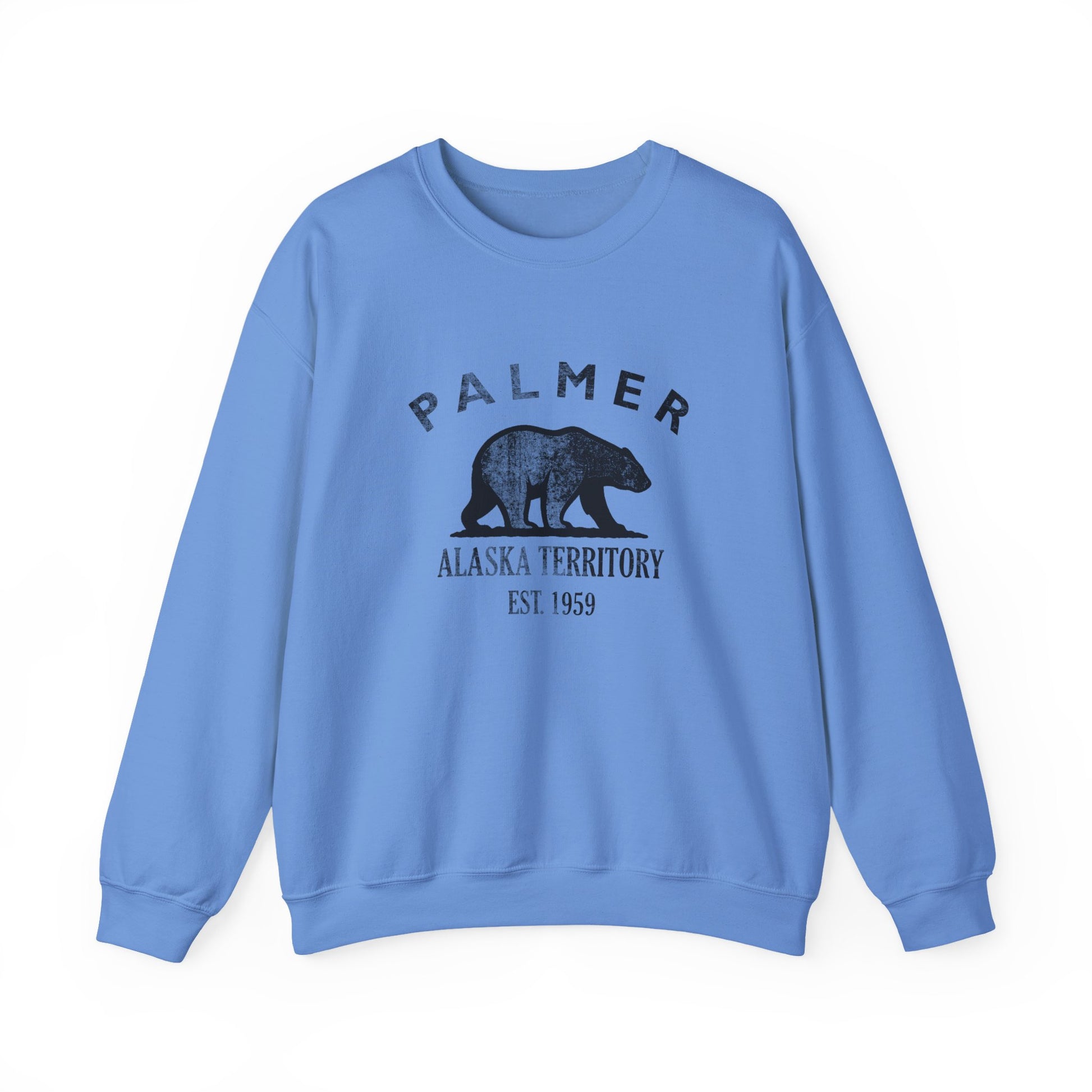
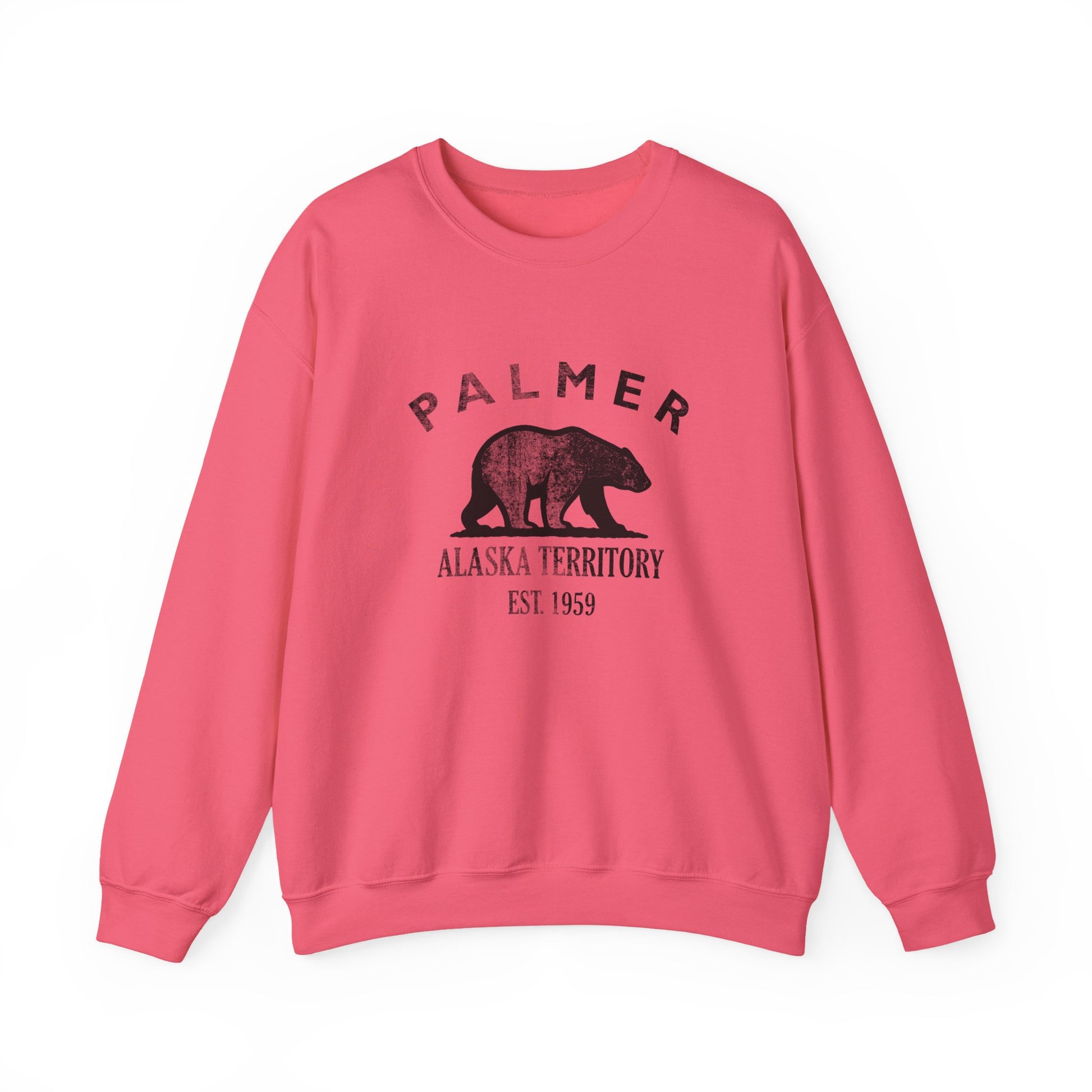
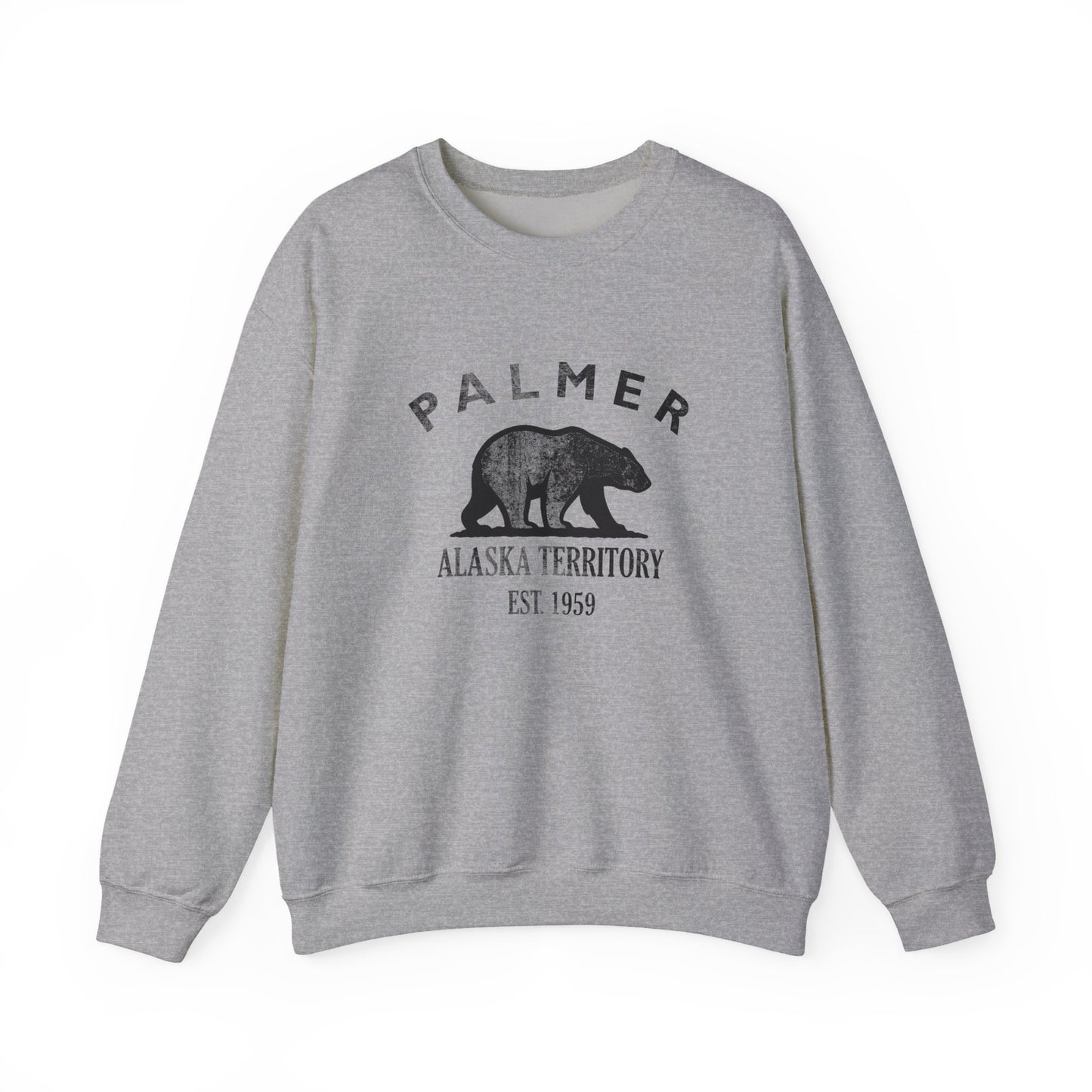
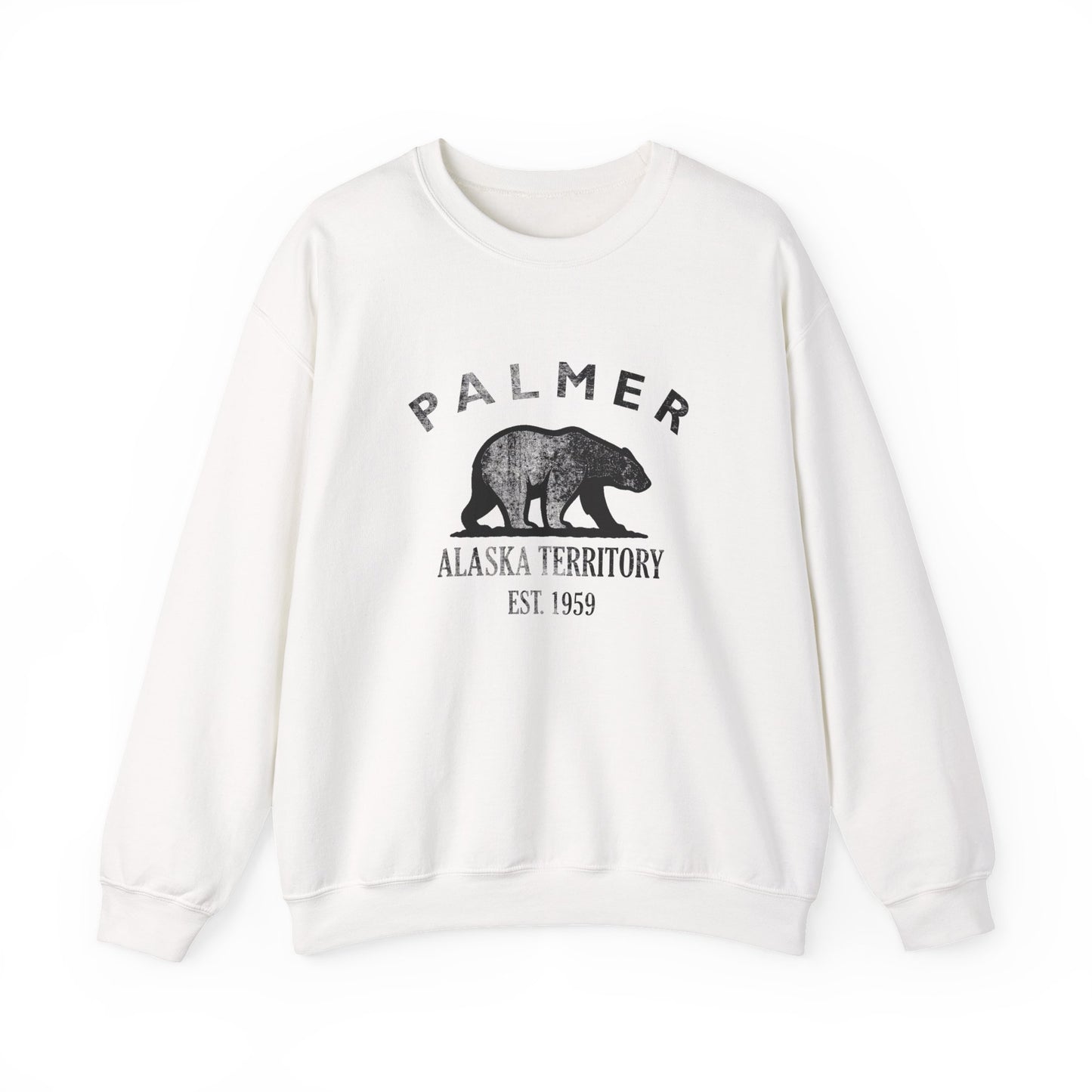
Palmer incorporated as a city in 1951 and is now the seat of the Matanuska-Susitna Borough, a farm-and-commuter town forty-some miles up the Glenn Highway from Anchorage. The original colonists have mostly passed on, but their barns, their farms along Farm Loop Road, and their fair are still here, and the town still measures its year by planting, the midnight sun, and the long subarctic winter. It remains, proudly, Alaska's farm town.
The colony itself was a hard, uneven thing, and the honest version is the better one. Of the 203 families, perhaps a third had little real farming experience; the first years brought mud, mosquitoes, supply shortages, and a famously tangled bureaucracy. Some families thrived and some gave up — a fair number returned south within a few years, and by the 1960s only about twenty of the original 203 remained on their tracts. But enough stayed to make it work. They cleared land, raised the big trussed barns, built a church and a school and a railroad-depot town, and proved that a farm community could hold on in the Matanuska Valley.
Why People Visit Palmer
Palmer offers something rare in Alaska — real farm country, set against glaciers and peaks. Visitors come for the colony heritage and the State Fair, stay for the Hatcher Pass alpine and the Musk Ox Farm, and leave understanding why this one valley, under all that summer light, became the place Alaska grows its food.
