


That culture was a blend. The plantation camps gathered families from across the Pacific, each adding its food, faith and festivals to the mix that still flavors Pāʻia today. In 1906 the community raised the seaside Mantokuji Soto Zen Mission, a Buddhist temple whose summer Bon Dance still lights the shore each year. Up and down Baldwin Avenue, the false-front wooden storefronts of the plantation era went up — the same buildings, weathered and repainted, that give the town its look a century later.
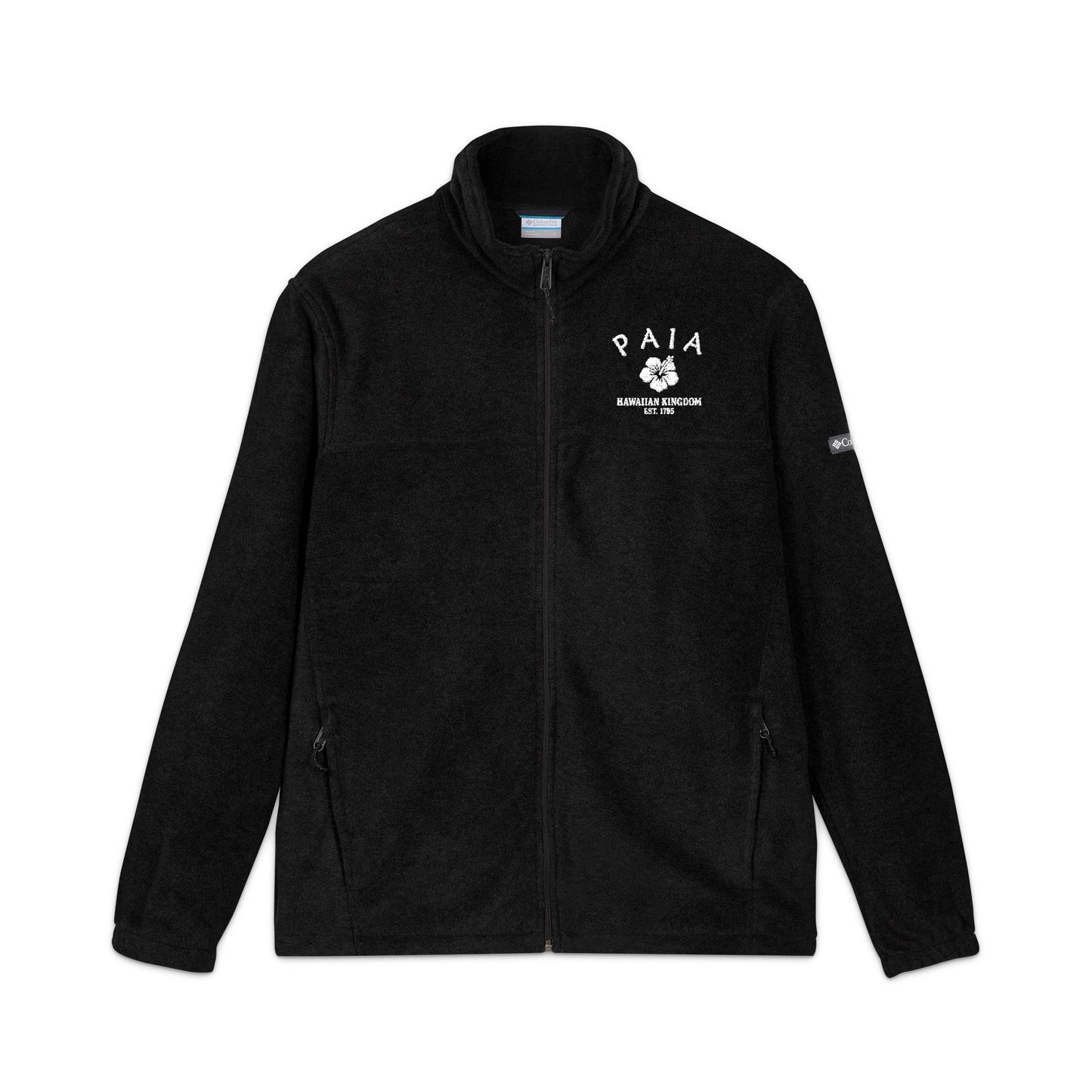
Our Pāʻia logo carries the Hawaiian hibiscus over "Hawaiian Kingdom · Est. 1795," the shared emblem of every Merlin Classics Hawaiʻi place, printed in clean retro black-and-white like an old travel decal. The hibiscus stands for the islands as a whole; what makes this one Pāʻia is everything around it — the pastel plantation storefronts, the wind at Hoʻokipa, the bohemian Baldwin Avenue soul, and the salt smell of the North Shore where the road to Hāna begins.
Why People Visit Pāʻia
Pāʻia offers a whole mood in one small town: bohemian, barefoot charm, world-class wind and surf, and the romance of the open road to Hāna. It is the coolest little town on Maui — and for the artists, surfers and free spirits who live here, simply home, the place where old Maui still feels like itself.
