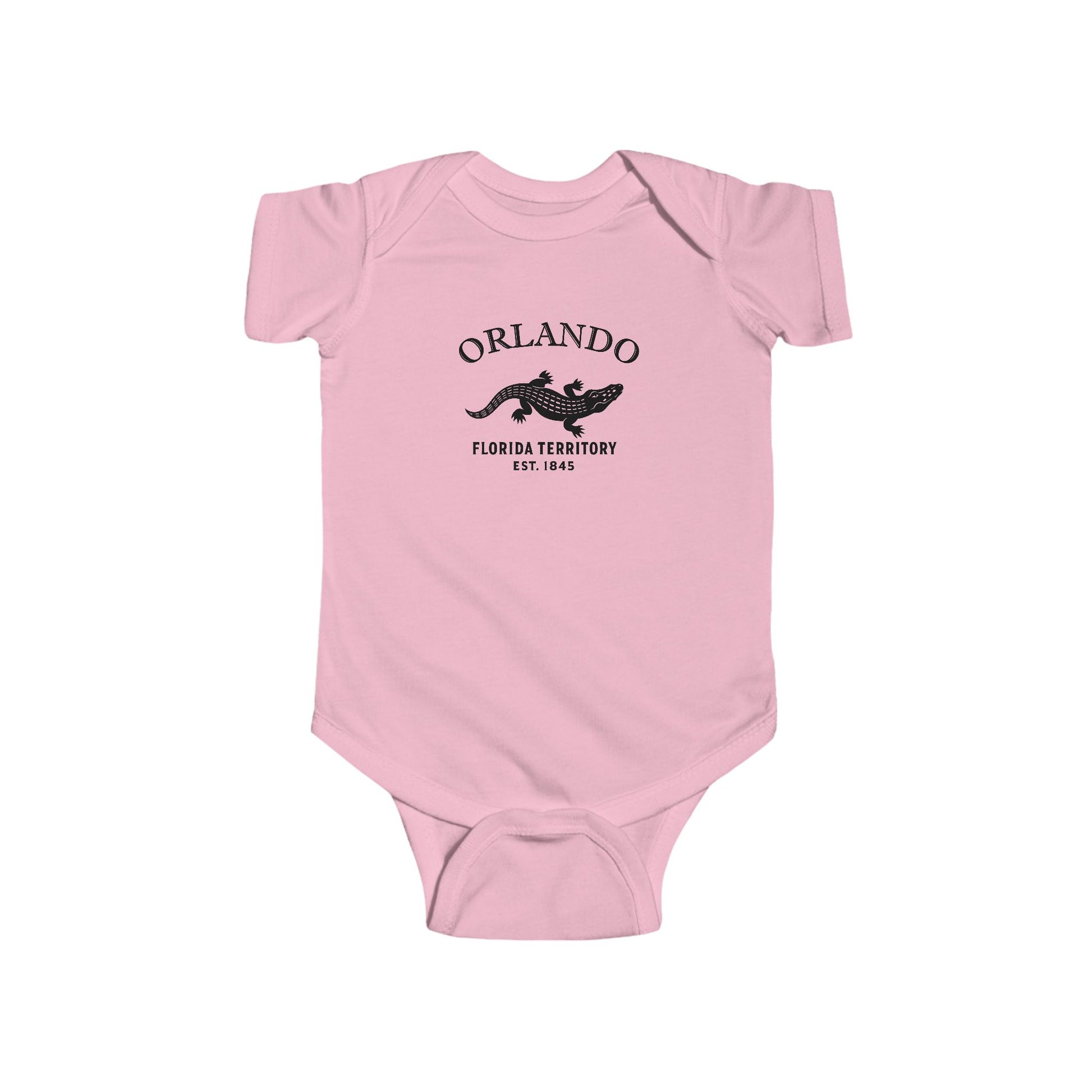
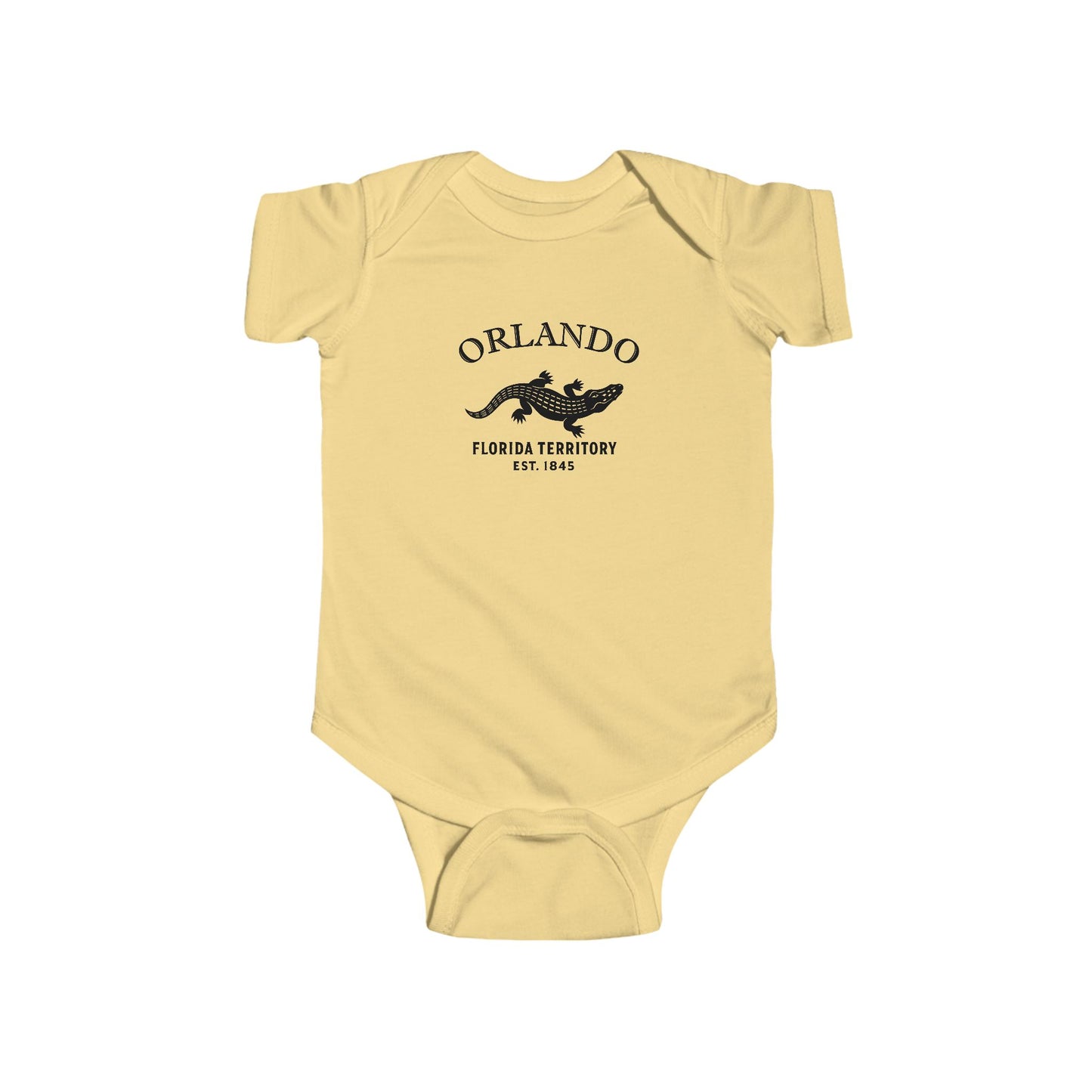
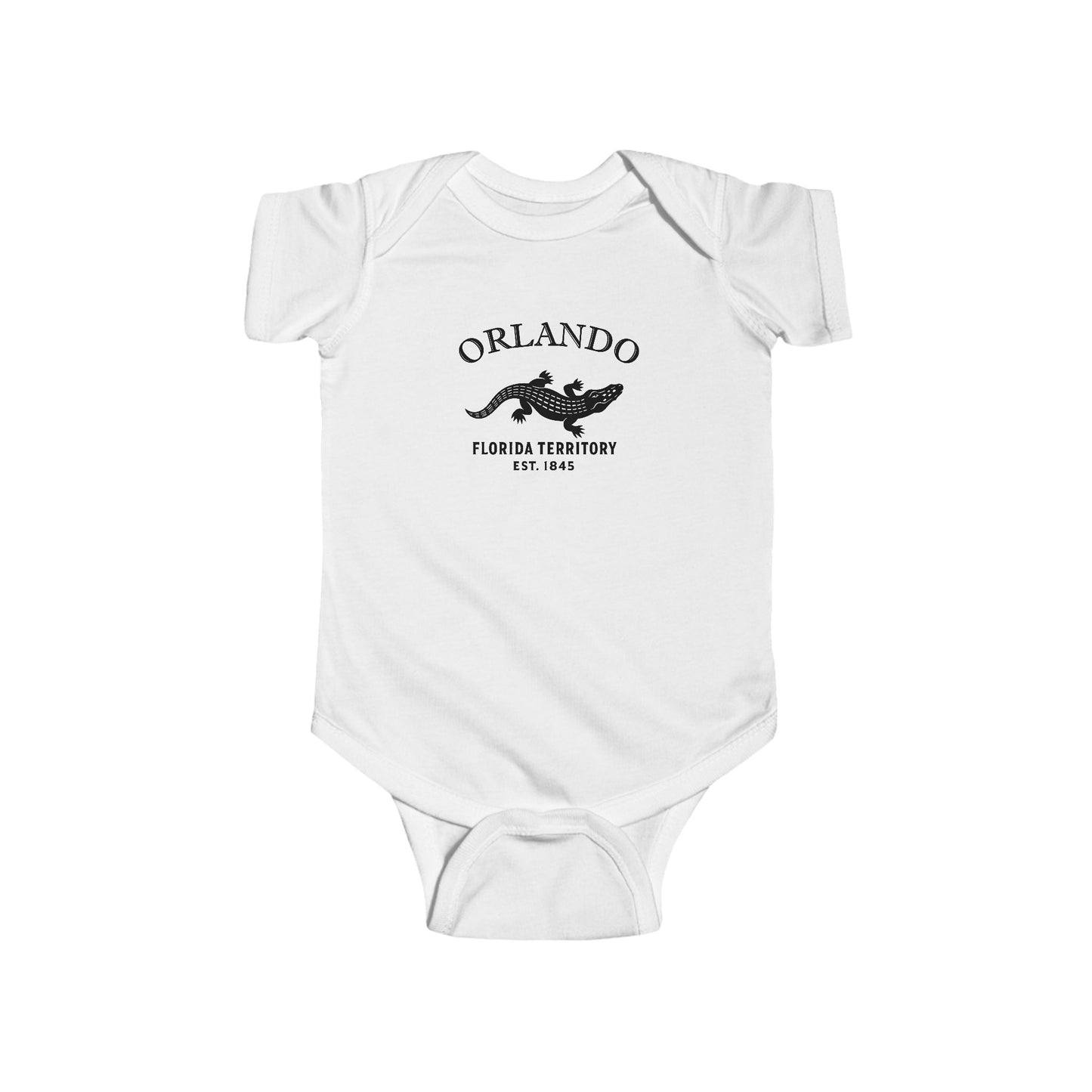
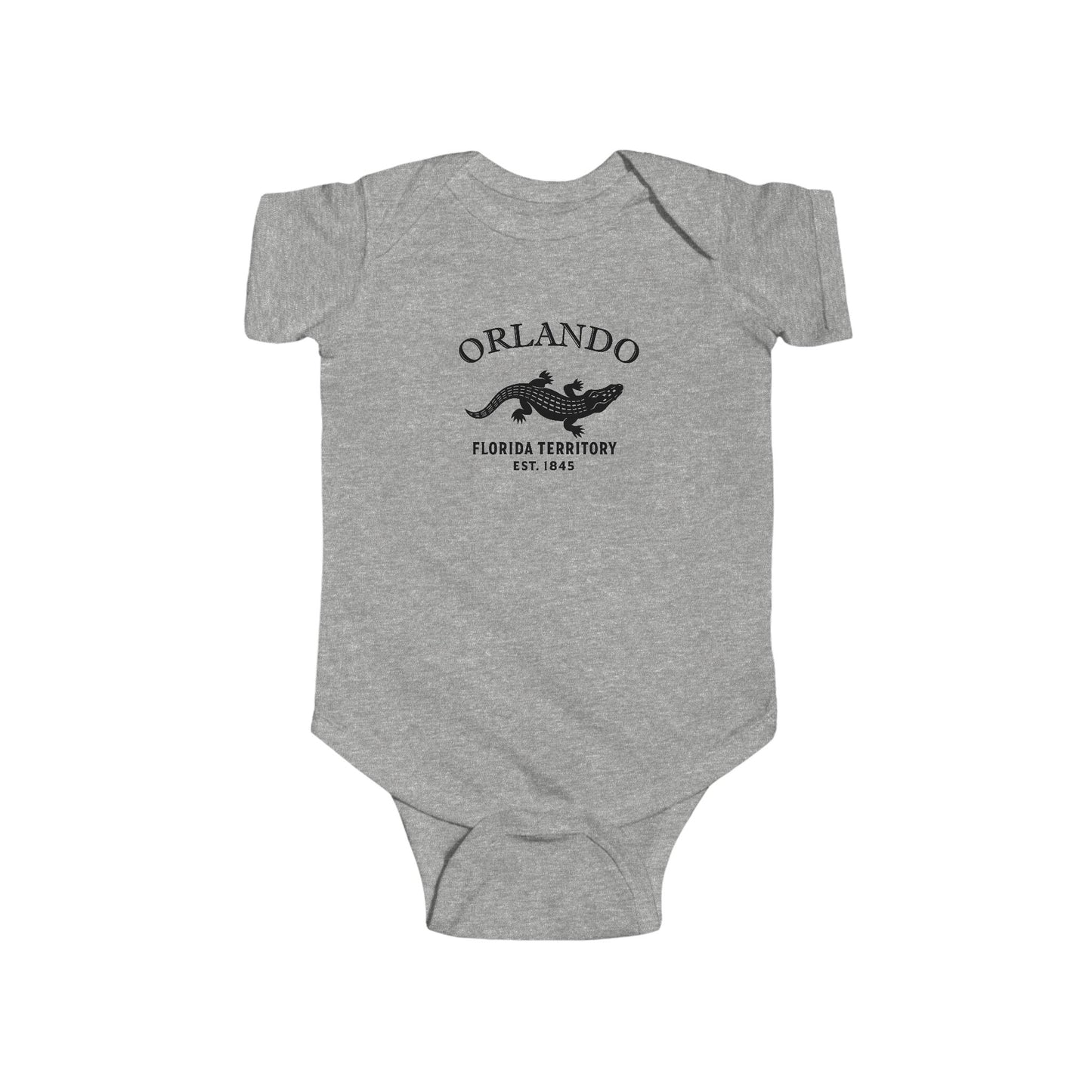
Once the South Florida Railroad arrived in 1880 — the same line that fed the young resort of Winter Park up the track — Orlando became the heart of Florida's citrus country. Through the "Golden Era" of the 1880s and early 1890s, orange groves spread across the flatlands and the crate labels of the day turned Orlando oranges into a brand. Men like Jacob Summerlin, the "Cattle King of Florida," carried the cattle-and-citrus story into the new city. Then the Great Freeze of 1894-95 devastated the groves and ended the boom — but the citrus identity, and that bright orange-crate-label look, never left. Orlando's older downtown still holds it: "Old Orlando" along Orange Avenue, the 1889 Church Street depot, and the historic neighborhoods around Lake Eola like Lake Eola Heights and Thornton Park, all under the oaks that give the City Beautiful its name.
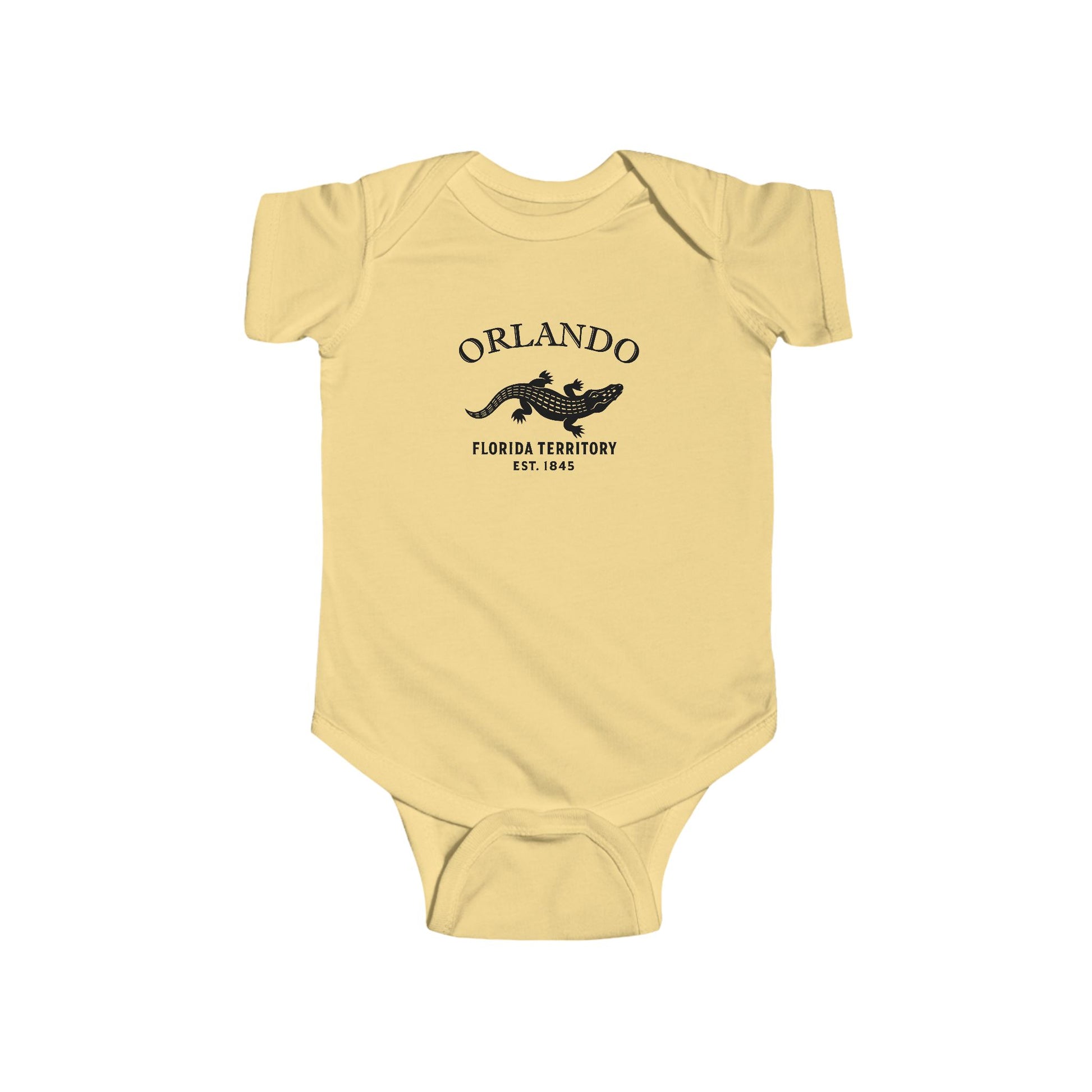
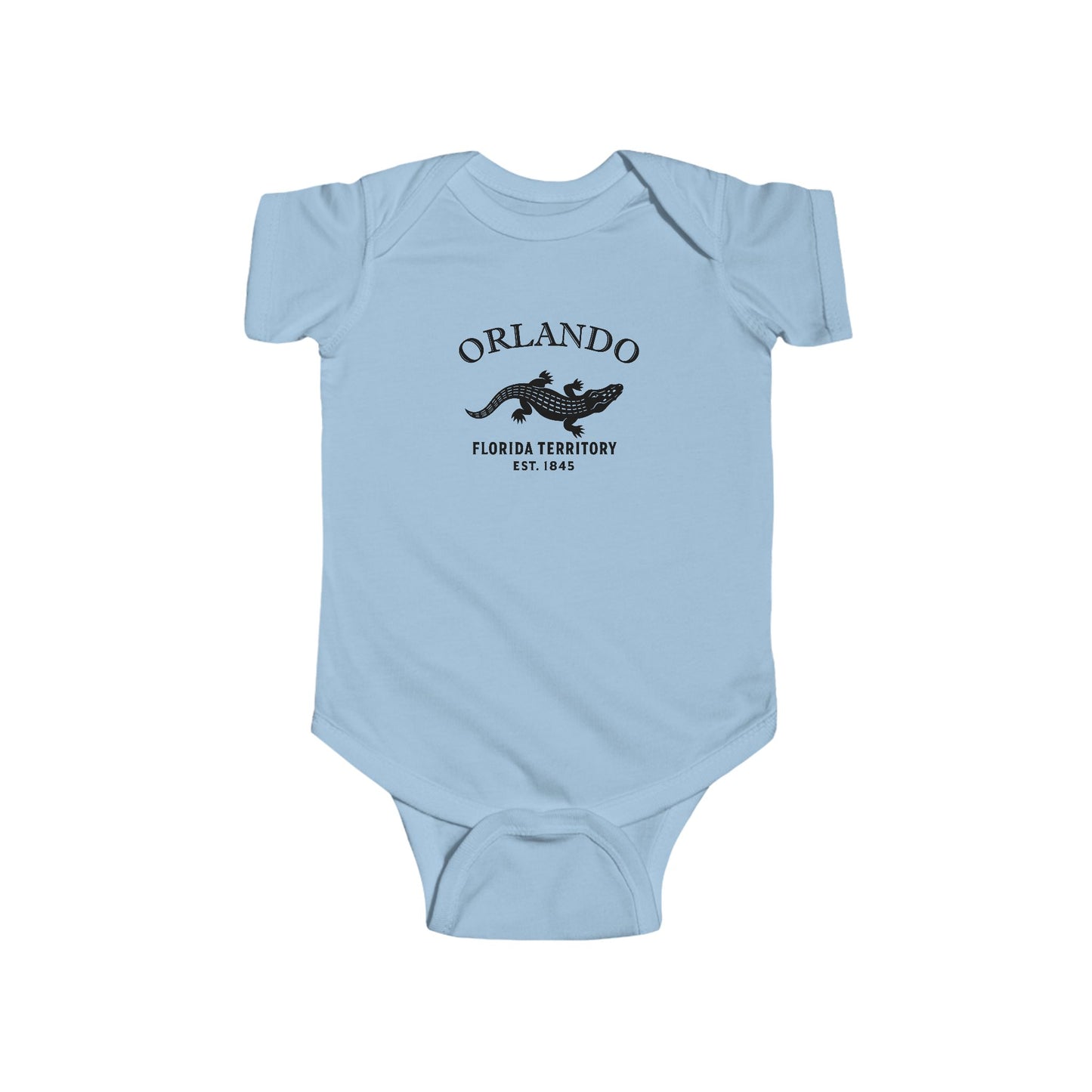
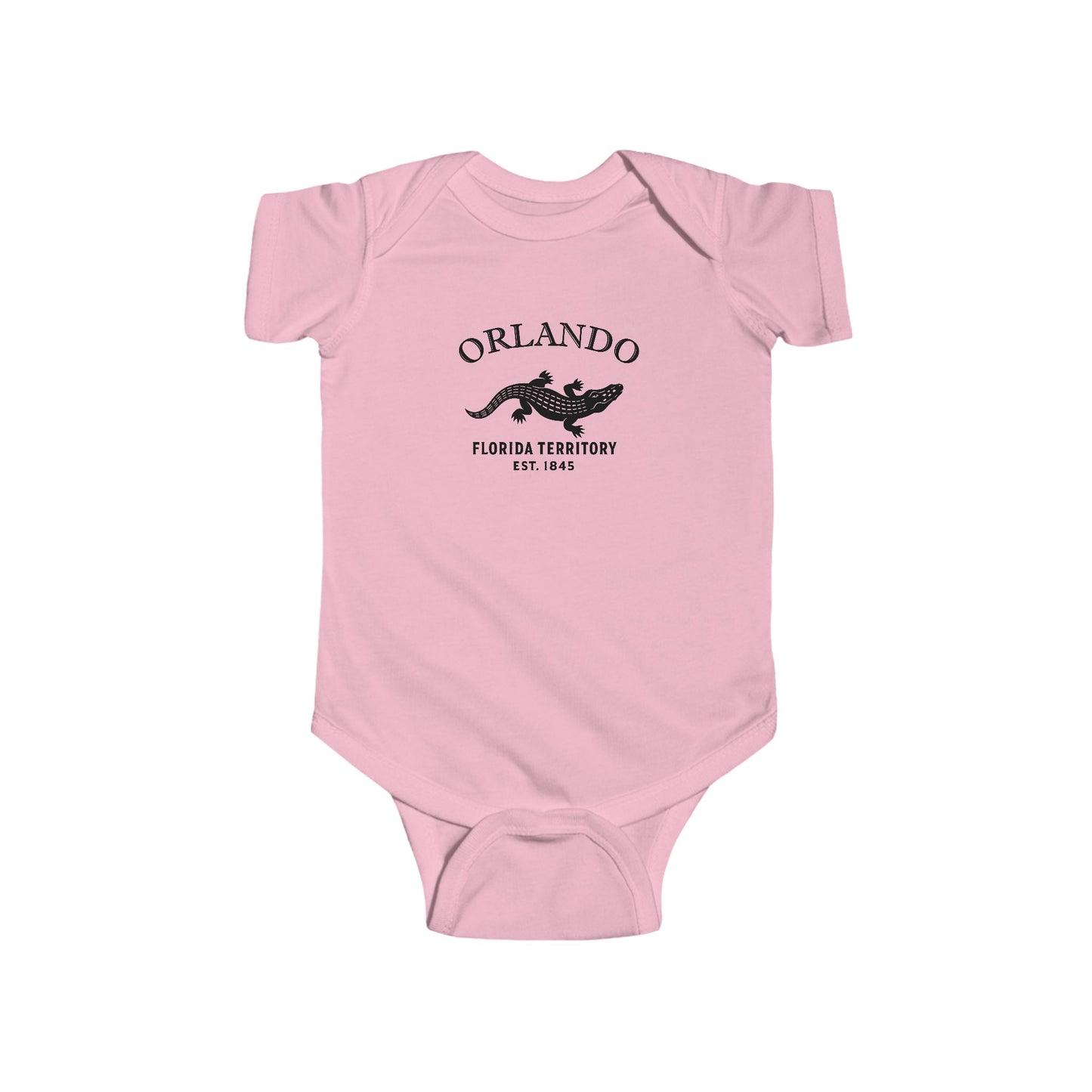
Today "Orlando" means the world to travelers, but its oldest identities are the quiet ones: a lake-dotted City Beautiful with swans on the water and orange country at its back, and a tree-shaded Winter Park two miles north where a jeweler's rescued light still burns. Our Orlando designs gather that heritage — the gator-and-1845 emblem, Lake Eola, and the citrus Golden Era — into wearable form, with a proud nod to the whole greater-Orlando story. Wear the history, and carry a little of it home.
Why People Visit Greater Orlando
The world comes to Orlando for its attractions, but its enduring charm is everything around them: lakes, oaks, swans, and a citrus-country past in the city itself, and a Winter Park two miles north that holds the finest Tiffany glass on earth. Visitors who slow down find gardens, historic downtown streets, lakefront paths, and a rescued palace's worth of colored light — a whole greater Orlando that feels a world away from the crowds.
