


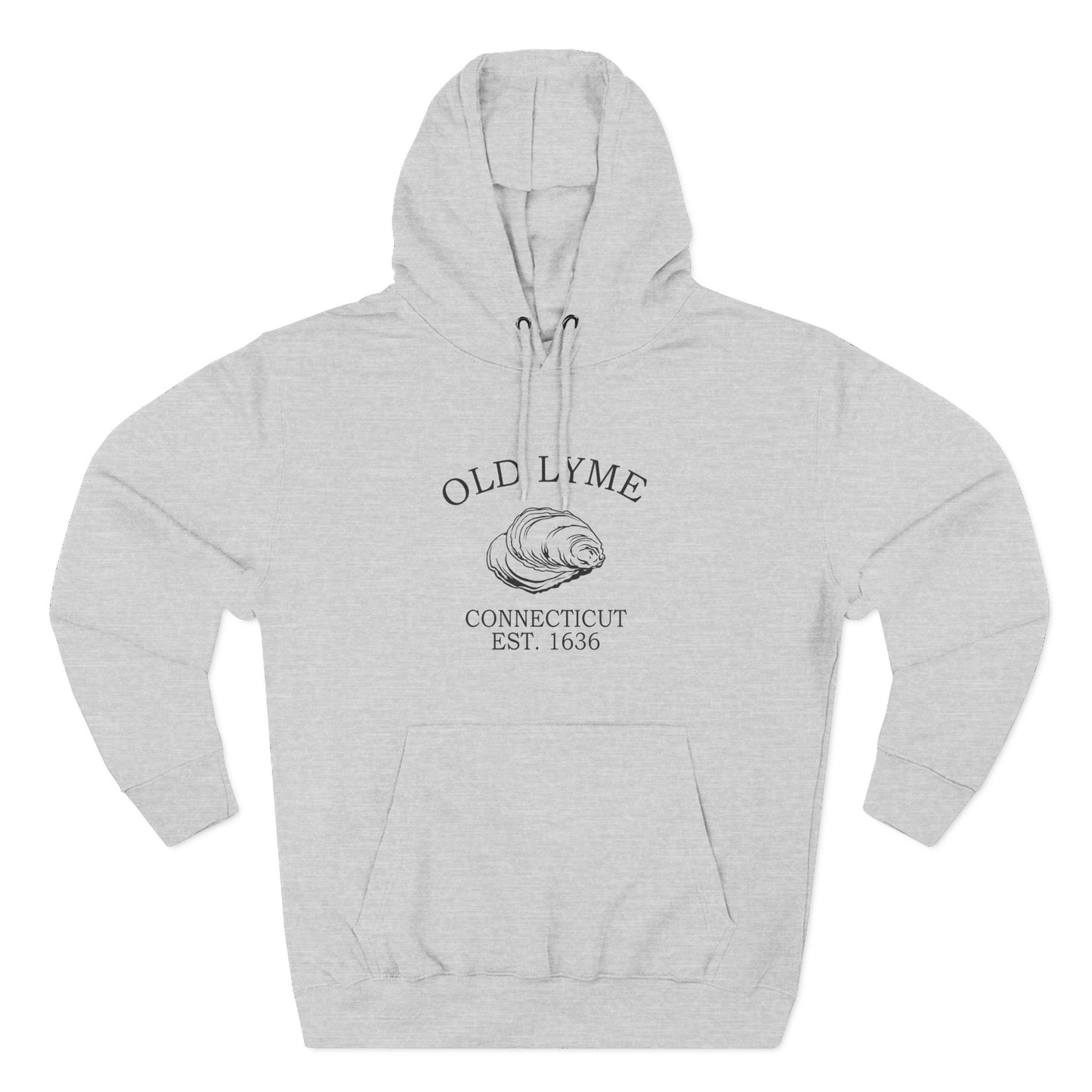

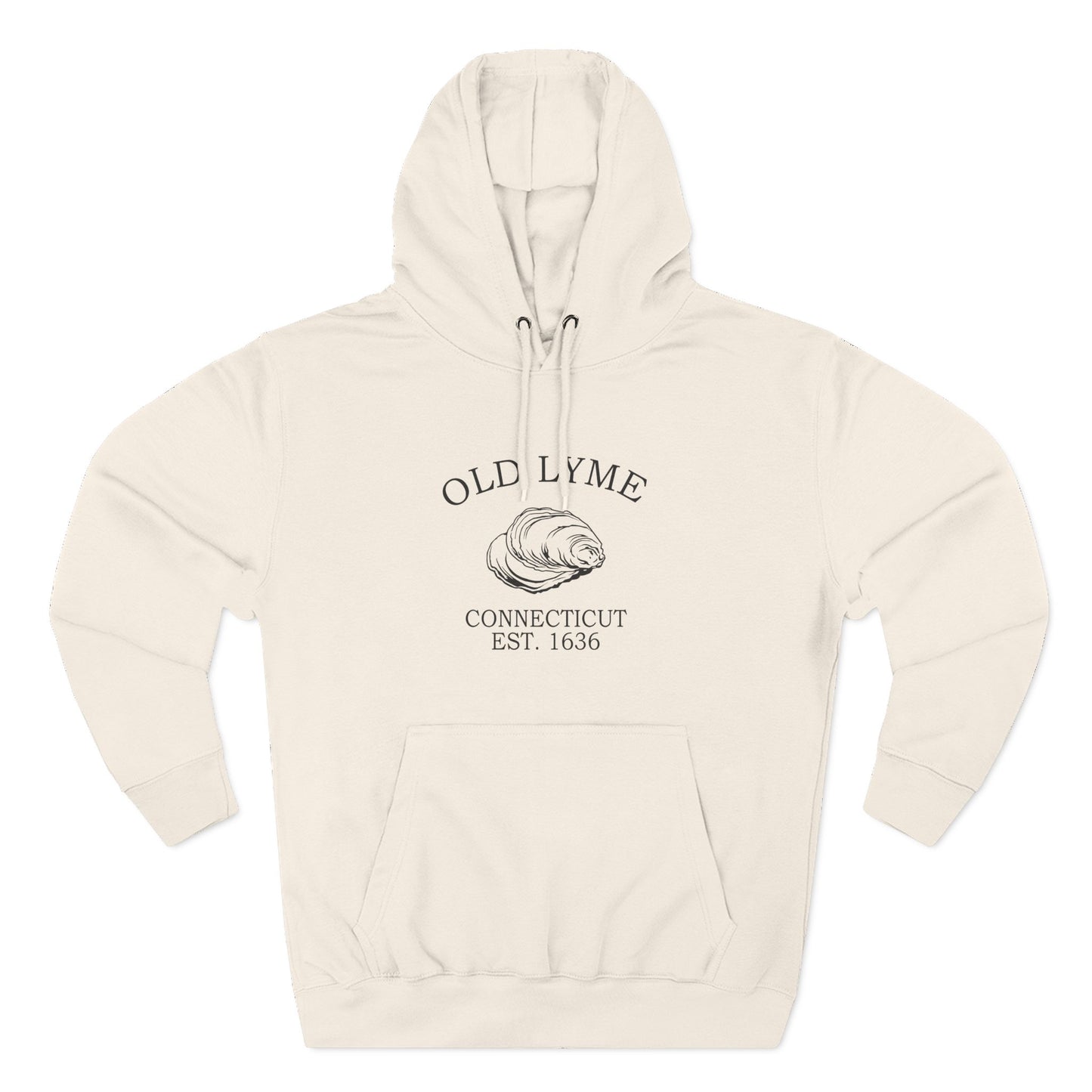
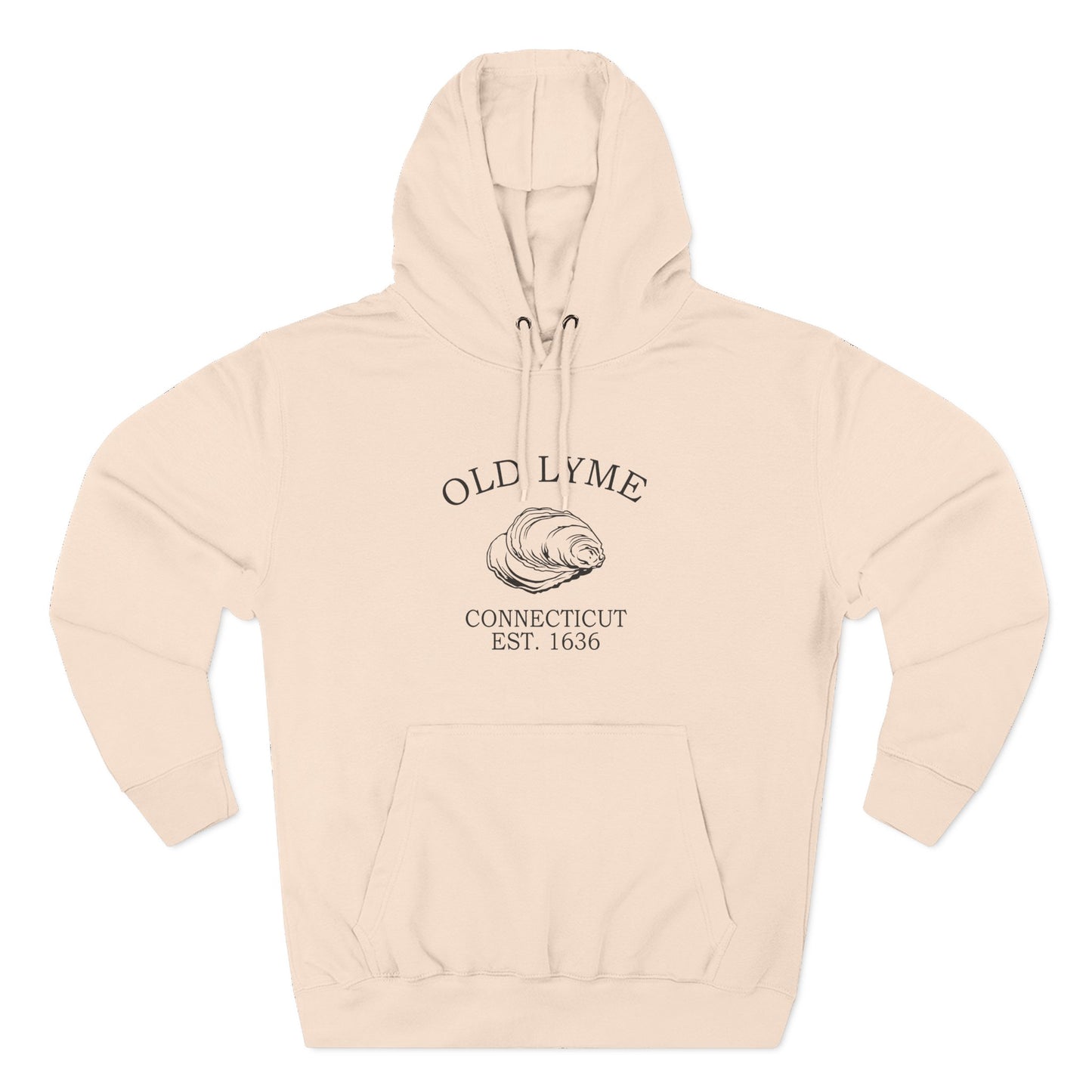
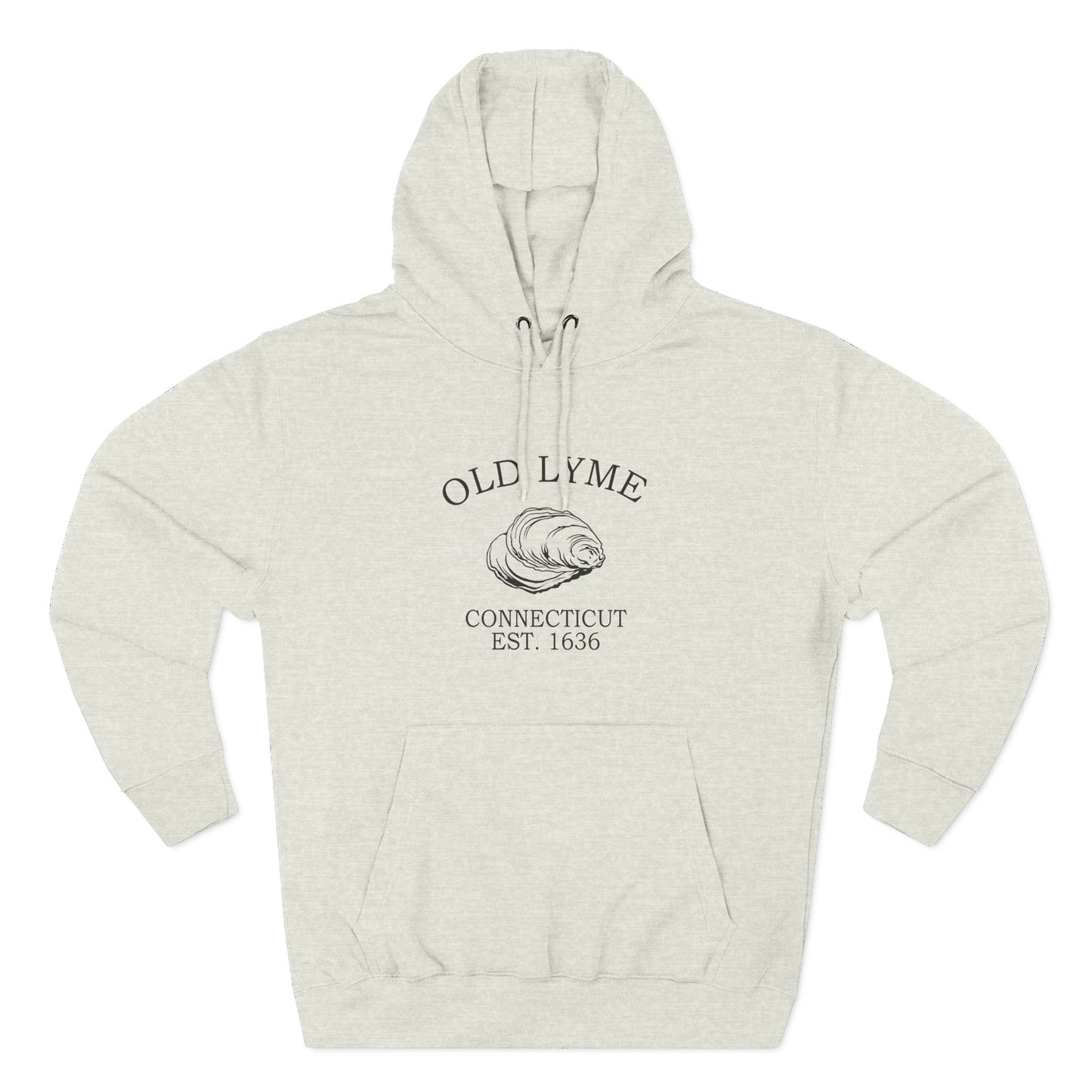
The Loving Parting. Old Lyme began as the east bank of Saybrook Colony, founded in 1636 at the mouth of the Connecticut River. In 1665 the settlers on the two banks divided the colony in what the records call the "Loving Parting" — one of the gentlest town separations in colonial America — and the east side became Lyme. For the next two centuries the village at the river's mouth lived on farming, fishing, shipbuilding, and trade with the West Indies; the Federal-style mansions of Lyme Street, many built for sea captains, date from that maritime prosperity, and the Lyme Street district — 109 acres of it — was listed on the National Register in 1971. The shoreline village incorporated as its own town, South Lyme, in 1855, and took the name Old Lyme in 1857. In 1975, Yale researchers investigating a cluster of illness in the Lyme towns identified the disease that now carries the name.
The colony's artists painted 41 panels directly onto the doors and dining-room walls of the boarding house — a tradition that began as a paint-off in 1900.
Why People Visit Old Lyme Connecticut
- Tour the Florence Griswold Museum, artists colony home with galleries and riverside grounds.
- See the painted panels — 41 works painted directly on the doors and walls of the boarding house.
- Visit Lyme Art Association, historic galleries showcasing regional painters.
- Relax at Sound View Beach, sandy shoreline with gentle surf and boardwalk blocks.
- Walk the Town Green, churches and historic homes along tree lined Lyme Street.
- Enjoy White Sand Beach, neighborhood cove with seasonal access and calm waters.
- Paddle or picnic at Rogers Lake, the freshwater anchor of the town's northern half.
