

From Oʻahu the Hawaiian Kingdom grew. Honolulu, with the only sheltered deep-water harbor for miles, became the capital around 1850 and the hub of the islands' trade — sandalwood, then whaling fleets, then sugar and pineapple — drawing missionaries and merchants and, to the plantations, waves of immigrant labor from Japan, Okinawa, Portugal, China and the Philippines. The monarchy raised ʻIolani Palace there in 1882 — the only royal palace on American soil, lit by electricity before the White House — and ruled from its halls. Around it stood the Kingdom's Honolulu: Kawaiahaʻo Church of 1842, the "Westminster Abbey of Hawaiʻi," and the gilded statue of Kamehameha that still faces the old courthouse. This was the heart of a sovereign Hawaiian nation.
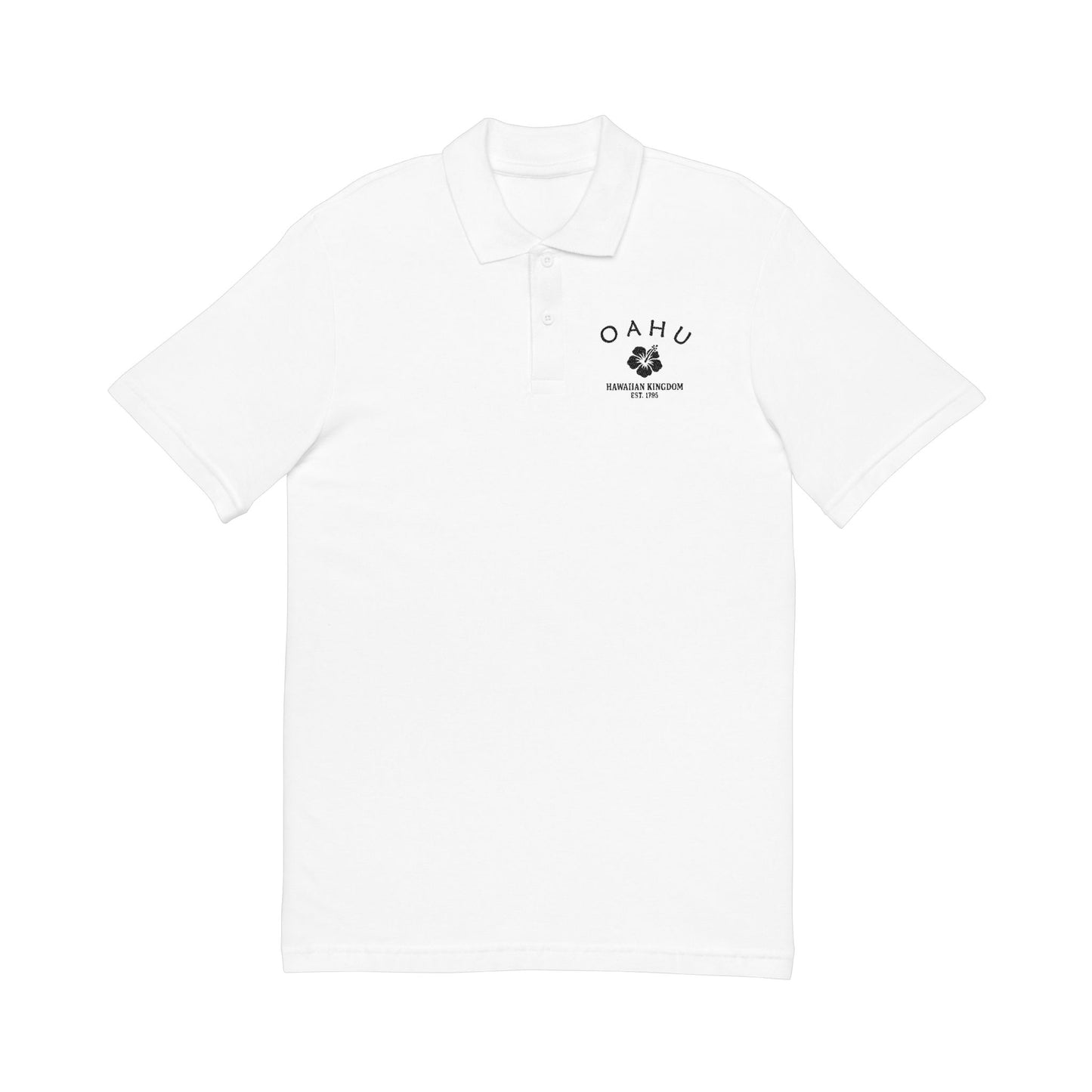
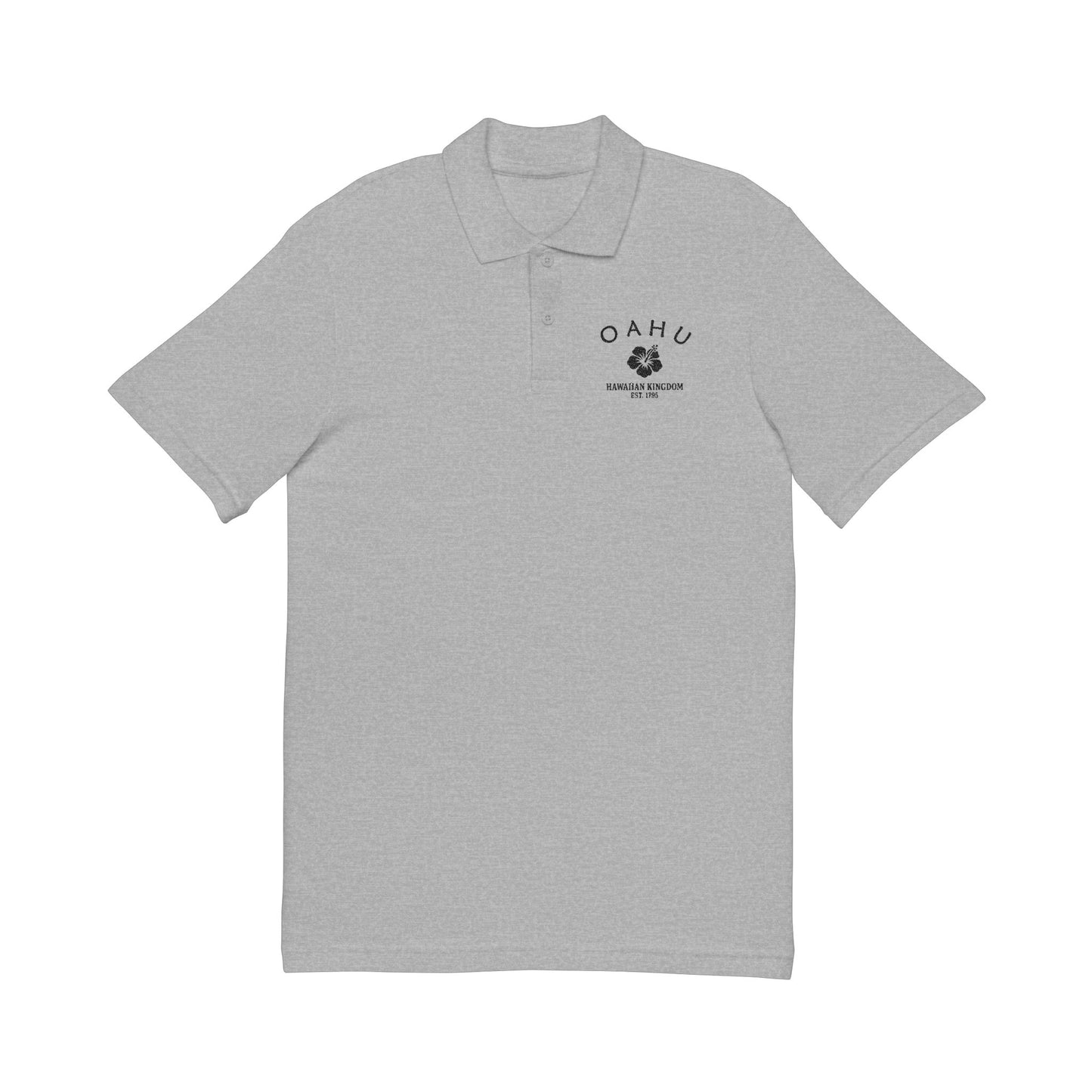
Our Oʻahu logo carries the Hawaiian hibiscus over "Hawaiian Kingdom · Est. 1795," the shared emblem of every Merlin Classics Hawaiʻi place, marking the 1795 unification that began on this very island at Nuʻuanu. Printed in clean retro black-and-white like an old travel decal, the hibiscus stands for the islands as a whole; what makes this one Oʻahu is everything around it — Diamond Head over Waikākā, the surf of the North Shore, the green wall of the Koʻolau, and the gathering-place spirit of Hawaiʻi's busiest island.
Why People Visit Oʻahu
Oʻahu offers the whole of Hawaiʻi in one place: deep history and living culture, world-famous surf, a great multicultural city, and beaches for every mood. It is where most visitors begin — and, for the million people who live here, simply home, the island where Hawaiʻi gathers.
