Offshore, the low string of the Norwalk Islands — Sheffield, Chimon, Cockenoe and their neighbors — shelters the harbor, and Sheffield Island Lighthouse has stood at the entrance since 1868, joined later by the Peck Ledge and Greens Ledge lights — three lighthouses for one harbor; a seasonal ferry still runs out to Sheffield Island, past the working oyster boats and the summer moorings.
The colonial town lived on farming, shipbuilding, coastal trade — and always the oyster beds. On July 11, 1779, four days after burning Fairfield, British forces under General William Tryon landed at Calf Pasture and burned Norwalk — houses, mills, churches, and barns were destroyed in a single day of fighting that swept up Grumman’s Hill, and the town rebuilt itself through the Federal era around its green, which still anchors the historic district today.
Why People Visit Norwalk Connecticut
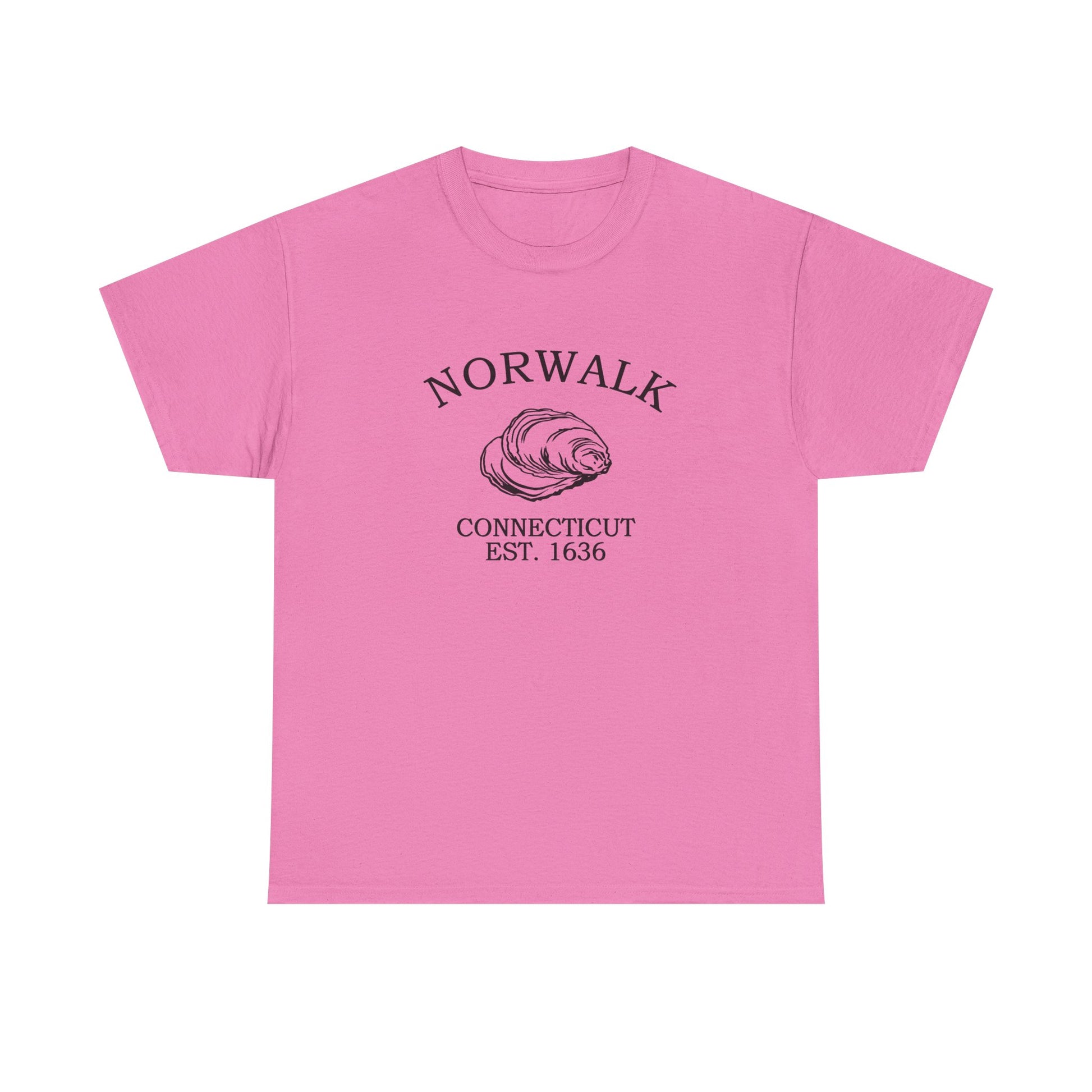
Norwalk offers an authentic working harbor, one of America's earliest Gilded Age mansions, a major aquarium, an annual oyster festival, an offshore island ferry to an 1868 lighthouse, and a nineteenth-century industrial waterfront reborn as a historic district. Visitors come for the SoNo galleries and restaurants, the Maritime Aquarium with its harbor seals and Sound-habitat exhibits, the Lockwood-Mathews Mansion and its preserved Second Empire interiors, the September Oyster Festival, the Sheffield Island ferry, and the simple shoreline pleasures of Calf Pasture Beach. It is a Connecticut shoreline city built on the harbor, the hat, and the oyster, with all three still visible if you know where to look.
