


South Norwalk — first known as Old Well, for the 1738 well where sailing ships filled their casks, then a city in its own right from 1870 until the 1913 consolidation — spent the twentieth century as hard-working brick and lost industry, then came back to life: the SoNo district’s nineteenth-century blocks were reborn as a waterfront destination in the 1980s, the Maritime Aquarium opened on the river in 1988, and Metro-North carries the city’s commuters to New York. Norwalk has stayed what it always was — a city that works for a living, with a harbor at the middle of it.
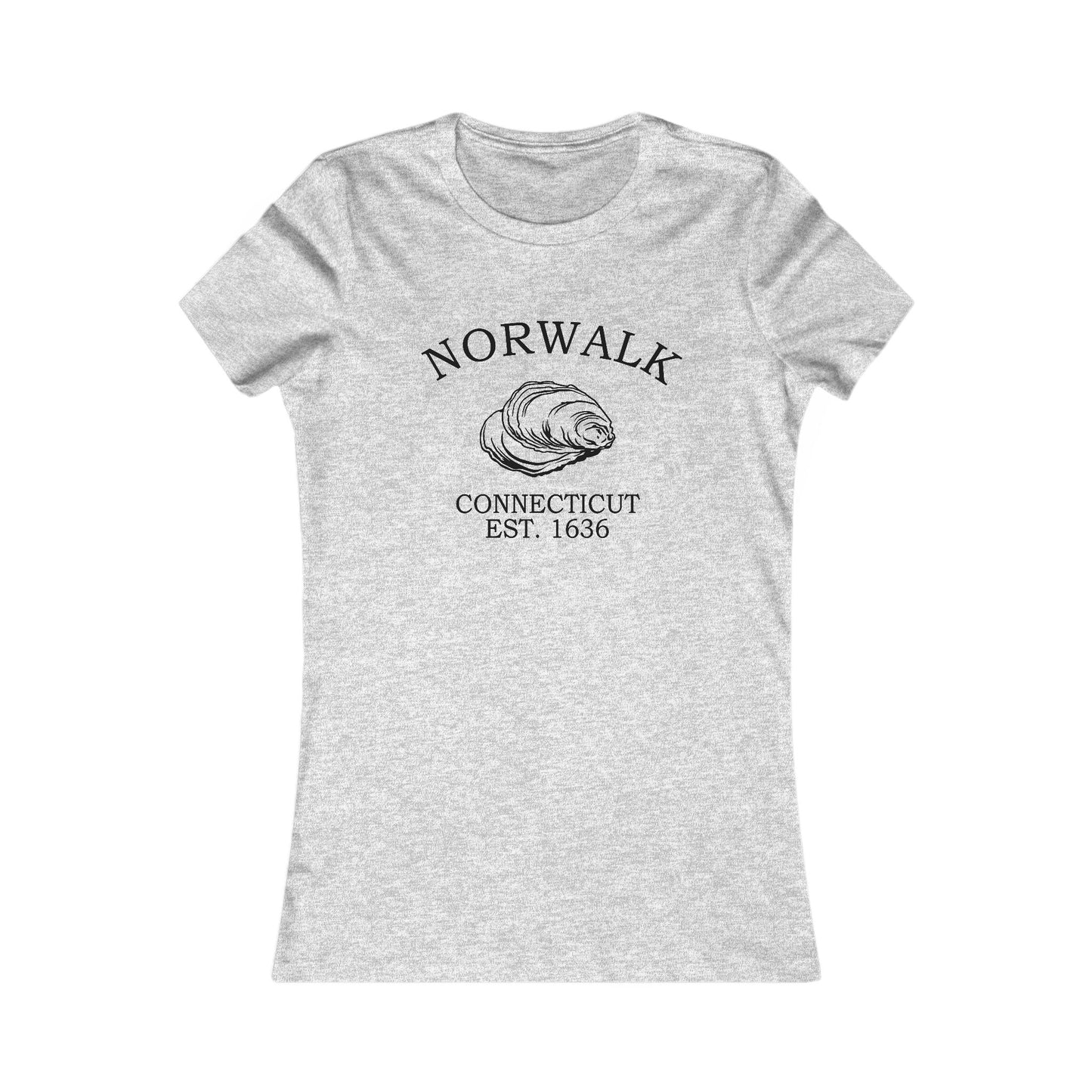
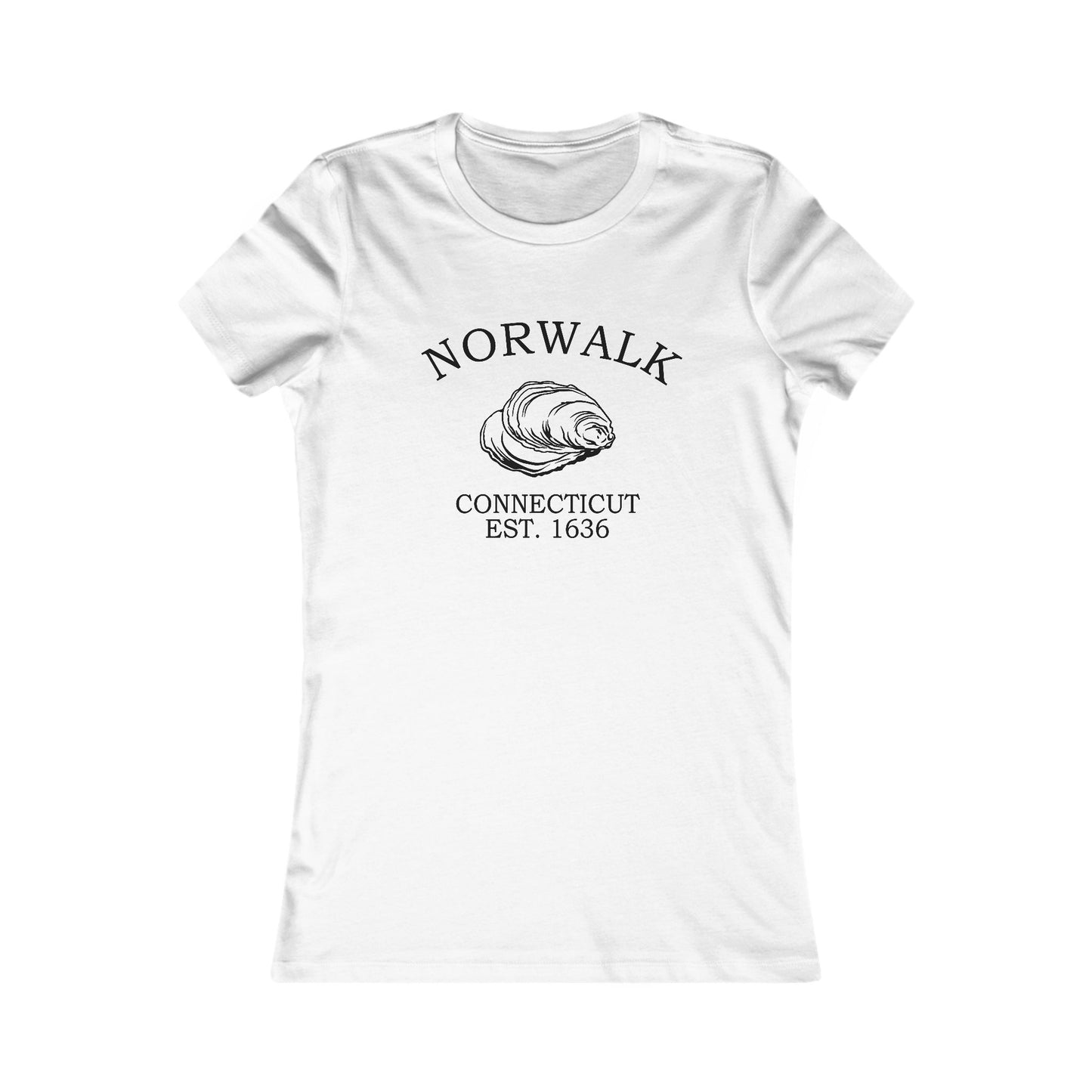
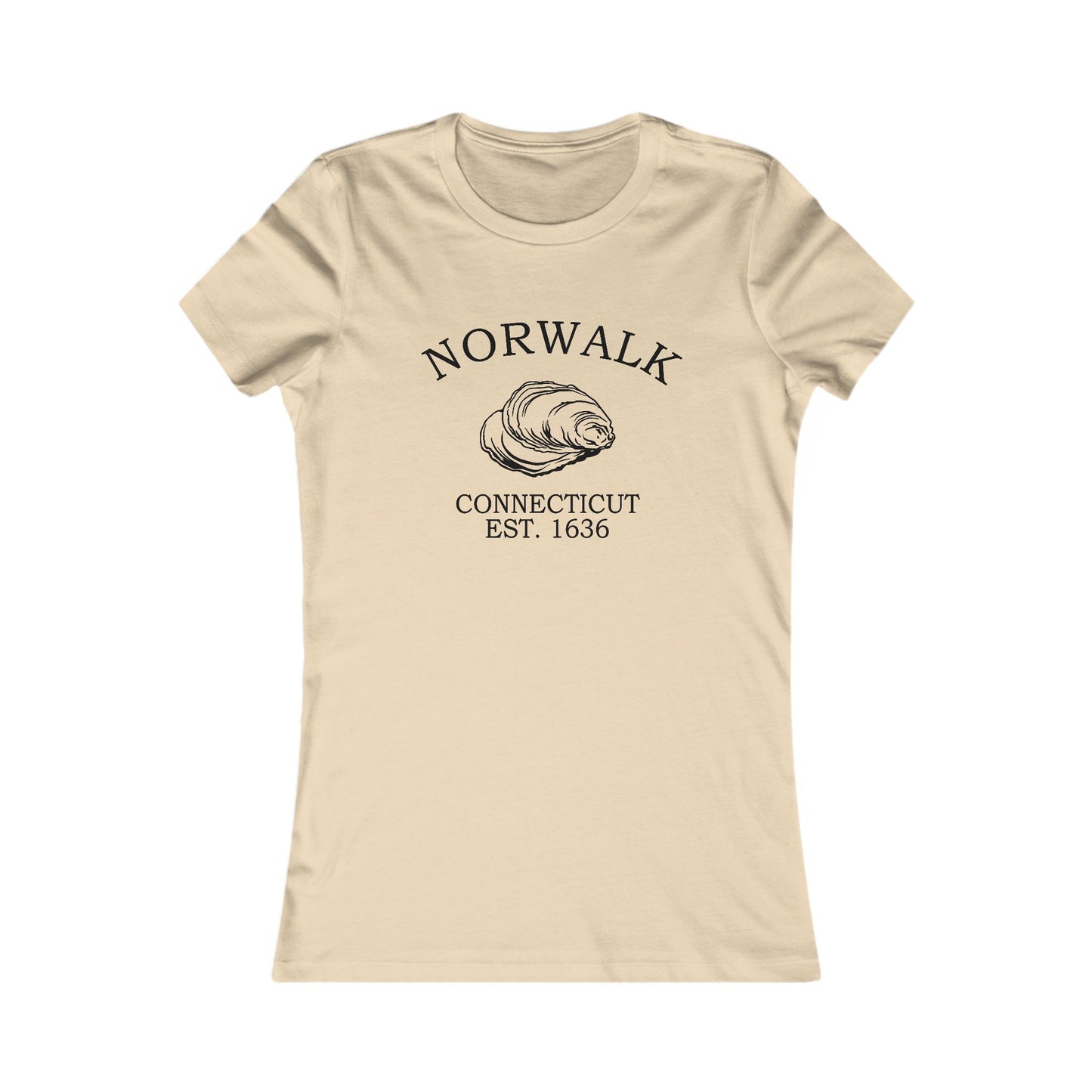
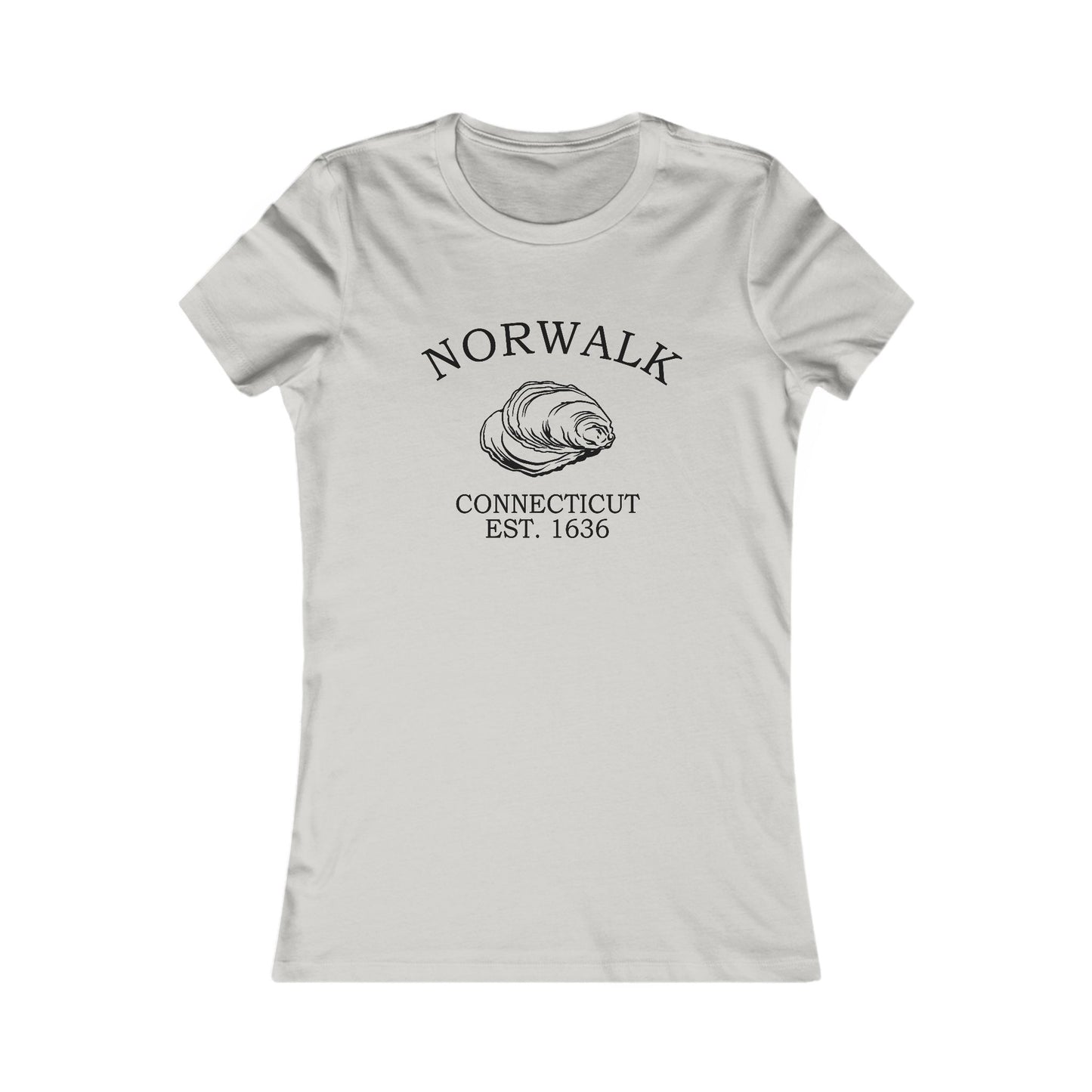
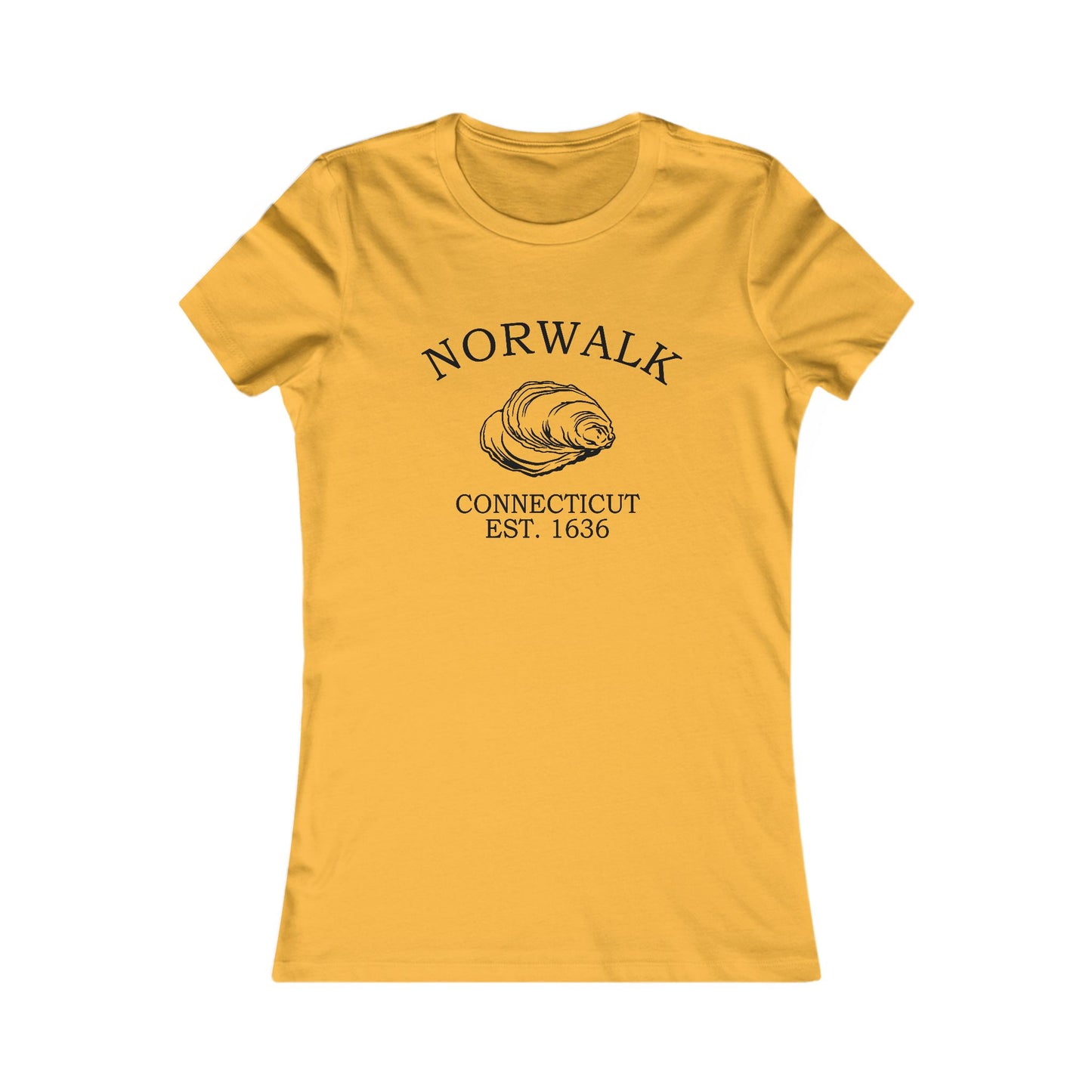
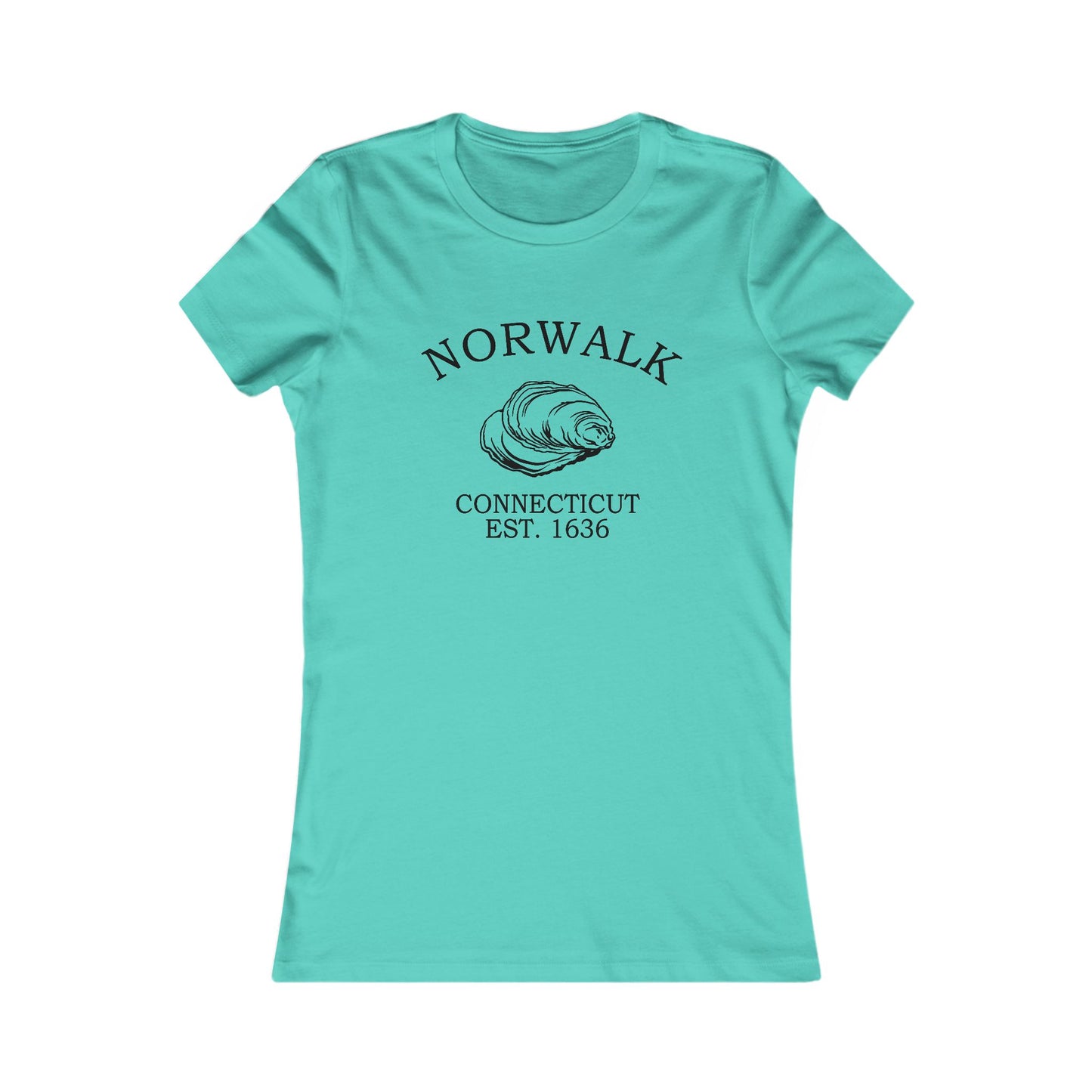
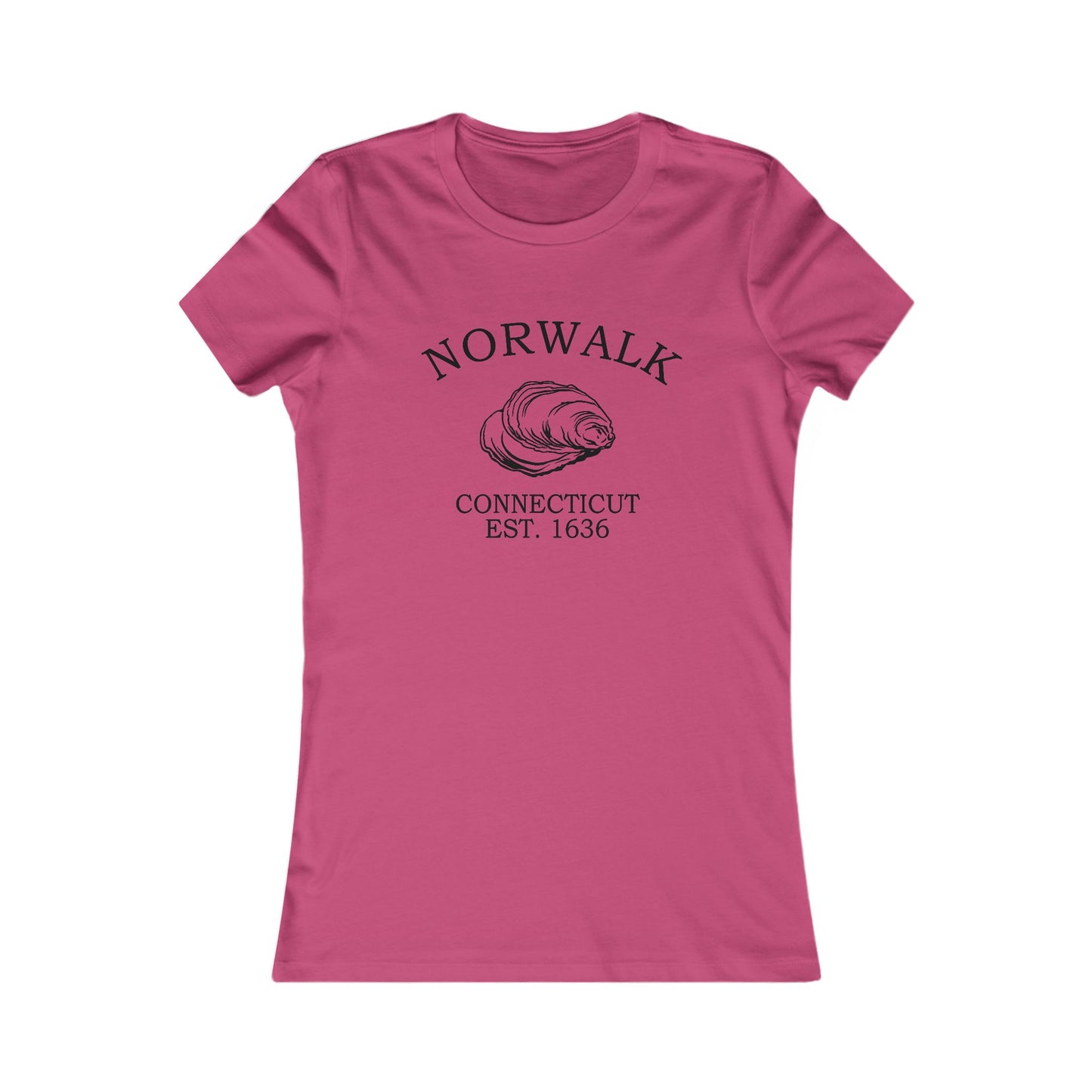
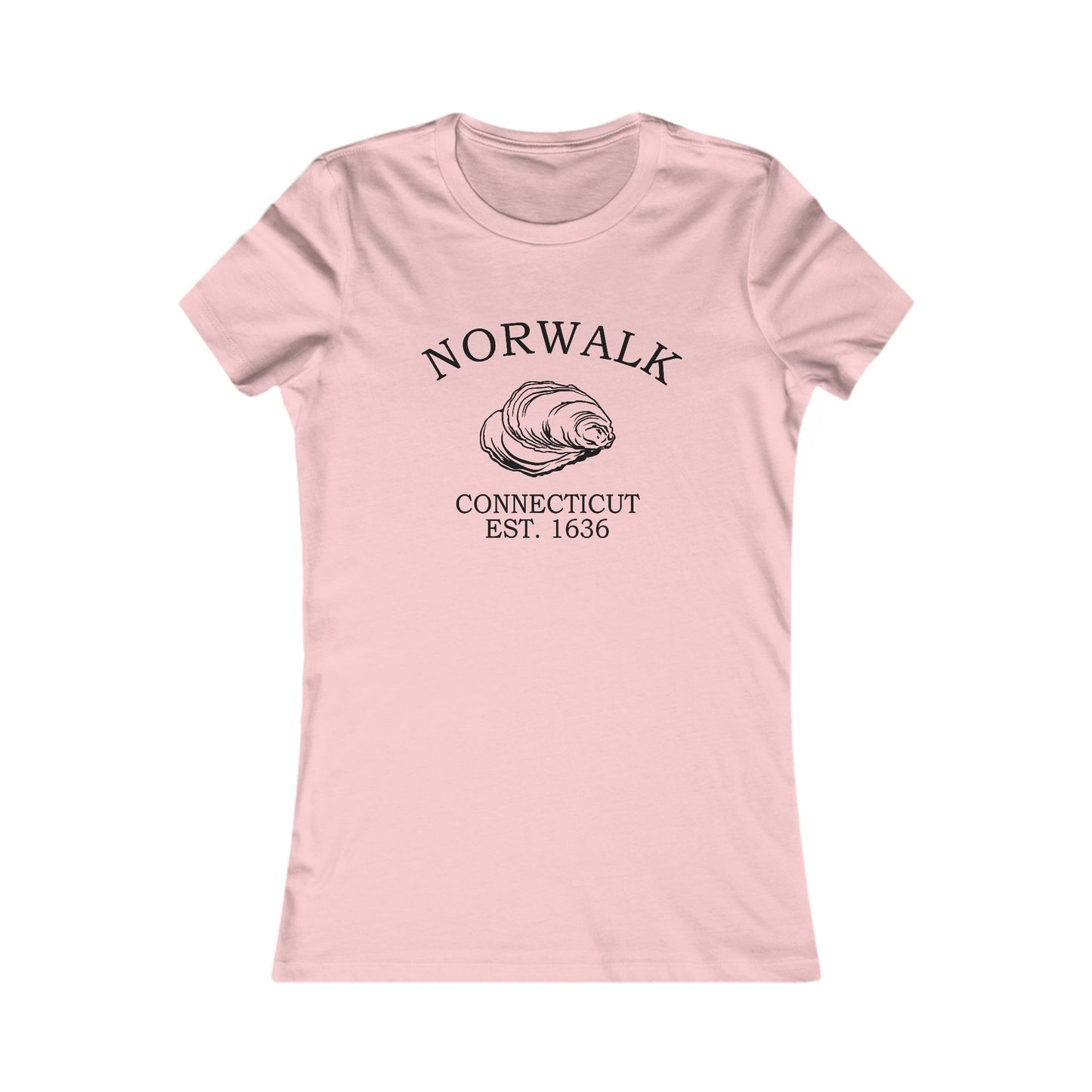
Our Norwalk retro logo uses the Connecticut shoreline oyster shell motif, symbolizing resilience, abundance, and shoreline pride. The oyster reflects maritime identity and Norwalk's long history of supplying the New York oyster trade, while "1640" ties the design to the colonial founding of Norwalk on the harbor. Its black-and-white styling is retro, resembling oyster crate labels and seaside signage. The motif bridges Norwalk's dual identity: colonial maritime hub and suburban community. On merchandise, it conveys authenticity and resilience, retro vintage in tone. The oyster shell emblem honors Norwalk's layered heritage, making it a vintage symbol of Connecticut shoreline pride. Retro in style, it reflects resilience, heritage, and authenticity, perfectly suited for cultural tradition.
Why People Visit Norwalk Connecticut
Norwalk offers an authentic working harbor, one of America's earliest Gilded Age mansions, a major aquarium, an annual oyster festival, an offshore island ferry to an 1868 lighthouse, and a nineteenth-century industrial waterfront reborn as a historic district. Visitors come for the SoNo galleries and restaurants, the Maritime Aquarium with its harbor seals and Sound-habitat exhibits, the Lockwood-Mathews Mansion and its preserved Second Empire interiors, the September Oyster Festival, the Sheffield Island ferry, and the simple shoreline pleasures of Calf Pasture Beach. It is a Connecticut shoreline city built on the harbor, the hat, and the oyster, with all three still visible if you know where to look.
