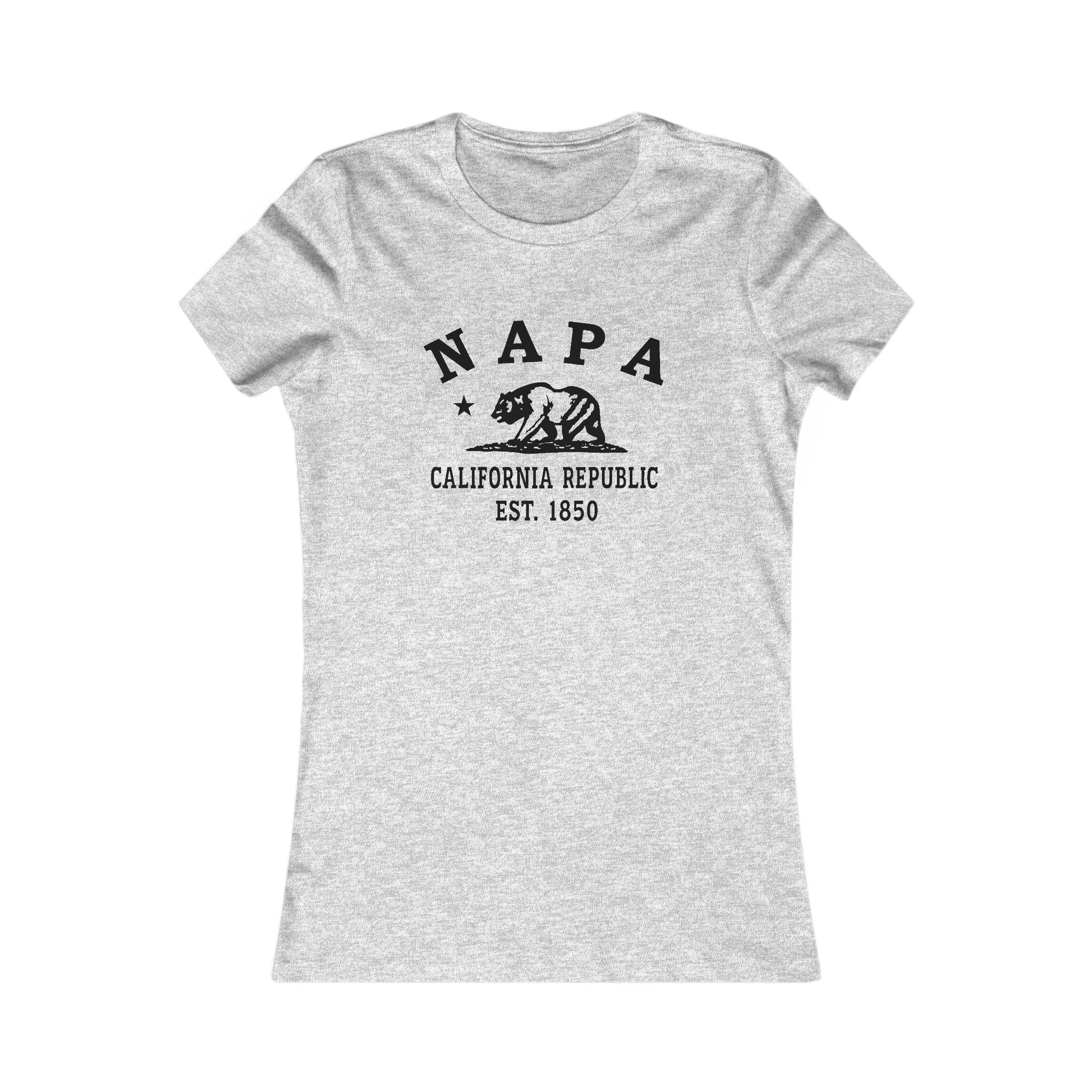
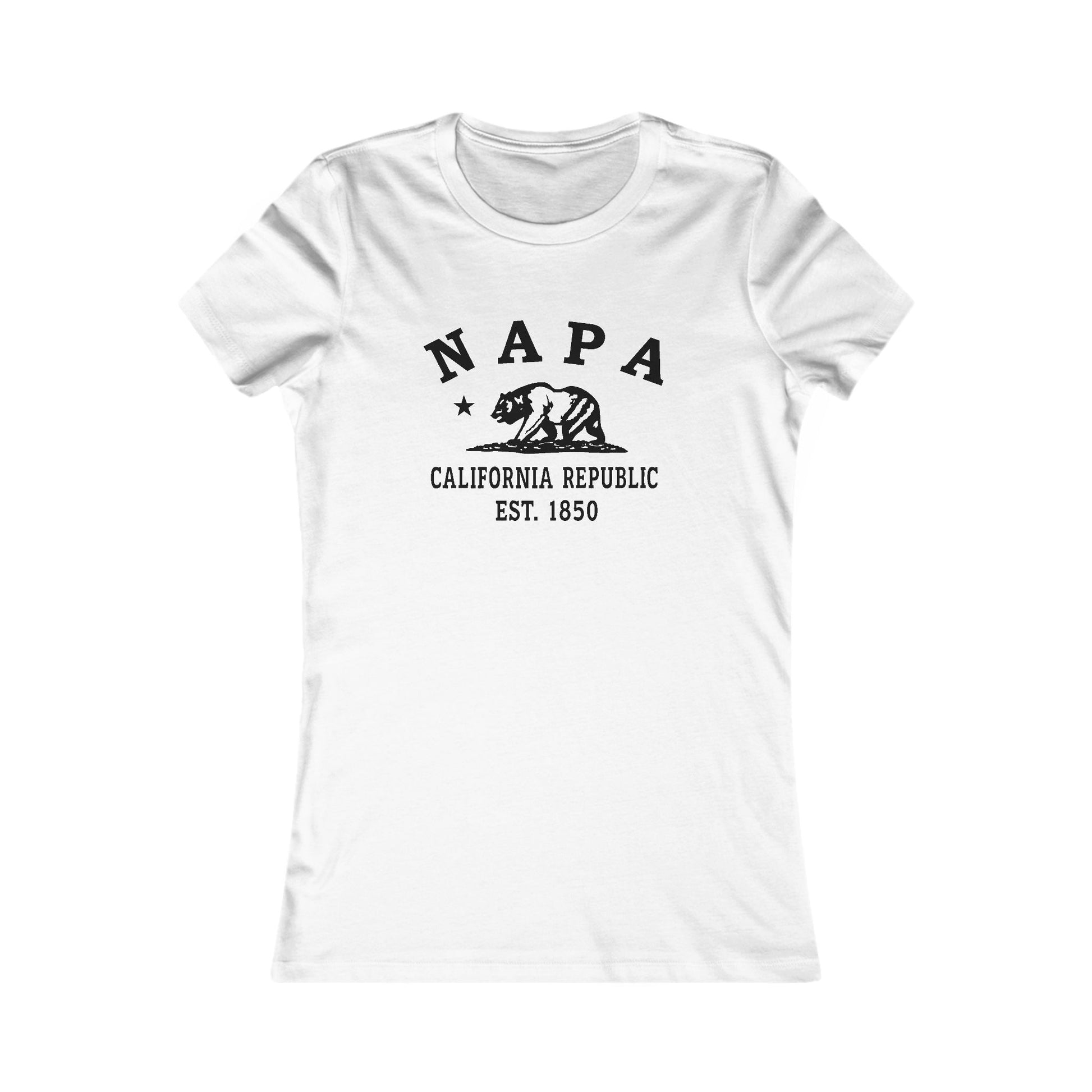
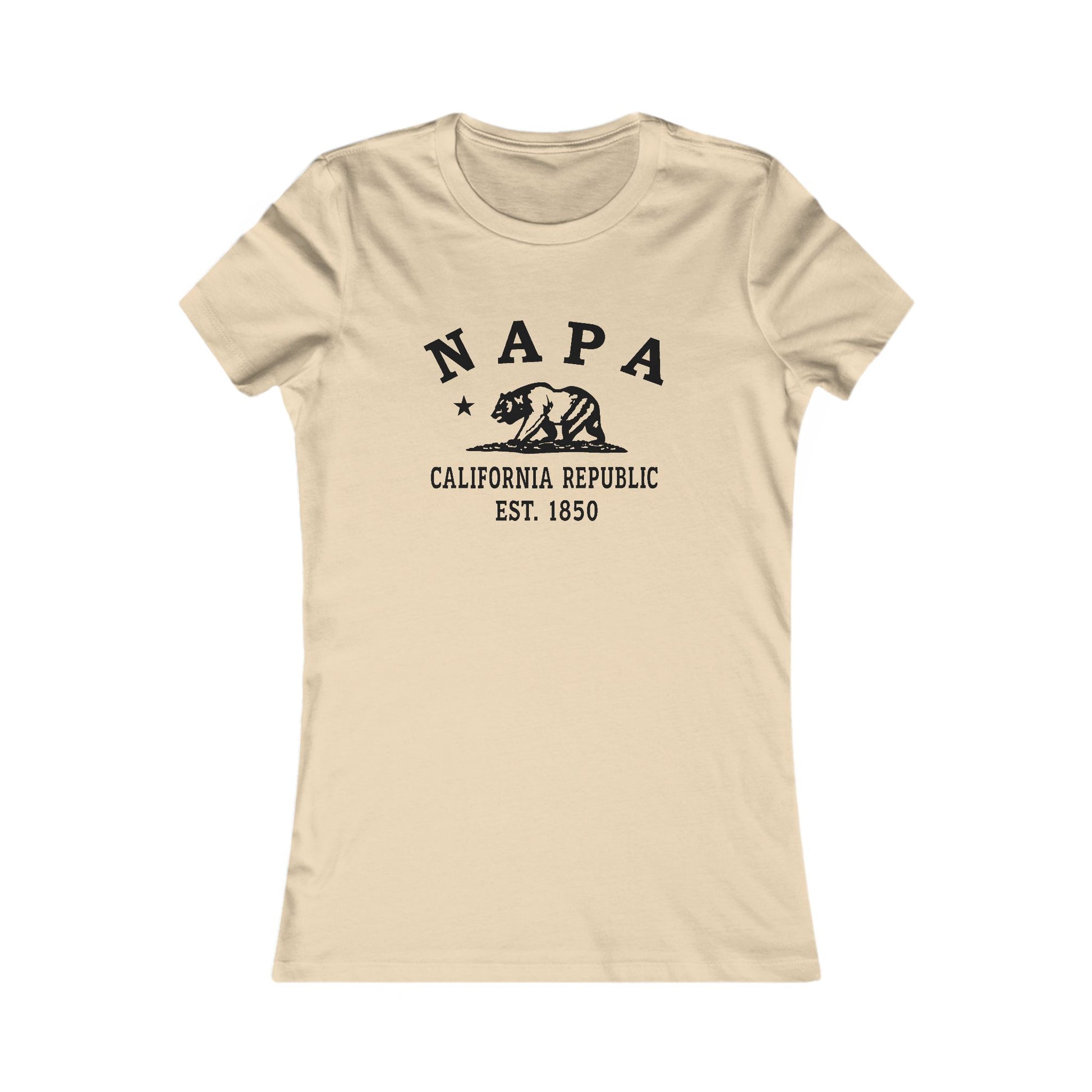
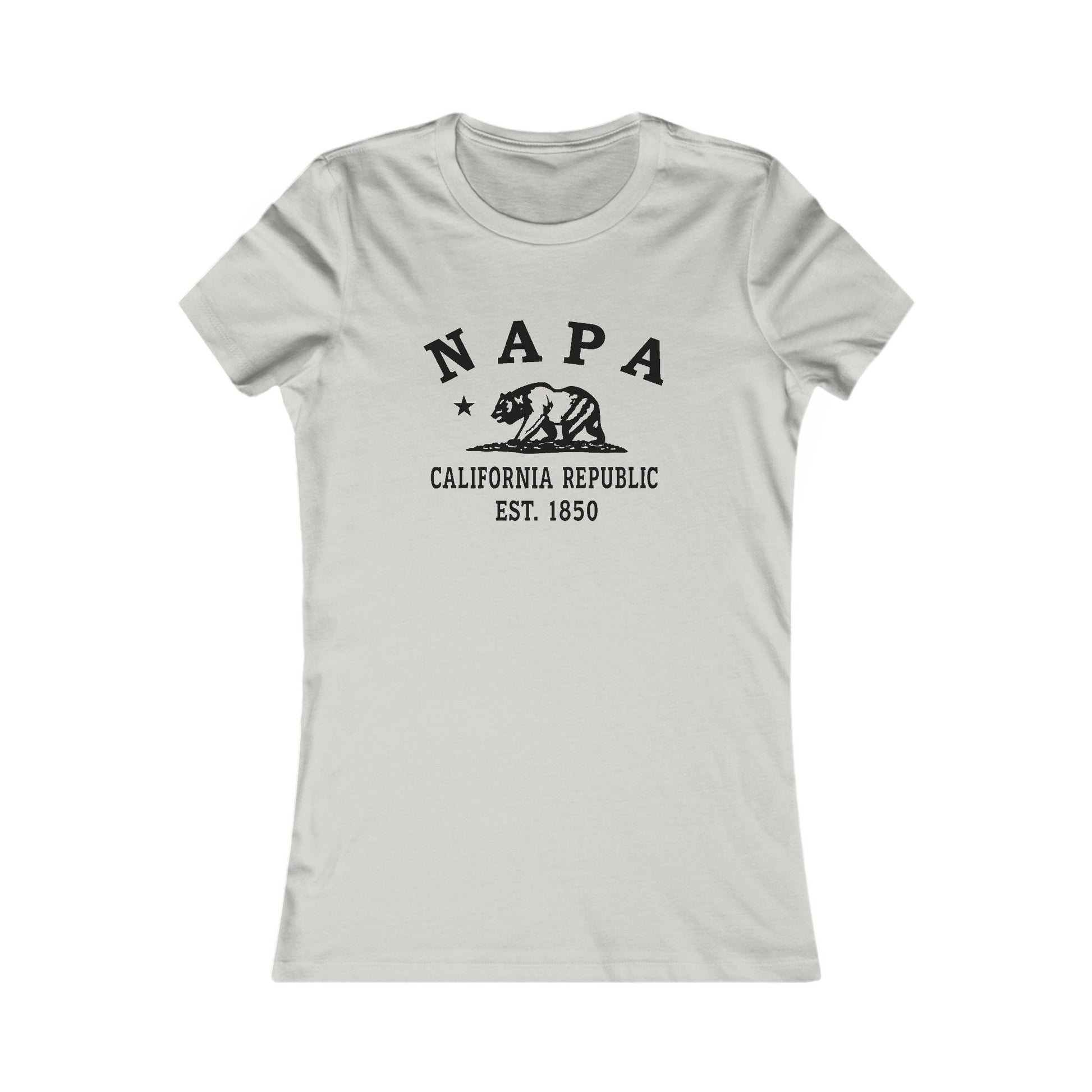
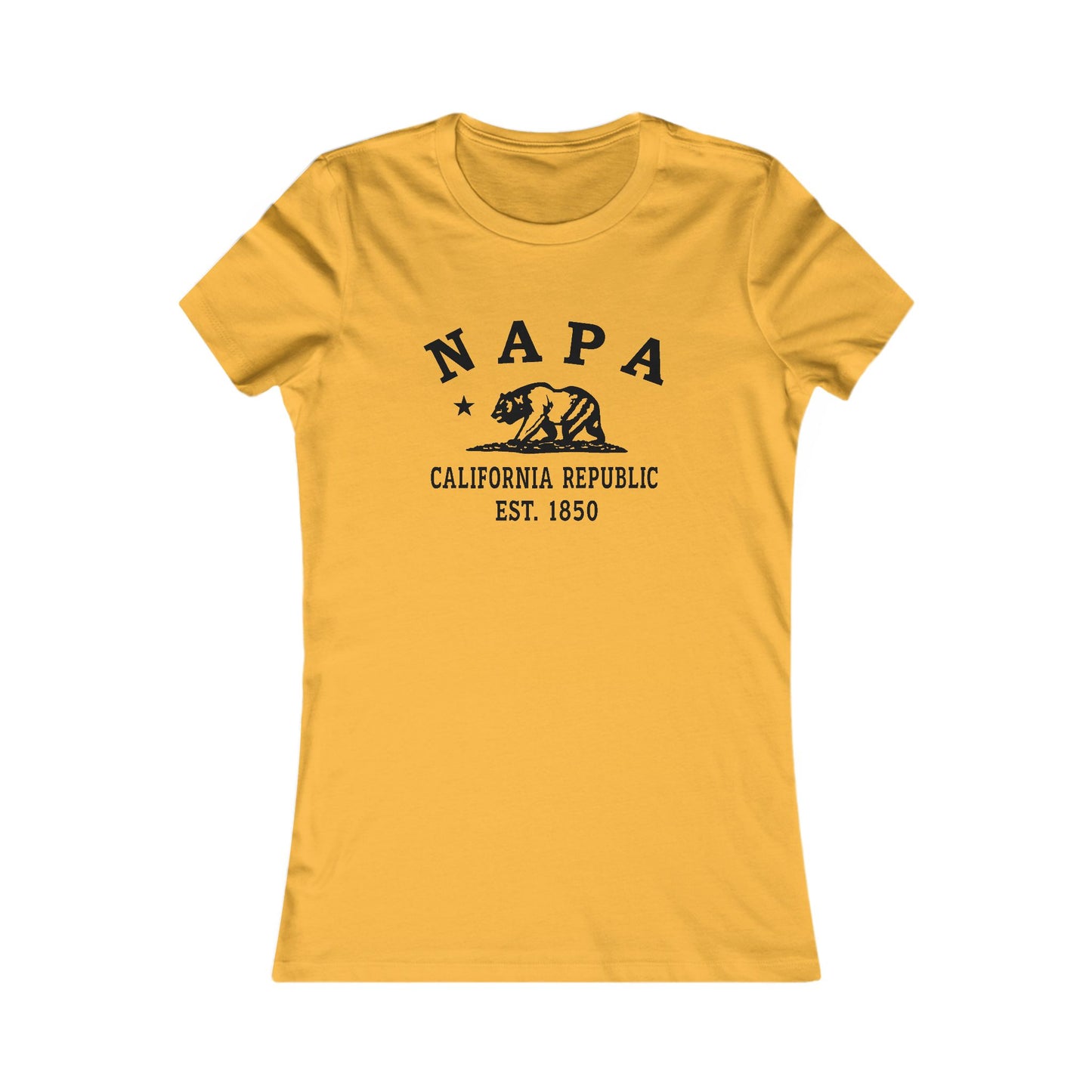
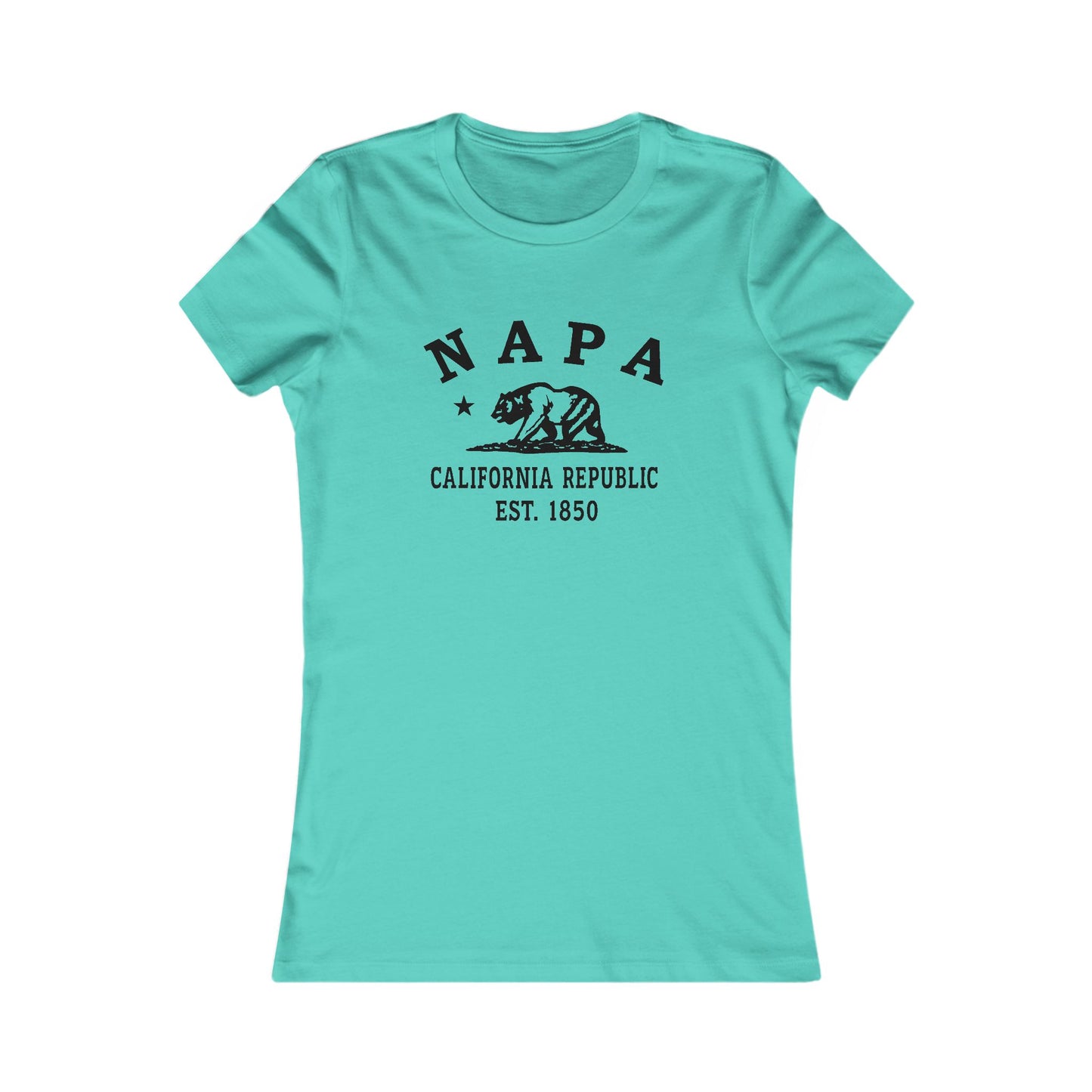
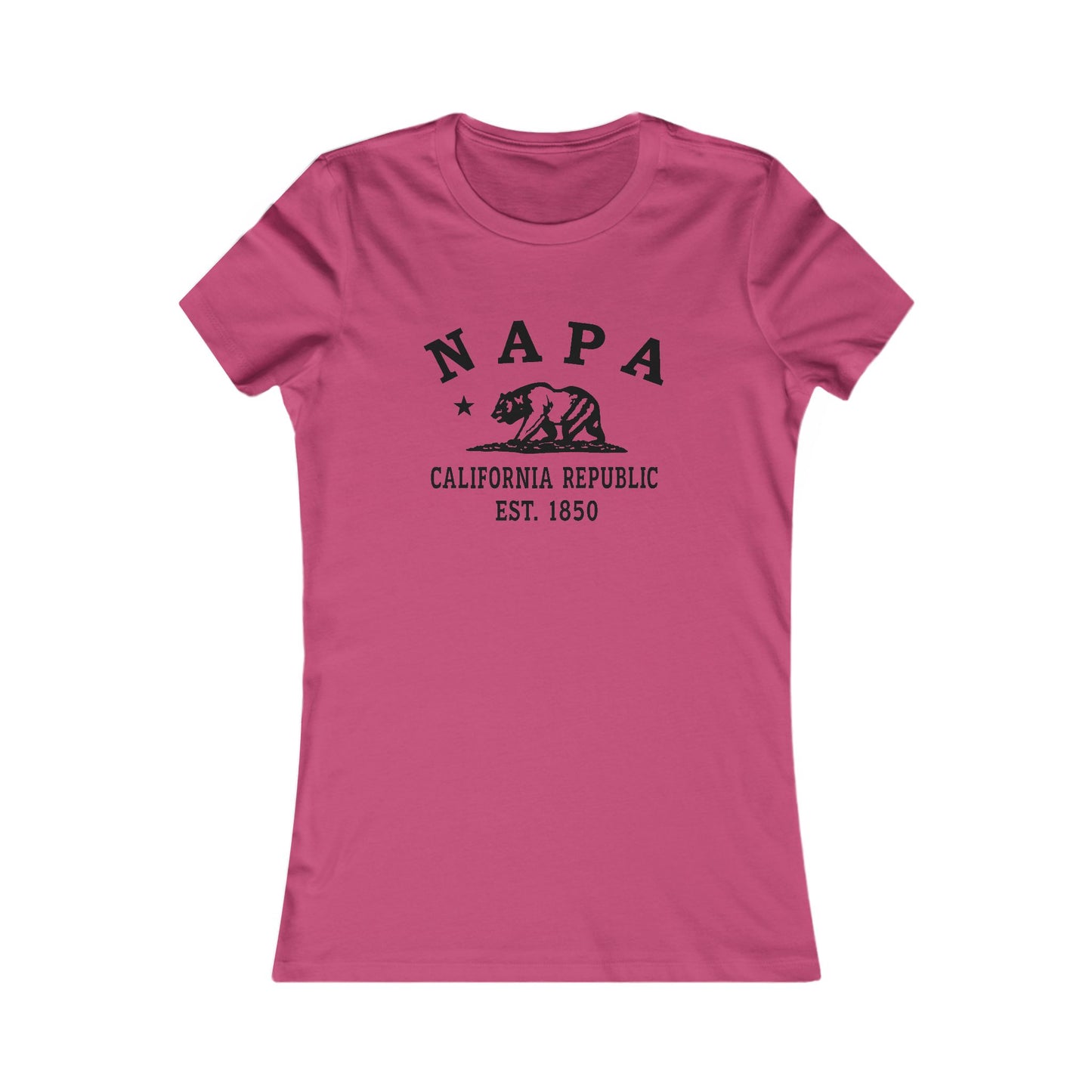
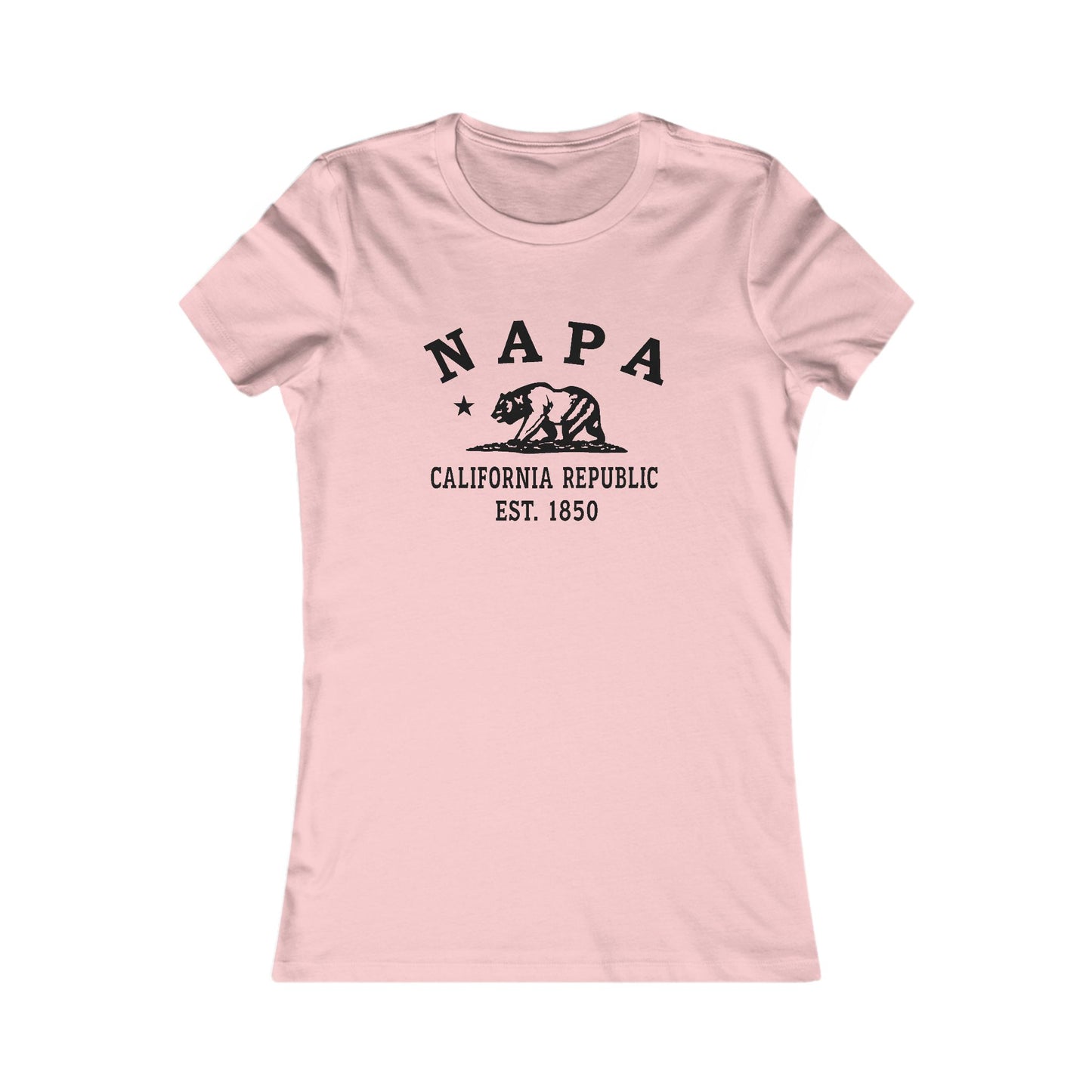
Napa’s lore lives in that fog — the “valley ghosts,” locals call the morning mist that drifts between the vines — and in the phantom vineyards of Prohibition: growers who kept their vines alive through the dry years on sacramental-wine permits and quiet faith, so the valley could bloom again when the law came back around. Older still are the river tales — steamboat pilots racing the tide up from the bay, and a Main Street that once tied a hundred saddle horses to its fences on an ordinary afternoon.
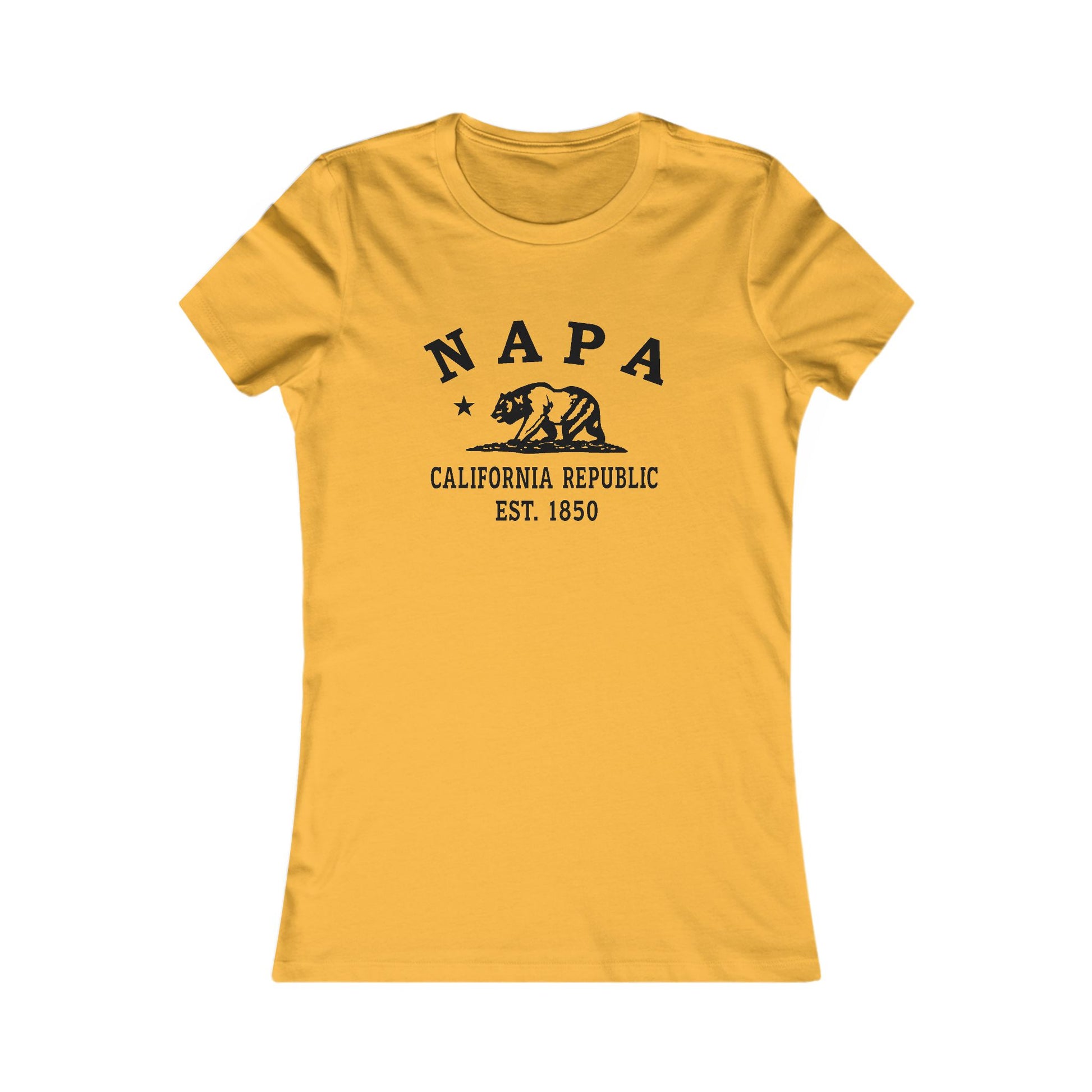
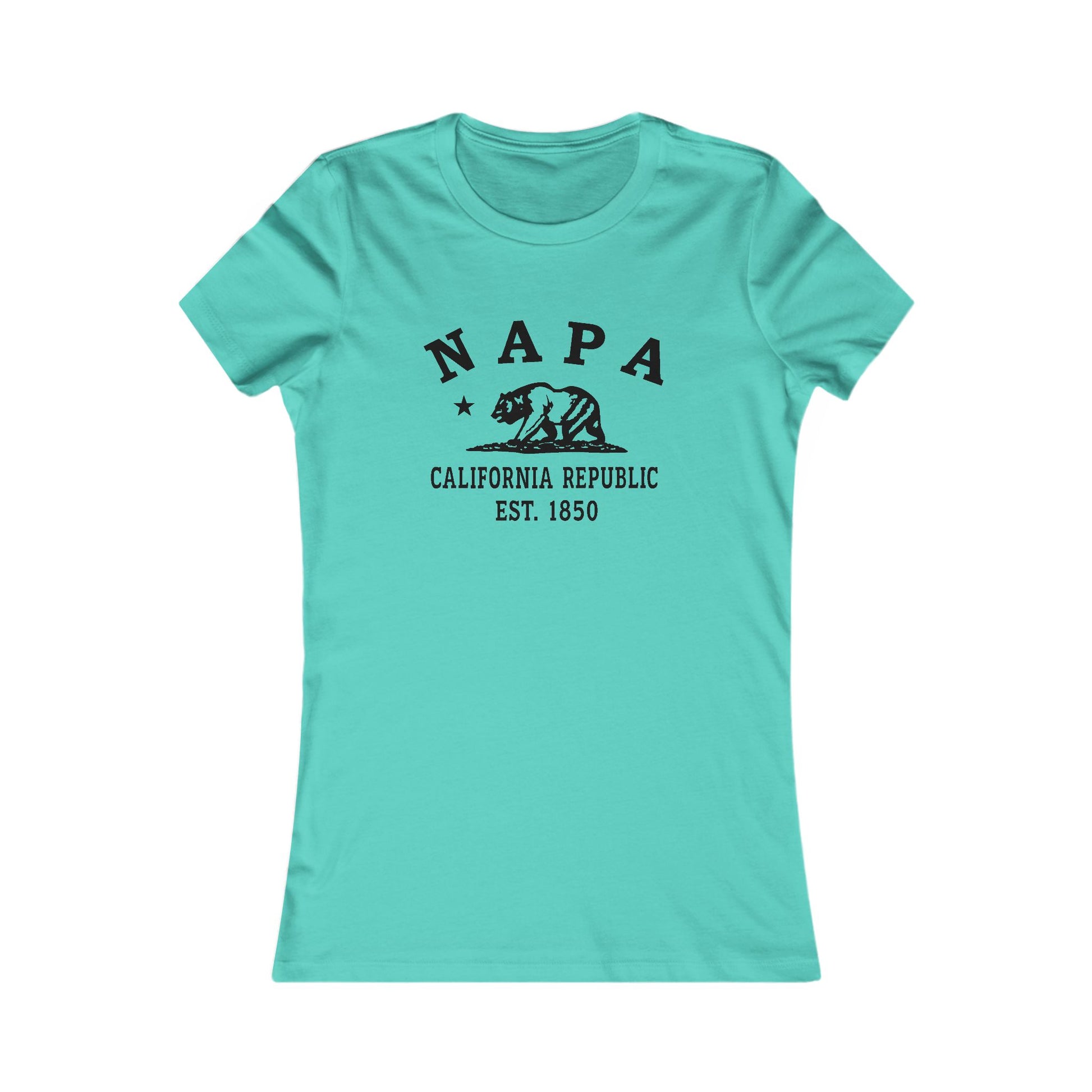
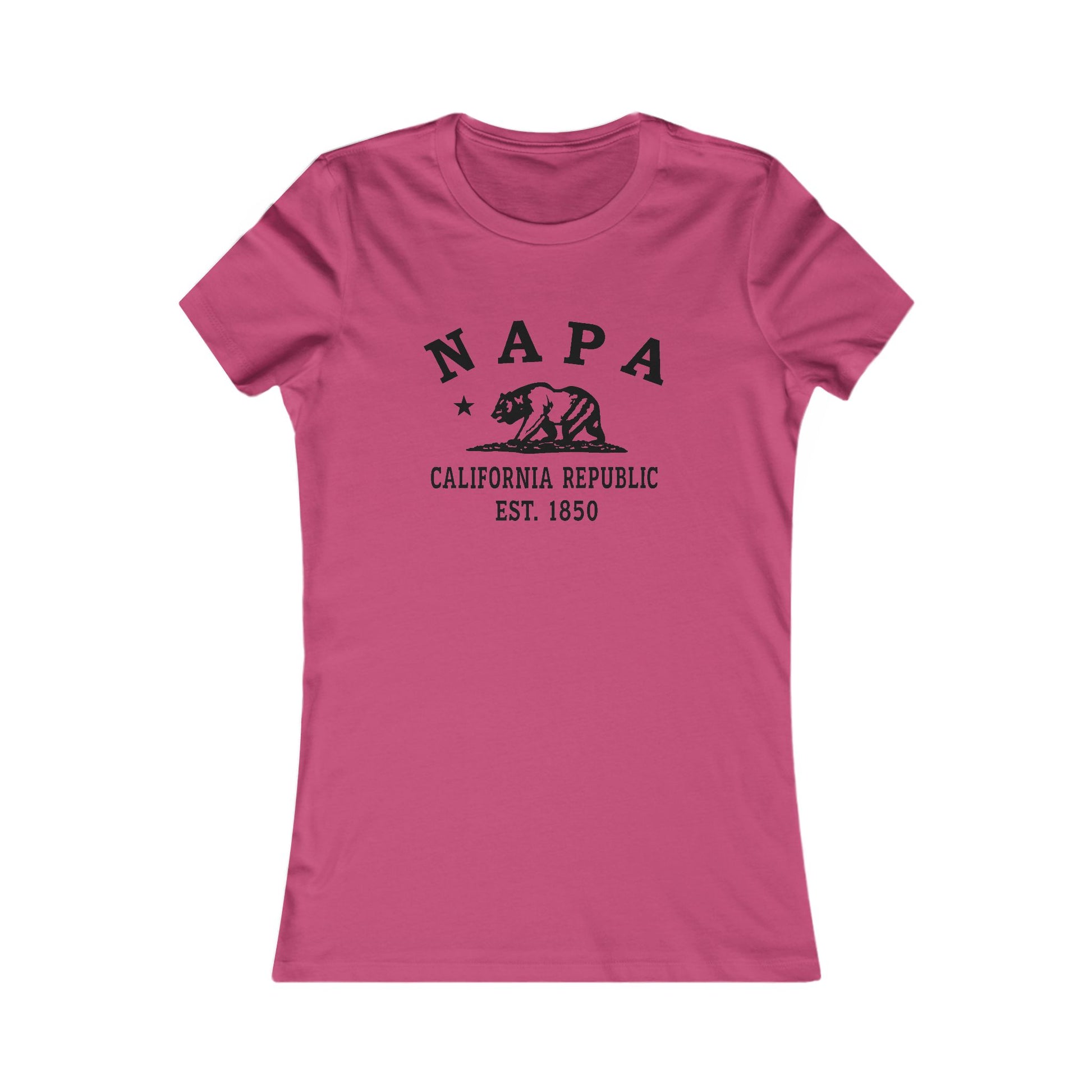
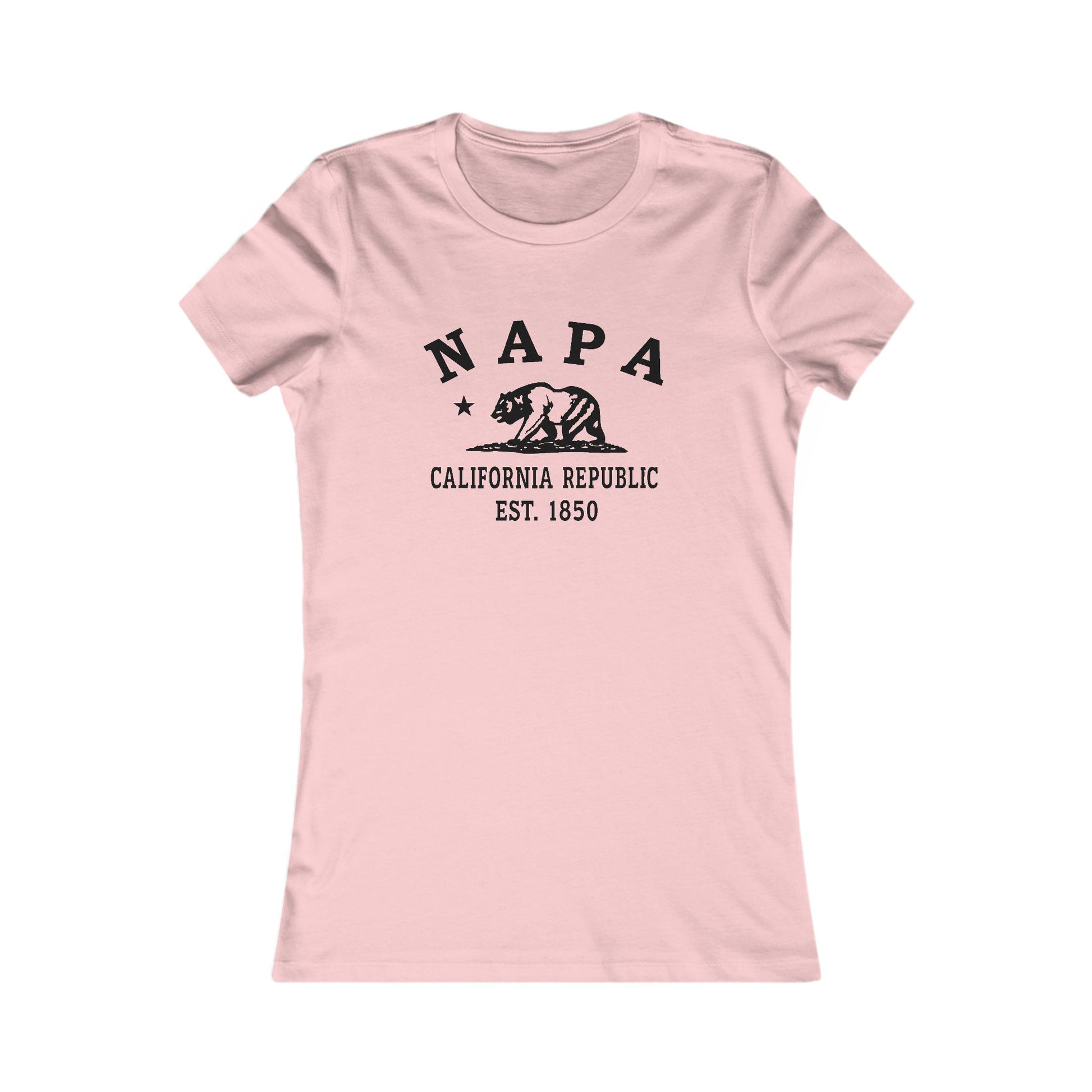
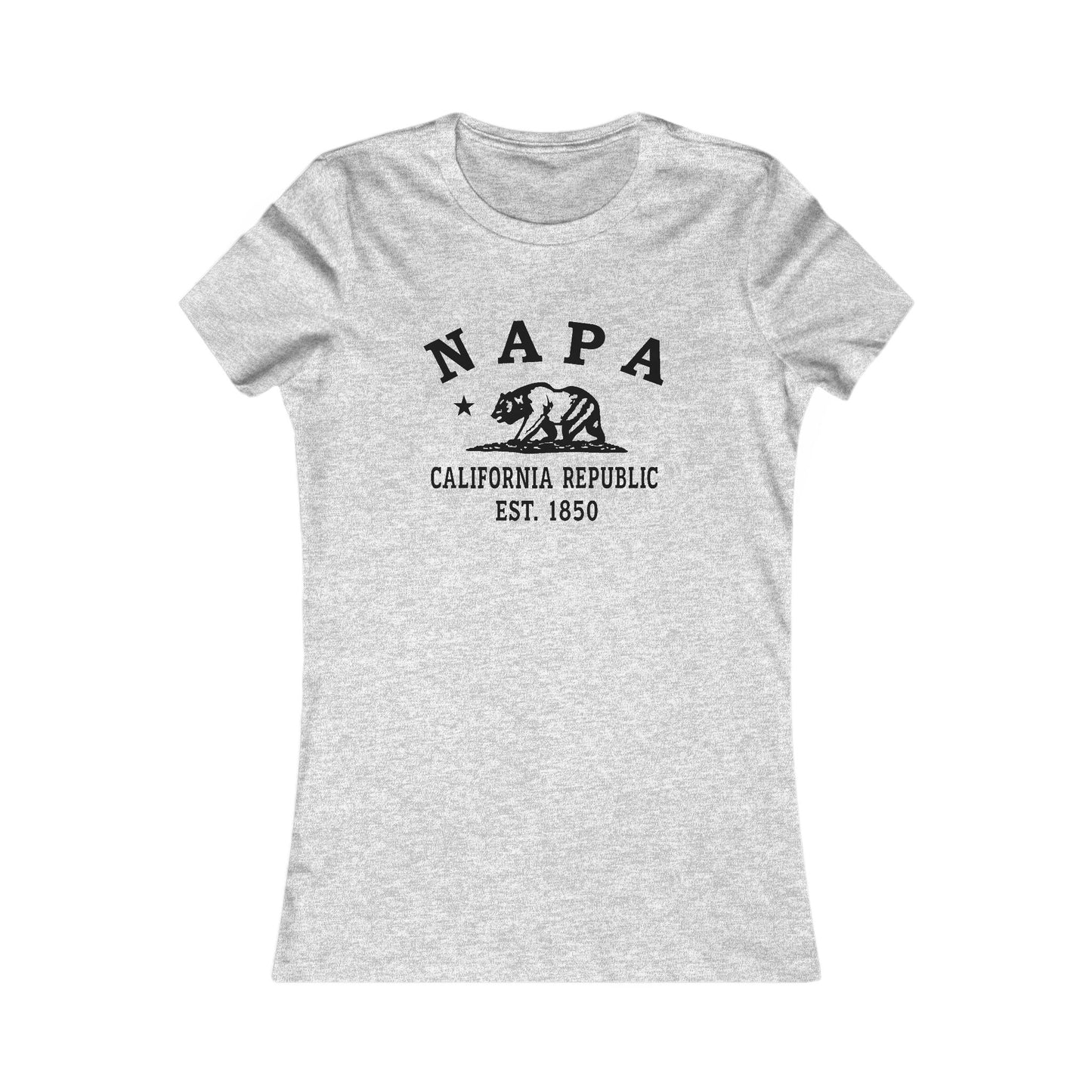
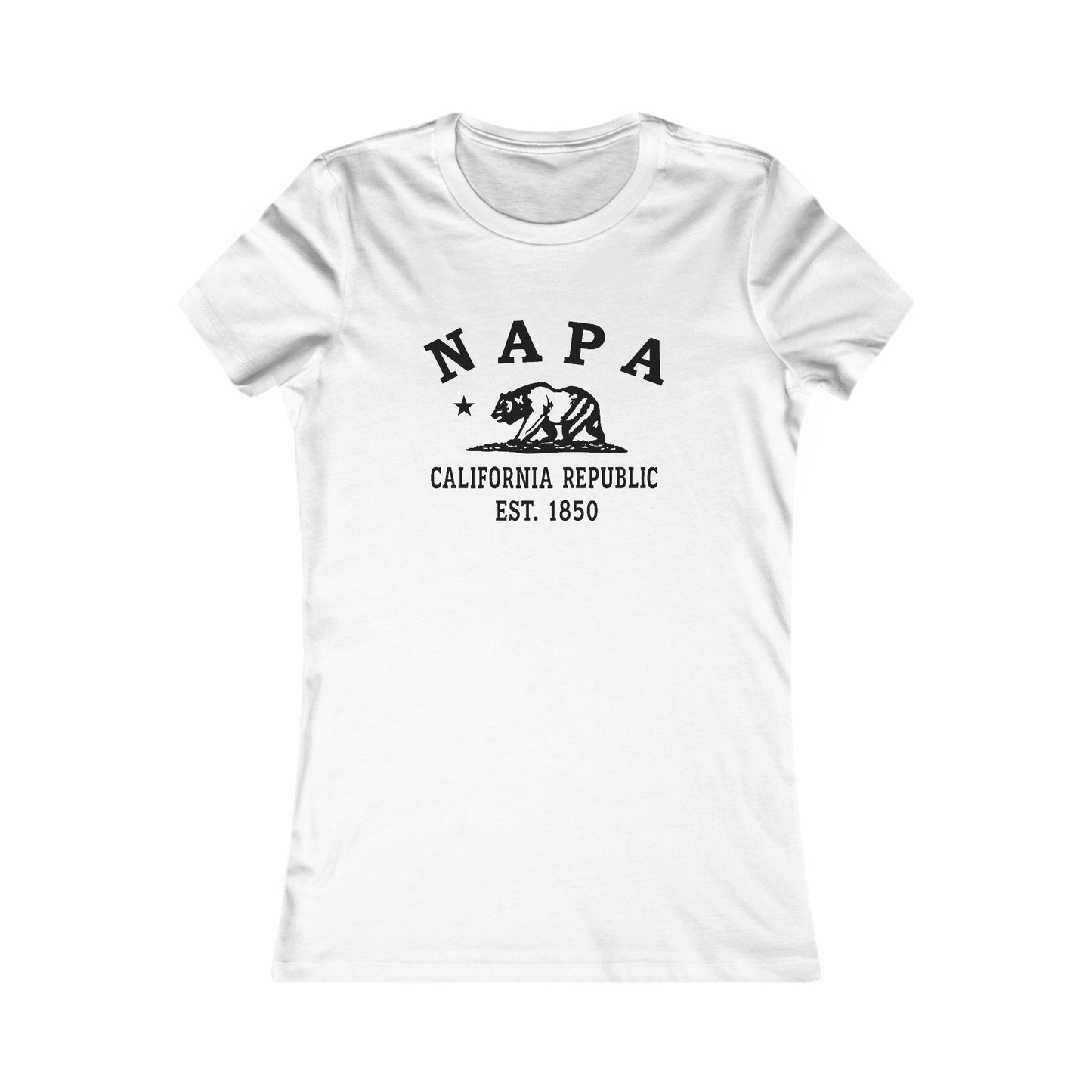
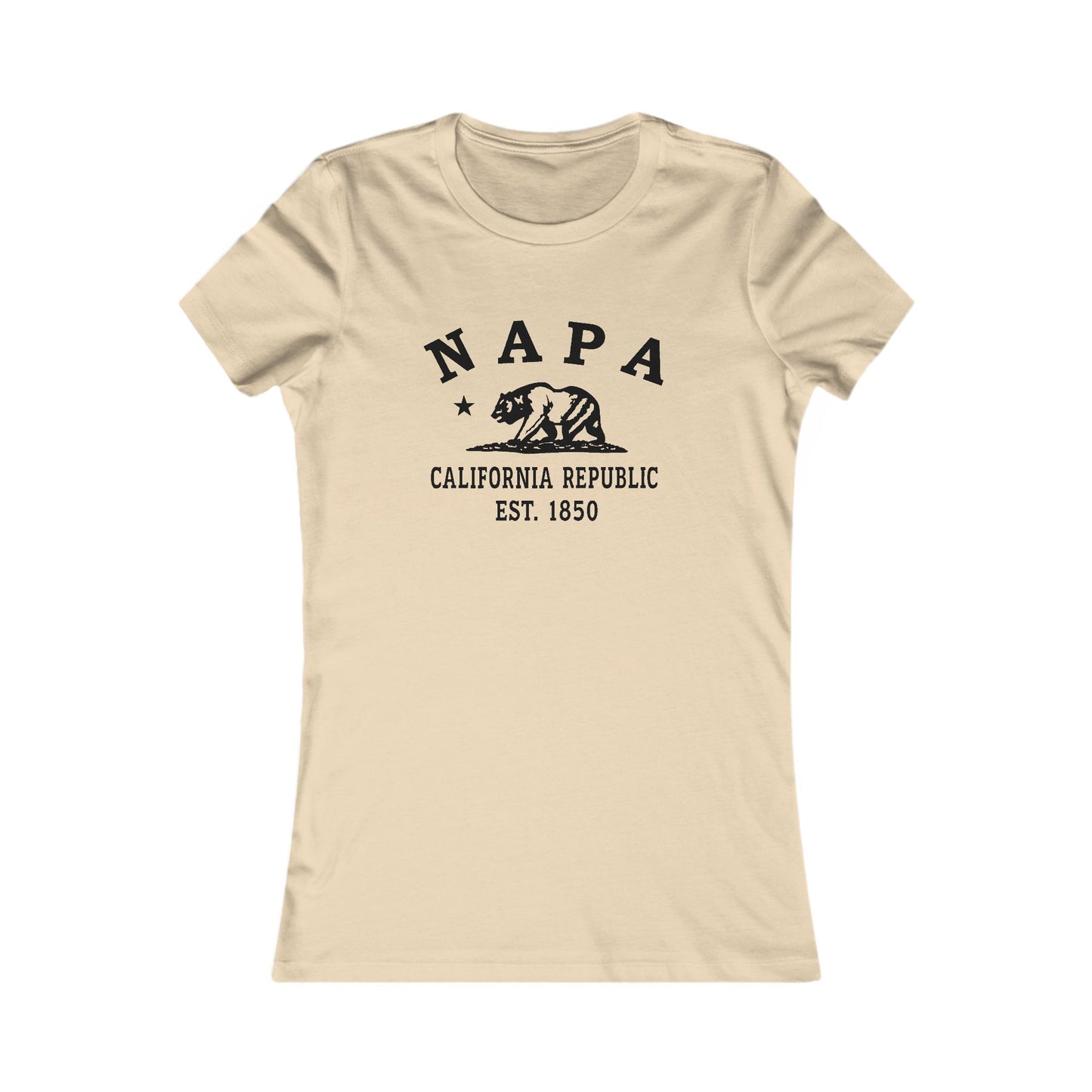
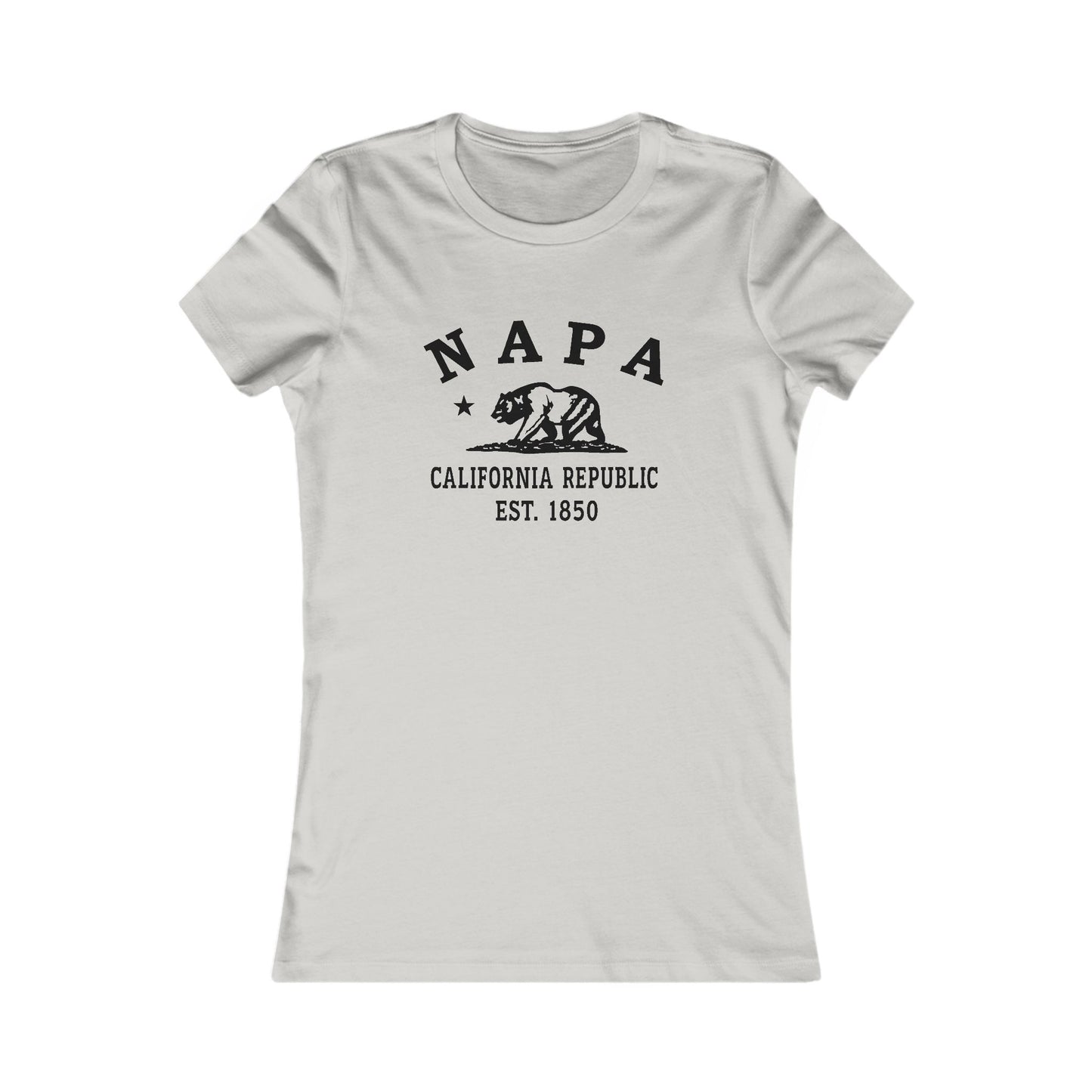
Our Napa retro logo uses California's bear and star motif, symbolizing resilience, independence, and pride. The bear reflects wilderness toughness and agricultural endurance, while the star recalls California Republic heritage. "1850" ties the motif to statehood pride. Its black-and-white styling is retro, resembling WPA posters and vineyard crate labels. The motif bridges Napa's dual identity: frontier farm hub and suburban wine capital. On merchandise, it conveys authenticity, resilience, and pride, retro vintage in tone. The bear and star emblem honors Napa's layered story, making it a vintage symbol of California heritage. Retro in style, it reflects resilience and cultural strength.
Why People Visit Napa California
Napa offers a 30-mile valley between two mountain ranges, an 1861 stone winery among California’s oldest still pressing on Highway 29, the modernist estates of the 1966 renaissance, and the legacy of the 1976 Judgment of Paris when the valley's wines beat Bordeaux and Burgundy on neutral ground and rewired the global wine map. Visitors come for the wine, the Mayacamas-and-Vacas geography, the diurnal fog and the long hang time, the historic estates, the Calistoga geysers, Lake Berryessa, Mount St. Helena, and the simple riverfront pleasure of the city of Napa itself. It is the valley that everyone has heard of, and it earns the reputation every harvest.
