



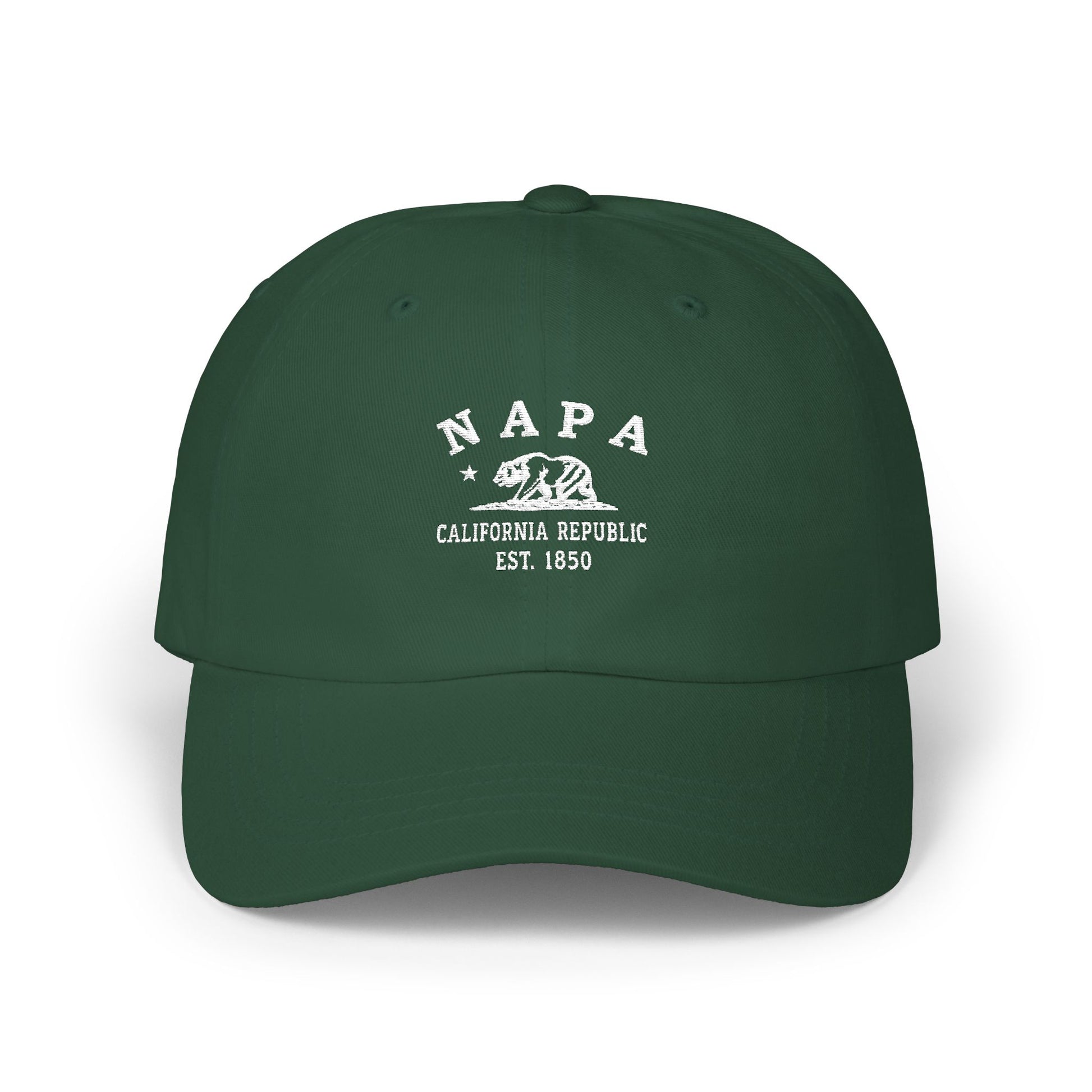
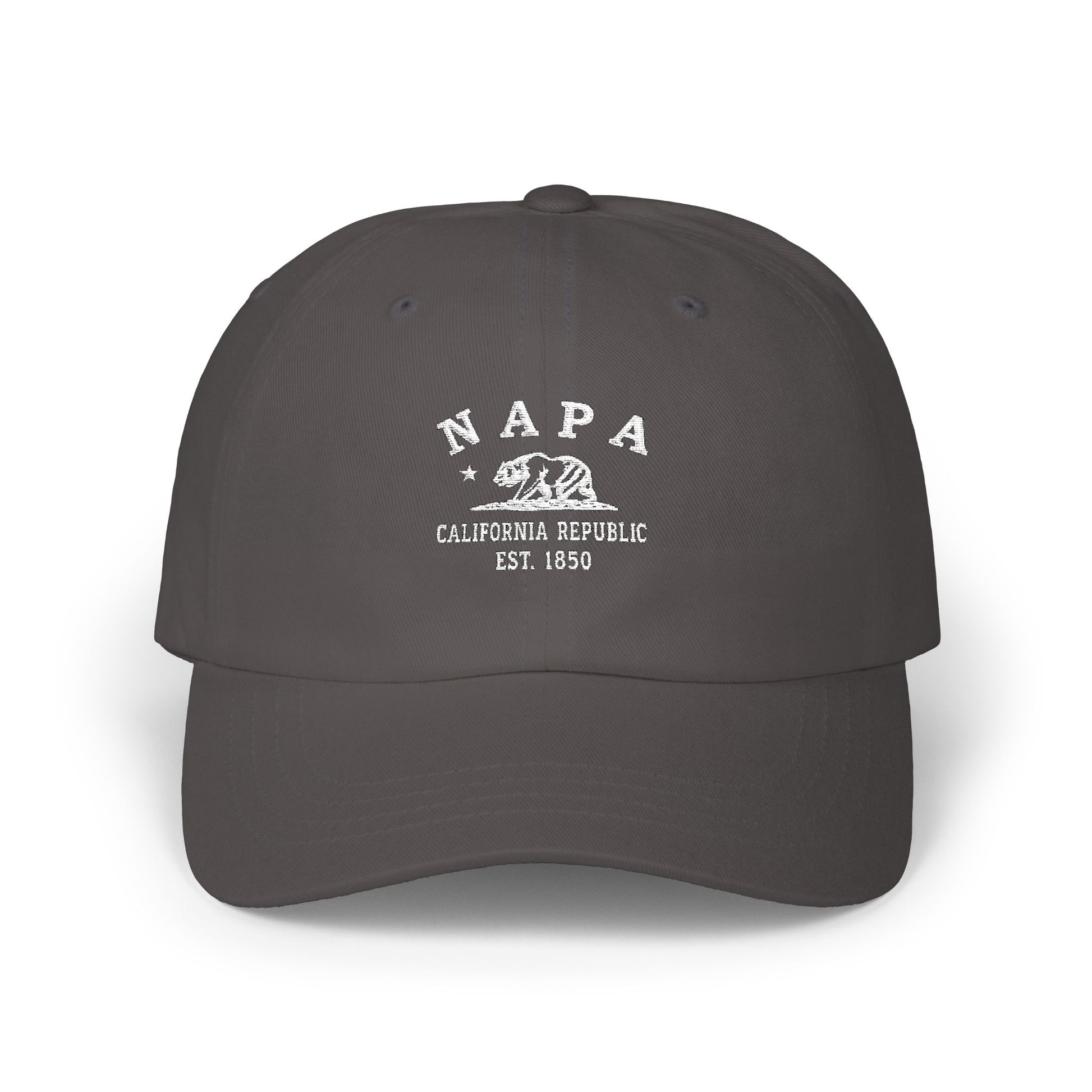
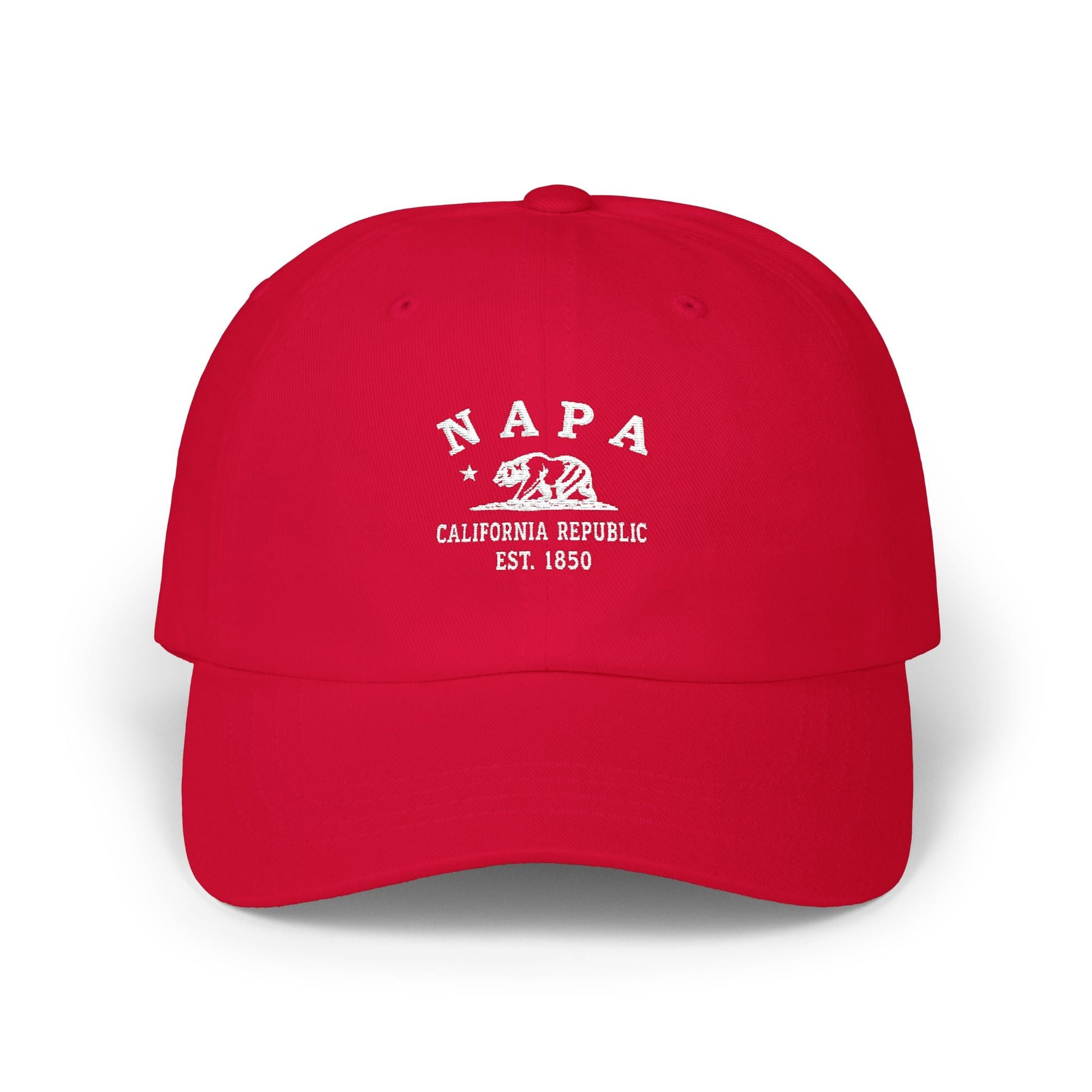




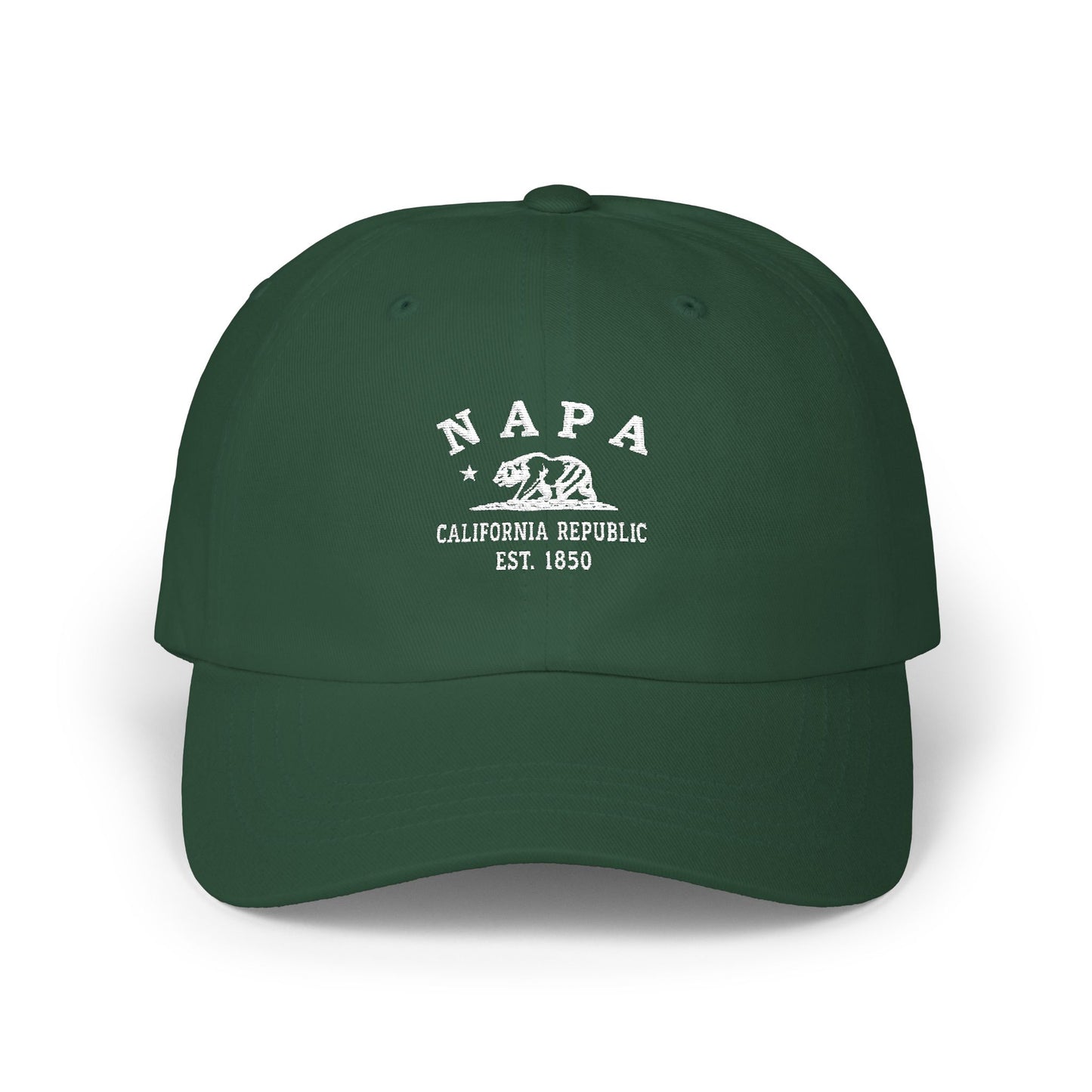
Napa's lore includes myths of "phantom vineyards" surviving Prohibition, Indigenous legends of spirits guarding rivers, and stories of Gold Rush settlers enduring floods. Families recall wine festivals, parades, and fairs in the 1950s. Residents remembered suburban expansion alongside vineyards, blending growth and tradition. Myths of treasure hidden in valleys coexist with practical stories of resilience and celebration. These tales emphasize Napa's layered identity: agricultural hub, suburban town, and cultural community. Lore reflects resilience, authenticity, and pride. Napa's stories highlight continuity and adaptability, ensuring heritage remained central even as suburban optimism reshaped community identity.
Napa was settled in the 1840s, originally home to the Patwin people before Mexican ranchos and American pioneers arrived. Its fertile valley supported farming and ranching, later transitioning to vineyards. The Gold Rush brought growth, as Napa became a supply hub. Its founding identity reflects Indigenous continuity, pioneer resilience, and agricultural abundance. Napa's story highlights California's duality: Native traditions alongside frontier ambition. From its earliest days, Napa's identity was tied to land, community pride, and resilience in the face of fires, floods, and hardship, creating a foundation for its reputation as a cultural and agricultural center.
Why People Visit Napa California
Napa offers a 30-mile valley between two mountain ranges, the oldest commercial winery in California still operating on Highway 29 since 1861, the Robert Mondavi estate that opened the modern Napa renaissance in 1966, and the legacy of the 1976 Judgment of Paris when the valley's wines beat Bordeaux and Burgundy on neutral ground and rewired the global wine map. Visitors come for the wine, the Mayacamas-and-Vacas geography, the diurnal fog and the long hang time, the historic estates, the Calistoga geysers, Lake Berryessa, Mount St. Helena, and the simple riverfront pleasure of the city of Napa itself. It is the valley that everyone has heard of, and it earns the reputation every harvest.
