

It is also, by long tradition, the birthplace of hula. At Kaʻana, in the island's west, Hawaiians hold that the goddess Laka first danced and first taught the sacred art, and from Molokaʻi hula spread to the rest of the archipelago. Each year practitioners return to honor that origin, and the island guards the tradition as something living and sacred rather than a show. To dance, to chant, to carry the old stories forward — on Molokaʻi these are not relics but daily inheritance, named here with respect.
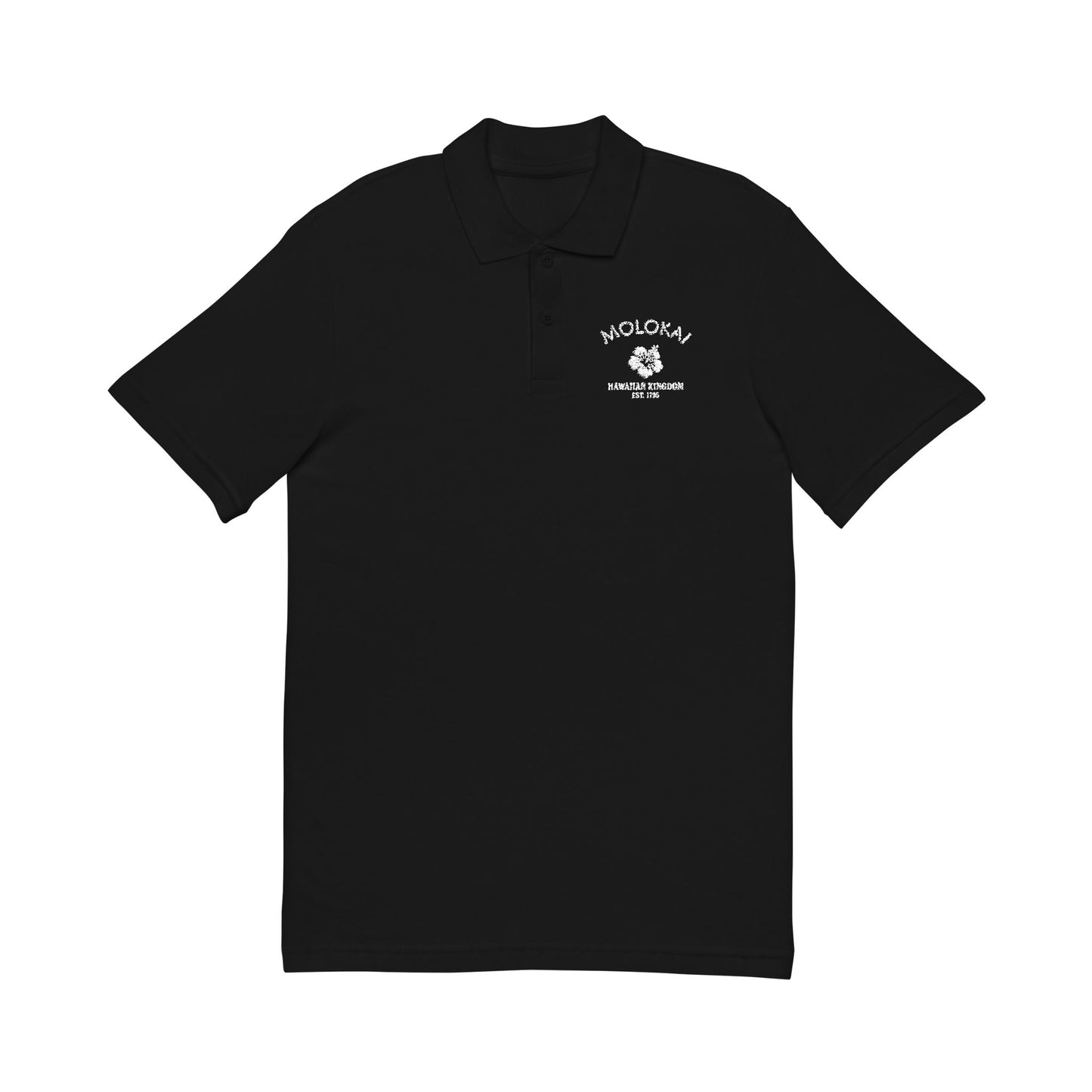
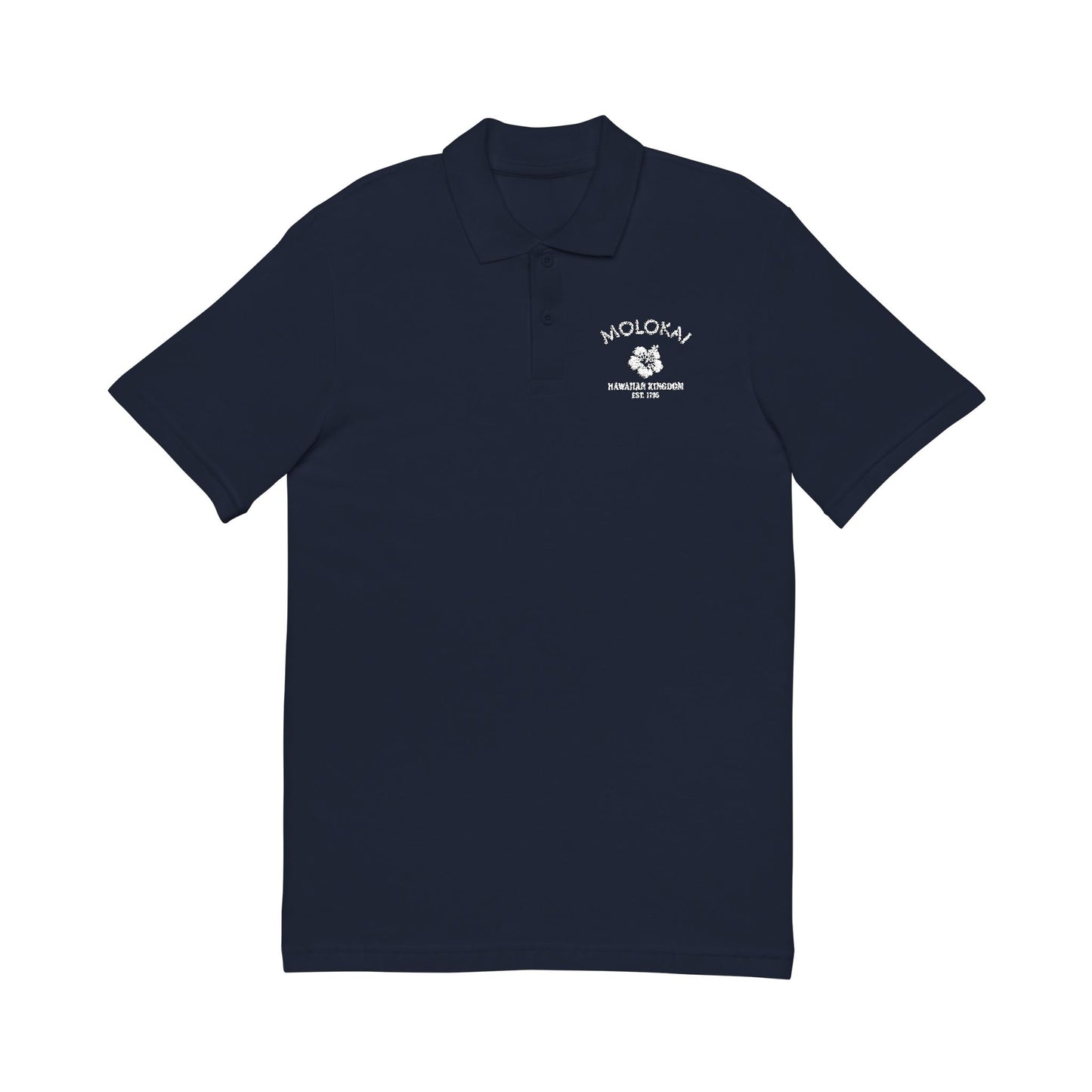
Our Molokaʻi logo carries the Hawaiian hibiscus over "Hawaiian Kingdom · Est. 1795," the shared emblem of every Merlin Classics Hawaiʻi place, marking the 1795 unification of the islands under Kamehameha. Printed in clean retro black-and-white like an old crate label, the hibiscus stands for the islands as a whole; what makes this one Molokaʻi is everything around it — the taro loʻi and the south-shore fishponds, the tallest cliffs in the world, the outrigger crews who cross the channel each fall, and the deep quiet of an island that chose to stay itself.
Why People Visit Molokaʻi
Molokaʻi offers the rarest thing in Hawaiʻi: an island that is still genuinely itself. It pairs deep living culture — hula's birthplace, the fishponds, the homestead lands — with dramatic, near-empty coast and a pace the rest of the islands lost long ago. Quiet, rural, and proud, it is made for travelers who want the real Hawaiʻi and are willing to meet it on its own terms.
