


The town still gathers where it always has. Since 1974 the Milford Oyster Festival has filled the Green and the downtown every August, growing into the largest single-day event in the state. Around it sits a historic downtown along the Wepawaug — the duck pond, the First Congregational Church, the Robert Treat Memorial Tower honoring the founders — a New Haven–area city that, through every change, has kept its harbor and its Green.
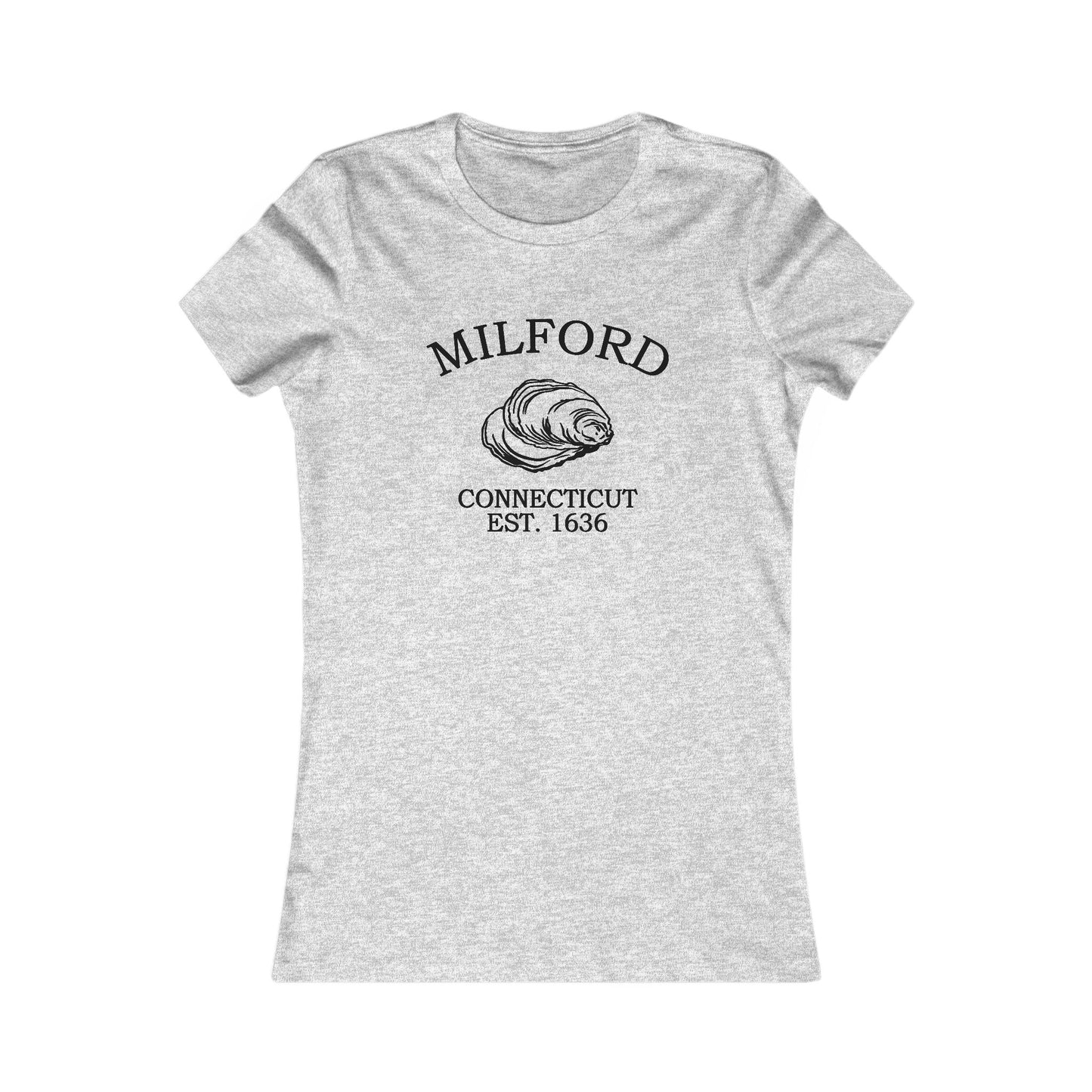
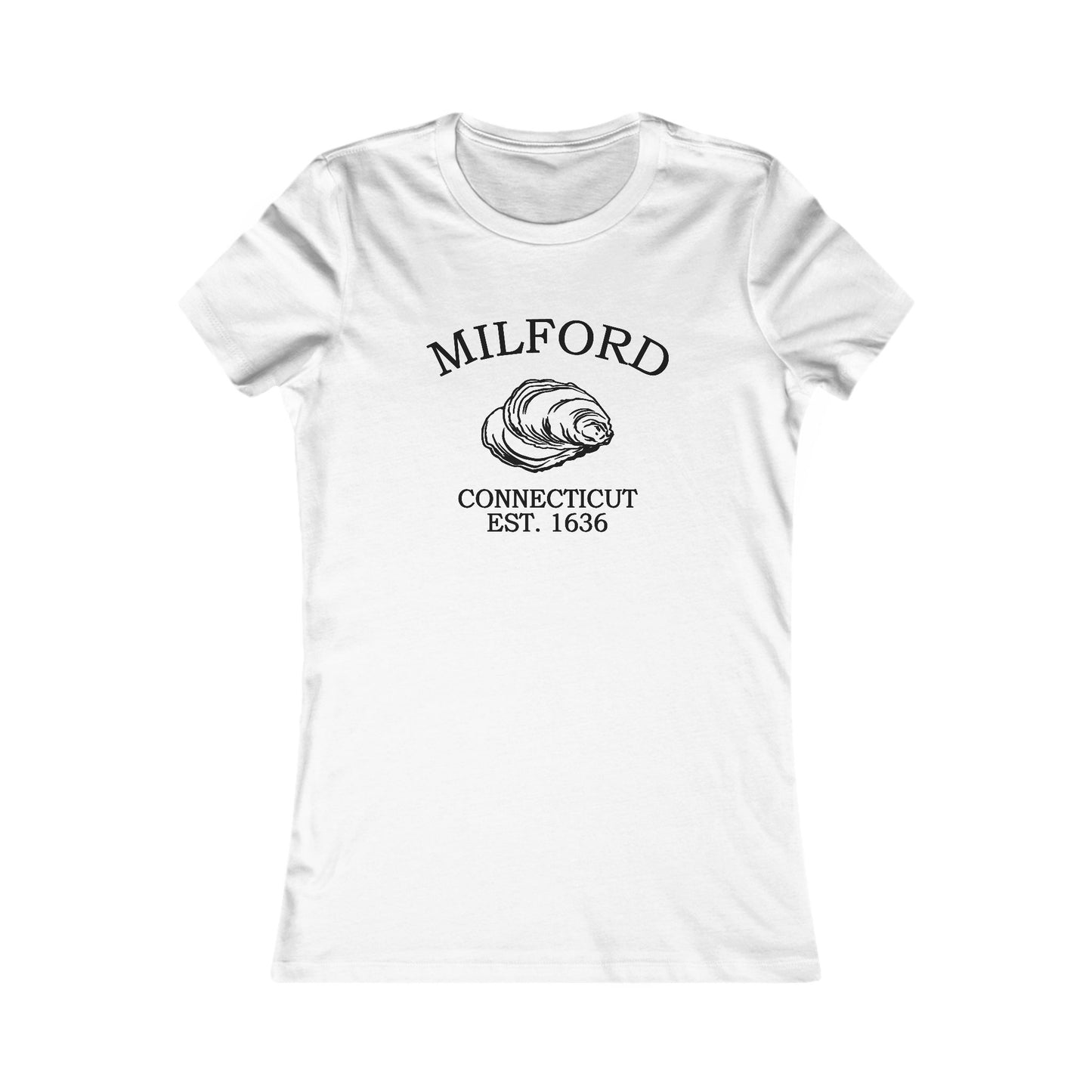
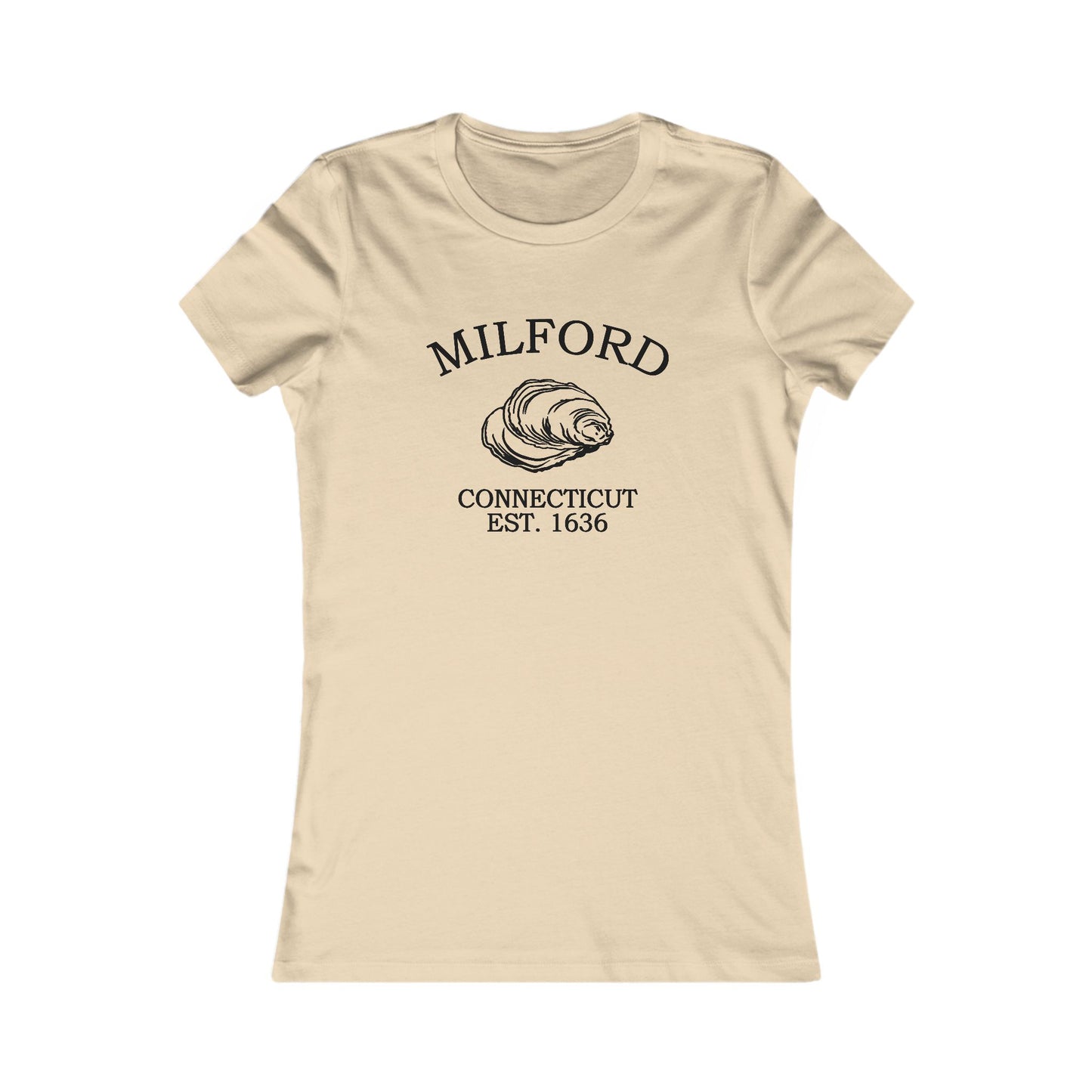
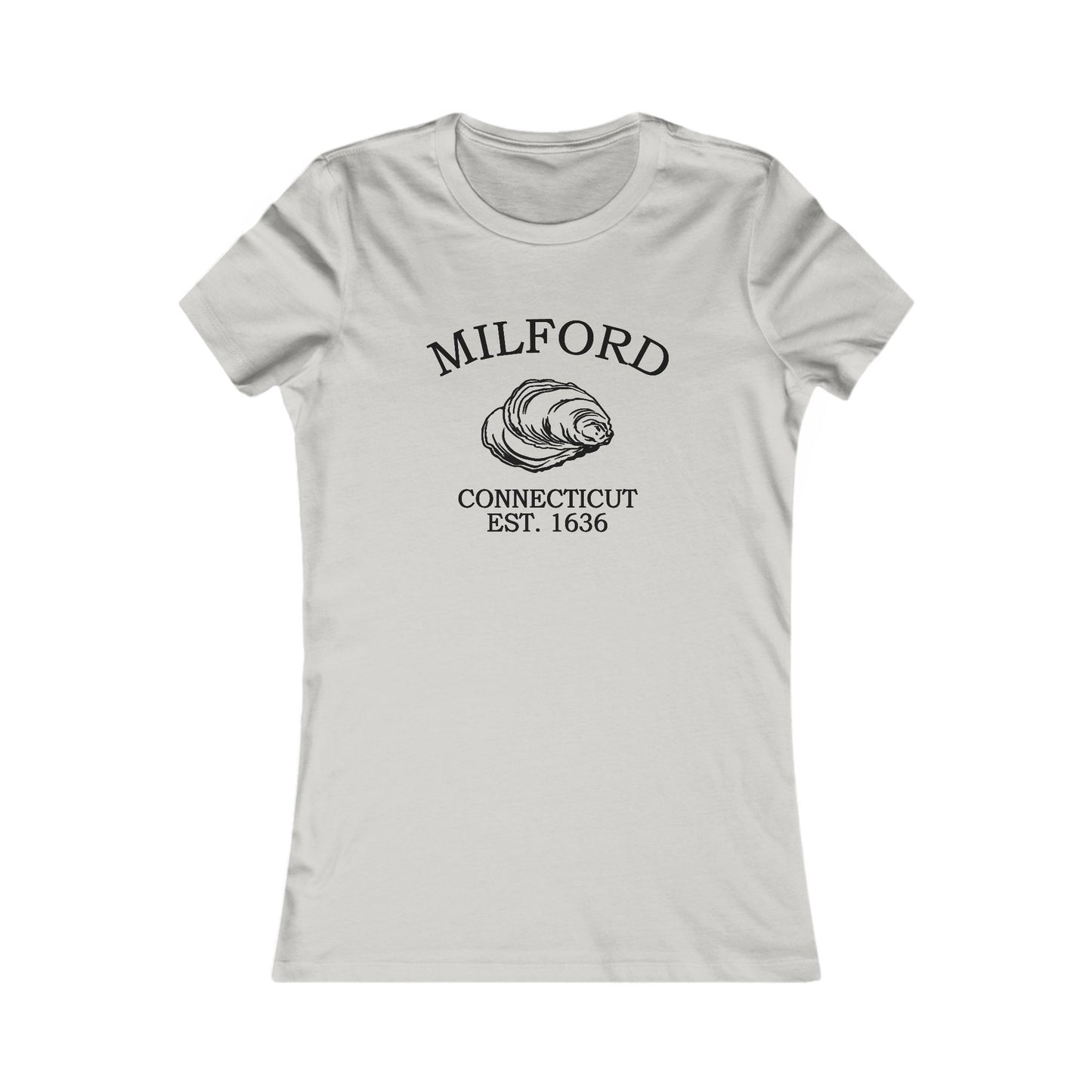
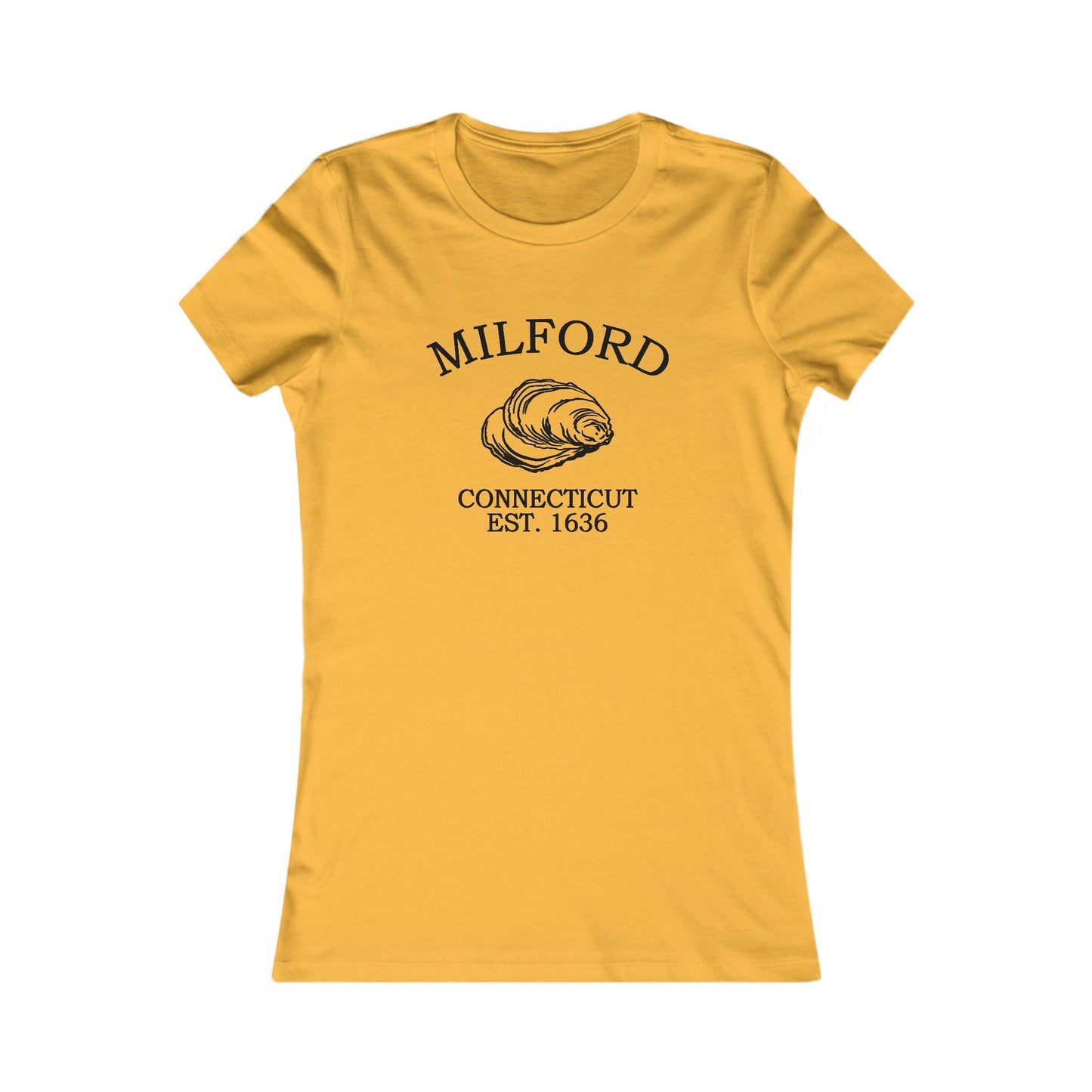
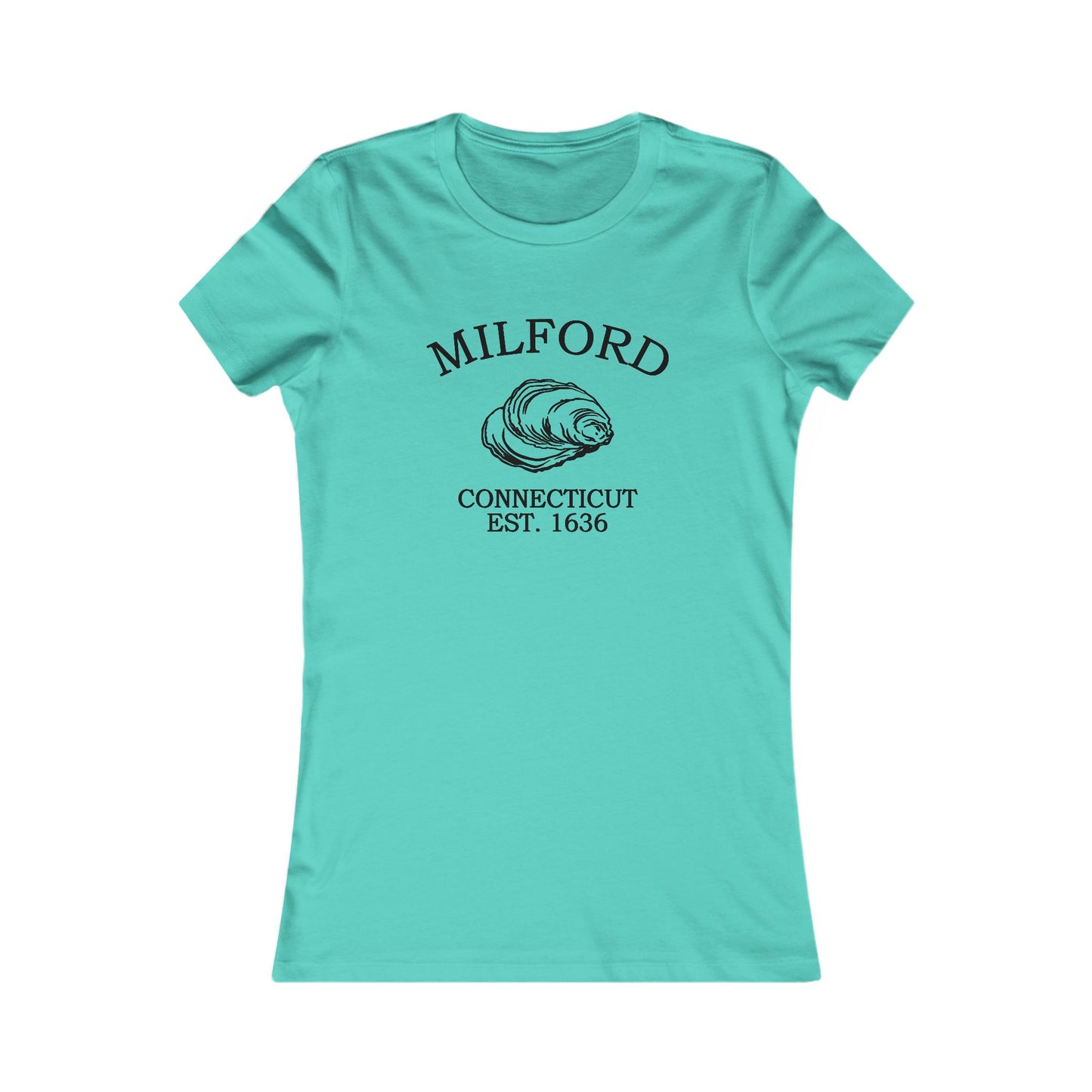
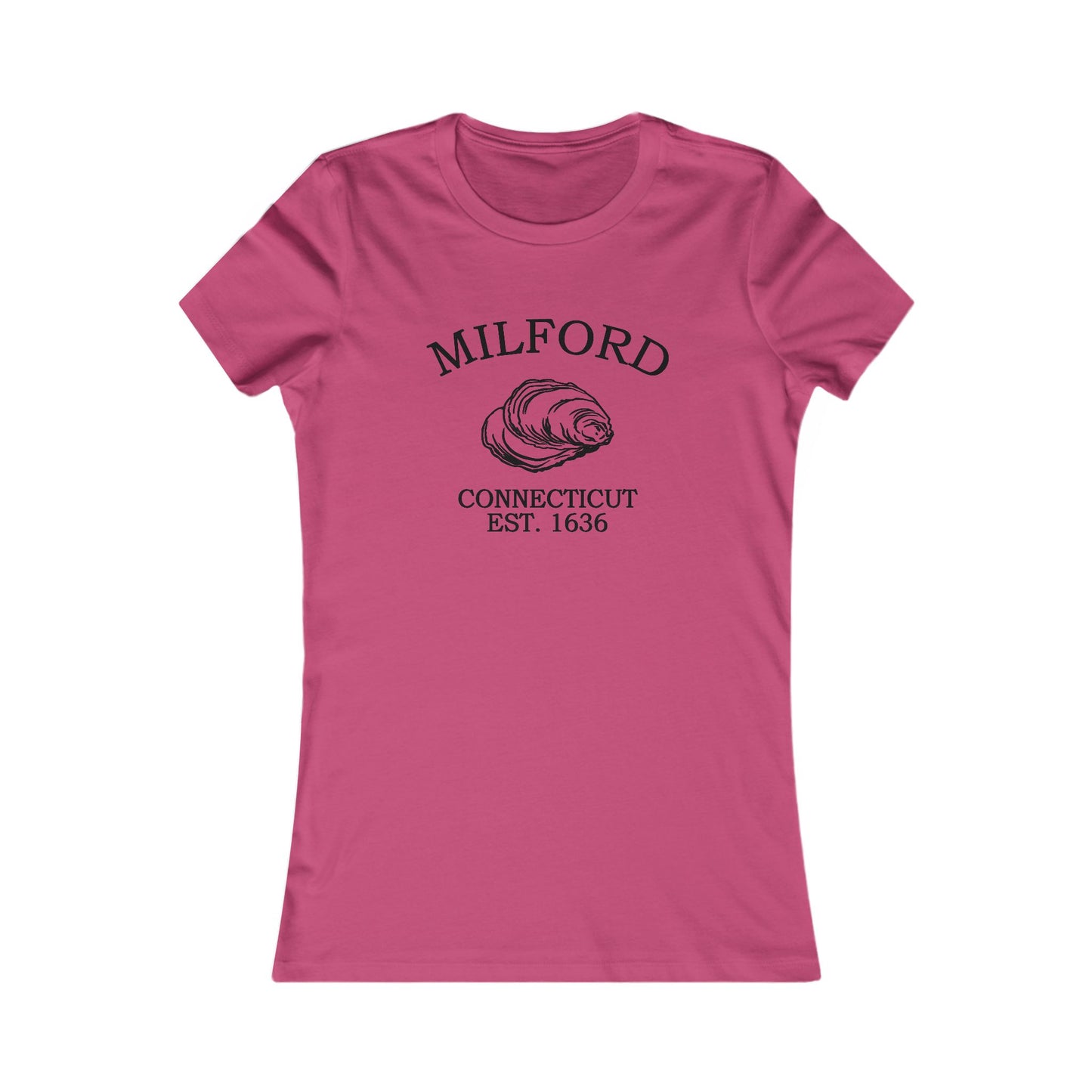
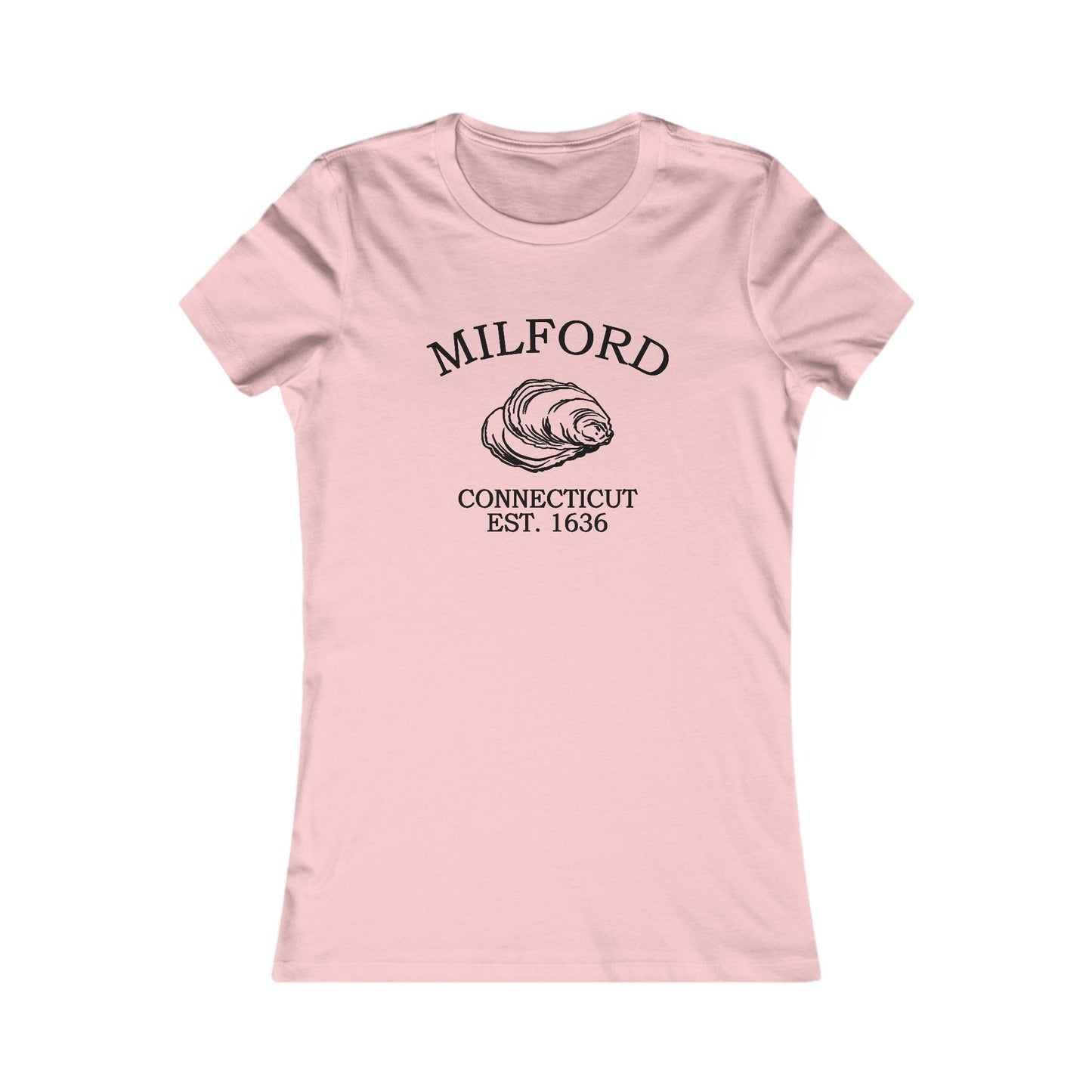
Our Milford logo carries Connecticut's oyster above ‘Connecticut — Est. 1636,’ the shared retro emblem of our Connecticut towns; the oyster stands for the Long Island Sound shellfishing that built so many of them, and 1636 marks the founding of the colony. Rendered in black-and-white, like an old crate label, it ties Milford to every other Connecticut town we make. What makes this one Milford is the town behind the shell — the long Green, the island offshore, and the oyster boats on the Sound.
Why People Visit Milford
Milford balances a historic green, a legendary island, and miles of easy shoreline. Visitors enjoy simple seaside walks, boardwalks, and small cultural stops between the beaches and the harbor. It is peaceful, family-friendly, and close to nature, with year-round appeal in its parks, paths, and public spaces. History and everyday coastal life sit side by side here, from the long Green and the colonial downtown to the oyster boats and the boardwalk beyond.
