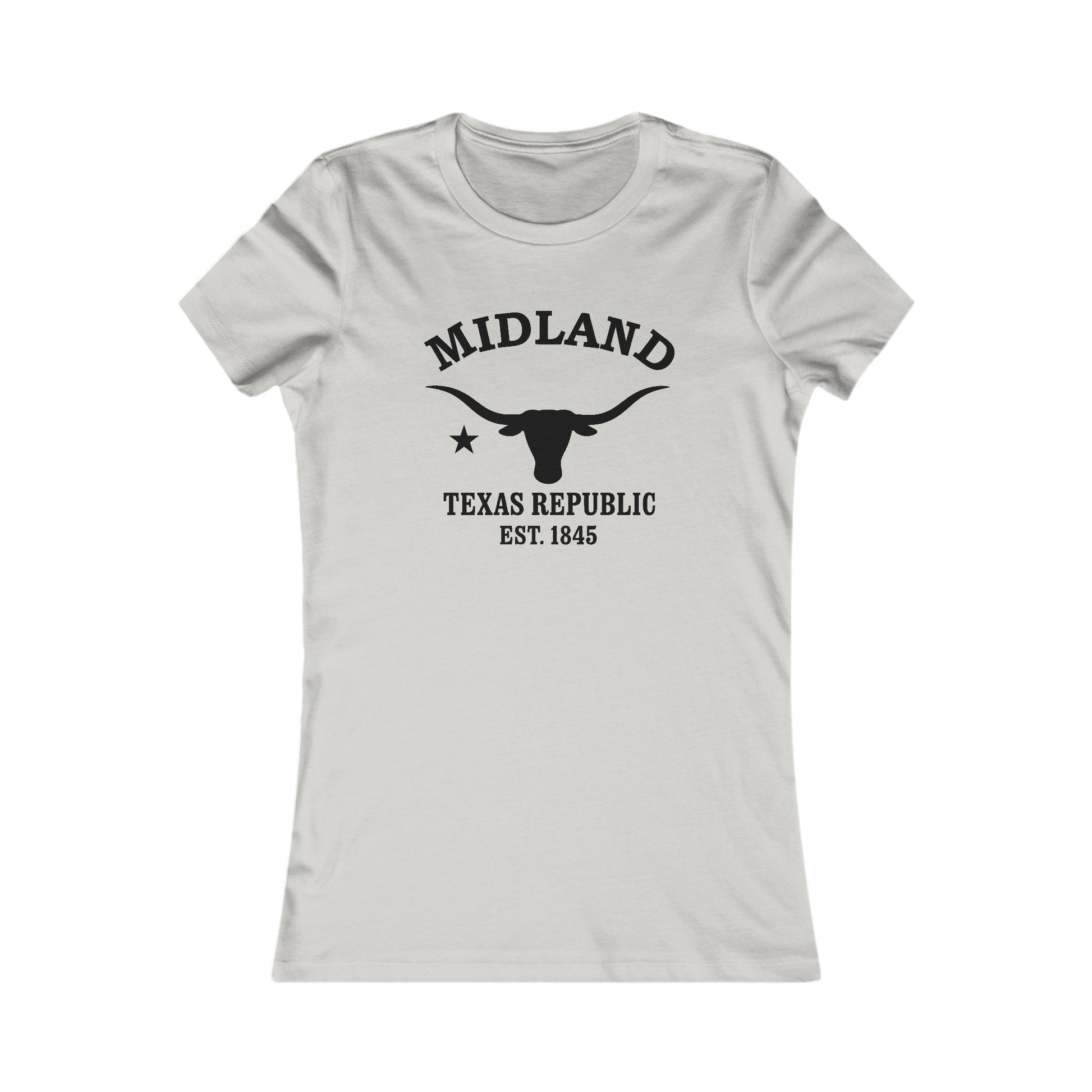
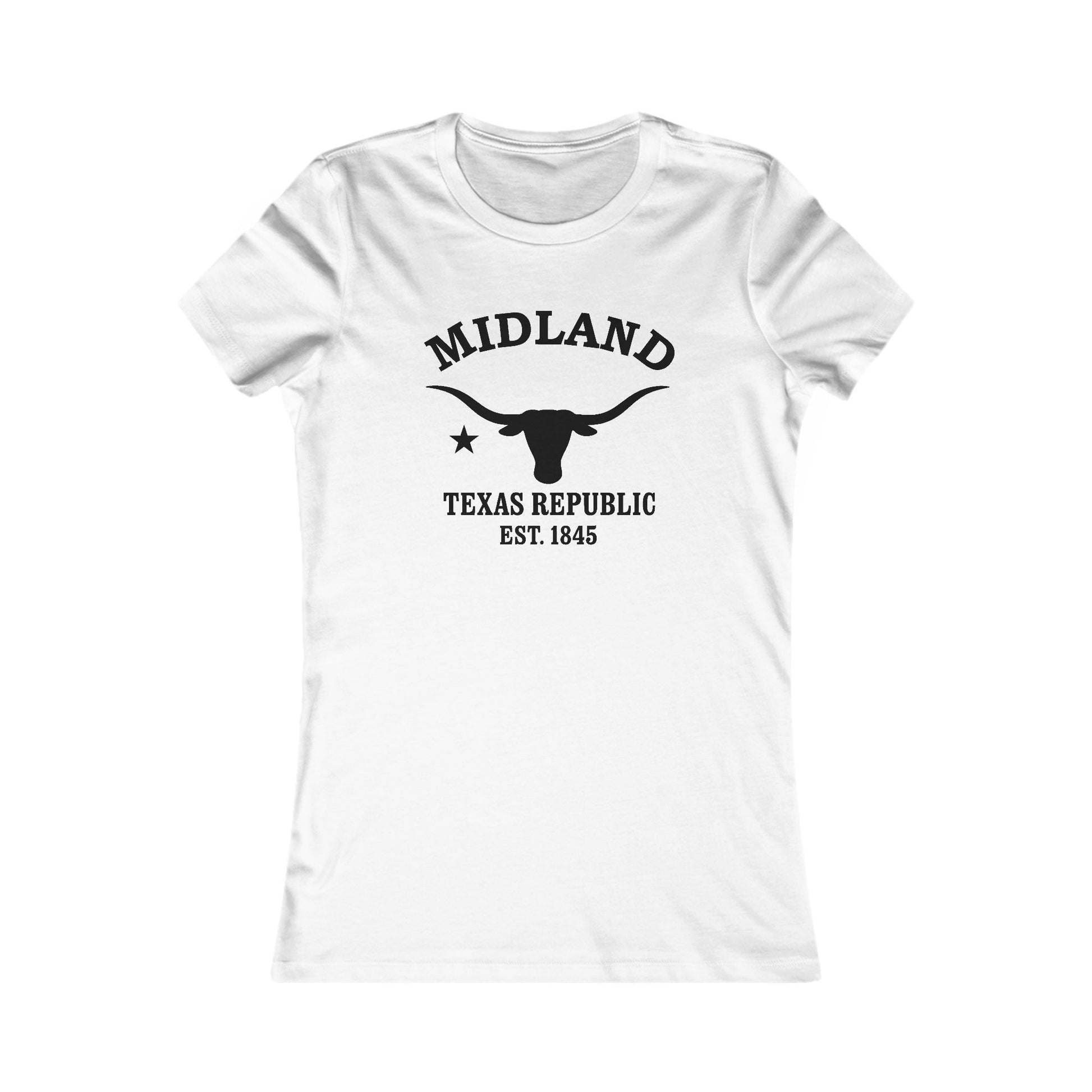
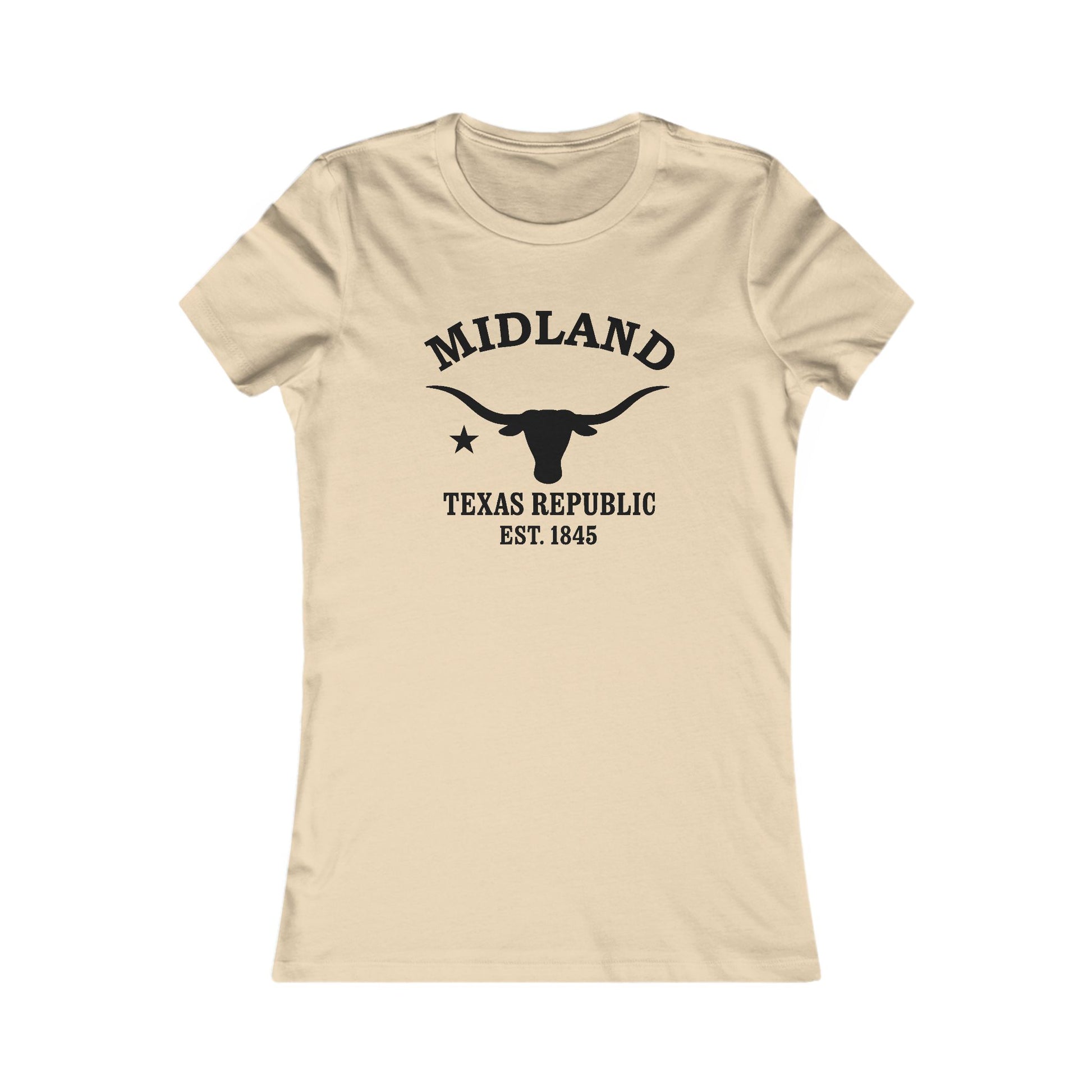
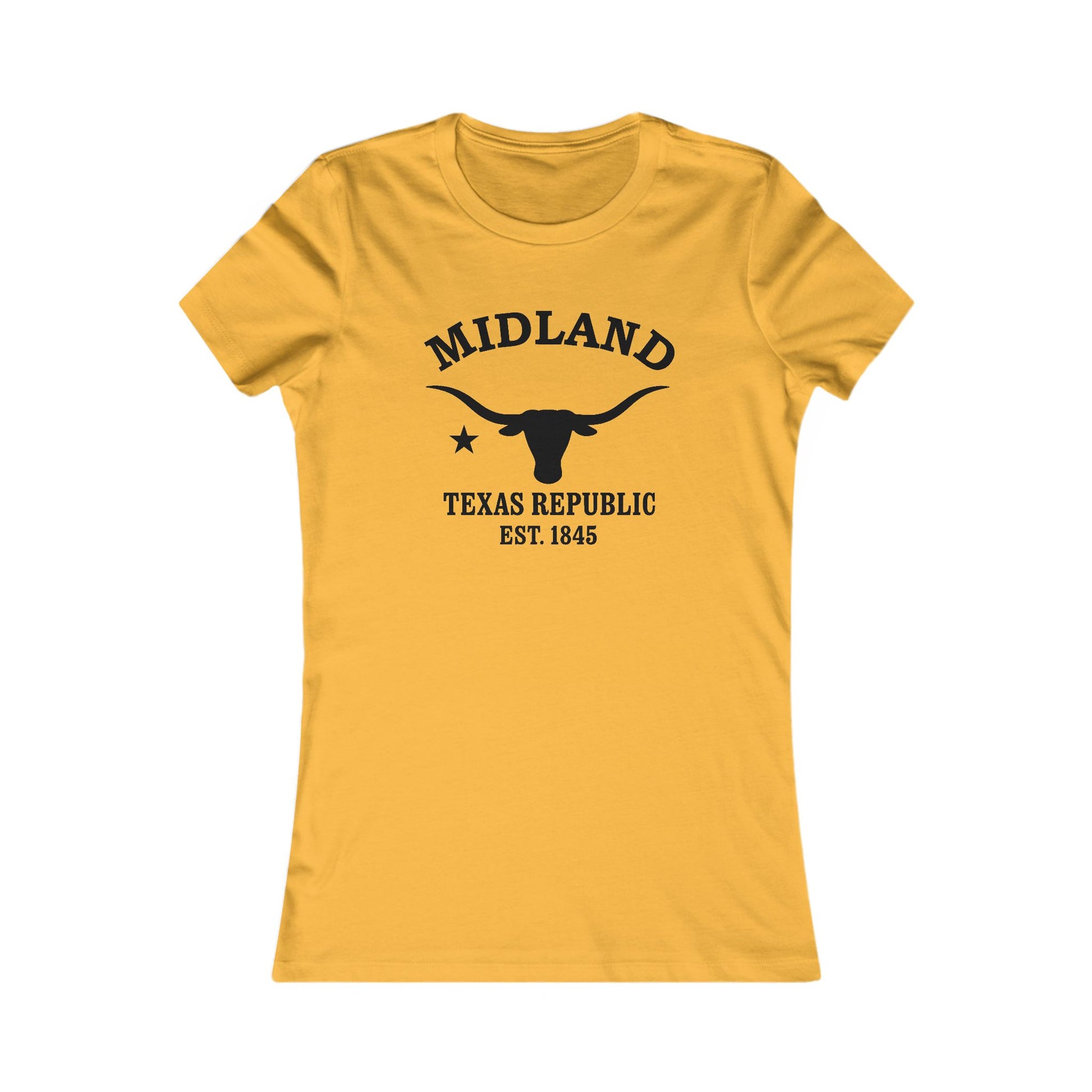
A section house at the midway point became the oil capital of the richest basin in America — a city of geologists and gamblers where the towers stand up off the flat land like a bet that keeps paying. From the derricks on the horizon to the big West Texas sky, Midland, Texas is where the skyline rises straight out of the plains and the whole town runs on what is buried beneath it. Wear a little of the Tall City wherever the road takes you.
The skyline rises out of nothing. Drive across the flat West Texas plains and Midland appears the way nothing else out here does — a cluster of high-rises standing straight up off the caprock, visible for miles before you reach the city limits. They call it the Tall City, and the towers are monuments to what lies beneath: the Permian Basin, the richest oilfield in America. Founded in 1881 as a dot on a railroad timetable and built into the corporate capital of the oil boom, Midland is a city that runs on what is buried under it — and its story is the story of West Texas itself.
Why People Visit Midland Texas
Midland draws visitors with a mix of oil-country heritage, museums, and that unmistakable skyline standing up off the West Texas plains. Travelers find it both the business capital of the Permian Basin and a proud, practical high-plains city with deep boom-and-bust history. It is ambitious, plainspoken, and unmistakably West Texan.
