


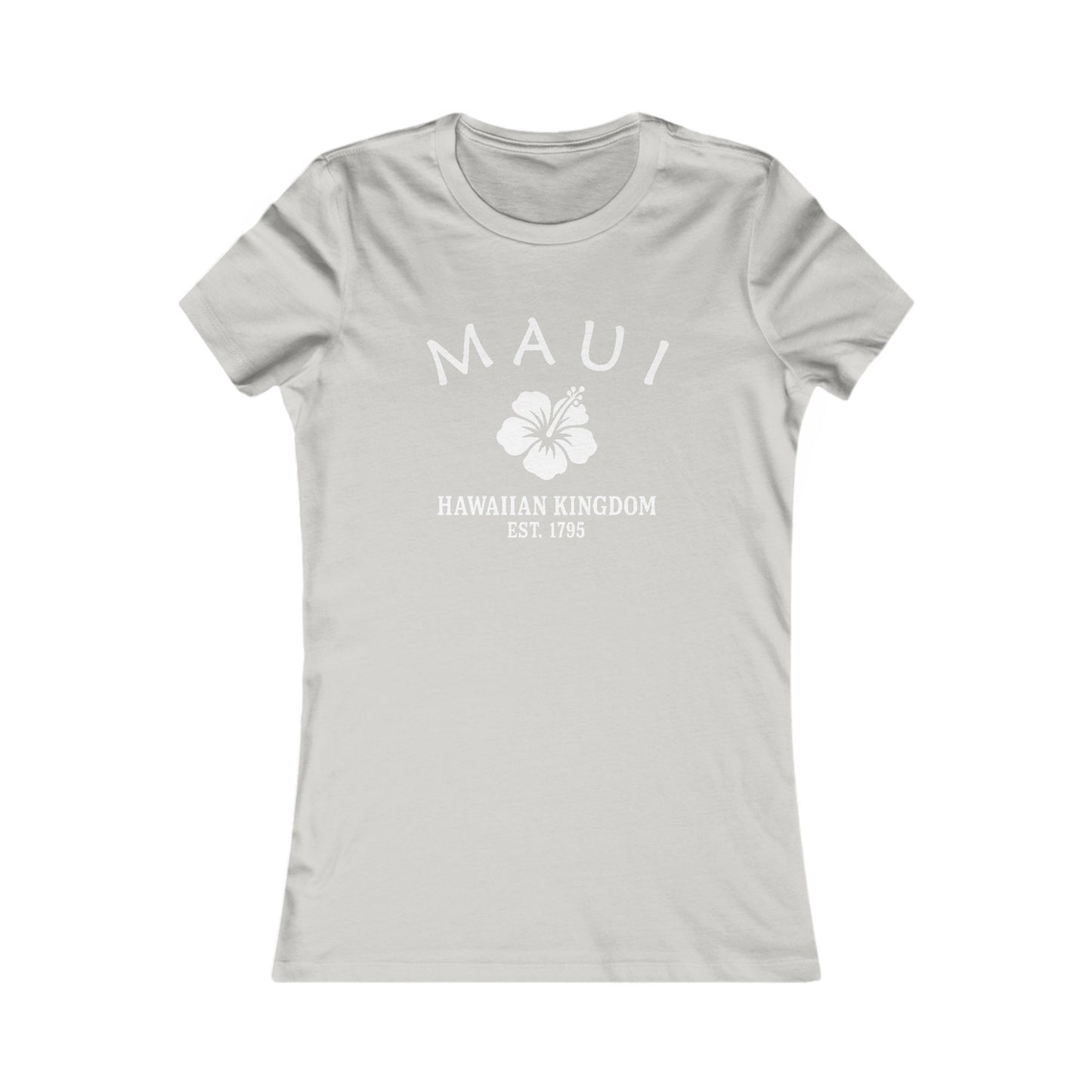
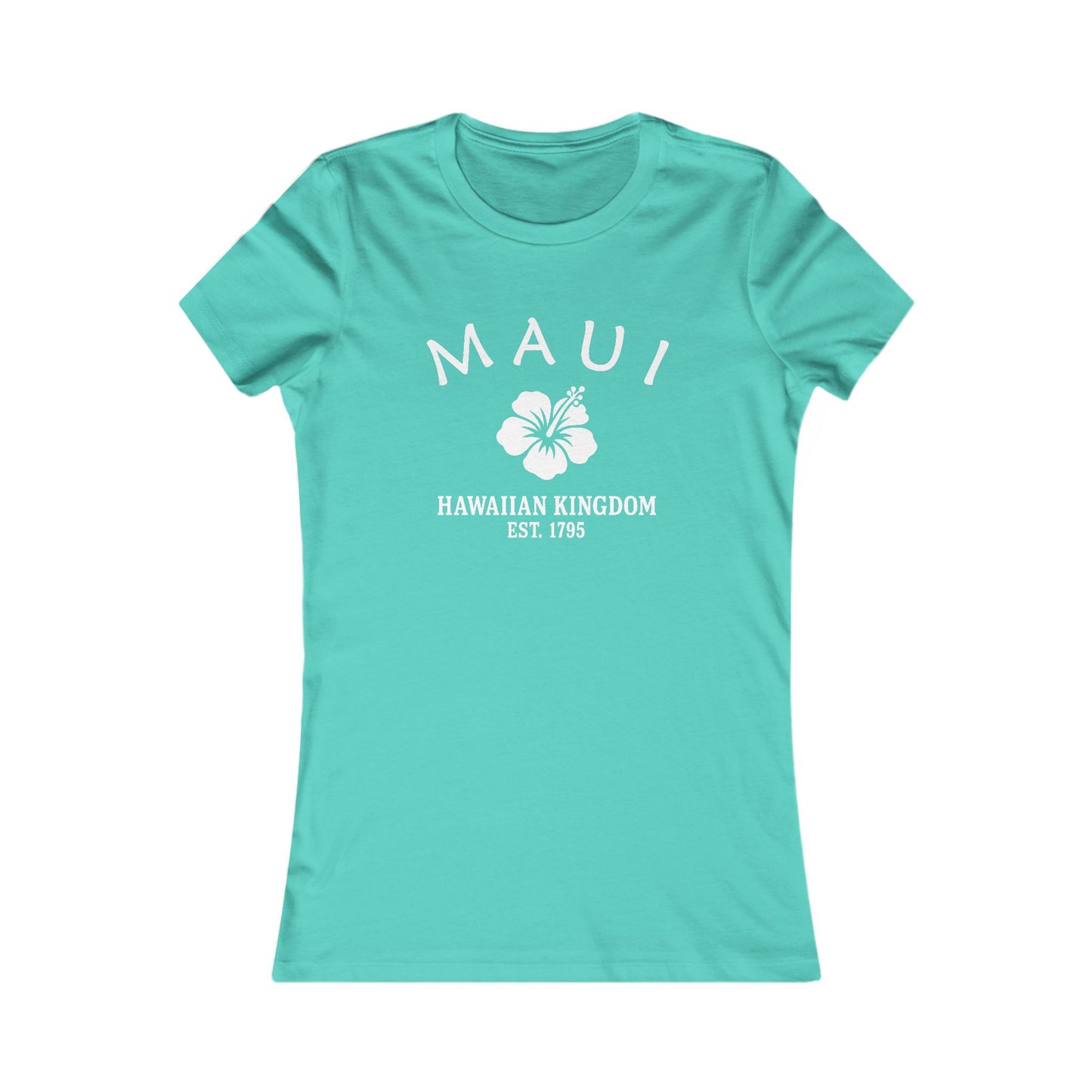
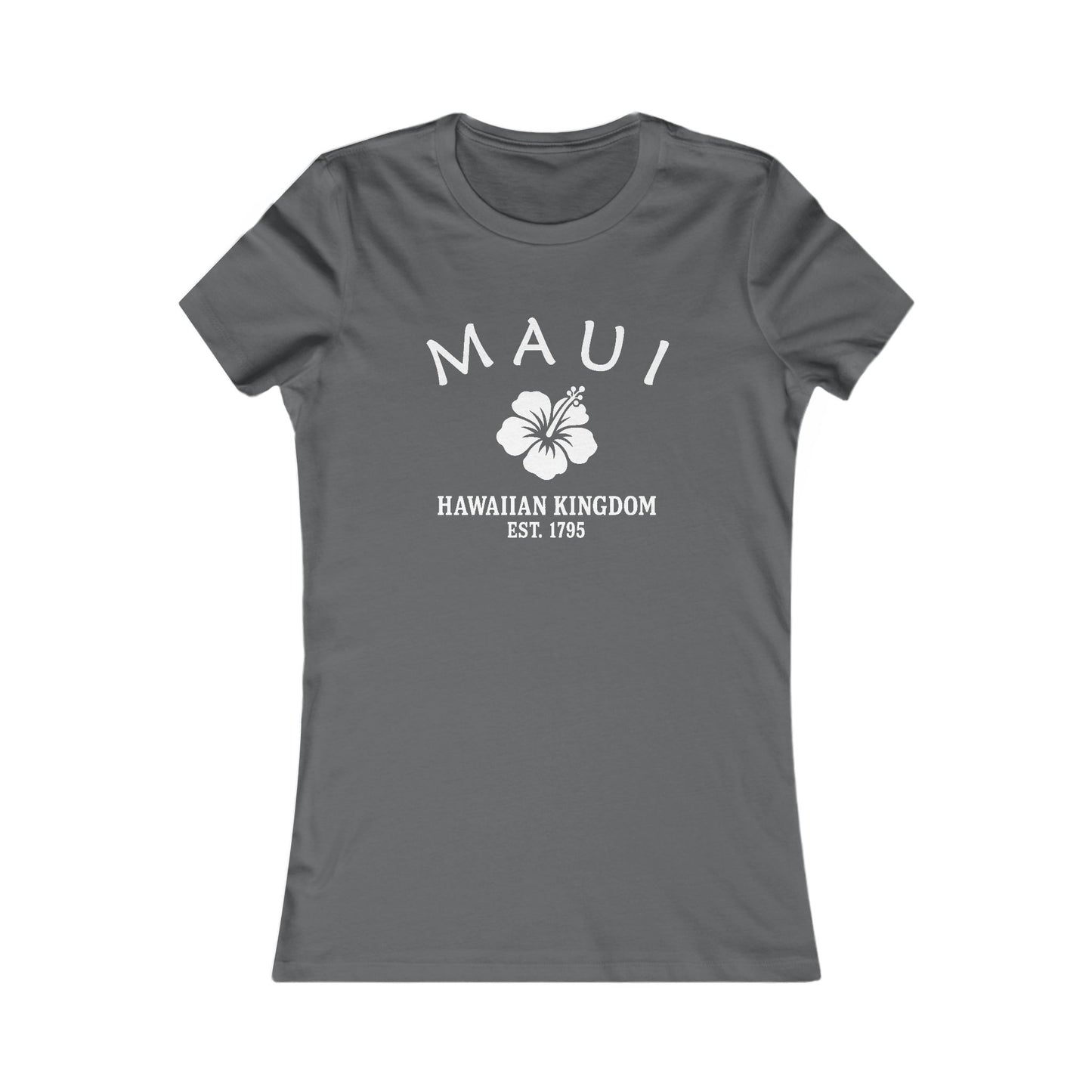

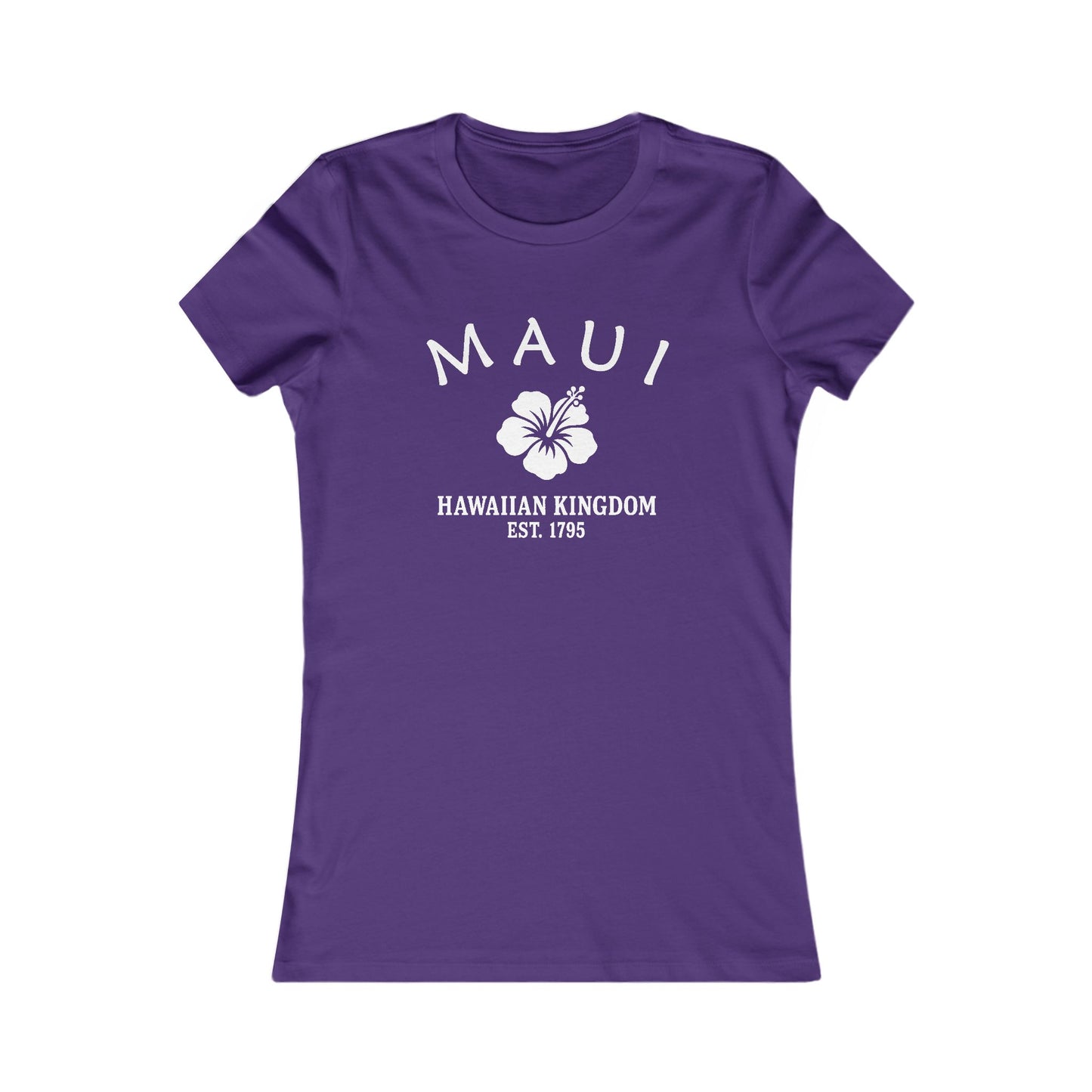
Maui is the Valley Isle, two volcanoes joined by a green central plain. The older West Maui Mountains rise on one side, cut by the deep cleft of ʻĪao Valley; the vast shield of Haleakalā climbs on the other. The first people to call it home were Polynesian voyagers who reached the islands more than a thousand years ago, navigating thousands of miles of open Pacific by the stars. They built a society organized around the ahupuaʻa — land divisions running from the mountains to the sea — fishing the reefs, growing taro and sweet potato, and keeping a rich oral tradition of chant and genealogy. Maui has been a Native Hawaiian homeland, continuously, ever since.
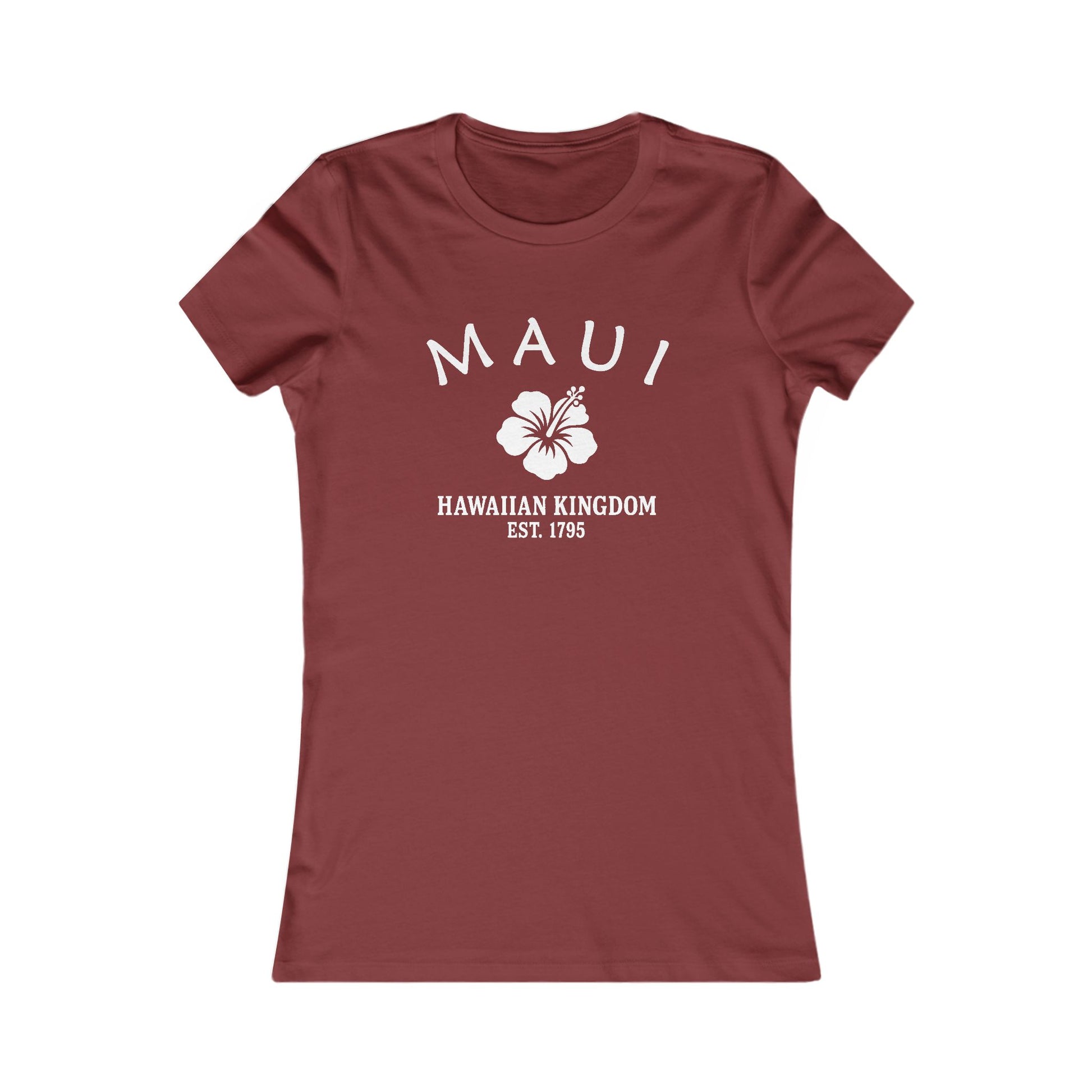
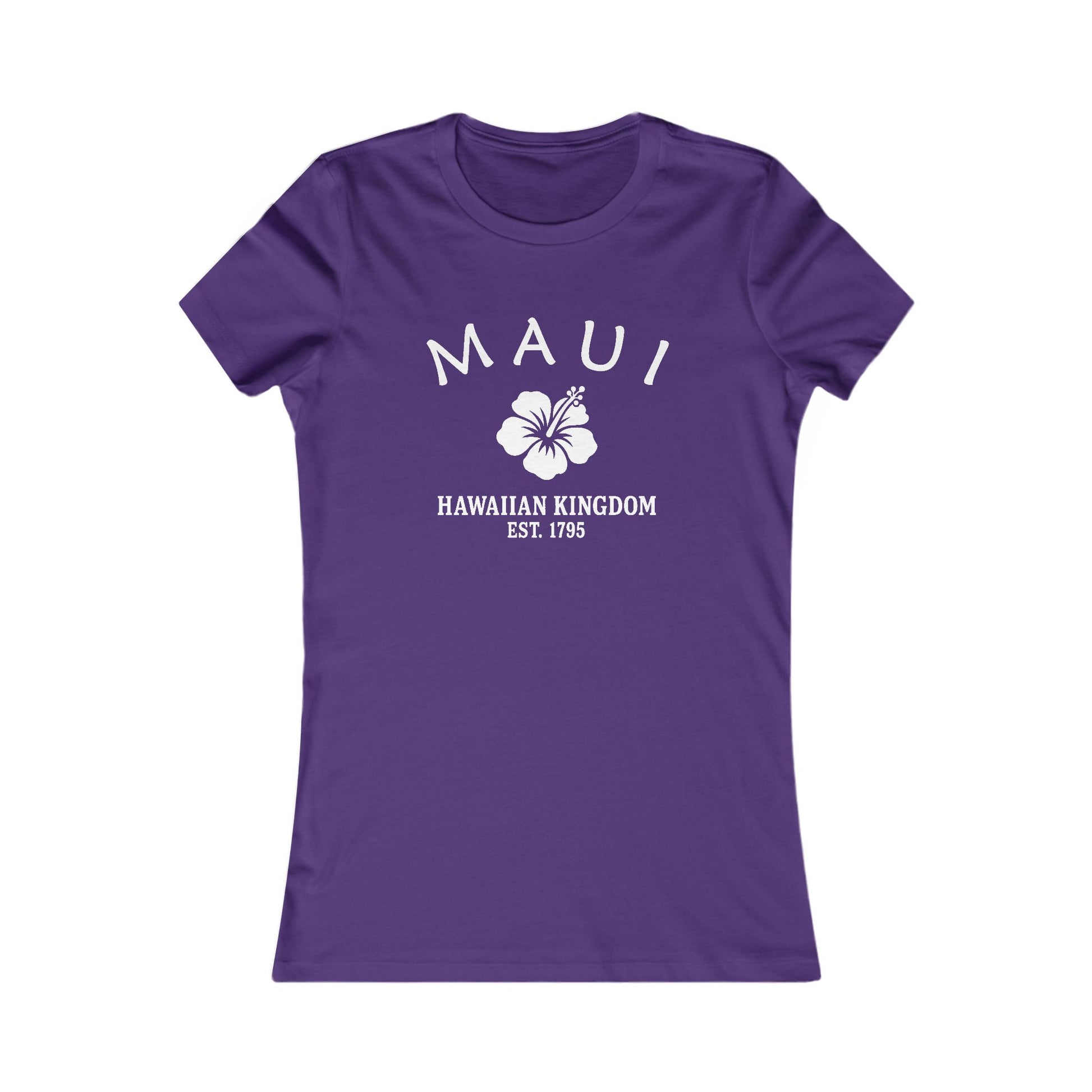
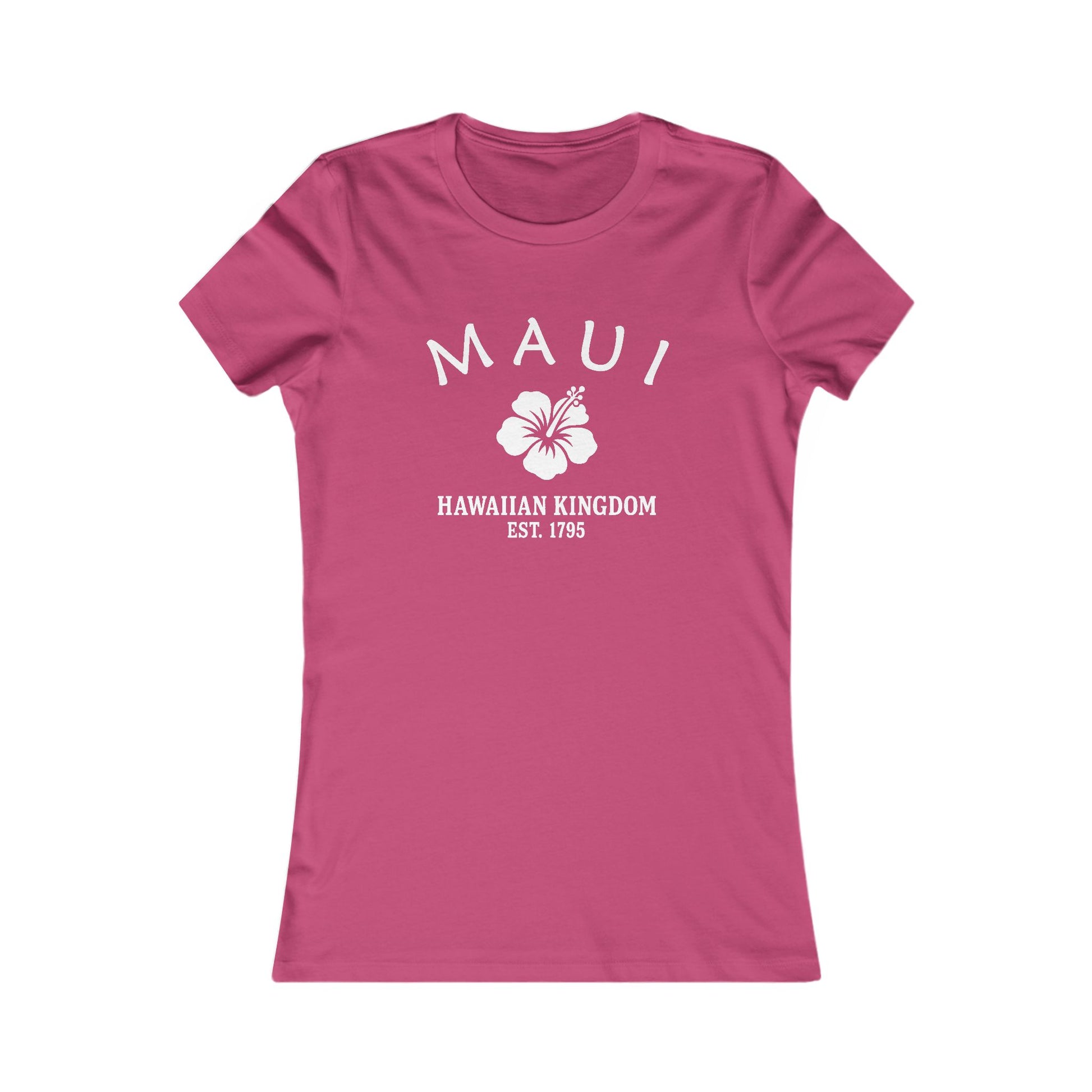
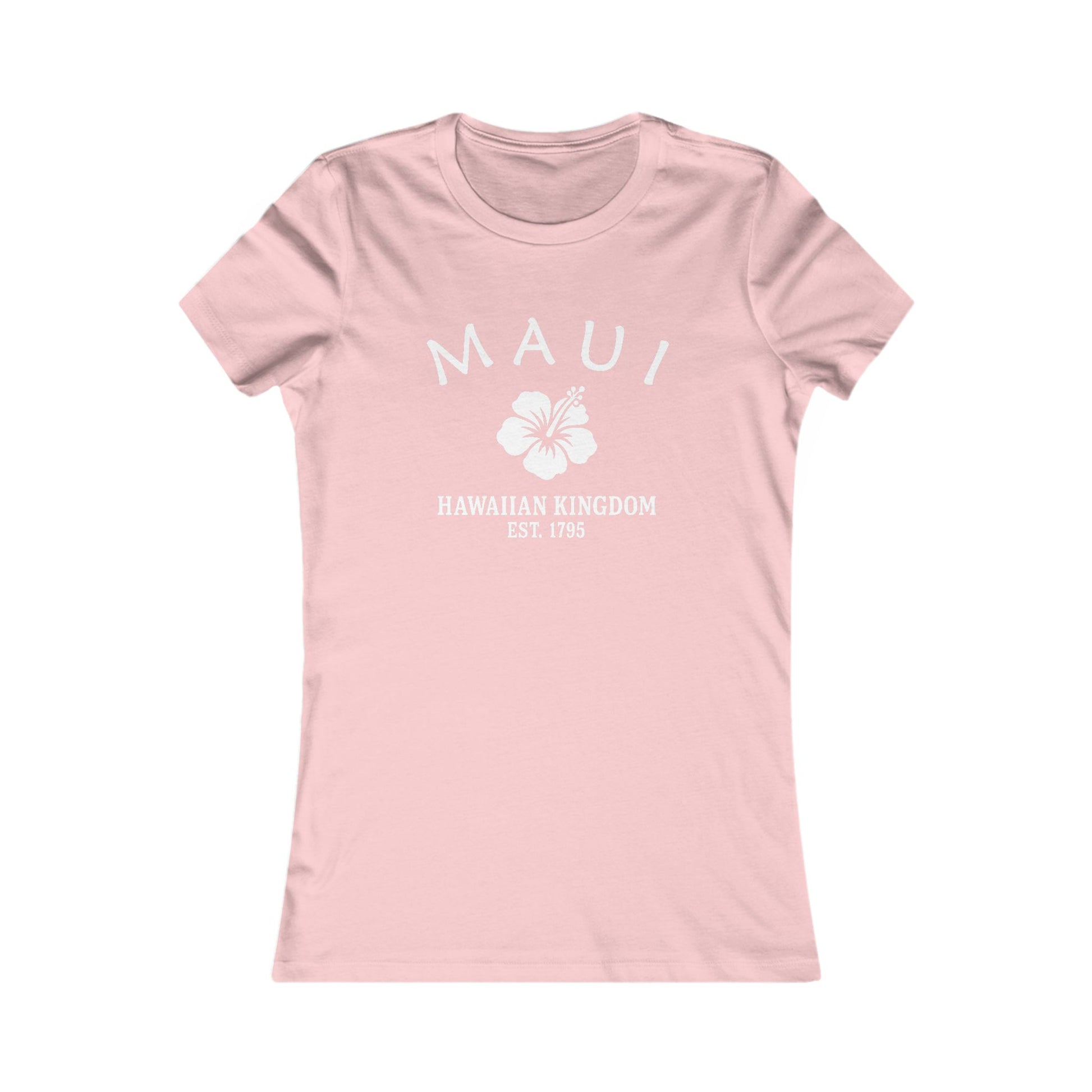
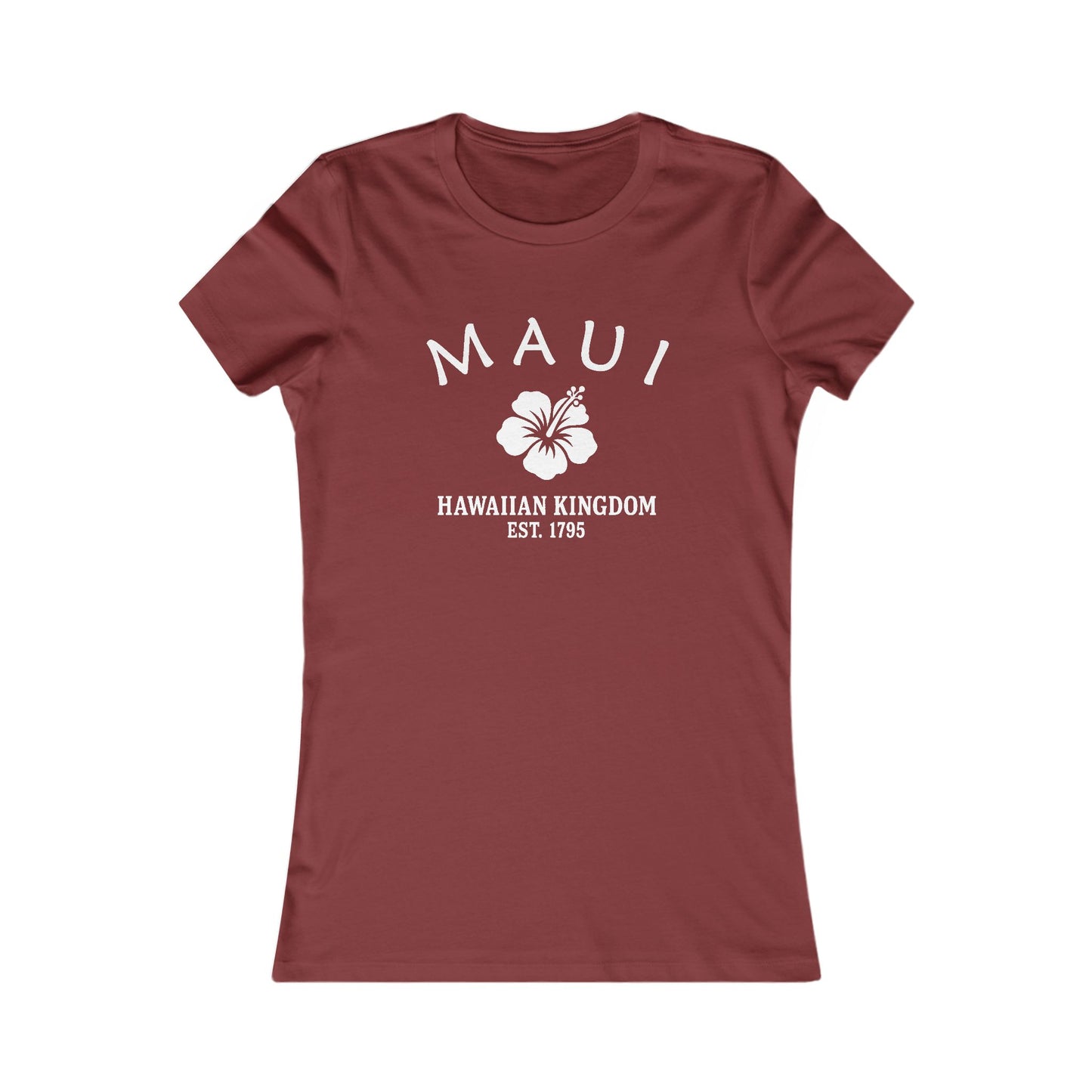
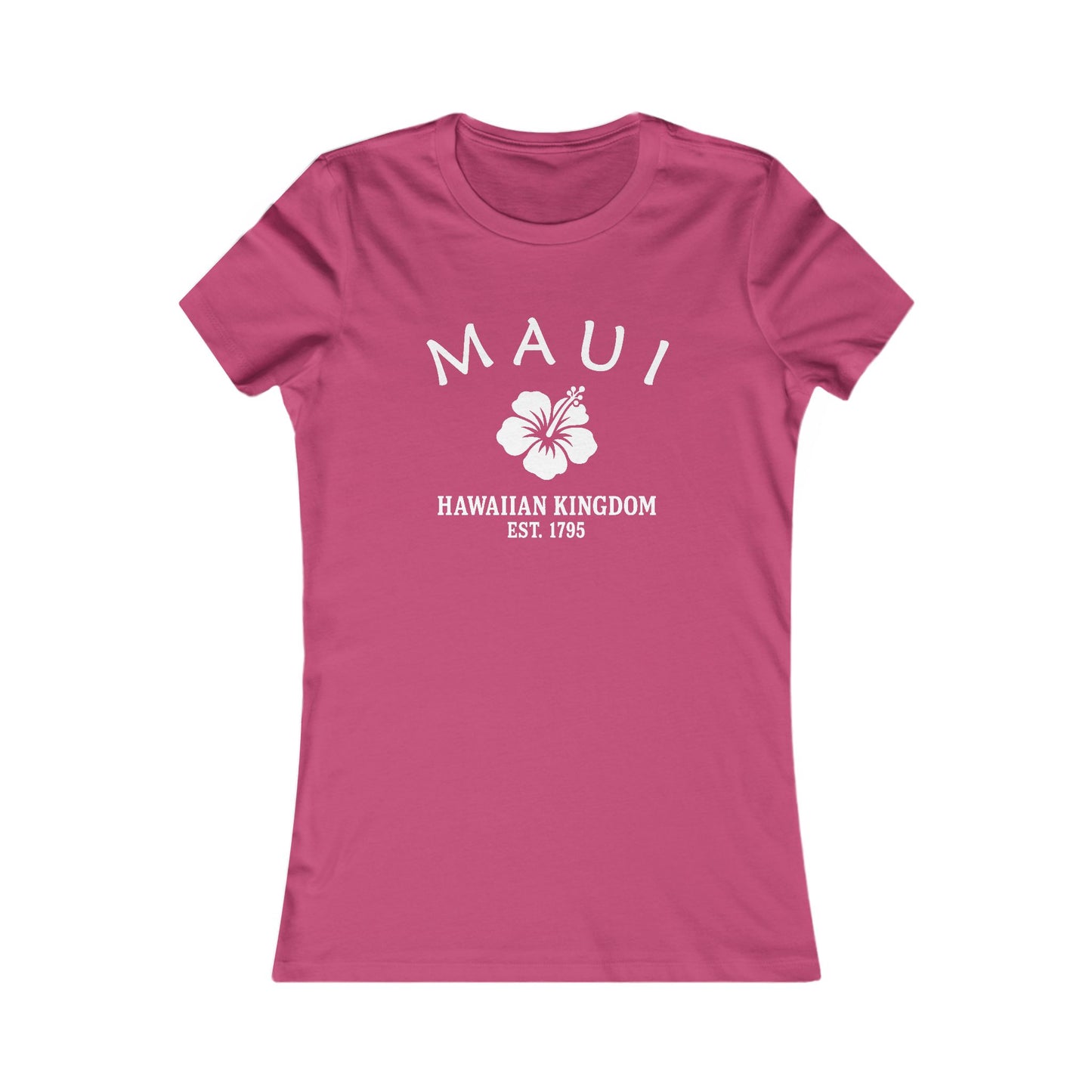
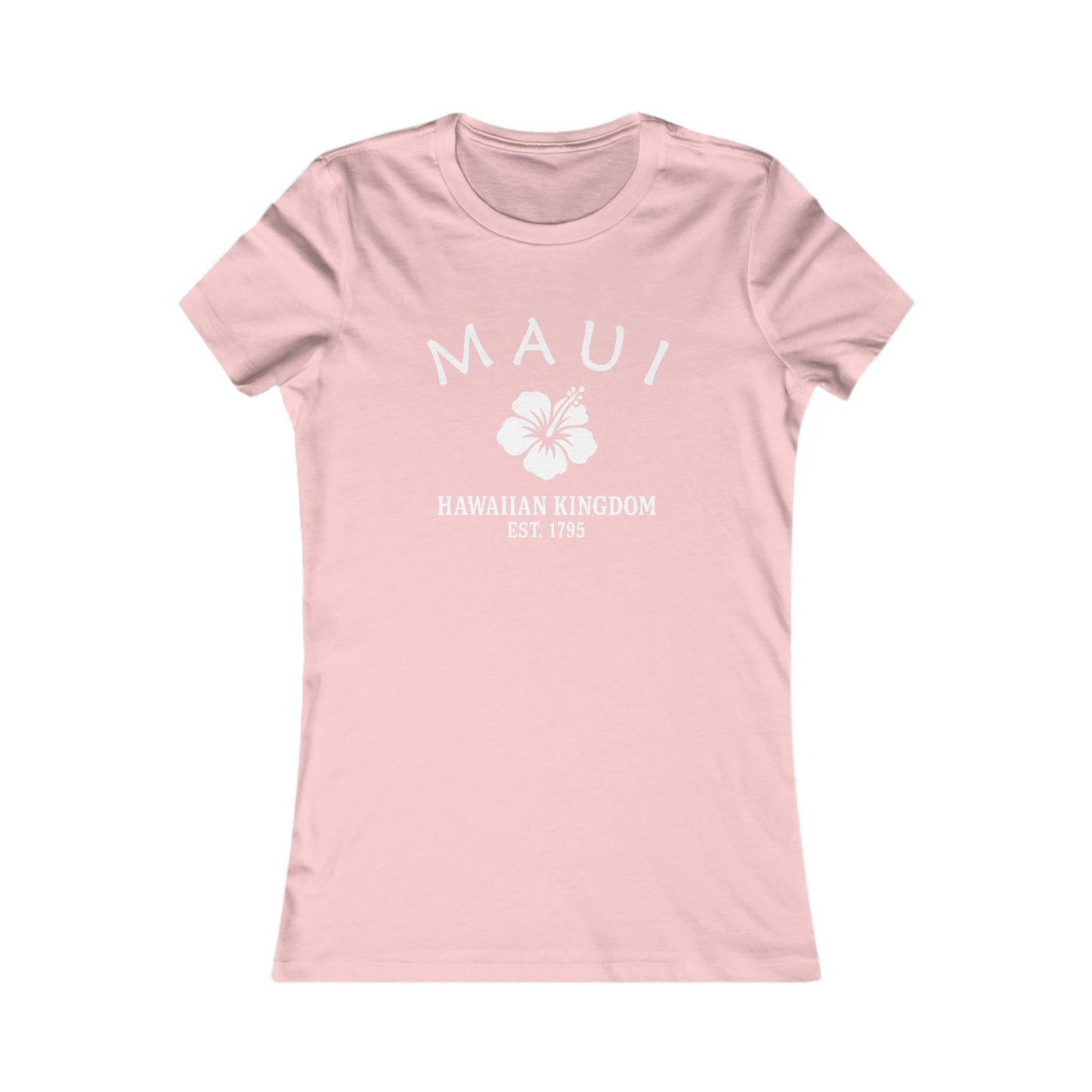
Today Maui is the Valley Isle — two volcanoes, a green valley between them, and the House of the Sun rising over the Pacific. Its story runs from the Polynesian voyagers and the deep Native Hawaiian homeland, through Kamehameha's unification and the kingdom's old capital at Lahaina, to the plantation era and the island travelers know today. Our Maui designs gather that identity into wearable form, with cultural respect at the center — the hibiscus, the volcanoes, and the sea. Maui, Hawaiʻi: the Valley Isle, where Haleakalā meets the Pacific. Aloha ʻāina.
Why People Visit Maui
Maui draws visitors for its landscape and its depth — a sacred volcanic summit, a rainforest coast road, a green valley behind the harbor towns, and the Pacific where humpbacks winter — all carried by a living Native Hawaiian culture. People come for Haleakalā, the Road to Hāna, and the beaches, and stay for the quiet of upcountry and the sense of a place with a long memory. It is scenic, storied, and unmistakably Hawaiian.
