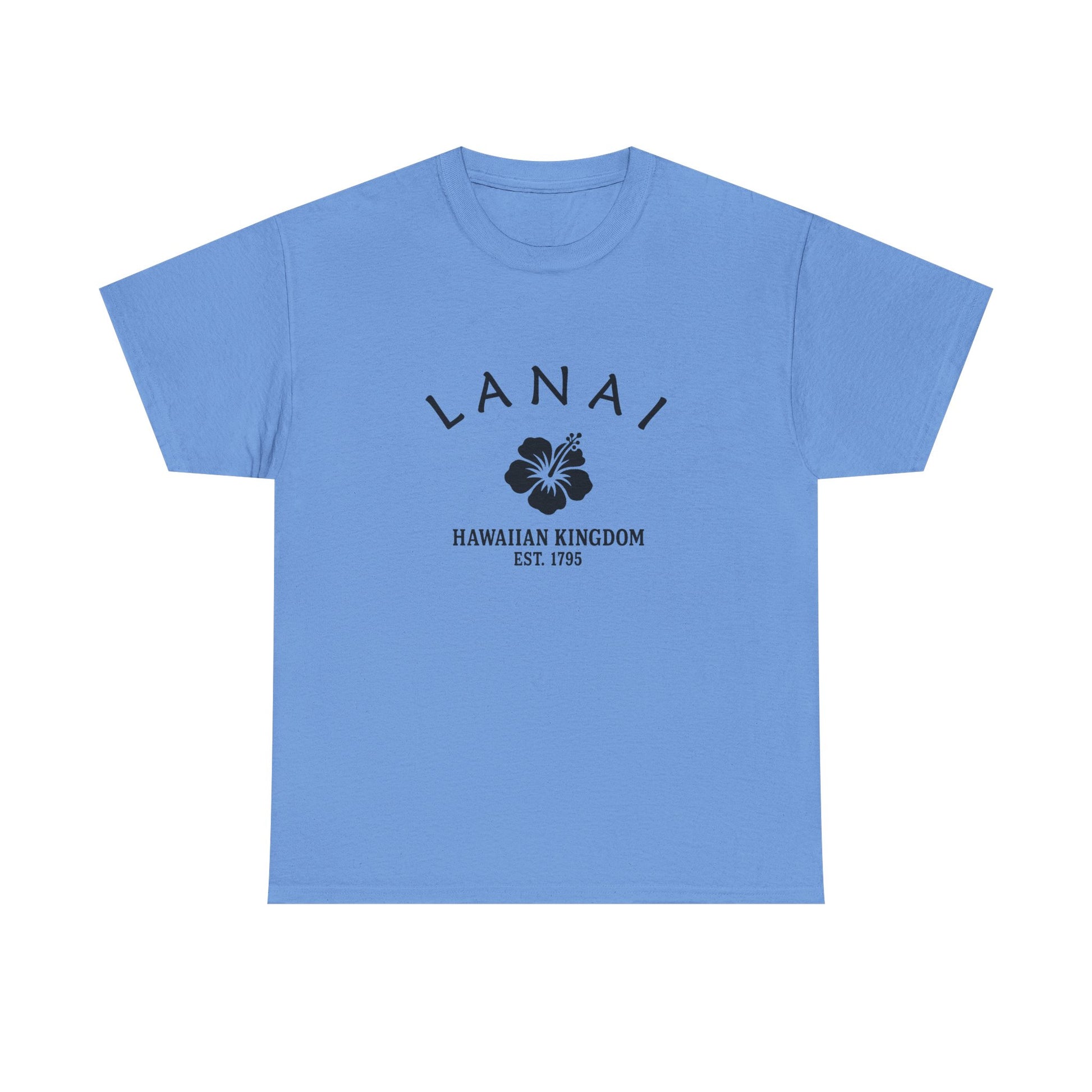
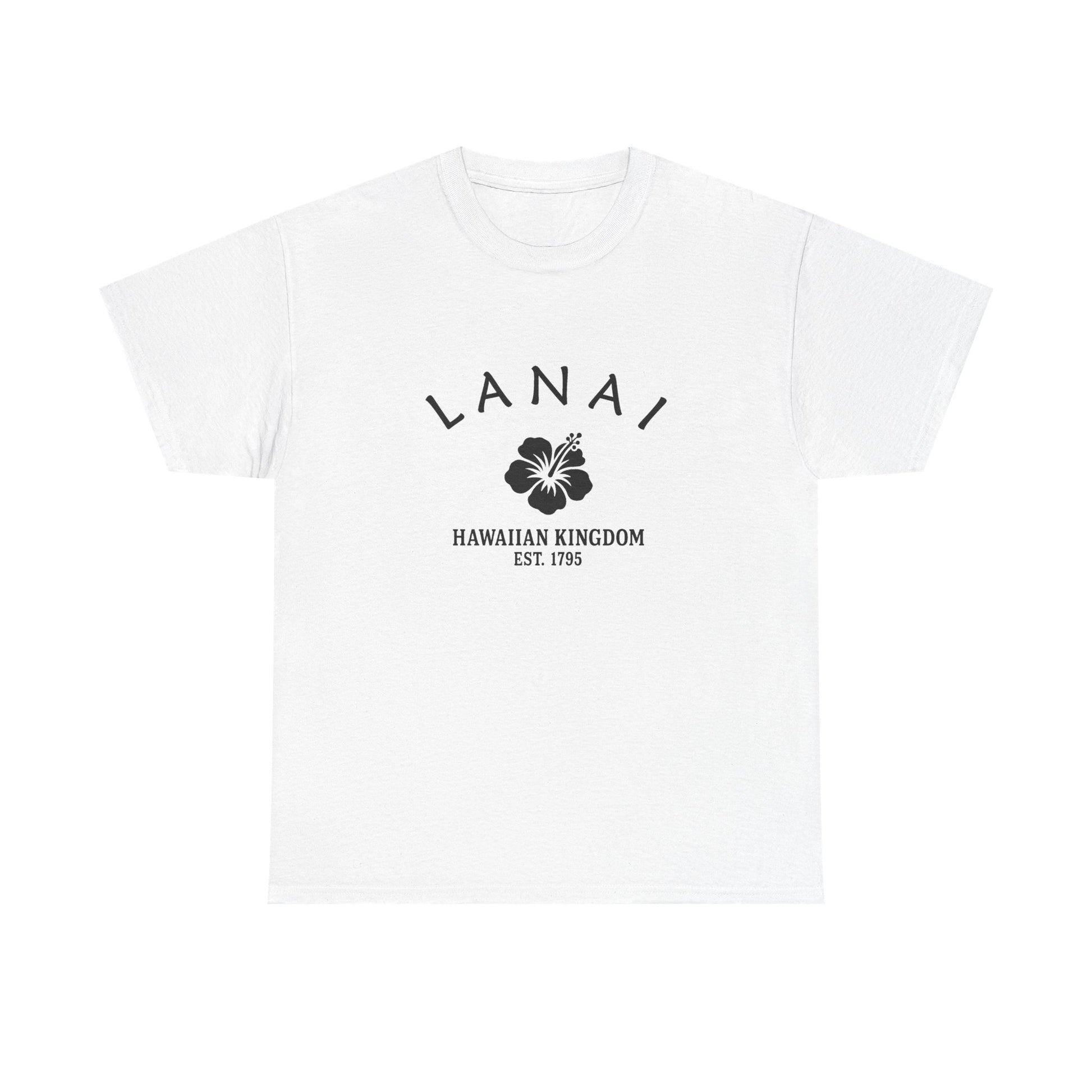
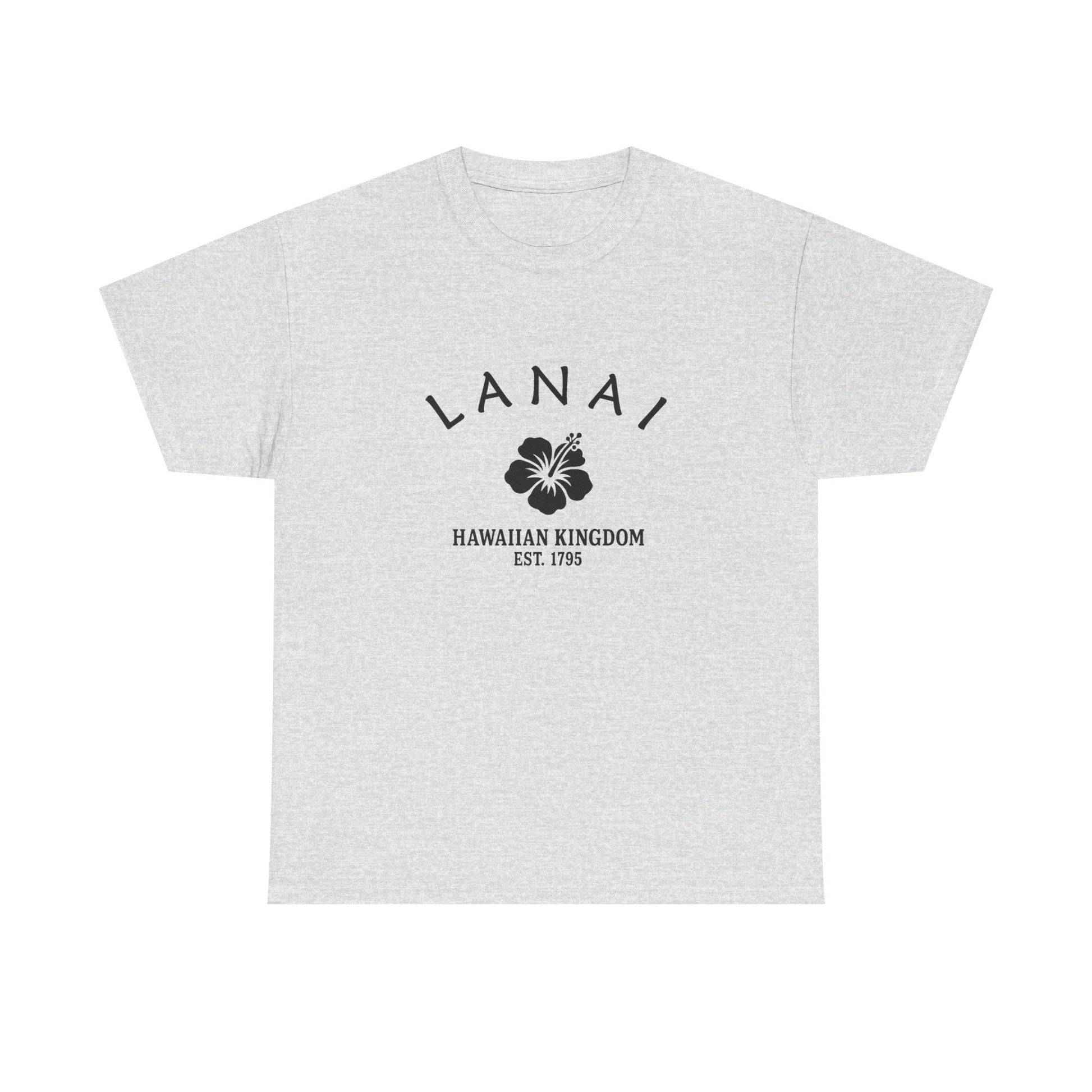
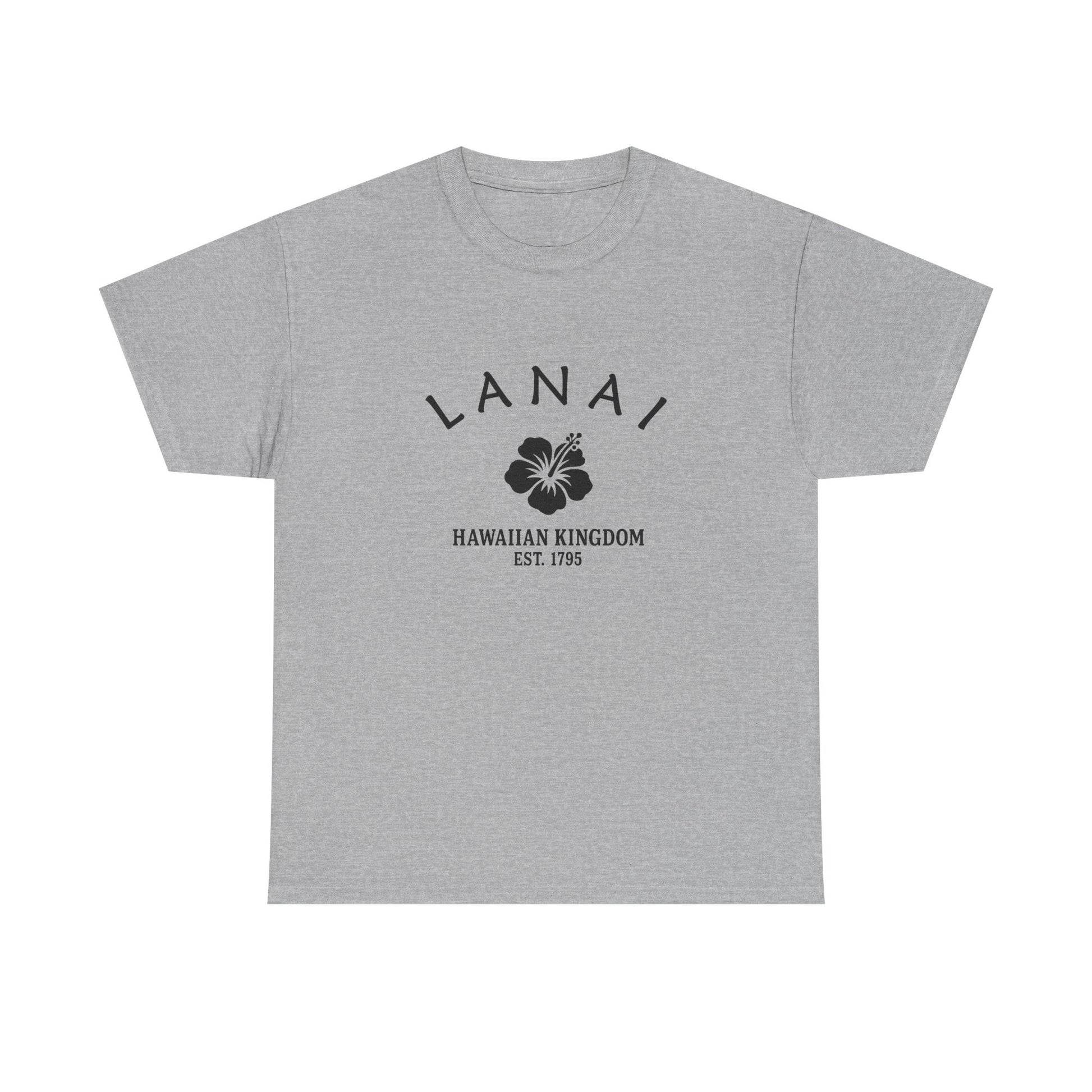
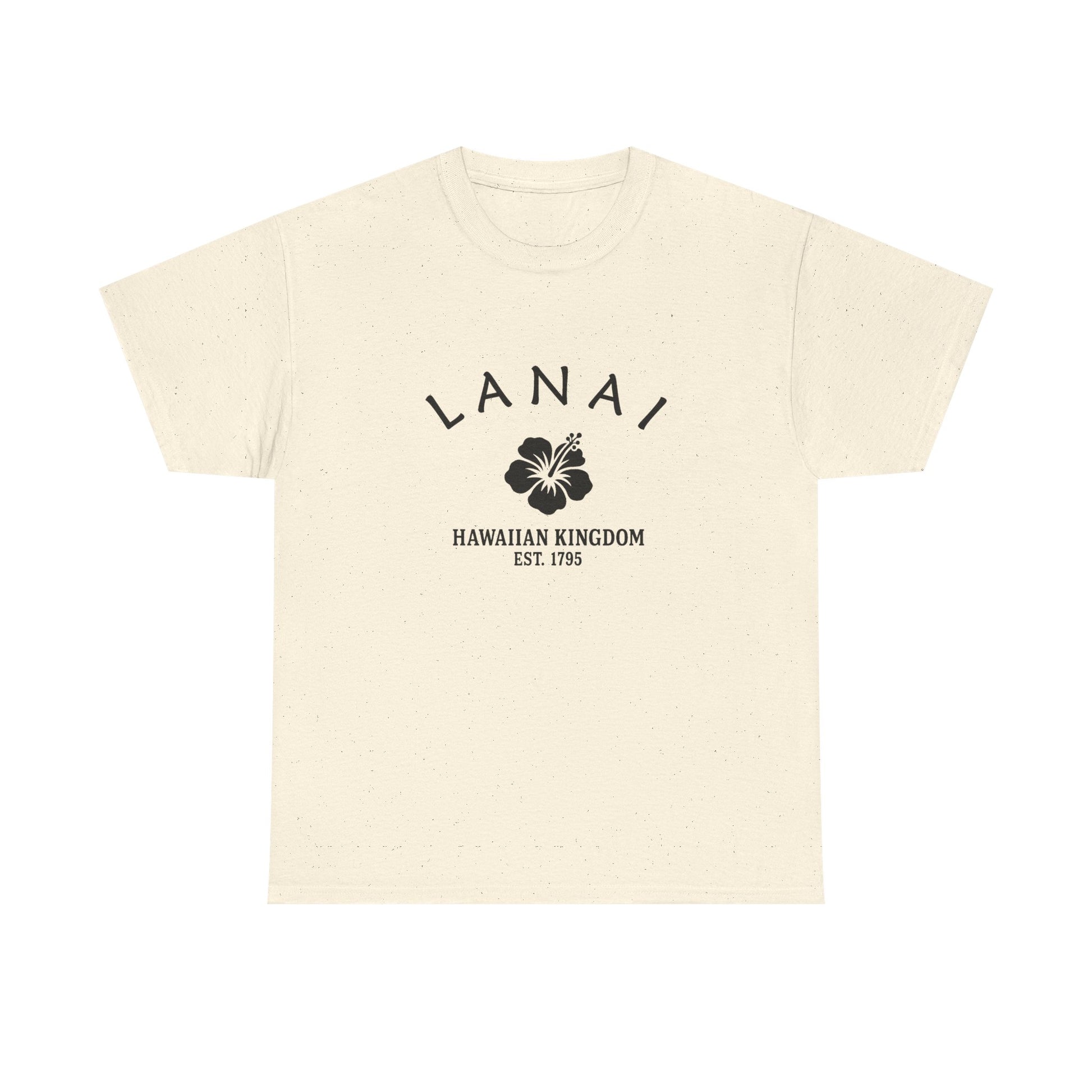
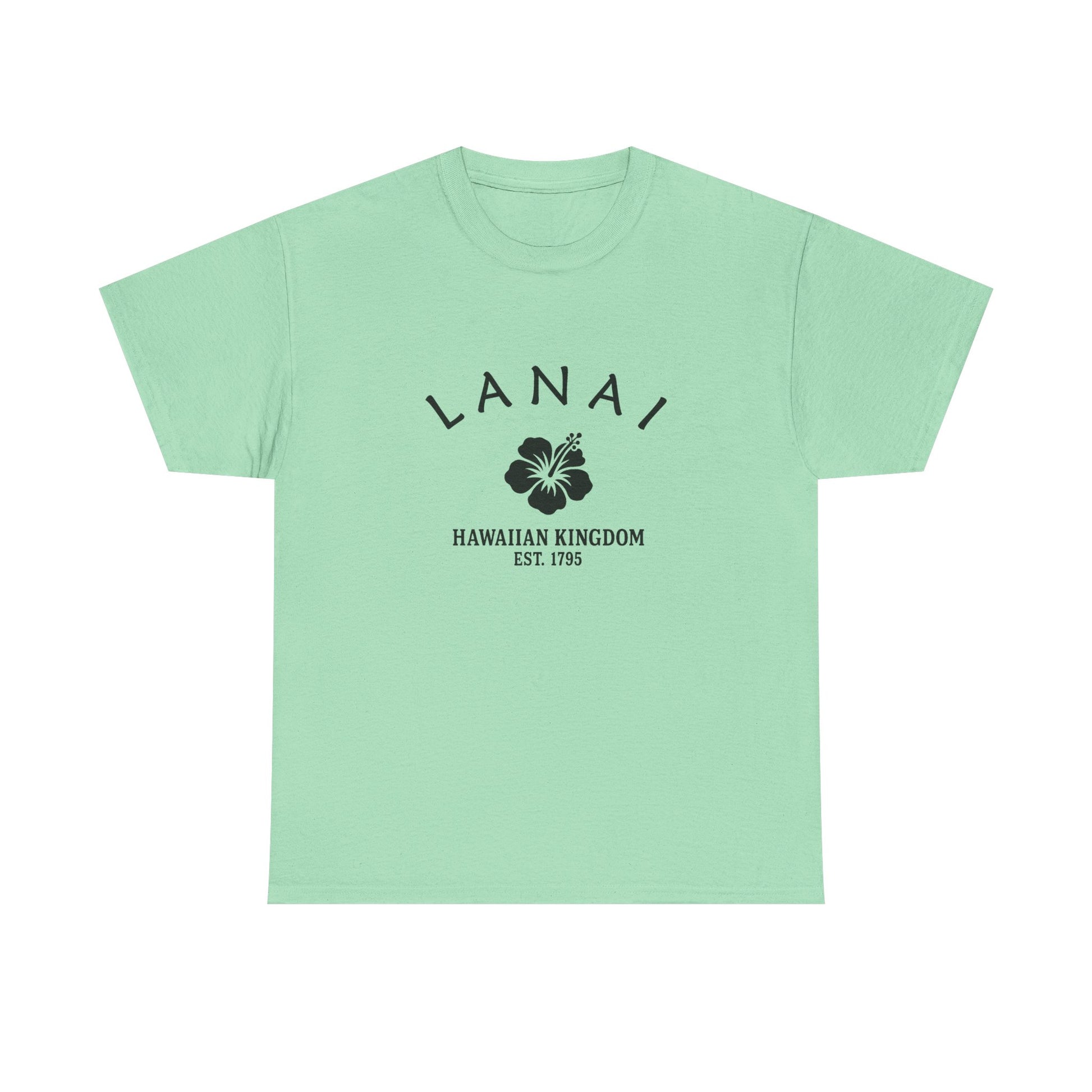
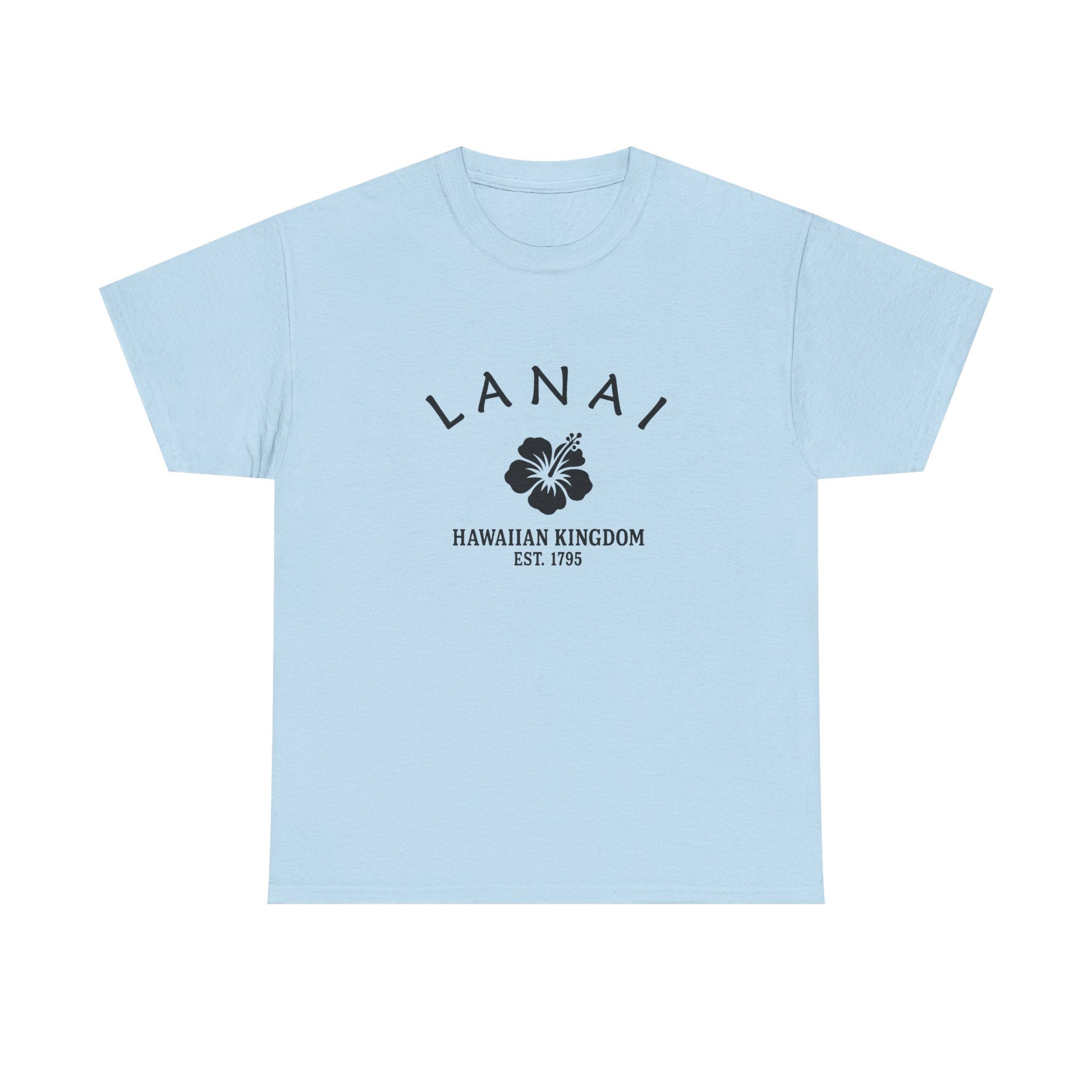
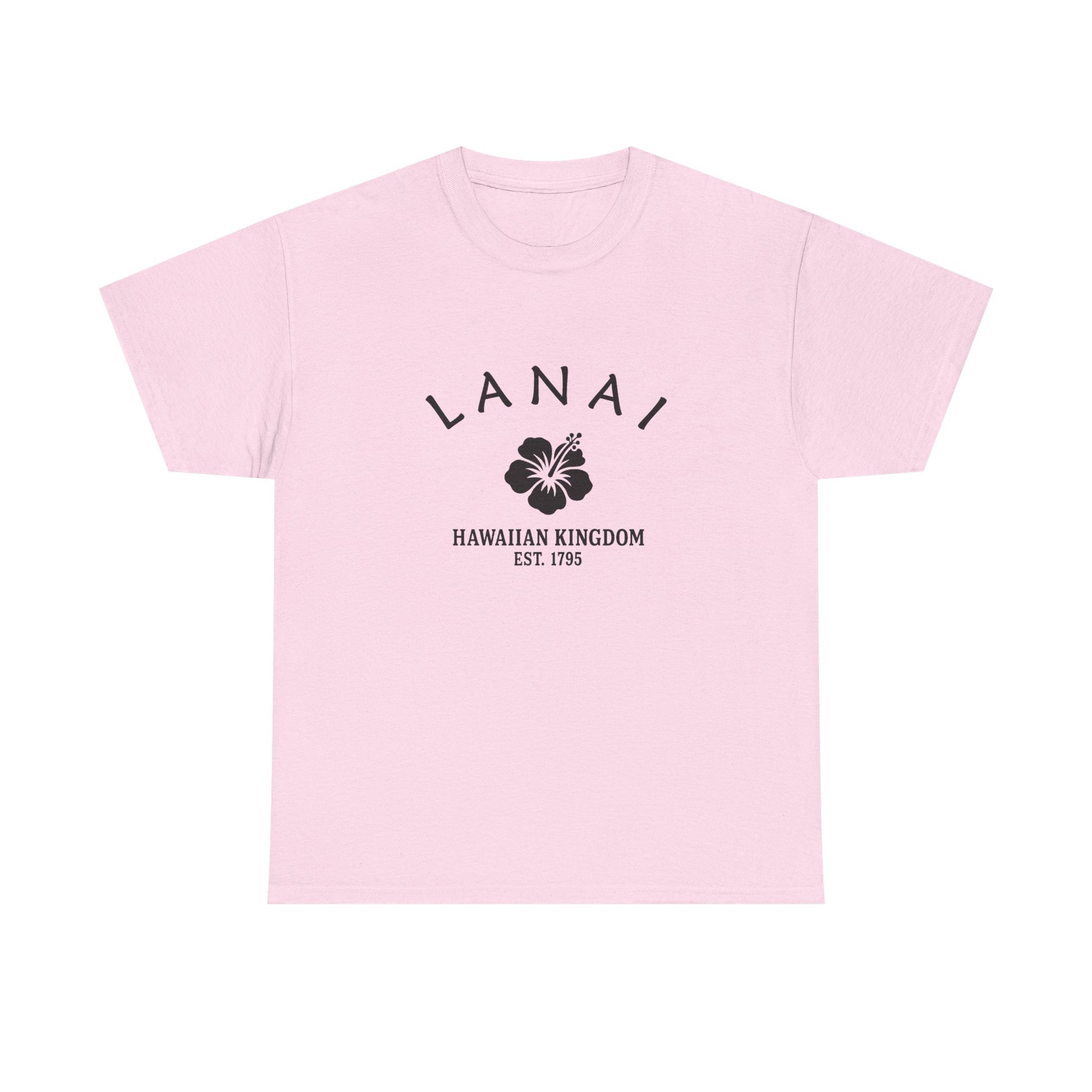
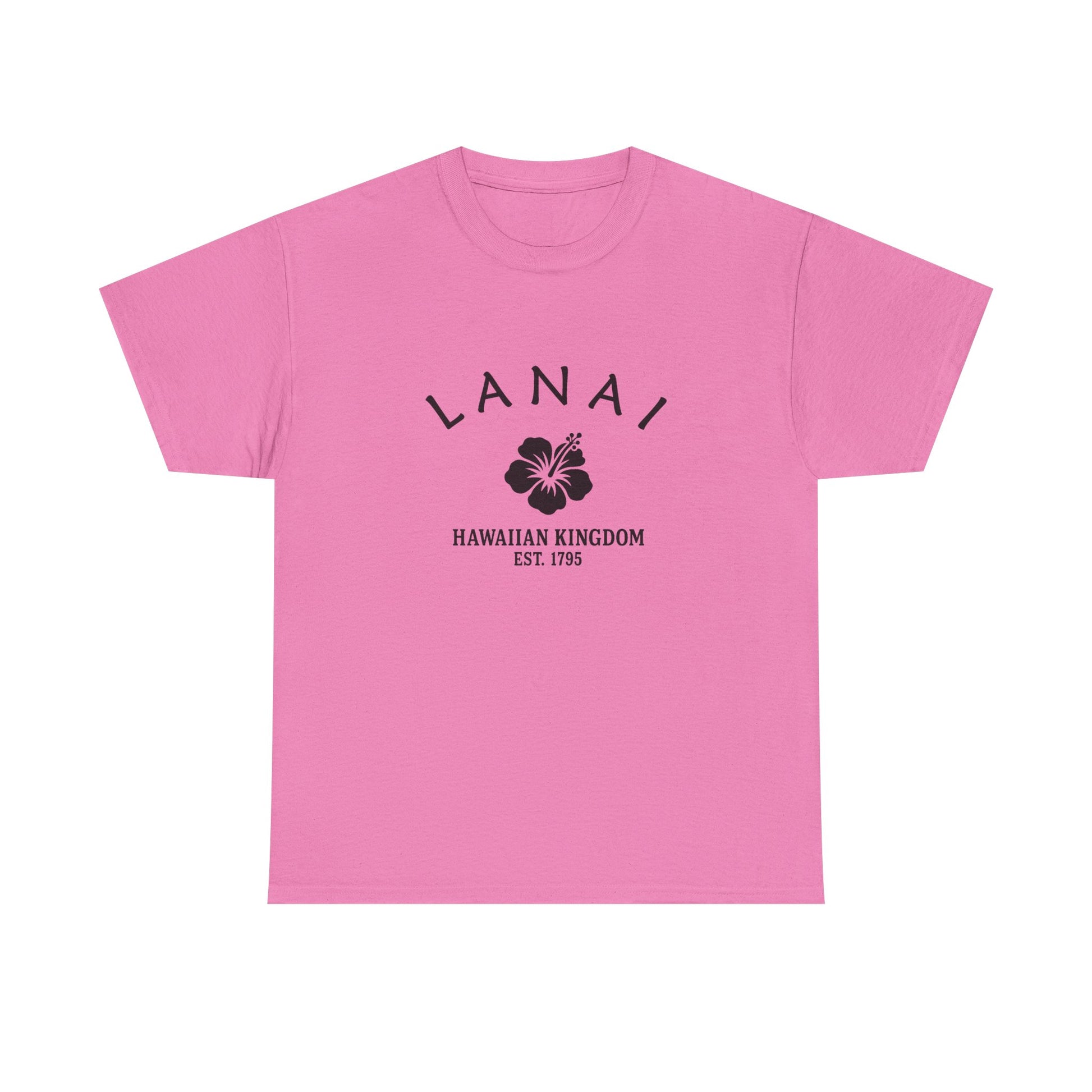
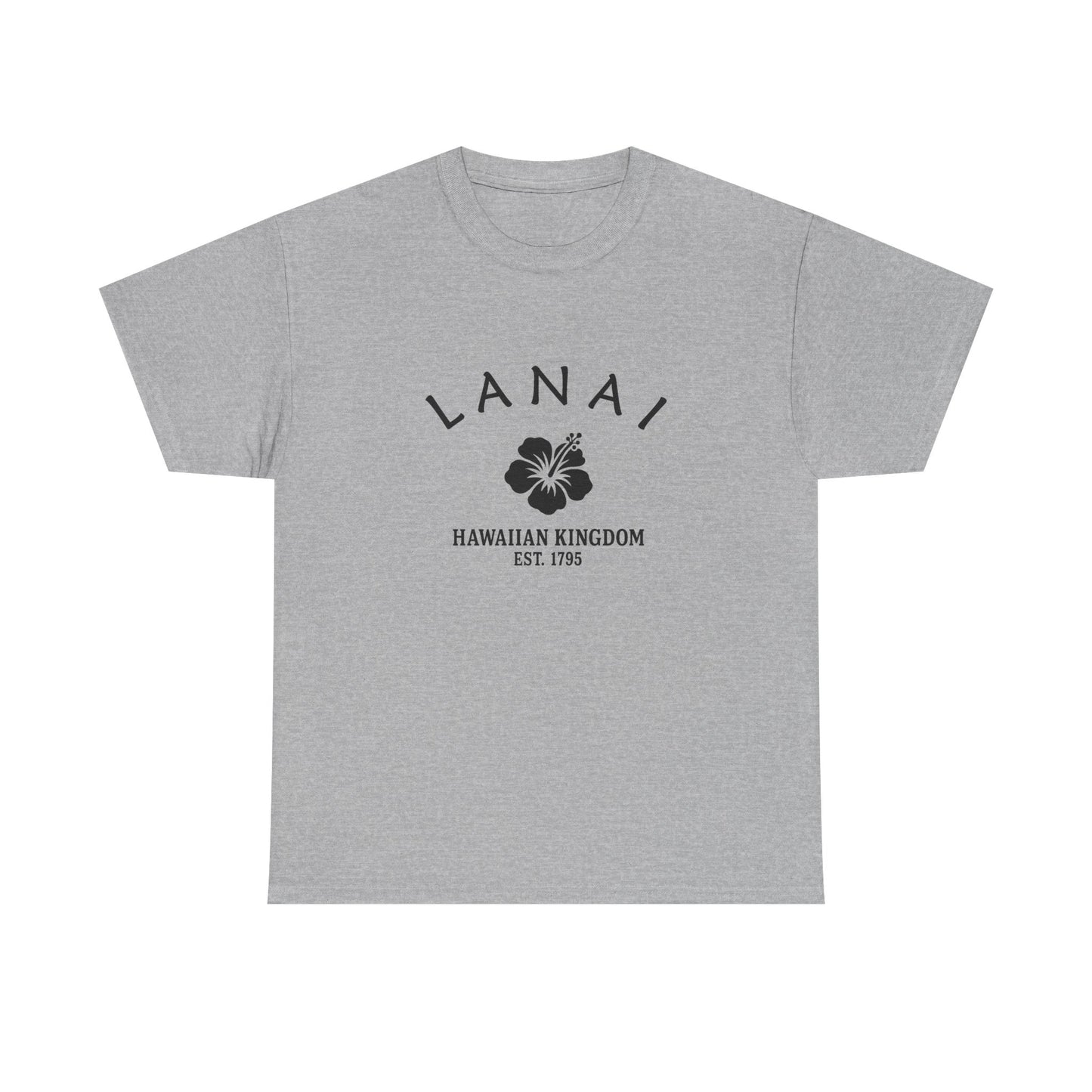
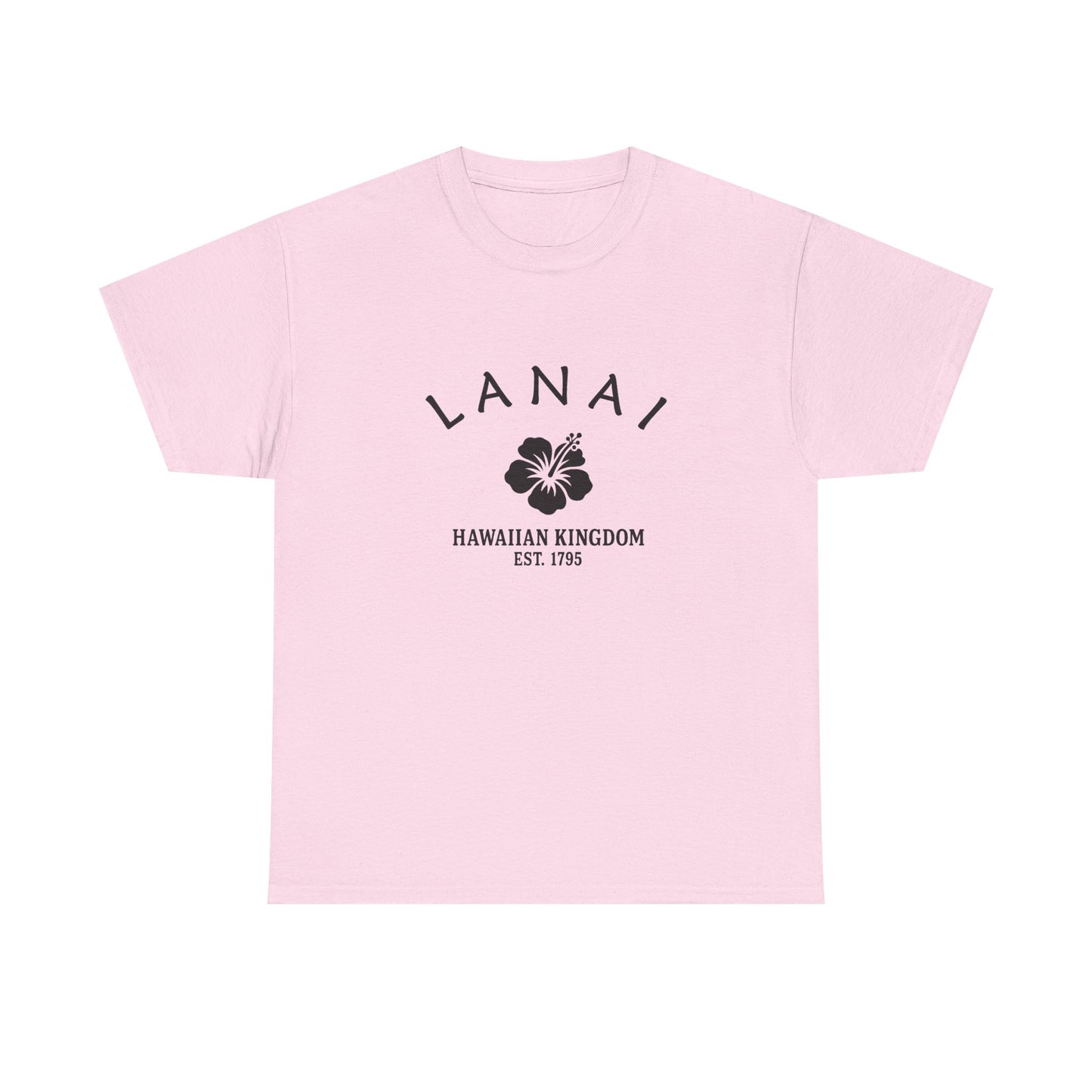
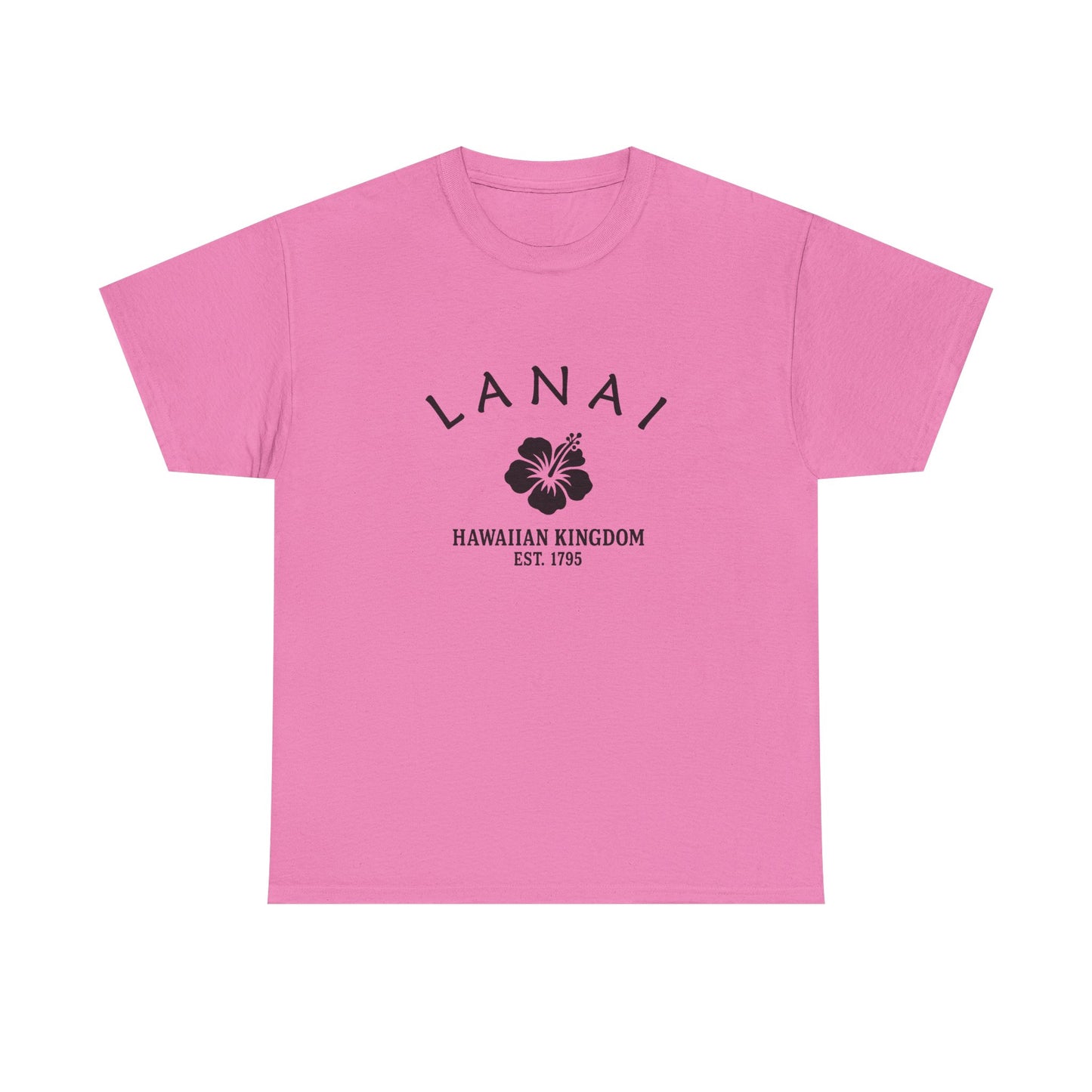
Our Lānaʻi logo carries the Hawaiian hibiscus over "Hawaiian Kingdom · Est. 1795," the shared emblem of every Merlin Classics Hawaiʻi place, marking the 1795 unification of the islands under Kamehameha. Printed in clean retro black-and-white like an old crate label, the hibiscus stands for the islands as a whole; what makes this one Lānaʻi is everything around it — the golden pineapple past and the old Lānaʻi City storefronts, the Cook-pine ridge, and the red rock of the Garden of the Gods.
Lānaʻi's oldest stories begin with the spirits. For generations the island was shunned as a haunted place, until — as Hawaiians tell it — a chief's son named Kaululaʻau was banished here from Maui and, one by one, drove the akua ʻino, the island's evil spirits, into the sea, making Lānaʻi safe to settle. The people who came lived by the reef and the fishing grounds, and nowhere more than at Kaunolū on the southern sea cliffs — an ancient village that Kamehameha I favored as a fishing retreat. Its ruins survive today as a National Historic Landmark: stone house platforms, the great Halulu Heiau, rock carvings, and Kahekili's Leap, the cliff where warriors once dove to the sea far below. These are sacred and storied grounds, named here with respect.
Why People Visit Lānaʻi
Lānaʻi offers the rarest thing in Hawaiʻi: an island that still feels empty. It pairs a deep heritage — ancient fishing villages, a storied red-rock landscape, and the golden plantation past — with near-solitary beaches, pine-shaded uplands, and a single small town. It is quiet, scenic, and unhurried, made for travelers who want an island to themselves.
