

Above the south-shore beach of Hulopoʻe rises Puʻupehe, the sea-cut lava tower that visitors call Sweetheart Rock, wrapped in its own old island legend. In 1854 a party of Mormon settlers laid out a short-lived colony in the upland Palawai Basin, and through the later 1800s the dry plains drew cattle ranchers; for a couple of years around 1900 a small sugar venture tried its luck at Keomoku on the east shore. But Lānaʻi stayed quiet and lightly peopled — a big, dry island just across the water from Maui, waiting on the crop that would remake it.
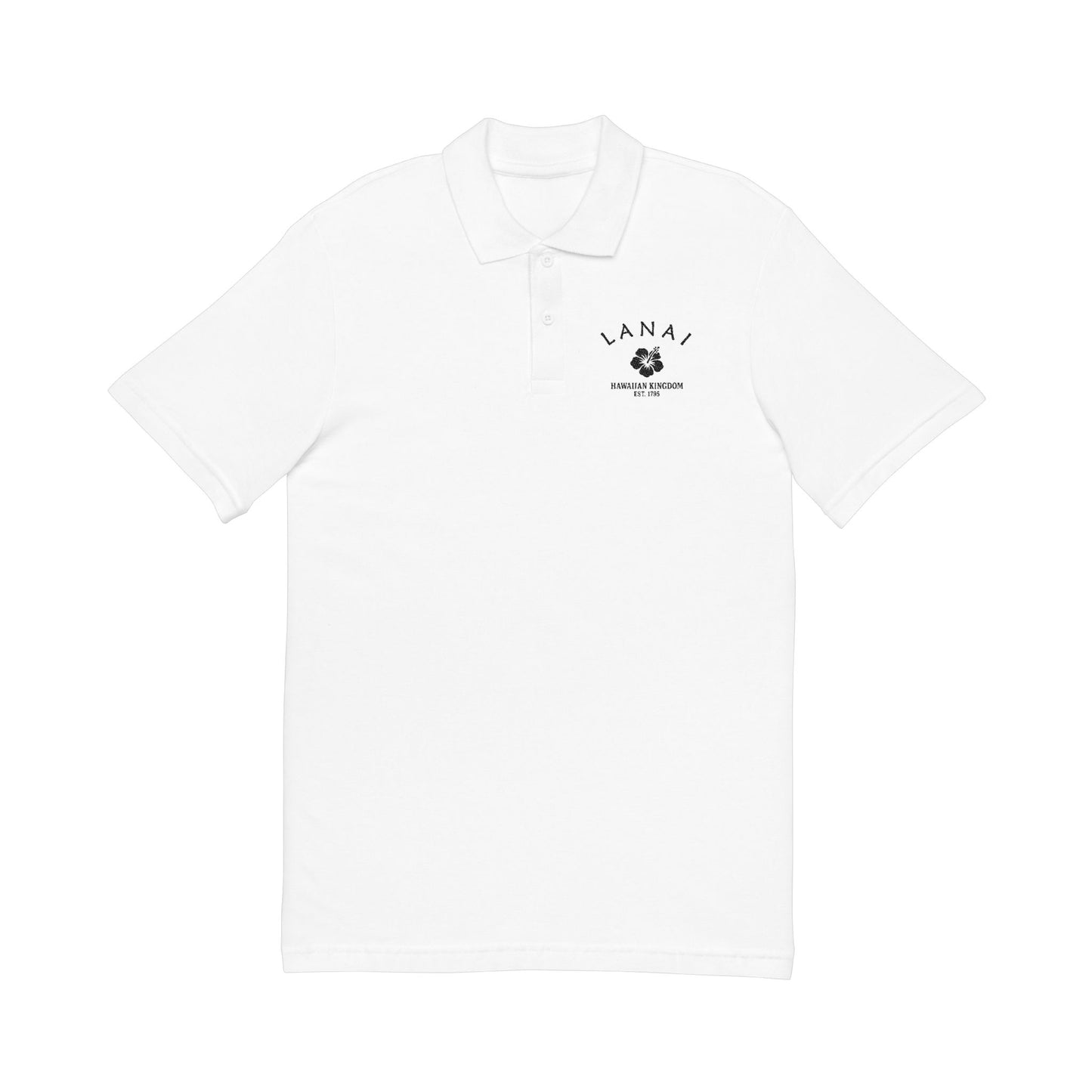
Our Lānaʻi logo carries the Hawaiian hibiscus over "Hawaiian Kingdom · Est. 1795," the shared emblem of every Merlin Classics Hawaiʻi place, marking the 1795 unification of the islands under Kamehameha. Printed in clean retro black-and-white like an old crate label, the hibiscus stands for the islands as a whole; what makes this one Lānaʻi is everything around it — the golden pineapple past and the old Lānaʻi City storefronts, the Cook-pine ridge, and the red rock of the Garden of the Gods.
Why People Visit Lānaʻi
Lānaʻi offers the rarest thing in Hawaiʻi: an island that still feels empty. It pairs a deep heritage — ancient fishing villages, a storied red-rock landscape, and the golden plantation past — with near-solitary beaches, pine-shaded uplands, and a single small town. It is quiet, scenic, and unhurried, made for travelers who want an island to themselves.
