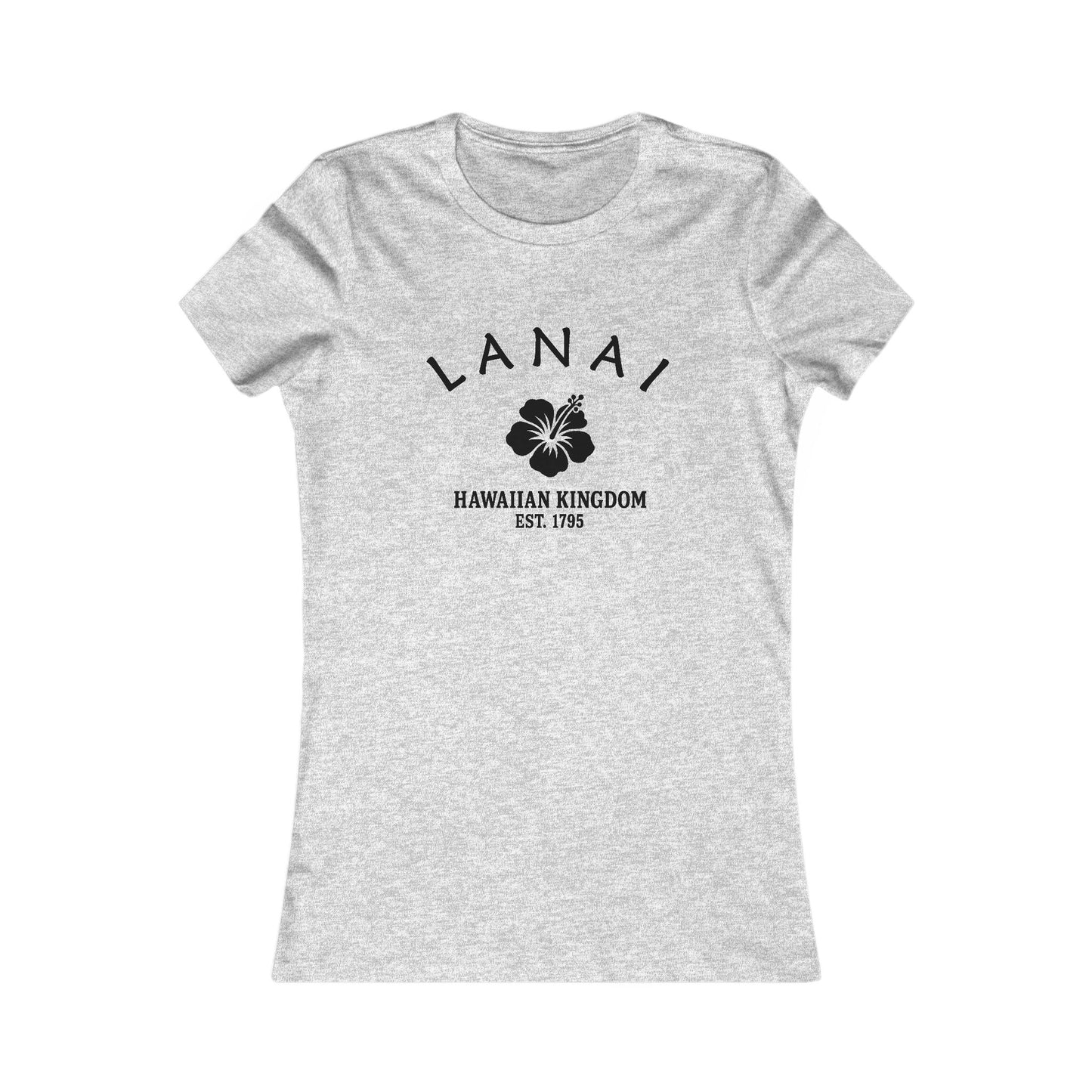
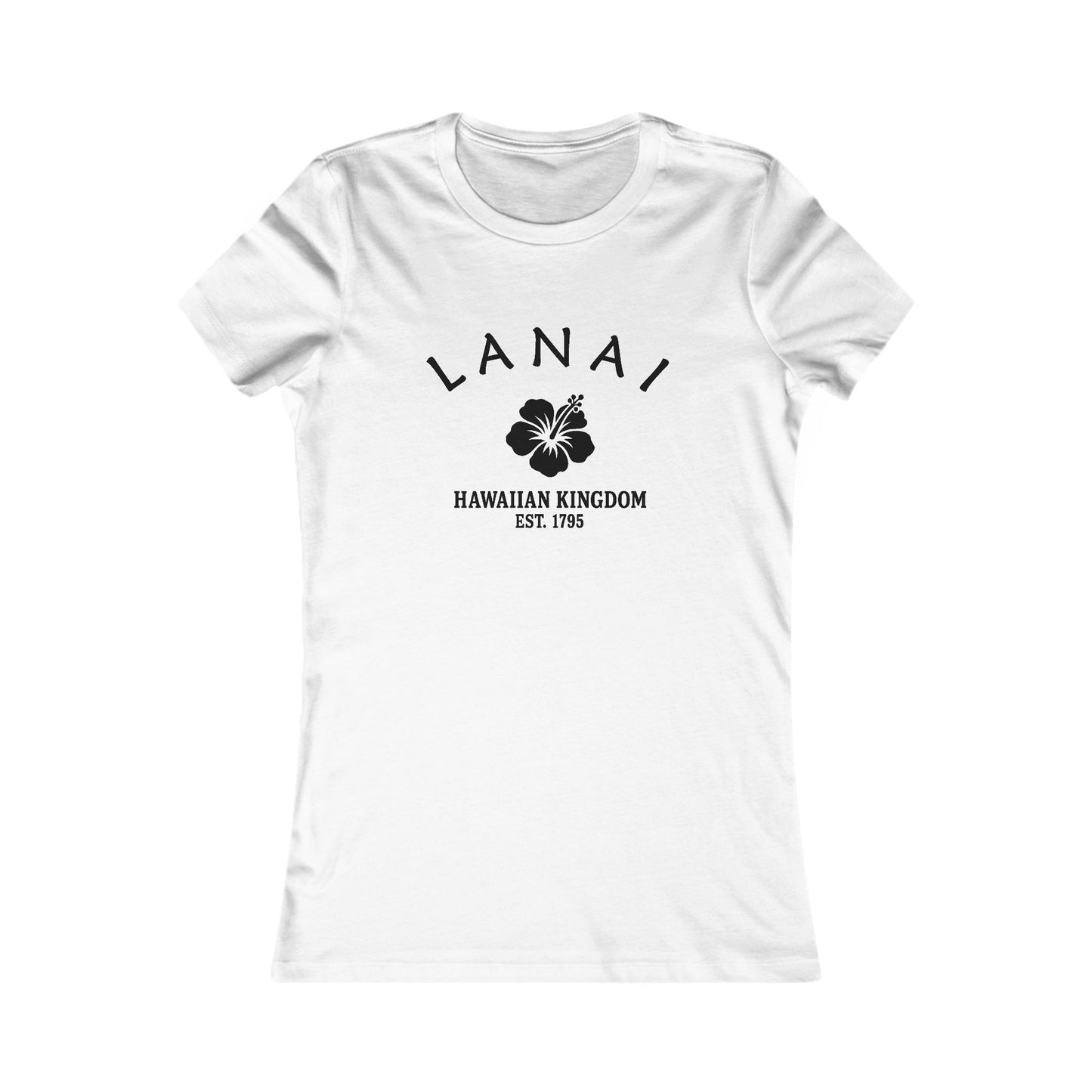
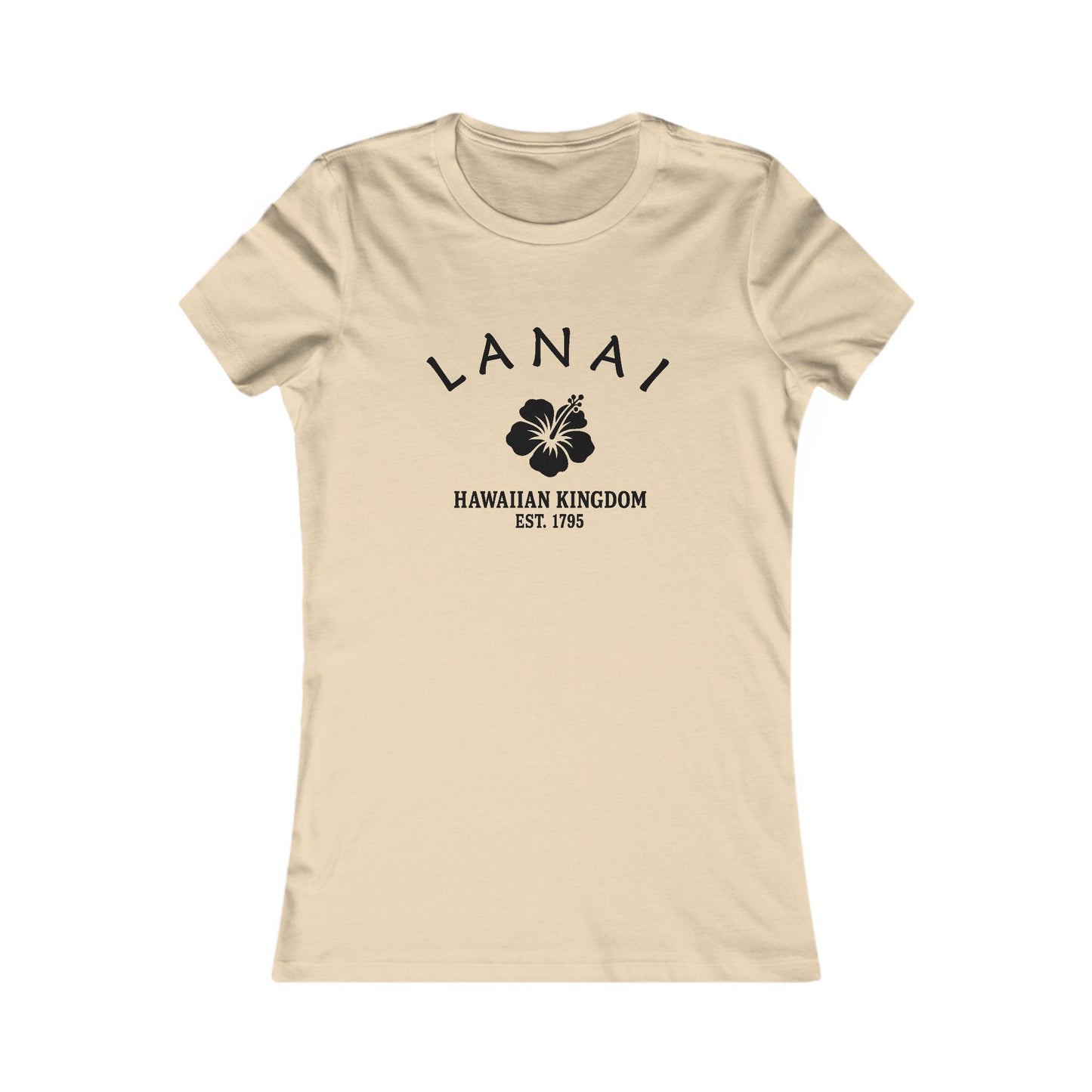
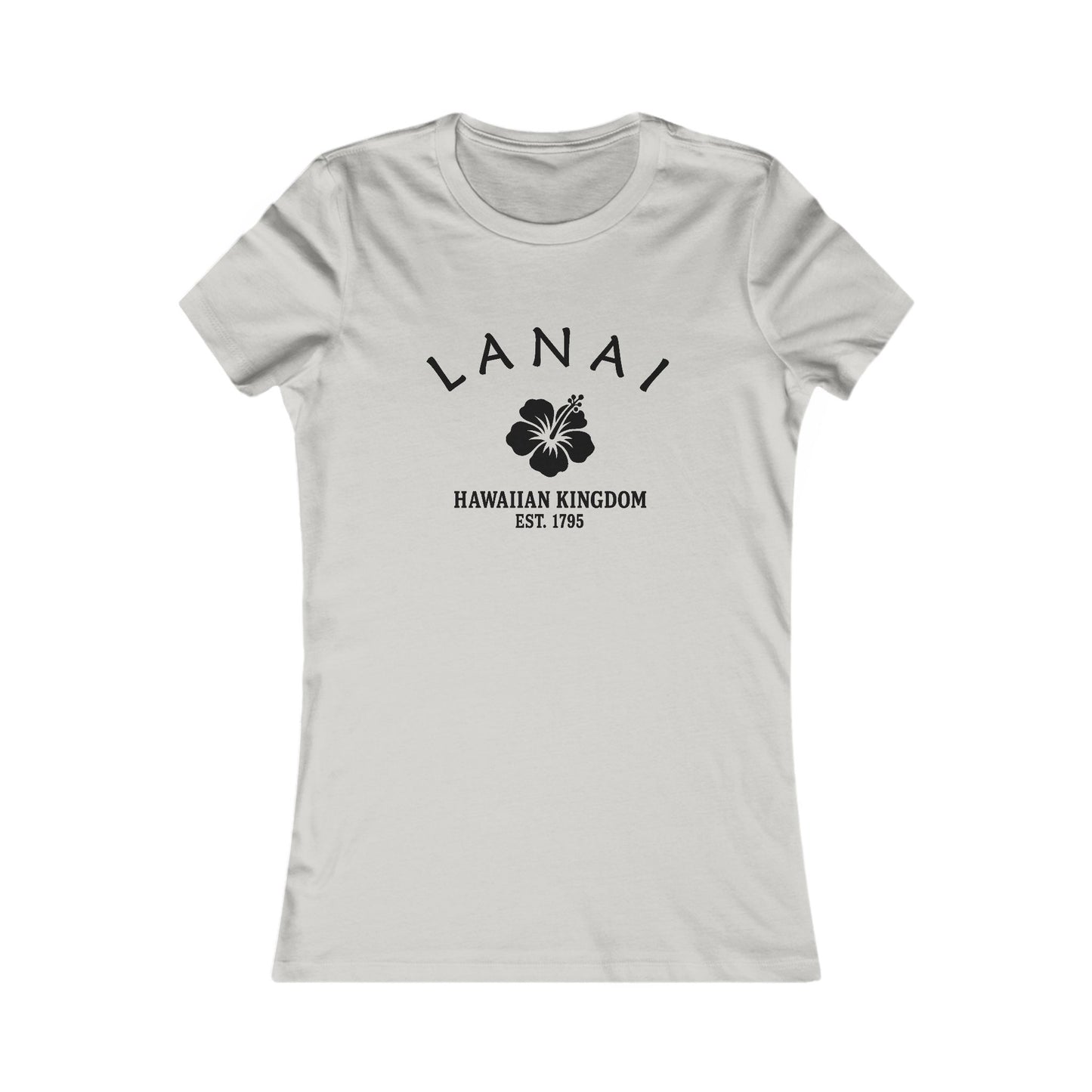
A plantation that size needed a town, and from 1923 Dole laid out Lānaʻi City — a planned company town of tidy cottages on a cool central plateau, gathered around the green rectangle of Dole Park. Workers came from the Philippines, Japan, China, Korea, Portugal, and Puerto Rico, and out of that mix grew the close, multicultural community that still defines the island. The fruit rolled down to Kaumalapaʻu Harbor, built in the 1920s, and shipped to the Honolulu canneries. Castle & Cooke took over in 1961, but cheaper pineapple from overseas slowly undercut the island; the last big harvest came in 1992, and the fields went quiet.
Today Lānaʻi is the quiet island: one small town, no traffic lights, two secluded resorts set against a back country of red dirt and empty roads. Bought almost whole by Larry Ellison in 2012, it is being remade around sustainability and tourism, but its character is older and slower than that — the smallest publicly accessible inhabited Hawaiian island, keeping its end-of-the-world calm. Our Lānaʻi designs gather that into wearable form. Lānaʻi, Hawaiʻi — the Pineapple Isle, where the world's quietest island keeps its golden past.
Why People Visit Lānaʻi
Lānaʻi offers the rarest thing in Hawaiʻi: an island that still feels empty. It pairs a deep heritage — ancient fishing villages, a storied red-rock landscape, and the golden plantation past — with near-solitary beaches, pine-shaded uplands, and a single small town. It is quiet, scenic, and unhurried, made for travelers who want an island to themselves.
