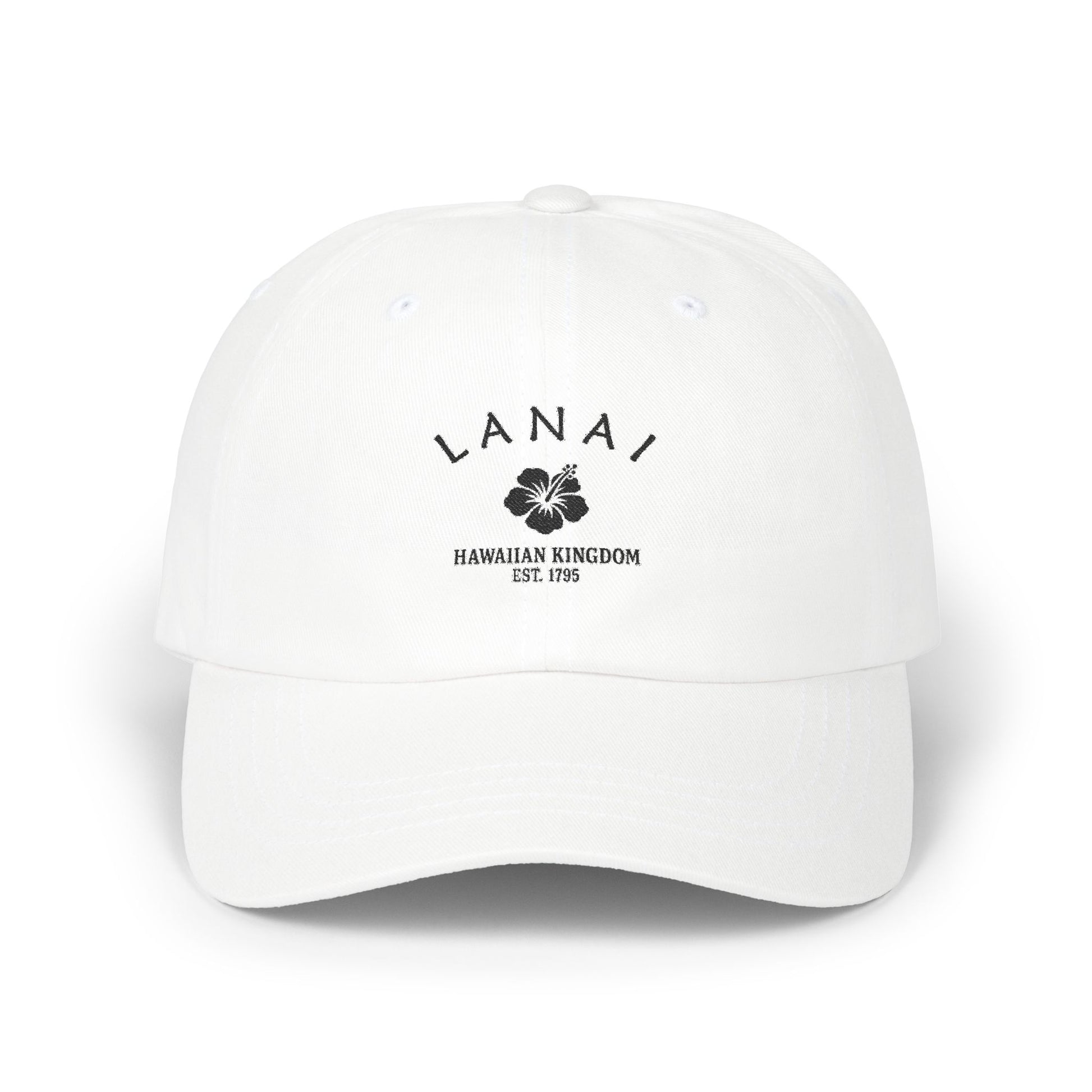
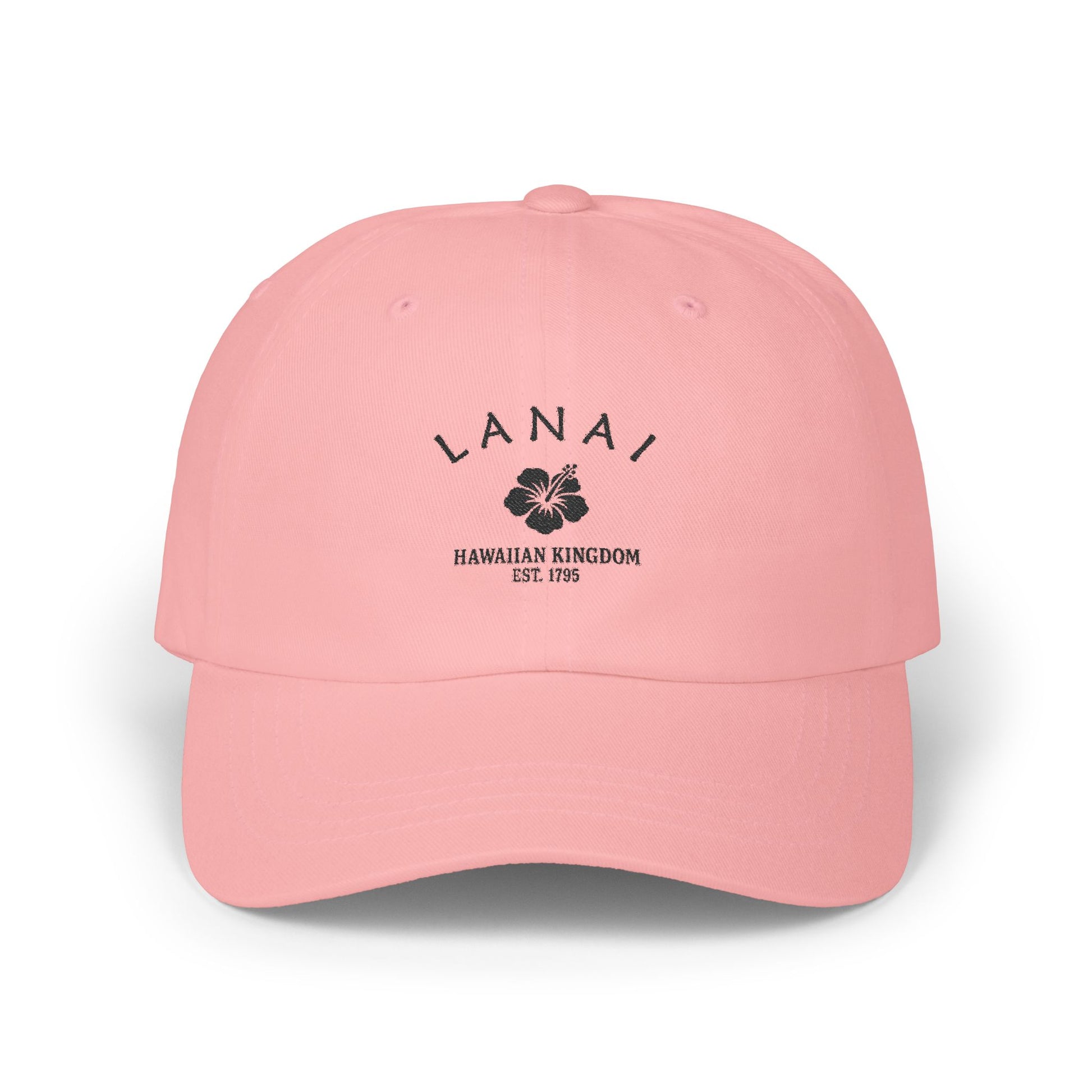
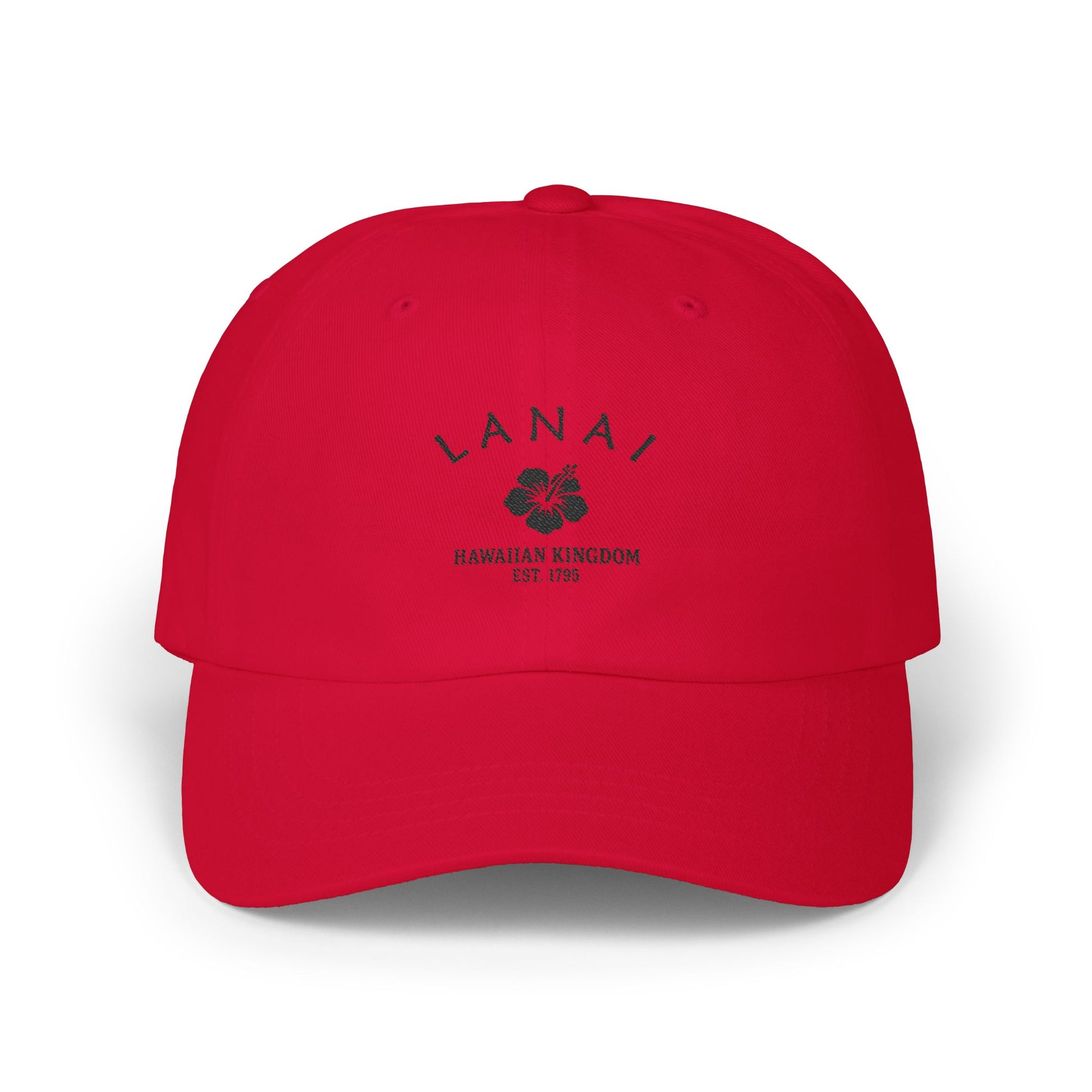
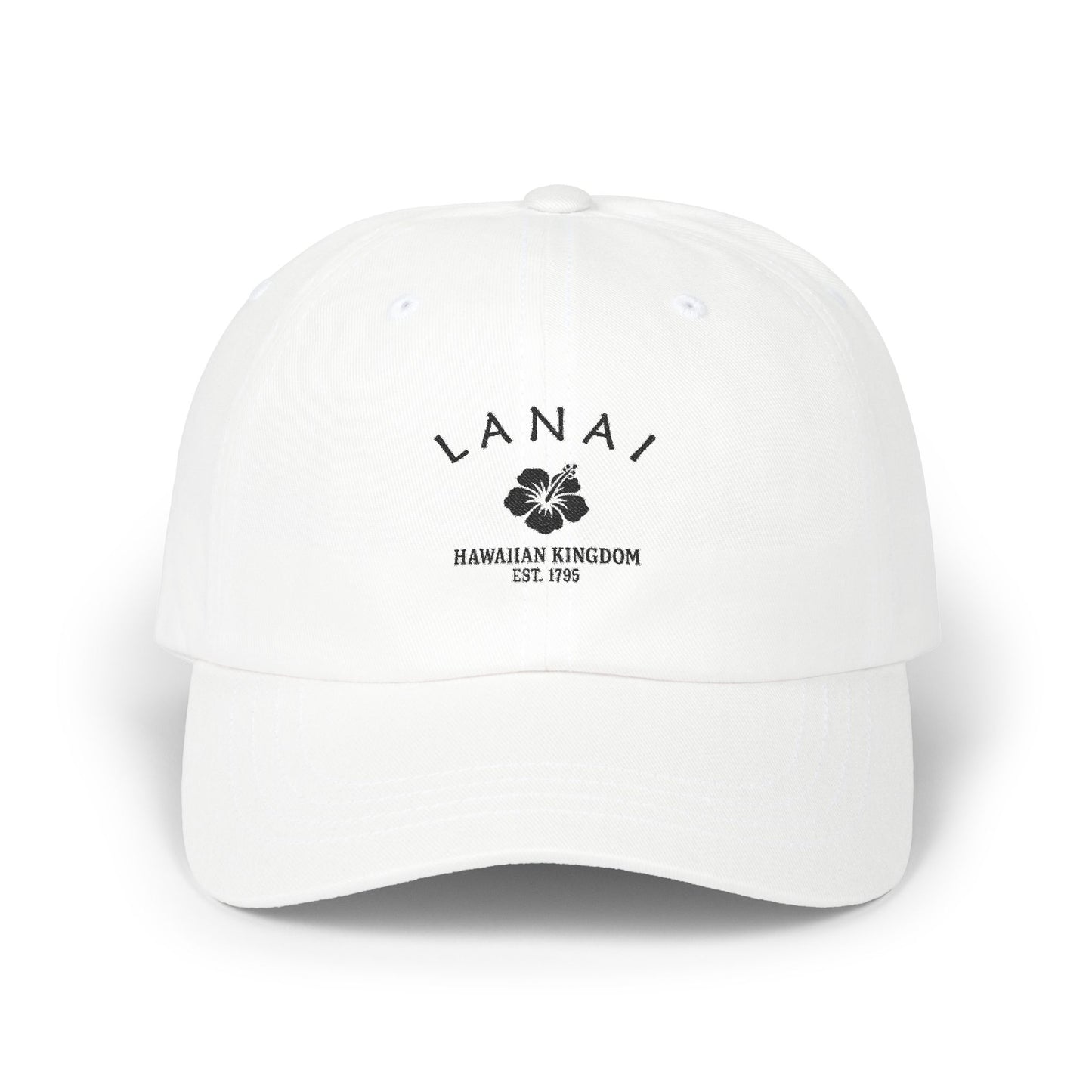
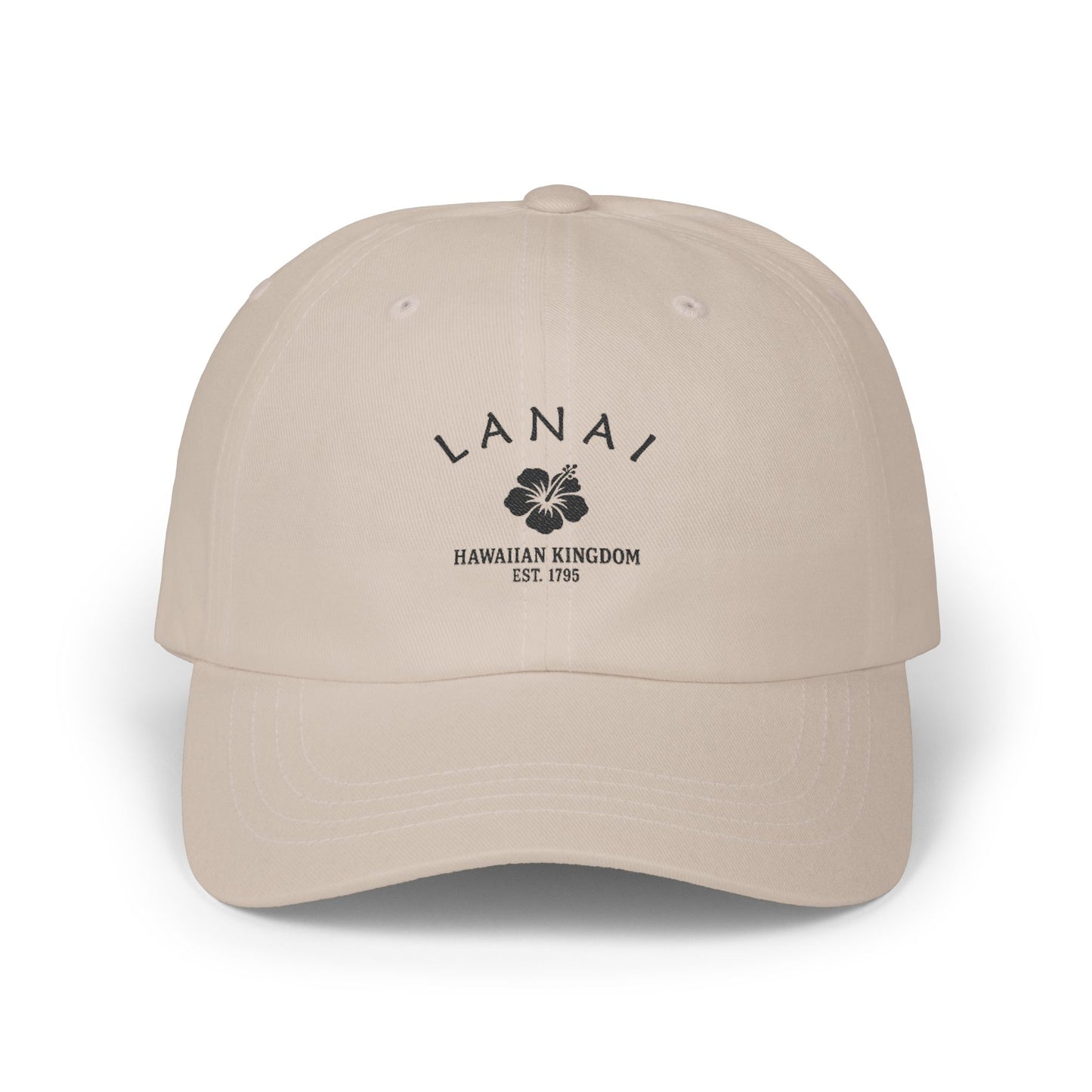
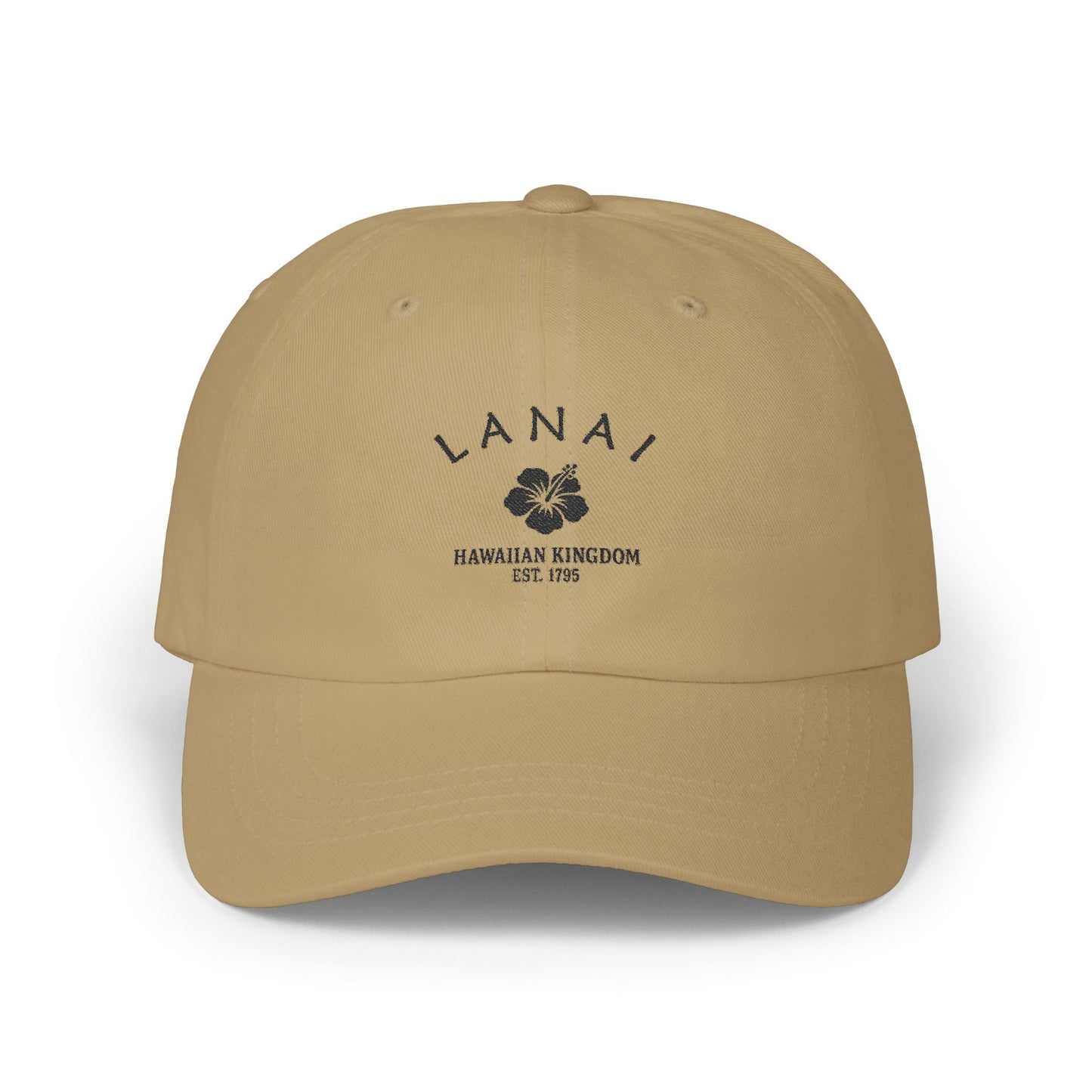
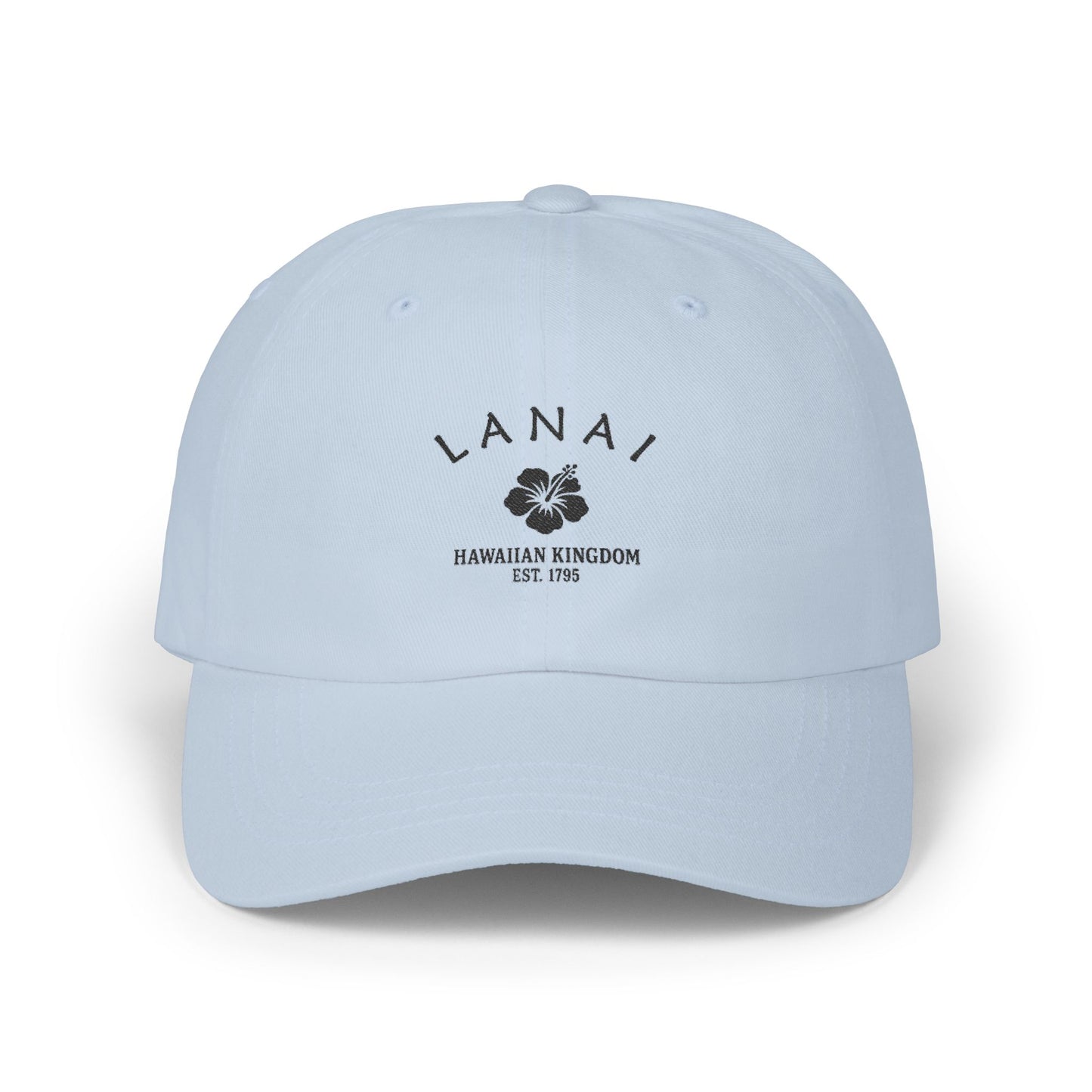
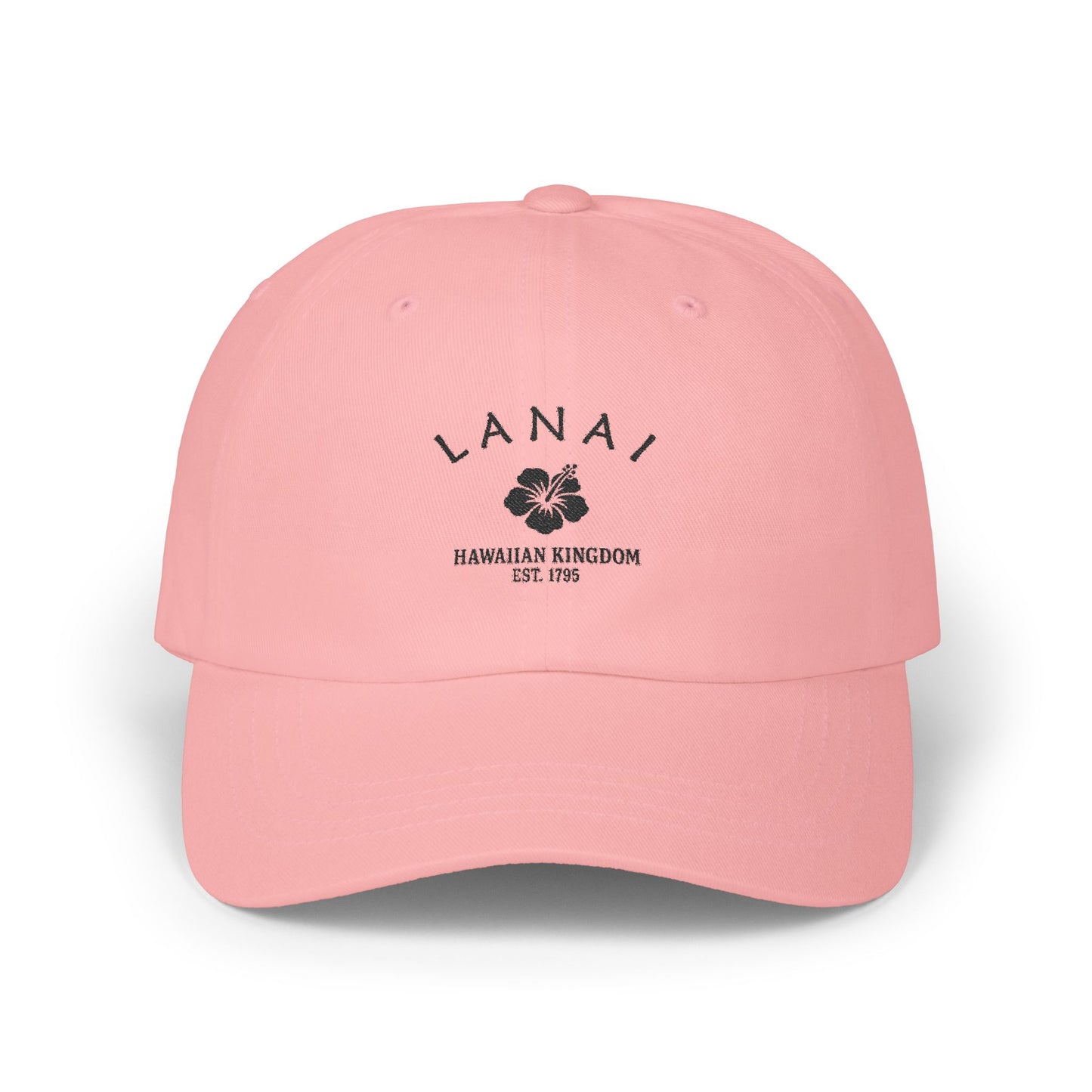
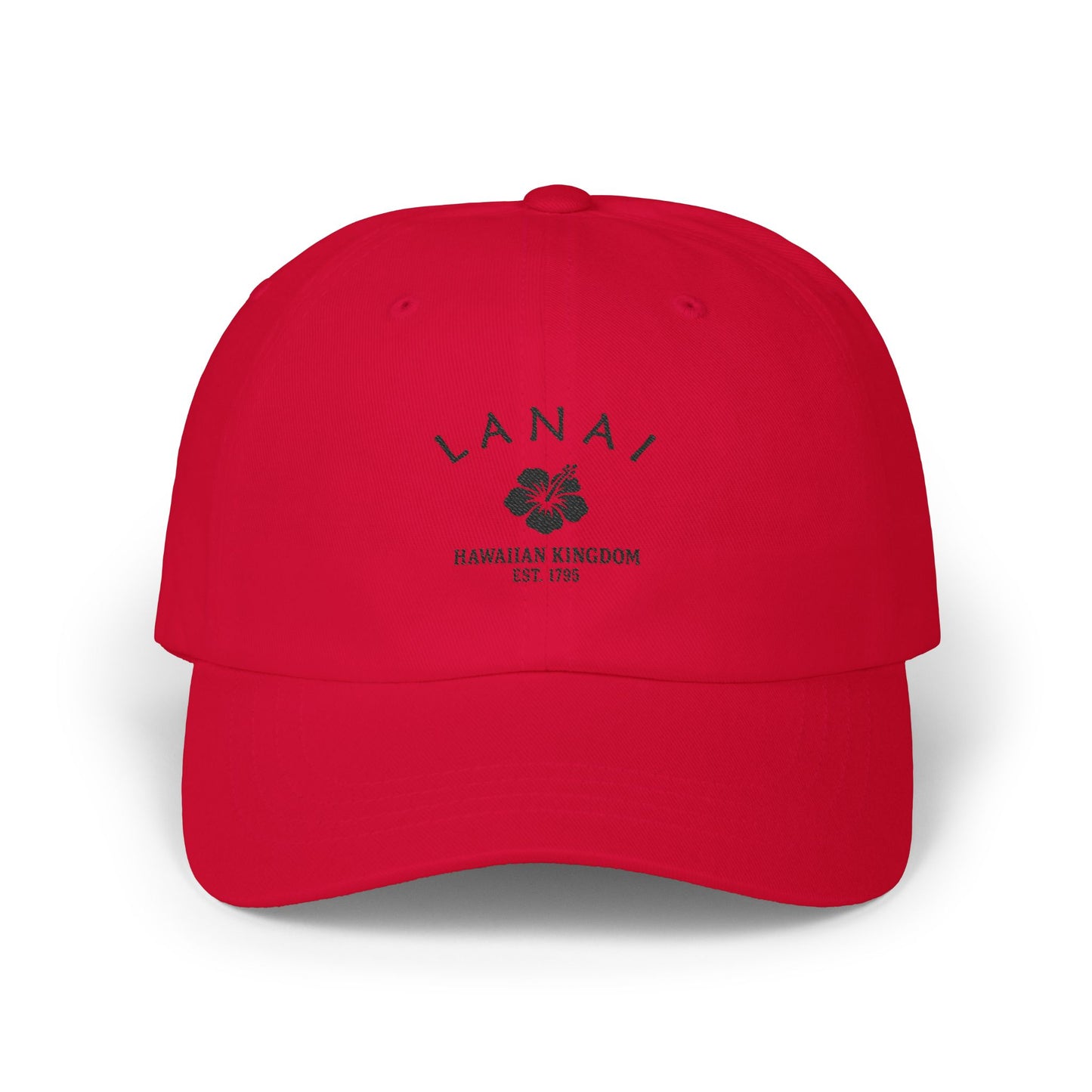
Today Lānaʻi is the quiet island: one small town, no traffic lights, two secluded resorts set against a back country of red dirt and empty roads. Bought almost whole by Larry Ellison in 2012, it is being remade around sustainability and tourism, but its character is older and slower than that — the smallest publicly accessible inhabited Hawaiian island, keeping its end-of-the-world calm. Our Lānaʻi designs gather that into wearable form. Lānaʻi, Hawaiʻi — the Pineapple Isle, where the world's quietest island keeps its golden past.
That crop was pineapple. In 1922 James Dole, the Hawaiian Pineapple Company man already known as the Pineapple King, bought most of Lānaʻi for about $1.1 million — a price many thought a fool's bargain for a dry, rocky island. He was right and they were wrong: Dole planted some twenty thousand acres of the red uplands in pineapple and turned Lānaʻi into the largest pineapple plantation on Earth, a single island that by the 1930s grew roughly three-quarters of the world's supply. For seventy years this was the Pineapple Isle, and the spiky fruit made "Hawaiʻi" and "pineapple" mean nearly the same thing.
Why People Visit Lānaʻi
Lānaʻi offers the rarest thing in Hawaiʻi: an island that still feels empty. It pairs a deep heritage — ancient fishing villages, a storied red-rock landscape, and the golden plantation past — with near-solitary beaches, pine-shaded uplands, and a single small town. It is quiet, scenic, and unhurried, made for travelers who want an island to themselves.
