



Russian Alaska began here. In 1784, Grigory Shelikhov planted Russia's first permanent settlement in Alaska at Three Saints Bay, on the island's south end; in 1792, Alexander Baranov moved the post north to a deep, defensible harbor he named Pavlovskaya Gavan — Paul's Harbor — and made it the capital of Russian America's fur empire. Today's Kodiak grew straight from that harbor, and its Russian layer is the deepest in the state: the c. 1808 Russian-American Magazin, now the Baranov Museum, stands among the oldest Russian buildings in America.
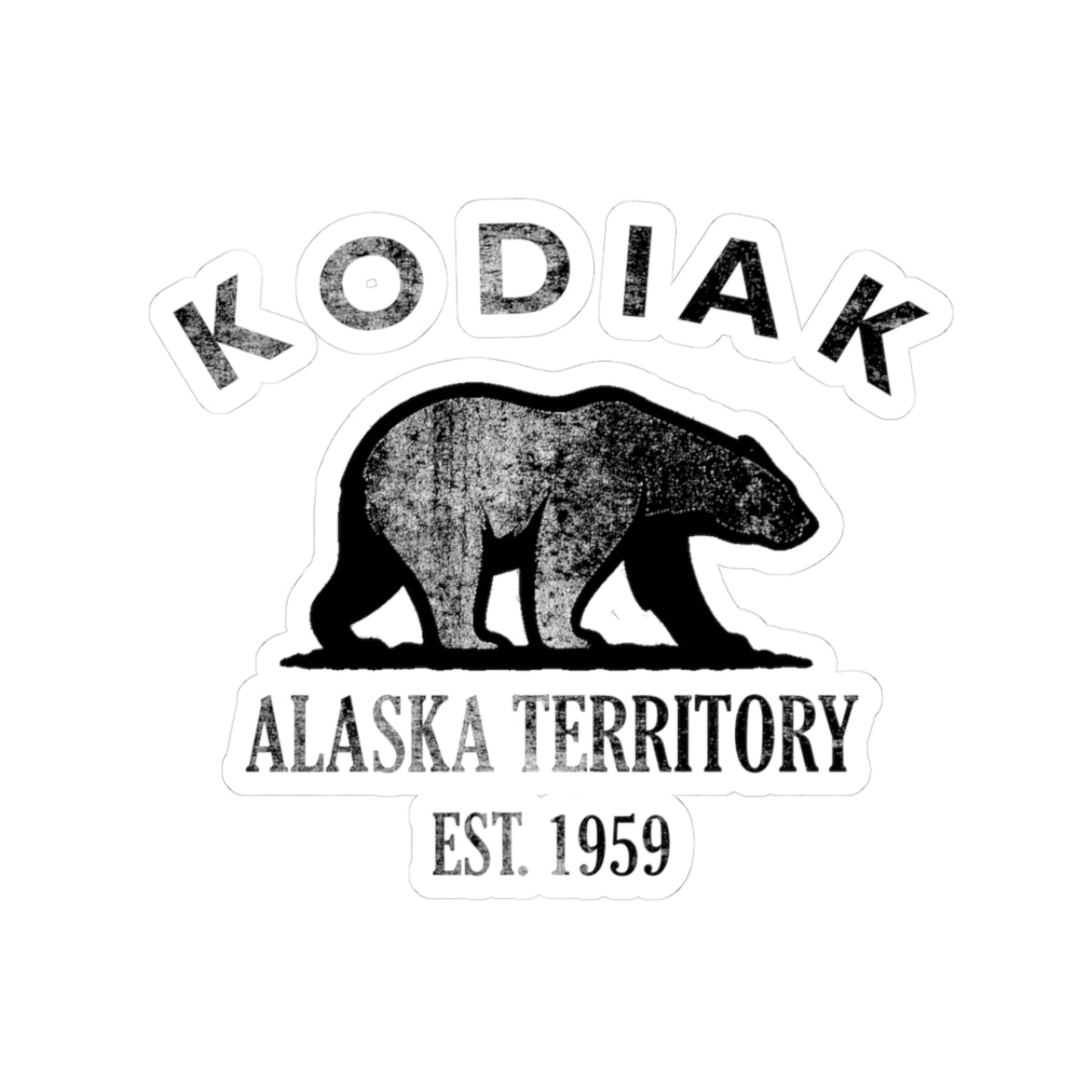
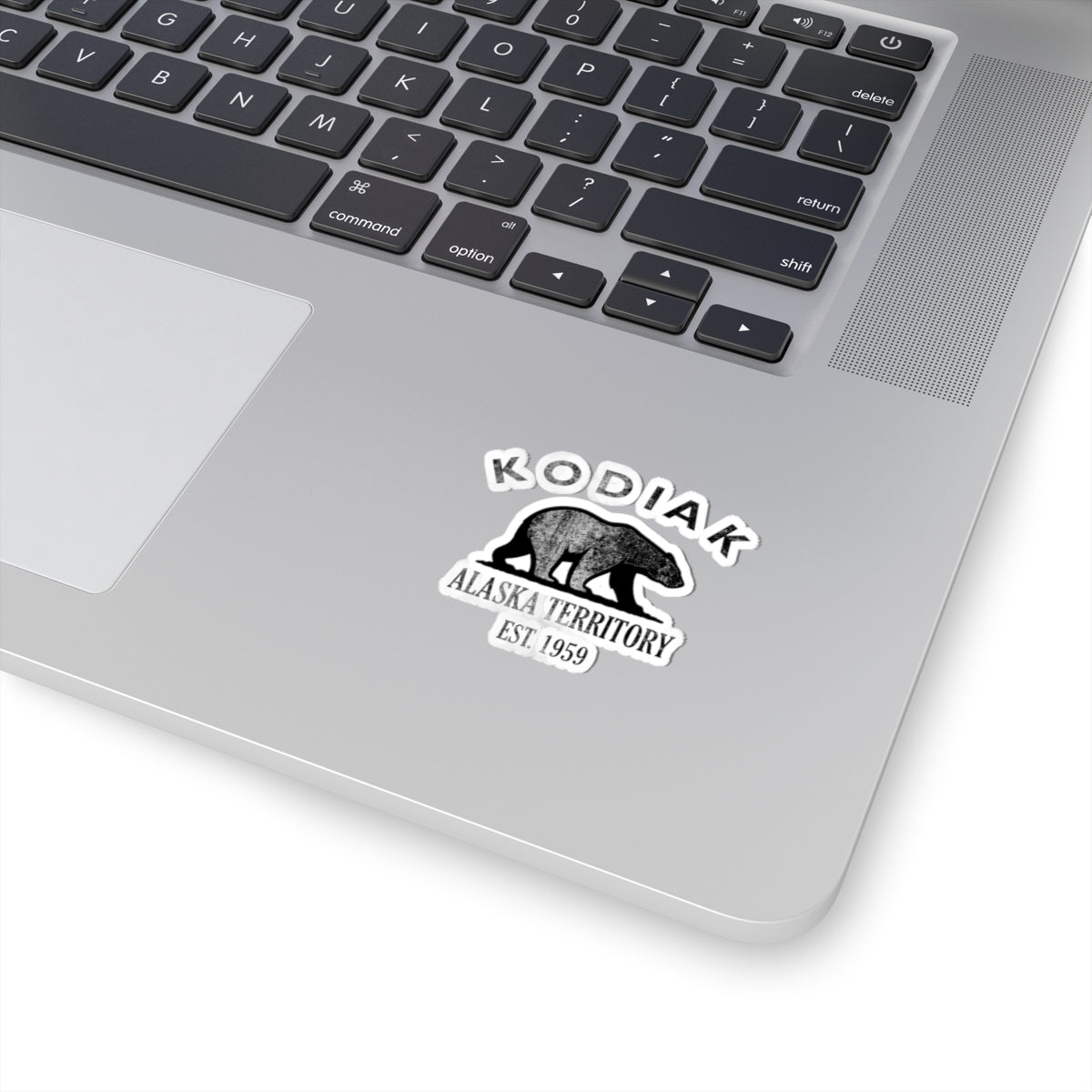
Our Kodiak logo carries Alaska's distressed bear above "Est. 1959," the year of statehood — the shared retro emblem of our Alaska places, drawn in worn black-and-white like an old crate stamp. Nowhere does the bear mean more than here: on Kodiak it is not a motif but a neighbor. What makes this one Kodiak is everything around it — the Emerald Isle green, the Russian bells, the king crab, and the biggest bears alive.
Why People Visit Kodiak Alaska
Kodiak offers Alaska in concentrate — the deepest Russian heritage in the state, a 7,000-year Alutiiq homeland, a top American fishing port, and the only place on Earth to meet the Kodiak bear at home. People come for the bears and the fishing, and find the Emerald Isle: green, rain-washed, and genuinely wild ten minutes from town.
