


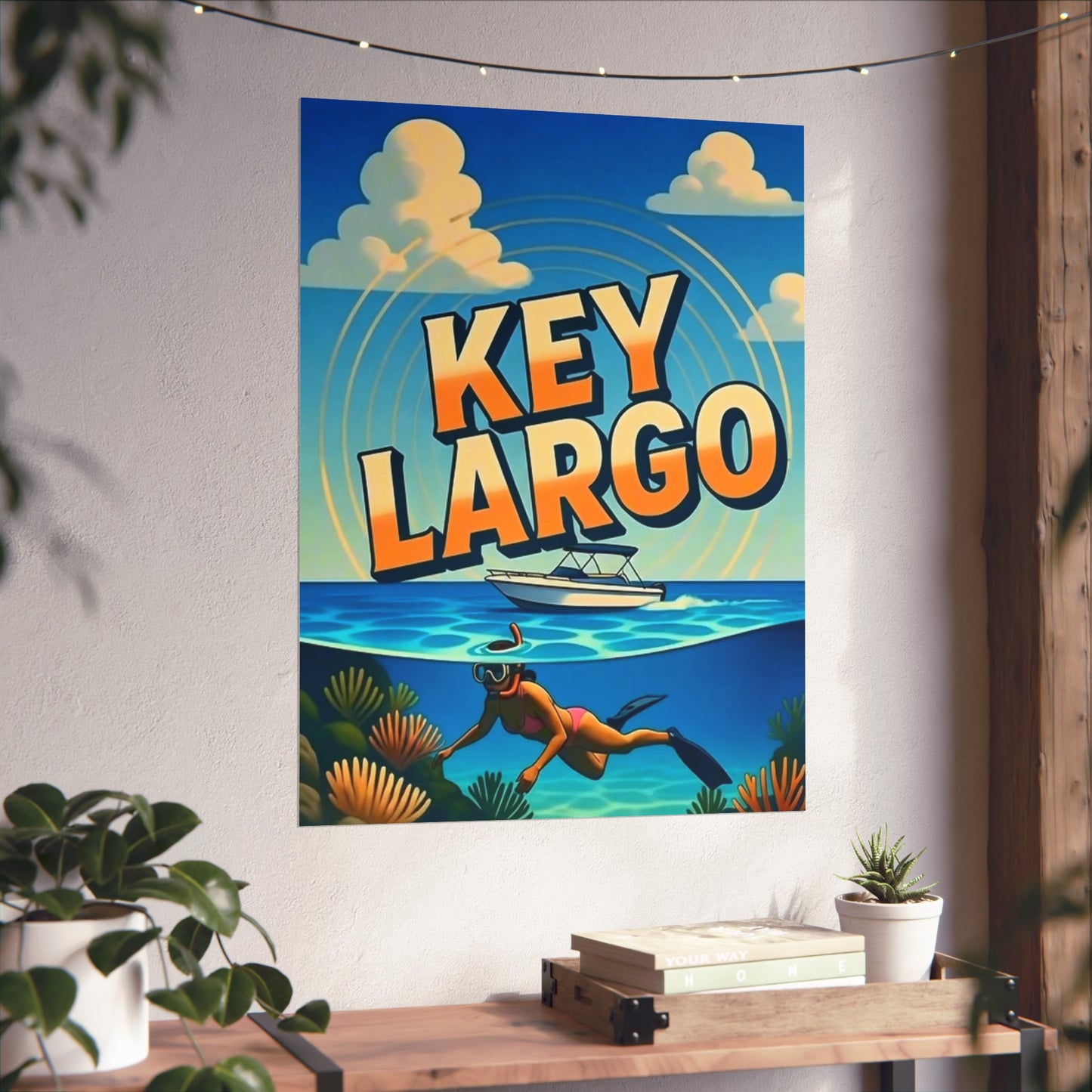
The farming century is the island's least-remembered chapter. Through the late 1800s and early 1900s, Key Largo grew pineapples and key limes for northern markets, and mule wagons hauled the crop to packing houses by the landings. The little settlement at the island's heart went by Rock Harbor — a name that would last until Hollywood intervened. Hurricanes, competition, and blight wound the plantations down, but the key lime never left the Keys; it just moved from the groves into the pie.
Away from the reef, Key Largo is a last refuge. The Dagny Johnson Key Largo Hammock Botanical State Park protects one of the largest tracts of West Indian tropical hardwood hammock in the continental United States — home of the Key Largo woodrat, found nowhere else on Earth — and the Florida Keys Wild Bird Center nurses pelicans and herons back to the sky. On the bay side, the island opens onto Florida Bay and the Everglades: Key Largo is the rare town with a national park to its west and America's first undersea park to its east.
Why People Visit Key Largo Florida
Key Largo is the Diving Capital of the World and the first of the Keys: the gateway island where the Overseas Highway begins, home of the first undersea park in the United States, the Christ of the Abyss beneath the reef, and the only living coral barrier reef in the continental U.S. — with the Everglades across the bay and Key West waiting down the road.
