Timber built the second economy. Sitka spruce from the surrounding Tongass — the largest national forest in the country, its regional headquarters right in town — fed sawmills and, in 1954, the big pulp mill at Ward Cove that anchored the town for four decades until its 1997 closing. Logging's showman legacy survives downtown, where the Great Alaskan Lumberjack Show still runs axe throws and log-rolls for the summer crowds.
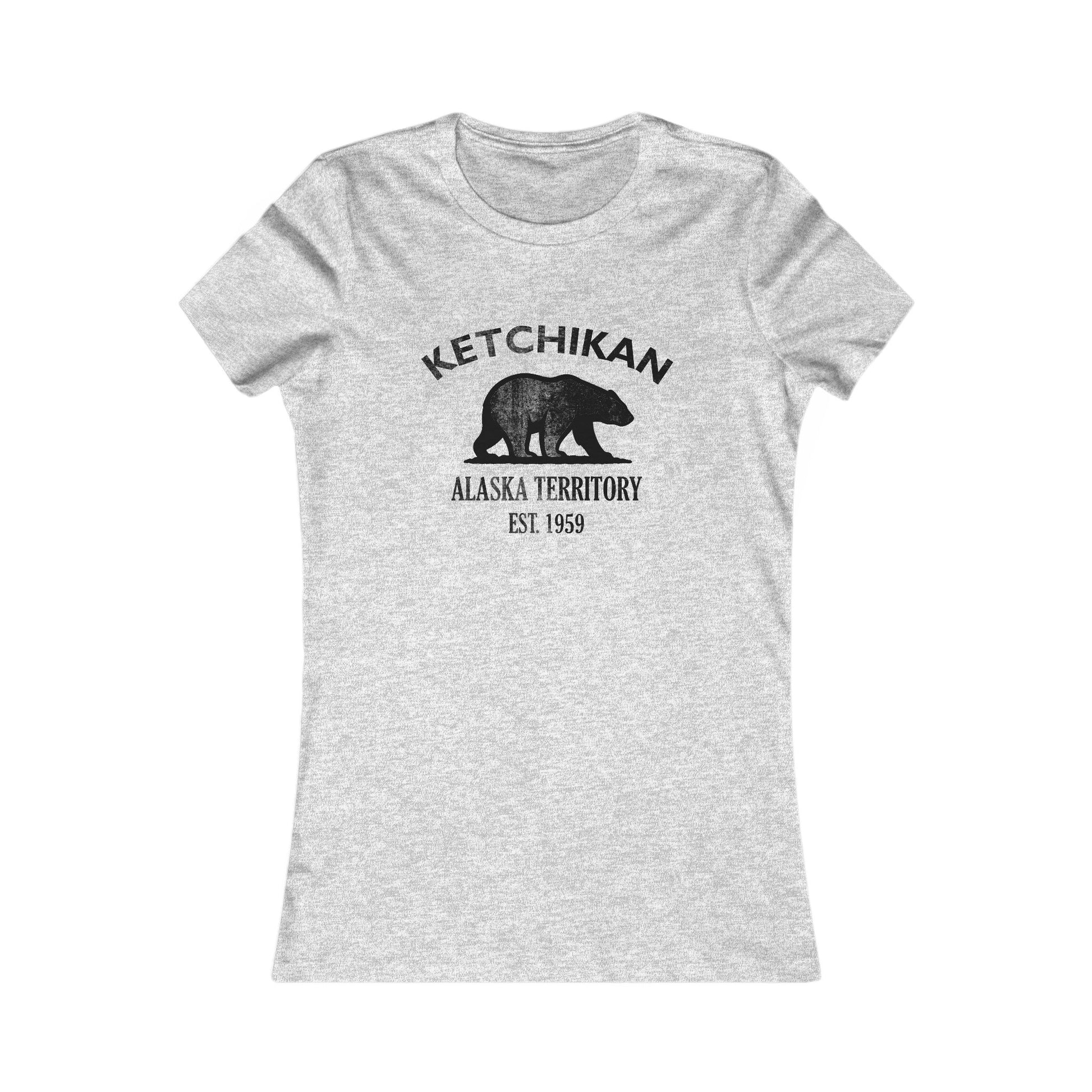
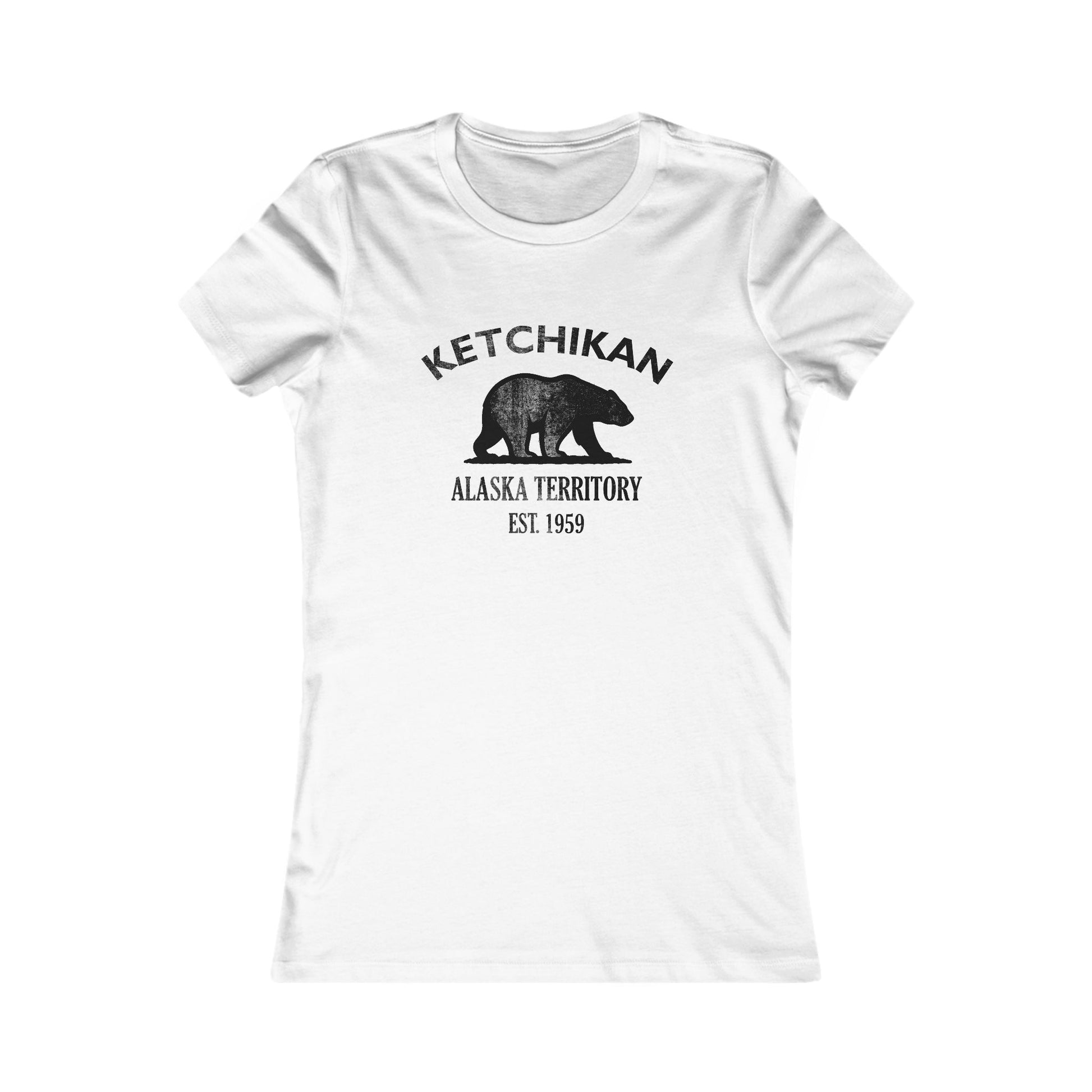
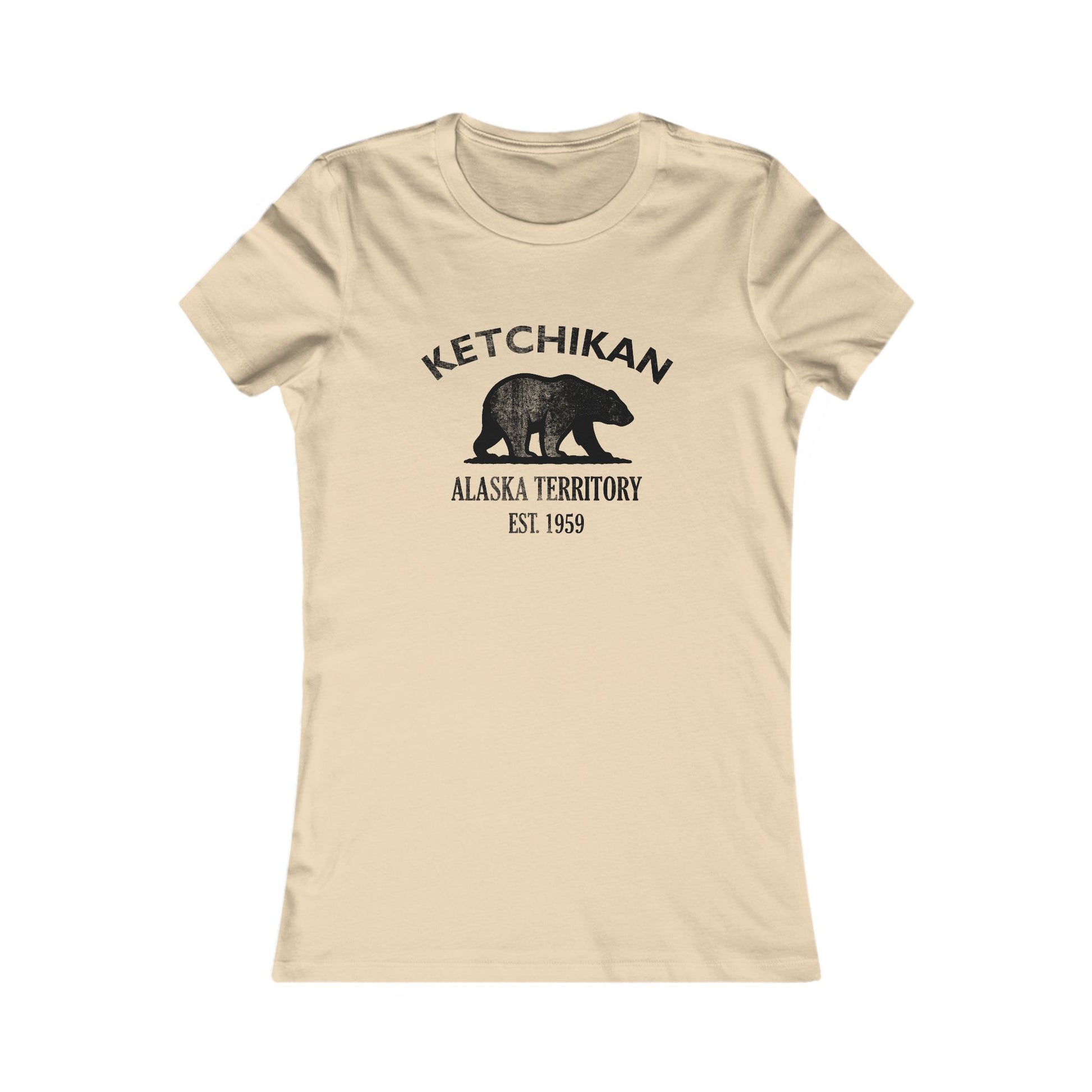
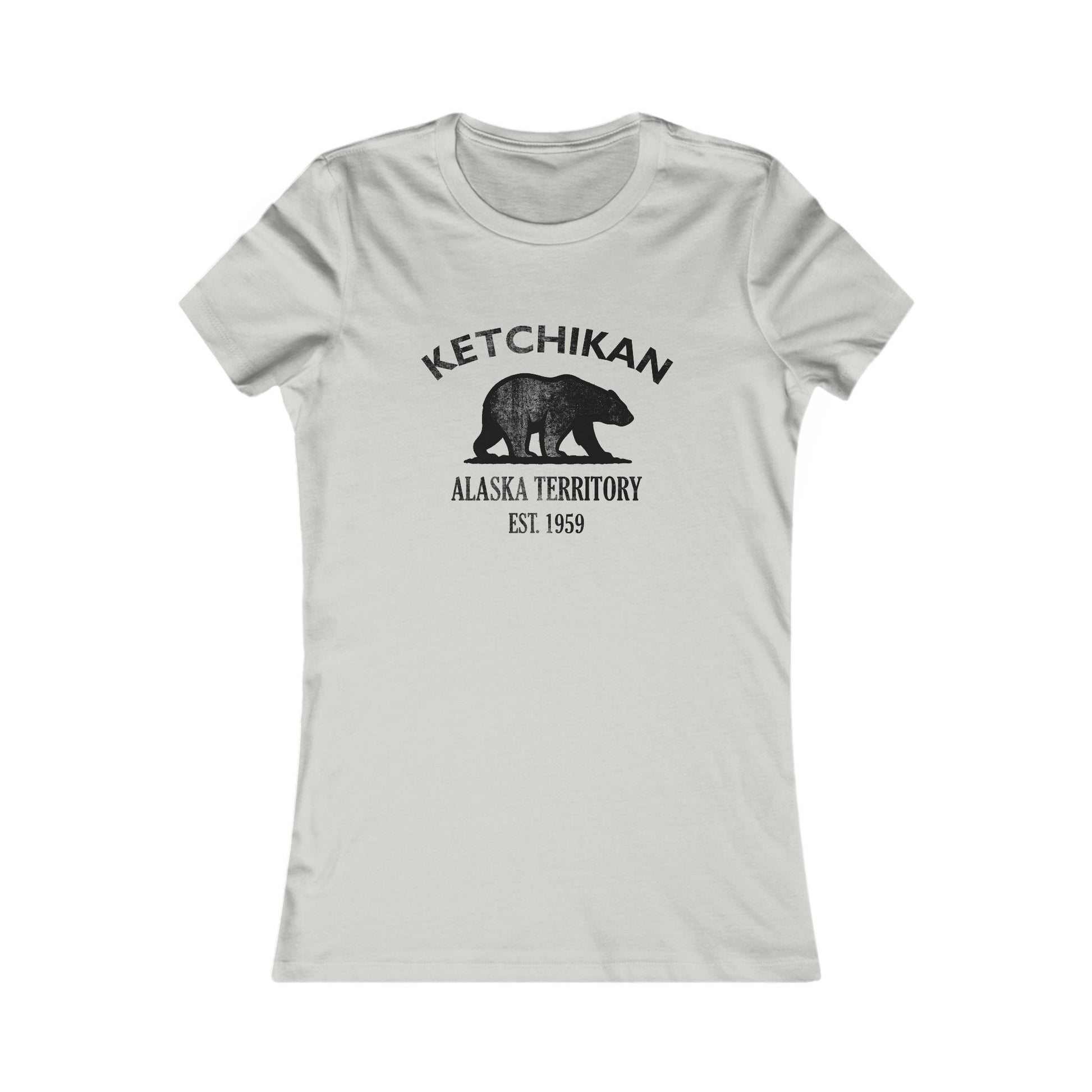
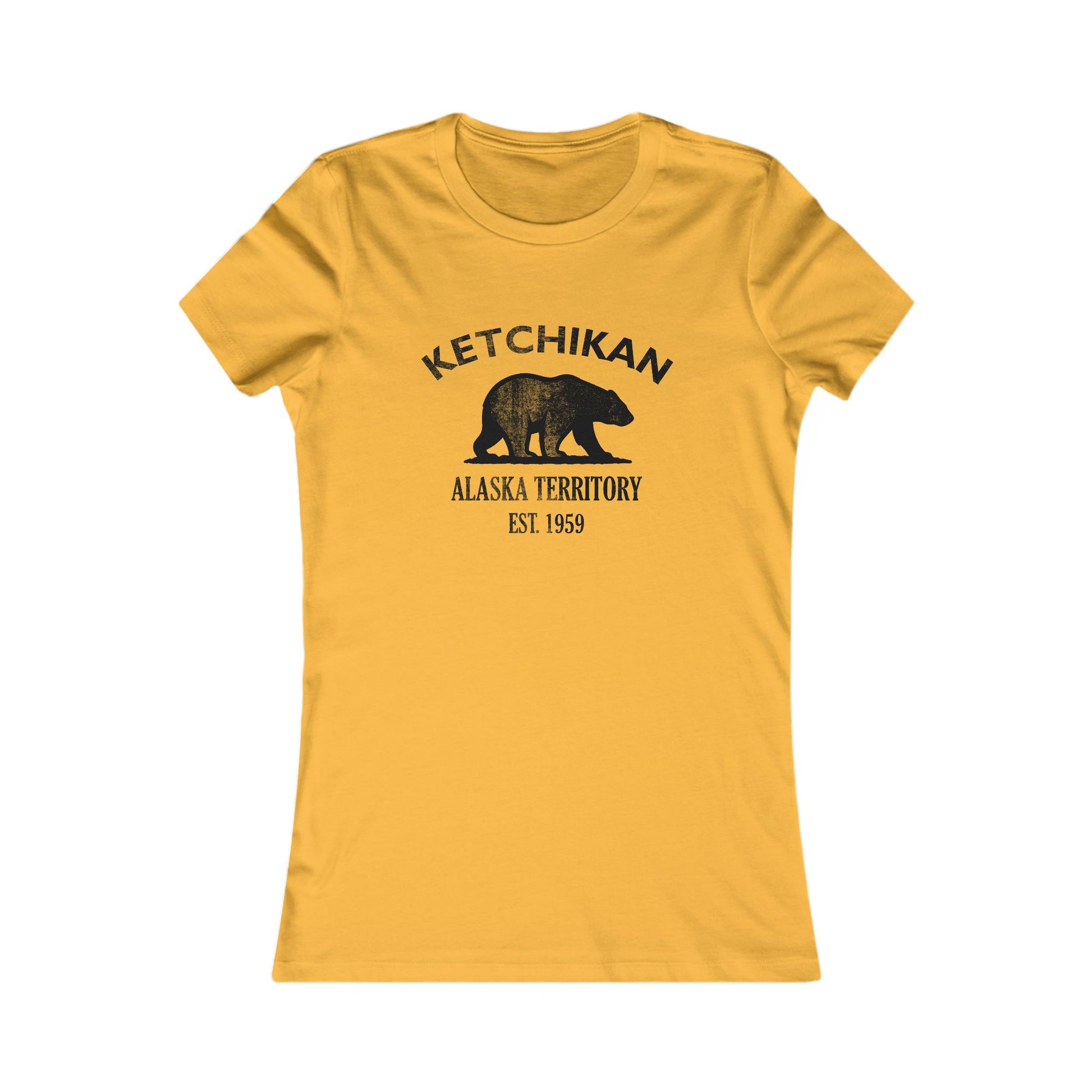
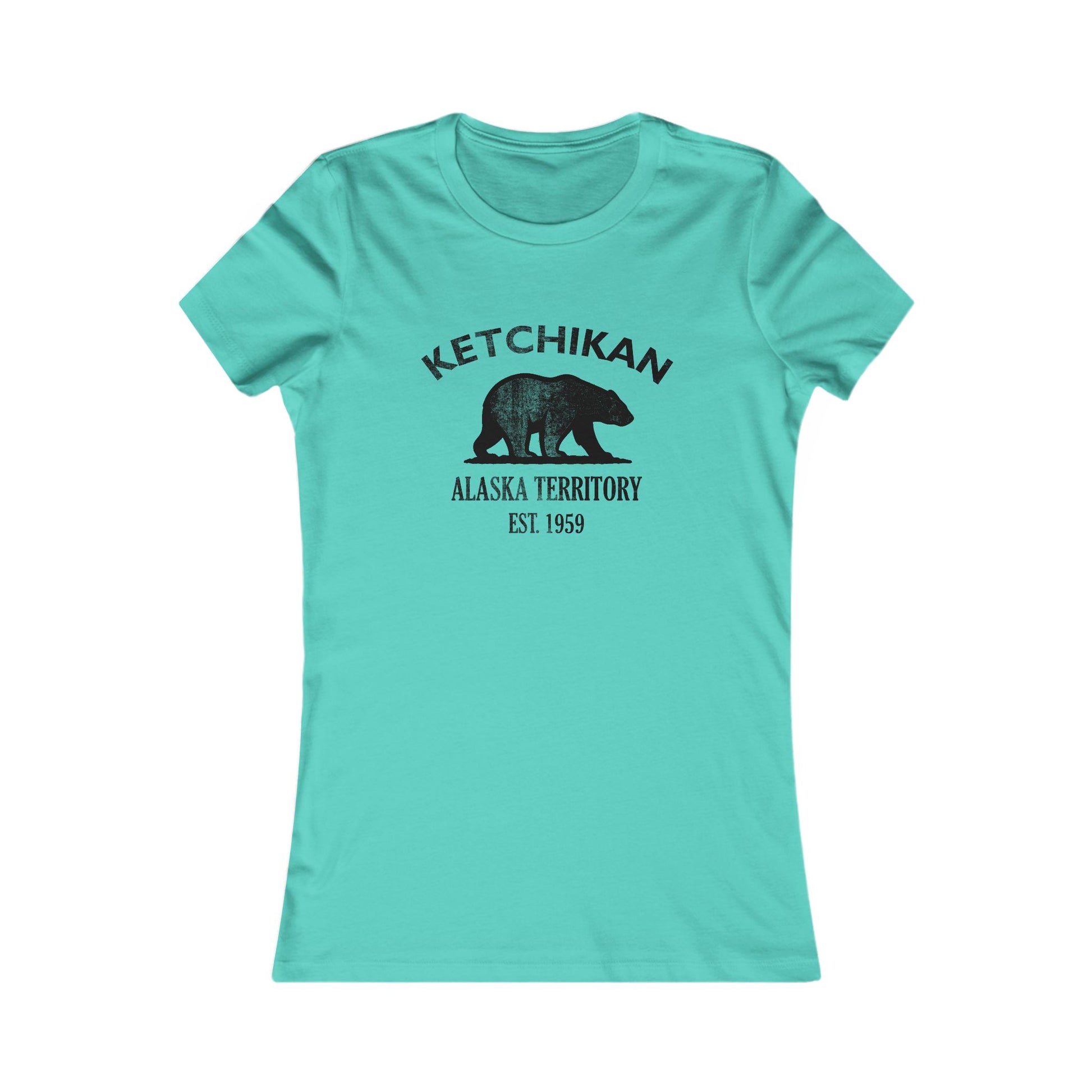
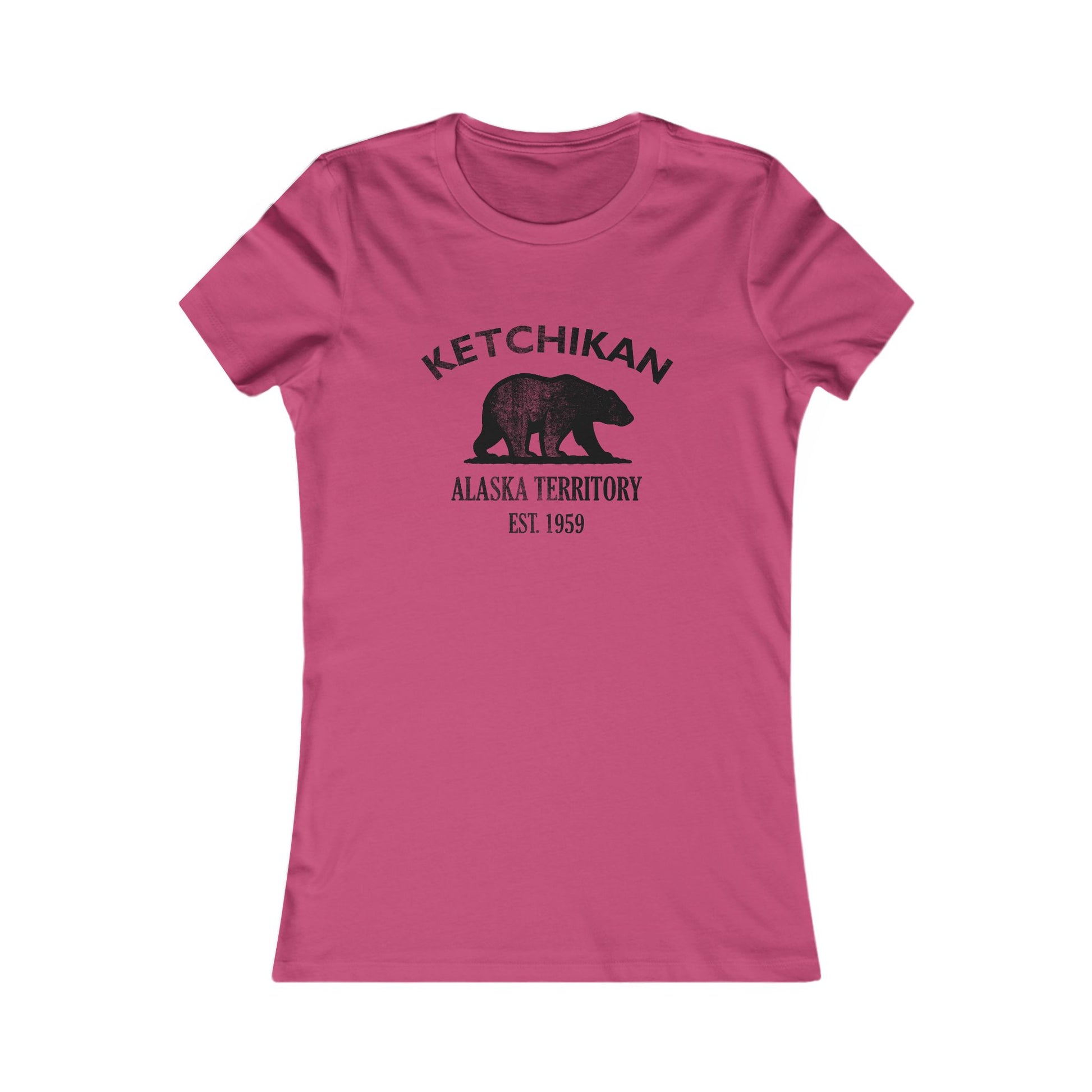
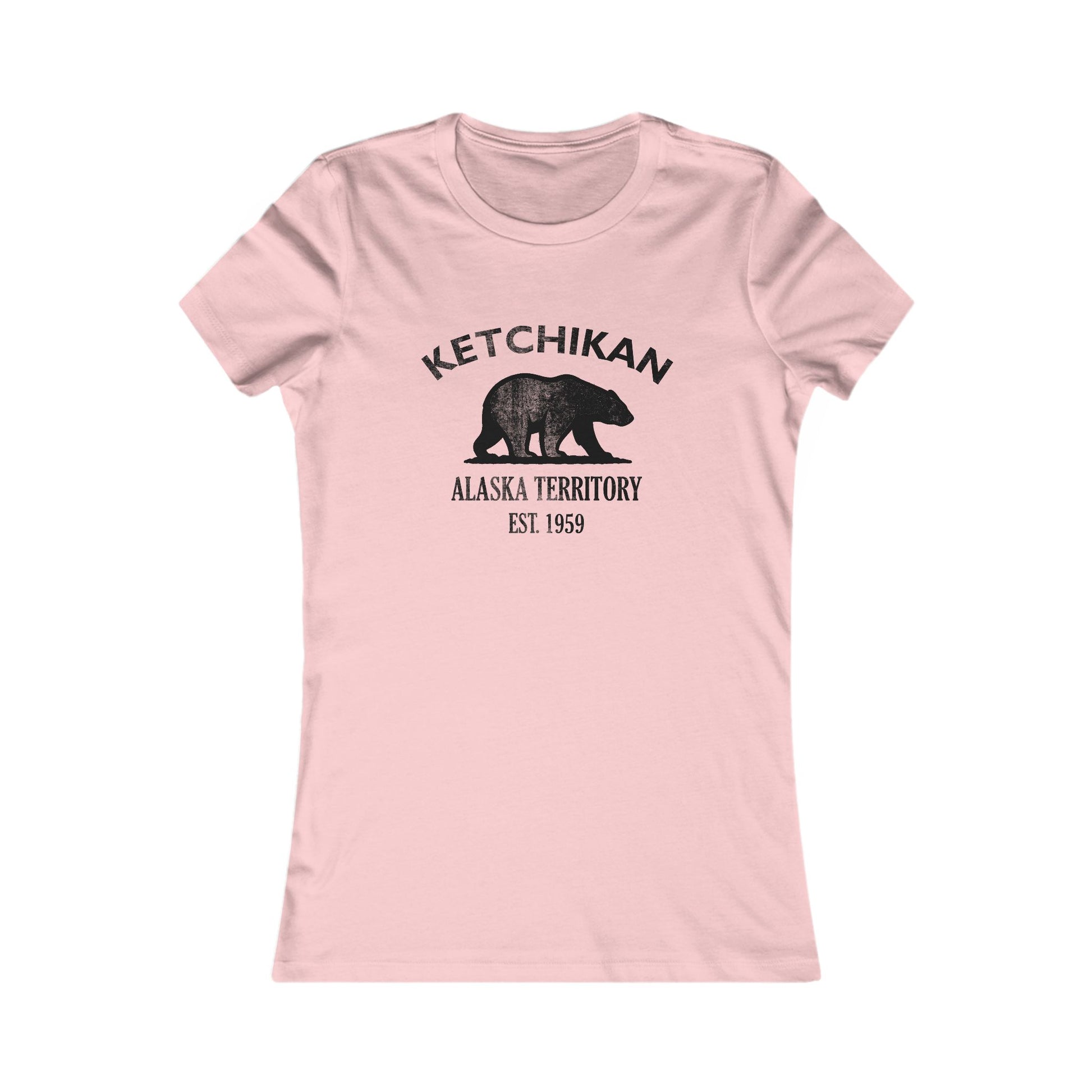
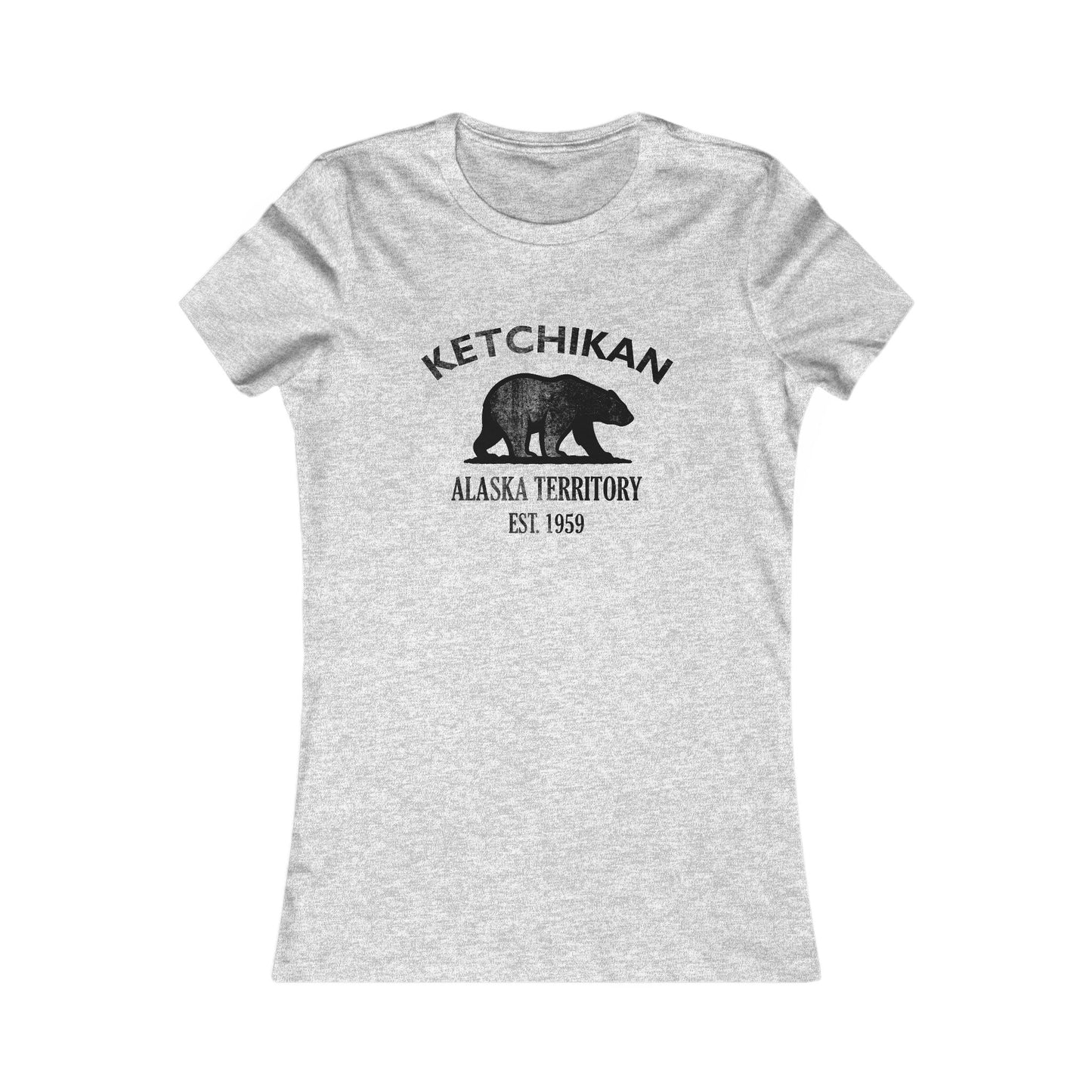
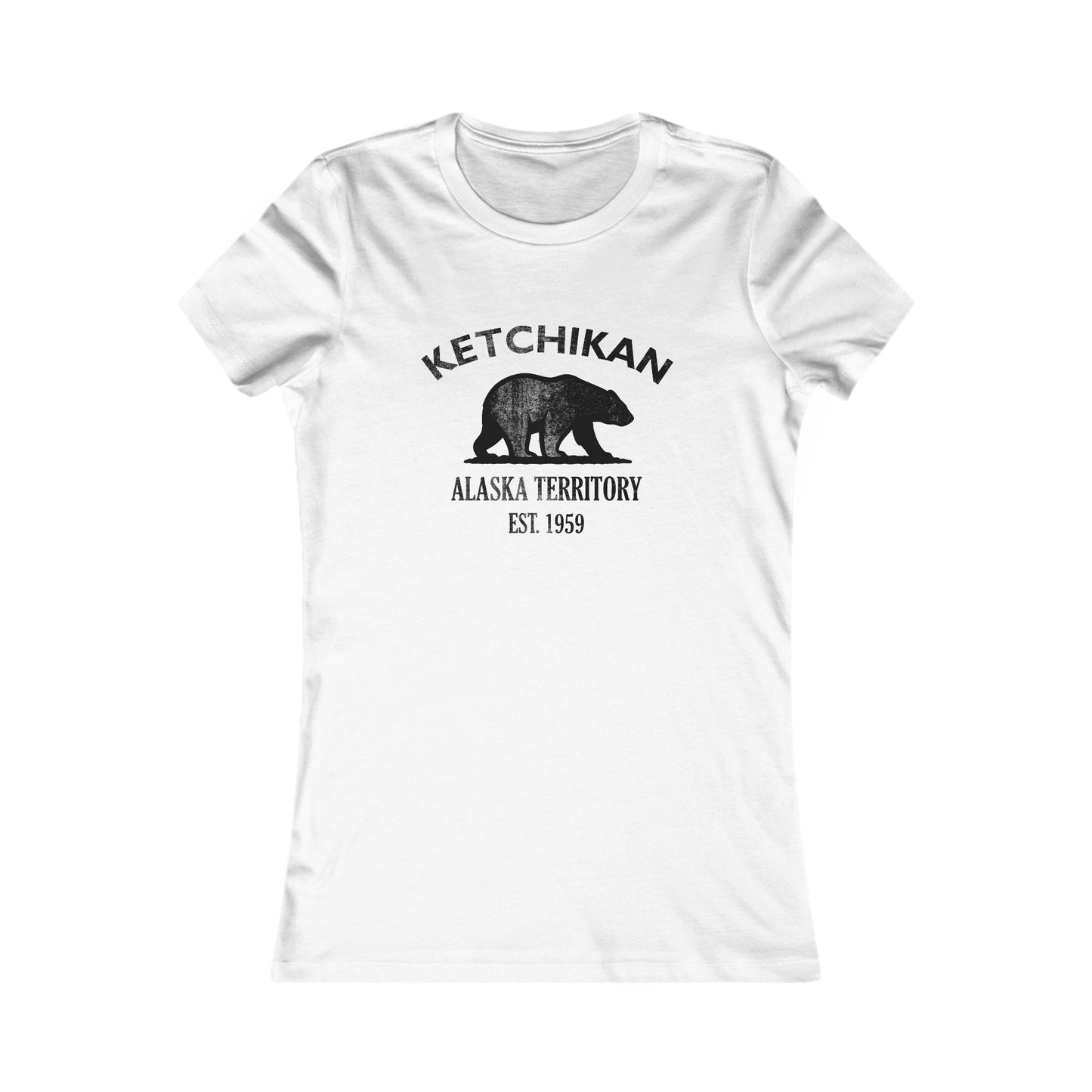
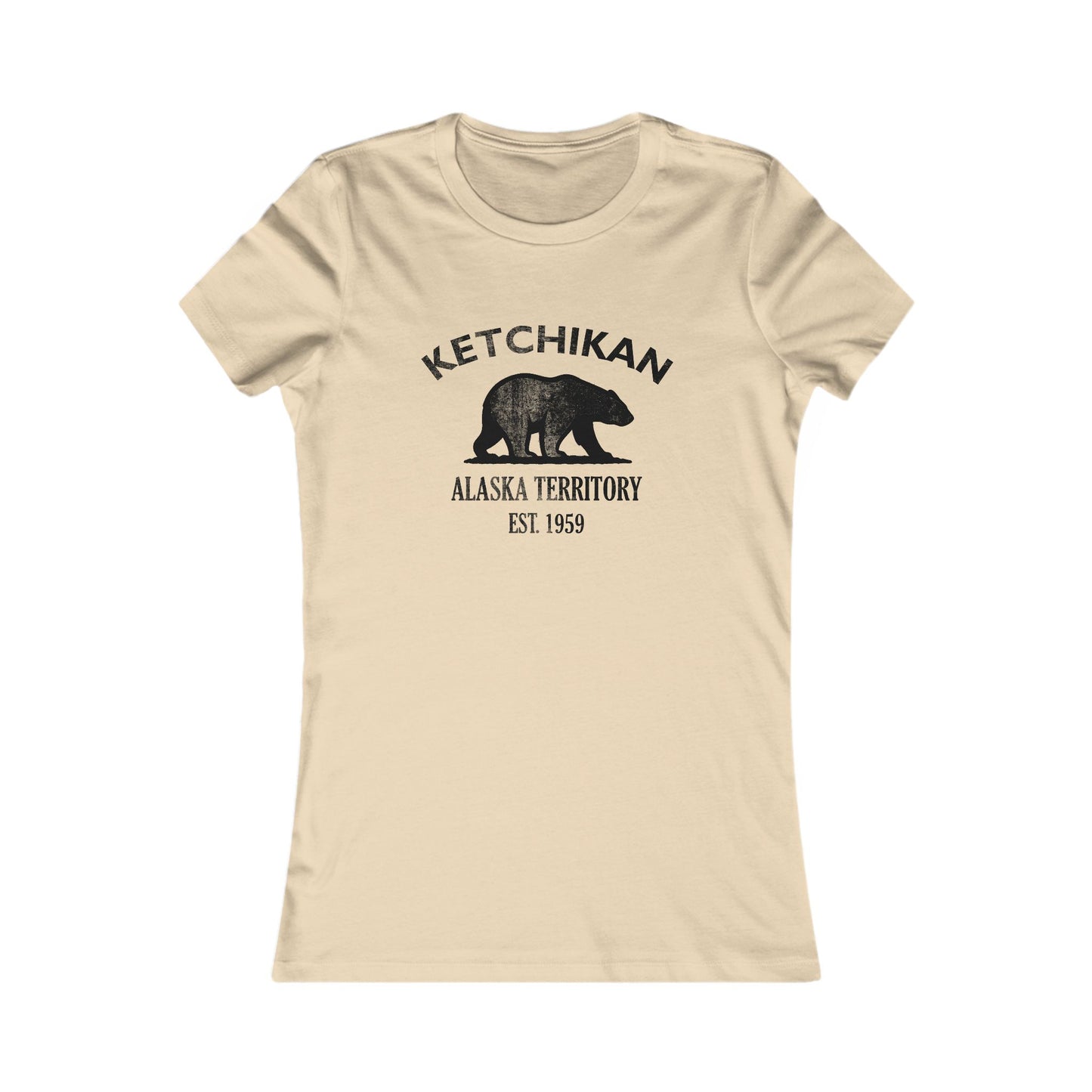
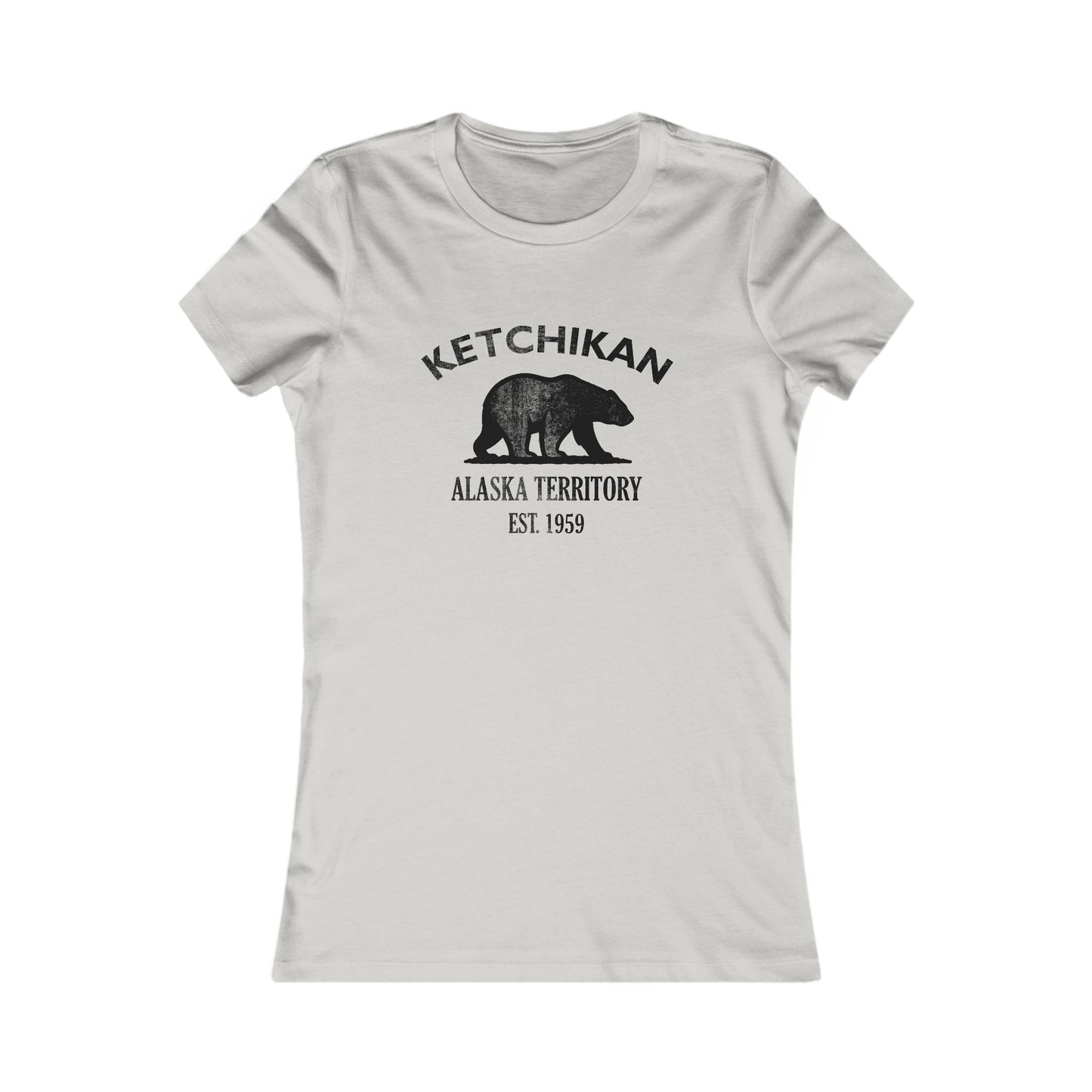
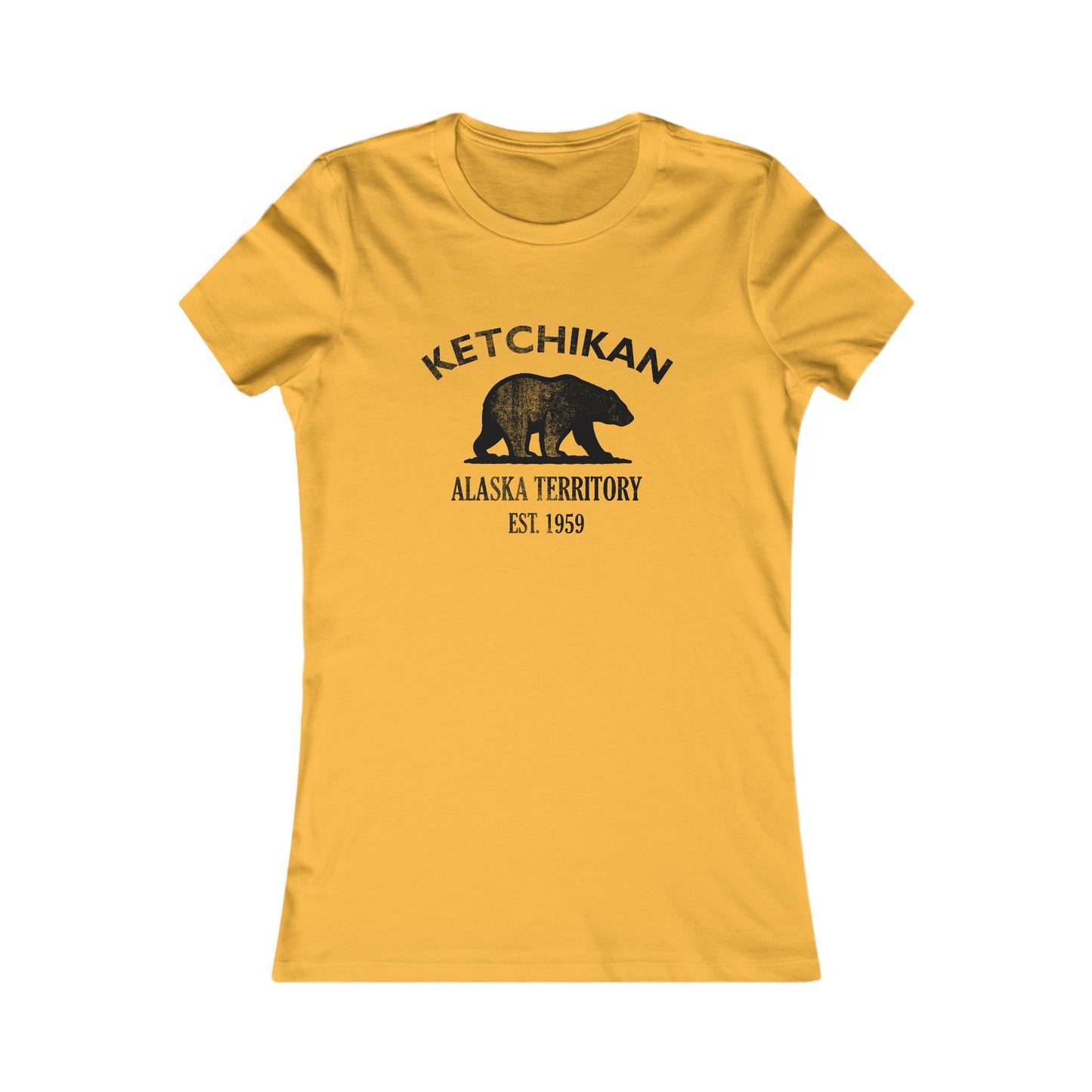
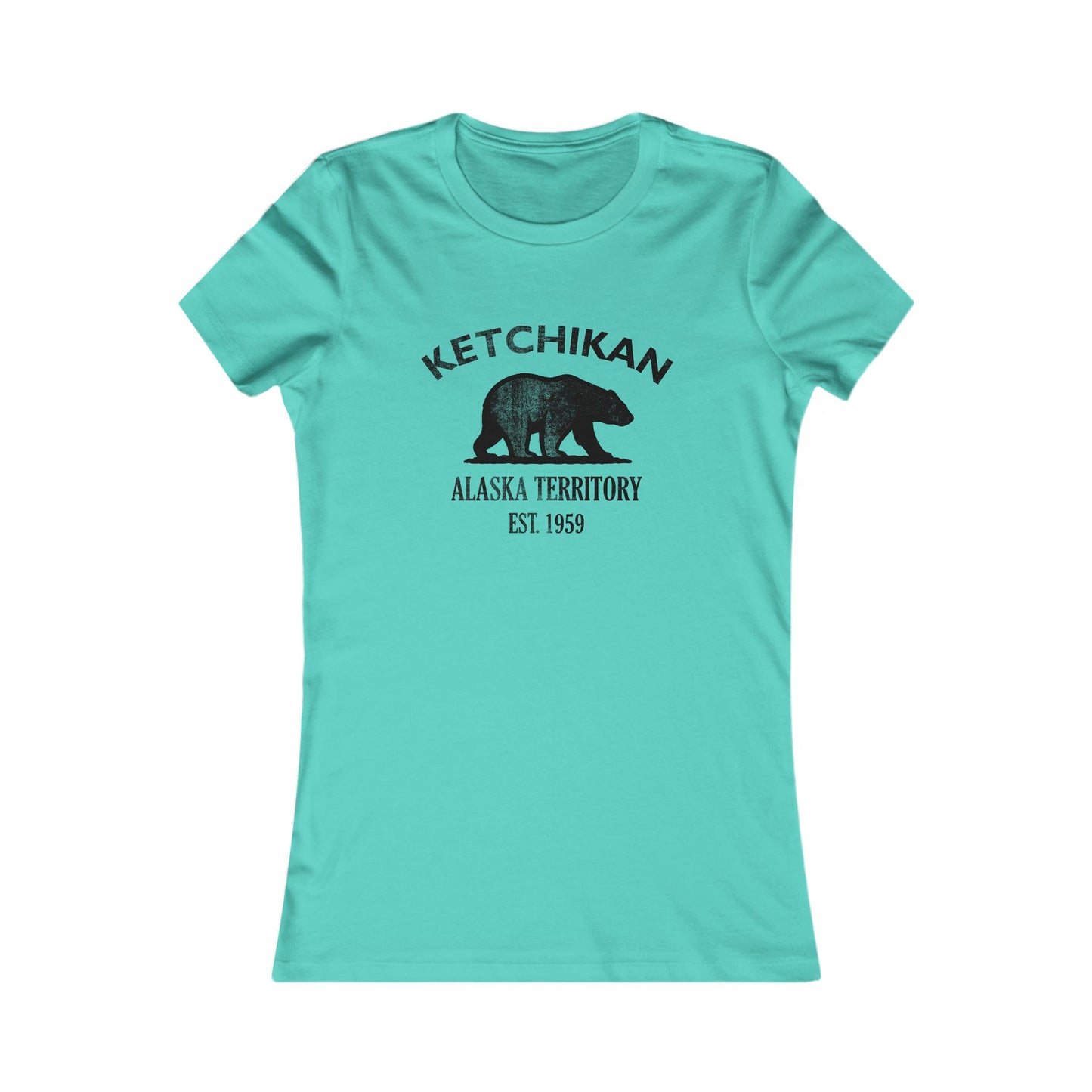
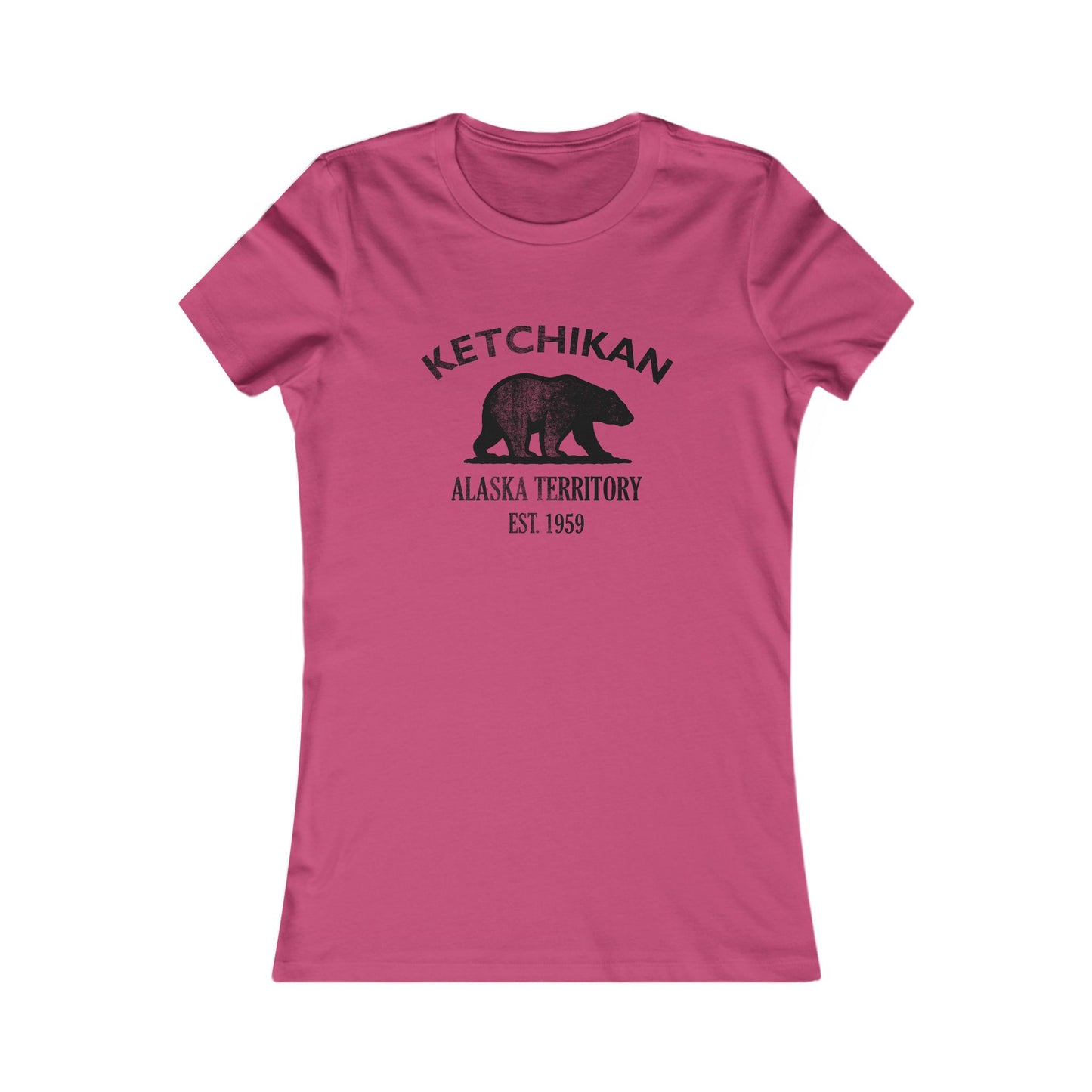
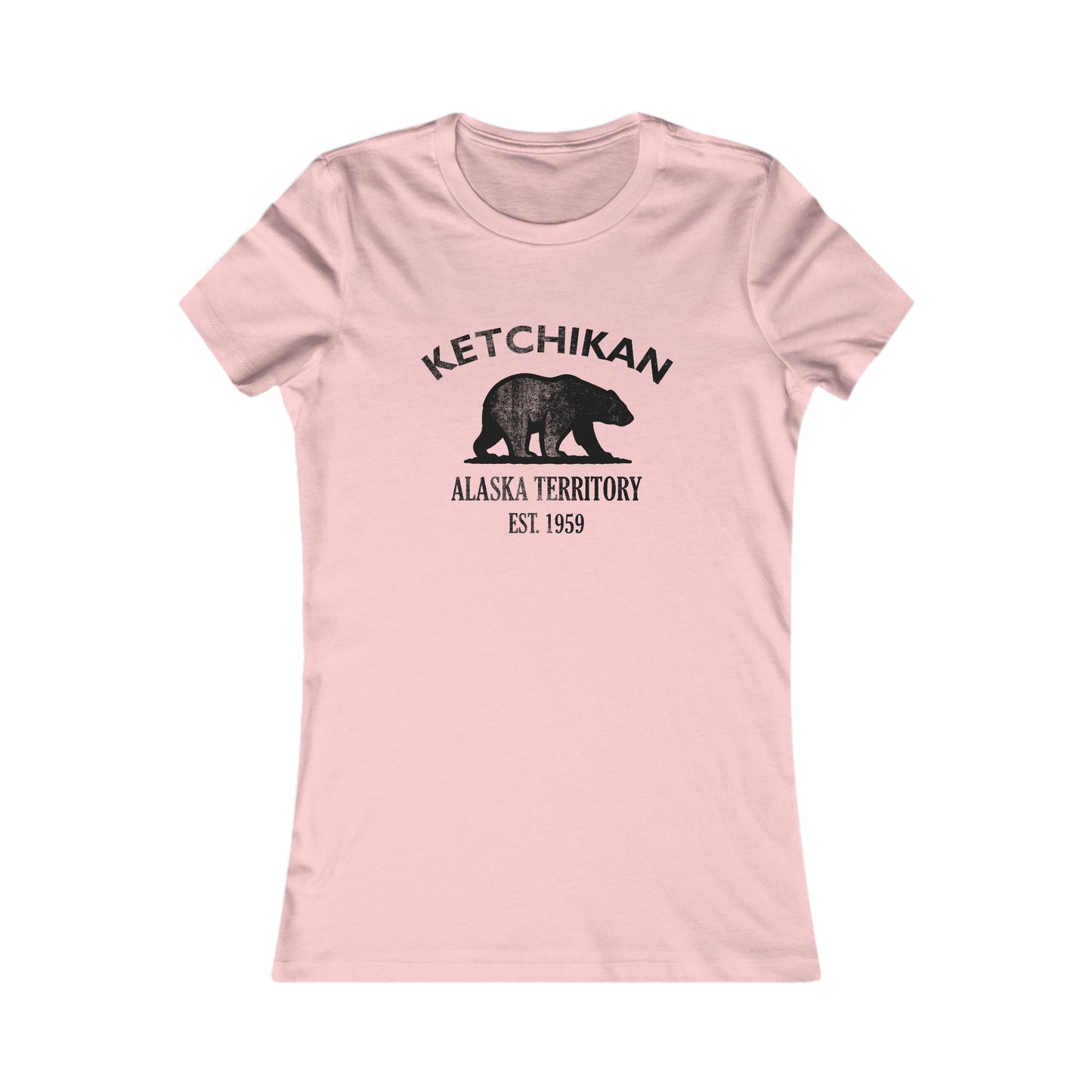
Our Ketchikan designs carry Alaska's distressed bear over the town name and Est. 1959, the statehood year — crate-label and outfitter-stamp styling for the town that canned the world's salmon and carved its tallest stories in cedar. Wear the First City — the boardwalks, the totems, the rain, and all five salmon of the thundering-wings creek.
Why People Visit Ketchikan Alaska
Because it is the concentrated version of Southeast Alaska: a walkable historic waterfront where the totem poles are real, the salmon run through downtown, the rainforest starts at the last streetlight, and the fjords are a floatplane ride away. First port of call, and for many travelers the one they remember longest.
