
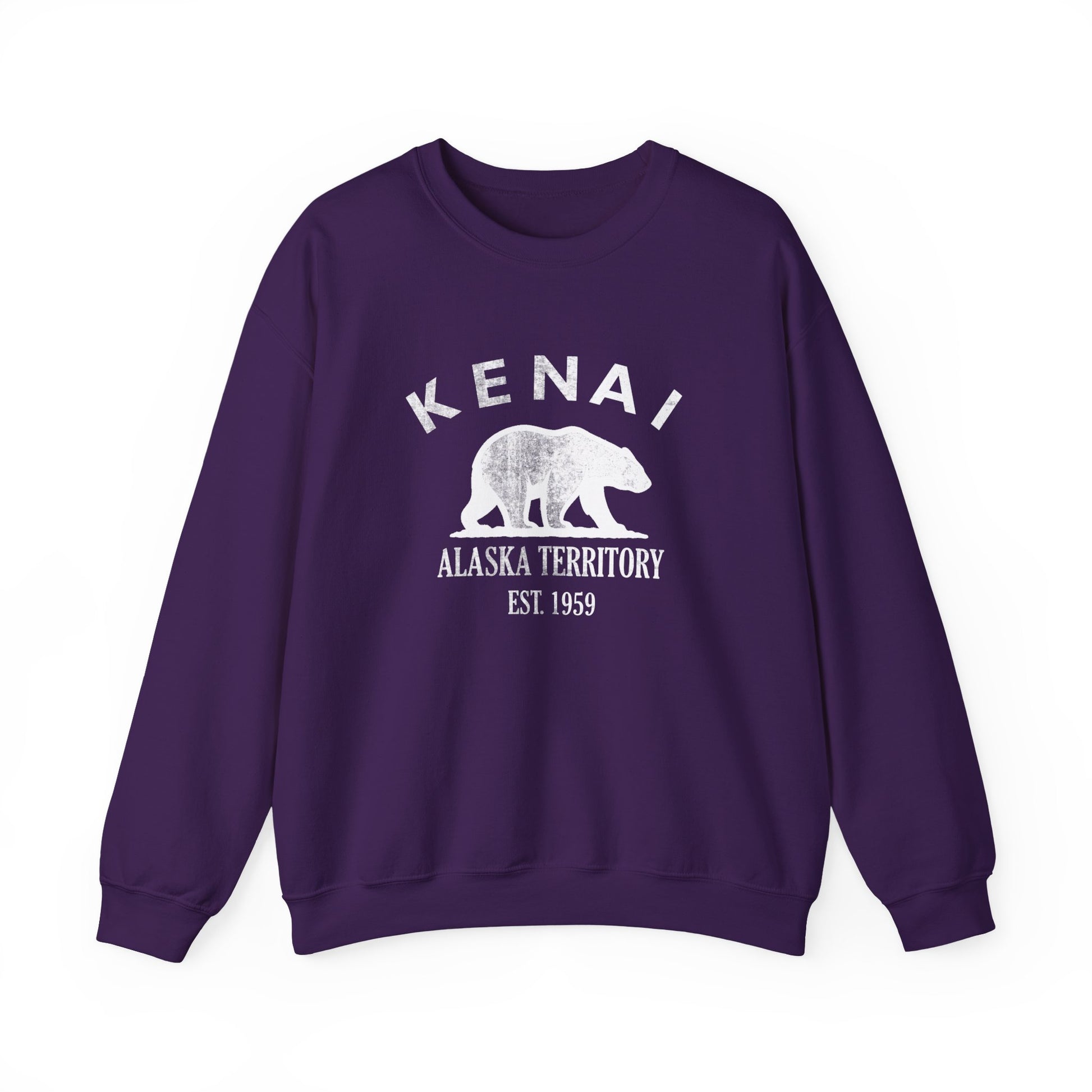
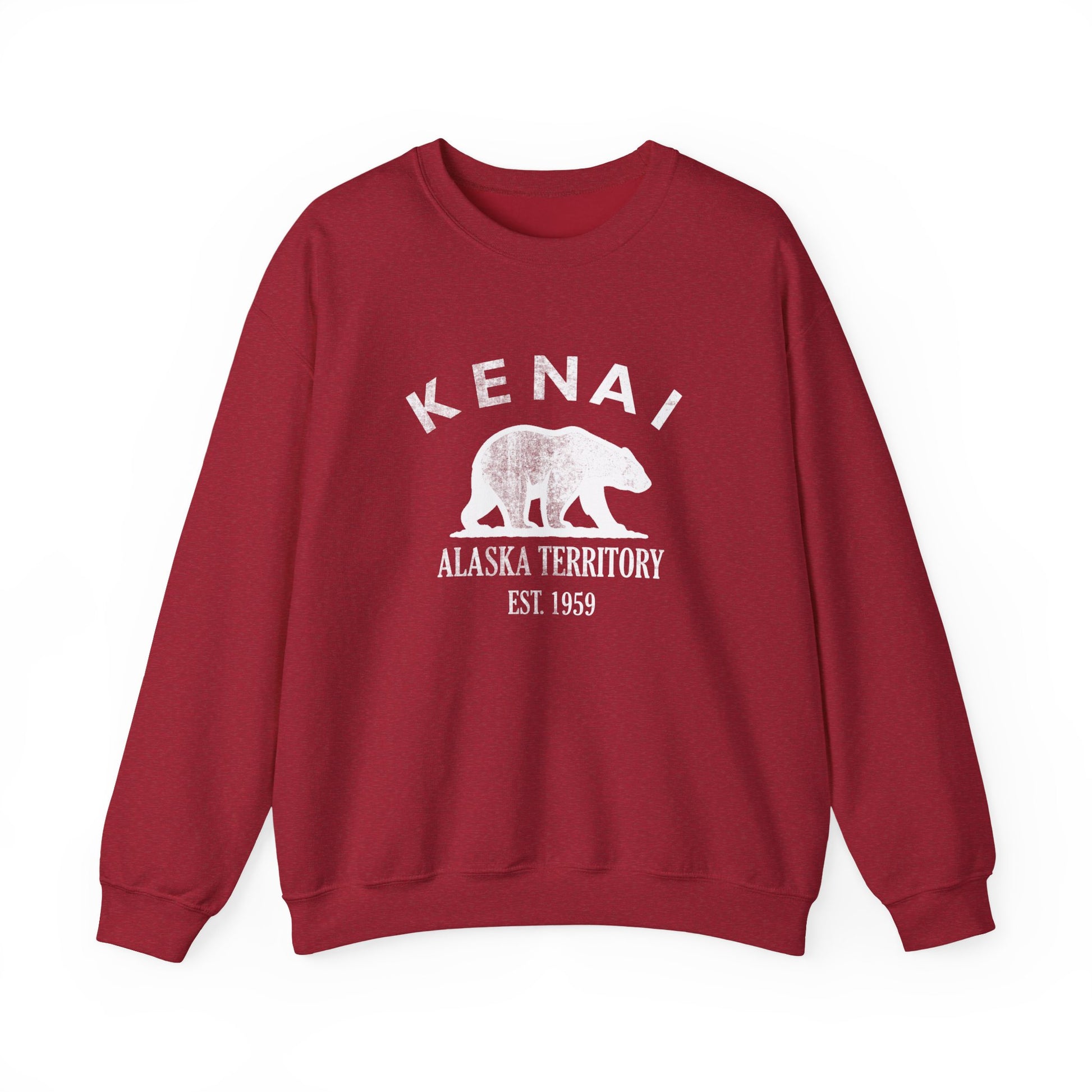
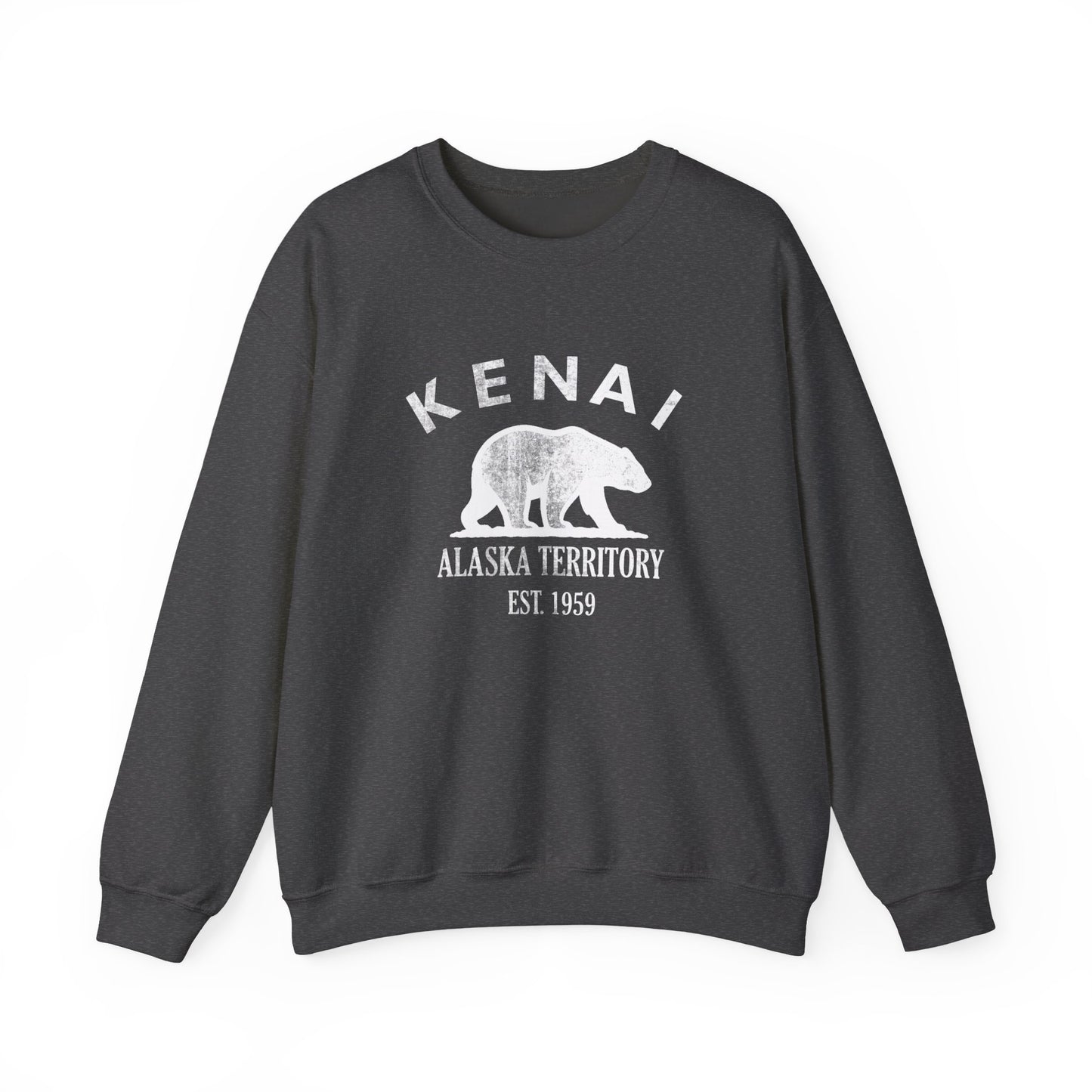
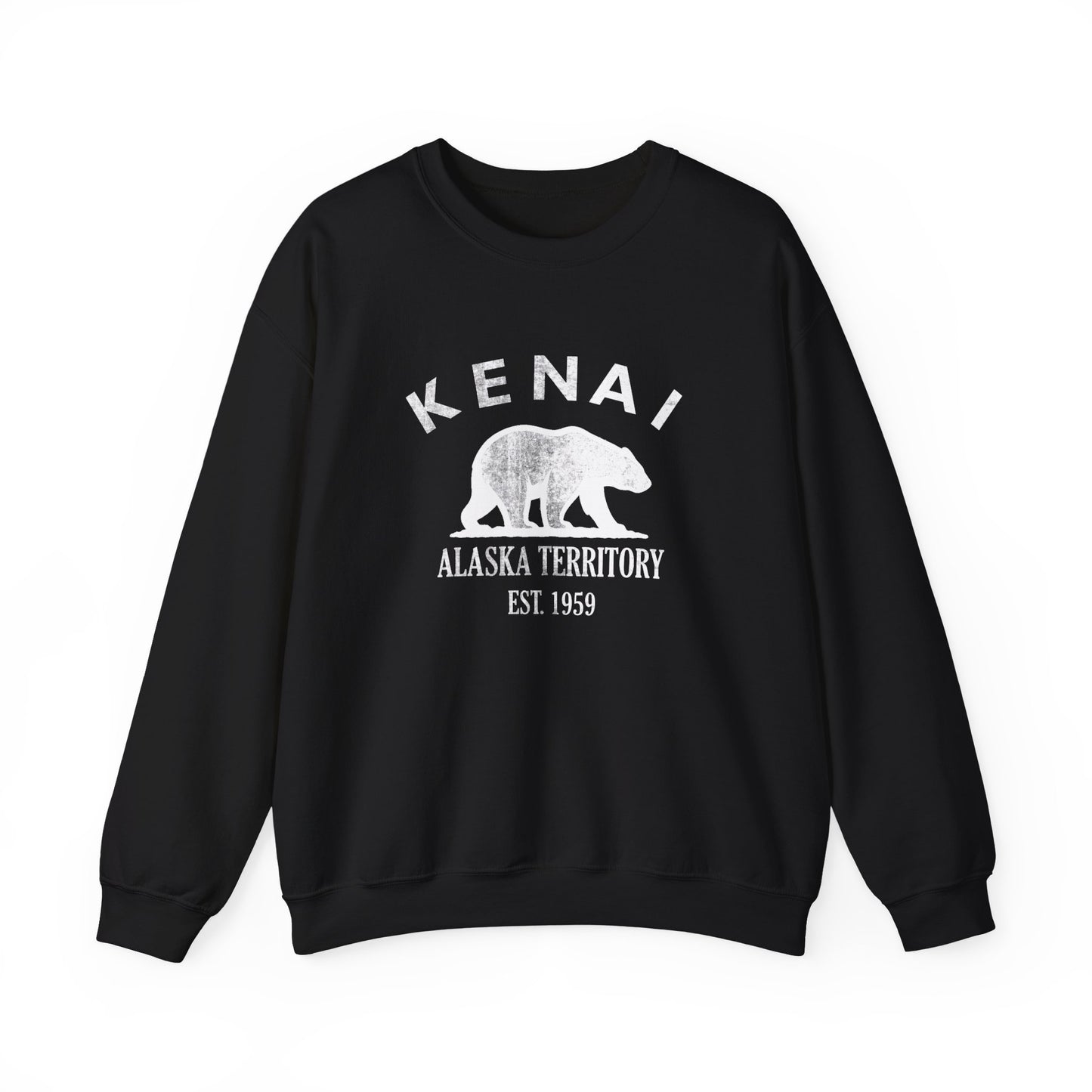

More From Kenai Alaska
-
Kenai Alaska Vintage Retro Thank You Card Set - Black Logo
Regular price From $25.00 USDRegular price -
Kenai Alaska Vintage Retro Cotton Canvas Tote Bag - Black Logo
Regular price $28.00 USDRegular price -
Kenai Alaska Vintage Retro Cotton Jersey Baby Bodysuit - Black Logo
Regular price $26.00 USDRegular price -
Kenai Alaska Vintage Retro Unisex Cotton Jersey Tank Top - White Logo
Regular price $28.00 USDRegular price
The Dena'ina Athabascans were here first, in a village called Shk'ituk't at the river mouth, living on the salmon that still run past the bluff. Russian fur traders arrived in 1791 and built Fort St. Nicholas — the second permanent Russian settlement in all of Alaska — and called the people they traded with the “Kenaitze,” the Kenai people. The Russians swapped glass beads for sea-otter pelts they carried on to China, and a fur trade ran for decades out of this small bluff. When the United States bought Alaska in 1867, the Army raised Fort Kenay on the bluff in 1869; it lasted barely a year, but the name stuck, and the Russian faith stayed.
What stayed longest was the church. The Holy Assumption of the Virgin Mary Russian Orthodox Church, finished in 1896, is the oldest standing Russian Orthodox church in Alaska — a National Historic Landmark whose blue domes still rise over Old Town, with the small St. Nicholas Chapel of 1906 beside it on the old fort ground. Inside the church hangs a centuries-old icon of Our Lady of Kazan, among the oldest non-Native artworks in Alaska. More than a century on, the services are still held; Old Town Kenai is not a recreated village but a living one, a piece of Russian America that never quite left.
Why People Visit Kenai
Kenai pairs deep history with wide-open Alaska — a living Russian-era church, a salmon river that sets the summer's rhythm, and the long view across Cook Inlet to the mountains. It's accessible, working, and real: a Last-Frontier town that kept its old bones.
