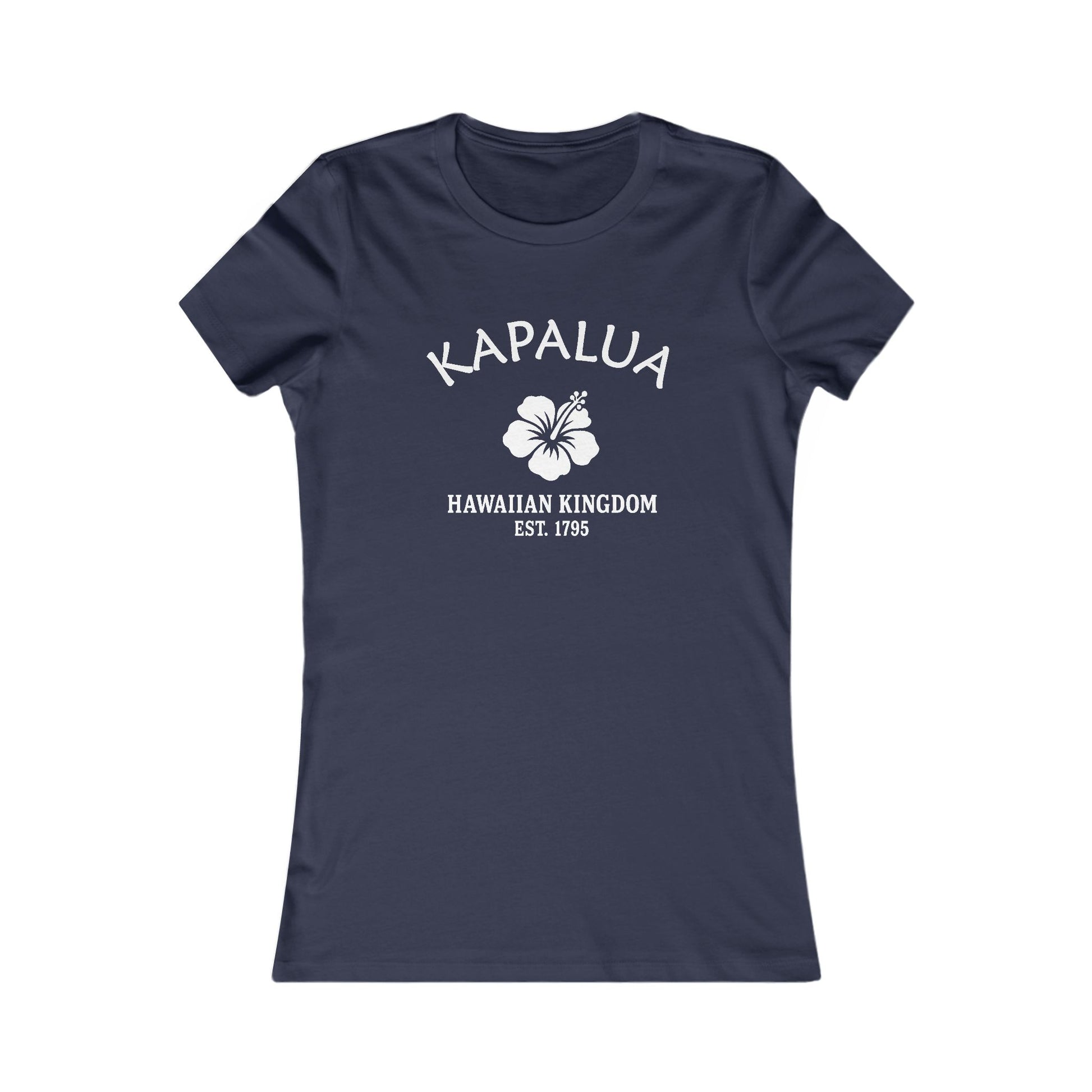
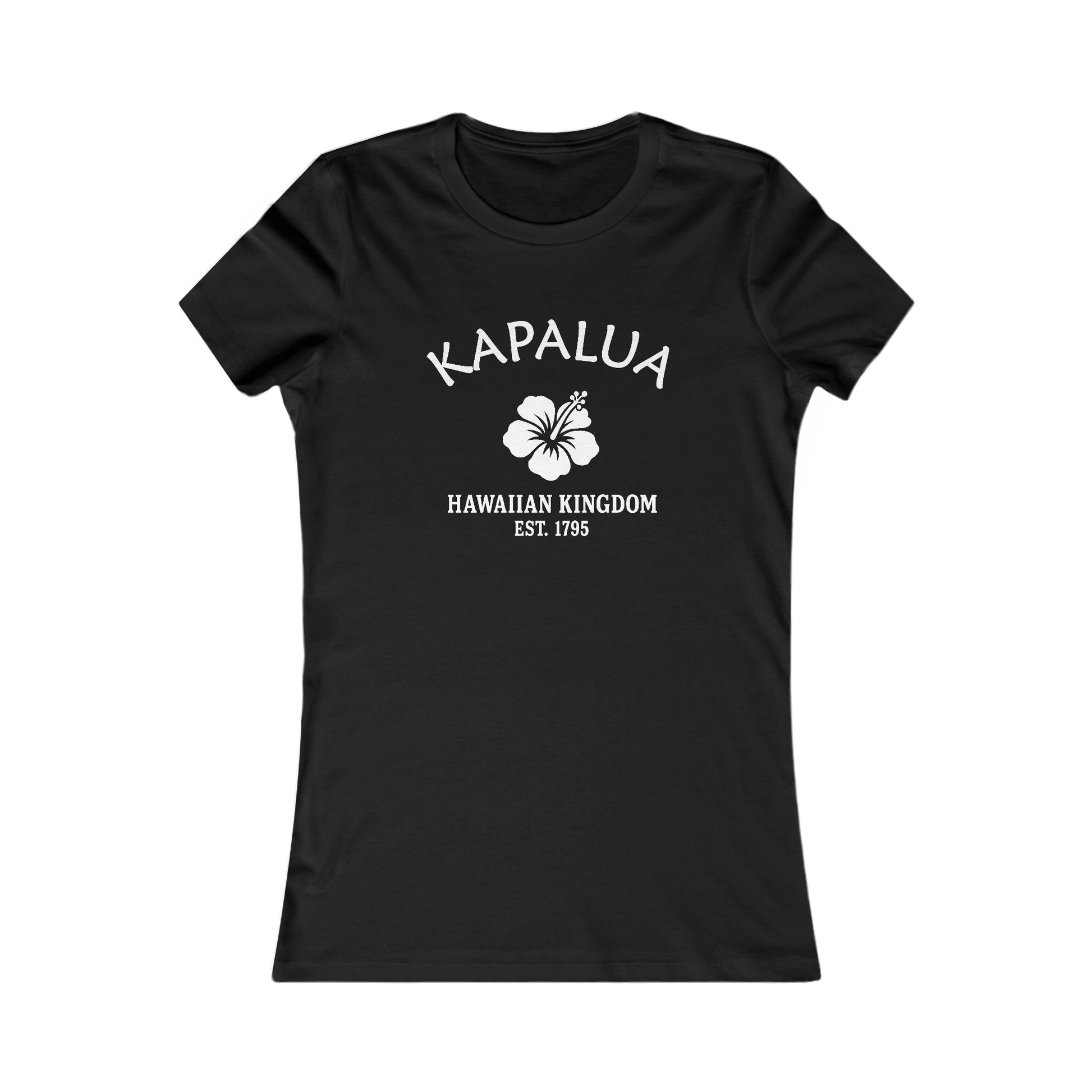
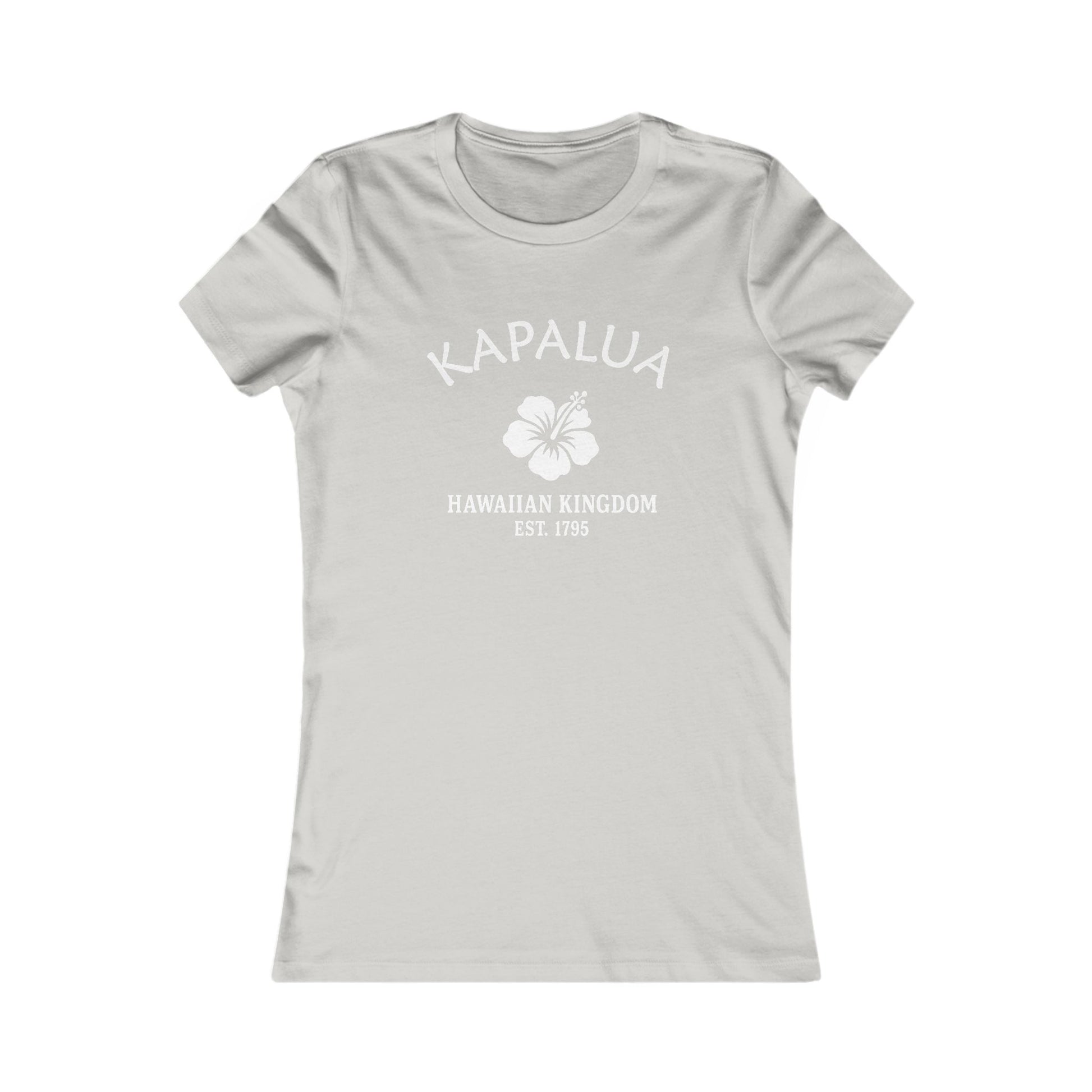
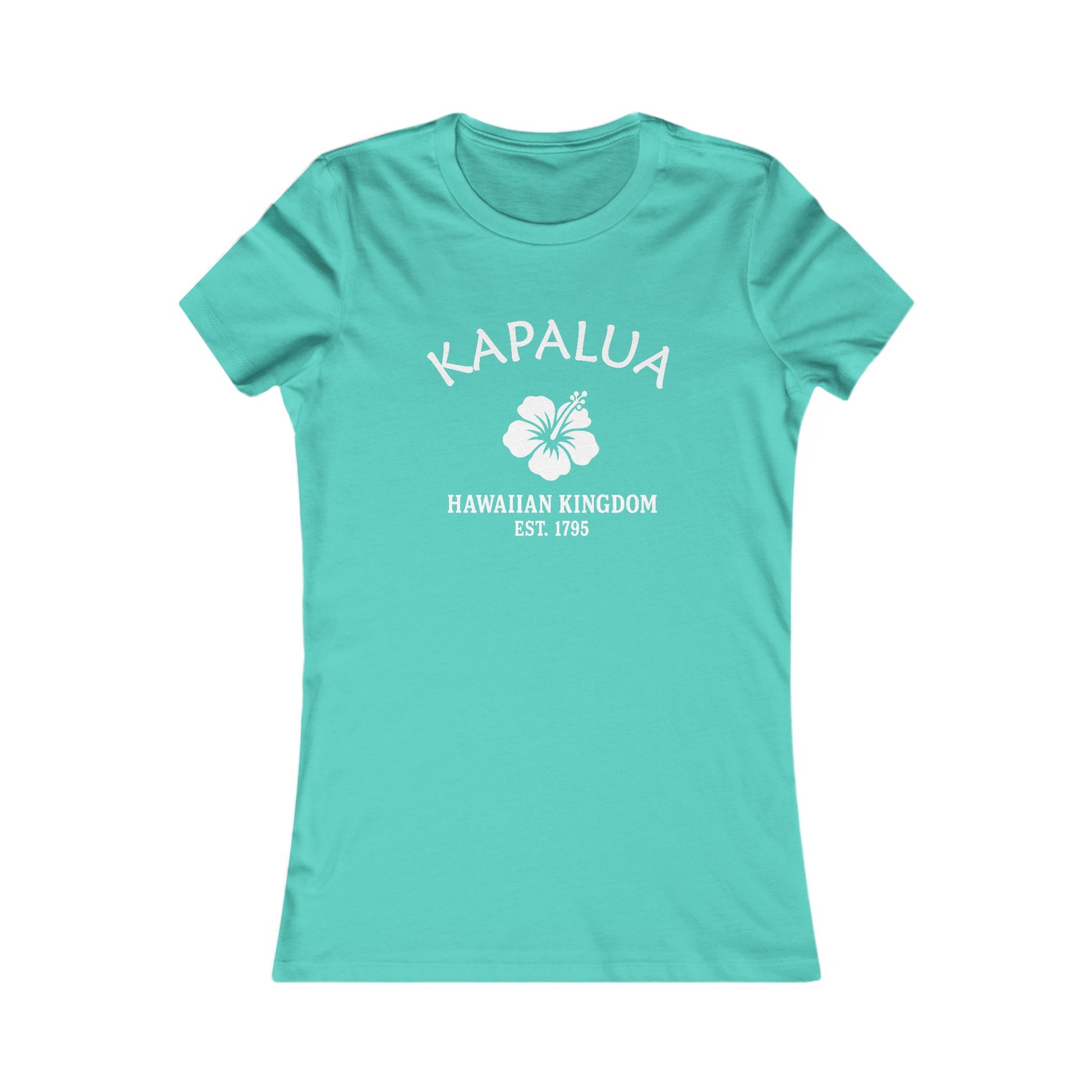
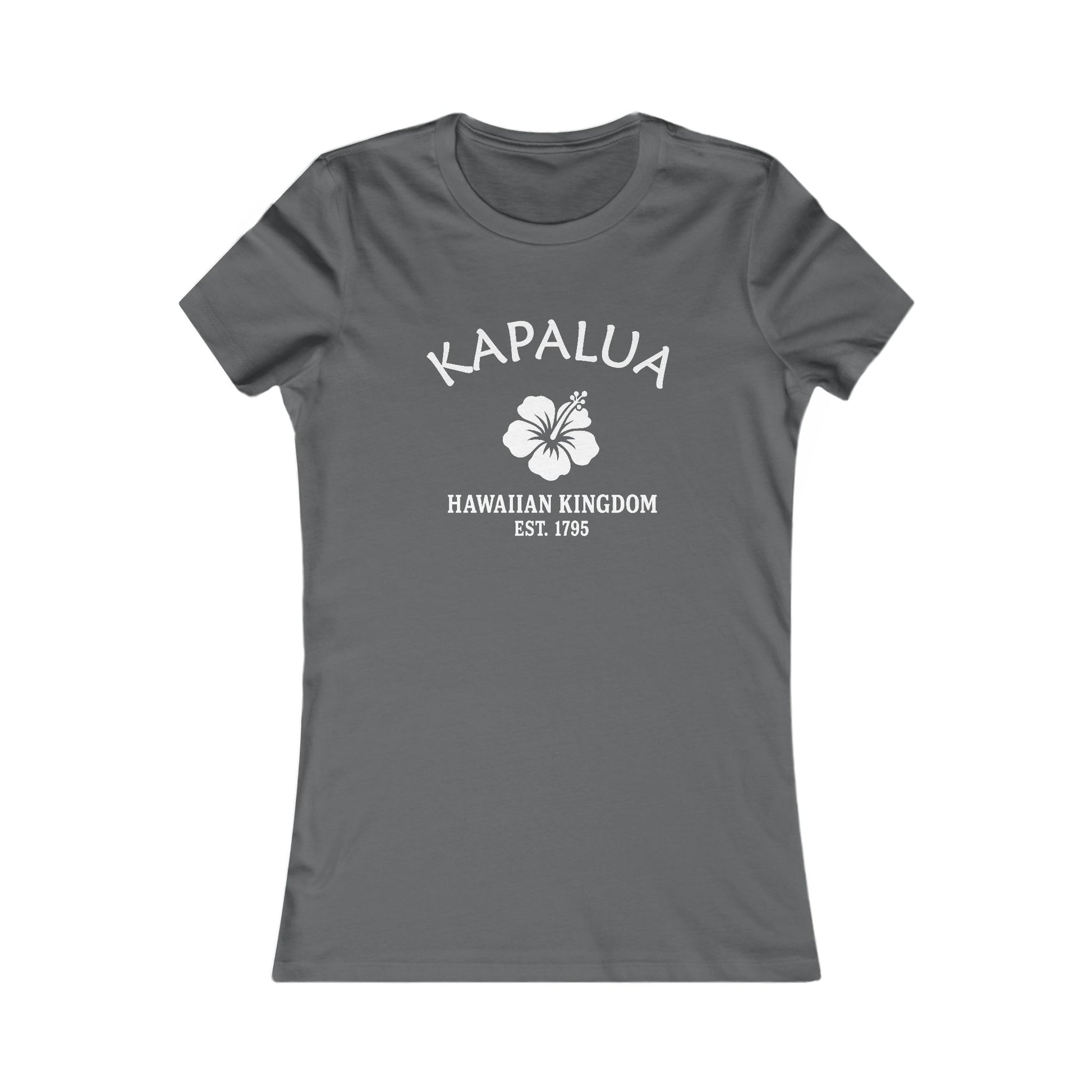
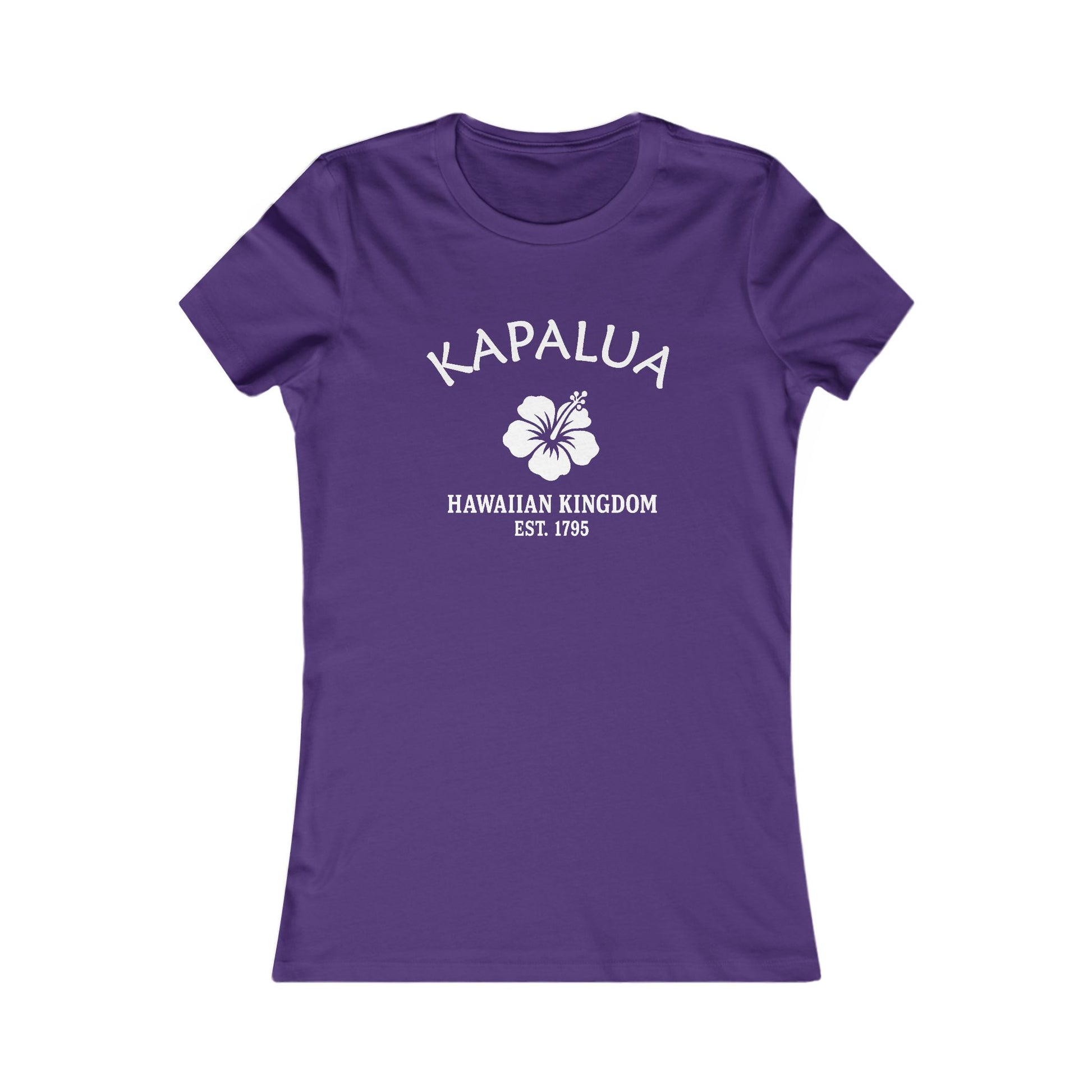
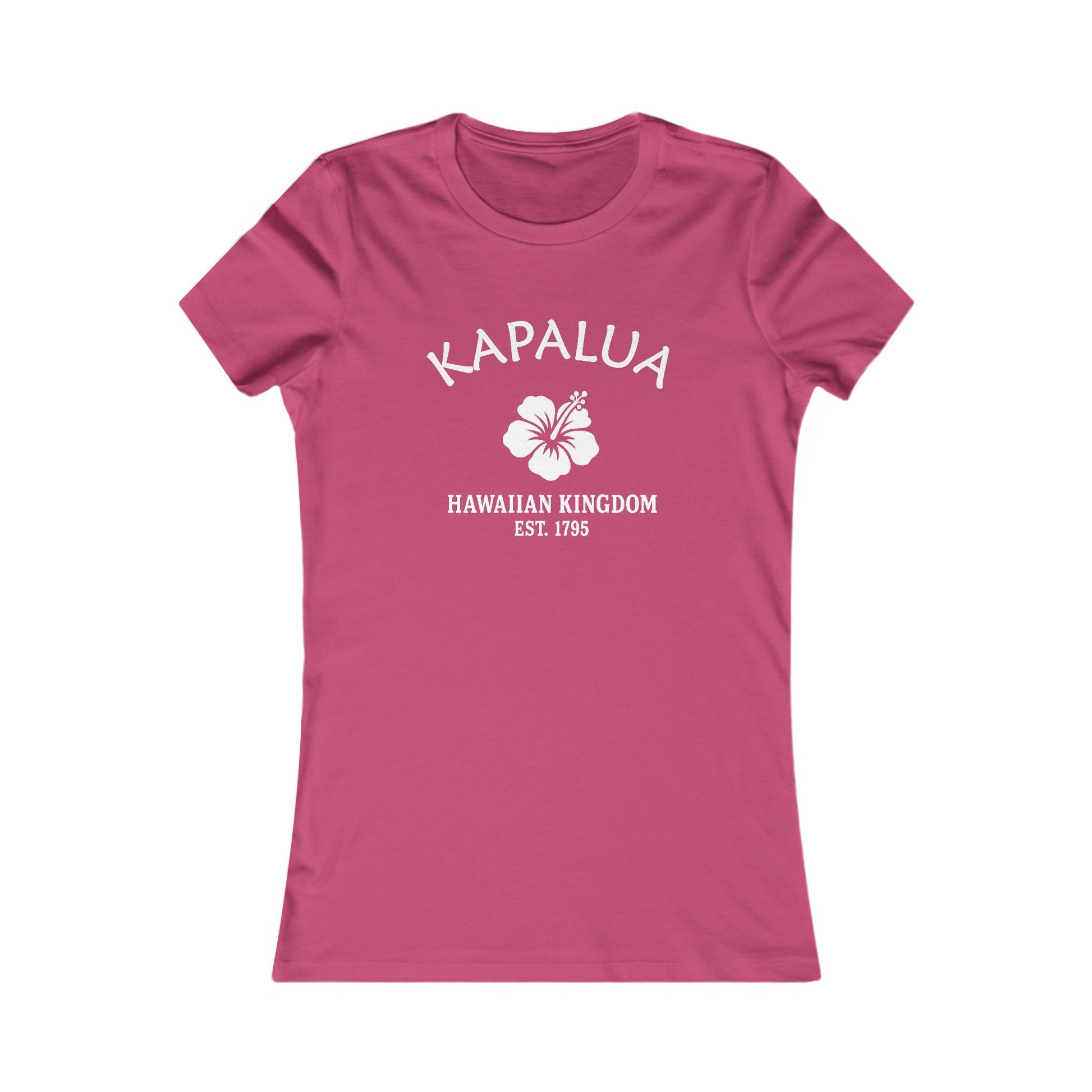
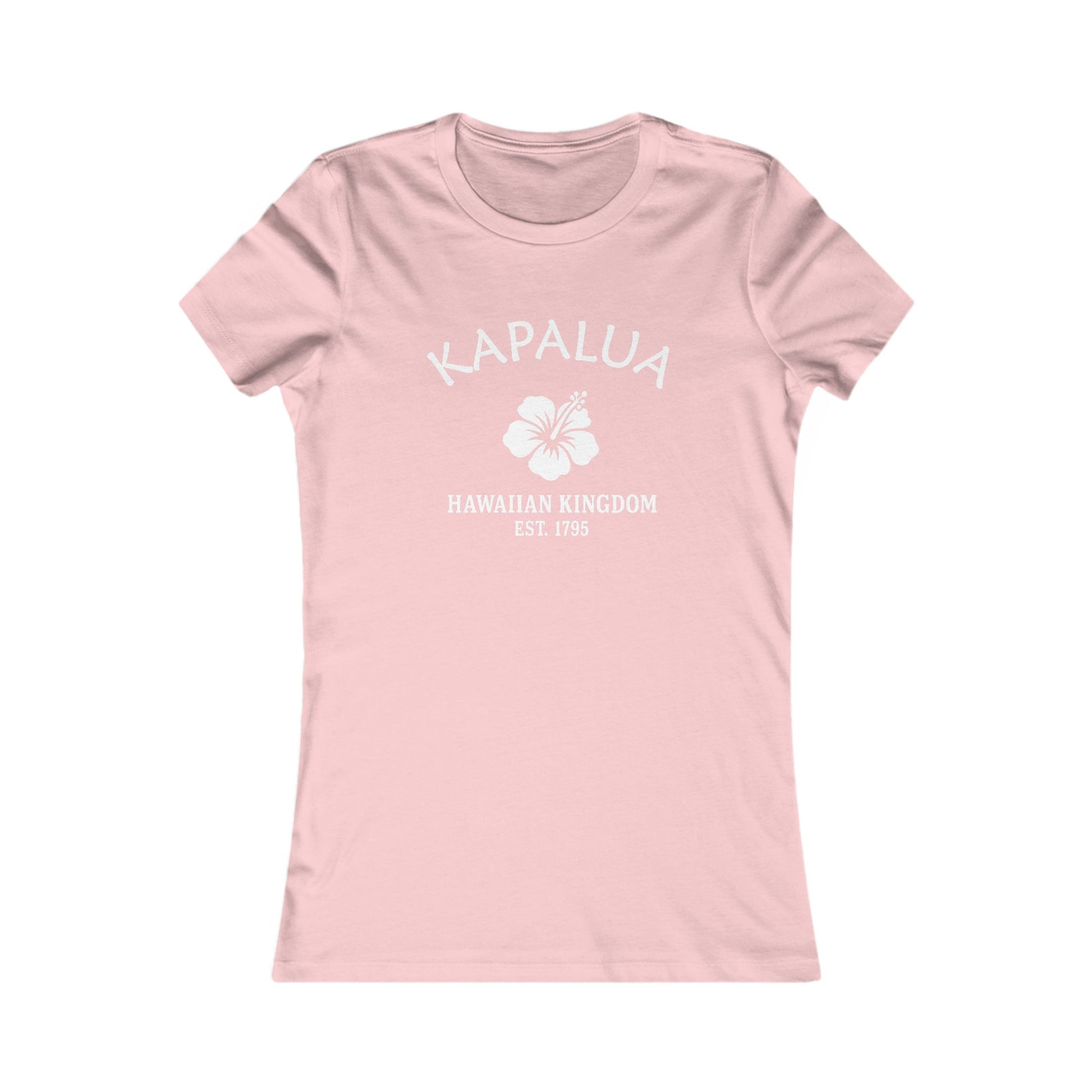
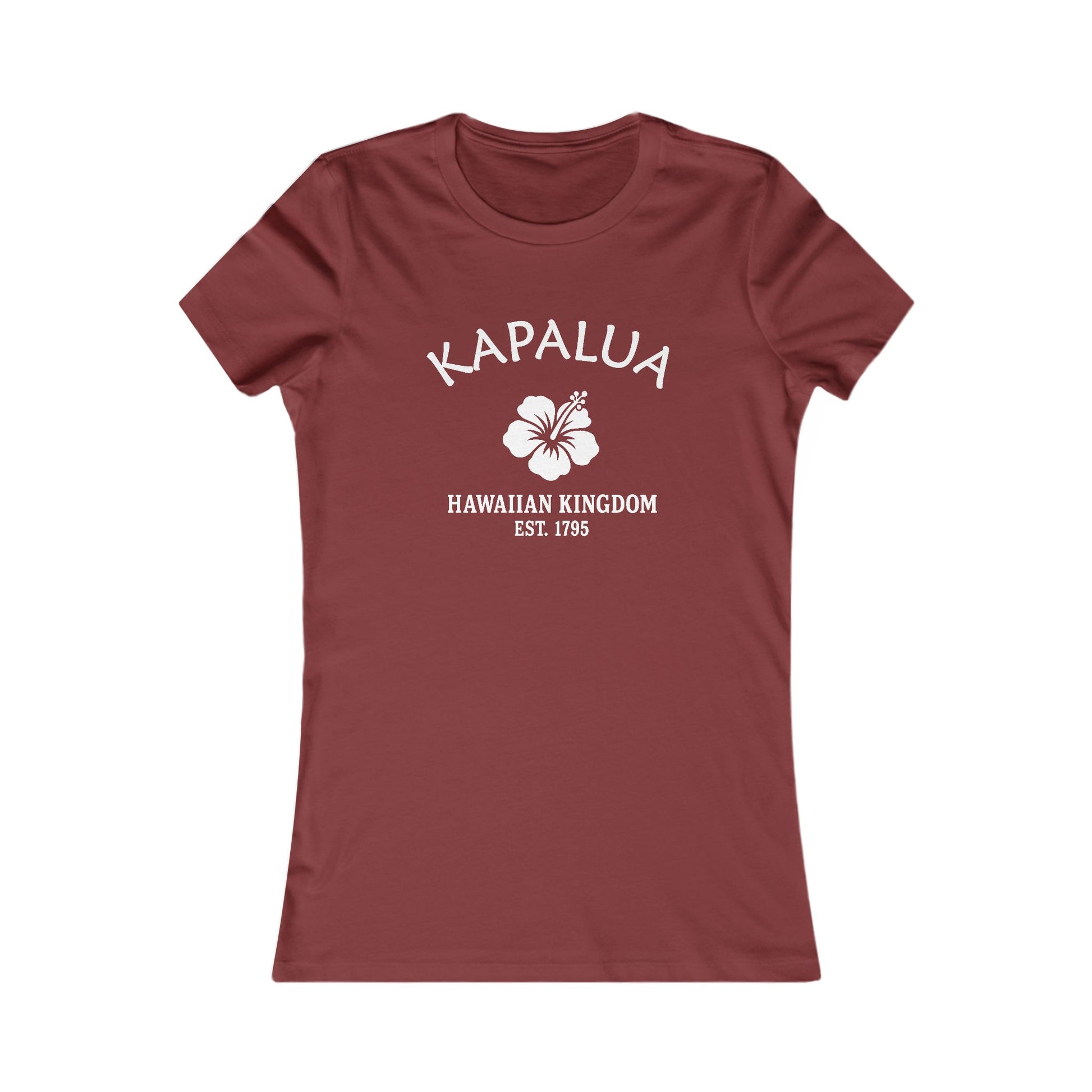
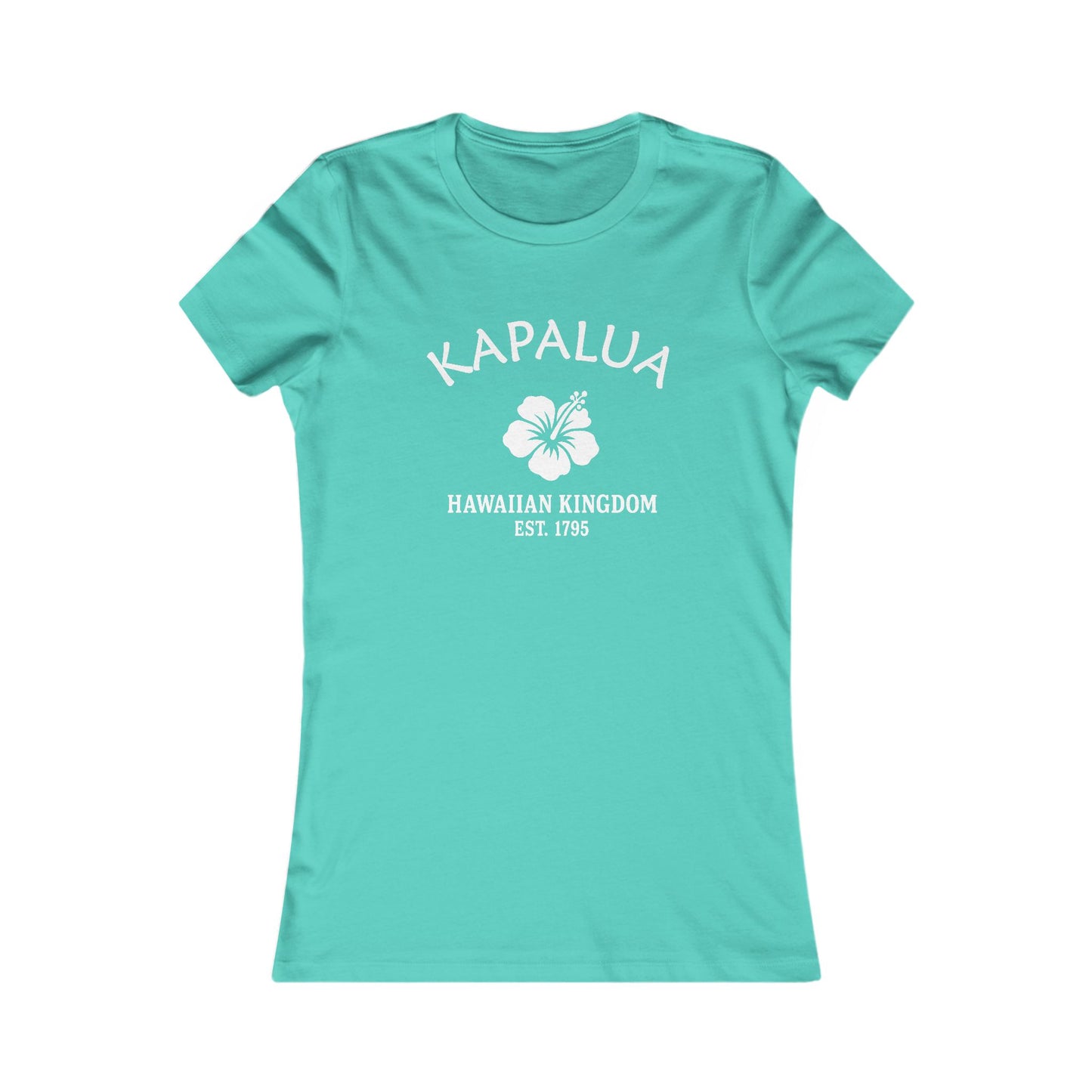
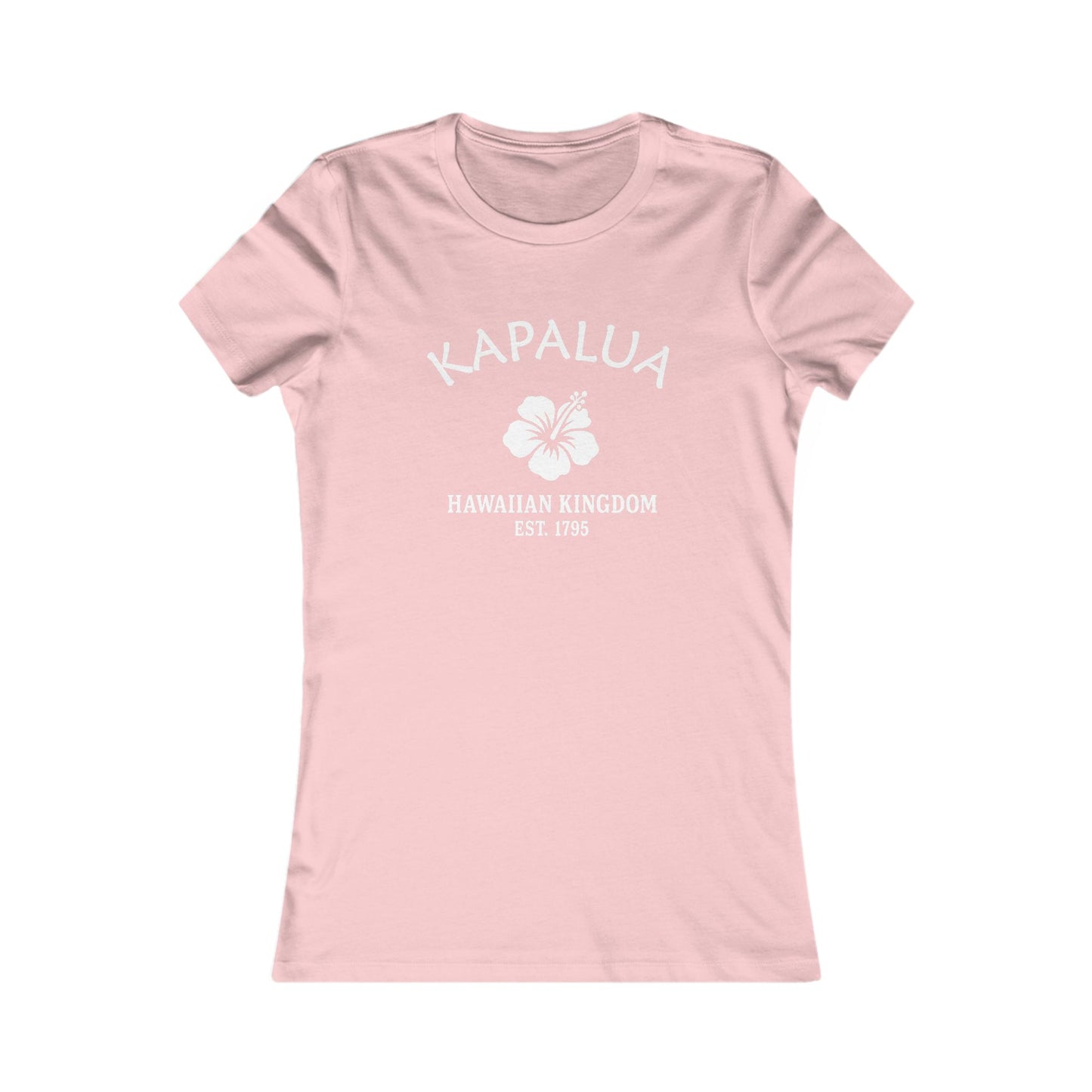
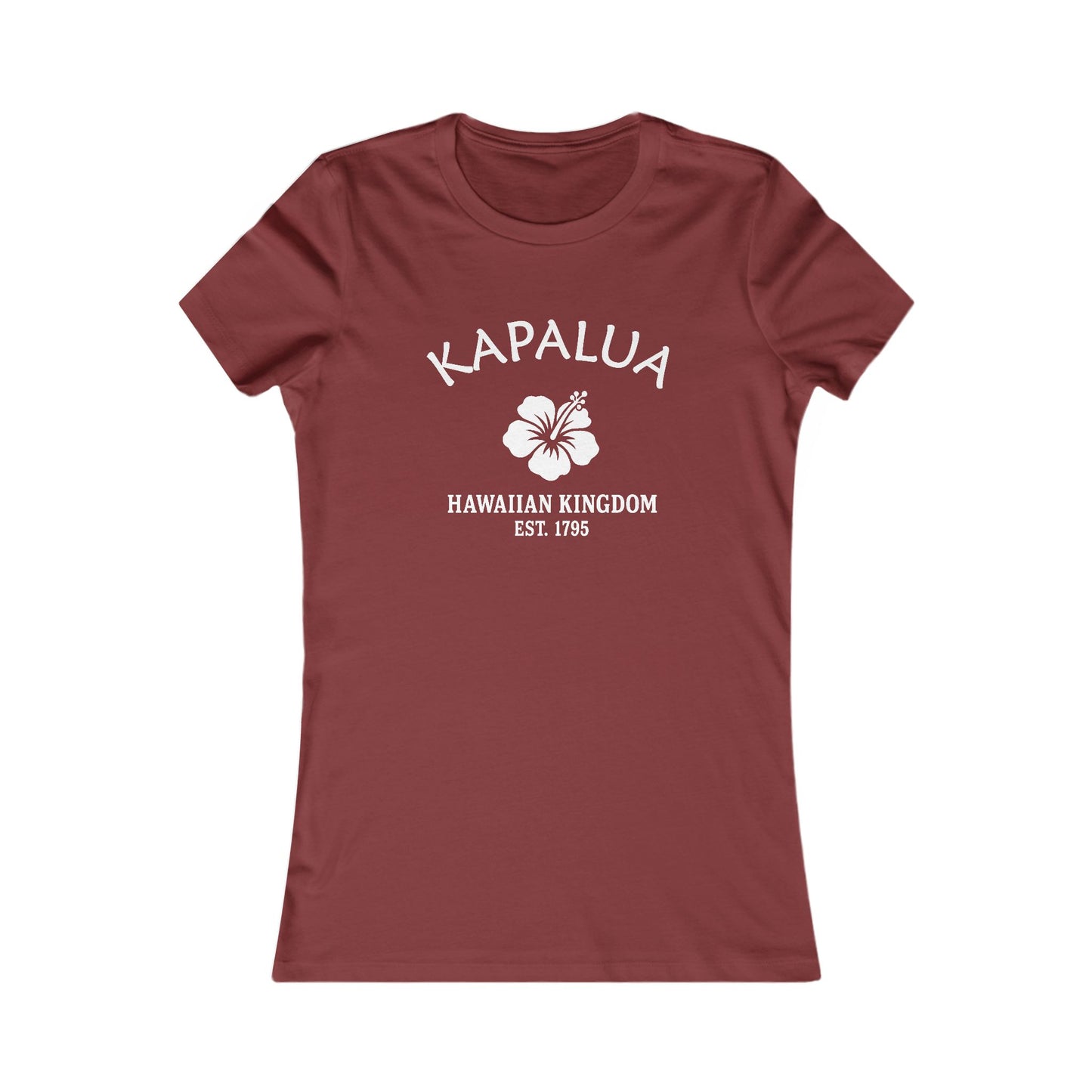
Our Kapalua logo carries the Hawaiian hibiscus above "Hawaiian Kingdom — Est. 1795," the shared retro emblem of our Hawaii towns; the hibiscus stands for the islands themselves, and 1795 marks the year Kamehameha I brought most of the Hawaiian Islands together into a single kingdom. Rendered in worn black-and-white, like a vintage travel decal or a fruit-crate label, it ties Kapalua to every other Hawaii place we make. What makes this one Kapalua is the story behind the mark — the embracing bay, the pineapple plantation, and the golf coast that grew up where the fields once ran.
So Kapalua gathers a sheltered bay, a pineapple plantation, and a golf coast onto the northwest shoulder of West Maui. Our Kapalua designs gather that into wearable form. Wear the history. Arms embracing the sea — Kapalua, Maui.
Why People Visit Kapalua
Visitors come to Kapalua for the bays — the calm, reef-fringed water that earns the best-beach lists — and stay for the layered scenery: a manicured golf coast, plantation uplands, and the channel islands on the horizon. It is quiet, walkable, and built to let West Maui's landscape take the lead. Equal parts beach, history, and big ocean views, Kapalua rewards anyone who wants the Hawaiian coast at its most embracing.
