


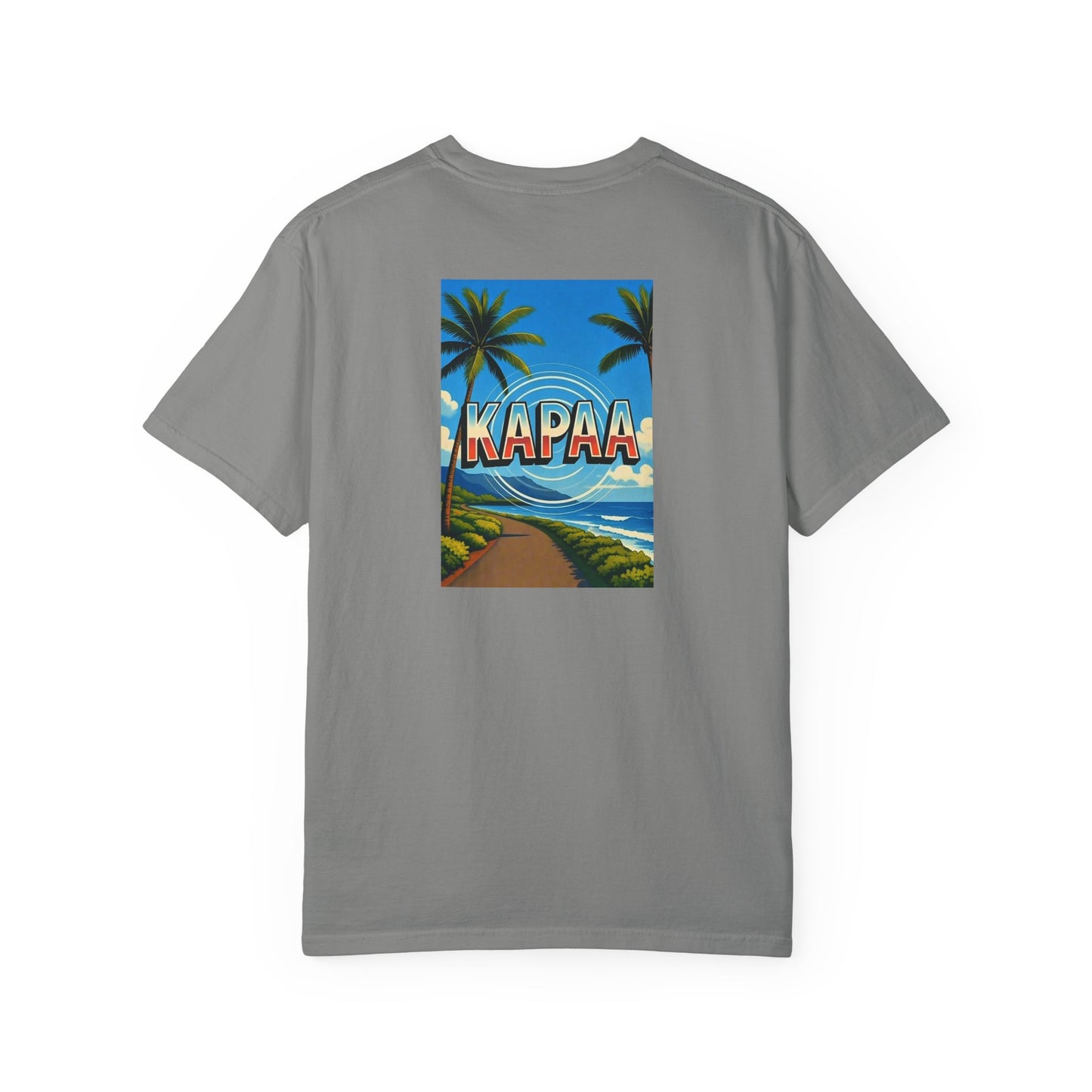

The town has taken its hits and come back. In September 1992, Hurricane Iniki — a Category 4 storm with winds near a hundred and forty-five miles an hour — tore across Kauai and battered Kapaʻa and the Coconut Coast, and the rebuilding ran for years. The plantation-era buildings that survived were patched and reopened, and the wooden main street that the workers built remains the center of town.
Just south lies Wailua, the first ancient capital of Kauai under the aliʻi, the Hawaiian high chiefs. Fed by the rain of Mount Waiʻaleʻale — some four hundred and fifty inches a year, among the highest on the planet — the Wailua River runs to the sea as Hawaii's only navigable river, and the valley it waters was the sacred seat of Kauai royalty. Seven heiau, the temples of old Hawaii, arc across the Wailua–Kapaʻa landscape; they remain deeply sacred to Native Hawaiians today, and we honor them as living heritage rather than scenery.
Why People Visit Kapaa
Kapaʻa rewards travelers who want the real, working Kauai rather than a resort bubble — a town with a beach and a bike path, the Sleeping Giant on the ridge, and the sacred green valley of Wailua a few minutes south. People come for the coastal path and the river, for the plantation-era main street, and for an easygoing east-shore day where Kauai's deep history and everyday island life sit side by side.
