


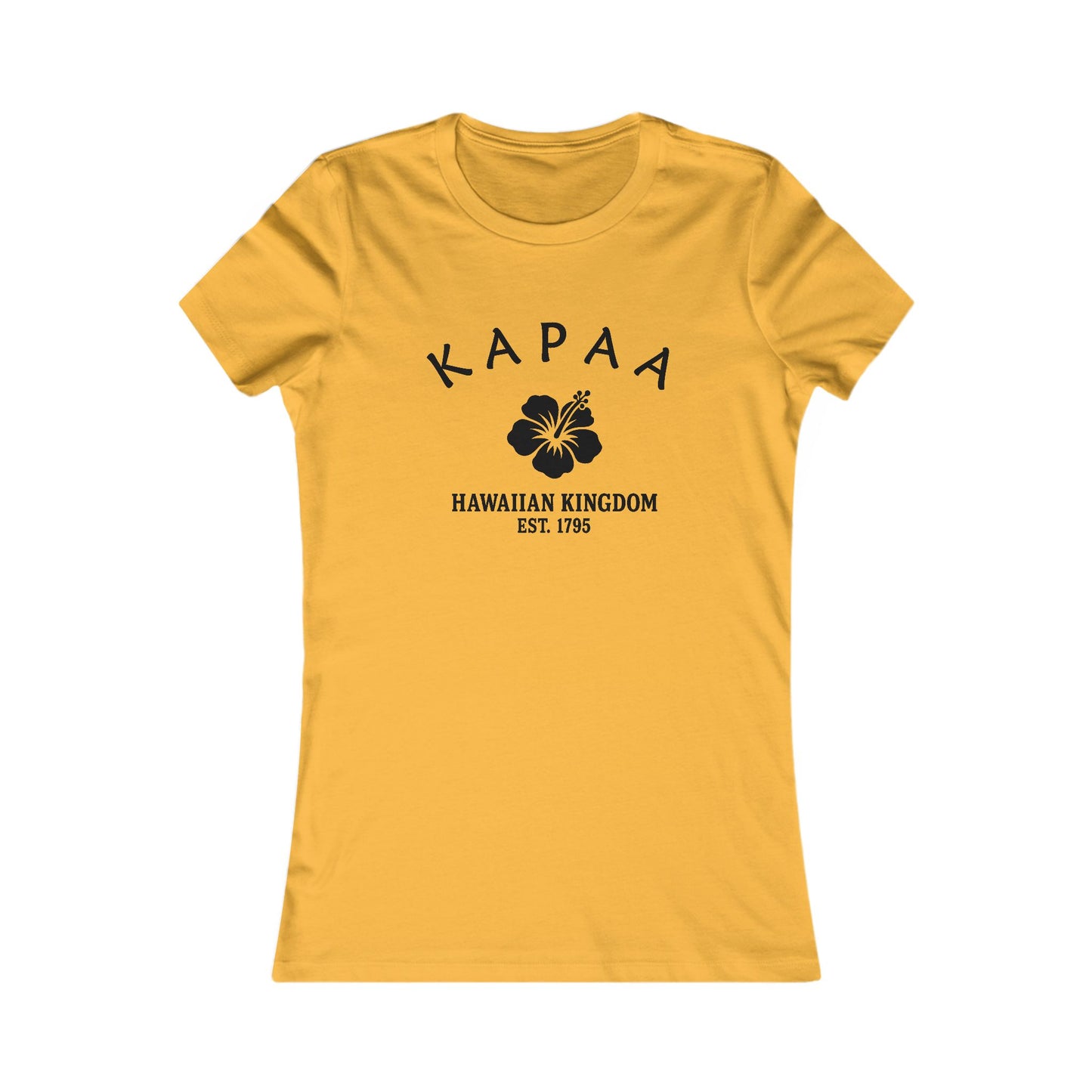
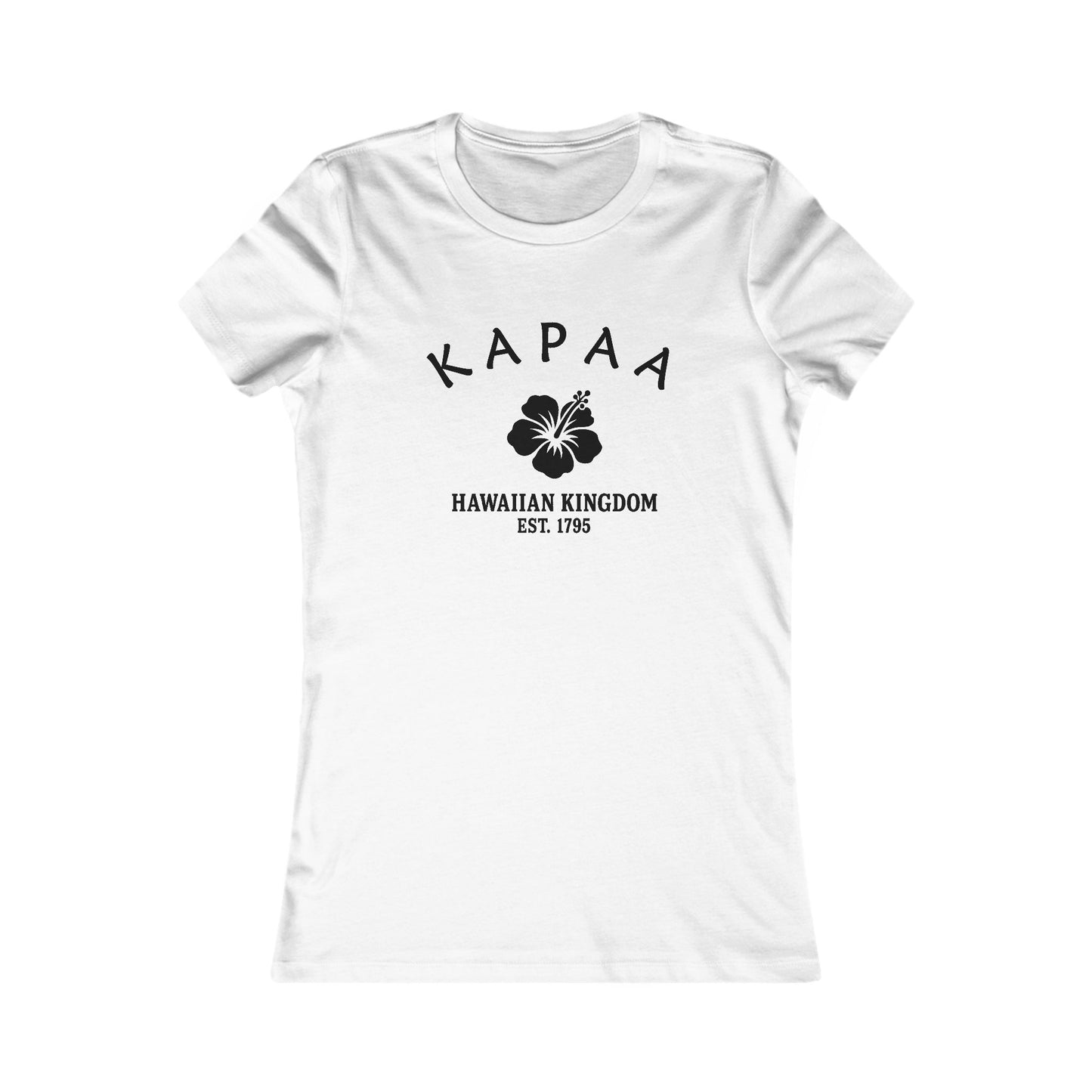
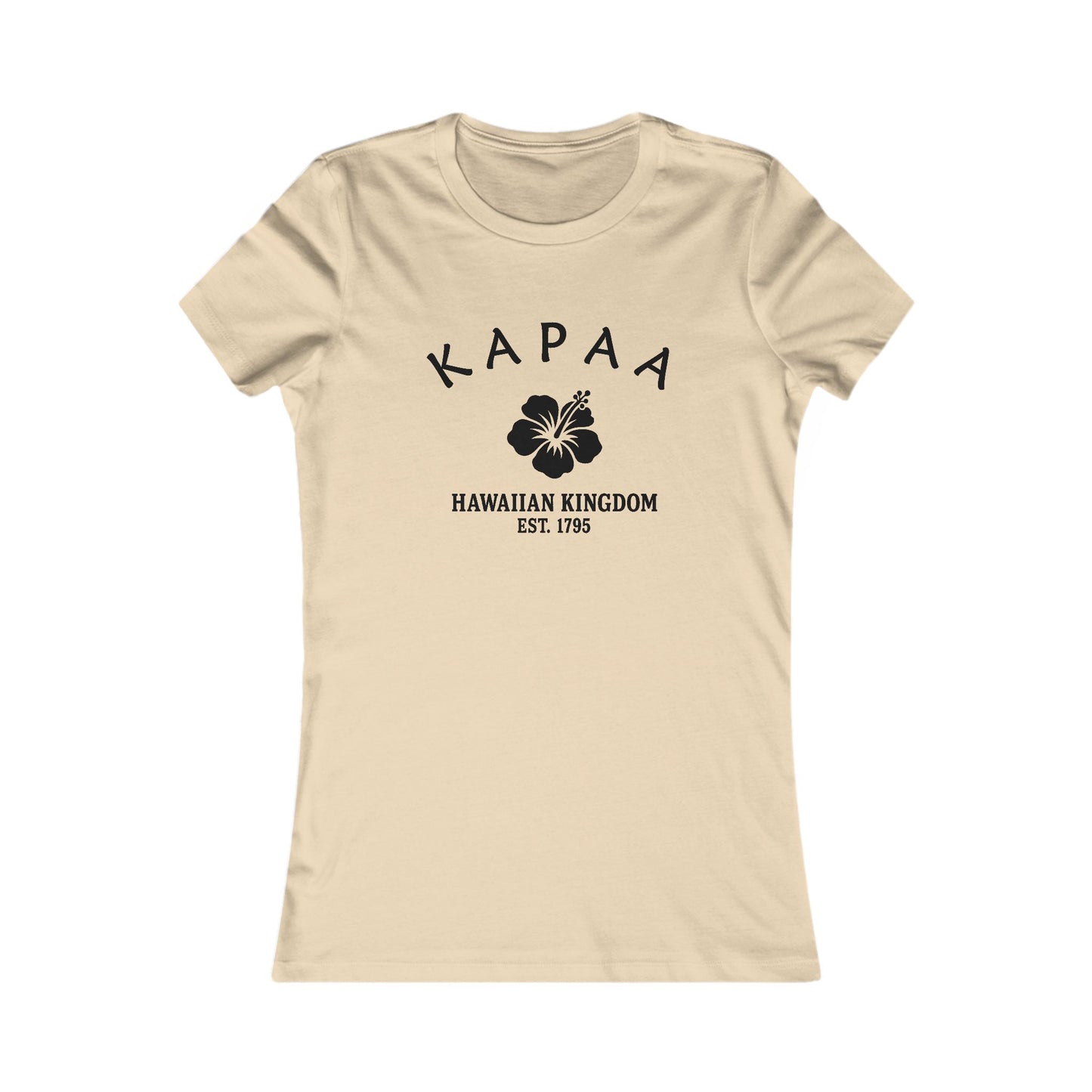
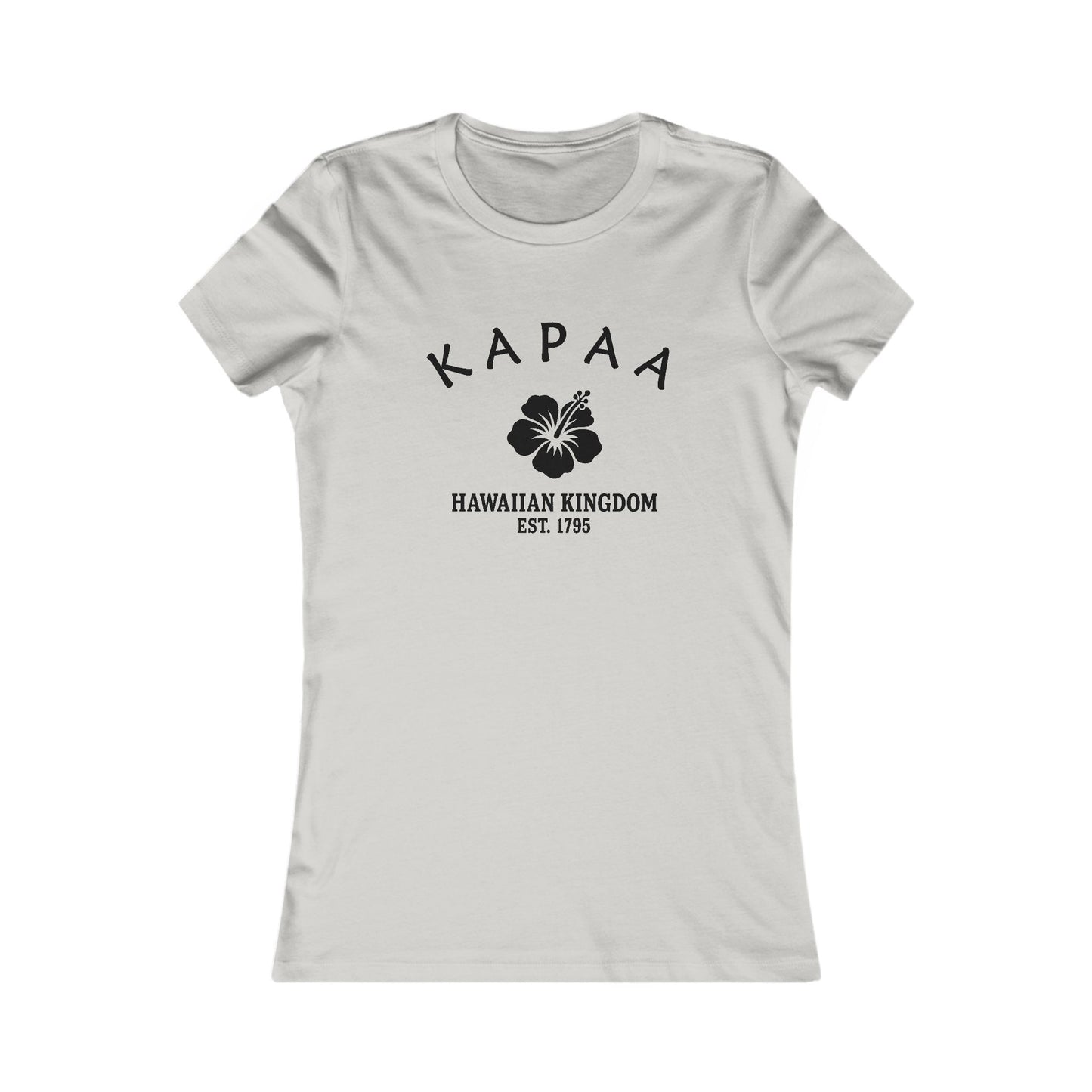
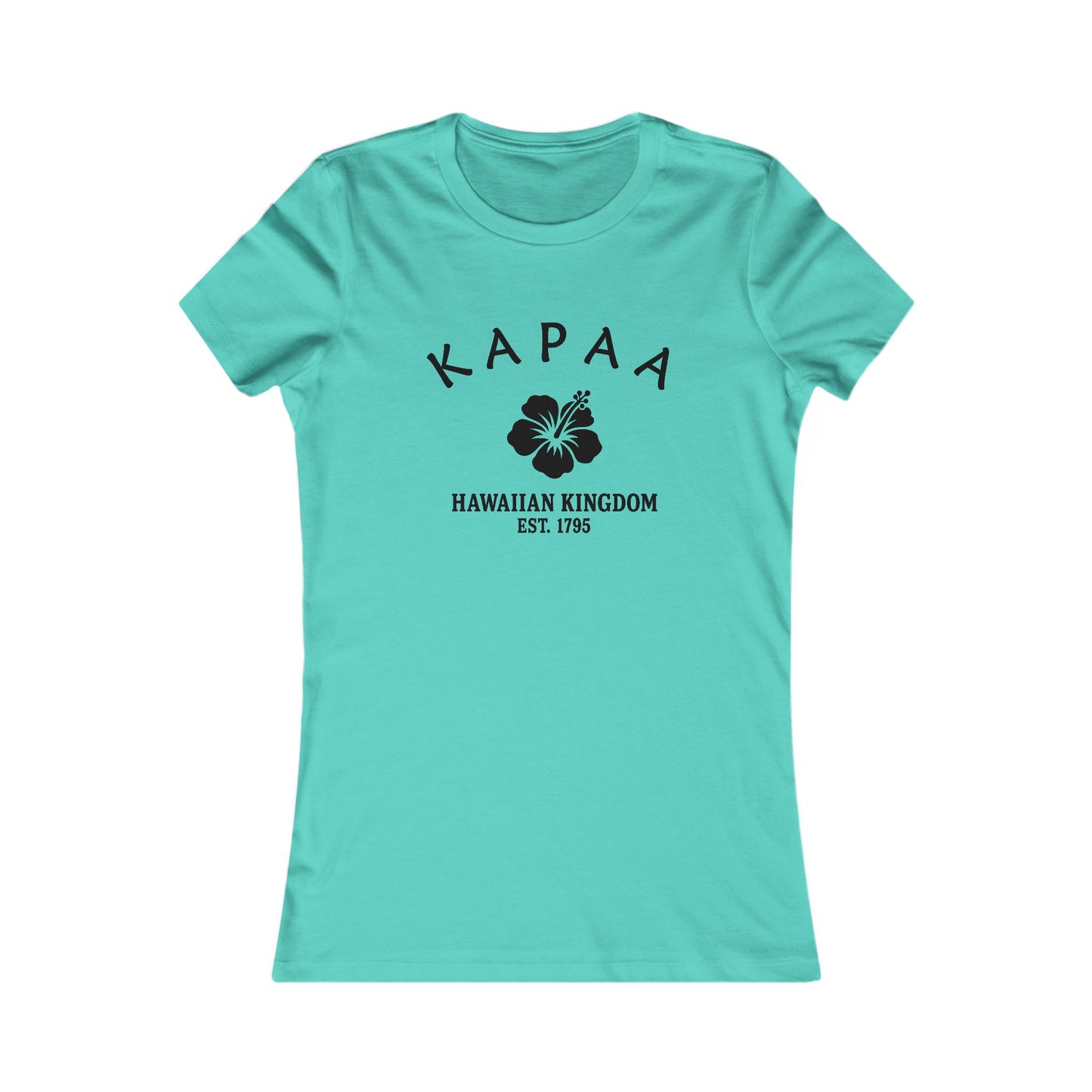
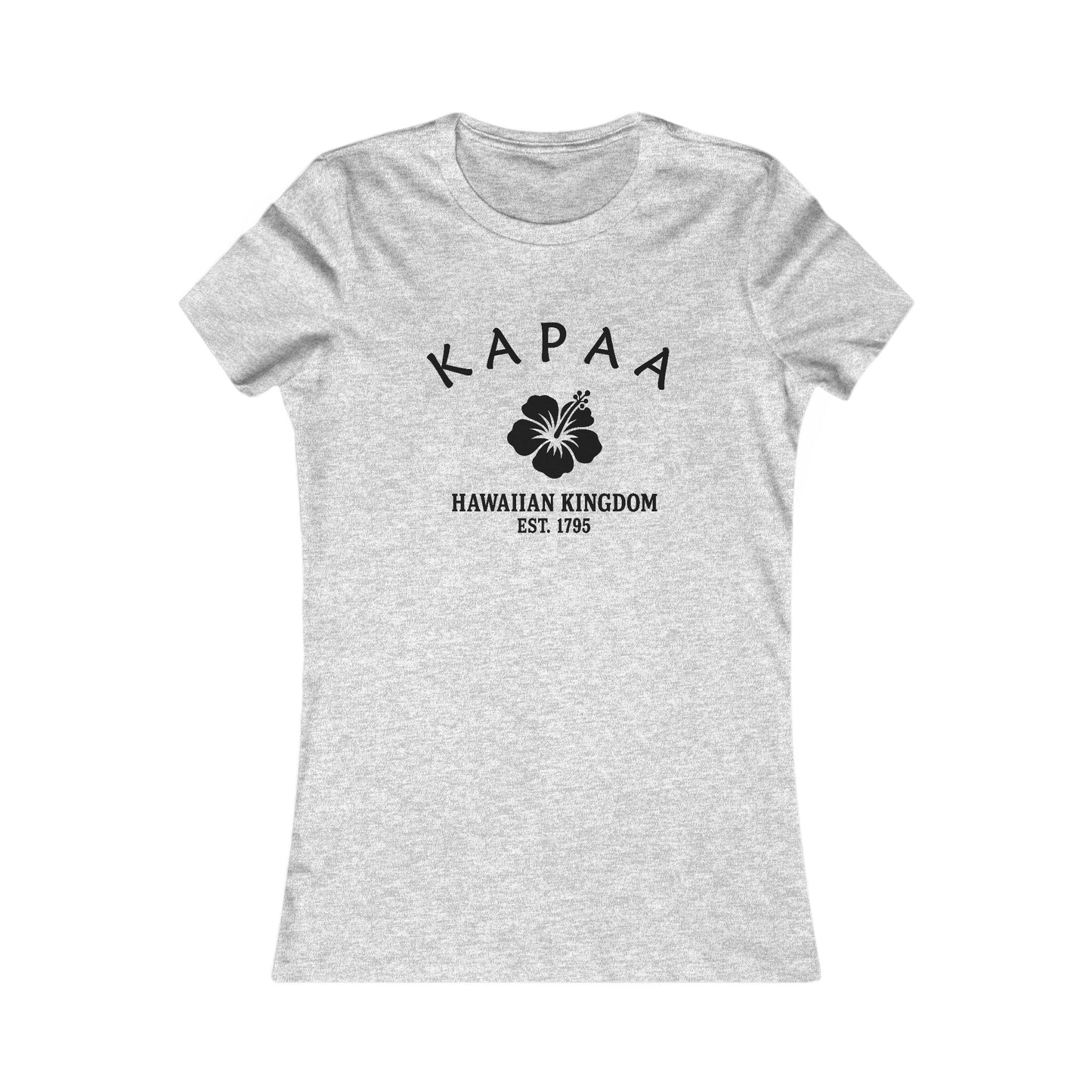
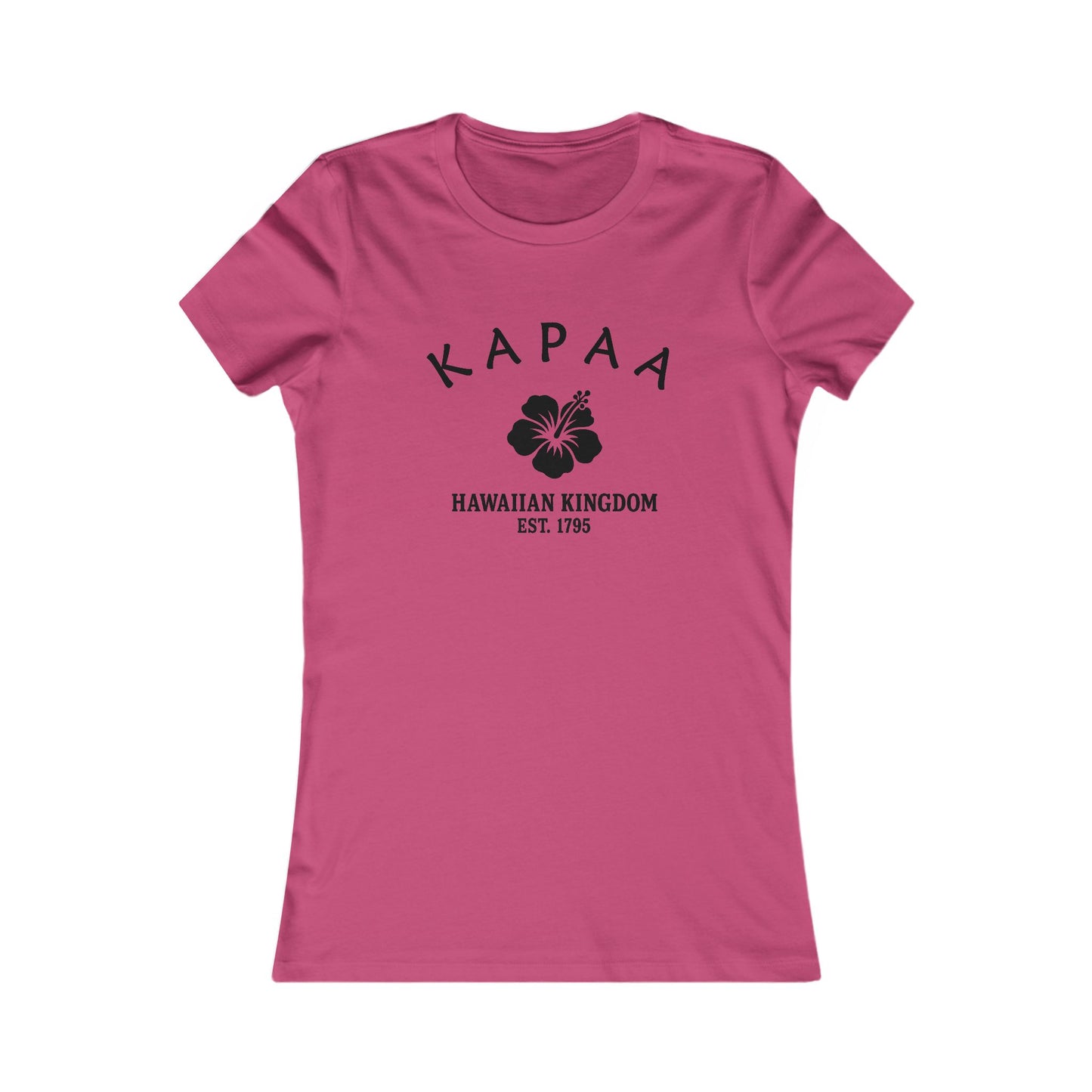
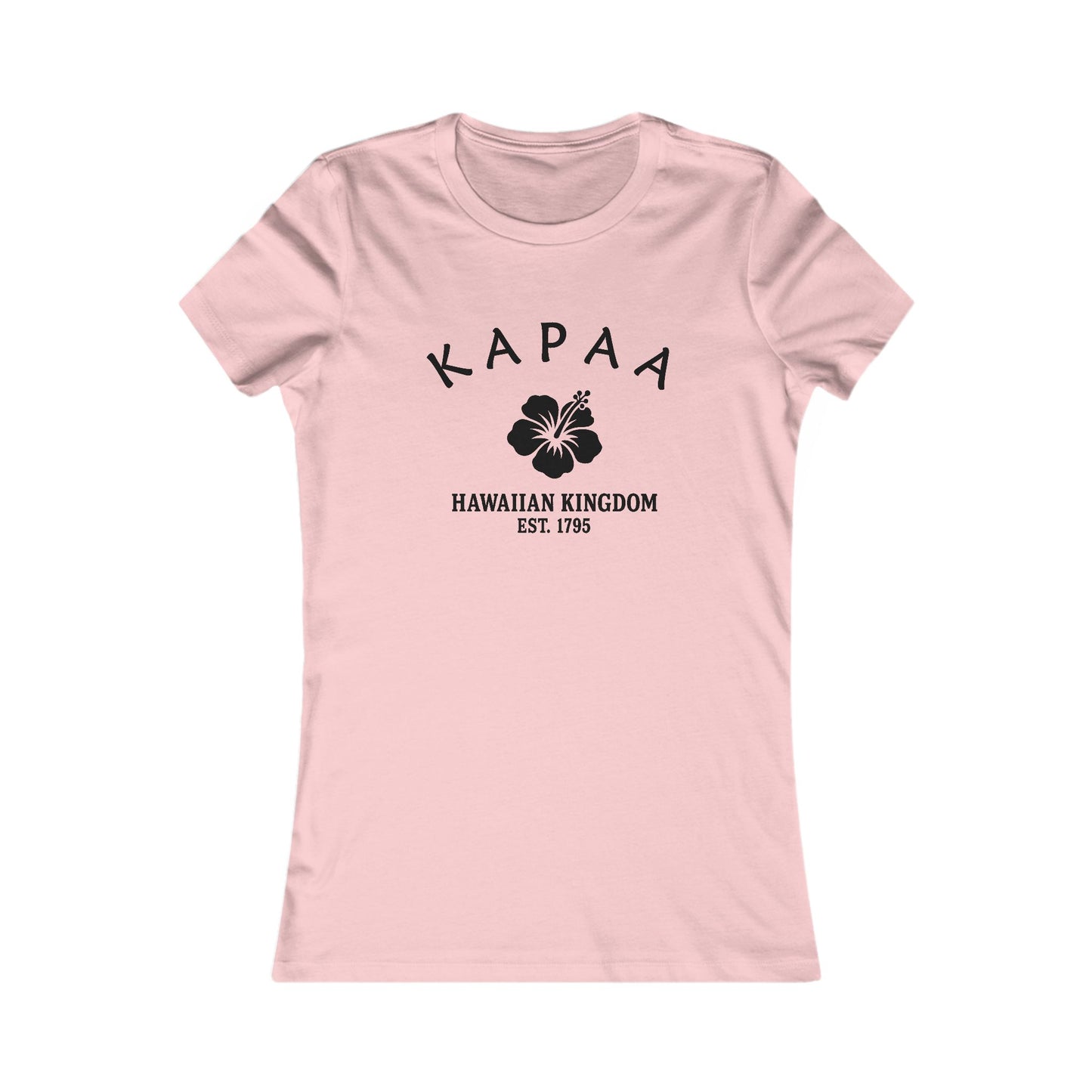
Our Kapaʻa logo carries the Hawaii hibiscus above “Hawaiian Kingdom — Est. 1795,” the shared retro emblem of our Hawaii towns, drawn in worn black-and-white like an old travel decal. The 1795 date marks Kamehameha's unification of the islands; Kauai kept its own path a while longer, holding out under King Kaumualiʻi until his voluntary cession in 1810. The hibiscus is the through-line that links Kapaʻa to every other Hawaii town we make, and the details that make this one Kapaʻa are the Coconut Coast, the Sleeping Giant on the ridge, and the plantation-town storefronts.
The town has taken its hits and come back. In September 1992, Hurricane Iniki — a Category 4 storm with winds near a hundred and forty-five miles an hour — tore across Kauai and battered Kapaʻa and the Coconut Coast, and the rebuilding ran for years. The plantation-era buildings that survived were patched and reopened, and the wooden main street that the workers built remains the center of town.
Why People Visit Kapaa
Kapaʻa rewards travelers who want the real, working Kauai rather than a resort bubble — a town with a beach and a bike path, the Sleeping Giant on the ridge, and the sacred green valley of Wailua a few minutes south. People come for the coastal path and the river, for the plantation-era main street, and for an easygoing east-shore day where Kauai's deep history and everyday island life sit side by side.
