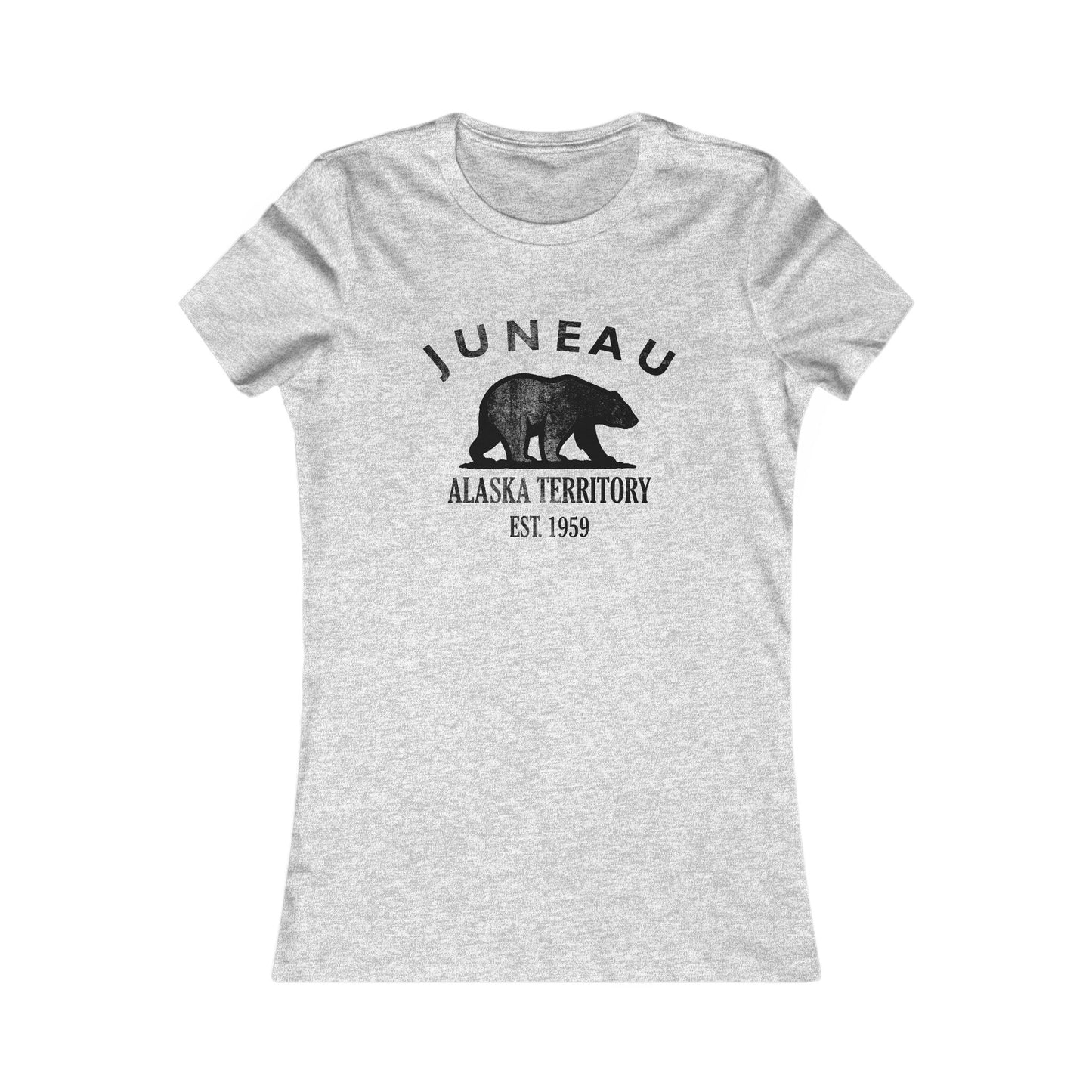
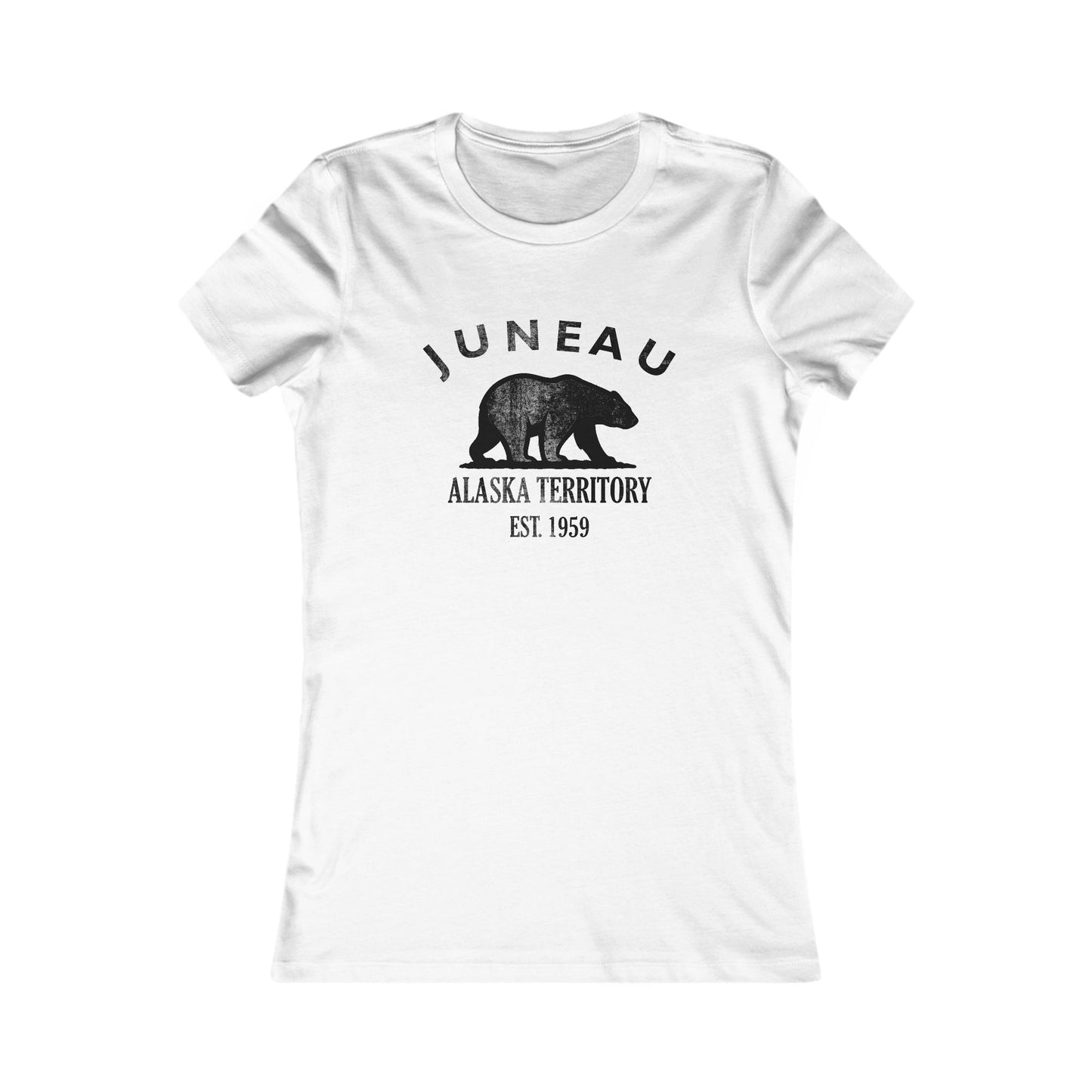
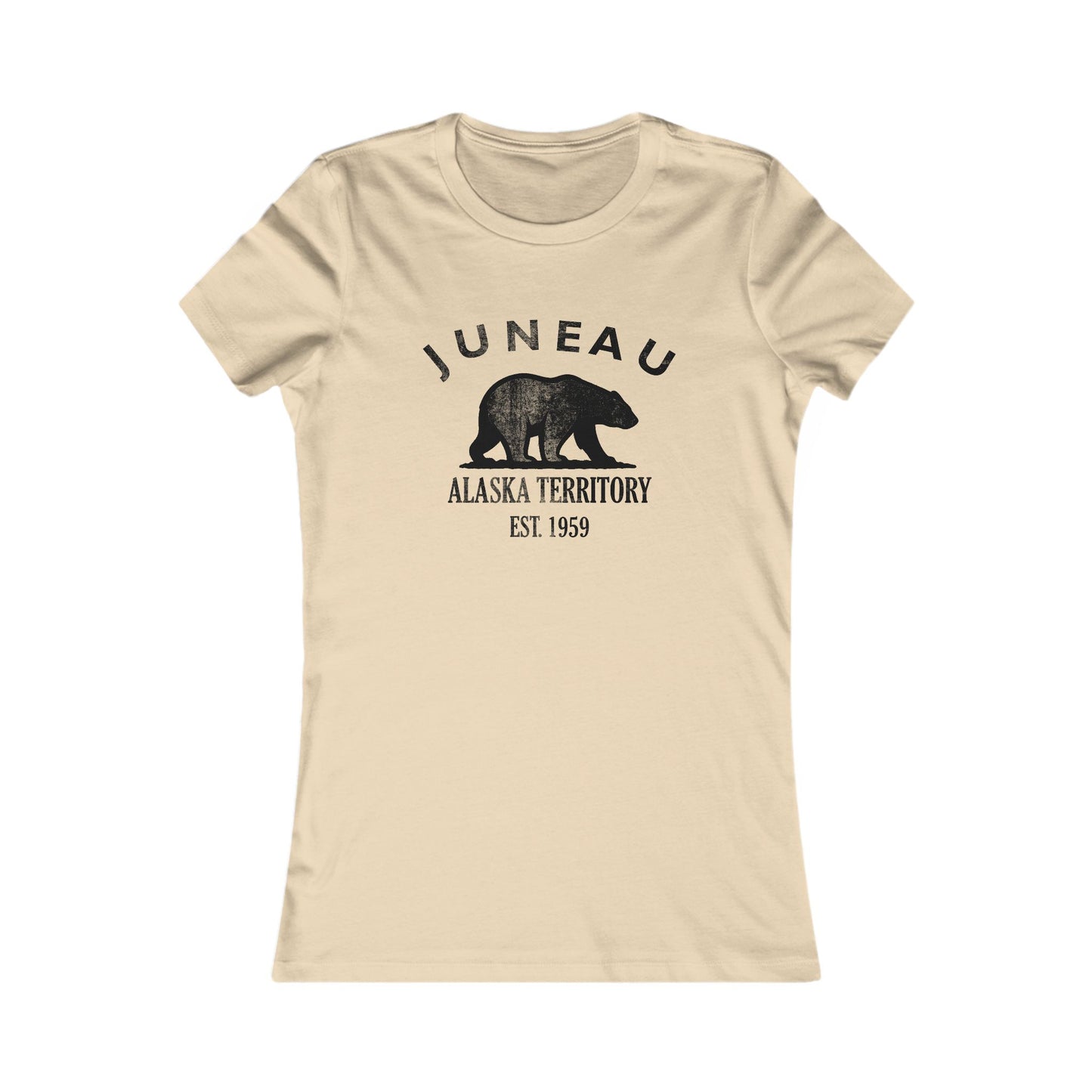
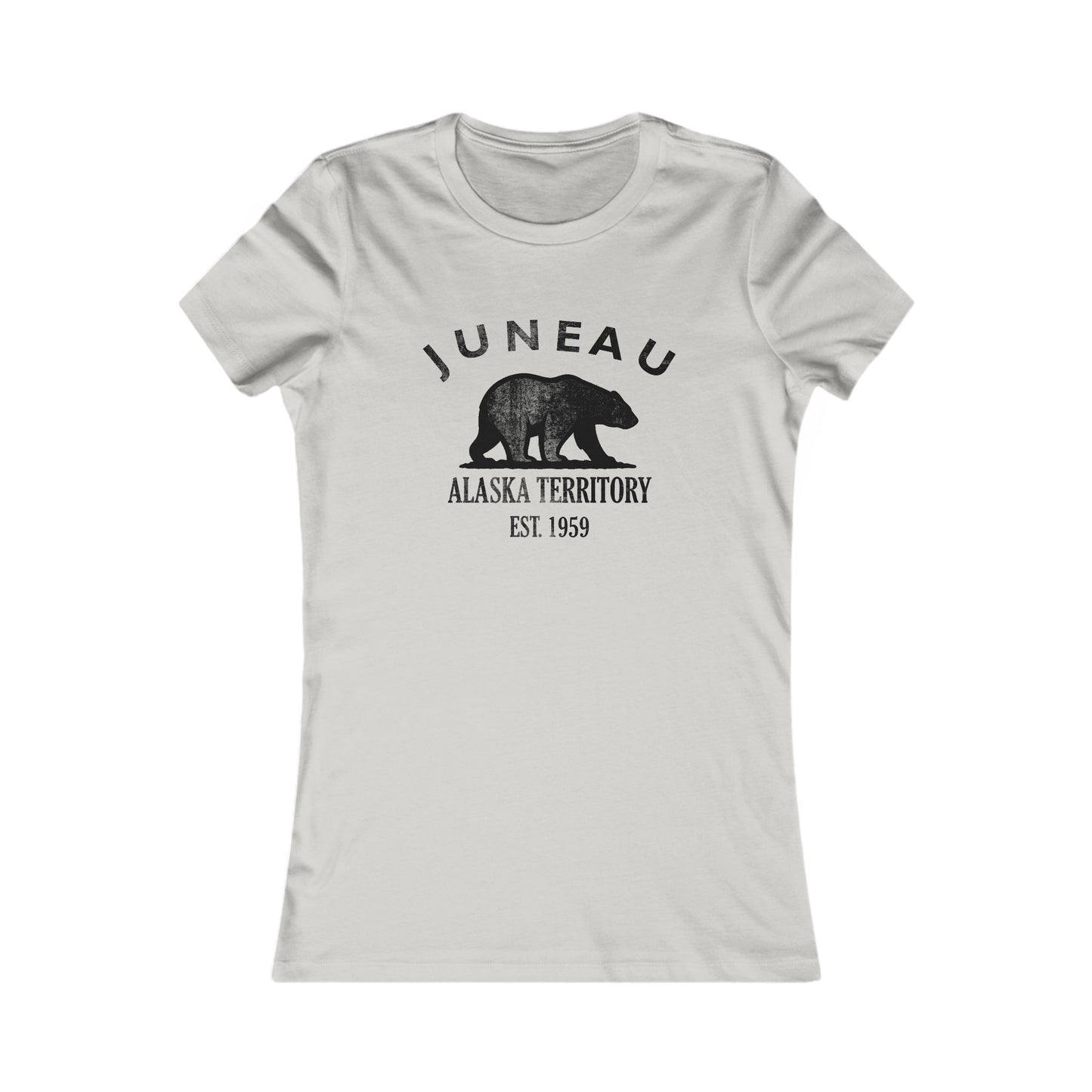
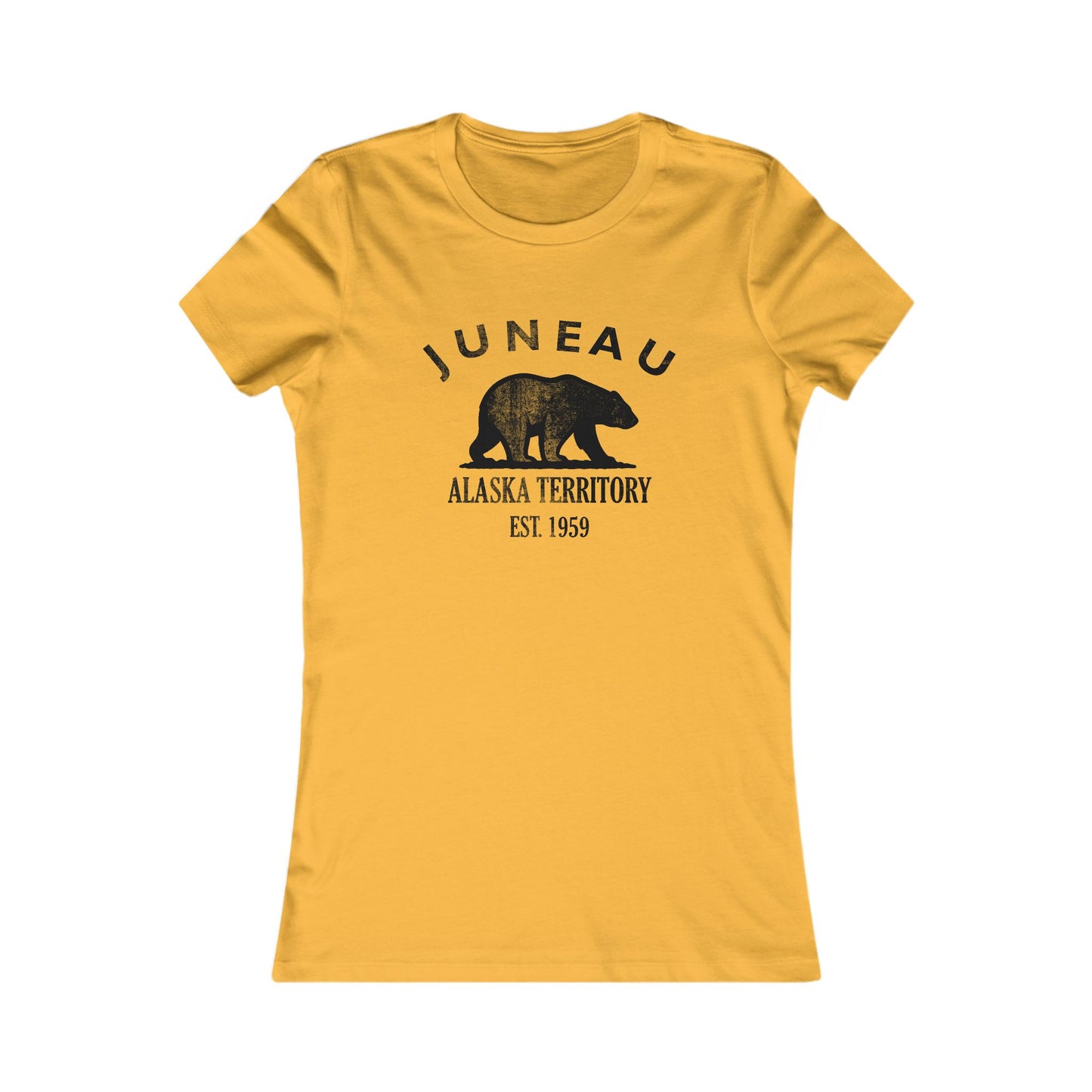
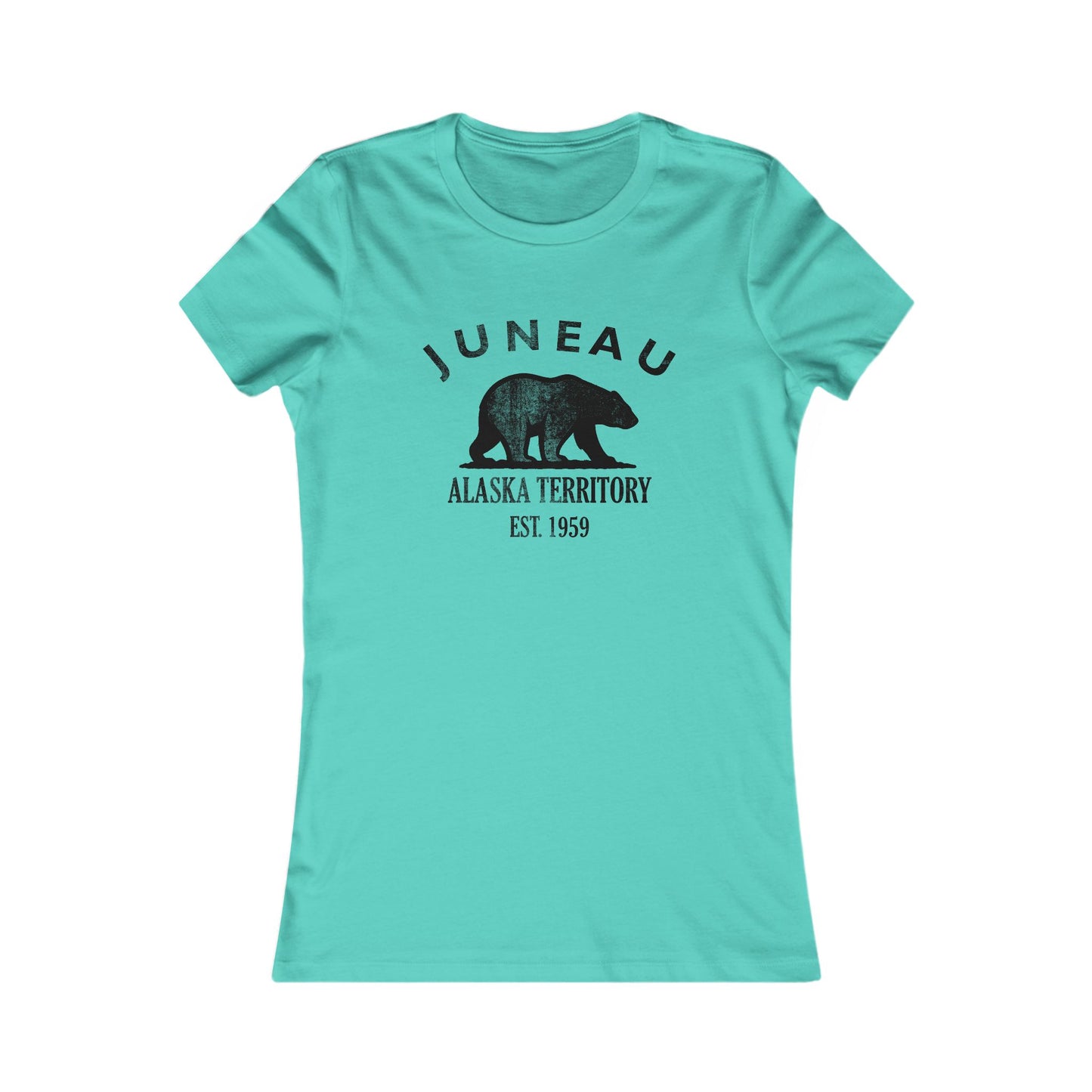
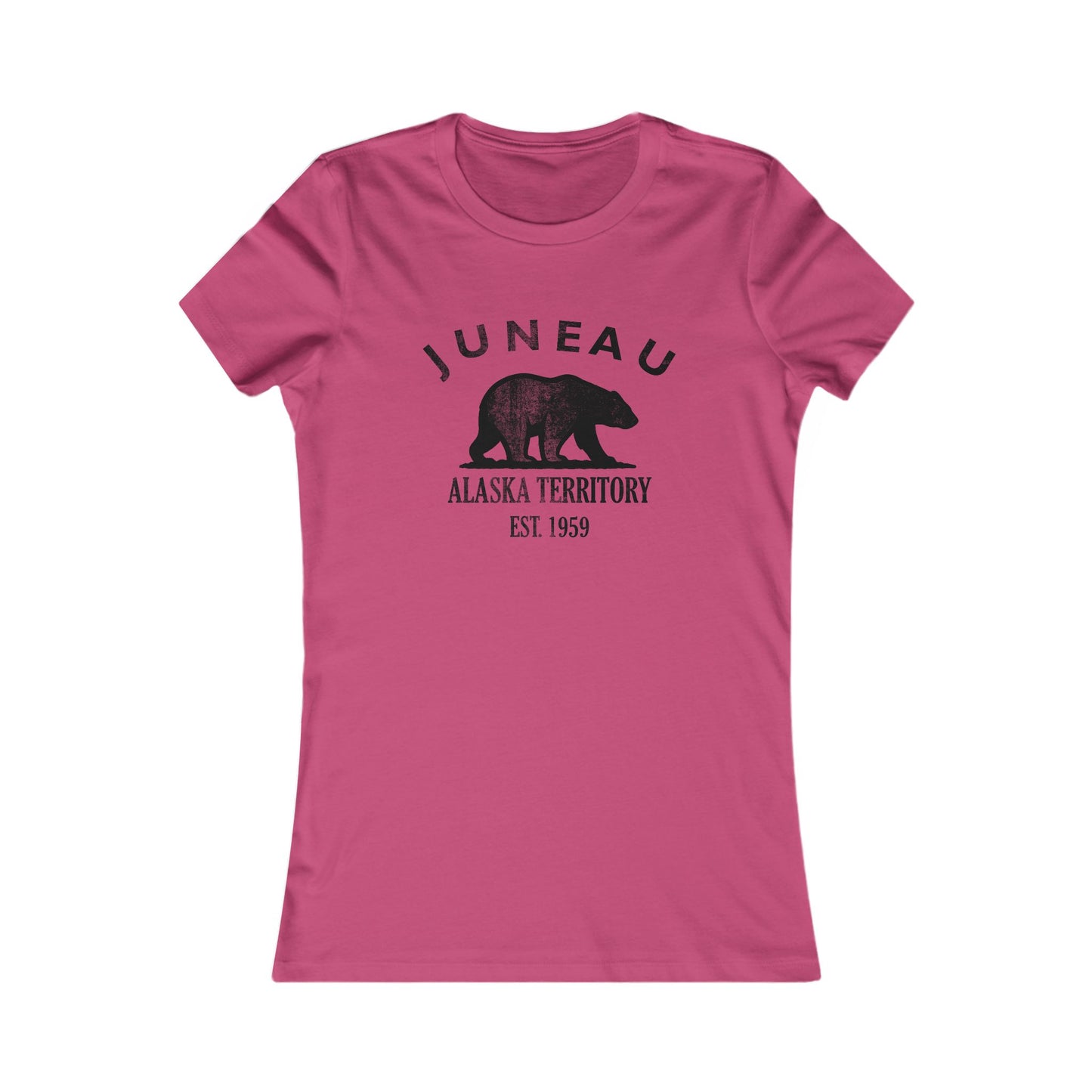
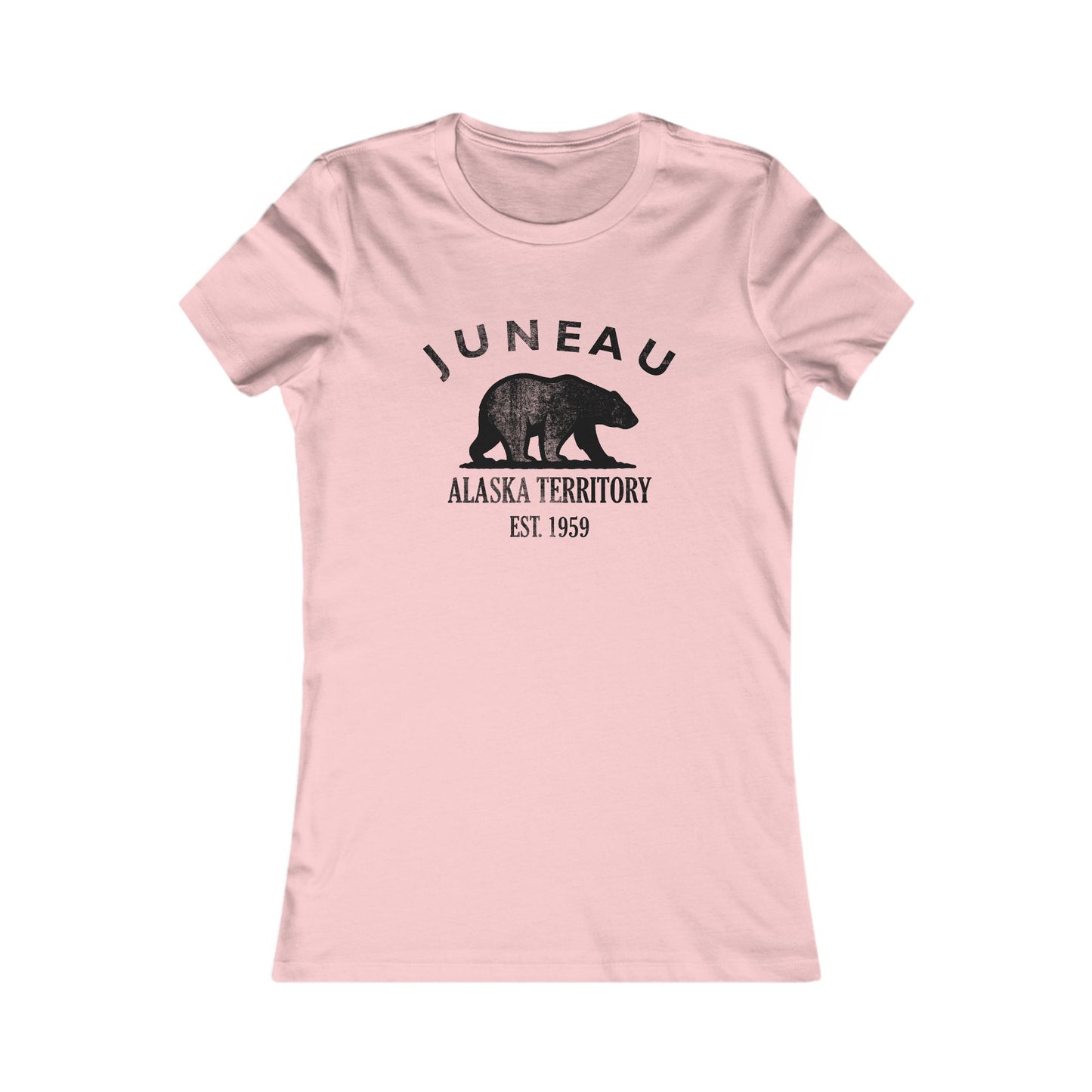
North of town, the ice does the advertising. Mendenhall Glacier flows thirteen miles down from the 1,500-square-mile Juneau Icefield to a lake dotted with bergs, with Nugget Falls thundering beside it — close enough to walk to from a visitor center that was, in 1962, the first the U.S. Forest Service ever built. The glacier is retreating, and the blue ice caves that form and collapse along its edge have become their own pilgrimage. South of town, Tracy Arm's fjord walls and tidewater glaciers make the day-boat run; overhead, flightseeing planes trace the icefield itself.
Today Juneau is the capital you have to earn — no highway delivers you; you fly the panhandle or sail the channel, and arrive in a town where the legislature and the glacier share a zip code. Its story runs from Dzántik'i Héeni through Kowee's tip, the Treadwell thunder, and the 1906 move to the roadless capital of the forty-ninth state. Wear a little of the capital that keeps its own company.
Why People Visit Juneau Alaska
Juneau is the capital of Alaska as a civic destination and a wilderness port in one — the only U.S. state capital with no road access, the 1931 Capitol, a walk-to glacier, whales in the channel, and gold-rush ruins on the mountainside. People come by ship and plane for the ice and the whales, and find a small stubborn capital that likes being hard to reach.
