The food culture is its own argument. Kolache bakeries — a Czech-Texan tradition brought by Central European settlers in the 1800s — anchor strip-mall breakfasts across the metro. Vietnamese-Cajun crawfish, born on the southwest side in the 1980s when Vietnamese immigrants combined Gulf Coast seafood traditions with Cajun spices, became a Houston original. Tex-mex, breakfast tacos, queso: the Gulf Coast table is its own cuisine. The city’s international diversity — the most diverse large city in America by several measures — drives a food scene that can hold Viet-Cajun crawfish and Texas BBQ brisket and klobasnek pastries in the same zip code without anyone finding it unusual.
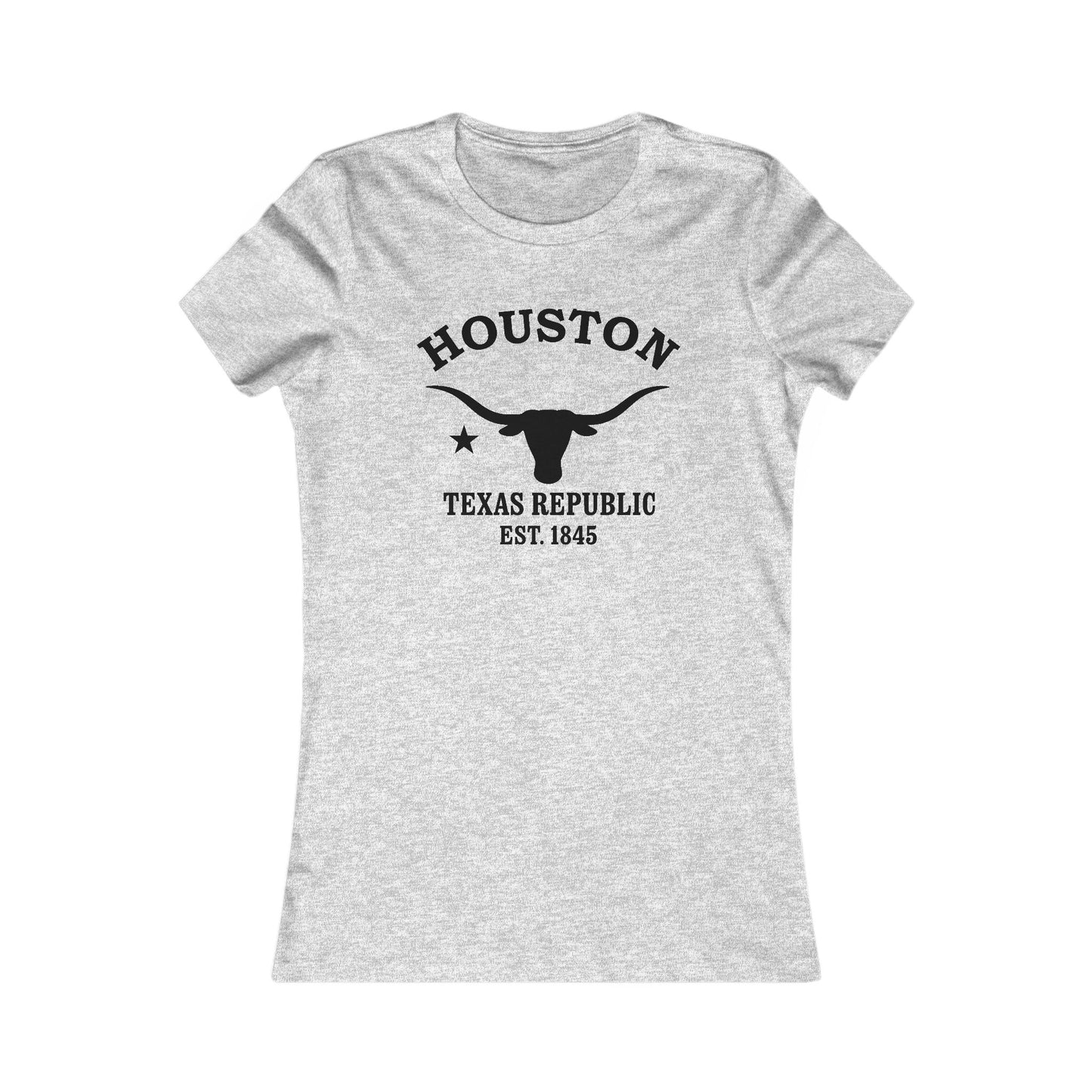
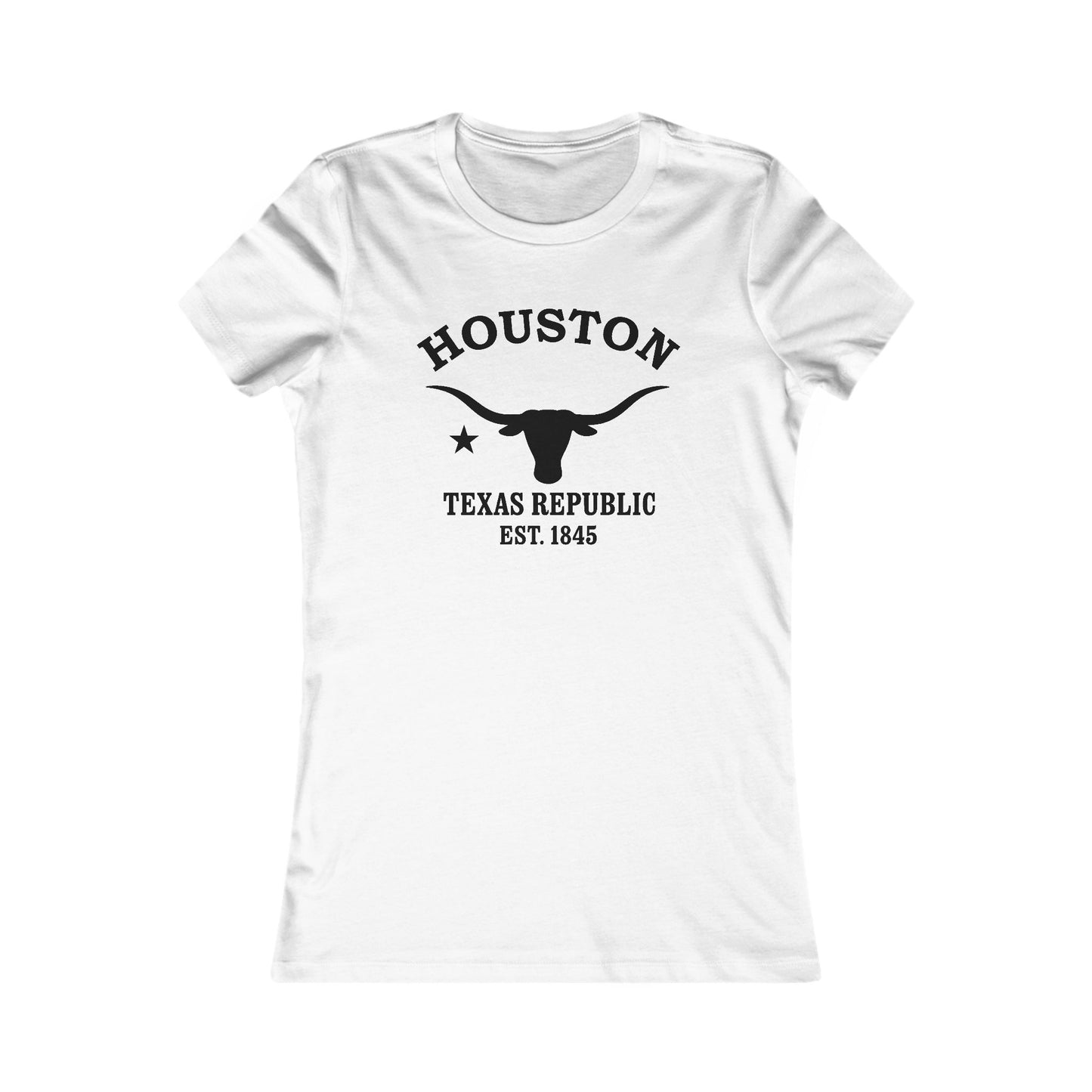
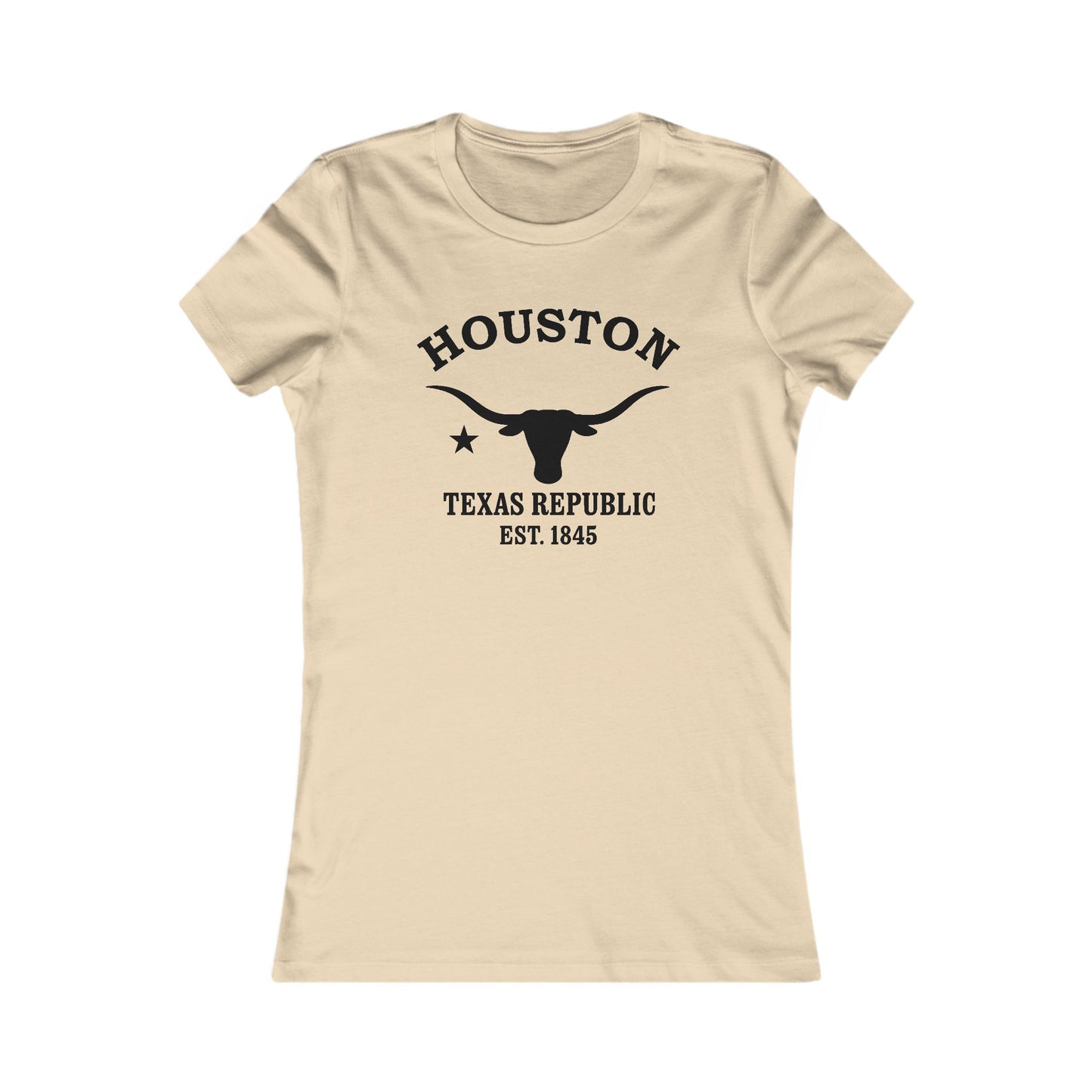
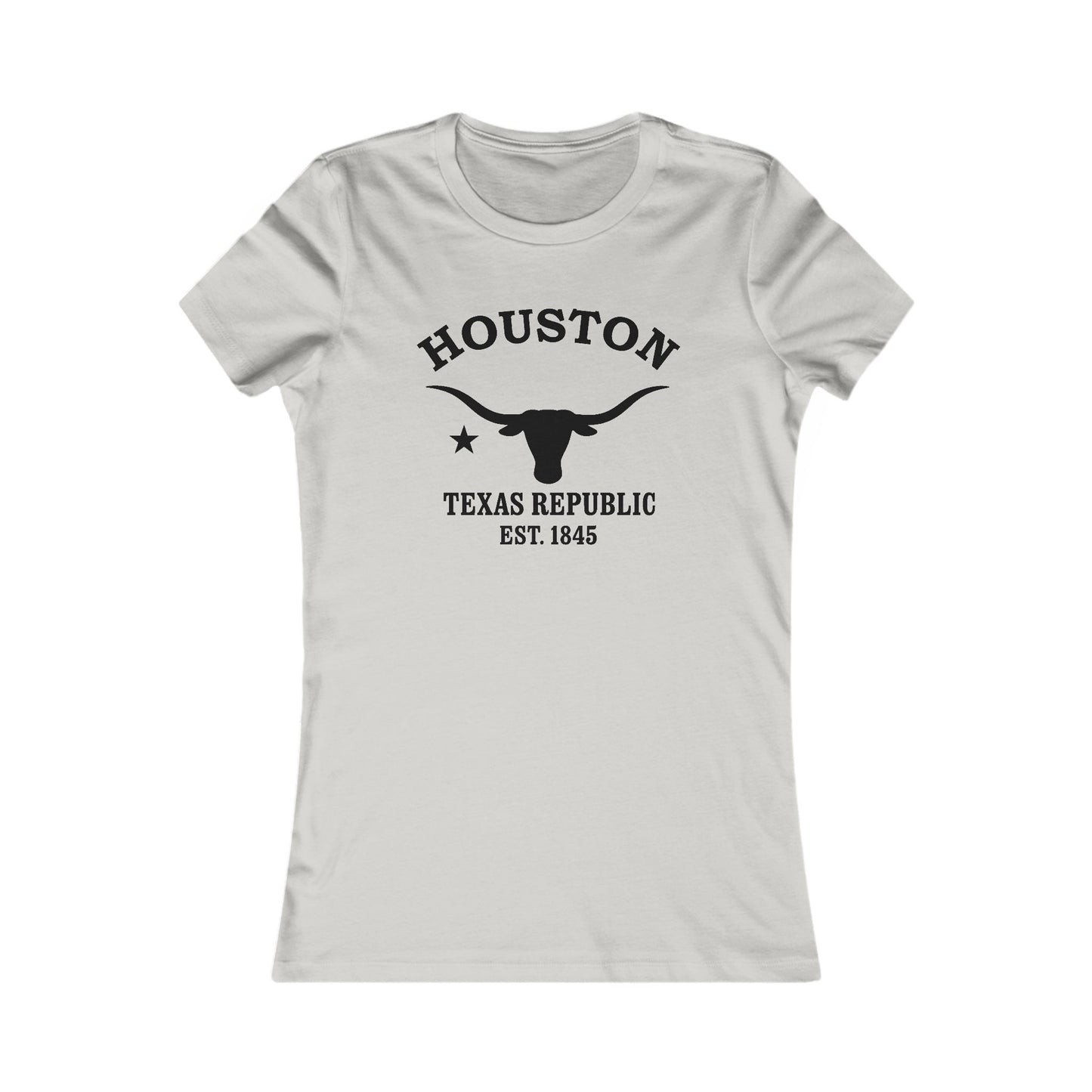
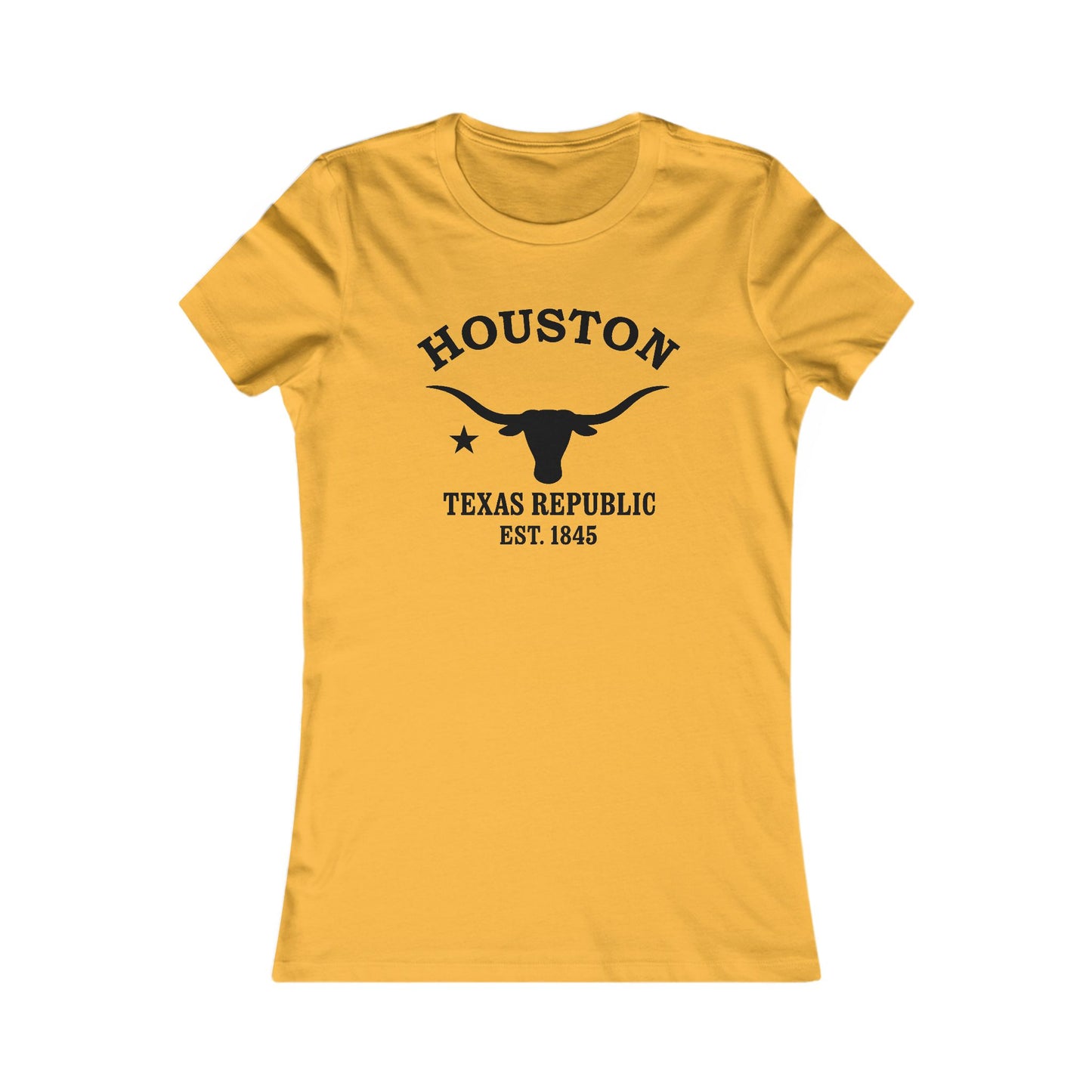
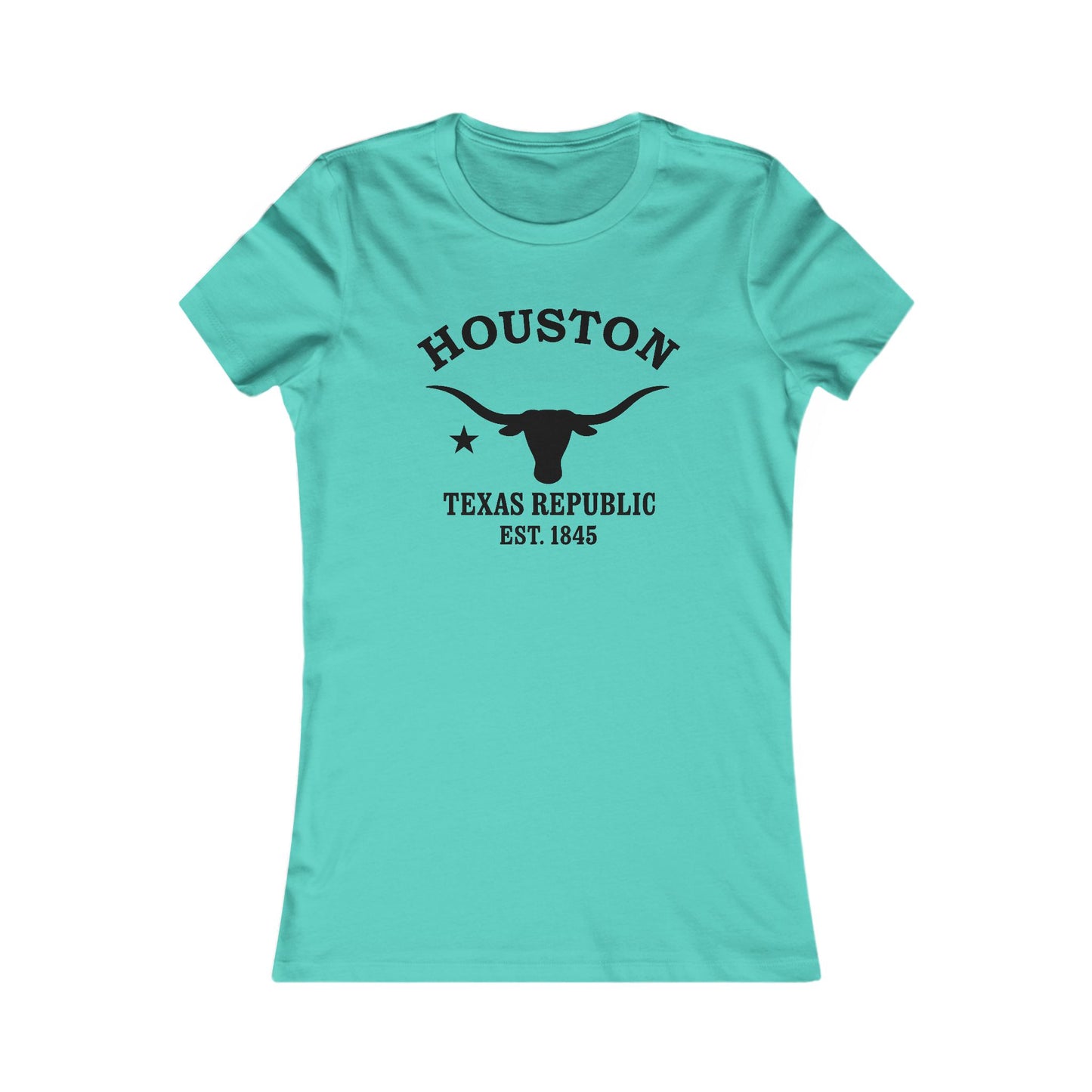
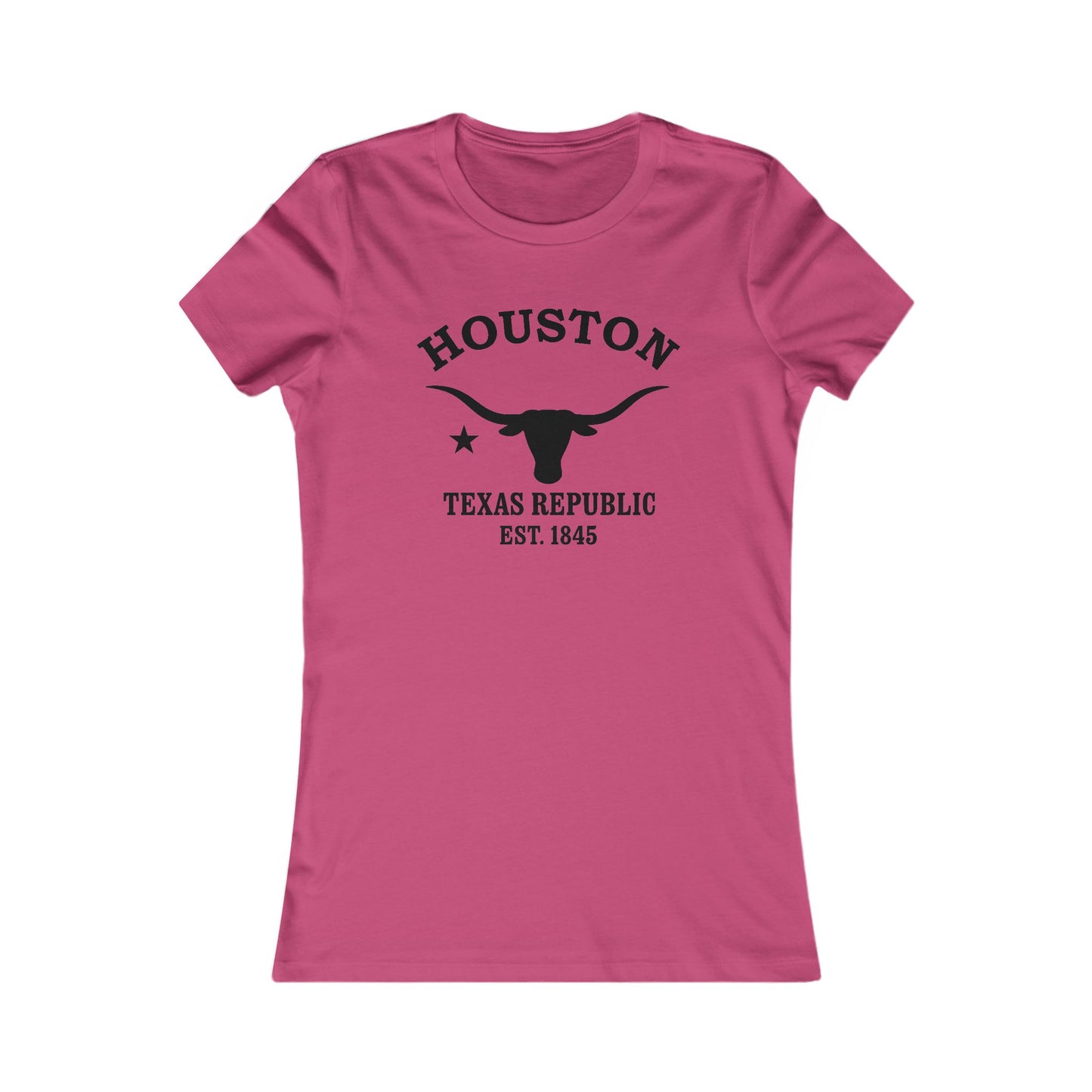
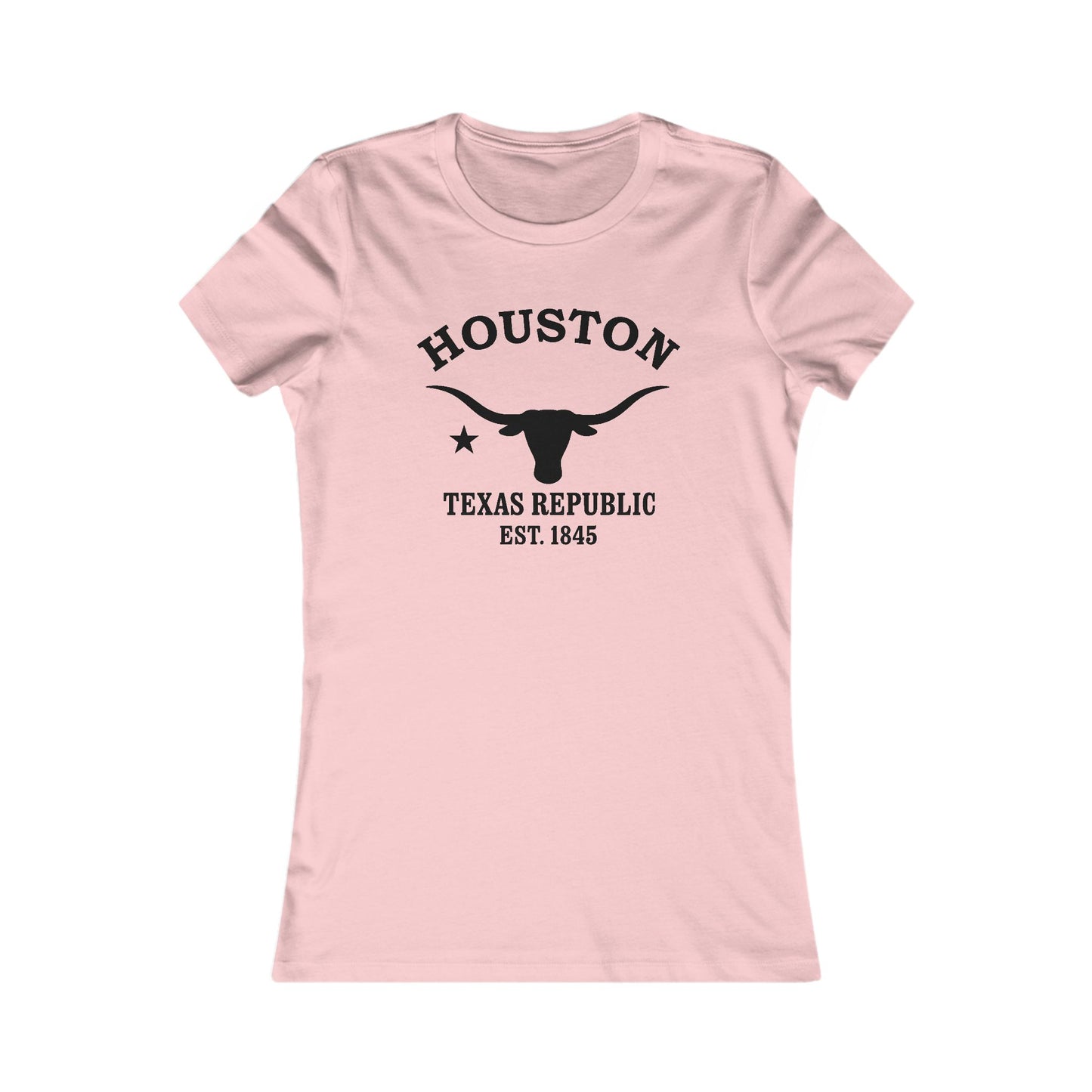
Our Houston retro logo uses the Texas longhorn motif over “Texas – Est. 1849,” emphasizing frontier grit and the cattle-and-cotton commerce that built the state. Black-and-white styling mirrors stockyard brands and railroad signage — rugged, timeless, retro in style — bridging Houston’s layered heritage: bayou trading post, Republic capital, oil port, Space City. On merchandise it reads authentic and vintage — an emblem of Texas Gulf Coast pride.
Why People Visit Houston Texas
Houston offers space heritage, Texas Revolution history, world-class museums, bayou parks, and one of the most diverse food scenes in the country. Visitors come for Mission Control and the San Jacinto battleground, the museum district and the bayou trails, the rodeo in March, and the simple scale of a city that runs from downtown skyline to ship channel to Gulf Coast. It is sprawling, layered, and unlike anywhere else in America.
