More From Haleakalā Hawaiʻi
-
Haleakala Hawaii Vintage Retro Unisex Heavy Cotton Tee - Black Logo
Regular price $28.00 USDRegular price -
Haleakala Hawaii Vintage Retro Cotton Canvas Tote Bag - White Logo
Regular price $28.00 USDRegular price -
Haleakala Hawaii Vintage Retro Thank You Card Set - Black Logo
Regular price From $25.00 USDRegular price -
Haleakala Hawaii Vintage Retro Cotton Jersey Baby Bodysuit - Black Logo
Regular price $26.00 USDRegular price
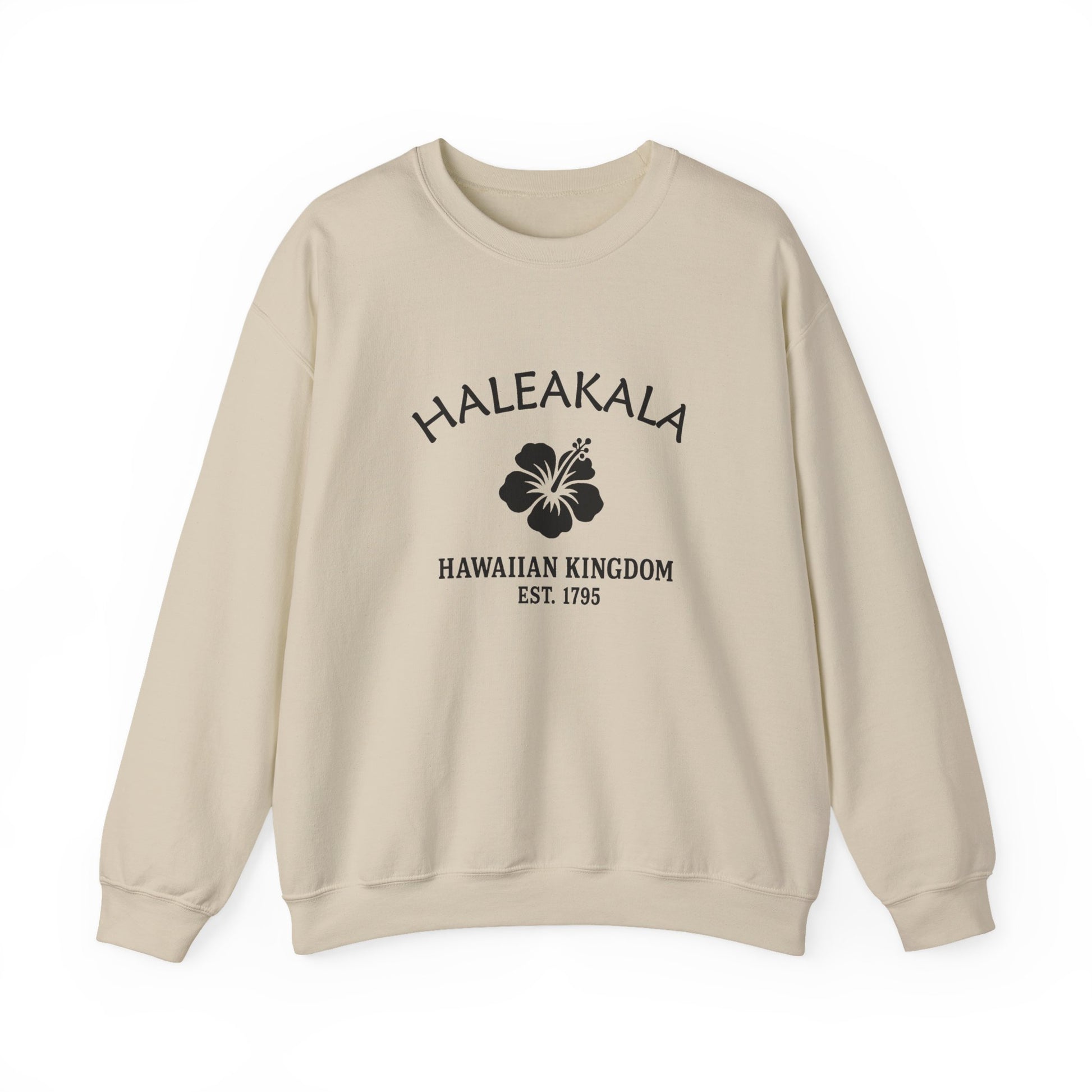
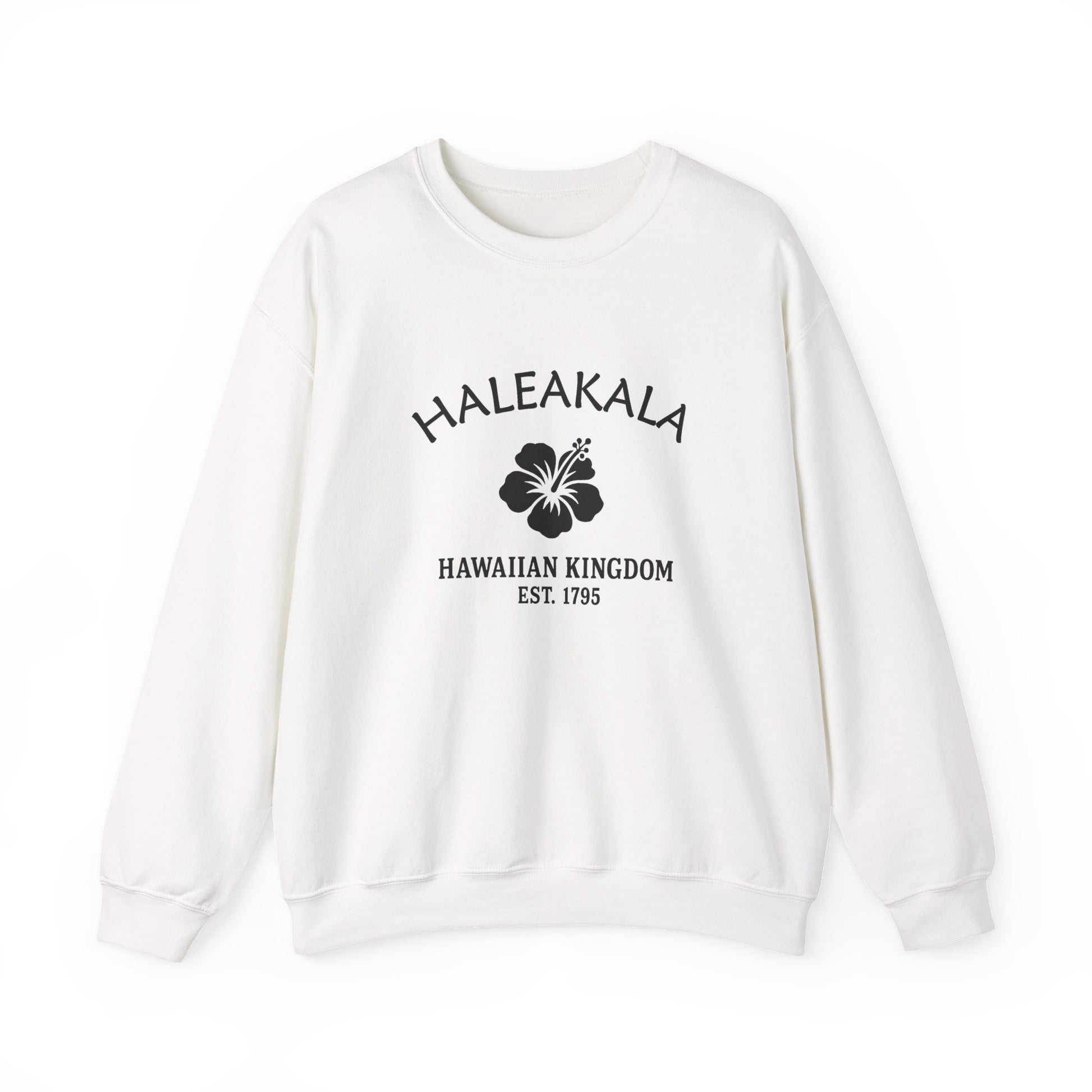
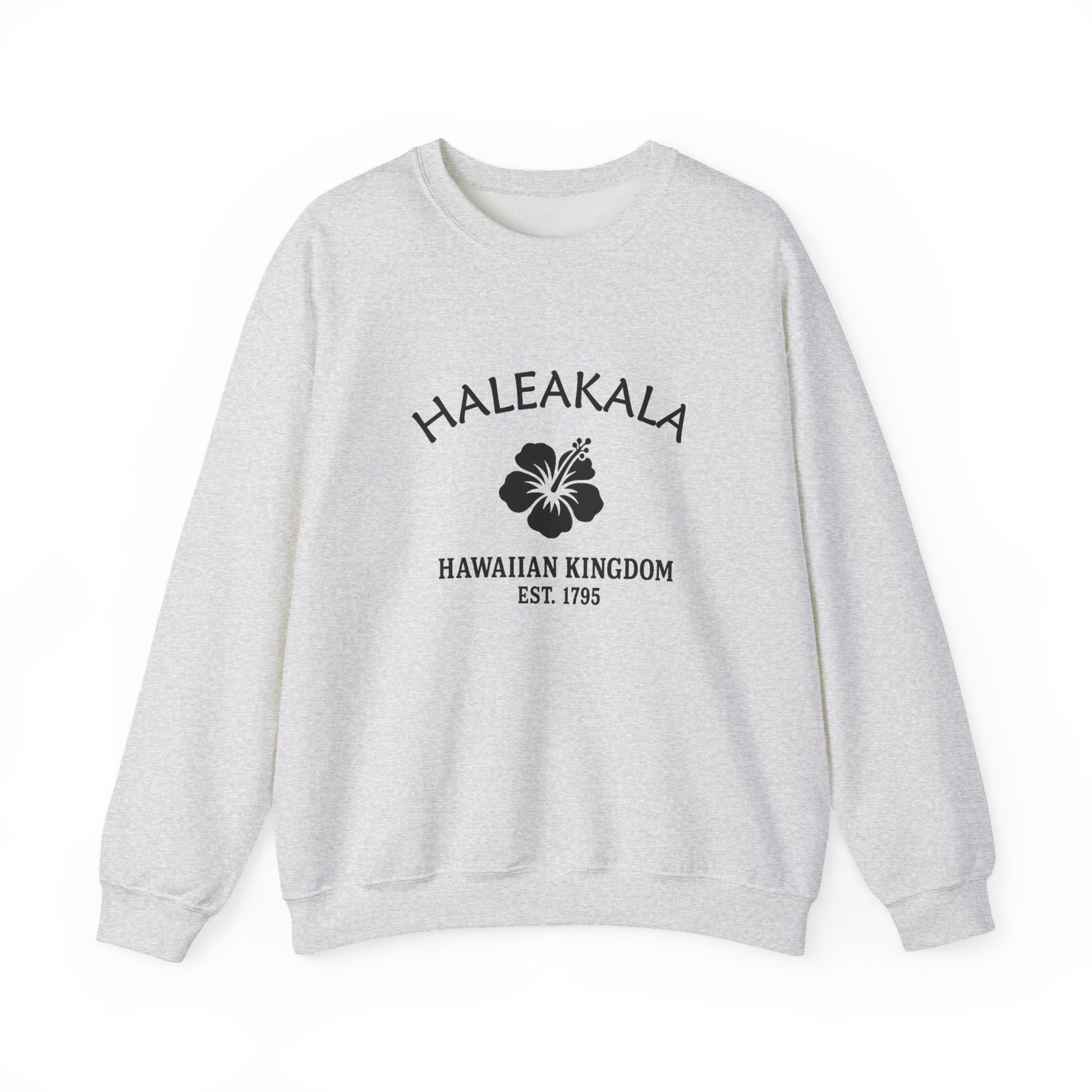
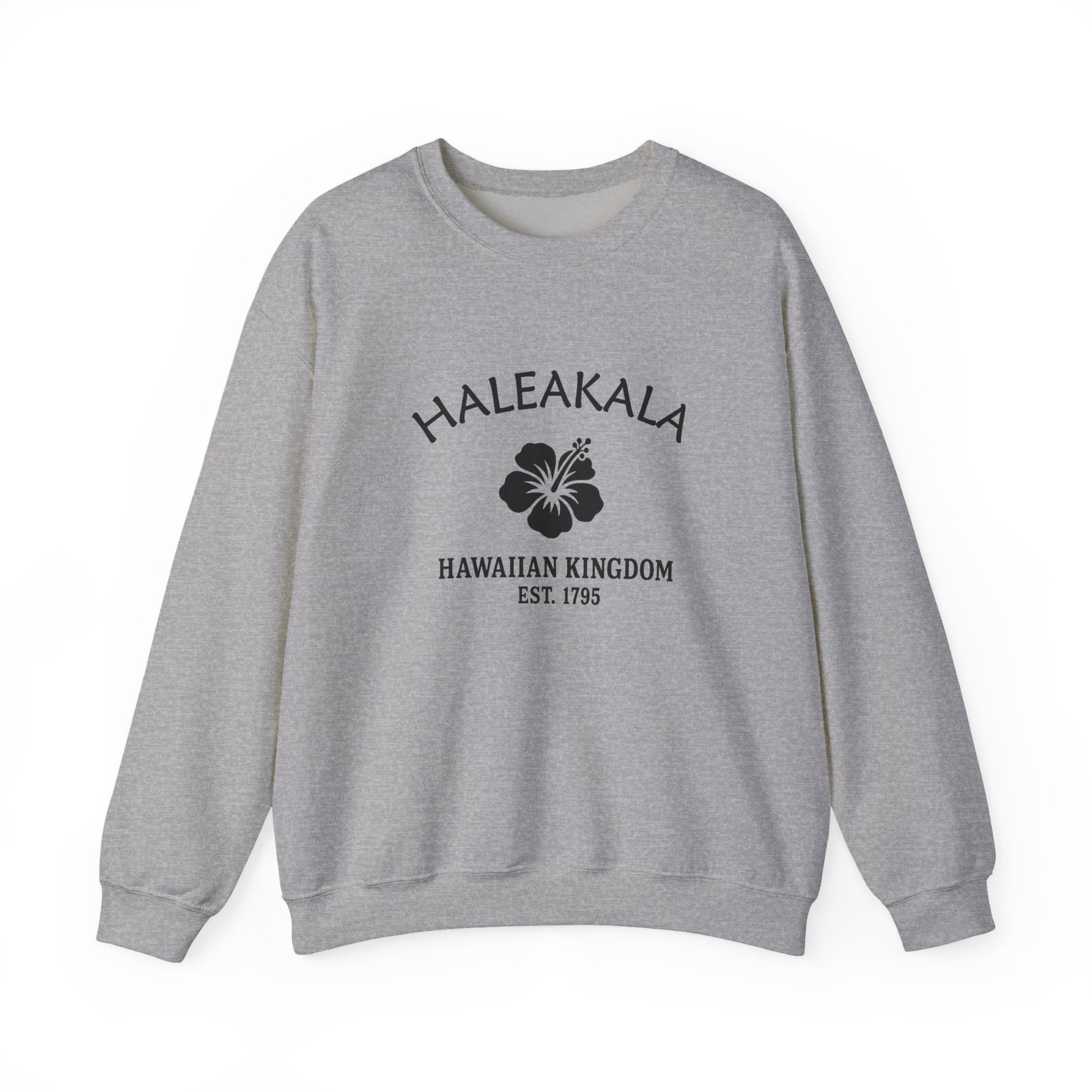
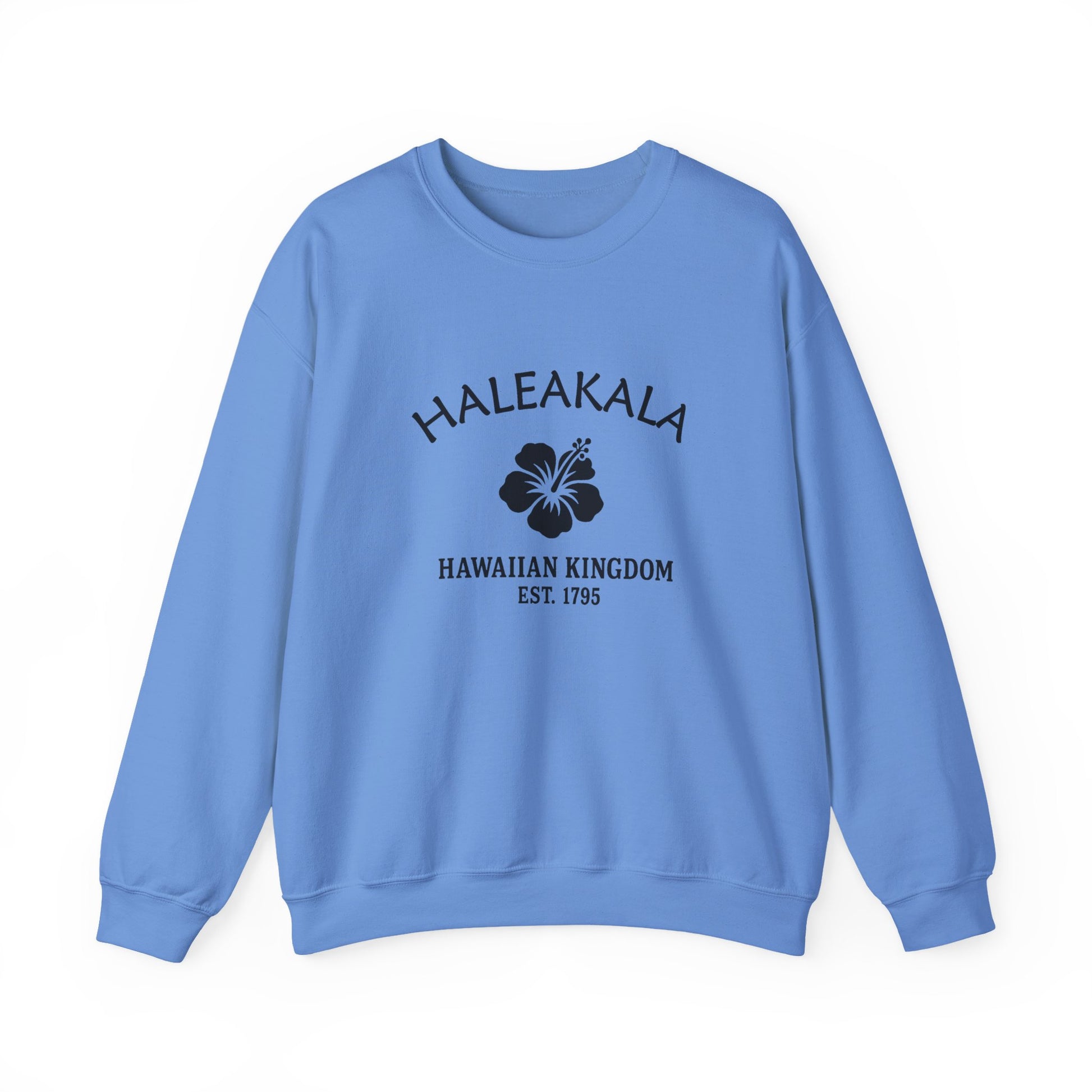
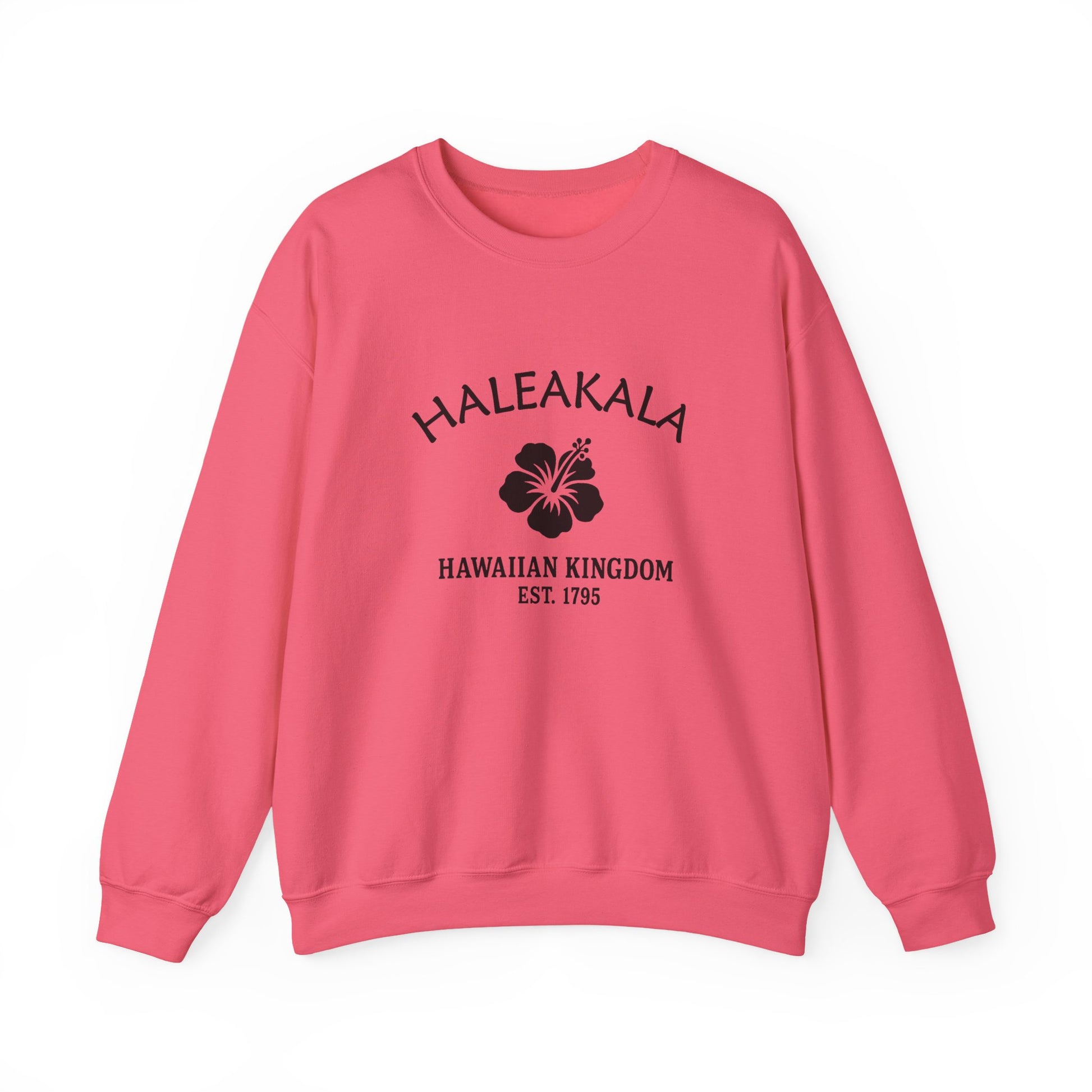
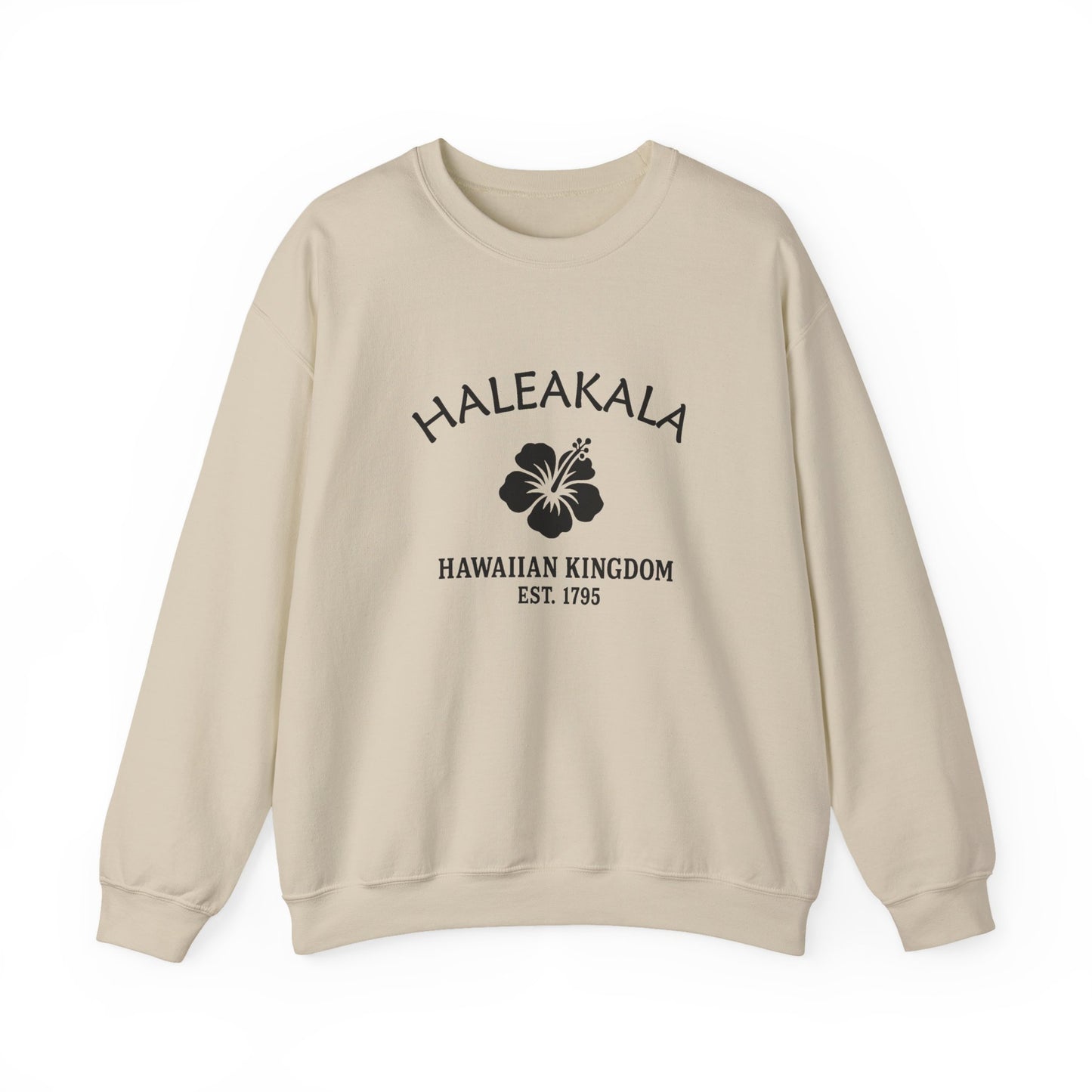
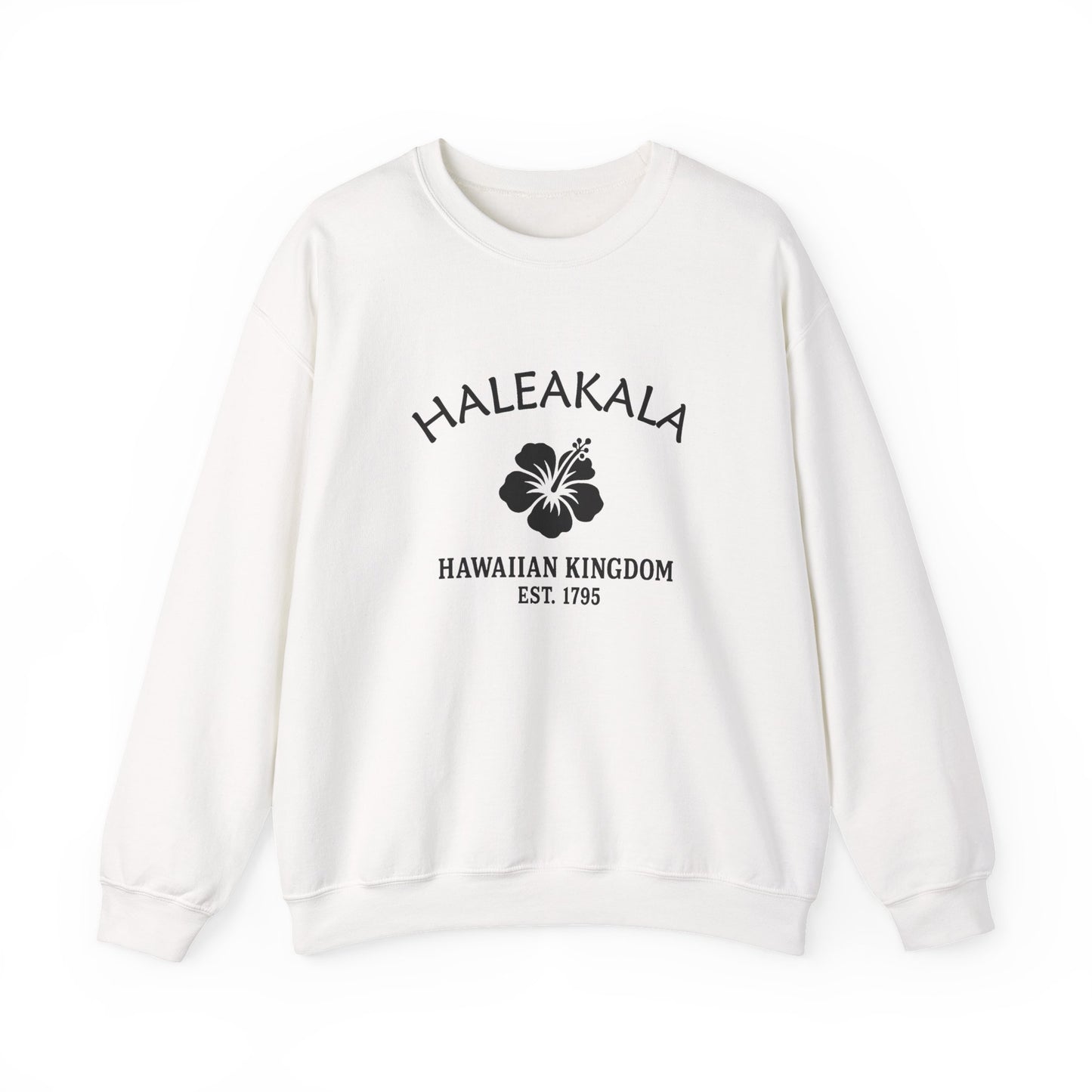
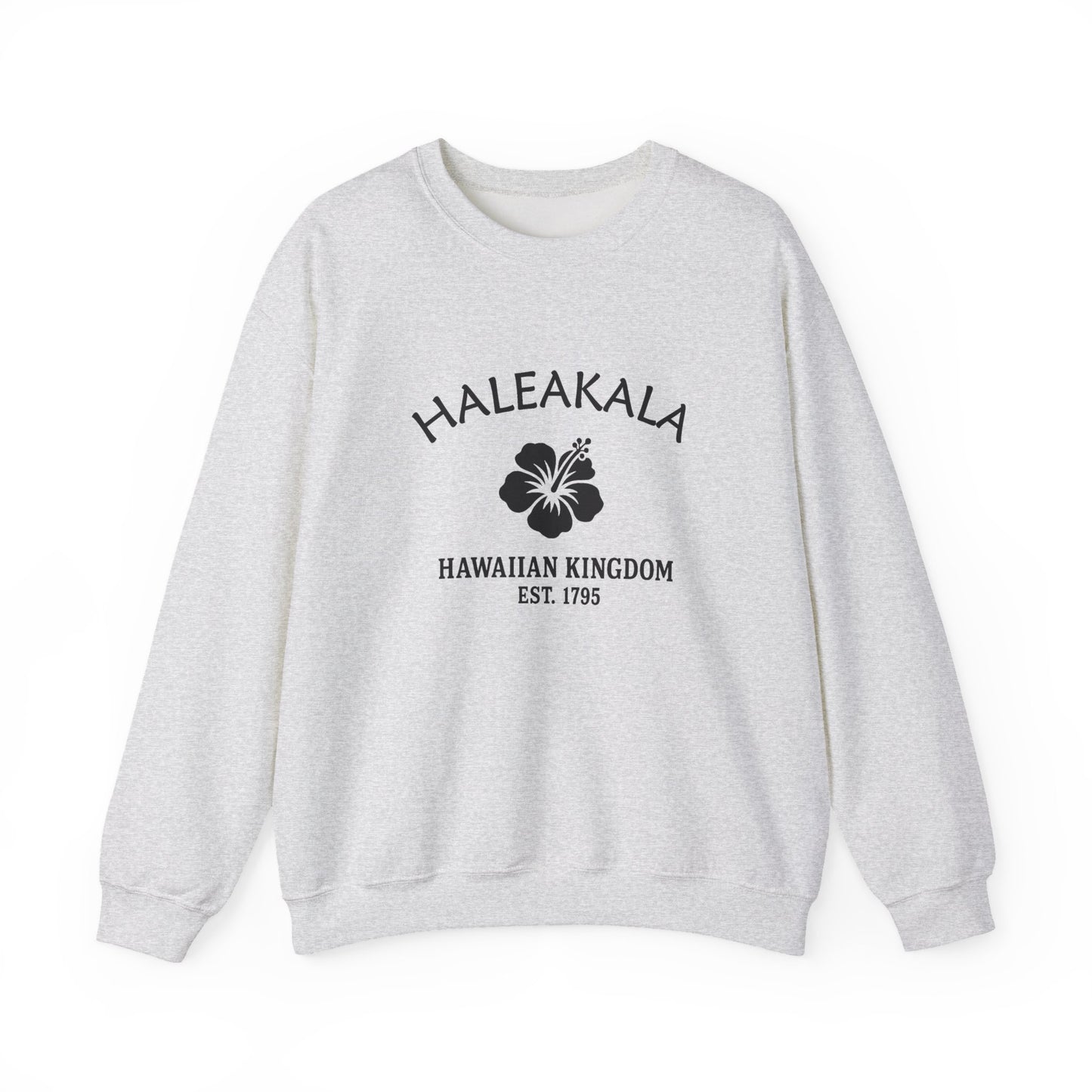
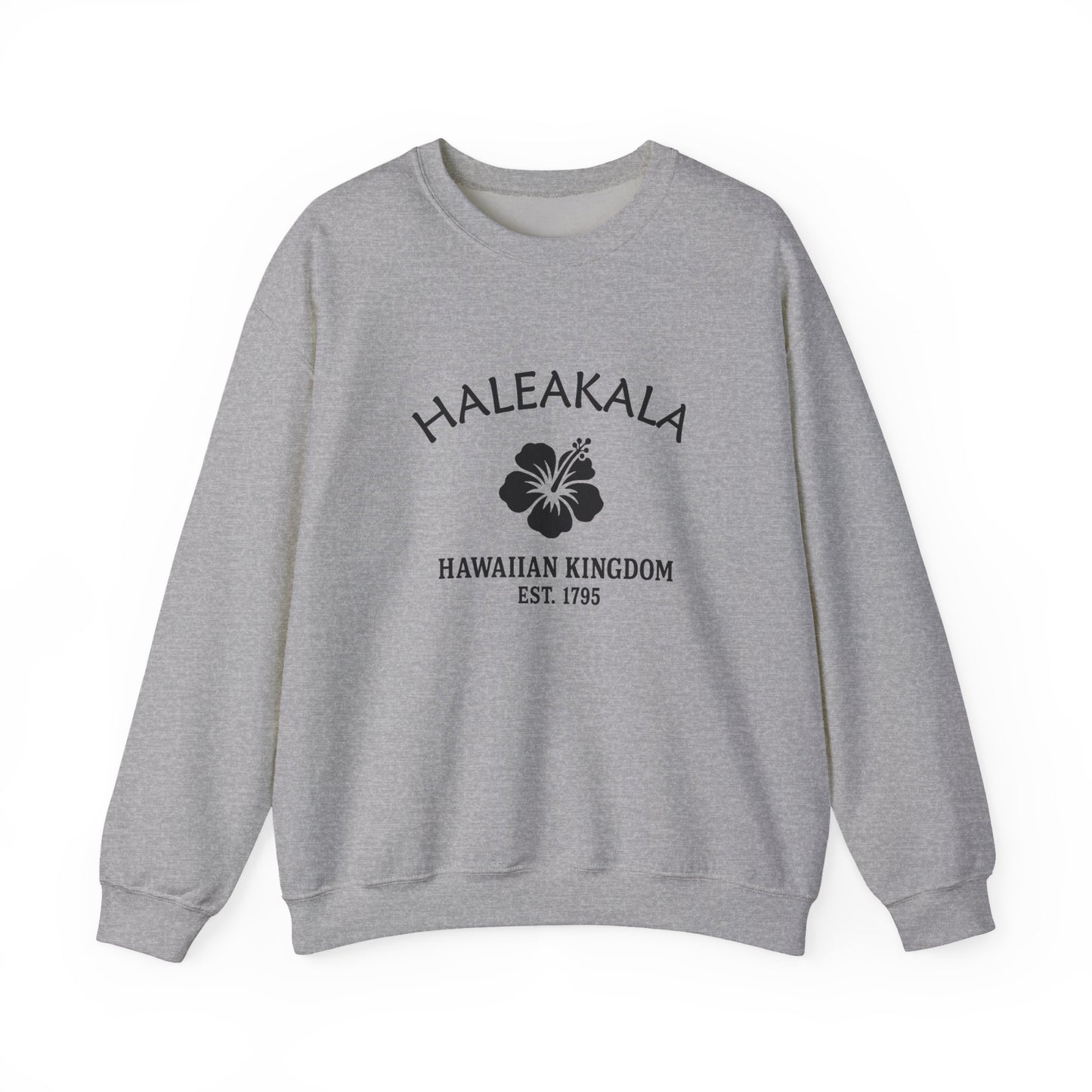
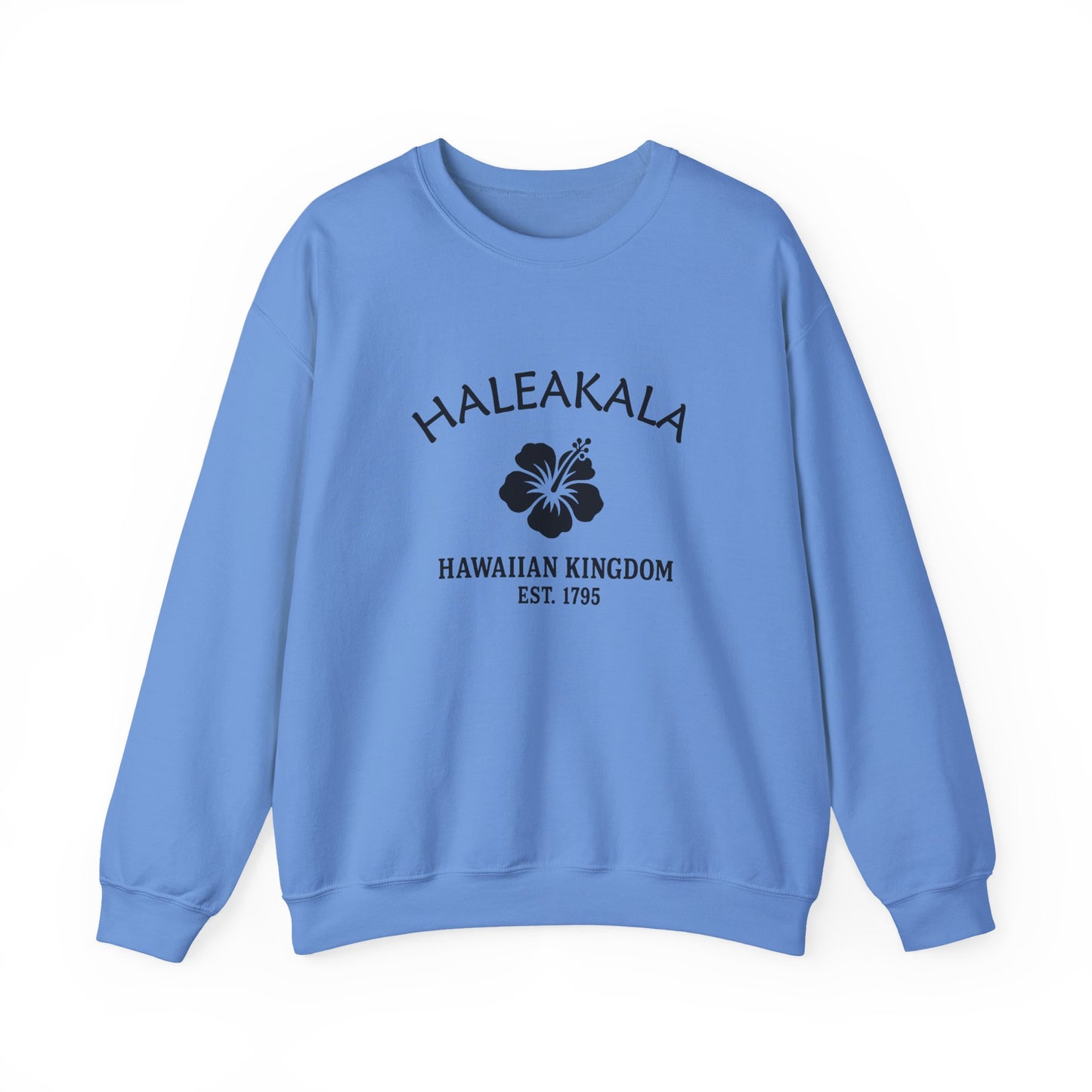
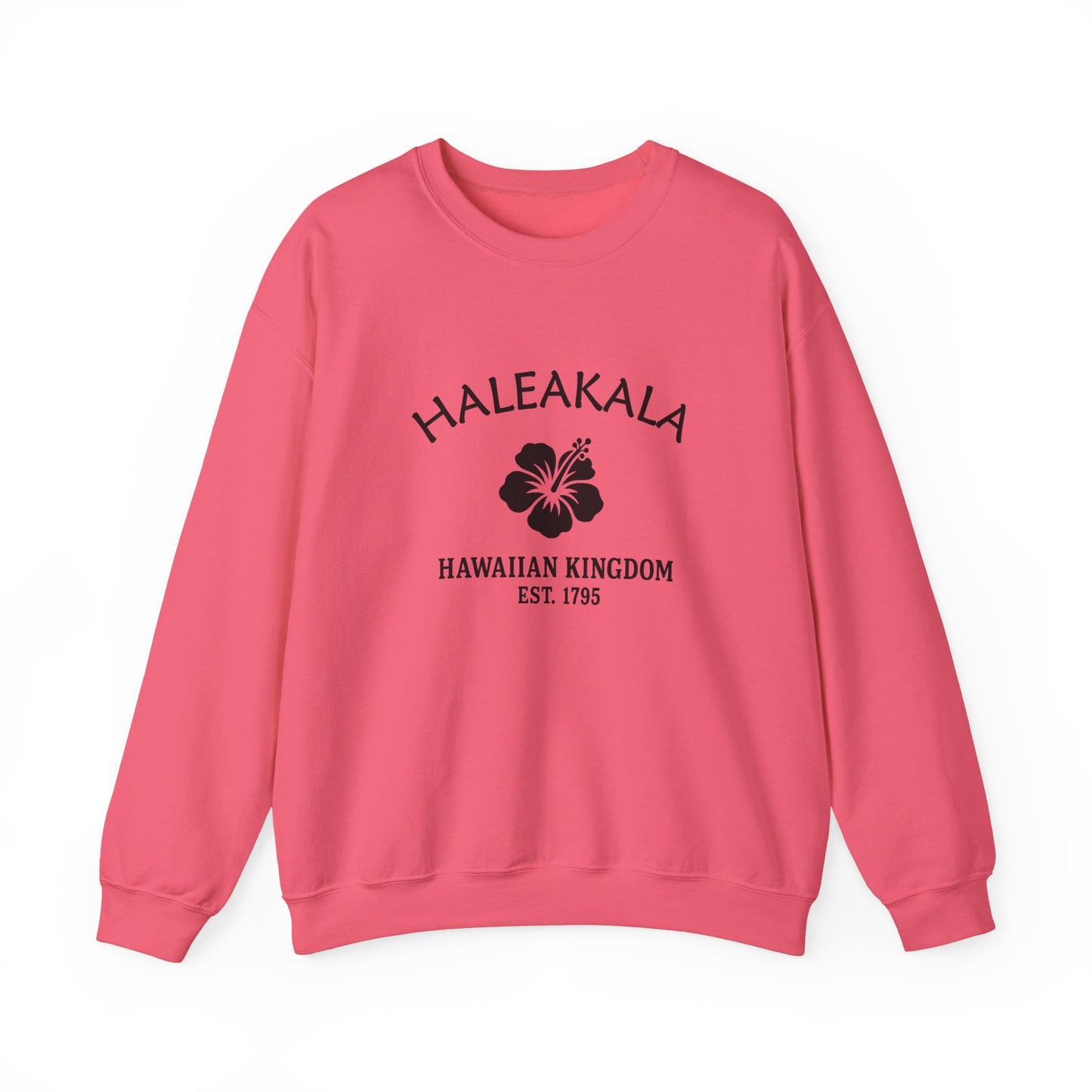
Our Haleakalā retro logo uses the Hawaiian hibiscus motif, the brand-wide flower of every Merlin Classics Hawaiʻi town, paired with the inscription "Hawaiian Kingdom — Est. 1795," referencing the unification of the islands under Kamehameha I at the Battle of Nuʻuanu. The black-and-white styling is retro, resembling vintage travel decals or crate labels. The motif honors Haleakalā's place inside the broader Hawaiʻi heritage frame, and pairs the kingdom-era anchor with the mountain that has been here since long before any flag flew over the islands. On merchandise the emblem conveys reverence, pride, and continuity, retro in tone, and connects Haleakalā to the family of Merlin Classics Hawaiʻi pages with one shared design language.
The measures of the place are hard to believe. The road climbs from sea level to the 10,023-foot summit at Puʻu ʻUlaʻula in just 38 miles — one of the steepest such ascents on Earth. At the top, the famous “crater” opens seven miles long, two miles wide, and some 2,600 feet deep — honestly speaking not a volcanic crater at all, but a vast erosional valley where two great watersheds wore through and met. It is cold up there; now and then, it even snows in Hawaiʻi. The first recorded non-Hawaiian ascent came in 1828, and travelers have been making the climb ever since.
Why People Visit Haleakalā
Haleakalā offers a different Hawaiʻi — above the clouds, where the air is thin, the silence carries, and the sun rises over an ocean of mist at six in the morning. Travelers come for the sunrise at Puʻu ʻUlaʻula, the silversword on the upper slopes, the long hike down into the crater on Sliding Sands, the bamboo-forest walk to Waimoku Falls at Kīpahulu, the Pools of ʻOheʻo cascading down to the sea, and the dark-sky stargazing from the summit at night. It is contemplative, otherworldly, and unforgettable — a sacred mountain that has been holding sky over east Hawaiʻi for as long as anyone has counted.
