


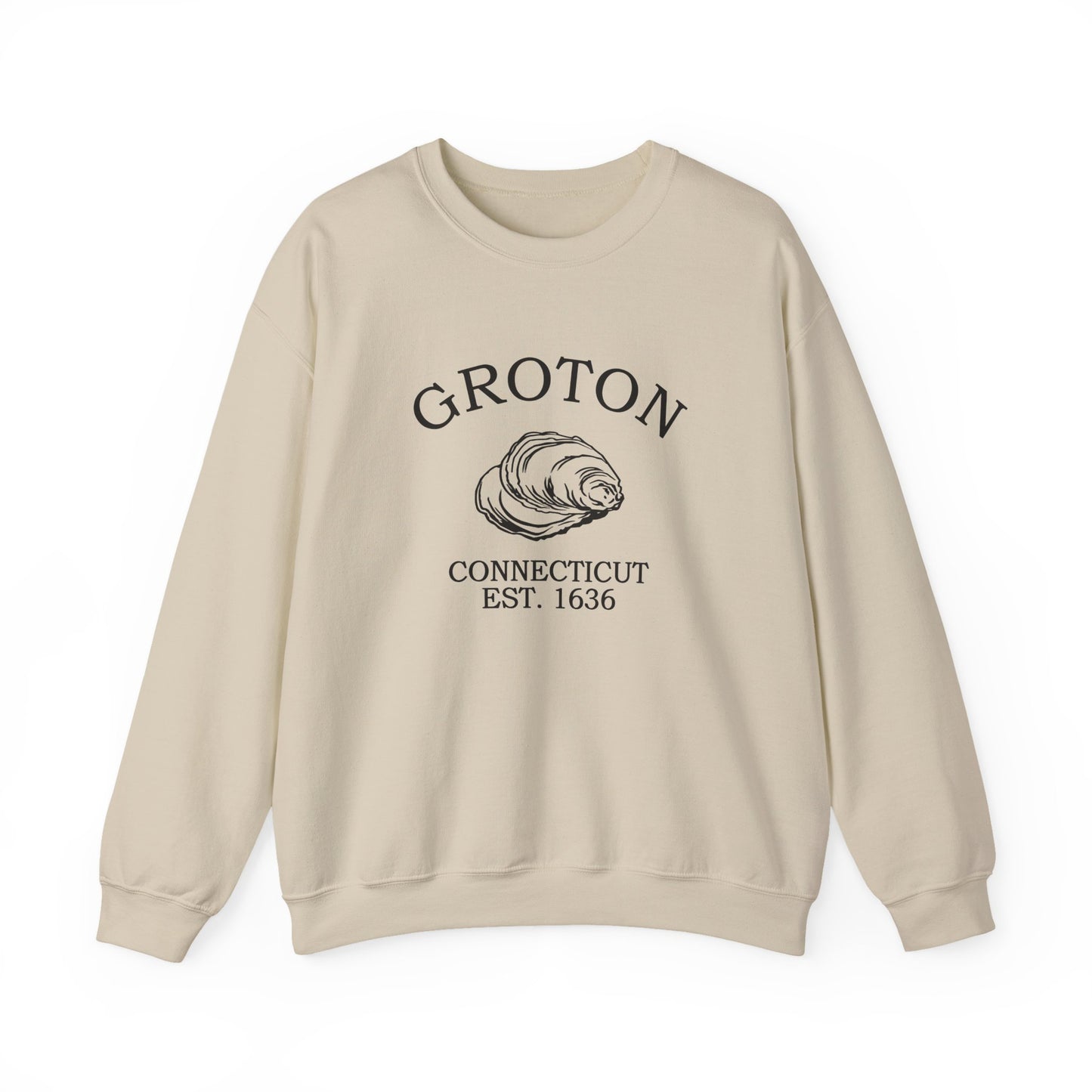
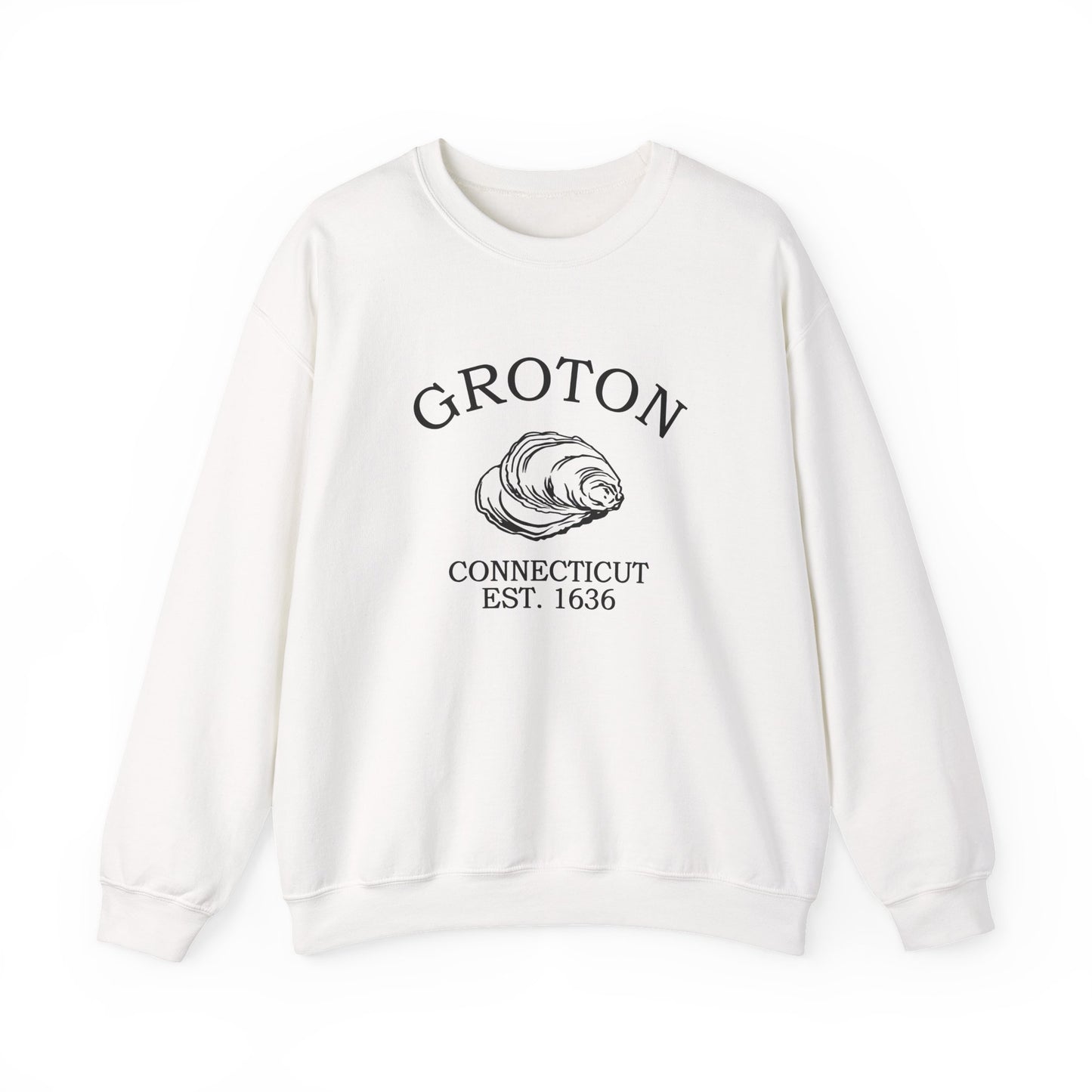

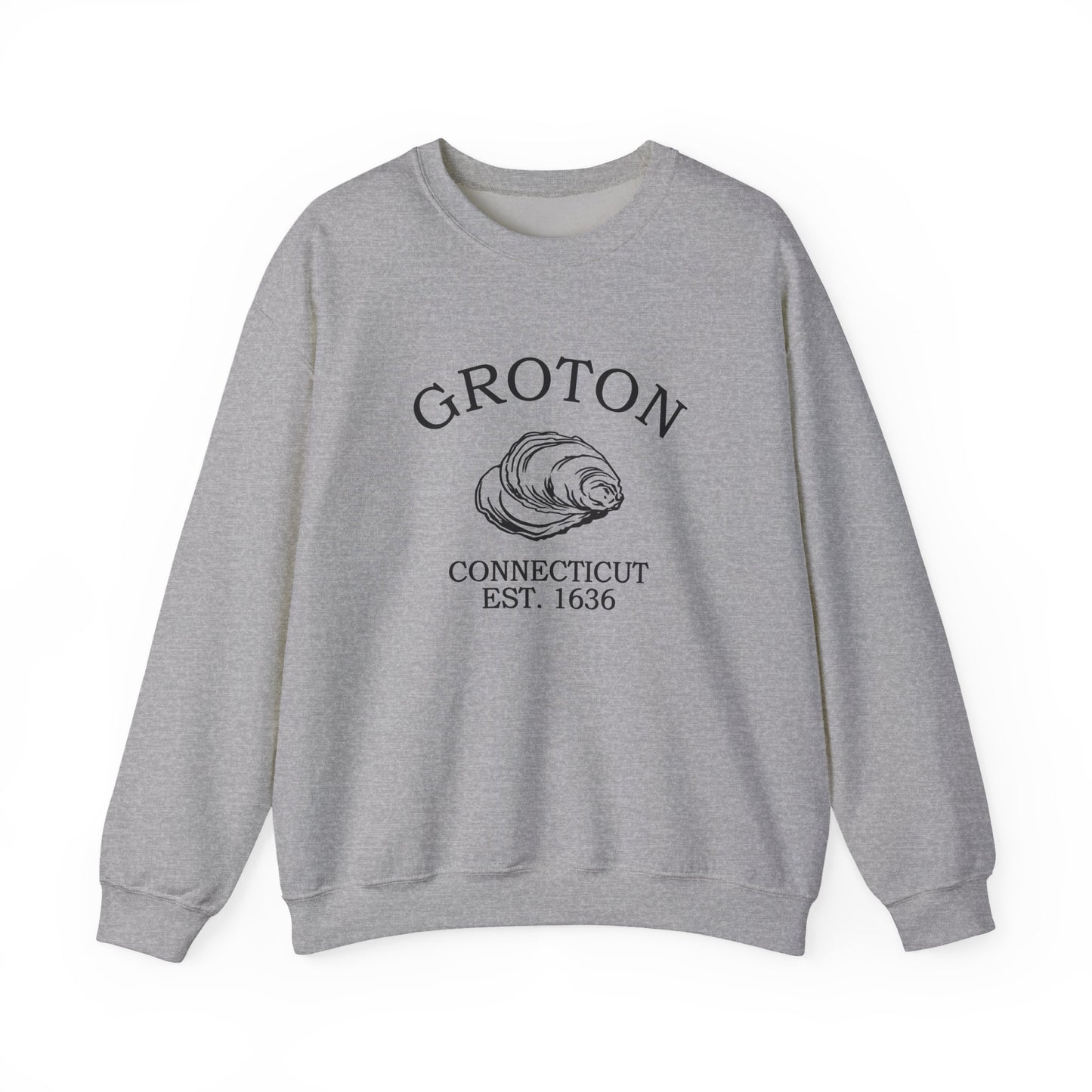
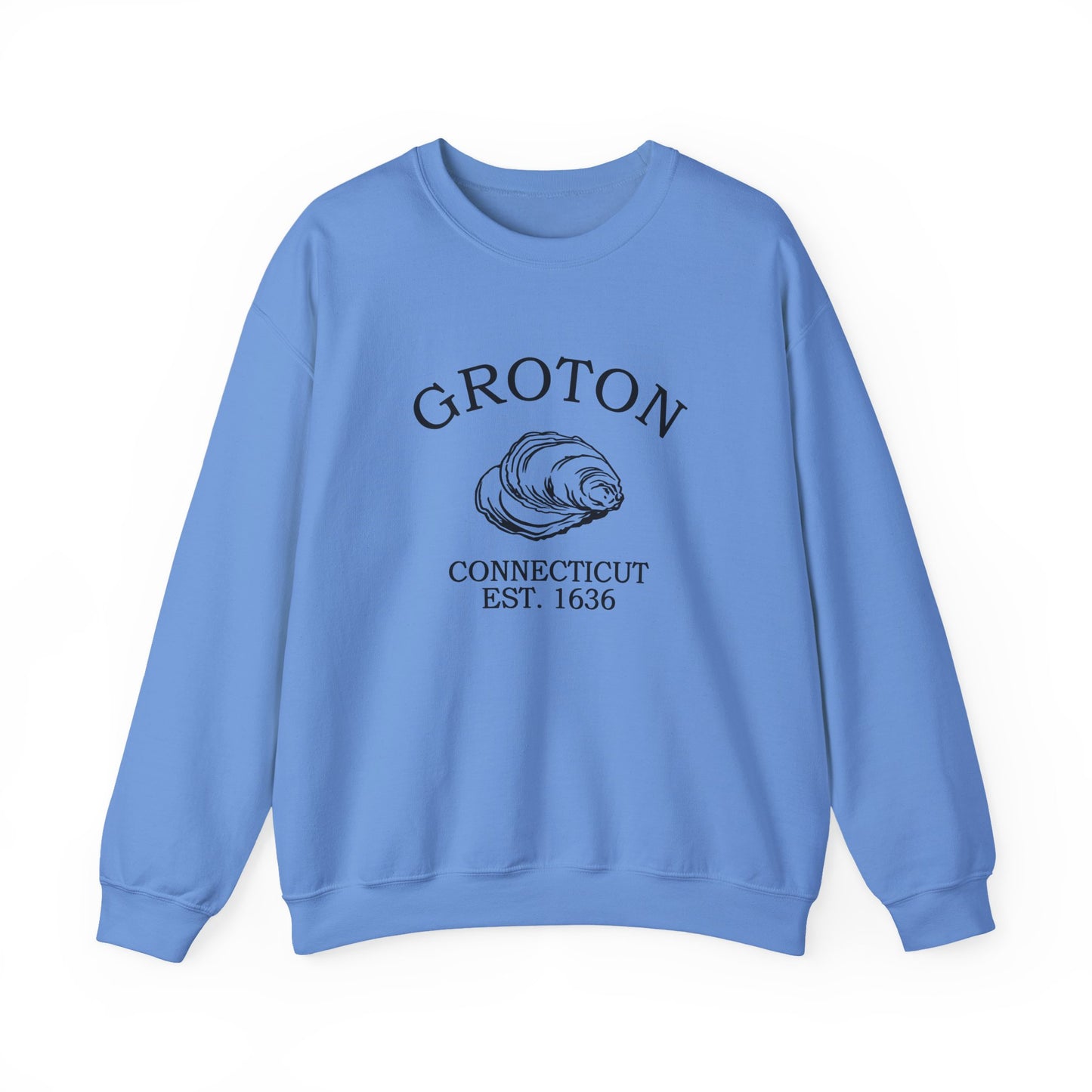
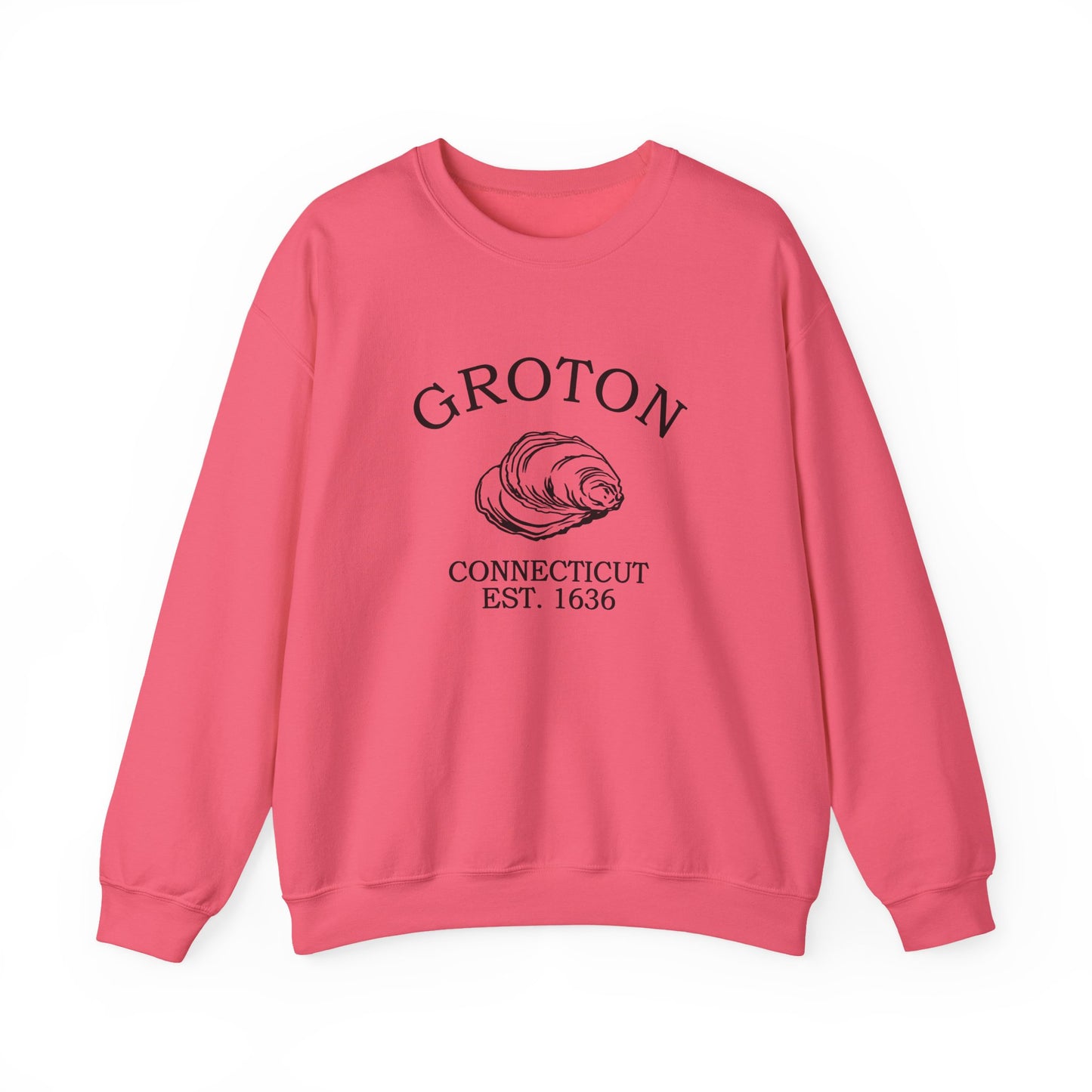
Today Groton is known the world over for its submarines, and at home for its monument, its harbor, and its shoreline parks. Its story blends Pequot beginnings, colonial shipbuilding, Revolutionary sacrifice, and the nuclear age that began on its waterfront. Our Groton designs gather that identity into wearable form — the Submarine Capital, the Thames, the Connecticut coast. Explore the collection and carry a little of Groton's depths with you.
The Submarine Capital of the World — where the first nuclear submarine slid into the Thames in 1954. Groton, Connecticut sits on the east bank of the Thames River, on a deep-water harbor that has been building and berthing ships for three centuries. It is the place where the world's first nuclear-powered submarine, the Nautilus, was launched in 1954 — and where she still floats today, open to anyone who wants to walk her decks at the Submarine Force Museum. Groton has earned the title Submarine Capital of the World for a simple reason: the boats that disappear beneath the world's oceans have been built and based here for generations. But the town's salt runs deeper than steel — back to a 1705 shipbuilding-and-whaling village, and to the hallowed ground of Fort Griswold.
Why People Visit Groton Connecticut
Groton draws people who love the sea and the stories that come with it. It is the Submarine Capital of the World, with the first nuclear submarine open to walk through; it is a Revolutionary battlefield with a monument to its fallen; and it is a working shoreline of deep harbor, forts, beaches, and lighthouse points. Visitors come for the rare combination — naval history you can stand inside, colonial history you can climb, and a Connecticut coast you can walk all in one town on the Thames.
