


For its first half-century Frisco stayed small. It incorporated in 1908 and settled into the rhythm of a North Texas farm town — cotton gins and grain elevators, corn and cattle, a few hundred people through the Depression and into the postwar years. As late as 1960 the whole town was barely a thousand people. The railroad had named it and fed it, but the markets and the growth were always down the line in Dallas.
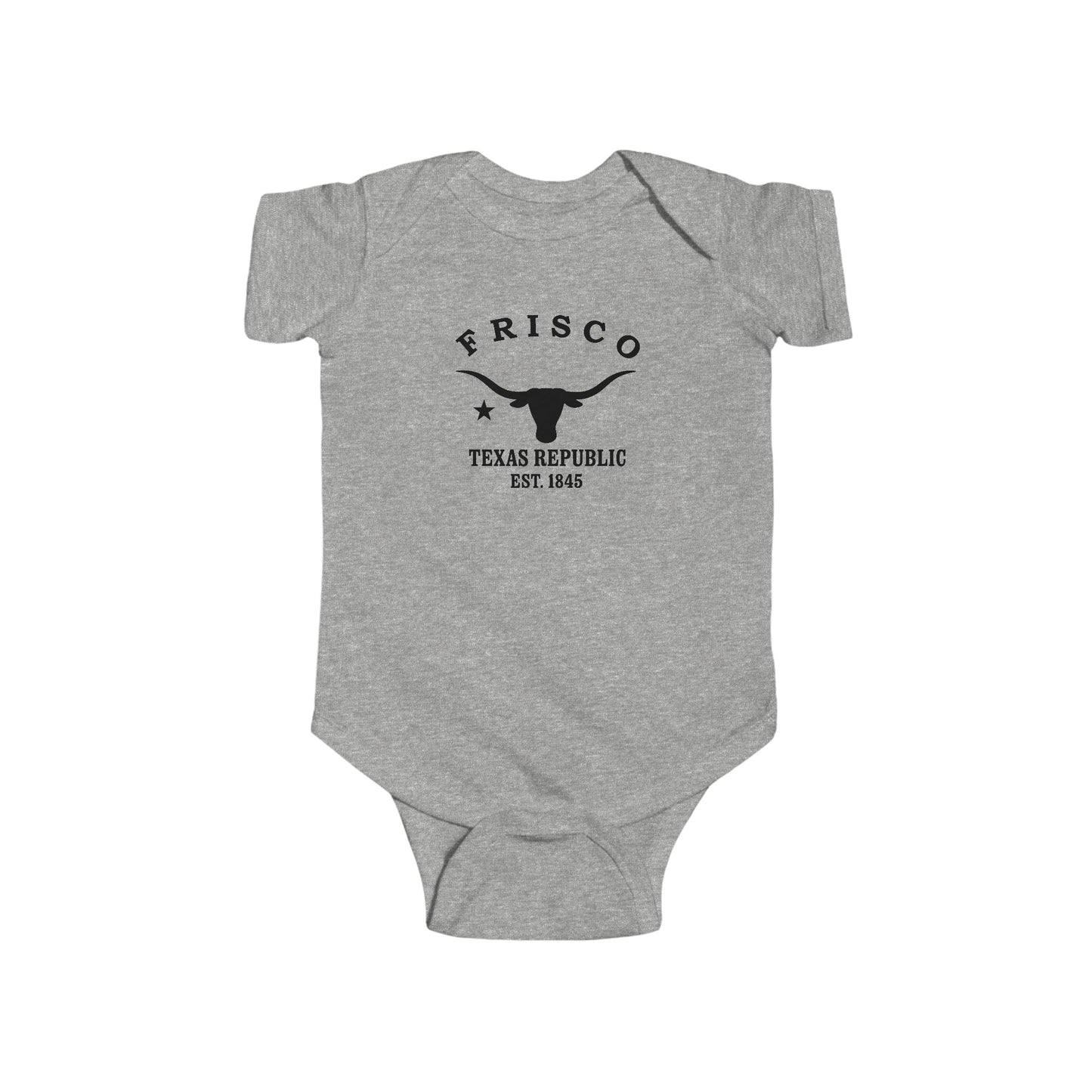
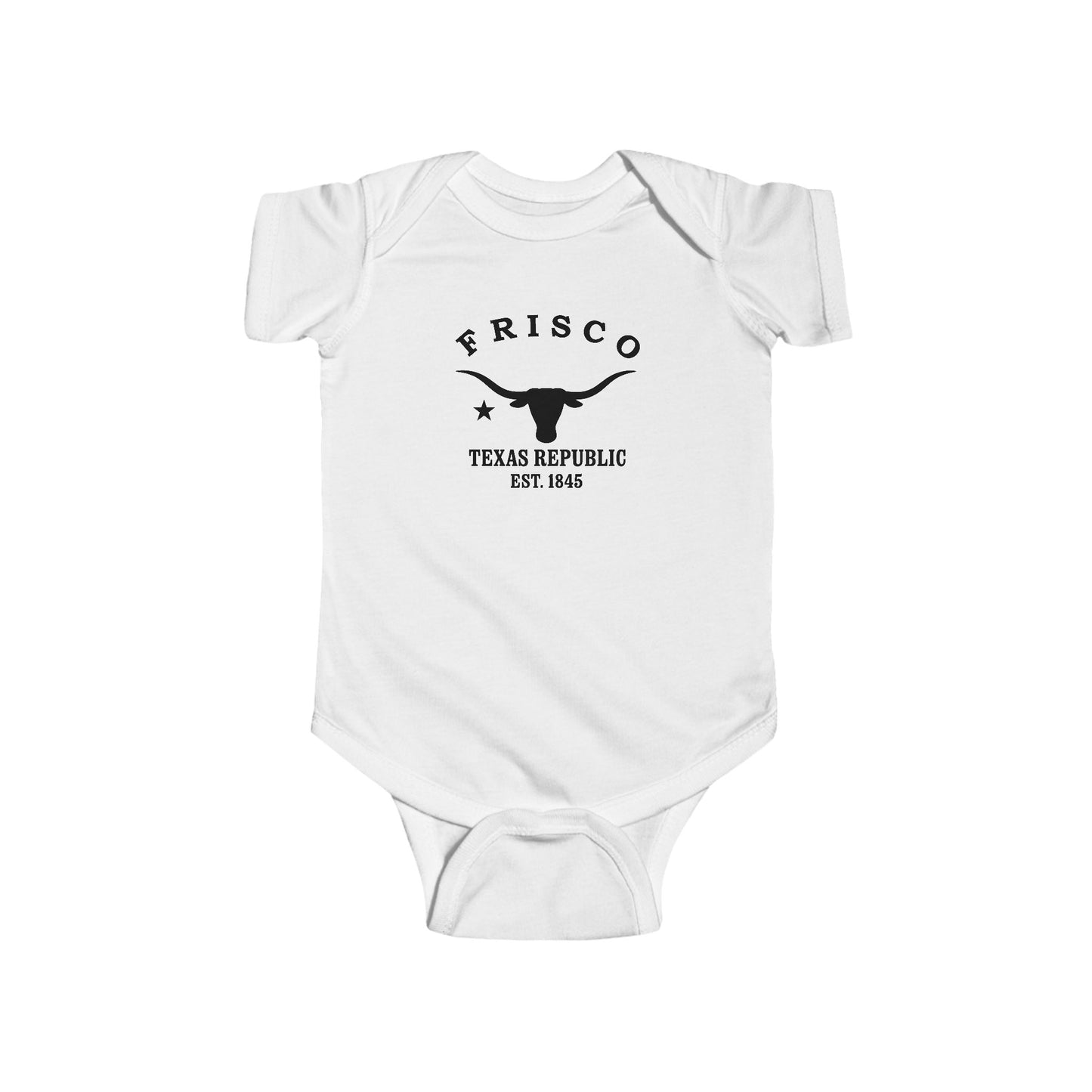
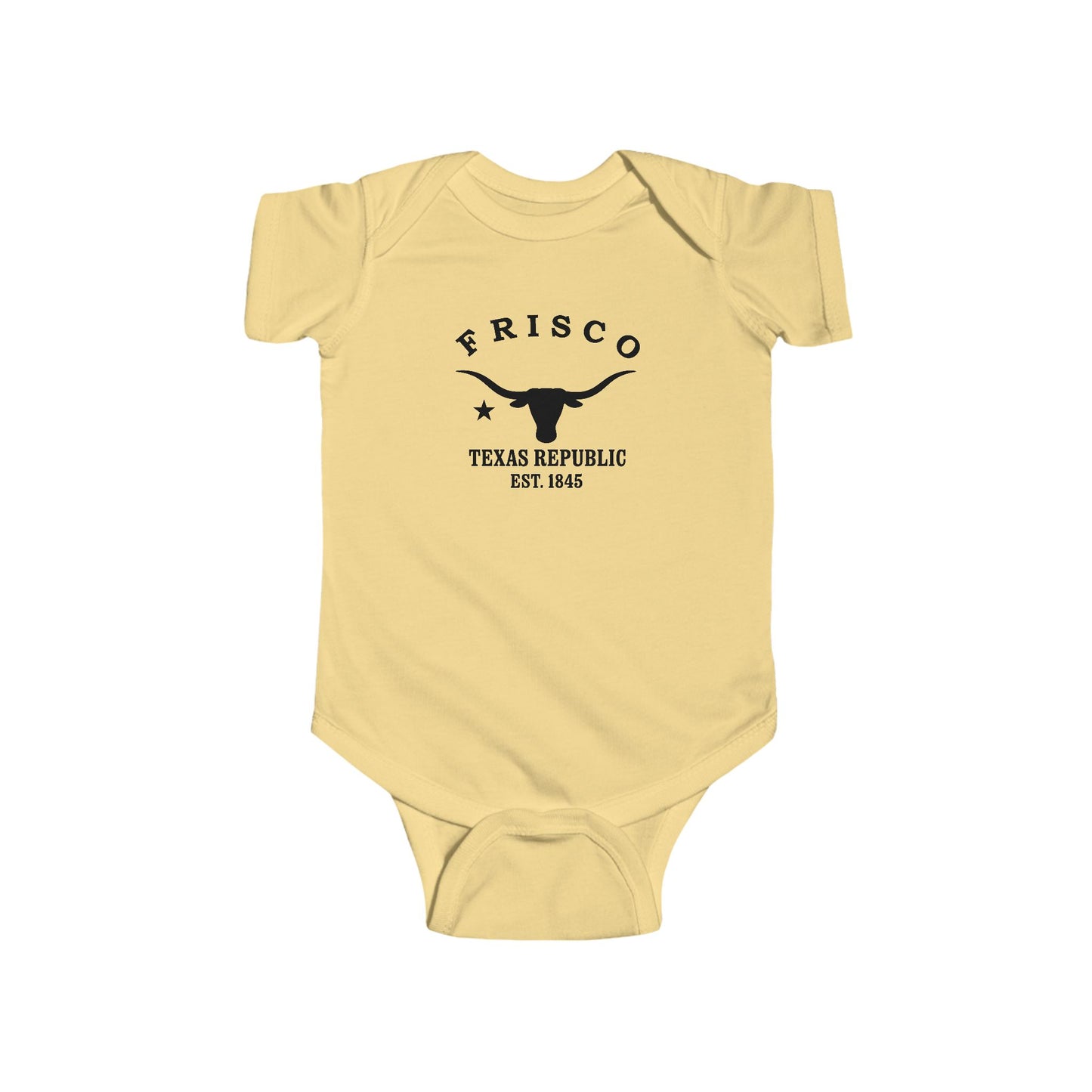
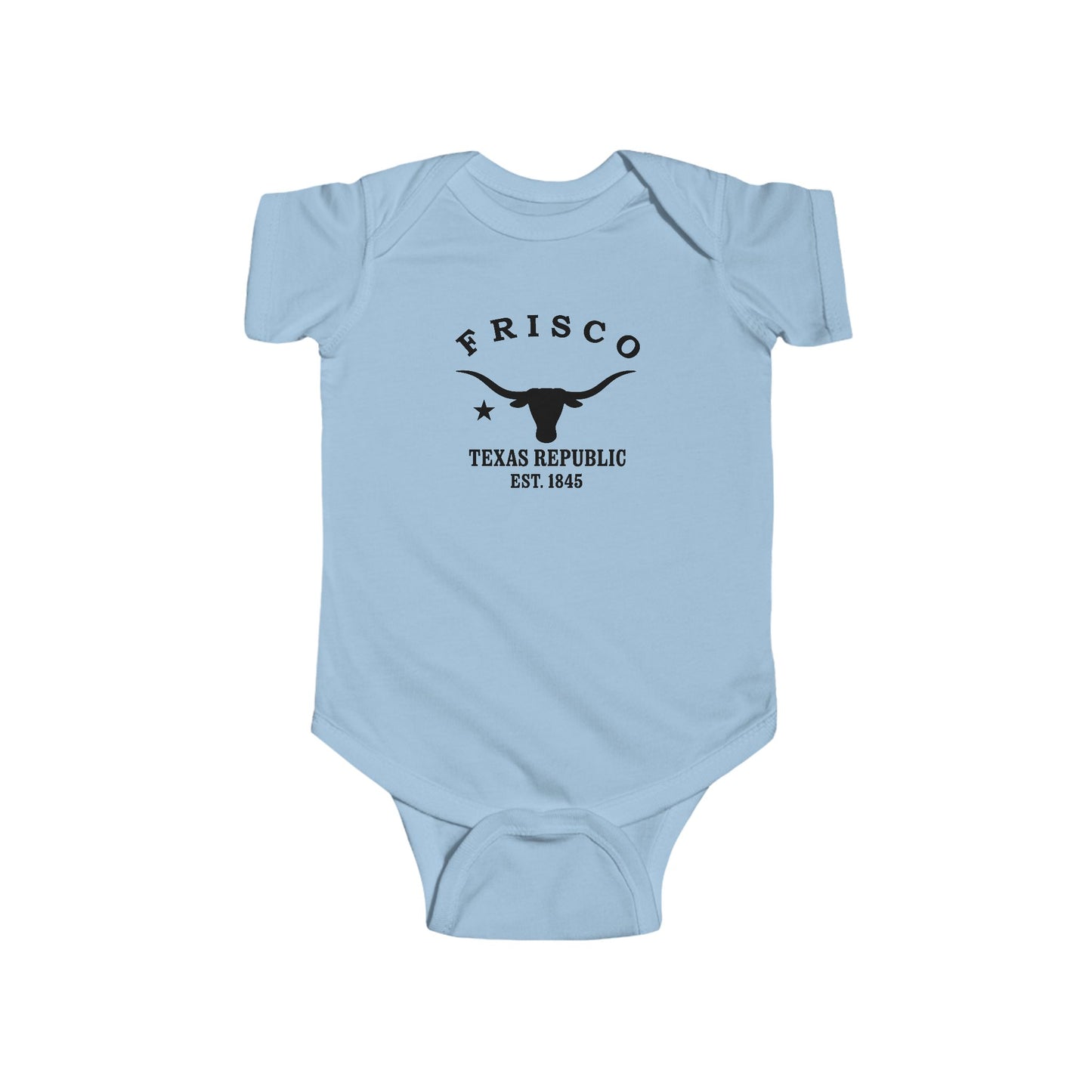
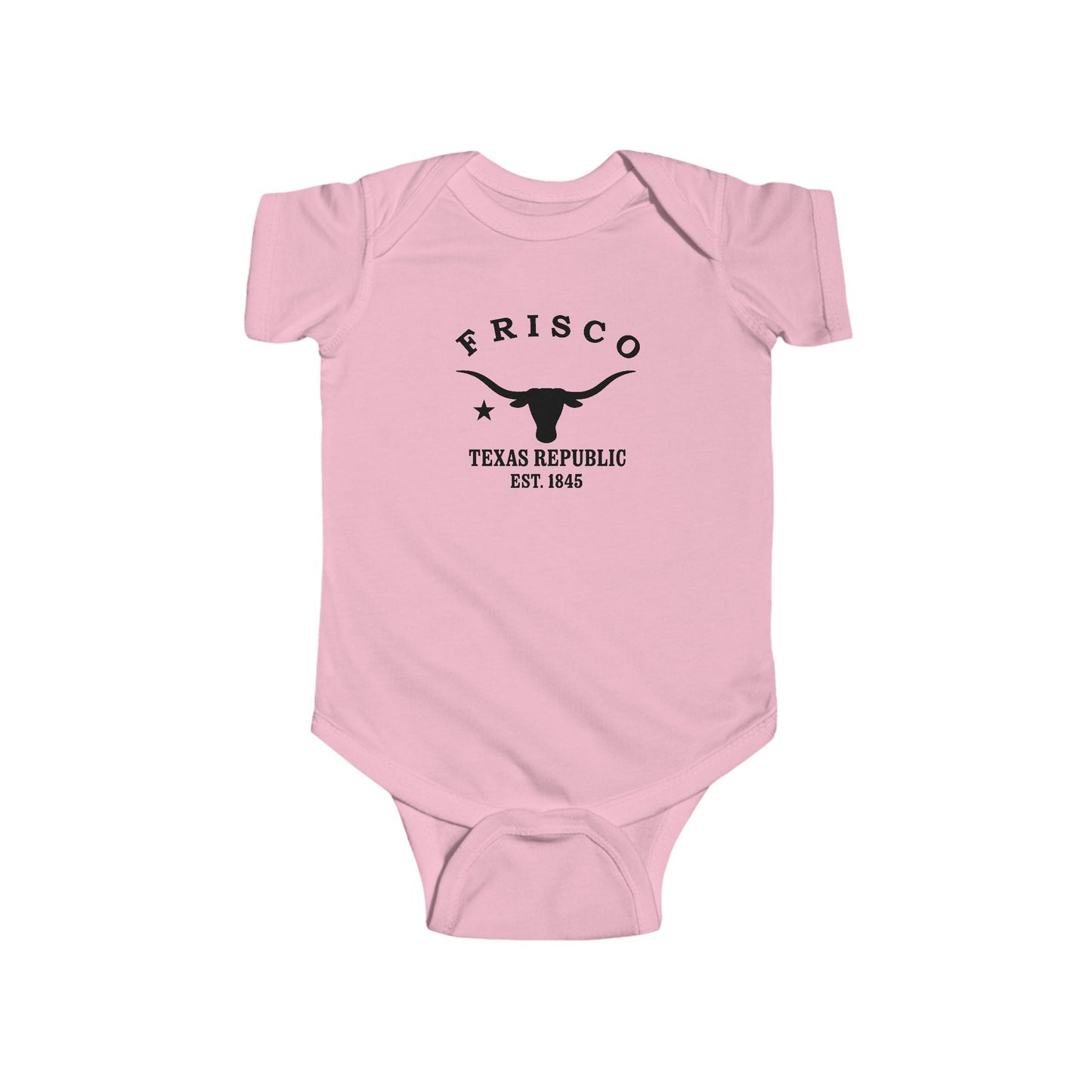
Our Frisco logo carries the Texas longhorn and Lone Star over “Texas Republic · Est. 1845,” the year Texas joined the Union — the shared emblem of every Merlin Classics Texas place. Here the longhorn is more than decoration: Frisco grew up on the Shawnee Trail, the very road those cattle were driven up. Printed in a distressed black-and-white that reads like an old brand iron, the longhorn is Texas in shorthand — and what makes this one Frisco is the country behind it: the cattle trail, the railroad name, and the boomtown that rose from the prairie.
Why People Visit Frisco
Frisco offers a rare mix — a brand-new big city with deep-Texas roots: a railroad-heritage downtown, the old cattle trail underfoot, and a skyline of stadiums and corporate campuses that went up in a single generation. It's polished, easy to navigate, and unmistakably North Texas.
