


What’s with the Onions? For half a century, Fairfield’s fame was an onion. The Southport Globe Onion, bred on the coastal hills above Southport Harbor, became one of the most celebrated vegetables in America — by the 1840s onions were the town’s great crop, schooners raced them under sail to the New York markets, and during the Civil War the Union bought them by the hundred-thousand-bushel lot; General Grant reputedly refused to march without them. Then in 1894 cutworms and fungus turned the fields black almost overnight, and the industry died where it stood. The onion money had already built the harbor village and its streetscapes — and every fall Fairfield still drops a giant onion at its festival in the crop’s honor.
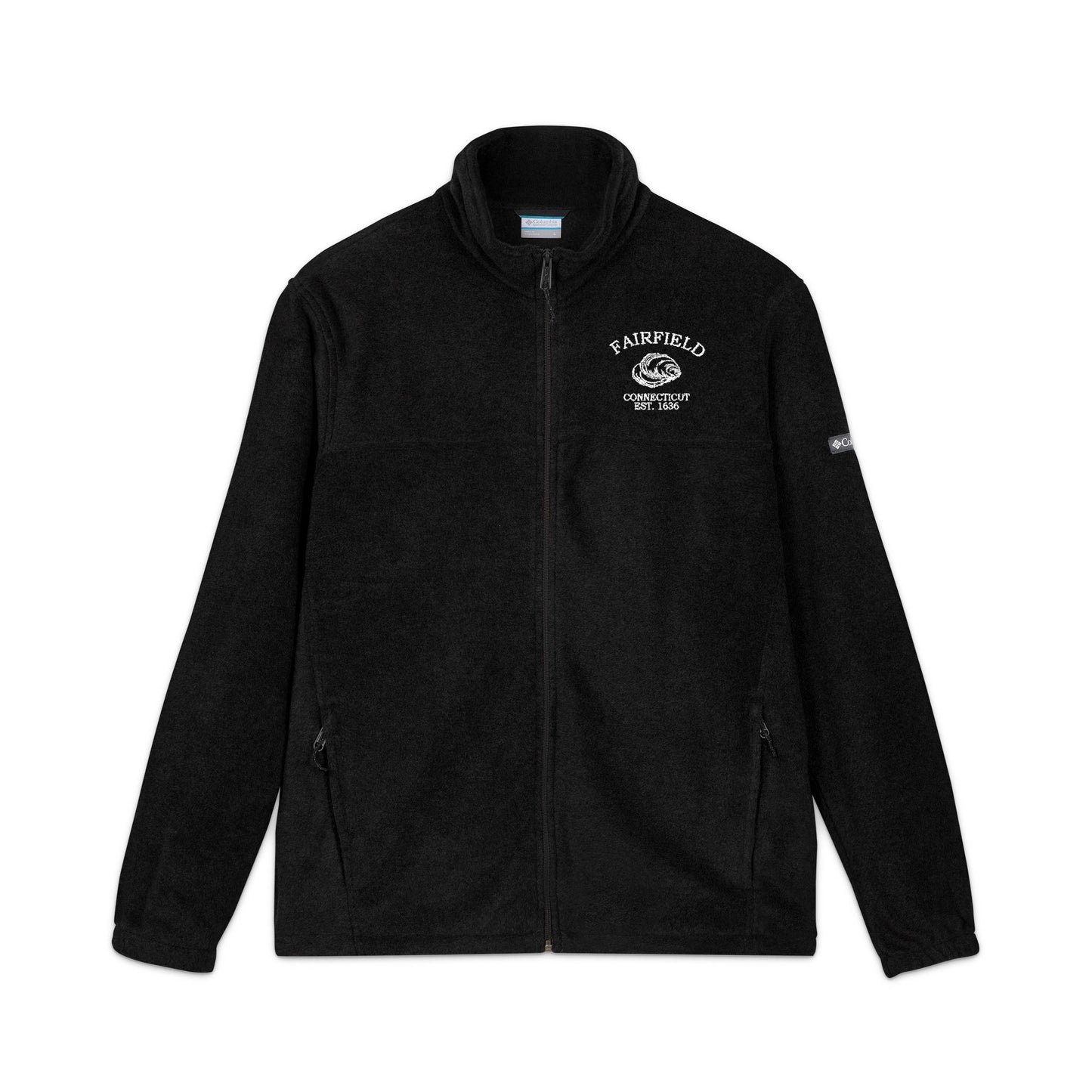
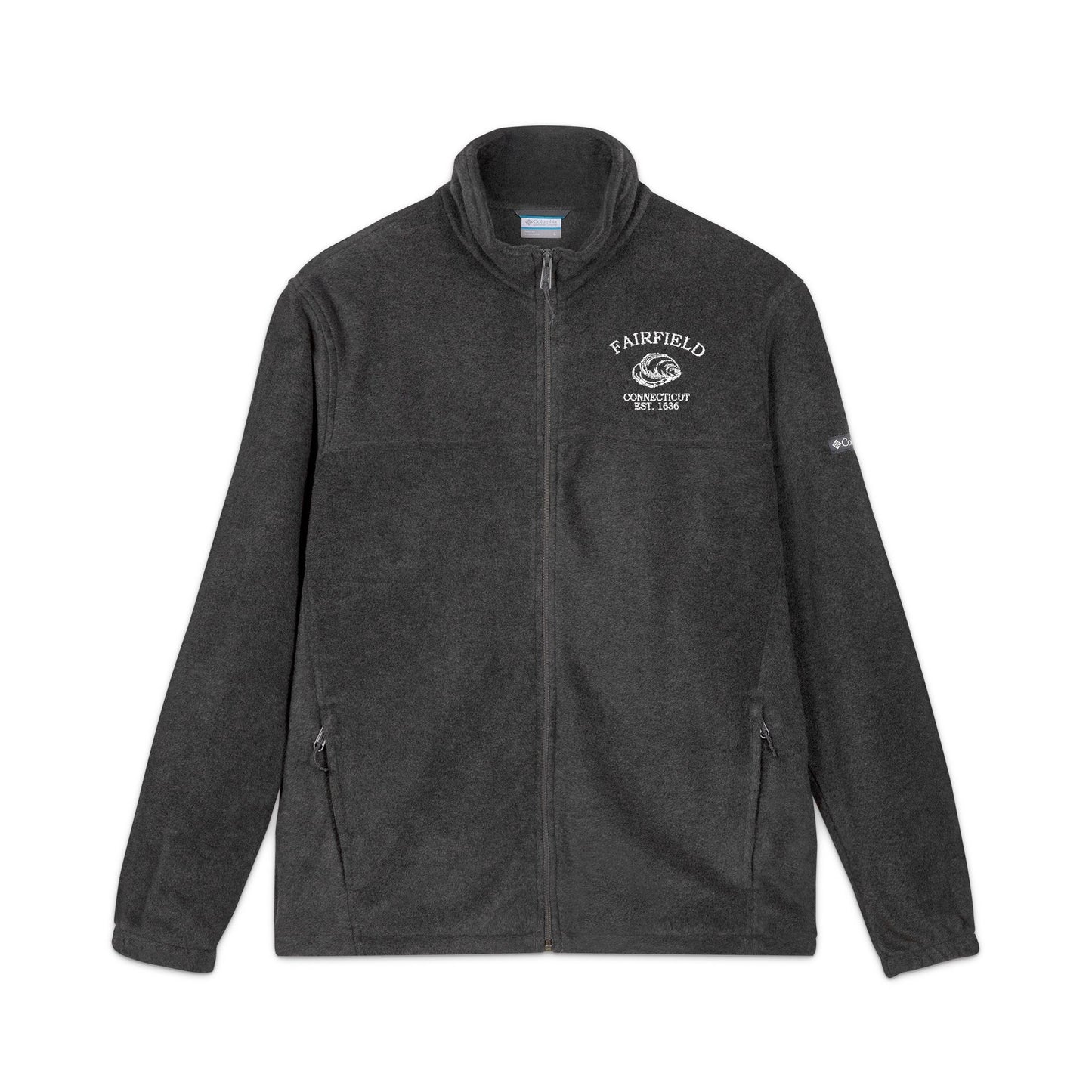
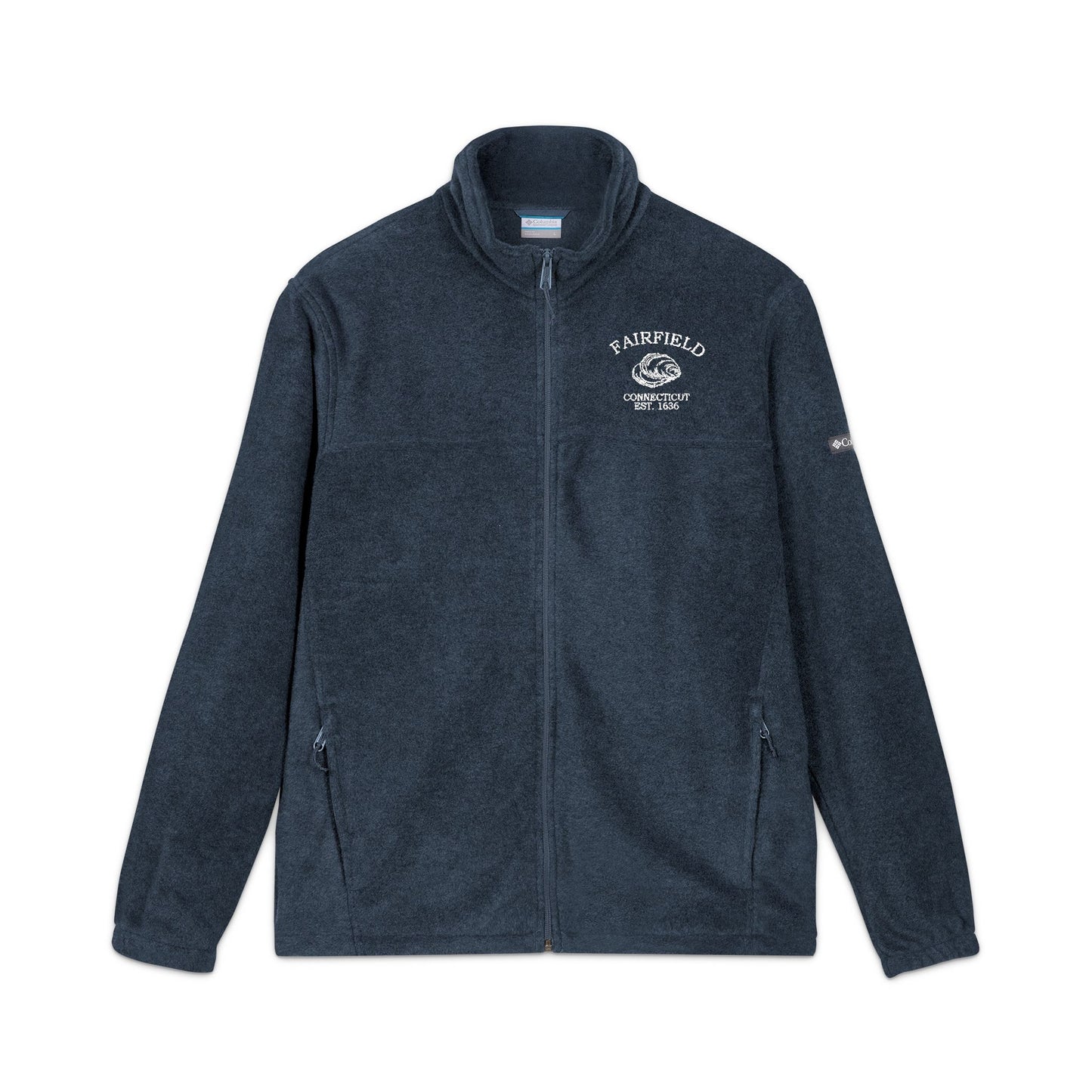
Our Fairfield retro logo uses Connecticut's clam shell motif, the brand-wide shellfish emblem of every Merlin Classics CT shoreline town, symbolizing shoreline abundance and resilience. The clam represents cultural pride, while "1636" ties the design to the Connecticut Colony's founding era — Fairfield itself was settled three years later in 1639, but the colony-wide "1636" date is the brand-pattern anchor across our Connecticut towns. Black-and-white styling is retro, resembling oyster crate labels and seaside signage. The motif bridges Fairfield's identity: colonial shoreline town and modern suburban community. On merchandise, it conveys authenticity, heritage, and pride, retro in tone. The clam shell emblem honors Fairfield's layered identity, making it a vintage symbol of Connecticut pride, perfectly suited for Long Island Sound heritage.
Why People Visit Fairfield Connecticut
Fairfield offers a deep colonial history, a National Register town green, the Federal-era Burr Mansion and surrounding streetscape, the Greenfield Hill village preserved intact from before the Revolution, an offshore lighthouse, four miles of Sound beaches, and the original Boston Post Road running through the middle of it all. Visitors come for the museum and the green, the Federal architecture along Beach Road, the Greenfield Hill drive in apple season, the Pequot Library, Jennings Beach in summer, and the simple shoreline pleasures of a town that was founded by the lawyer who wrote America's first constitution and rebuilt itself after the British burned it down. It is layered, walkable, and very Connecticut.
